Altitude sickness is the body’s inability to adapt to the lower oxygen pressure at high altitudes, usually above 2,500 meters. Its main symptoms include headache, nausea, fatigue, and dizziness. The best prevention is gradual ascent, constant hydration, and rest. This guide covers how to prevent and manage altitude sickness effectively.
Everything You Need to Know About Altitude Sickness in Peru
- What Is Altitude Sickness in Peru
- Why Altitude Sickness Is Common in Peru
- Common Symptoms of Altitude Sickness in Peru
- How to Prevent Altitude Sickness When Traveling in Peru
- Acclimatization Tips for Cusco and Other High-Altitude Destinations
- Best Remedies for Altitude Sickness (Natural & Medical)
- High-Altitude Destinations in Peru You Should Know
- When to Seek Medical Help for Altitude Sickness
- FAQs About Altitude Sickness in Peru
What Is Altitude Sickness in Peru

Altitude sickness, called soroche in Peru, is a temporary condition that occurs when a person ascends abruptly to high altitudes. It typically occurs 2,800 meters (8,000 feet) above sea level, where the air is thinner, and there is less oxygen. It occurs due to rapid ascent without proper acclimatization, and it should not be confused with general fatigue or illness.
In most cases, the condition is mild and temporary and resolves over time with acclimatization. It is important not to confuse it with altitude pulmonary edema and altitude cerebral edema, which are more serious forms of the sickness. The key difference is that both of those conditions require immediate descent, while soroche only requires rest.
Why Altitude Sickness Is Common in Peru
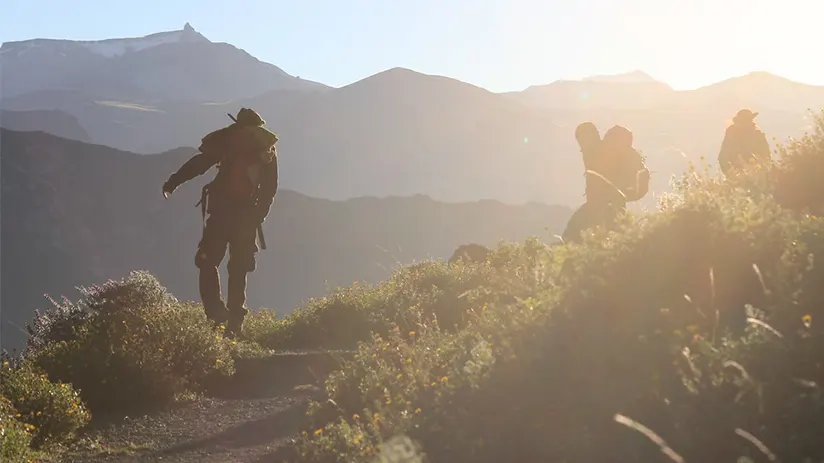
Altitude sickness, known locally as soroche, is common among travelers in Peru due to insufficient acclimatization. Most visitors arrive at high elevation places (various tourist destinations) from sea level without sufficient prior rest. Physically, this is because at higher altitudes, oxygen levels are lower, reducing the amount that reaches the lungs and blood. Furthermore, it can affect anyone regardless of physical condition, age, or weight; therefore, it is common among visitors.
Common Symptoms of Altitude Sickness in Peru

While symptoms vary from person to person, some are more common than others. However, certain symptoms are common with underlying medical conditions that make them more susceptible. Some of these include heart disease, lung disease, diabetes, and asthma, among others. Nevertheless, some of the most common symptoms among tourists are the following:
- Difficulty breathing
- Sleep disturbances
- Loss of appetite
- Digestive discomfort
- Headache
- Nausea
- Vomiting
- Fatigue
- Dizziness
How to Prevent Altitude Sickness When Traveling in Peru
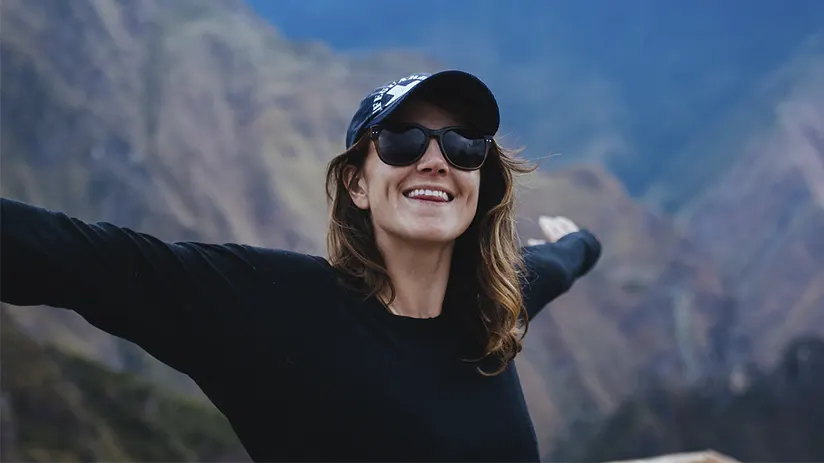
The best way to avoid altitude sickness is to gradually ascend to allow your body to adapt properly. This helps the body acclimatize gradually, thus avoiding the symptoms of this condition. This recommendation also applies to those trekking in Peru, as most adventure tours also take place at high elevations.
Acclimatization Tips for Cusco and Other High-Altitude Destinations

Visitors who don’t have enough time or haven’t planned properly should review some additional tips. There are many ways to alleviate the soroche symptoms. From modern tips to natural remedies, travelers will find many ways to feel better. Here are some of the most popular:
Hydration and Nutrition
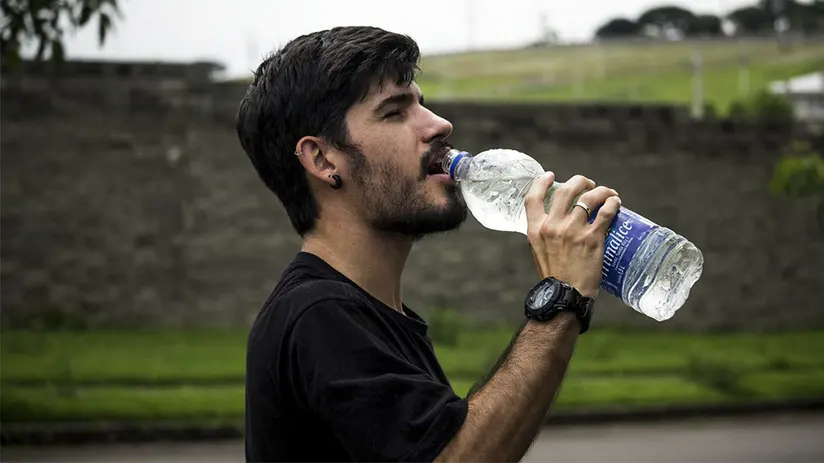
While loss of appetite is one of the main symptoms, eating light meals and carbohydrates is recommended. Avoiding heavy meals and saturated fats will be essential during the first few days. Likewise, staying hydrated can help significantly; ideally, drink at least 2–3 liters of water per day. As time goes on, visitors can try other foods and drinks.
Natural Remedies
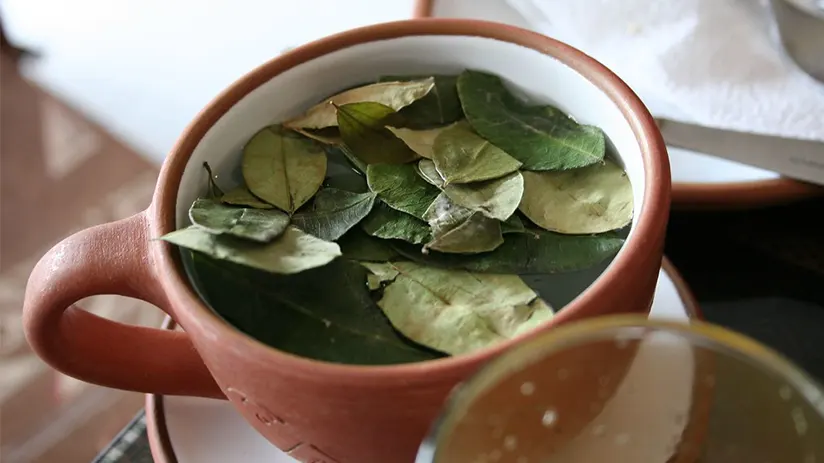
One of the most popular Cusco travel tips is to drink coca tea or chew coca leaves. The coca leaf has properties that help relieve fatigue and headaches. Historically, this traditional remedy has been used to help the body cope with high-altitude conditions. Other natural remedies include medicinal plants such as muña, an ingredient used in teas for stomach ailments.
Avoid Excessive Consumption

It is essential to avoid alcohol and tobacco, as they worsen symptoms and dehydrate the body. This precaution should be taken for at least the first 48 hours after arriving at higher elevations. If travelers have planned high-altitude treks, even greater care is needed due to the increased physical exertion.
Medications

Other options include taking medications after consulting a doctor. Some specialists recommend taking pills during your travel to Cusco or other high-altitude places. These medications must be prescribed by certified physicians based on the individual’s medical condition and after evaluating potential side effects. Some medications include Acetazolamide (Diamox), Dexamethasone, Nifedipine, and Ibuprofen, among others.
Rest and Limit Physical Activity
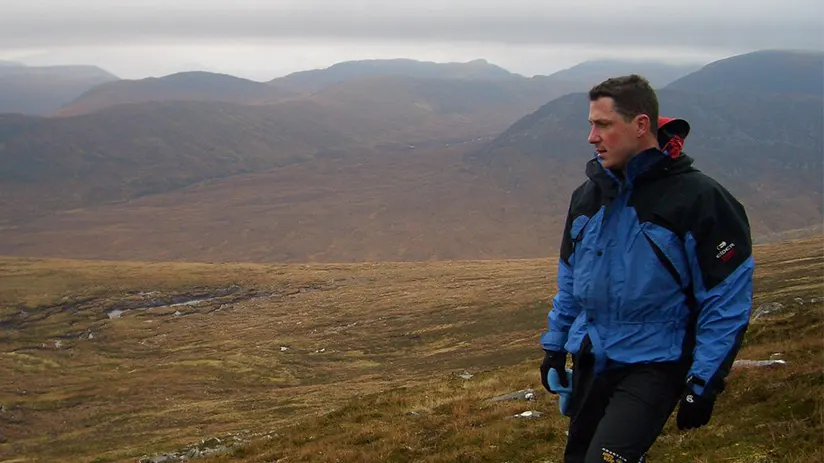
Travelers experiencing symptoms should rest and limit physical activity during their first few days of exploring. If possible, it’s highly recommended to rest for at least the first 24 hours after arriving at your high-altitude destination. Other excellent options include light activities such as leisurely walks.
Best Remedies for Altitude Sickness (Natural & Medical)

Visitors still unsure whether to choose one remedy over another should consider the benefits and their specific needs. The traveler’s circumstances and available time will also play a significant role. While natural remedies are the most popular among tourists, many others opt for medical treatments. Here is a comparison table of both to help you make an informed decision.
| Natural Remedies | Medical Remedies | |
| Examples of remedies | Hydration, ginger tea, coca leaves/tea, rest, gradual ascent | Acetazolamide (Diamox), ibuprofen, oxygen therapy, and dexamethasone |
| Ease of access | Usually easy to find (water, herbs, rest) | Requires prescription or medical assistance in many cases |
| Speed of effect | Slower, gradual relief | Faster, more immediate symptom relief |
| Cost | Low cost or free | Can be more expensive depending on the medication or treatment |
| Side effects | Minimal or none (generally safe) | Possible side effects (tingling, nausea, allergic reactions, etc.) |
| Scientific support | Limited or mixed evidence | Strong scientific and clinical evidence |
| Need for supervision | No professional supervision needed | Often requires medical advice or supervision |
| Best for | Mild symptoms and prevention | Moderate to severe symptoms or high-risk individuals |
High-Altitude Destinations in Peru You Should Know

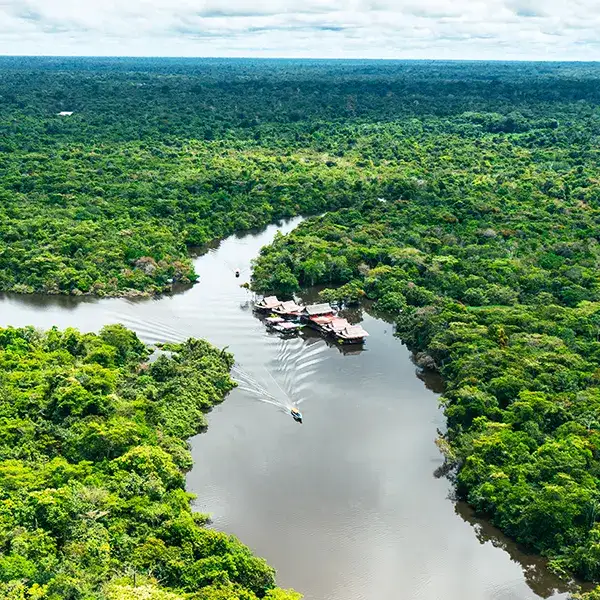
The destination’s elevation above sea level is also one of the most important factors to consider. Visitors are more likely to experience altitude sickness in high-altitude areas than in lower-altitude destinations like the Amazon rainforest or coastal cities. Therefore, visitors should exercise particular caution when traveling to Andean destinations. Here is a summary of the main tourist destinations with considerable elevations:
- Sacred Valley elevation: between 2,050 and 3,000 meters (6,725–9,840 feet)
- Arequipa elevation: 2,300 meters (7,661 feet)
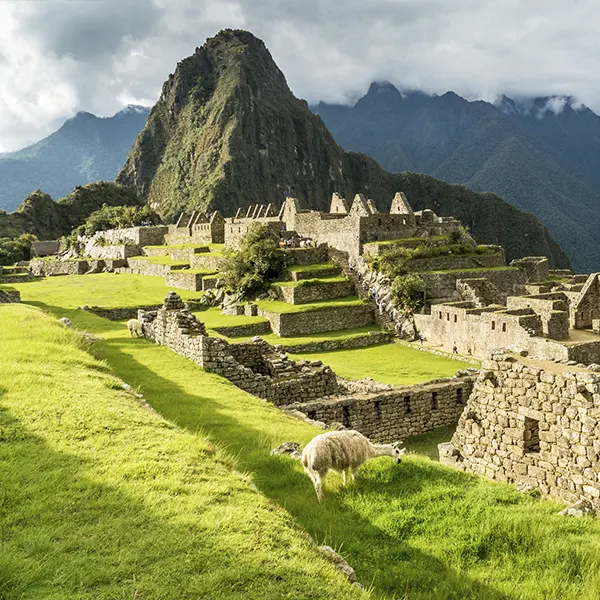
- Machu Picchu elevation: 2,430 meters (7,972 feet)
- Ollantaytambo elevation: 2,792 meters (9,160 feet)
- Cusco elevation: 3,399 meters (11,152 feet)
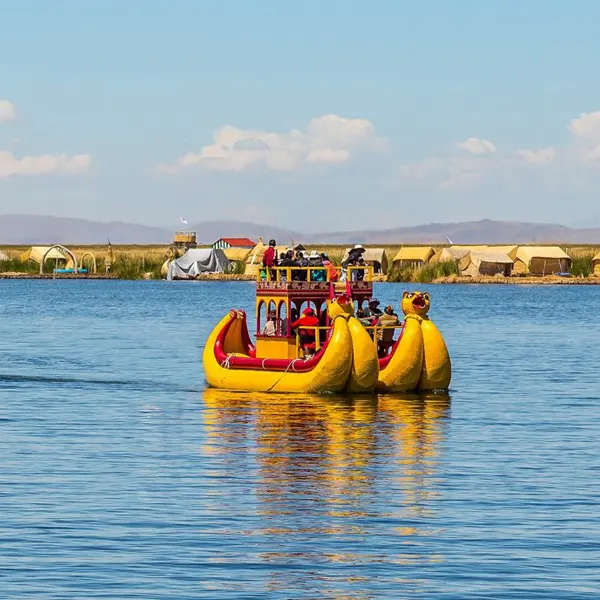
- Lake Titicaca elevation: 3,812 meters (12,507 feet)
- Puno elevation: 3,830 meters (12,556 feet)
- Inca Trail maximum elevation: 4,200 meters (13,800 feet)
- Rainbow Mountain elevation: 5,200 meters (17,060 feet)
- Cordillera Blanca elevation: 6,768 meters (22,205 feet)
When to Seek Medical Help for Altitude Sickness

Tourists experiencing altitude sickness symptoms that worsen over time and do not improve with rest should seek medical help. Some symptoms can be signs of more serious complications, so it’s important to pay attention. Likewise, more serious complications can also be warning signs to consult a specialist. These symptoms include extreme difficulty breathing, persistent cough, mental confusion, severe headache, and severe vomiting, among others.
FAQs About Altitude Sickness in Peru
How common is altitude sickness in Peru?
Altitude sickness is quite common in Peru, especially for travelers visiting high-altitude places like Cusco. Many people who arrive quickly from sea level may experience mild symptoms, such as headaches or fatigue, within the first 24 hours. However, most cases are not serious and improve as the body adjusts to the altitude, even during the best time to visit Peru.
How do you prevent altitude sickness in Cusco?
To prevent altitude sickness in Cusco, rest for the first 24 hours, stay hydrated, avoid alcohol, and gradually increase activity levels. Rest, drink plenty of water, avoid alcohol, and eat light meals. Gradually increasing the activity level and allowing the body time to adjust can make a big difference in reducing symptoms.
What are the symptoms of altitude sickness in Peru?
The most common symptoms of altitude sickness include headache, dizziness, nausea, fatigue, and shortness of breath. Some people may also experience trouble sleeping or a loss of appetite. Symptoms usually appear within a few hours after arriving in the Andean regions.
How long does it take to acclimatize in Cusco?
Most people need about 1 to 3 days to acclimatize in Cusco. During this time, the body slowly adjusts to the lower oxygen levels. After a few days, symptoms usually improve, and visitors can continue their activities more comfortably.
Is Machu Picchu high enough for altitude sickness?
Machu Picchu (7,972 feet) is lower in altitude than Cusco (11,152 feet), so the risk of altitude sickness is much lower. While it is still possible to feel mild symptoms, most tourists do not experience significant problems there, especially if they have already spent time acclimatizing in Cusco.
What remedies help with altitude sickness in Peru?
Both natural and medical remedies can help with altitude sickness in Peru. Natural options include drinking coca tea, staying hydrated, and resting, while medical treatments like acetazolamide or oxygen can provide faster relief in more serious cases. Choosing the right remedy depends on the severity of the symptoms.
“EVERY STEP AT HIGH ALTITUDE BRINGS YOU CLOSER TO UNFORGETTABLE VIEWS”
Altitude sickness is a common challenge for travelers visiting high-altitude destinations. However, with proper preparation and awareness, it can be managed effectively. Understanding the symptoms, allowing time to acclimatize, and choosing the right combination of natural and medical remedies can make a significant difference in your experience. By taking simple precautions, visitors can enjoy their trip safely while minimizing the impact of the sickness.
Peru has so much to offer; it can be hard to know where to start. With many years of experience in the tourism sector, Machu Travel Peru is happy to help with anything regarding your trip to Peru and any tours around it. Let us help you make your Peruvian travel experience unforgettable! Contact us today to plan your dream adventure!