The best time to visit Peru is during the dry season from May to September, when the weather in the Andes is ideal for Machu Picchu, trekking, and cultural travel. However, the coast and Amazon rainforest follow different climate patterns, so the best travel months depend on your itinerary and interests. From first-time travelers to adventurers, every tourist is looking for the perfect time to experience this fantastic country. With Peru’s diverse range of regions and unique characteristics, selecting the ideal time can be a significant challenge. This detailed guide explains everything you need to know to plan your trip at the best possible time.
Everything you must know about the Peruvian seasons and weather
- Overview of the Best Time to Visit Peru
- Peru’s Climate by Region (Why It Matters for Your Trip)
- Best Time to Visit Peru by Season
- Best Time to Visit Peru by Month
- Best Time to Visit Peru by Activity
- Cheapest Time to Visit Peru
- Worst Time to Visit Peru (Weather Risks & Closures)
- Best Time to Visit Machu Picchu
- FAQs About the Best Time to Visit Peru
Overview of the Best Time to Visit Peru
Peru is one of the most diverse countries in South America, and its climate conditions are no exception. Travelers focused on a specific attraction will find that timing their trip is crucial. However, the weather tends to vary between its iconic landmarks. While conditions may be favorable in some cities, they aren’t in others.
For example, most tourists visit Machu Picchu, the country’s main tourist attraction, during the summer in the US. But these months are often not ideal for nearby attractions on the Peruvian coast, such as Lima or Paracas. Thus, like any time of year, each season has its pros and cons. If you have the option to choose your travel date, you will need to carefully evaluate all available options.
Peru’s Climate by Region (Why It Matters for Your Trip)
Before discussing peak visiting seasons, we’d like to offer some insight into how the weather varies across Peru. Its main natural regions have unique characteristics that make them feel like entirely different countries. Each of Peru’s three main regions has distinct climates and geographical conditions. Here are some important general points:
Coastal Peruvian region
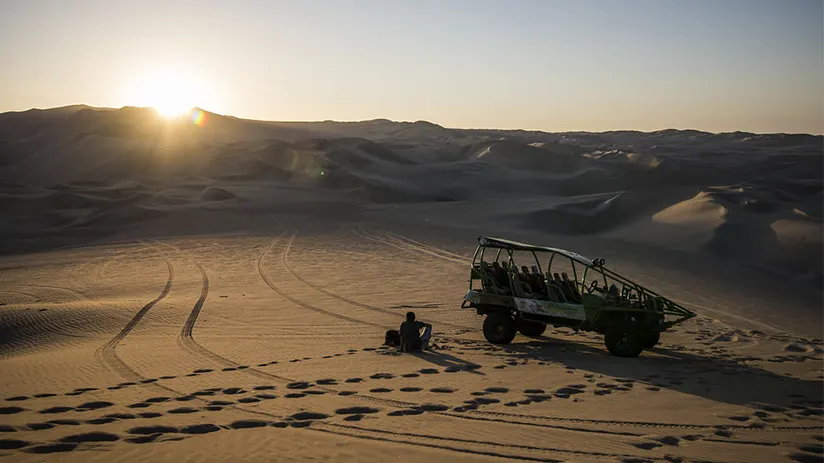
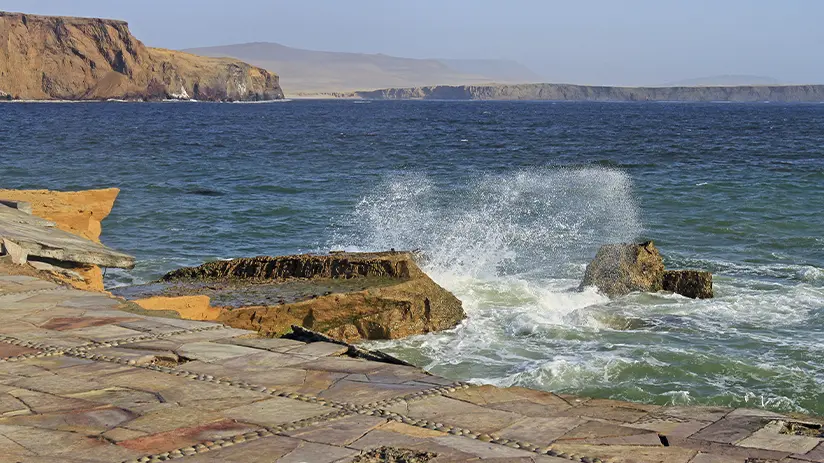
The westernmost part of Peru, or the desert strip bordering the Pacific Ocean, is known as the Peruvian coast. With an elevation of 150 – 600 meters above sea level, the average temperature is around 25 – 35°C year-round. Its warm days, scarce rainfall, and arid landscapes are among its most notable characteristics. Overall, temperatures remain fairly stable and pleasant throughout most of the year.
From northern Tumbes to southern Tacna, the coast boasts incredible attractions. Tropical beaches, golden sand deserts, and arid plains are just some of its most popular features. Nonetheless, Lima, Paracas, Arequipa, and the Ballestas Islands are the most prominent attractions. Many people make at least one stop here because this area hosts Peru’s capital, Lima.
Andes Peruvian region
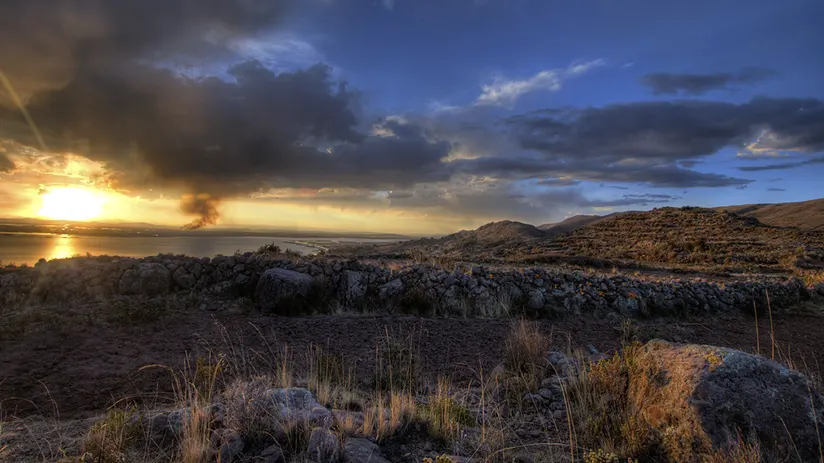
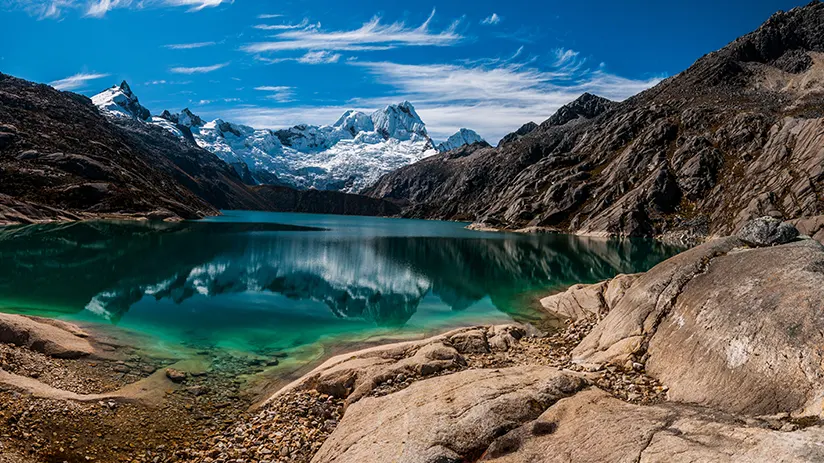
You’ve probably heard about the mythical mountain ranges that exist around the world. And surprisingly, Peru boasts one of the most iconic: the Andes. The imposing Andes mountain range offers a whole range of possibilities. Among its highlights are its magnificent mountains, deep valleys, incredible snow-capped peaks, and much more.
With an altitude of between 600 and 6,768 meters above sea level, it boasts diverse ecosystems and unique climates. Cool weather, warm days, and cold nights are some recurring characteristics. Of course, this depends on the altitude of the destination, as some places can even experience snowy conditions. Even so, its main attractions, such as Cusco and Arequipa, have average temperatures ranging from 5 to 25°C.
Rainforest Peruvian region
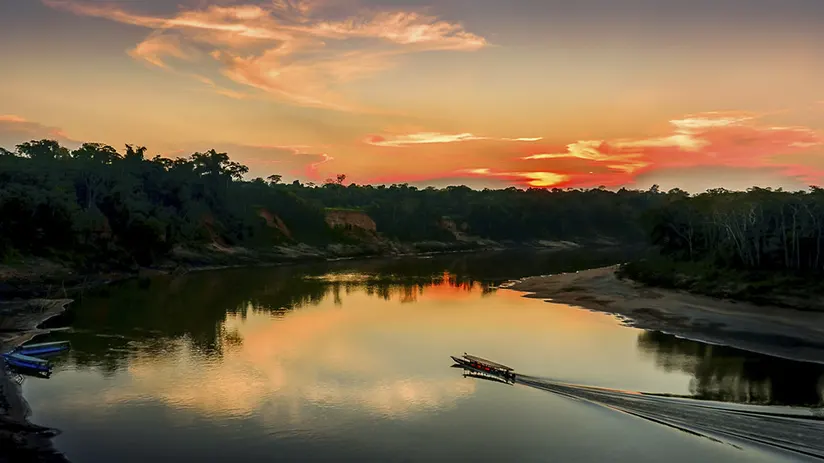
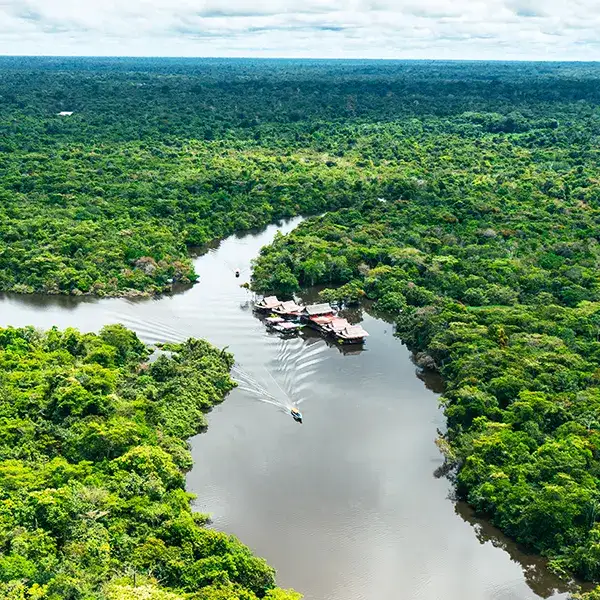
With the largest area of Peruvian territory, the dense Amazon rainforest stands out as one of its most iconic regions. Fortunately, you can distinguish two main zones within this vast area. The first is the lowland rainforest, which extends between 80 and 800 meters above sea level. The second is the highland rainforest, which extends between 800 and 3,800 meters above sea level.
This vast Amazonian region boasts a tropical climate with temperatures ranging from 20 to 32°C. Days and nights are generally quite hot, with frequent rainfall, although this varies somewhat depending on the season. Among its main attractions are Manu National Park, Iquitos, and the Tambopata National Park, ideal for wildlife watching.
Best Time to Visit Peru by Season

Now that we know the main regions of Peru, we’re ready to learn about its main seasons. Unlike the classic seasons you’re probably familiar with (summer, fall, winter, and spring), the country has three distinct ones. Each one influences the aforementioned regions in different ways, but they share these interesting time periods.
Dry Season in Peru (May to September)
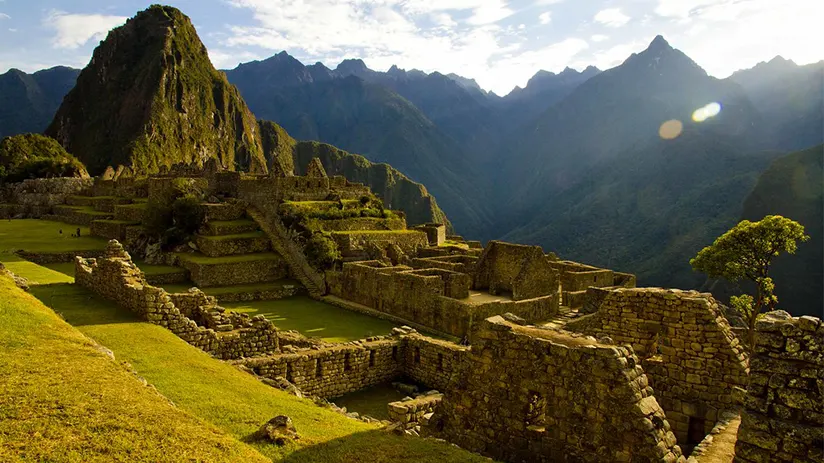
Peru’s dry season runs from May to September and coincides with the peak tourist season. This is because it coincides with US school holidays, and the weather conditions are ideal for many activities. Yet, there is usually a lot of domestic tourism throughout the country for local holidays. For example, the festivals and cultural events in June or the Independence Day celebrations in July attract crowds.
Places like the Andes and the Peruvian Amazon offer ideal conditions for exploring their main attractions. The lack of rain, sunny days, dry roads, and warm breezes are some of their main characteristics. The Peruvian coast offers a different experience, with grayer, more subdued days and cool, damp winds. Nevertheless, these conditions are suitable for water sports like surfing.
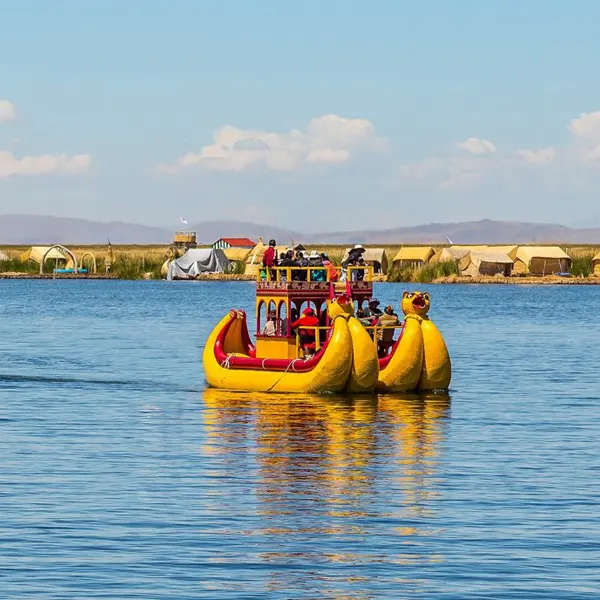
Travelers widely visit destinations such as Cusco (Machu Picchu), Arequipa (Colca Valley), and Puno (Lake Titicaca) during this time. At the same time, celebrations like the Inti Raymi festival and the Virgen de la Candelaria enrich the experience. With temperatures ranging from approximately 18 to 25 °C, the weather is stable and quite enjoyable. Nonetheless, we recommend booking any services you use in advance because of high demand.
Rainy Season in Peru (December to March)
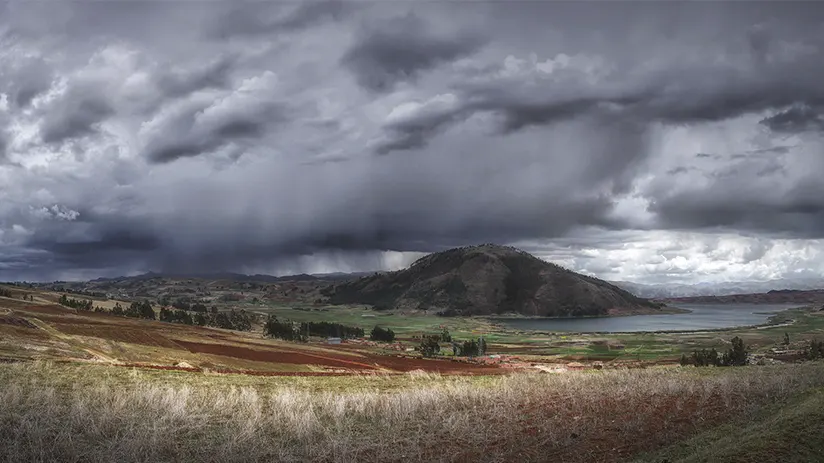
Between December and March, visitors can enjoy Peru’s rainy season, which coincides with its least crowded months. Generally, more tourist services are available because of lower demand. However, this season also coincides with some major holidays such as Christmas, New Year’s, and Carnival. However, the wet season is generally the best time to avoid crowds.
Let’s break it down: the coast is the region that benefits most from the occasional rains typical of these months. In most coastal cities, you can enjoy clear skies, cool breezes, and warm weather. Therefore, many tourists take advantage of the opportunity to enjoy Peru’s exciting beaches. These characteristics contribute to the popularity of cities like Lima, Ica, Trujillo, and Piura.
On the other hand, destinations in the Andean and Amazonian regions present completely different conditions. They experience higher rainfall, cloudy skies, and humid breezes. As a result, hiking conditions and outdoor excursions can be limited in some areas. For example, it’s viable to travel during Cusco’s low season, but visitors should do so with caution.
Shoulder Season in Peru (April, October, November)
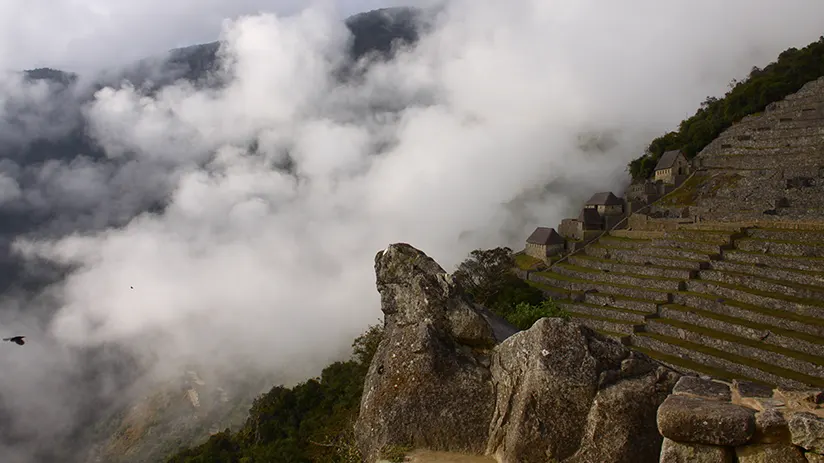
April, October, and November comprise Peru’s shoulder season, and for many, these are the best months for travel. The main advantage of this time is that it offers the best features of the preceding seasons. That is, the weather is perfectly balanced, and there are fewer tourists compared to the high season. Whether you’re traveling to any region for a specific reason, you can be sure that the conditions will be ideal.
Peruvian Seasons and Regions
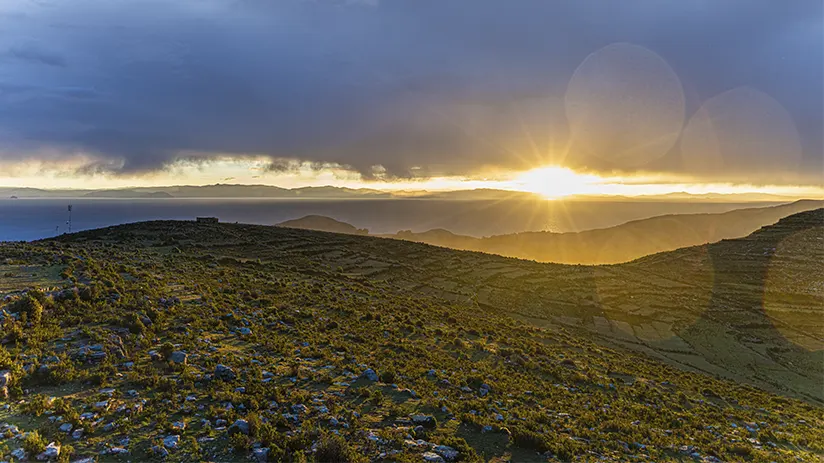
Now that we know about the seasons and regions, it’s time to learn how they influence each other. The table below breaks down how each season affects Peru’s main regions, helping travelers quickly compare weather conditions and plan accordingly. Remember that every trip is unique and will also depend on the itinerary and type of travel you’re undertaking.
| Season | Coastal Region | Andes Region | Rainforest Region |
| Dry Season (May – September) | Mild weather with cloudy skies and little rain. Great time to visit cities and beaches, although the ocean is cold. Avg. temperature: 15–22°C (59–72°F) Rainfall: Very low | Sunny days and cold nights. Best weather for outdoor activities and mountain views. Avg. temperature: 5–20°C (41–68°F) Rainfall: Very low | Less rain than usual, but still humid. Rivers are lower, and wildlife is easier to spot. Avg. temperature: 24–30°C (75–86°F) Rainfall: Moderate |
| Rainy Season (December – March) | Warm and sunny with very little rain. This is summer on the coast. Avg. temperature: 22–28°C (72–82°F) Rainfall: Low | Frequent rain, cloudy skies, and possible landslides. Some trails may close. Avg. temperature: 10–18°C (50–64°F) Rainfall: High | Heavy rain and high humidity. Rivers are full, and the jungle is very green. Avg. temperature: 25–31°C (77–88°F) Rainfall: Very high |
| Shoulder Season (April, October & November) | Pleasant temperatures and fewer crowds. Good balance between weather and prices. Avg. temperature: 18–24°C (64–75°F) Rainfall: Low | Mixed weather with some rain, but fewer tourists and good views. Avg. temperature: 8–19°C (46–66°F) Rainfall: Moderate | The rain is moderate, and nature is vibrant. Good mix of weather and accessibility. Avg. temperature: 24–30°C (75–86°F) Rainfall: Moderate |
Best Time to Visit Peru by Month
| Month | Weather | Crowds | Prices | Best For |
| January | Heavy rain in Andes & Amazon, summer on coast | Low | Low | Beaches, city travel, budget trips |
| February | Wettest month, trails may close | Very Low | Very Low | Coastal travel, cultural visits |
| March | Rain decreasing, improving conditions | Low | Low | Transition travel, fewer tourists |
| April | Start of dry season, mild weather | Medium | Medium | Machu Picchu, cultural tours |
| May | The rainy season begins, coastal summer | Medium | Medium | Trekking, Sacred Valley |
| June | Cool, dry, excellent visibility | High | High | Hiking, festivals, Inti Raymi |
| July | Peak dry season, cold nights | Very High | High | Best trekking conditions |
| August | Dry, busiest month | Very High | High | Popular routes, mountain tours |
| September | Dry, warming temperatures | Medium | Medium | Hiking, photography |
| October | Shoulder season, light rain | Medium | Medium | Balanced weather & crowds |
| November | Increasing rain, warmer | Low | Medium | Amazon tours, city travel |
| December | Rainy season begins, coastal summer | Medium | Medium | Dry, clear skies in the Andes |
Best Time to Visit Peru by Activity
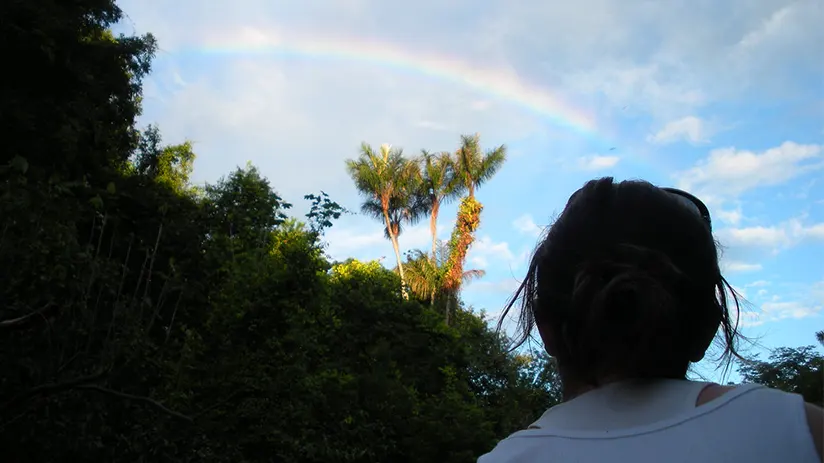
Now that we’ve covered Peru’s travel seasons, it’s time to discuss the country’s unique tourist activities. As mentioned earlier, it’s possible to create an endless list of delightful experiences throughout the country. From relaxing to adventurous, Peru has something for everyone. Below are some of the most popular activities and the best time to enjoy them:
Best Time for Hiking and Trekking in Peru
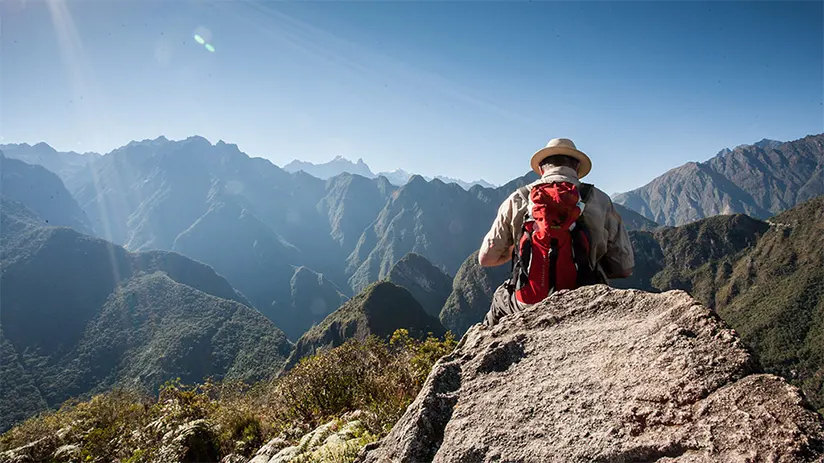
Among the many experiences, we recommend those that allow you to immerse yourself in the adventure of the mountains. Locations like the Sacred Valley, Arequipa, and Huaraz are the favorites for hikers, and they choose the dry season. Specifically, from June to August, trails are more stable, and the weather conditions are excellent. For example, many ask about the best season to visit Rainbow Mountain or the Inca Trail.
Best Time for Wildlife & Amazon Tours in Peru
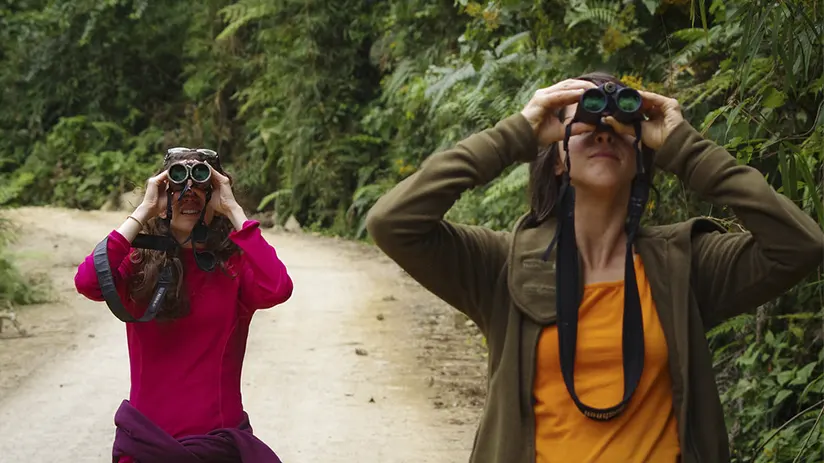
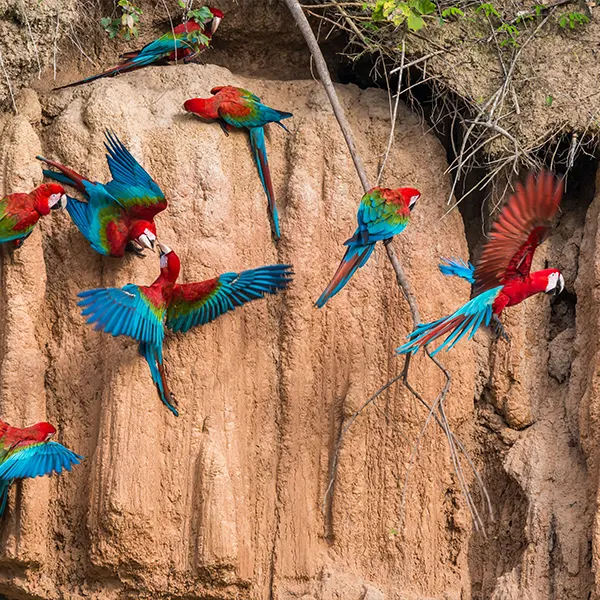
The vast Amazon rainforest offers unique opportunities to see wildlife and encounters with its pristine nature. Many visitors carefully consider the months based on the specific type of encounter they hope to experience. For example, during the dry season, it’s best for observing animals that congregate around water sources, generally mammals and birds. The rainy season, on the other hand, offers higher water levels and increased activity from amphibians and aquatic animals.
Best Time for Beaches & Surfing in Peru
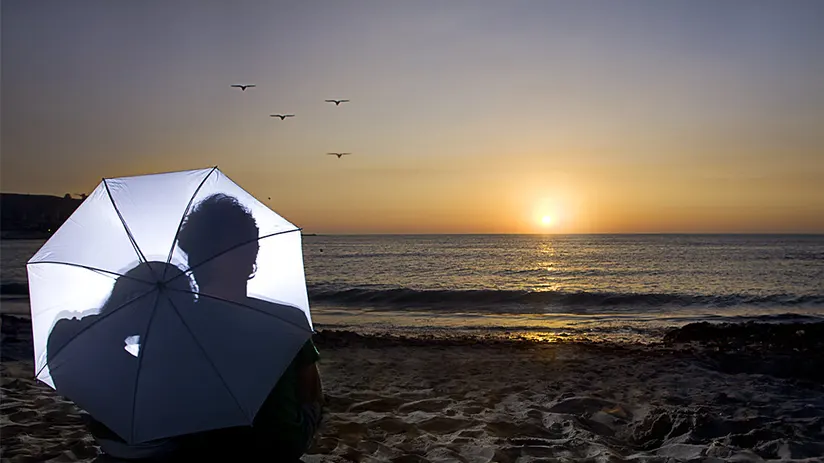
Warm weather and excellent swimming conditions are the notable features of the dry season months on the Peruvian coast. But should you wish to surf, you’ll find a suitable spot depending on the month you choose. For example, the dry season is good for surfing in the north because of its warm waters and small waves. In contrast, during the rainy season, the south is ideal because of its larger swells.
Best Time for Festivals & Cultural Events in Peru

The best time to experience festivals depends on the specific festival you choose. Even so, to experience several celebrations at once, we recommend going between June and July. These months are fantastic for enjoying music, dancing, traditions, and festivities, especially in Cusco. Other celebrations, such as Carnival or Holy Week, have varying dates, so you should research them beforehand.
Cheapest Time to Visit Peru
Many visitors consider the rainy season to be the cheapest time to visit Peru for several reasons. Among the most notable advantages are the deals and promotions offered by thousands of establishments. Although prices are lower, we recommend evaluating all available options. Remember that you can also visit Peru on a budget during the dry season, but you will need to book in advance.
Worst Time to Visit Peru (Weather Risks & Closures)
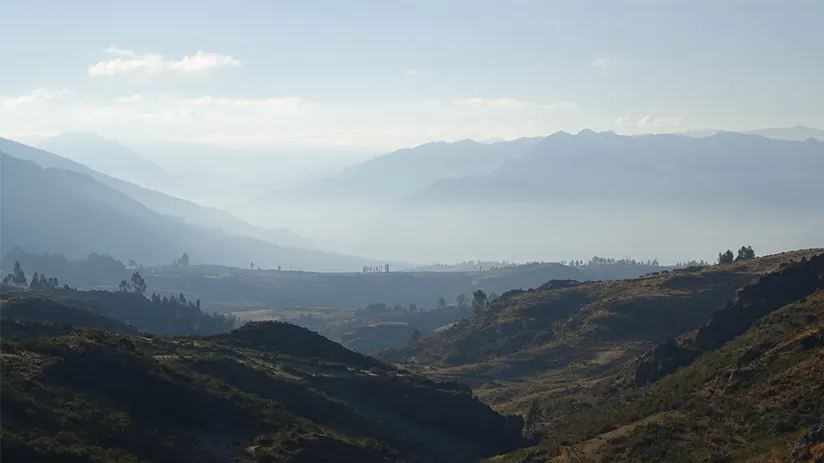
Just like the best weather, the worst weather will depend on the type of activity and region you choose for your trip. For example, the best season to visit Lima is the least favorable for traveling through the Andes. We refer to January and February as the rainiest months, when the weather is least predictable. Though you should take precautions regarding weather risks and potential closures you might encounter.
Best Time to Visit Machu Picchu

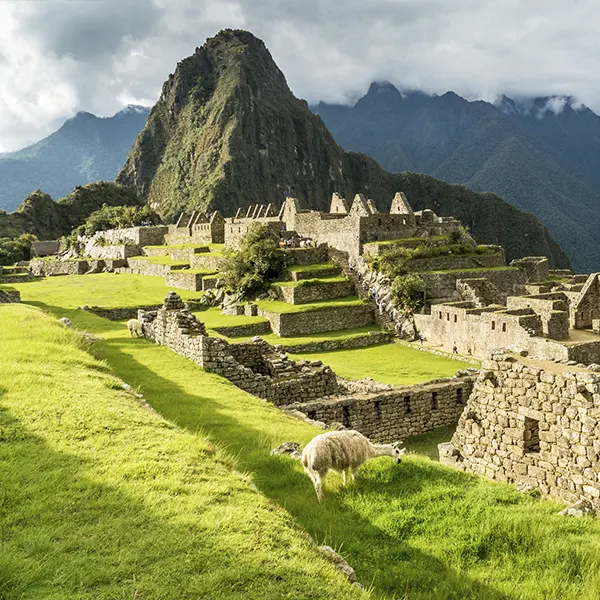
No guide would be complete without mentioning Machu Picchu, Peru’s main tourist attraction. During the dry season, the weather conditions at Machu Picchu are exceptional, but it’s also much more crowded. Conversely, the rainy season brings more unpredictable weather but fewer crowds. Ultimately, we reiterate that your travel time will depend on your interests.
FAQs About the Best Time to Visit Peru

What is the best month to visit Peru?
The best months to visit Peru are May, June, and September, when the weather in the Andes is dry, skies are clear, and trekking conditions are excellent. These months also offer fewer crowds than peak July and August while still providing great visibility at Machu Picchu and other highland destinations.
When is the rainy season in Peru?
Peru’s rainy season runs from December to March, with the heaviest rainfall in January and February, especially in the Andes and the Amazon. During this time, hiking trails can be muddy, and some routes, including parts of the Inca Trail, may close for safety reasons.
Is Machu Picchu open all year round?
Yes, Machu Picchu is open year-round, but the Inca Trail is closed every February for maintenance and conservation. During the rainy season, heavy rains may affect visibility and trail conditions, so travelers should plan flexible schedules and book official guides.
What is the best time to visit Machu Picchu?
The best time to visit Machu Picchu is during the dry season from May to September, when there is less rain and better mountain visibility. April and October are also excellent shoulder-season months with good weather and fewer visitors.
When is the cheapest time to visit Peru?
The cheapest time to visit Peru is during the rainy season (January to March), when flights and hotels often offer lower prices due to reduced demand. Travelers should consider possible weather disruptions, but can benefit from significant savings.
Is it a good idea to visit Peru in February?
February is the wettest month in the Andes, and many trekking routes, including the Inca Trail, are closed. But coastal destinations like Lima and northern beaches enjoy summer weather, making February suitable for beach travel and city sightseeing.
What is the best time to visit the Amazon rainforest in Peru?
The best time to visit the Peruvian Amazon is during the dry season (May to September) when trails are more accessible, and wildlife viewing is easier. Despite this, the wet season offers higher river levels, which improve boat access to remote jungle areas.
When should I avoid traveling to Peru?
Travelers may want to avoid January and February if their itinerary focuses on trekking in the Andes, due to heavy rain, landslides, and trail closures. Flights and road transportation can also experience delays during peak rainfall periods.
Does altitude affect when I should visit Peru?
Yes, visiting high-altitude destinations like Cusco or Lake Titicaca is more comfortable during the dry season, when weather conditions are stable, and travelers can acclimatize more easily. Planning rest days for altitude adjustment is recommended year-round.
How far in advance should I book Peru travel during peak season?
For travel between June and August, travelers should book flights, hotels, and Machu Picchu permits at least 2–4 months in advance, especially if planning to hike the Inca Trail or visit during major festivals like Inti Raymi. You might be interested in knowing what to pack depending on the season; it will help you to book in advance during the peak season.
“REGARDLESS OF THE WEATHER AND CONDITIONS, PERU HAS A LOT TO ENJOY AND EXPERIENCE”
As we see, choosing the best time to visit Peru depends on the regions, activities, and type of traveler. Peru’s diverse geography means a wide variety of tourist possibilities and advantages. From dry months ideal for hiking in the Andes to warmer periods perfect for enjoying the coast, visitors can have a good time all year. We hope this guide has helped you understand basic concepts and plan an adventure in a country as rich as Peru.
Peru has so much to offer; it can be hard to know where to start. With many years of experience in the tourism sector, Machu Travel Peru is happy to help with anything regarding your trip to Peru and any tours around it. Let us help you make your Peruvian travel experience unforgettable! Contact us today to plan your dream adventure!