Hiring a local tour guide in Peru can add cultural depth to your journey. Beyond providing historical information at archaeological sites, a knowledgeable professional offers insight into Andean beliefs, regional customs, and everyday life, helping you appreciate the stories and perspectives behind the places you visit. These are some of the key cultural benefits of traveling with a guide.
From exploring ancient sites to attending traditional celebrations and visiting rural communities, this guide examines what professional guidance adds to your experience, when it is worthwhile, and how to choose someone who brings meaningful cultural context to your trip.
- Context That Brings Peru’s History to Life
- Living Traditions and Local Connections
- Language, Etiquette, and Respectful Encounters
- Access to Places and Experiences You Might Otherwise Miss
- When Do You Need a Tour Guide in Peru?
- How to Choose a Guide Who Adds Cultural Value
- Frequently Asked Questions
Context That Brings Peru’s History to Life
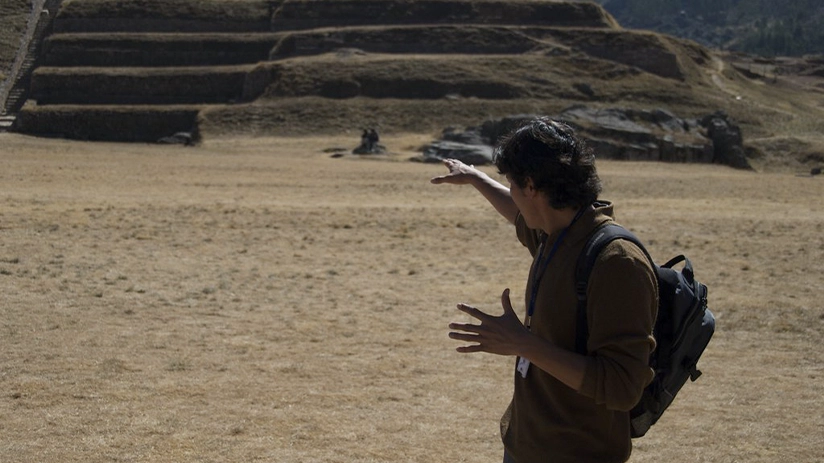
A local guide adds historical and cultural context to Peru’s archaeological sites, connecting their architecture with the societies that built them. Rather than simply identifying structures, guides describe how ancient civilizations organized their territories, adapted to their environment, and developed sophisticated construction techniques.
At Ollantaytambo, for example, a guide can discuss how agricultural terraces, water channels, and stone structures were integrated into the surrounding mountain landscape. In Cusco, the combination of colonial buildings and surviving Inca foundations reveals how Spanish colonization transformed the former Inca capital.
The Andean Worldview and Connection with Pachamama
Learning about the Andean worldview gives visitors a deeper understanding of Peru’s archaeological heritage. In traditional Andean beliefs, nature, people, and the spiritual world are closely connected.
Guides can explain the cultural significance of Apus (sacred mountains), Pachamama (Mother Earth), and other elements of the Andean landscape.
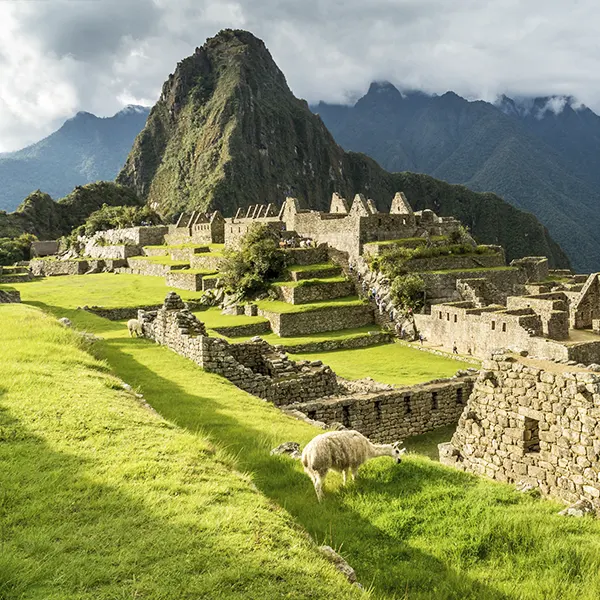
At Machu Picchu, this perspective also provides a starting point for discussing Machu Picchu astronomy, including how celestial observations influenced the Incas’ understanding of time, agriculture, and their relationship with the surrounding landscape.
The Social Organization of the Inca Empire
Concepts such as ayni (reciprocity) and mit’a (labor obligations) help illustrate how cooperation and organized work supported the Inca Empire. A local guide can describe how these systems contributed to agriculture, construction projects, and the administration of the Tahuantinsuyo, helping travelers see how social responsibilities shaped everyday life and the wider empire.
Cultural Syncretism and Living Traditions
Peru’s cultural identity reflects centuries of interaction between Indigenous societies and Spanish colonial influences. A local guide can help travelers recognize how these historical encounters shaped architecture, religious practices, and contemporary expressions of identity.
Traditional craftsmanship: Visits to artisan workshops provide opportunities to learn how ancestral techniques are preserved and adapted. In Chinchero, for example, weavers continue to work with natural dyes, traditional patterns, and handwoven textiles.
Colonial influences and Indigenous heritage: In cities such as Cusco and Lima, colonial churches and buildings constructed over earlier Inca foundations illustrate the transformation of urban spaces after the Spanish conquest. Religious art also developed local interpretations that incorporated elements of Andean symbolism.
The continuity of ancestral beliefs: Concepts such as Pachamama in Andean culture offer insight into the relationship between people, nature, and spiritual beliefs. Although practices vary between regions and communities, these ideas remain relevant in many contemporary Andean settings.
Storytelling and Historical Perspectives
Historical information becomes more engaging when connected to the people, events, and beliefs that shaped a destination. Rather than relying on dates and lists of facts, experienced guides use local accounts, historical records, and cultural references to bring the past into perspective.
Through stories about political alliances, dynastic conflicts, engineering achievements, and traditional origin narratives, travelers gain a broader perspective on the societies that built and inhabited these places. This approach turns archaeological visits into opportunities to explore the human experiences behind Peru’s historical landmarks.
Living Traditions and Local Connections
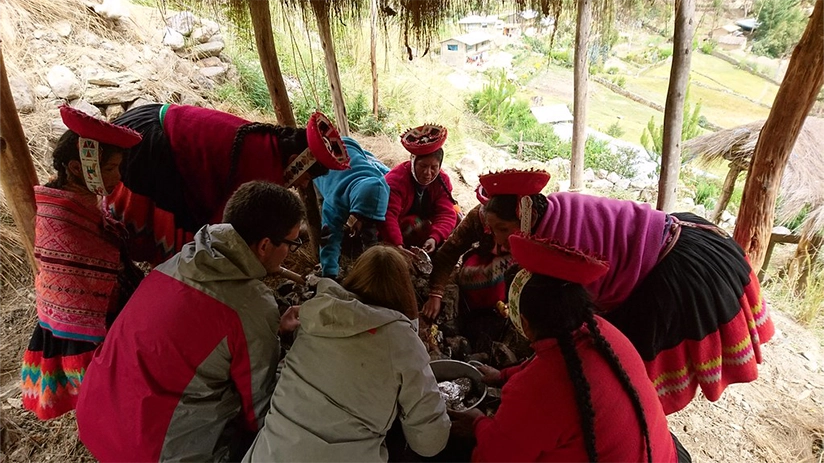
Local guides can introduce travelers to the people, skills, and practices that keep Peru’s cultural heritage alive. Visits to artisan workshops, traditional markets, and rural settlements offer opportunities to learn how ancestral techniques are passed between generations and adapted to contemporary life. These encounters are an important part of cultural immersion travel, providing a closer look at the diversity of Peru’s regional identities.
How Guides Help Visitors Understand Living Traditions
Visits to artisan workshops and traditional markets offer insight into the skills and practices that shape everyday life in different regions of Peru. At weaving centers, for example, travelers can observe textile production and learn about natural dyes, traditional patterns, and techniques passed down through generations.
Markets also provide an opportunity to explore regional ingredients and food preparation methods. Depending on the location, a local guide may introduce techniques such as pachamanca, an Andean cooking method in which food is prepared in an underground oven heated with stones, or explain how potatoes are processed into chuño through traditional freeze-drying techniques.
Andean Beliefs and Practices of Reciprocity
Andean cultural experiences can also introduce travelers to traditional beliefs and ceremonial practices. One example is Haywarikuy, an offering ceremony associated with expressing gratitude to Pachamama (Mother Earth). Depending on the community and occasion, offerings may include coca leaves, grains, flowers, and other symbolic elements.
During an authorized cultural experience in the Sacred Valley, a local specialist may describe the meaning of these offerings and the importance of reciprocity in Andean belief systems. Another relevant concept is ayni, which refers to mutual support and cooperation. Although its expressions vary across the Andes, it reflects the importance of shared responsibilities in traditional social life.
The Guide as a Cultural Bridge
During these encounters, a local guide can facilitate introductions, clarify expectations, and help translate conversations when necessary. Guides who speak Quechua or Aymara may also assist with communication in areas where these languages are used in everyday life. This support encourages respectful exchanges while allowing local hosts to share their perspectives directly.
Religious Festivals and Cultural Blending
Peru’s religious celebrations reflect different forms of interaction between Catholic traditions and Indigenous beliefs. Although each festival has its own history and practices, many combine religious devotion, traditional music, dance, and expressions of regional identity.
- Inti Raymi in Cusco: This annual celebration takes inspiration from the Inca ceremony honoring Inti, the sun deity. Today, it is presented as a large-scale cultural reenactment that recalls the religious and political significance of the sun in Inca society.
- Virgen del Carmen in Paucartambo: This celebration combines Catholic devotion to the Virgin Mary with regional dance traditions and elaborate performances. Characters such as the Qhapaq Qolla and Ukukus form part of the festival’s distinctive cultural expression.
- Qoyllur Rit’i pilgrimage: Held in the high Andes of Cusco, this pilgrimage brings together Catholic devotion and Andean beliefs associated with sacred mountains and the natural landscape. Its religious significance is closely connected to the relationship between faith, territory, and collective identity.
A knowledgeable guide can provide historical context for these celebrations and explain the symbolism of their dances, costumes, and ceremonies. This perspective helps travelers recognize that these events are expressions of religious devotion and cultural memory, rather than simply public performances.
Language, Etiquette, and Respectful Encounters

Communicating respectfully in Peru involves more than knowing a few words in Spanish. In some regions, particularly in the Andes and the Amazon, travelers may encounter communities where Indigenous languages are part of everyday communication. Understanding these linguistic differences and local social expectations can make interactions more comfortable and respectful.
Language and Cross-Cultural Communication
Peru’s linguistic diversity includes Spanish, Quechua, Aymara, and numerous Indigenous languages spoken across the Amazon. Learning about the languages spoken in Peru provides useful context for travelers visiting different regions.
A multilingual guide can help bridge communication gaps, clarify local expressions, and convey questions and responses accurately. This is particularly valuable when interacting with residents who are more comfortable speaking their Indigenous language than Spanish or English.
Respectful Behavior During Local Visits
When visiting rural settlements or interacting with residents, keep these considerations in mind:
- Ask before taking photographs: Request permission before photographing residents, especially children, or entering private homes.
- Respect personal and sacred spaces: Follow local guidance and avoid entering agricultural plots or family areas without permission.
- Observe local customs: Clothing expectations and appropriate behavior may vary between communities and religious sites.
- Avoid giving gifts directly to children: If you wish to contribute, ask about appropriate ways to support local initiatives through community representatives or established organizations.
These simple considerations help create more respectful interactions and ensure that locals retain control over how they participate in tourism experiences.
Access to Places and Experiences You Might Otherwise Miss
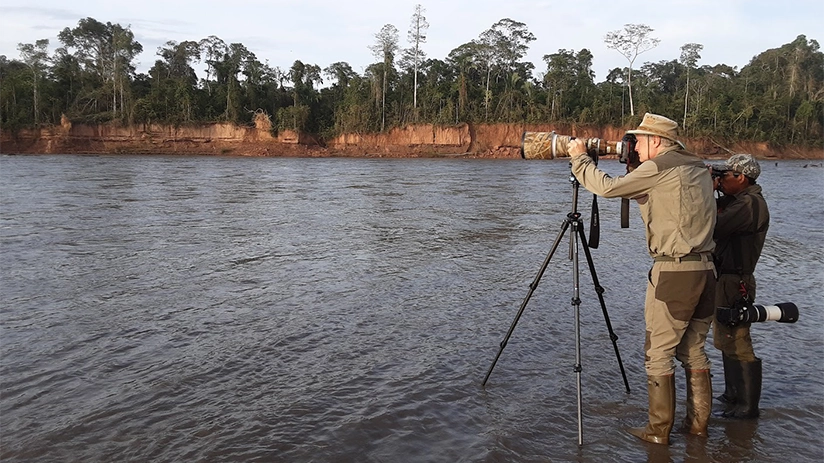
Local guides can introduce travelers to places and activities that may not be included in standard sightseeing itineraries. Their familiarity with the region can help identify traditional neighborhoods, lesser-known archaeological sites, artisan workshops, and local experiences that offer a different perspective on a destination.
For example, exploring Sacred Valley villages beyond the main tourist routes can reveal architectural details, local activities, and cultural practices that are less apparent during a conventional sightseeing visit. Depending on the location, a guide may also help coordinate access to privately managed sites or experiences arranged with local hosts.
Getting More from Local Cultural Events
Major celebrations offer opportunities to experience regional identity through music, dance, religious ceremonies, and public gatherings. A local guide can provide context about the event’s origins, identify activities open to the public, and suggest suitable viewing locations according to the schedule and accessibility conditions.
This assistance can be particularly useful during celebrations that involve temporary street closures or changes to regular transportation services. However, access arrangements depend on the event organizers and local regulations.
Music and Dance as Expressions of Regional Identity
Traditional music and dance are important elements of Peru’s regional identity. Their instruments, rhythms, costumes, and choreography often reflect local histories, religious beliefs, and cultural influences.
During the Virgen de la Candelaria festivities in Puno, for example, dance groups perform styles such as the Diablada, Morenada, and Caporales. Each has distinctive costumes, musical arrangements, and choreographic elements. A local guide can introduce the historical and cultural influences behind these performances, helping travelers appreciate the differences between them.
Music also plays an important role in Andean celebrations, where instruments such as the quena (Andean flute), charango, and siku (panpipes) accompany dances and ceremonial activities. Their sounds and rhythms vary across regions and occasions, reflecting the diversity of Peru’s musical heritage.
During Carnival celebrations, some local festivities include water and foam games. Asking about participating areas and local expectations beforehand helps travelers decide whether to join in or observe from a distance.
When Do You Need a Tour Guide in Peru?
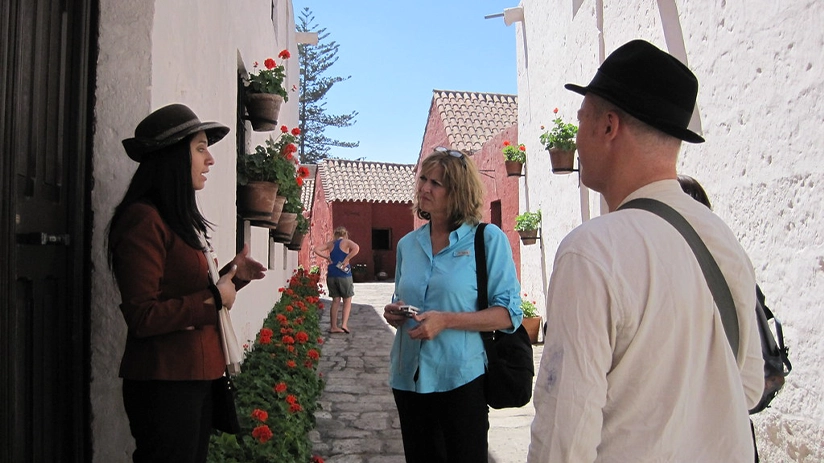
Whether you need a tour guide in Peru depends on your itinerary, interests, and the type of activity you plan to undertake. Professional guidance is particularly useful for archaeological visits, cultural celebrations, rural excursions, and demanding outdoor activities that require specialized knowledge or logistical support.
For simpler activities, such as exploring a city’s historic center or browsing a traditional market, independent travel may be sufficient. The following examples can help you decide when hiring a guide adds value to your experience.
Archaeological Sites and Cultural Attractions
Hiring a guide is particularly worthwhile at major archaeological attractions such as Machu Picchu, Ollantaytambo, and Sacsayhuamán, where historical context, site interpretation, and visitor regulations can influence the experience.
At Machu Picchu, for example, a professional can help you follow the designated visitor circuit while providing information about the site’s architecture, planning, and cultural significance. If you prefer to explore independently, research the destination beforehand and check the current entry requirements and visitor regulations.
For additional information, see our guide on how to hire the right Machu Picchu guide.
Festivals and Traditional Markets
A local guide can be particularly helpful during large celebrations such as Corpus Christi in Cusco, when procession schedules, crowded streets, and temporary access restrictions may complicate independent visits. Their regional experience also provides context about the religious and cultural significance of the event.
By comparison, markets such as San Pedro in Cusco or Pisac Market are generally easy to explore independently. A guided visit is optional but may be worthwhile if you want to learn more about regional ingredients, traditional crafts, and local trading practices.
Treks and Rural Excursions
Multi-day routes such as Salkantay and Ausangate involve high-altitude terrain, changing weather conditions, and demanding hiking sections. Depending on the route, regulations, and your experience, hiring a qualified guide or joining an organized trekking team can provide support with navigation, route planning, and emergency coordination.
For rural excursions, confirm that visits have been arranged in advance and that the hosts have agreed to receive travelers. A local operator can help coordinate transportation, schedules, and the practical details of the experience.
Guided Tours vs. Independent Travel in Peru
Choosing between guided tours and independent travel depends on your budget, preferred pace, itinerary, and interest in local history and culture. Some experiences benefit from professional interpretation and logistical support, while others are easy to enjoy independently.
You should also consider whether group or individual tours in Peru better suit your travel style, especially if you value flexibility, personalized attention, or opportunities to interact with a guide.
How to Combine Guided Experiences With Independent Exploration
A balanced itinerary can include guided activities at destinations where historical context or local expertise adds value, while leaving time for independent exploration. For example, a trip through Lima, Cusco, the Sacred Valley, and Machu Picchu could combine the following experiences:
| Destination | Recommended Approach | Experience |
| Lima | Independent | Explore the historic center, museums, and local neighborhoods at your own pace. |
| Sacred Valley | Guided | Visit Ollantaytambo, Maras, and Moray with historical and cultural interpretation. |
| Machu Picchu | Guided | Explore the archaeological site with a professional guide. |
| Cusco | Both | Join a guided historic-center visit, then enjoy free time to explore markets and museums. |
| Rainbow Mountain | Guided excursion | Arrange transportation and hiking support, considering altitude and physical demands. |
The right balance depends on your interests, travel pace, and the time available at each destination. You do not need a guided activity every day to enjoy a culturally enriching trip.
How to Choose a Guide Who Adds Cultural Value
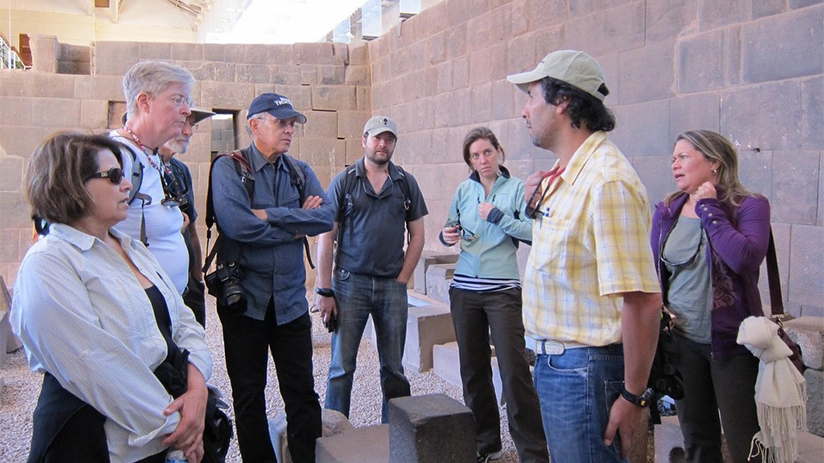
Choosing a tour guide in Peru involves more than checking availability, language skills, or professional credentials. Look for someone who can connect historical information with contemporary culture, communicate respectfully with residents, and adapt explanations to your interests.
Before booking, consider these five criteria:
Licensing and Professional Credentials
Ask for the guide’s professional identification and confirm that their credentials meet the requirements for the destination and type of service. For specialized activities such as trekking, also check relevant safety training and field experience.
Regional Knowledge and Cultural Interpretation
Choose a professional who understands not only the history of a destination but also its contemporary cultural context. A good guide should be able to explain the significance of archaeological structures, local beliefs, traditional practices, and regional differences without relying on generalized descriptions or stereotypes.
Language and Communication Skills
Confirm that the guide speaks your preferred language comfortably and can communicate complex cultural concepts clearly. The ability to adapt explanations to different audiences is equally important, particularly when traveling with people who have different levels of historical or cultural knowledge.
Respectful Relationships With Local Hosts
If your itinerary includes artisan workshops, rural settlements, or community-based activities, ask how these experiences are arranged. A responsible guide should respect local preferences, obtain permission before visits, and allow residents to share their perspectives without turning cultural practices into performances for tourists.
Reviews and Previous Experience
Read recent traveler reviews and look for specific comments about the guide’s historical knowledge, storytelling, communication, and respectful approach to residents. You can also ask about previous experience leading cultural visits in the destinations included in your itinerary.
For additional booking considerations, see our recommendations on choosing the best private tours in Peru and how to verify a Peru tour company before booking.
Frequently Asked Questions
Is a guide required at Machu Picchu?
No, hiring a tour guide is not a general requirement for entering Machu Picchu. Visitors must have a valid admission ticket and comply with the site’s current entry regulations. However, a professional guide can provide historical and cultural context that makes the visit more informative. Always check the latest visitor requirements before your trip.
Do you need a guide for the Inca Trail?
Yes, the classic Inca Trail must be arranged through an authorized tour operator and cannot be undertaken independently. The trek requires the corresponding permits and authorized guiding arrangements. Requirements may differ for other trekking routes in Peru, so check the applicable regulations before booking.
Is it worth hiring a private guide in Peru?
Yes, a private guide can be worthwhile if you value personalized explanations, a flexible schedule, and more time at specific attractions. This option also makes it easier to adapt the pace to your interests and travel needs. Group tours may be more suitable if you prefer a structured itinerary and a lower cost per person.
Are group tours or private guides better for learning about local culture?
Both options can provide valuable cultural insights. Private tours offer more opportunities for individual questions and in-depth conversations, while small-group experiences can introduce different perspectives. The quality of either option depends largely on the guide’s expertise, communication skills, and approach to local interactions.
How can I tell if a tour guide in Peru is licensed?
Ask to see the guide’s official identification or professional credentials. Confirm that they are authorized to provide the service at your intended destination and ask your tour operator for accreditation details before booking. Requirements may vary according to the location and type of activity.
Should I tip my guide in Peru, and how much?
Tipping is optional and depends on your satisfaction with the service. The amount may vary according to the length of the excursion, the type of tour, and local expectations. If you are unsure, ask your tour operator about customary practices.
What languages do tour guides in Peru speak?
Spanish and English are commonly available among guides who work with international travelers. Depending on the destination and operator, services may also be offered in French, German, Portuguese, or Italian. Some professionals also speak Quechua or Aymara, particularly in Andean regions. Confirm language availability when booking.
Can a guide help me visit local communities respectfully?
Yes, a knowledgeable local guide can help coordinate visits and explain appropriate behavior. They can clarify expectations regarding photography, access to private spaces, and participation in activities. Choosing an operator that works directly with local hosts can also help ensure that visits are arranged with their consent and that residents benefit from tourism.
Conclusion
Traveling with a local guide in Peru offers more than historical explanations. It provides insight into the beliefs, customs, and regional identities that shape the country’s cultural heritage. From exploring archaeological sites to attending traditional celebrations, professional guidance can help you appreciate the stories and perspectives behind each experience.
However, hiring a guide for every activity is not necessary. The most rewarding approach is to choose guided experiences where local expertise adds meaningful context, while leaving room to explore independently. With the right balance, you can enjoy a more informed and flexible journey.
Whether you are interested in Inca history, Andean traditions, or meaningful encounters with local artisans, Machu Travel Peru can help you create a customized Peru trip around your interests. Contact us to start planning your journey.