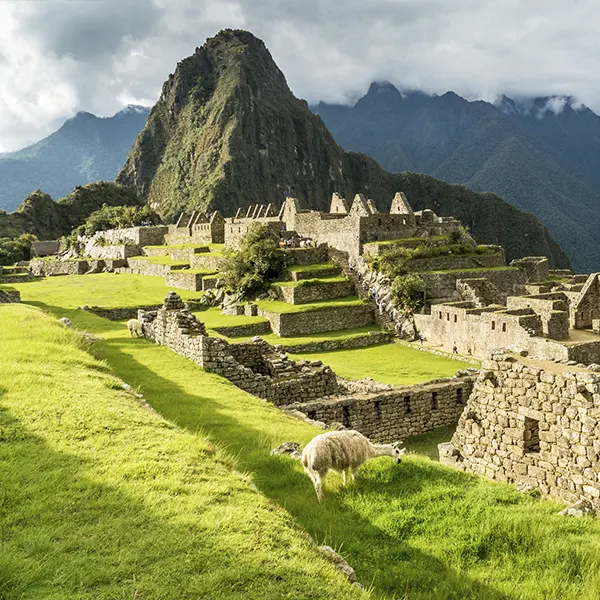
Huayna Picchu is the iconic mountain that rises behind Machu Picchu, offering one of the most challenging and rewarding hikes in Peru. Known for its steep stone stairways, panoramic views, and Inca archaeological sites, this hike is a must-do for travelers seeking adventure and unique perspectives of the ancient citadel. One of the highlights is the unique perspective it offers over the Inca citadel. In this guide, you’ll learn everything you need to know about the hike, including tickets, difficulty, and essential travel tips.

Huayna Picchu Guide: Everything You Need to Know Before Hiking
- What Is Huayna Picchu and Where Is It Located
- Huayna Picchu Hike Overview
- Huayna Picchu Tickets and Entry Options
- Huayna Picchu vs Machu Picchu Mountain
- Best Time to Hike Huayna Picchu
- What to Bring for the Huayna Picchu Hike
- Travel Tips for Climbing Huayna Picchu
- FAQs About Huayna Picchu
What is Huayna Picchu, and Where is It Located
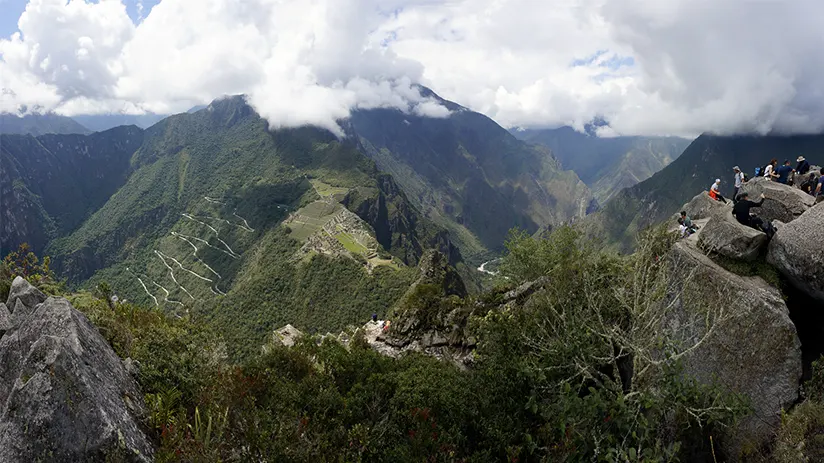
Huayna Picchu mountain is the pointed, cone-shaped summit that stands behind Machu Picchu. This peak appears in many classic postcards of the Inca citadel as the perfect natural complement. From its summit, visitors can enjoy an impressive elevated viewpoint of the archaeological site and the surrounding area. However, the hike itself is notable for its adventurous spirit, historical significance, and hidden temples.
This mountain is located 2 kilometers north of the Inca Citadel, in the province of Urubamba, Cusco department. It has an altitude of 2,693 meters above sea level in the Peruvian tropical zone (cloud forest). Surrounded by the Urubamba River, this location is easily accessible from Aguas Calientes.
Huayna Picchu meaning
Its name comes from Quechua, the ancient language of the Incas, and literally means “young mountain”. This term contrasts with the adjacent mountain, or old mountain, which is Machu Picchu. Both local historians and Spanish chroniclers popularized both terms, distinguishing between Huayna Picchu and its variant, Wayna Picchu.
Huayna Picchu Hike Overview
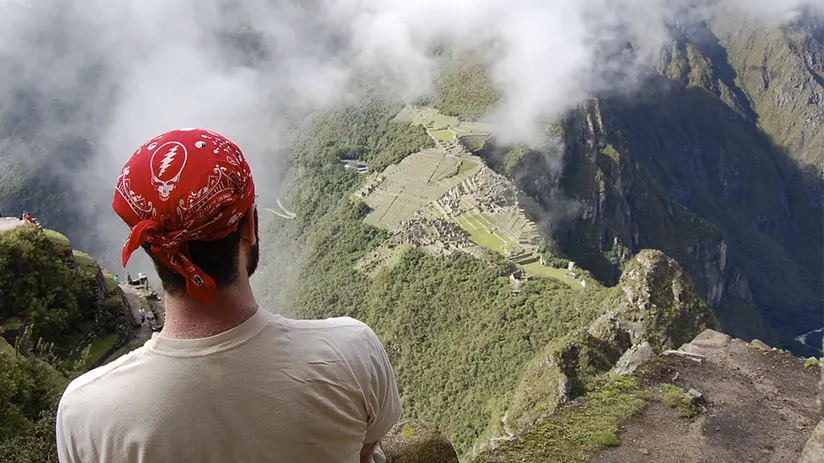
- Trip distance: 2.5 miles or 4 kilometers (Round trip)
- Duration: 1 hour up / 45 minutes down
- Elevation gain: 1,000 feet or 360 meters
- Difficult: Moderate to challenging
- Not recommended: Children under 14 years old, older adults, and people with vertigo
The Huayna Picchu hike is one of the most popular hiking experiences because of its challenge. Surrounded by nature, ancient ruins, and adventure, this is one of the most popular. It lasts approximately 120 minutes, covering a total distance of 4 km round trip. However, everything will depend on your physical condition and the precautions you take, primarily ensuring you take firm steps throughout the hike.
Huayna Picchu Hike Attractions
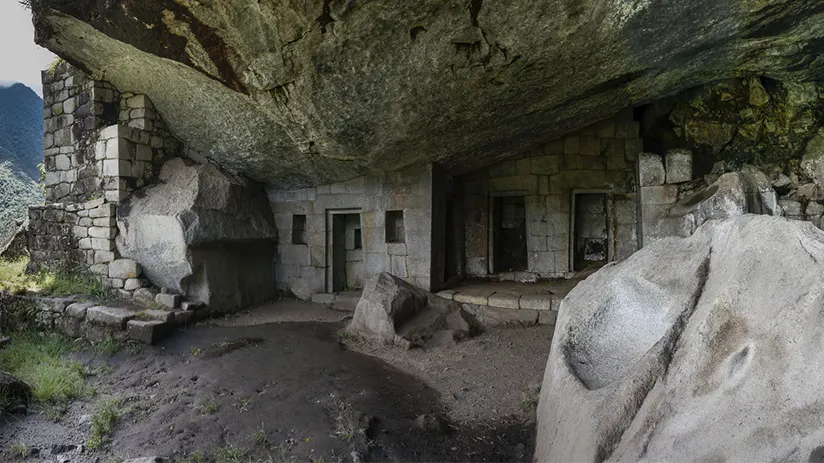
First-time visitors probably want to know what the main attractions are. While the journey itself is inherently magnificent, the hike includes several highlights that visitors can enjoy. From natural features to historical sites, there’s plenty to see and enjoy. Here are some of the best tourist experiences:
- Endemic Flora: Thanks to its warm and humid climate, unique plant species thrive. However, what truly stands out are the more than 200 species of orchids that inhabit the slopes. Other notable plants include bromeliads, which often hang from trees.
- Special Fauna: Throughout the green areas, visitors can see the classic llamas grazing. However, wild animals such as lizards, viscachas, birds, and even spectacled bears can also be spotted. Dry, sunny days are ideal for spotting local wildlife, so keep that in mind.
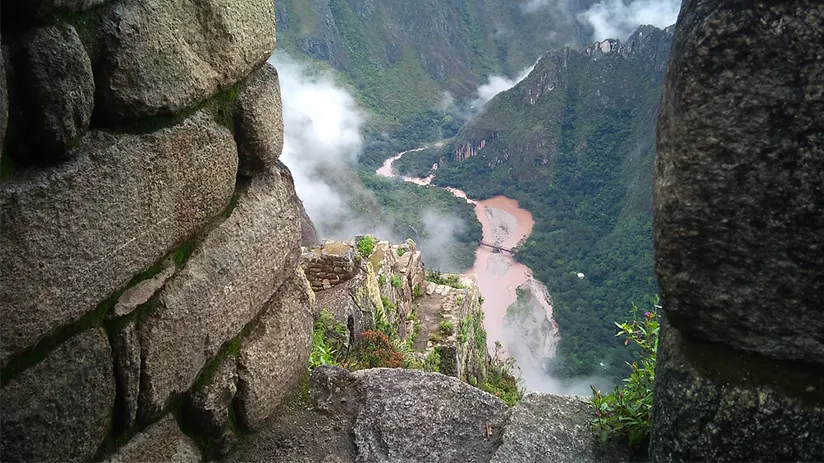
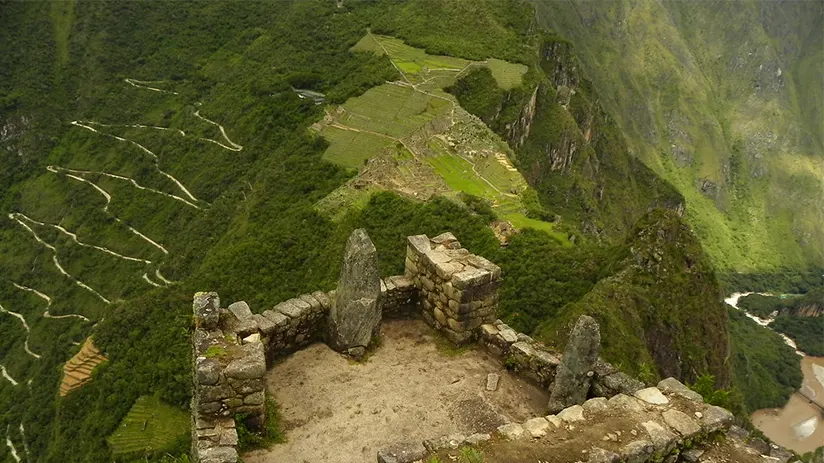
- Incredible Views: Another highlight that benefits from the favorable weather conditions is the magnificent panoramic views from the summit. The experience of contemplating these landscapes from above is truly special and allows travelers to appreciate beauty in a virtually new environment.
- Stairs of Death: This is a series of stepped staircases with angles exceeding 60 degrees. Despite their curious name, these structures present a challenging but manageable task with caution. Using your hands for support is recommended if you encounter difficulties, and avoiding the hike when there is a high risk of rain will make the trek even more challenging.
- Temple of the Moon: Many enthusiasts undertake this hike to explore this attraction, which boasts immense historical significance. Carved ceremonial niches, intricate stonework, perfect angles, and much more await visitors at this ancient religious center. Several scholars believe that the Incas used this temple for ceremonial purposes and sacrifices.
Huayna Picchu Tickets and Entry Options
The Huayna Picchu summit hike is part of the Machu Picchu circuit, so a ticket is required to access it. As a visitor, you’ll find various ticket options with specific routes within the wonder. Of these options, only one grants access to the mountain itself, making it mandatory.
It is recommended that you purchase your tickets on the official Peruvian government website at least six months in advance. Generally, Machu Picchu tickets vary in price depending on the type of traveler and the chosen route. Here are some estimated entrance prices for the Huayna Picchu experience:
| Circuit 3 + Huayna Picchu Ticket Price | ||
| Foreigner | Foreign adult (18 years old and more) | $59 |
| International student (Under 25 years) Prev. show original university card | $37 | |
| Foreign underage (Between 03 to 17 years old) | $35 | |
| Andean Community of Nations (CAN) or a foreign resident | CAN adult (18 years old and more) | $33 |
| CAN student (Under 25 years) Prev. show original university card | $24 | |
| CAN underage (Between 03 to 17 years old) | $24 | |
| Peruvian | Peruvian adult (18 years old and more) | $33 |
| Peruvian student (Under 25 years) Prev. show the university card | $24 | |
| Peruvian underage (Between 03 to 17 years old) | $24 | |
Entrance Options

Visitors can enjoy this ascent at any time of year with two daily departures (7:00 am and 10:00 am). Park rangers allow access to 175 people per shift, who have one hour’s notice to enter and explore the citadel of Machu Picchu. In other words, if your entry time is 7:00 a.m., you can enter an hour earlier (6:00 a.m.) to visit the archaeological site. After that, you can begin your hike up the mountain within a four-hour window, starting from the entry time indicated on your ticket.
Huayna Picchu vs Machu Picchu Mountain

In case it wasn’t already clear, Huayna Picchu and Machu Picchu are distinct attractions. Aside from their obviously different locations, both possess unique qualities ideal for certain types of travelers. If you’re deciding between Huayna Picchu and Machu Picchu Mountain, here’s a detailed comparison to help you choose the best hike for your travel style.
| Huayna Picchu | Machu Picchu Mountain | |
| Description | An iconic mountain that appears behind the citadel in the classic postcard view. Offers a more adventurous experience with close-up Inca structures. | The highest mountain in the complex, offering wide panoramic views of the sanctuary and the Andes. |
| Location | North of Machu Picchu | South of Machu Picchu |
| Altitude | 2,693 m (8,835 ft) | 3,082 m (10,112 ft) |
| Difficulty | Moderate to challenging (steep paths, narrow stairways) | Moderate (wider and more gradual trails) |
| Availability | Open year-round, but with very limited tickets (high demand) | Open year-round, with greater ticket availability |
| Best time to visit | Dry season (April – October), early morning | Dry season (April – October), any time slot due to lower congestion |
| Duration | 2 to 3 hours (round trip) | 3 to 4 hours (round trip) |
| Restrictions | Not recommended for people with vertigo or small children; limited entry per time slot | Fewer restrictions, suitable for a wider range of travelers |
| Ideal for | Adventure seekers, thrill lovers, and those wanting the classic top-view photo | Travelers looking for panoramic views and a less intense hike |
Other Huayna Picchu alternative treks

Those who wish to avoid both options could consider alternatives that offer similar experiences. Travelers can also consider alternative routes like Salkantay or Choquequirao; instead, explore other circuits around the Inca citadel. Among these, the Machu Picchu, Huchuy Picchu, and Putucusi routes are the most popular. Here are some general considerations about each:
- The Sun Gate Hike (Intipunku): This moderate, approximately 2-hour hike takes you from inside the citadel to the Inca ruins. With spectacular views of the surrounding landscape and stunning natural beauty, this is one of the best options for adventurous photographers. This route is only available during the best time to visit Machu Picchu, which is the dry season.
- Huchuy Picchu Mountain Hike: This is part of the route to Huayna Picchu, but the two are not adjacent. Due to its altitude and geographical conditions, the ascent is easier and takes less time than the previous hike. Photos of Machu Picchu from spectacular angles and of nature are among its most outstanding features.
- The Putucusi Mountain Hike: Reaching the top of Putucusi is more challenging than the previous options, making it ideal for those in good physical condition. Another important difference is that there is no checkpoint or entrance ticket required, as it is not part of the predetermined circuits. This is recommended for experienced hikers because of its difficulty.
Best Time to Hike Huayna Picchu
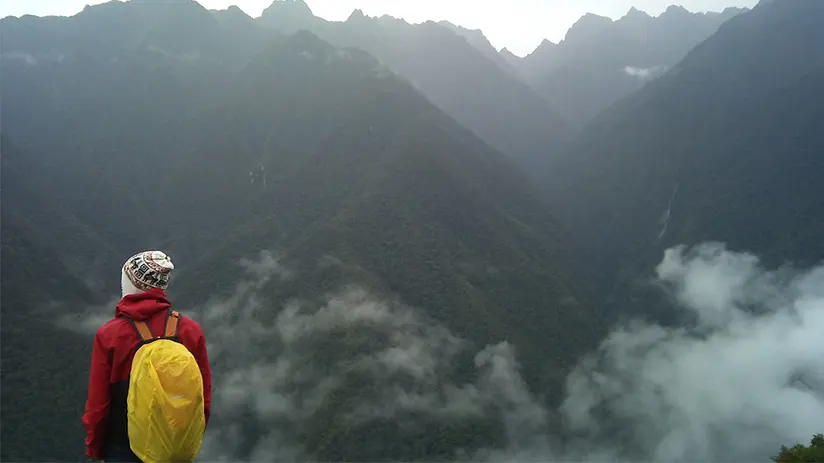
Like other Andean attractions, Huayna Picchu offers two main seasons throughout the year. Each season has its own advantages and disadvantages, making it ideal for different types of tourists with specific interests. Deciding between one or the other depends not only on your available time but also on your expectations. Therefore, the following highlights explain each season:
Dry Season (April to October)
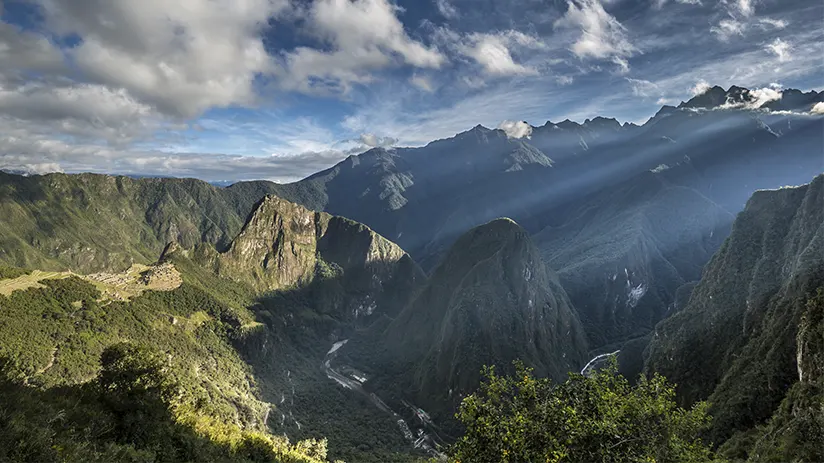
For many, this is generally considered the best time to visit Huayna Picchu due to its clear skies, sunshine, warm weather, and abundant vegetation. The trails are also considerably firmer and drier, making for safer hiking. This is also the ideal season for similar activities such as the Inca Trail Trek, Choquequirao Trek, or Salkantay Trek.
Rainy Season (November to March)
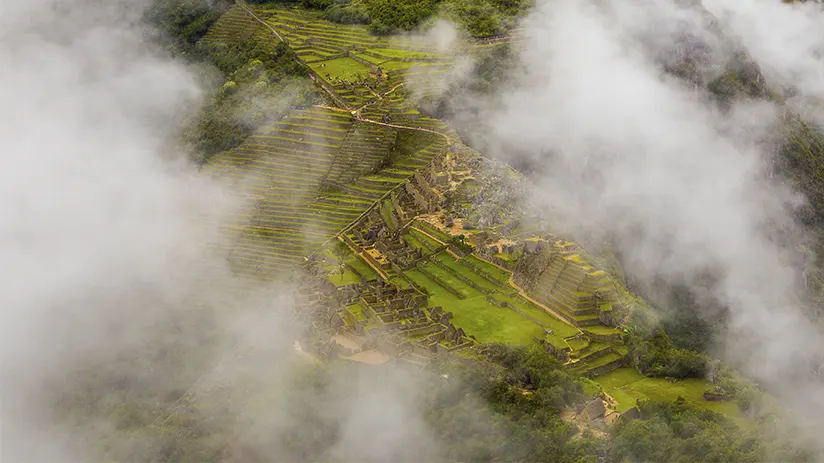
On the other hand, from November onwards, you can expect heavy rains, cloudy skies, mosquitoes, occasional fog, and even muddy and slippery trails. For many travelers, this is the quietest time of year because of the lower number of adventurers. Greater precautions are taken, especially regarding equipment such as umbrellas, rain ponchos, etc.
What to Bring for the Huayna Picchu Hike
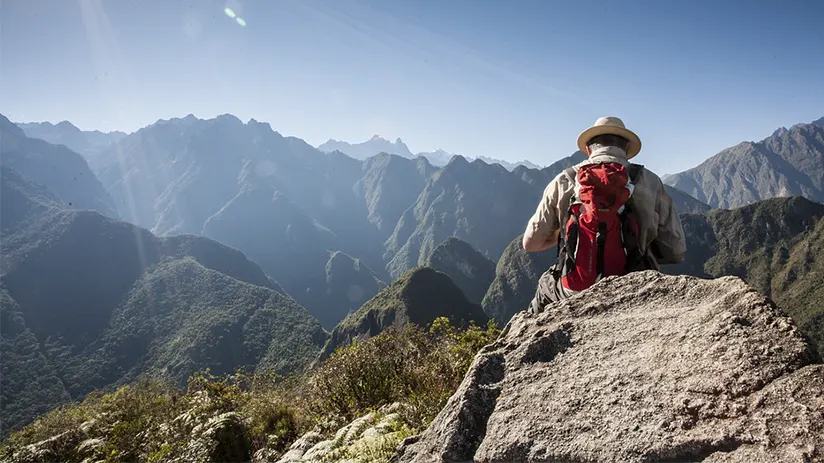
Even if you’re a seasoned adventurer, the environment can be challenging, and you’ll need some essential gear to enhance your experience. This usually involves essential adventure equipment. To optimize your preparation, create your own checklist. Here are some of the main items suggested to consider:
- 1 to 1.5 liters of water or a hydration pack (Camelbak)
- Hat or cap
- Sunglasses with UV protection
- Sunscreen
- Strong insect repellent
- Raincoat or lightweight poncho
- Small snacks
- Spare t-shirt
- Personal documents
- Trekking boots with a good grip
- Layered clothing
- Camera
- Basic personal first-aid kit
Travel Tips for Climbing Huayna Picchu

- Purchase your Huayna Picchu tickets six months in advance. As you can see, the mountain’s visiting hours and high demand mean tickets sell out quickly. If you wish to avoid this, you can contact a travel agency directly, which can provide you with the necessary assistance.
- Although the trail is well-marked, it’s ideal to hire a tour guide for Machu Picchu, and even for Huayna Picchu. A professional can provide you with the necessary information to understand the surroundings and further enhance your experience. They can also assist in case of any unforeseen circumstances.
- This hike has a difficulty level that varies from moderate to demanding, so you should assess your physical condition. Many people who have difficulty with strenuous physical activity might opt for other, easier options. Consulting your doctor will also be helpful.
- Although the altitude of this mountain is considerably lower than Cusco, it’s advisable to acclimatize beforehand. Rest and constant hydration are essential, especially during the first few days of your trip. Drinking coca tea, a traditional remedy for altitude sickness, will be excellent.
- Enhance your adventure with nearby attractions in the Sacred Valley of the Incas. Depending on your interests and personal needs, you can find tourist experiences to complement your journey through the Andes. For example, if you want to delve deeper into Andean history and culture, it’s recommended to visit Ollantaytambo or Pisac.
FAQs About Huayna Picchu

How difficult is the Huayna Picchu hike?
The Huayna Picchu hike is considered moderate to challenging due to its steep inclines, narrow paths, and stone stairways built by the Incas. Some sections can feel intense, especially for those afraid of heights. However, it is manageable for people with a reasonable level of fitness.
How do you get tickets for Huayna Picchu?
To hike Huayna Picchu, you need to buy a special entrance ticket that includes access to Machu Picchu and the mountain. These tickets are limited and often sell out weeks or even months in advance. Therefore, it is highly recommended to book online as early as possible through official or authorized platforms. Huayna Picchu tickets are limited and often sell out months in advance, especially during the dry season (April to October). Booking early is essential to secure your preferred time slot.
Is Huayna Picchu worth climbing?
Yes, Huayna Picchu is absolutely worth climbing if you enjoy adventure and breathtaking views. From the top, you get a bird’s-eye view of Machu Picchu and the surrounding mountains, making it one of the most memorable experiences of the visit.
What is the altitude of Huayna Picchu?
Huayna Picchu stands at approximately 2,693 meters (8,835 feet) above sea level. While it is not extremely high compared to other Andean peaks, visitors may still feel the effects of altitude, especially if they are not acclimatized.
How long does it take to hike Huayna Picchu?
The hike to Huayna Picchu usually takes about 2 to 3 hours round-trip. This includes the ascent, time at the summit to enjoy the views, and the descent back to Machu Picchu. Remember to consider the time it takes to get to the Machu Picchu entrance, which will depend on the means of arrival you choose.
Can beginners hike Huayna Picchu?
Yes, beginners can hike Huayna Picchu if they are in good physical condition and take their time. However, it may be challenging for those with no hiking experience, a fear of heights, or mobility issues, so it is important to be prepared and go at a comfortable pace.
“TRAVEL IS THE ONLY THING YOU BUY THAT MAKES YOU RICHER”
Huayna Picchu is an excellent adventure option that complements a visit to the Inca citadel. From moments of direct contact with nature to mysterious Inca ruins, this route offers unforgettable tourist experiences. We hope you have been provided with an ideal introduction before this journey through the Peruvian Andes.
Huayna Picchu has so much to offer; it can be hard to know where to start. With many years of experience in the tourism sector, Machu Travel Peru is happy to help with anything regarding your trip to Huayna Picchu and any tours around it. Let us help you make your Huayna Picchu travel experience unforgettable! Contact us today to plan your dream adventure!