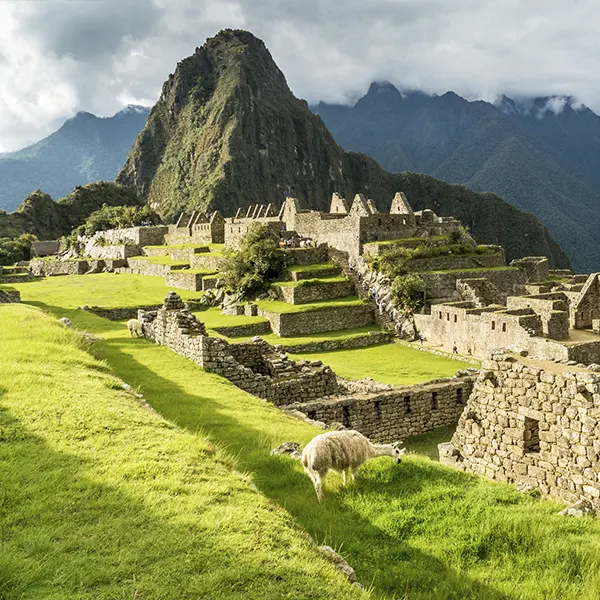
The Imperial City is one of the most important tourist centers in all of Peru. Very close to Cusco are some of the most important attractions, such as Machu Picchu and other incredible sites.
However, one of its most remarkable aspects is the vast cultural landscape that surrounds the city. Cusqueños still do most of their shopping in the traditional markets in their neighborhoods. And the city is home to numerous popular markets that you won’t want to miss.
It is for this reason that, together with colleagues from Machu Travel Peru, we have written a short article about the best markets in Cusco. Here, you will find a list of the most popular and easily accessible markets.
Join us to discover the markets in Cusco
- Overview
- Importance and cultural heritage
- Why markets are important
- Main markets
- Traditional markets
- Seasonal fairs and markets
- Gastronomic experiences
- Must-buy products during your visit to Cusco
- Tips and suggestions
- Frequently asked questions
Overview

Cusco, the former capital of the Inca Empire, is more than just the gateway to Machu Picchu and the Sacred Valley. Beyond the impressive archaeological ruins and colonial streets, the city thrives with vibrant and colorful markets. These bustling spaces offer an authentic glimpse into the daily lives of locals and are among the top things to do in Cusco.
Markets are not only about shopping; they represent culture, tradition, gastronomy, and social interaction. Whether you are looking for fresh fruits, typical dishes, or unique Peruvian souvenirs, the markets in the city of Cusco are a must-visit.
Importance and Cultural Heritage

Markets in Cusco date back to pre-Hispanic times when they were places of exchange for agricultural and handcrafted goods. With the arrival of the Spanish, marketplaces adapted and incorporated new products and traditions. Today, Cusco’s markets are a living cultural heritage, connecting the Andean worldview with modern life. Visiting them allows travelers to understand the strong bond between food, crafts, and spirituality in the Andes.
Why Markets Are Important
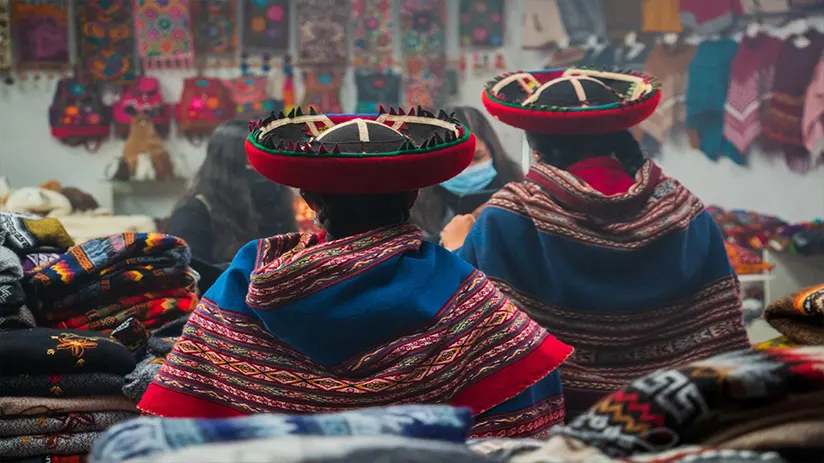
For locals, markets are essential for daily life. They provide affordable prices, local products, and a chance to interact with neighbors. For visitors, markets are an immersive experience: you’ll find everything from typical dishes to Andean textiles. Markets also serve as places where traditional practices survive such as bartering or sharing ancestral remedies with medicinal plants.
Main Markets

1. San Blas Market
Located just a short walking distance from the Plaza de Armas, the San Blas Market is a cozy and authentic spot. Nestled in the artistic neighborhood of San Blas, this market is less touristy compared to others, yet it is ideal for trying hearty breakfasts, enjoying fresh juices, and observing locals in their daily routine. For those taking a walking tour in Cusco, San Blas is an excellent stop to enjoy a more intimate vibe.
2. San Pedro Market
The San Pedro Market is the most famous and central of all. Designed by Gustave Eiffel, the same engineer who built the Eiffel Tower, this market is located in the center of Cusco, only ten minutes from the Plaza de Armas. Here, you’ll find a wide variety of stalls selling fresh fruits, cheeses, breads, meats, textiles, and Peruvian souvenirs.
The food section is particularly popular, where you can taste local typical dishes such as adobo, caldo de gallina, or chicharrón. Because of its accessibility, San Pedro is included in almost every walking tour in Cusco.
3. Ccascaparo Market
The Ccascaparo Market is a hidden gem, less frequented by tourists. It’s known for its bulk goods, fresh vegetables, and natural herbs. Prices are lower than in San Pedro, making it the go-to market for locals. Travelers looking to understand the everyday life of Cusqueños will find this market fascinating.
4. Wanchaq Market
The Wanchaq Market is located about 20 minutes on foot from the Plaza de Armas. It specializes in agricultural products from surrounding communities. Seasonal fresh fruits such as chirimoyas, lucumas, and mangos can be found here.
Wanchaq is also known for offering delicious fruit shakes and traditional meals. This is a highly authentic place for visitors who want to try local products far from the crowds.
5. Rosaspata Market
Rosaspata Market is smaller but ideal for visitors who want fresh groceries. It’s mainly oriented toward Cusco’s residents, selling meat, dairy, and vegetables. Although not as famous, it gives a real taste of local daily commerce.
6. Huancaro Market
Huancaro is a massive fair-like market that takes place weekly. Farmers from rural areas come to sell their goods, everything from potatoes and corn to live animals. If you’re searching for authenticity and want to see where Andean culture is strongest, Huancaro is one of the best markets in the city to visit.
7. Ttio Market
Ttio is popular with Cusqueños who live away from the historic center. It has a great selection of produce, meats, and flowers. Tourists rarely come here, but those who do will experience a very genuine atmosphere.
8. Vinocanchon Market
Located in San Jeronimo, Vinocanchon is one of the largest wholesale markets in Cusco. Vendors sell goods in bulk: cereals, tubers, and regional products. While not designed for tourists, it showcases the agricultural abundance of the Andean highlands.
Traditional Markets

1. Intipaqareq Handicraft Market
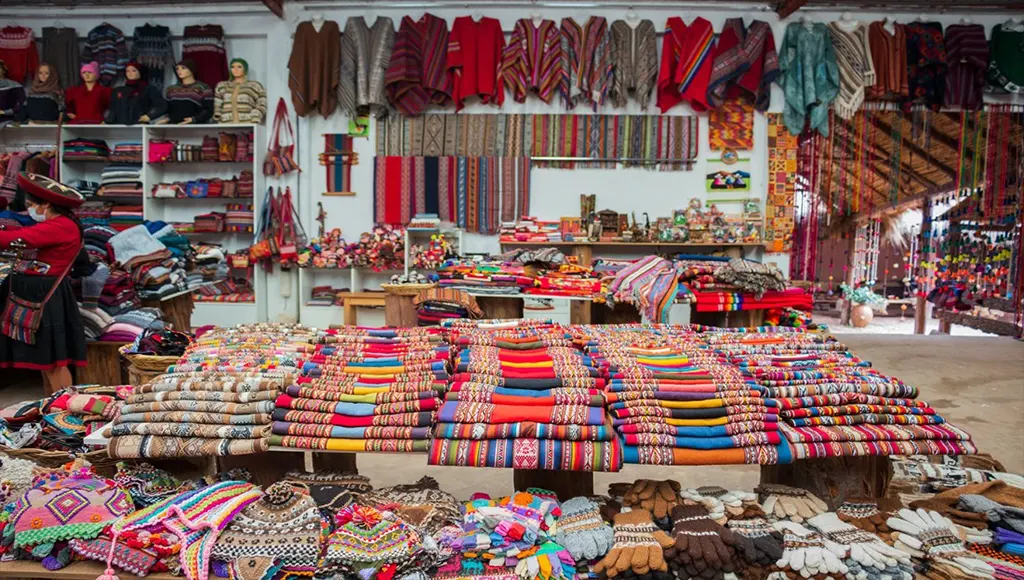
For handicrafts, Intipaqareq is a great stop. You’ll find colorful textiles, ceramics, and small items that make perfect Peruvian souvenirs.
2. Cusco Handicraft Center (Centro Artesanal Cusco)
The Centro Artesanal Cusco is conveniently located near the center of Cusco. Unlike food markets, this one is entirely dedicated to handicrafts. Alpaca sweaters, ponchos, jewelry, and paintings are among the highlights.
3. Textile Center in Chinchero
In the Sacred Valley, about 40 minutes from Cusco, the Chinchero Textile Center showcases ancestral weaving techniques. Artisans demonstrate how alpaca wool is dyed with natural plants and woven into intricate patterns.
4. Pisaq Market
The Pisac Market in the Sacred Valley is one of the most famous traditional markets in Peru. Just an hour from Cusco, it takes place in the main square of Pisac. You’ll find high-quality textiles, jewelry, ceramics, and agricultural products. It’s an excellent place to buy gifts and learn about Andean traditions.
Seasonal Fairs and Markets

1. Santurantikuy Fair
Held every December 24th in the Plaza de Armas, the Santurantikuy is Cusco’s largest fair. Artisans from across the region gather to sell religious images, nativity figures, and handicrafts. It is one of the most important cultural events in the city.
2. All Saints’ Day Fair
On November 1st and 2nd, Cusqueños celebrate All Saints’ Day with markets full of special breads like “t’anta wawas” and seasonal foods. Visiting this fair gives travelers an insight into the fusion of Catholic and Andean traditions.
3. Alasitas Fair
Inspired by the Aymara tradition, the Alasitas Fair offers miniatures symbolizing wealth, love, and prosperity. People buy small replicas of what they wish to have in real life, houses, cars, or money, and offer them to the Andean deity Ekeko.
4. Baratillo Fair
The Baratillo is a weekend flea market where you can find second-hand goods, antiques, and curiosities. Though chaotic, it is one of the most unique markets in the city.
Gastronomic Experiences

Cusco’s markets are culinary paradises. Eating at San Pedro or Wanchaq is a highlight for many travelers.
Here you’ll find typical dishes like lechón, ceviche de tarwi, or rocoto relleno at very affordable prices. Juice stalls prepare fresh blends of exotic fruits, while soup vendors serve steaming bowls perfect for the chilly Andean mornings. For food lovers, markets are among the best tourist attractions in Cusco.
Must-Buy Products During Your Visit to Cusco

- Alpaca and baby alpaca textiles
- Handwoven tapestries
- Silver jewelry
- Ceramics and pottery
- Fresh fruits such as passion fruit and aguaymanto
- Medicinal plants and herbal remedies
- Small Peruvian souvenirs like carved gourds or miniature llamas
Tips and Suggestions

- Go early in the morning for the freshest products.
- Bargain respectfully in handicraft markets.
- Always carry small bills and coins.
- Try a juice or soup stall at least once; it’s a safe and delicious option.
- Be cautious in crowded areas, such as Baratillo; keep your valuables secure.
- Yes, Cusco is safe to travel, but like in any city, take basic precautions.
Frequently Asked Questions

What is the most famous market in Cusco?
The San Pedro Market, designed by Gustave Eiffel, is the most popular and central in Cusco.
Are Cusco’s markets safe for tourists?
Yes, Cusco is safe to travel to. Just keep an eye on your personal belongings in crowded areas.
What’s the best market for handicrafts?
The Centro Artesanal Cusco and Pisac Market in the Sacred Valley are top choices.
Can I eat at Cusco’s markets?
Absolutely. Many travelers enjoy trying typical dishes at San Pedro or Wanchaq.
Are markets close to the Plaza de Armas?
Yes, San Pedro and San Blas are within walking distance of the Plaza de Armas.
“IT IS THE JOB OF THE MARKET TO TURN THE BASE MATERIAL OF OUR EMOTIONS INTO GOLD”
Peru has so much to offer, it can be hard to know where to start. With many years of experience in the tourism sector, Machu Travel Peru is happy to help with anything regarding your trip to Machu Picchu and any tours around it. Make your Machu Picchu experience an unforgettable one! Contact Us today to plan your dream adventure!