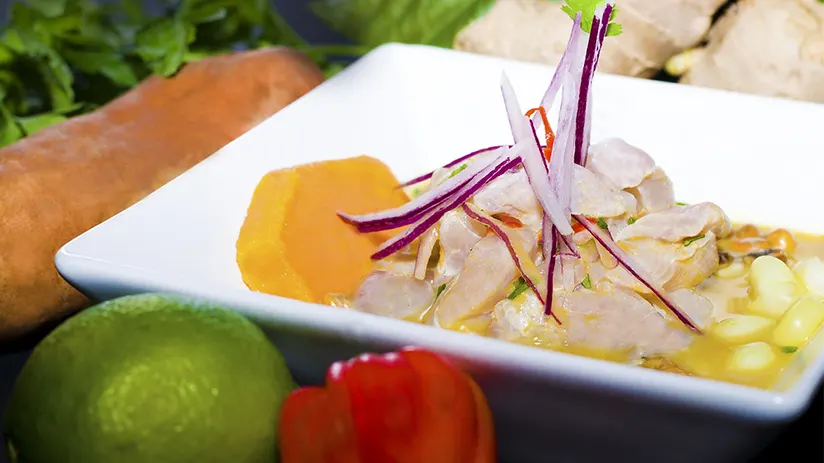
Peruvian ceviche is a traditional coastal dish made with fresh raw fish briefly marinated in lime juice, red onion, ají peppers, and cilantro. Unlike other versions in Latin America, authentic Peruvian ceviche cures quickly—usually in 10 to 15 minutes—and is served with sweet potato, cancha, and choclo. What makes it special is its bright, refreshing flavor and perfect balance of acidity, spice, and freshness, so much so that it has become a must-try dish for travelers visiting Peru. This guide explores everything you need to know about this iconic preparation.
Everything you need to know about authentic Peruvian ceviche
- What Is Peruvian Ceviche?
- The History of Peruvian Ceviche
- Essential Ingredients for Authentic Peruvian Ceviche
- How to Make Peruvian Ceviche Step by Step
- Choosing the Right Fish for Ceviche
- What Is Leche de Tigre?
- Tips for Preparing Ceviche Safely at Home
- Variations of Ceviche Across Peru
- How Ceviche Is Traditionally Served
- FAQs About Peruvian Ceviche
What Is Peruvian Ceviche?
Before diving into the recipe, it’s helpful to understand what ceviche is. Throughout the world, especially in Latin America, you’ll find different versions of ceviche, all using citrus fruits. Whether served as an appetizer or a main course, its incredible characteristics stand out from any other option. Its versatility allows travelers and home cooks to recreate this recipe and experiment with their own variations.
However, Peruvian ceviche stands out among all these variations as iconic for its subtle flavor and blend of textures. The dish consists of fish marinated in citrus, sliced onions, cilantro, and spices. It’s often serve it with traditional sides such as sweet potato, cancha (toasted corn), and choclo (Peruvian corn). Although the concept may seem simple, its preparation requires precision and a great deal of culinary skill.
The History of Peruvian Ceviche
Unfortunately, there is no exact historical record of the precise origin of ceviche. According to some accounts, people began preparing this delicacy in pre-Incan times, although they made it quite differently. The Moche, an ancient Peruvian people, prepared a delicacy based on fresh fish. The initial preparation involved the juice of the tumbo, a local citrus fruit, and local herbs.
By the Inca period, the fruit juice was replaced with chicha de jora, a sacred Andean beverage. Salt and other chili peppers accompanied this marinade, but fish served as the main ingredient. After the arrival of the Spanish, onion and lime juice became other key ingredients. One of the earliest documented ceviche recipes was recorded in 1866 by Manuel Atanasio Fuentes.
Many decades passed, and with them, the dish’s popularity grew, especially in coastal cities of Peru. It was a classic to enjoy one after a beach day, so with time, more restaurants called cevicherias appeared. In 2004, the government declared this delicacy a National Cultural Heritage, one of the country’s greatest honors. Recognition by locals and the nation was already a reality, but the story was far from over.
The world’s spotlight shone brightly during the first two decades of the 2000s, thanks to Peruvian chefs. This event brought ceviche to a new level, this time in the eyes of the world. Years later, specifically in 2023, UNESCO named it an Intangible Cultural Heritage of Humanity. Today, it is one of the country’s most famous preparations, with countless versions and adaptations. As a cornerstone of traditional Peruvian cuisine, it is a symbol not only of food but also of culture.
Essential Ingredients for Authentic Peruvian Ceviche

As we said, you will find many versions, and it also depends on the ingredients the chef has available. Even though most of the ingredients are affordable, you could easily substitute similar ones, but the flavor will change. Another important recommendation is to be careful when choosing the ingredients, prioritizing the freshest. Below is a list of ingredients for a classic preparation of this traditional Peruvian dish:
- 1 kg fresh firm white fish (corvina, halibut, sole, sea bass, mahi-mahi, or similar)
- 8–12 small fresh limes (about ¾–1 cup freshly squeezed lime juice)
- 1 small red onion, thinly sliced (julienne)
- 1–2 fresh ají amarillo peppers, thinly sliced or finely diced
- ½ cup fresh cilantro, finely chopped
- 1 small garlic clove, finely minced (optional, traditional but subtle)
- Salt to taste
- Freshly ground black pepper (optional)
How to Make Peruvian Ceviche Step by Step
Step 1: Prepare the Fish
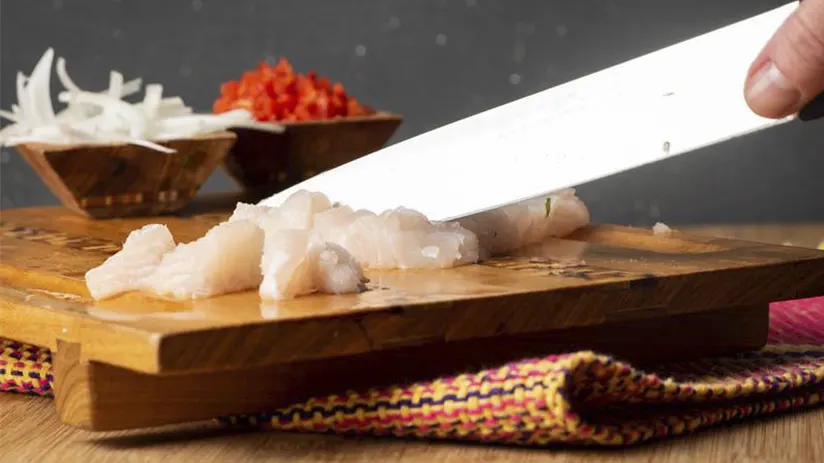
Start by removing any remaining skin and bones from the fish if your fishmonger hasn’t already done so. You should have clean, skinless fillets.
Cut the fish into evenly sized cubes, about 2 cm (¾ inch). Try to keep the pieces uniform so they “cook” evenly in the lime juice.
Do not rinse the fish with water, as this can affect its texture and flavor. Instead, gently pat it dry with paper towels if necessary. Set aside in a cold bowl.
Step 2: Prepare the Lime Juice
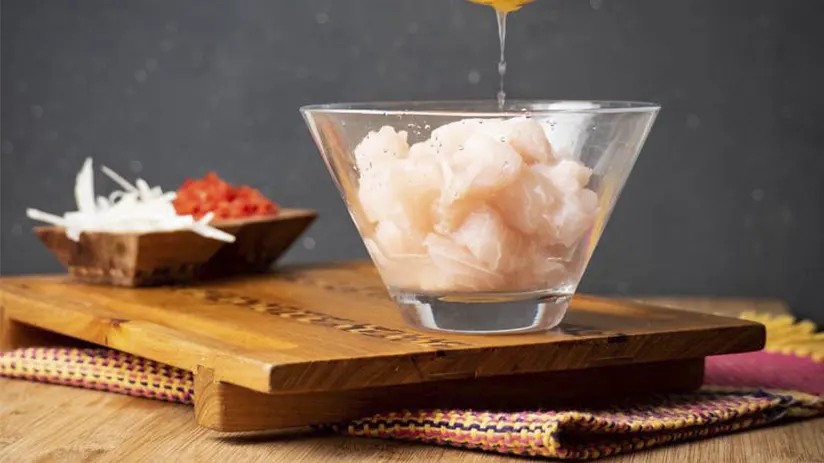
Squeeze the fresh limes into a bowl until you have about ¾ to 1 cup of juice. Strain out the seeds, but avoid over-pressing the limes, as this can release bitterness from the pith.
Season the fish lightly with salt (and freshly ground black pepper if using). Then pour the freshly squeezed lime juice over the fish. The juice should just barely cover the fish; ceviche is not meant to swim in citrus.
Let it marinate for 10–15 minutes in the refrigerator.
The acidity of the lime will “cook” the fish, turning it slightly opaque and firm on the outside while remaining tender inside.
Step 3: Prepare the Aromatics
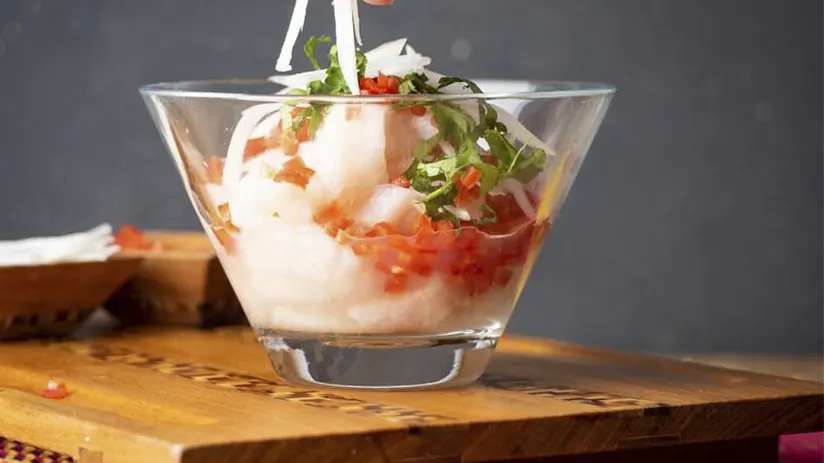
Thinly slice the red onion into fine julienne strips. For a milder flavor and crisp texture, rinse the sliced onion briefly in cold water and drain well.
Finely chop the fresh cilantro.
Slice the ají amarillo into thin strips or small dice, removing the seeds and veins if you prefer less heat. If using garlic, mince it extremely finely so it blends subtly into the marinade.
Step 4: Combine and Finish

Once the fish has marinated, gently add the sliced red onion, ají amarillo, cilantro, and minced garlic (if using).
Carefully fold everything together. Taste and adjust salt if necessary.
Let it rest for an additional 2–3 minutes only to allow the flavors to integrate. Authentic Peruvian ceviche is served fresh and immediately.
Step 5: Serve Immediately
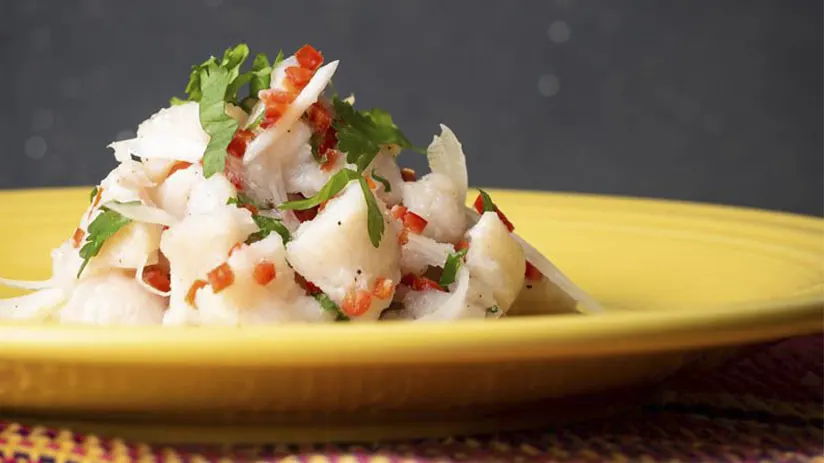
Serve the ceviche right away in a shallow plate or bowl, making sure to spoon some of the citrus marinade over the top.
The flavorful citrus juices left in the bowl are known as “leche de tigre” (tiger’s milk), a prized part of the preparation.
Traditionally, ceviche is accompanied by classic Peruvian sides, which we’ll explore separately. Enjoy immediately for the freshest flavor and perfect texture.
Choosing the Right Fish for Ceviche
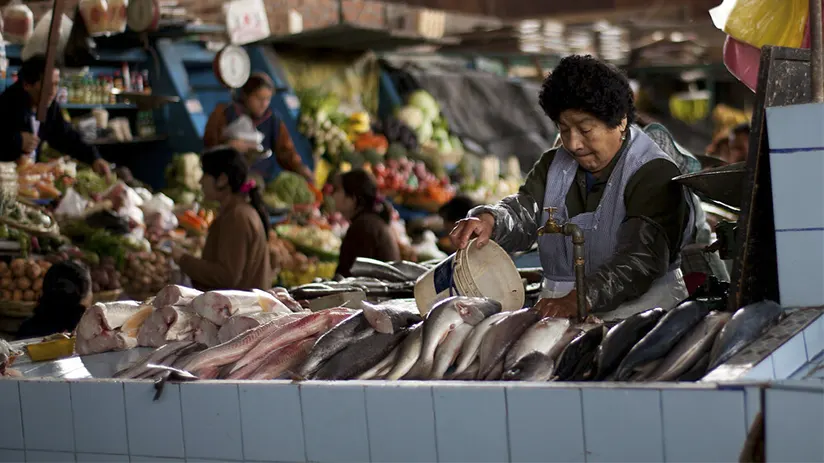
Unfortunately, there’s no single ideal fish for this dish, but there are some important considerations before choosing one. One of the main ones is texture; it should be softer and require less cooking time. As you saw in the preparation, the cooking time depends solely on the citrus, so a tender fish is more suitable. Fish with a firmer texture require slightly longer curing time in citrus.
Among the most recommended fish are kingfish, sea bass, tuna, mackerel, salmon, bream, jack mackerel, mahi-mahi, and others. If you’re new to cooking, it’s best to consult with the fishmonger to choose the most suitable fish. Another important consideration is that the fish should be fresh, as this will further enhance its typical seafood flavor. Remember that you can also complement your preparation with shellfish, shrimp, crab, and squid, which can add an even bolder touch.
What Is Leche de Tigre?
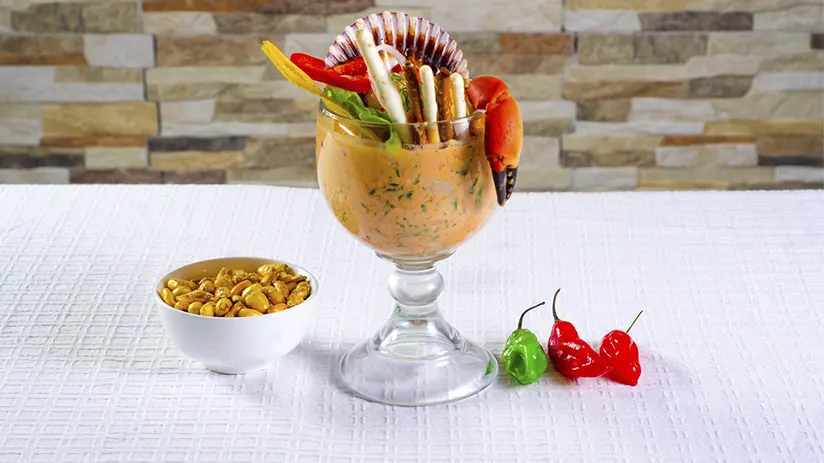
As mentioned earlier, leche de tigre is essentially the citrus juice contained in ceviche. This juice is usually whitish and spicy because of the maceration of the dish’s typical ingredients. Nonetheless, other interpretations suggest it’s an ideal aperitif before any seafood meal. Regardless of the best time to visit Peru, this bold liquid captures the concentrated flavor of authentic ceviche.
Tips for Preparing Ceviche Safely at Home

If you prefer to avoid restaurants or Peruvian street food, the best option is to make it yourself. Pay special attention to hygiene and food handling. Keep in mind that this isn’t a difficult dish to prepare, but you do need to take precautions regarding the ingredients. Here are some of the best suggestions for preparing it safely:
- Wash your hands and utensils thoroughly before, during, and after preparation. In addition to knives and cutting boards, you must properly sanitize all the items you use. We recommend not mixing utensils that have touched the fish with other products to avoid cross-contamination.
- Like the fish, the other ingredients should be of the best possible quality. This means carefully choosing each one so as not to alter the classic flavor of the preparation. Therefore, when buying them, it’s a good idea to take your time before bringing them home.
- Maintain the cold chain throughout the preparation and serving process. Ceviche should be eaten immediately after preparation, or, if it can’t, refrigeration will be ideal. Storing it for several hours could alter the specialty, both in quality and flavor.
- Follow the recipe carefully for the most authentic flavor and texture. Except in exceptional cases, you can make some variations; remember that the dish is completely versatile. Nevertheless, it is also subtle, so any modification you make will affect the final result in some way.
- If you are still unsure, you can lightly blanch the fish. To do this, simply submerge the fish in boiling water for 1 minute, then cook it in the citrus juice. If you submerge it for longer, the texture will change considerably.
Variations of Ceviche Across Peru
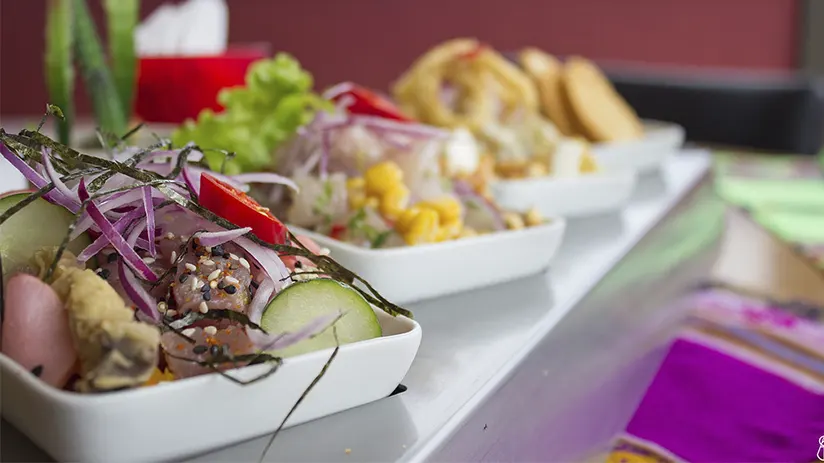
Like other Andean food traditions, there are countless adaptations and variations of this emblematic preparation. From the type of fish to the accompaniments, you’ll find endless delicious combinations. Keep in mind that these versions differ from those in other Latin American countries like Mexico, where ceviche includes jalapeno peppers, tortilla chips, hot sauce, tomatoes, onions, and other ingredients. Below are some of the most well-known ceviche variations prepared in the Andean country.
- Classic Fish Ceviche (Peruvian Coast): Sea bass, sole, or tilapia briefly marinated in lime juice, chili peppers, onions, and cilantro
- Black Clam Ceviche (Tumbes / North): Dark in color, made with black clams, typical of the mangrove region.
- Mixed Ceviche (Throughout Peru): Combines fish with various seafood such as squid, octopus, and shrimp.
- Trout Ceviche (Peruvian Andes / Junín): Uses fresh trout from high-altitude lakes and rivers.
- Amazonian Ceviche (Peruvian Rainforest): Often includes freshwater fish such as paiche.
- Nikkei Ceviche (Lima): A modern Japanese-Peruvian fusion with soy sauce and sesame seeds.
How Ceviche Is Traditionally Served
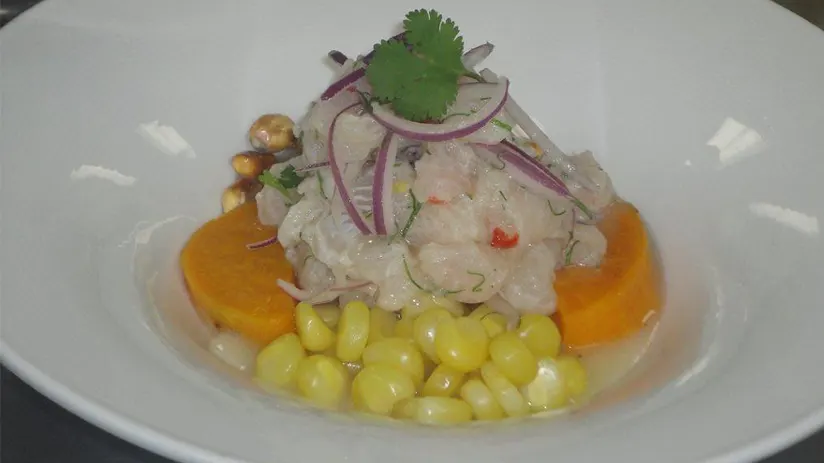
The incomparable combination of flavors is also thanks to its accompaniments. These side dishes are generally starchy and sweet to contrast with the typical acidity and spiciness of the ceviche. A clear example includes sliced boiled sweet potatoes and Peruvian corn kernels, which balance the flavors. As for the side specialty, people usually serve it with lettuce leaves or yuyo (seaweed).
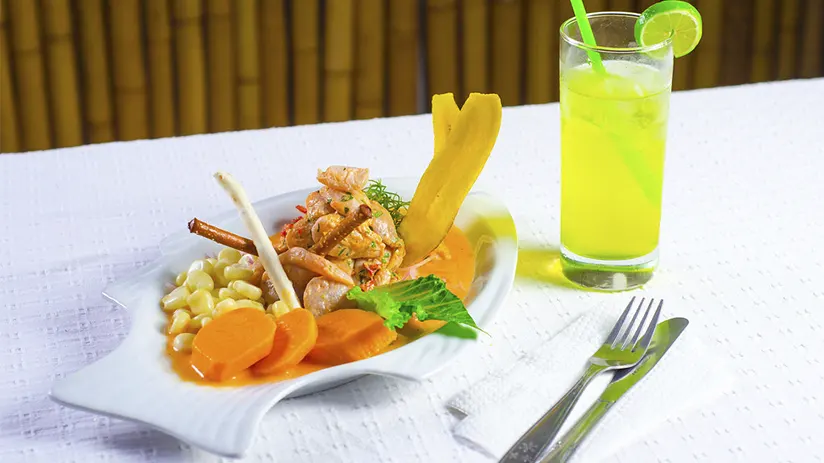
Other versions suggest adding cancha (toasted corn kernels) or chifles (thin plantain chips) for crunch. Alternatively, other seafood accompaniments such as cooked shrimp or fried squid are also viable options. With an interesting mix of colors, textures, and flavors, this dish is one of the best in presentation. Hence, the importance of the serving, both for its aesthetic appeal and for the enjoyment of the delicacy itself.
FAQs About Peruvian Ceviche
What fish is best for Peruvian ceviche?
The best fish for Peruvian ceviche is fresh, firm, white fish with a mild flavor. Popular choices in Peru include sea bass, sole, and flounder. Outside Peru, people often use snapper, halibut, or mahi-mahi. The key is to use fresh, sushi-grade quality fish to ensure the best taste, safety, and small pieces.
How long should ceviche marinate?
Peruvian ceviche typically marinates for only 5 to 15 minutes. Unlike other styles that rest for 30 minutes to several hours, authentic ceviche cures quickly. This technique helps to keep the fish tender and slightly translucent rather than fully “cooked”.
Is ceviche safe to eat raw?
Ceviche is generally safe to eat when prepared with fresh, high-quality fish and proper food handling practices. The lime juice helps denature the proteins, but it does not fully kill all bacteria or parasites. Using sushi-grade fish and keeping everything properly refrigerated ensure a safer preparation.
What makes Peruvian ceviche different?
Peruvian ceviche stands out because of its simple yet bold flavors. It comes mainly from the fresh fish, lime juice, red onion, chili peppers like ají limo, salt, and cilantro. Likewise, people usually pair it with sweet potato, which balances spicy, acidic, and sweet flavors.
Can you make ceviche at home safely?
Yes, you can make ceviche at home safely by buying sushi-grade fish from a trusted source. Take special care to keep the fish refrigerated, using clean utensils, and consuming it right after preparation. Avoid letting it sit at room temperature, and do not store it for long periods once mixed.
What is leche de tigre in ceviche?
Leche de tigre is the flavorful citrus-based marinade left at the bottom of the ceviche bowl. It is made from lime juice, fish juices, chili, salt, and sometimes a bit of fish stock or blended fish. In other cases, people often serve it in a small glass as a bold, refreshing shot.
“NOTHING BRINGS PEOPLE TOGETHER LIKE GOOD FOOD”
Ceviche is more than a dish; it is a celebration of freshness, tradition, and flavors. With its citrus marinade, delicate fish, and perfect balance of spice and sweetness, it represents Peru’s culinary tradition. Trying an authentic Peruvian ceviche recipe is one of the most memorable culinary experiences you can have in Peru. Whether enjoyed at a seaside restaurant, as one of the best things to do in Lima, or prepared fresh at home, ceviche represents the heart of Peru’s coastal cuisine and its deep connection to the ocean.
Peru has so much to offer; it can be hard to know where to start. With many years of experience in the tourism sector, Machu Travel Peru is happy to help with anything regarding your trip to Peru and any tours around it. Let us help you make your Peruvian travel experience unforgettable! Contact us today to plan your dream adventure!