Peruvian food is one of the most diverse cuisines in South America, shaped by Indigenous traditions and centuries of cultural exchange with Spanish, African, Chinese, and Japanese communities. From coastal ceviche to hearty Andean stews and Amazonian specialties, Peru offers a remarkable variety of flavors that reflect the country’s geography and cultural history. This guide explores the most famous dishes, ingredients, and traditions that define Peruvian cuisine.
This video introduces some of the most popular traditional Peruvian dishes and helps travelers recognize what to try when visiting local restaurants and markets. It provides a visual reference that complements the list of foods, ingredients, and regional specialties explained throughout this article.
Discover Peru’s vast culinary landscape and its delicious dishes
- What Makes Peruvian Food Unique?
- The Cultural Roots of Peruvian Cuisine
- Famous Peruvian Dishes You Must Try
- Regional Variations of Peruvian Food
- Peruvian Food Culture and Dining Traditions
- Where Travelers Can Experience Authentic Peruvian Food
- FAQs About Peruvian Food
- Conclusion
What Makes Peruvian Food Unique?
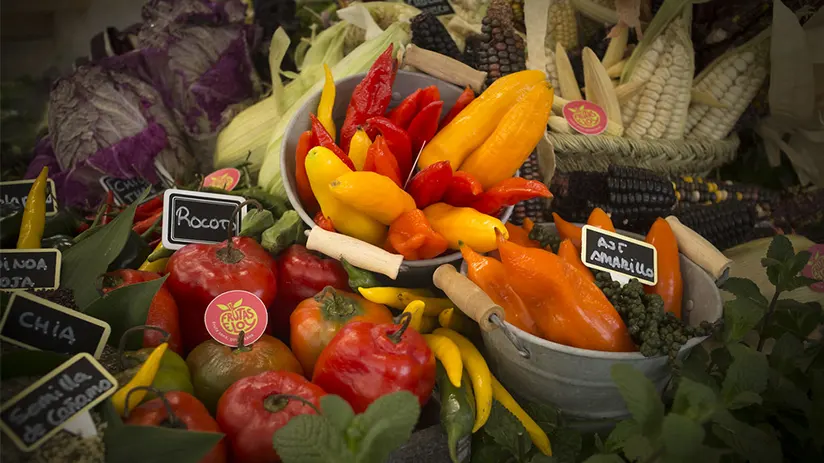
Peruvian cuisine is unique for its unparalleled biodiversity, a result of the country’s diverse geography. This provides a wide variety of products that grow in many ecosystems. From native potatoes to exotic fruits, the richness of ingredients is remarkable. These local products, combined with others from abroad, offer a spectrum unlike any other in the world.
Likewise, the blend of influences and cooking techniques yields intense flavors and iconic dishes. From seafood dishes to the powerful heritage of the Andes, the options are endless. Another important factor has been Peruvian chefs, who have elevated these dishes to the pinnacle of international acclaim. Furthermore, the constant creativity and discovery of new dishes ensure that this cuisine grows every day.
The Cultural Roots of Peruvian Cuisine

To trace the roots of Peruvian gastronomy, we must speak of the ancient indigenous civilizations. The diet of these native peoples consisted of staple foods such as potatoes, corn, and quinoa. These ingredients formed the foundation of many traditional dishes and continue to play an important role in Peruvian cuisine. Beginning in the early 2000s, a new generation of Peruvian chefs helped propel the country’s gastronomic scene onto the world stage.
Wheat, milk, beef, and pork quickly became popular among the population. Moreover, the arrival of immigrants from all over the world enriched the gastronomic landscape with new techniques and flavors. Over time, some dishes became true Peruvian classics, to the point that they were part of the Andean cultural traditions. This led to the development of restaurants specializing in a particular style of cuisine, such as chifas.
These people blended different foreign culinary techniques with Peruvian ingredients, creating sophisticated reinterpretations of traditional dishes. Over time, the reputation of these delicacies grew, gaining prominence in the world’s most famous restaurants. Today, it is one of the country’s cultural emblems and delights even the most discerning palates.
Famous Peruvian Dishes You Must Try
Classic Peruvian Main Dishes
1. Ceviche – Peru’s Most Famous Seafood Dish

Those on Peru’s coast must try the renowned Peruvian ceviche. For many, this dish has made the country known worldwide. Although several countries in Latin America have their own versions of ceviche, Peruvian ceviche has a distinctive preparation and an important place in the country’s culinary identity. Ceviche has ancient pre-Hispanic antecedents along Peru’s coast, with archaeological and historical traditions linking early forms of the dish to coastal cultures such as the Moche.
The fish is typically prepared with lime juice, ají, and salt, then served with traditional accompaniments such as red onion, sweet potato, and corn. Then, chefs serve it immediately with a lettuce salad featuring fresh onion slices, toasted corn kernels (cancha), boiled sweet potato, and Cochayuyo (red algae that grows along the shores of cold-water beaches along the Peruvian coast). It is served cold, but because of its great influence throughout the country, there are numerous presentations with unique ingredients.
2. Lomo Saltado – Peru’s Iconic Stir-Fried Beef
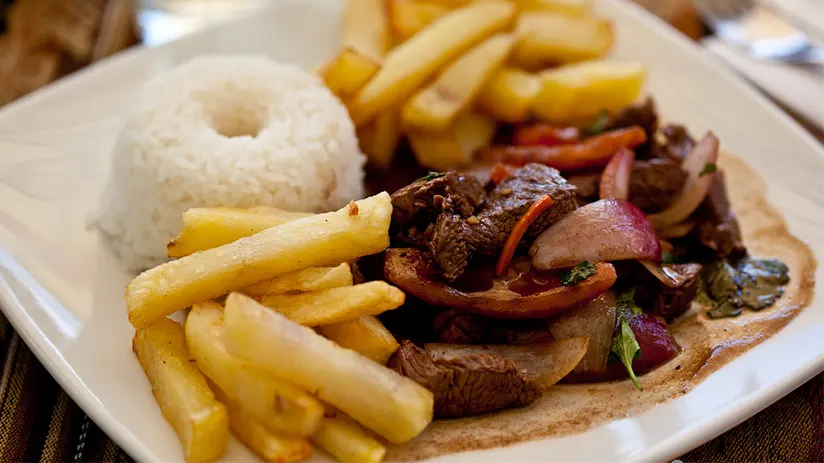
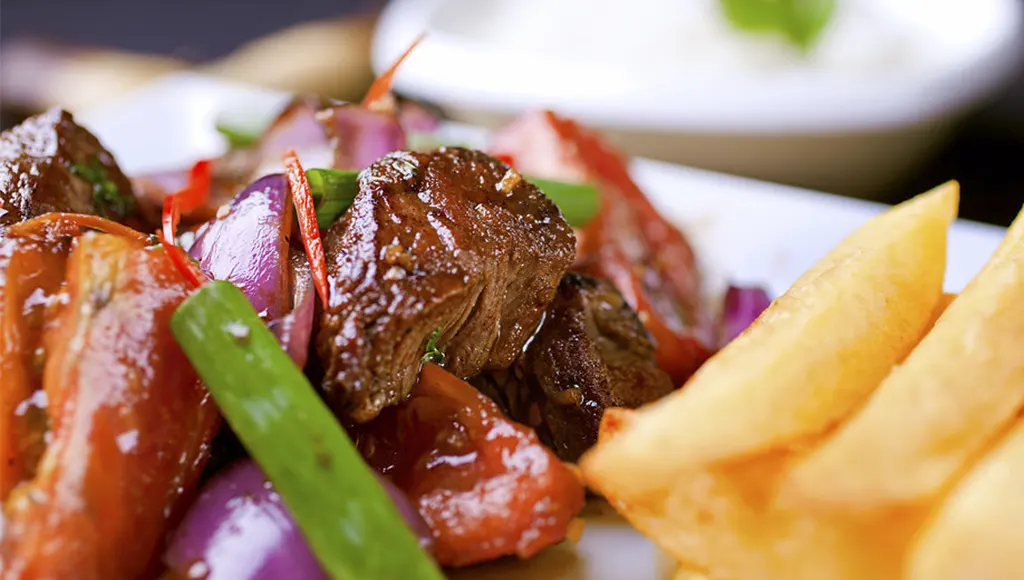
Few dishes represent Peruvian cuisine better than lomo saltado. If you want to experience one of Peru’s best-known fusion dishes, lomo saltado is an excellent choice. The history of this dish goes back to the time when Chinese gastronomy began to have a great influence on our country. Lomo saltado is one of the best-known examples of the Chinese-Peruvian culinary fusion associated with chifa cuisine.
This representative recipe consists of sliced steak, red onions, tomatoes, French fries, and yellow pepper, all sautéed in a skillet with a base of oil, soybean sauce (Sillao), and finely chopped garlic. The key technique is quickly stir-frying the ingredients over high heat. Some chefs flambé the ingredients over high heat, a spectacle for someone who can view its preparation. It is usually served with white rice, and some restaurants in Peru also add a fried egg.
3. Pollo a la Brasa – Peru’s Famous Rotisserie Chicken
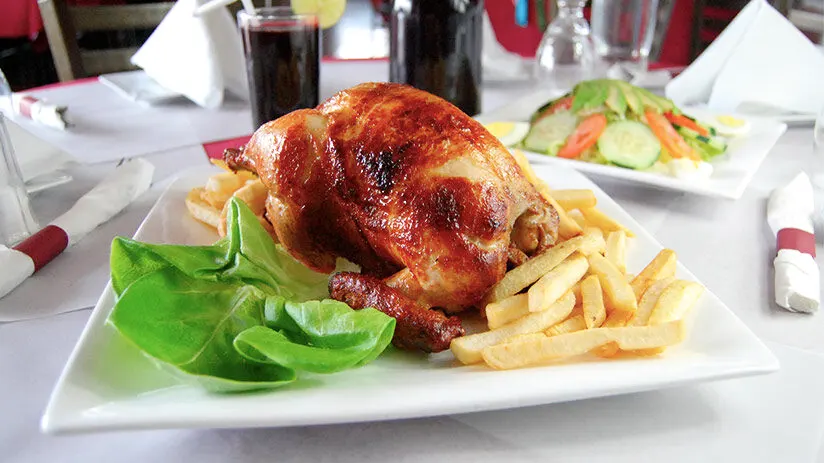
This is undoubtedly one of the most famous traditional dishes of Peruvian gastronomy. The key is to marinate the chicken in a special sauce; the marinade includes soy sauce, garlic, cumin, and spices. Peruvian cooks typically cook these marinated chickens over hot coals and serve them whole. This protein is accompanied by French fries and fresh or cooked salads. In addition, diners usually enjoy it with well-known sauces and other spicy ingredients.
Pollo a la Brasa emerged in Lima in the late 1940s and became closely associated with Roger Schuler, a Swiss immigrant who developed the dish with Franz Ulrich. He developed a method for roasting chicken over charcoal and served it with French fries, helping establish what became known as pollo a la brasa. He had a new dish, the Pollo a la Brasa. Nowadays, its restaurant “La Granja Azul” still serves Peruvian customers with the original recipe of Pollo a la Brasa.
4. Ají de Gallina – Creamy Peruvian Chicken Stew
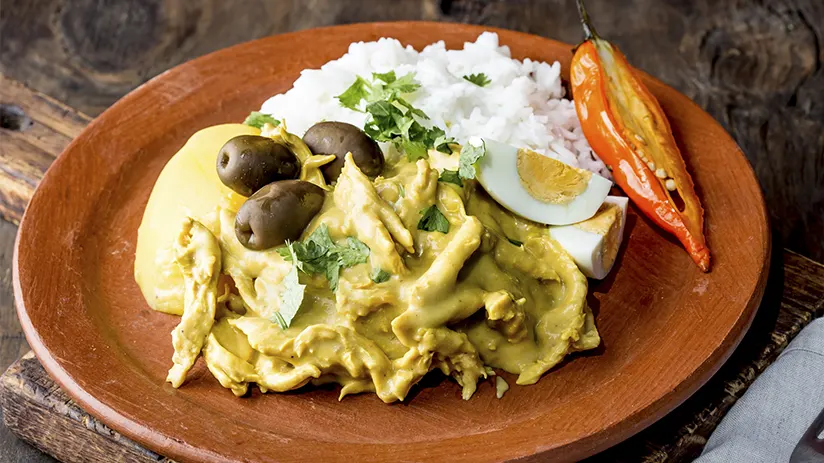
The Aji de Gallina is another of the traditional dishes that you cannot miss. Ají de Gallina is a creamy chicken dish made with shredded chicken, milk, bread, and ají amarillo. The creamy mixture is served over boiled potato slices and accompanied by white rice and slices of hard-boiled egg
Many theories explain how this unique recipe came about. The dish evolved in Peru from earlier European preparations such as manjar blanco, gradually incorporating local ingredients such as ají amarillo and becoming the savory dish known today. However, nowadays, it is one of the most wonderful flavors of Peru, and you should try it.
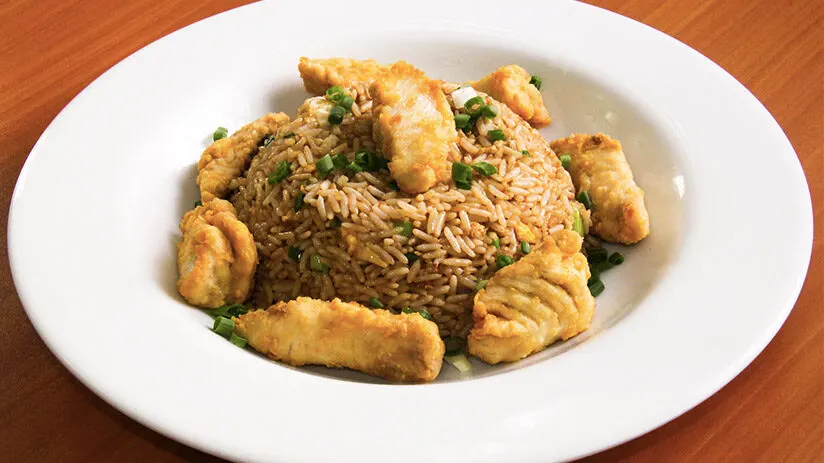
5. Arroz Chaufa – Peruvian-Chinese Fried Rice
The high influx of Chinese migration that Peru received since 1849 brought with it not only people but also its culture and its own Chinese ingredients. As the Chinese were the migrant majority for many years, the import of Chinese ingredients to Peru increased and was mixed and expanded in local Peruvian markets. It is in this way that today Peruvian and Chinese cuisine share similar flavors, colors, and spices. Resulting in the famous Chifa food.
Arroz Chaufa is one of the most popular dishes associated with chifa cuisine and is widely served in Chinese-Peruvian restaurants throughout Peru. Chefs sauté rice with vegetables such as scallions and ginger. Soy sauce, oyster sauce, and sesame oil are commonly used to season the dish. Similar to Lomo Saltado’s preparation, the secret of cooking was the form of sautéing. Separately, a beaten egg was fried, along with pieces of chicken and/or meat, and chopped into cubes.
6. Juane – Amazonian Rice Dish Wrapped in Leaves
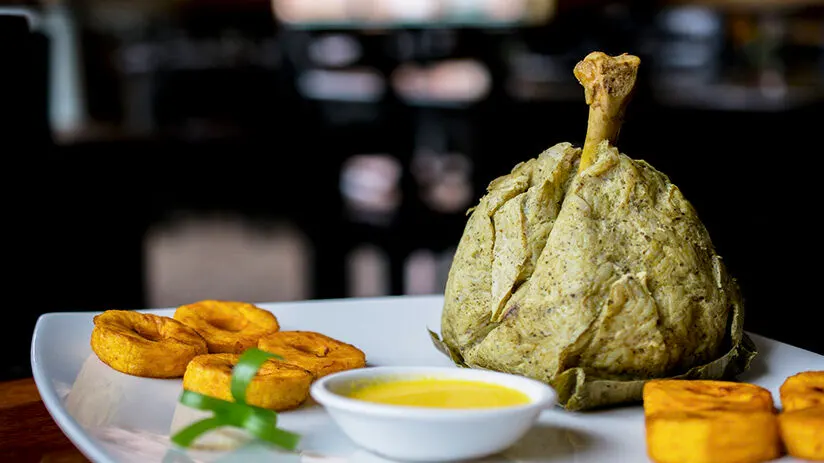
Juane is one of the most representative dishes in the Amazon of Peru. The dish is prepared on special occasions and in the San Juan Bautista (Saint John the Baptist) festivity on June 24th every year. This festivity gives its name to the dish, Juan, Juane. The presentation of this recipe is exotic, but its flavor will not disappoint you.
The preparation consists of white rice seasoned with local spices that can include oregano, turmeric, boiled egg, and cumin. A piece of chicken goes in the middle of this dish. The mixture is wrapped in bijao leaves and cooked in a large pot. The cooking process takes about one hour, and it is usually served with yucca and banana, both boiled too.
7. Arroz con Pollo – Peruvian Chicken and Rice
Arroz con Pollo is a popular home-style dish in Peru, prepared with rice, chicken, herbs, and vegetables. Maybe, with Ceviche, the Arroz con Pollo can be the most representative Peruvian traditional food. On an additional note, the Arroz con Pollo shares the style of elaboration with Spanish Paella but uses local and tasty ingredients.
The rice and chicken pieces are cooked with ingredients such as carrots, bell peppers, corn, peas, onions, and herbs, allowing the rice to absorb the flavors of the seasoning. All of them are mixed over a rice bed (Previously, the rice had to be seasoned with coriander, garlic, thyme, and bay leaf). The dish cooks for about 30 minutes until the rice absorbs all the flavors.
8. Tacu Tacu – Peruvian Rice and Bean Croquettes

Tacu Tacu is one of the dishes that usually contains rice and beans. This is a Creole food with a bit of Spanish, African, and South American influences. Its combination of crisp edges and soft rice and beans makes it a hearty and satisfying dish. Bean stew and white rice are usually made in the Tacu Tacu, both mixed and fried in a deep frying pan for some minutes.
The dish is served, still hot, and is accompanied by beef steak or fried egg. Its preparation varies from one place to another, but the dish typically combines rice and beans that are shaped and fried until crisp on the outside. For those who try it for the first time, it is a pleasant, balanced delicacy.
9. Tacacho con Cecina – Amazonian Plantain Dish

Tacacho is another representative dish of the Amazon. Its origin is situated in the north of the Amazon region of Peru, where local tribes boil bananas. After that, they grind the cooked fruit in large stone mortars, obtaining a mass. The mixture is combined with pork pieces and butter, salt, and cumin.
Chefs shape the blend into small balls that are served with chorizo and jerky (Beef salt meat). It is commonly served for breakfast and is often accompanied by chorizo and cecina. It is commonly enjoyed as a hearty meal, particularly in Peru’s Amazonian regions.
Iconic Seafood Dishes
10. Leche de Tigre – The Famous Ceviche Marinade
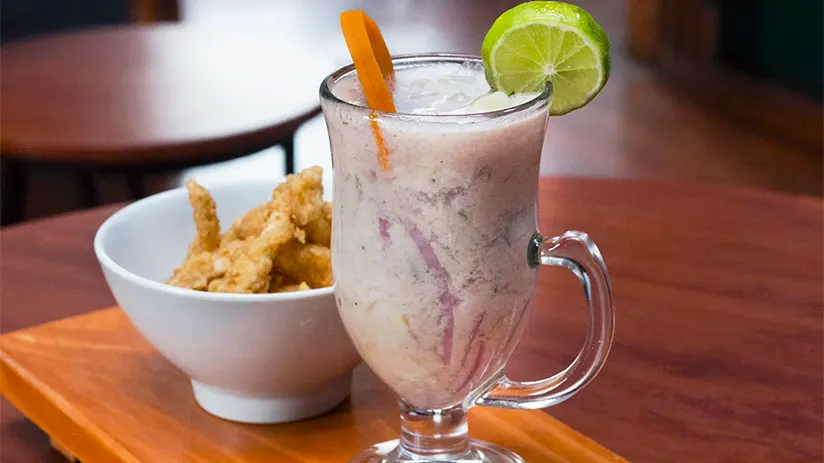
Leche de Tigre (Tiger milk) is a citrusy Peruvian preparation associated with ceviche. It is commonly made with fish stock or ceviche juices, lime, ají, and other seasonings. Peruvian chefs prepare it separately from ceviche, with the fish broth as its principal ingredient. The lemon juice, salt, pepper, and a few spices complement the preparation perfectly. To serve it, different chefs add baked corn kernels, fish, and shrimp to a cocktail glass. All in an attempt to complement the delicious marinade and thus give rise to the Leche de Tigre.
11. Jalea Mixta – Crispy Fried Seafood Platter
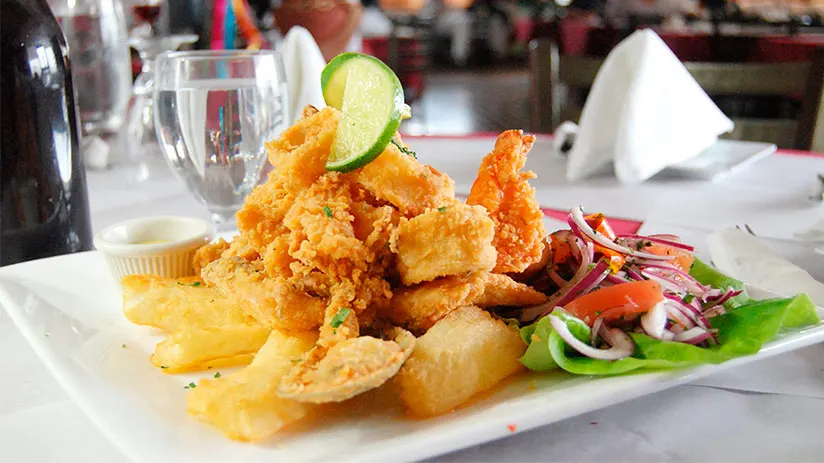
Jalea is a popular Peruvian seafood dish made with battered and fried fish and shellfish. This delicacy is one of the most popular seafood dishes among the inhabitants of Peru. We recommend you try Jalea Mixta, a variety of breaded and fried fish and shellfish.
Note that instead of fries, the Jalea plate includes fried Yucca. But this one is no less delicious than the Peruvian potatoes. Jalea is generally accompanied by Salsa Criolla (Creole Sauce) or Salsa De Ají (Spicy Sauce). The spicy and citrus flavor goes great with fried fish.
12. Tiradito – Peruvian-Japanese Raw Fish Dish
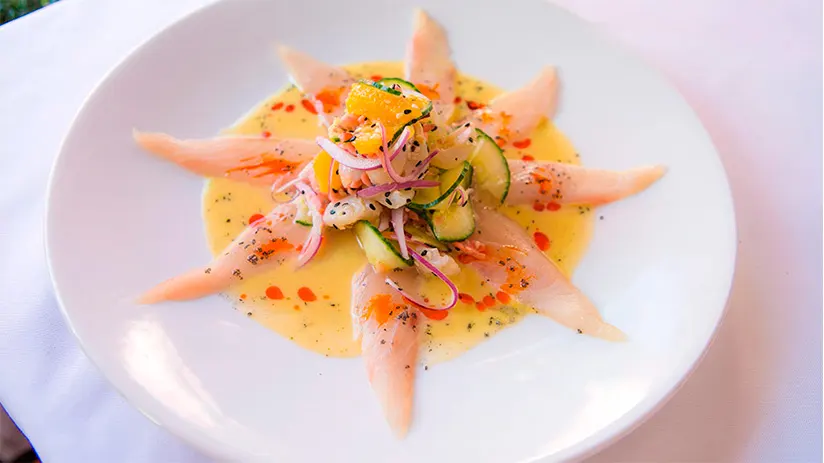
Nikkei cuisine combines two of the best cuisines in the world, the Japanese and Peruvian gastronomies. And among the most characteristic dishes of this culinary trend is the fish Tiradito. This Peruvian-Japanese fusion dish typically features raw fish cut into thin slices and served with a citrusy, spicy sauce. It is accompanied by a spicy and citrusy sauce that enhances the flavor of the fish. The fish is typically served with a citrusy and spicy sauce made with ingredients such as lime and ají amarillo.
13. Sudado de Pescado – Traditional Fish Stew
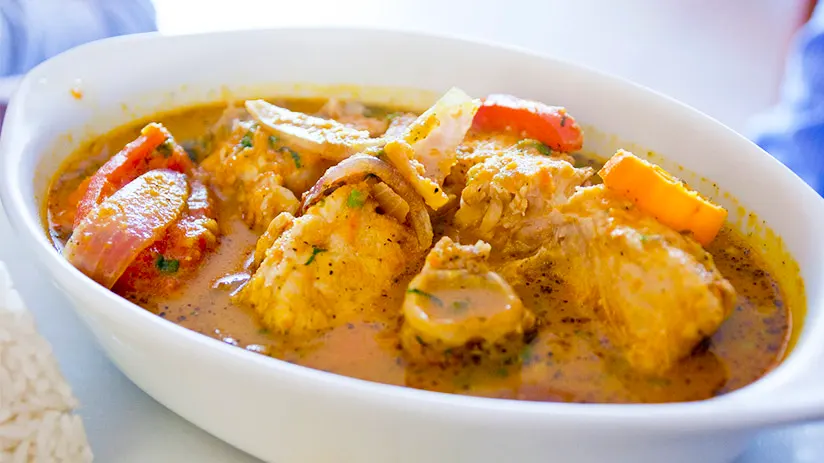
Sudado de Pescado is a traditional Peruvian fish dish prepared with fish, tomatoes, onions, ají, and herbs, with regional variations across the country. Inside a pressure cooker, the fish is accompanied by a yellow pepper, tomato, garlic, cilantro, and onion dressing. In Peru’s north, the dressing usually includes the famous chicha de jora. On the other hand, Wine or Pisco replaces the chicha on the southern Peruvian coast.
This traditional food is typically accompanied by cooked yucca. In areas like Chiclayo, grouper, grape-eye, or tollo are the perfect types of fish to prepare this dish with. In Lima, the capital of Peru, the Lorna, Cojinova, Chita, or Corvina is the star of this dish. It’s a must-try if you want to explore traditional coastal gastronomy.
14. Chupe de Camarones – Arequipa’s Famous Shrimp Soup
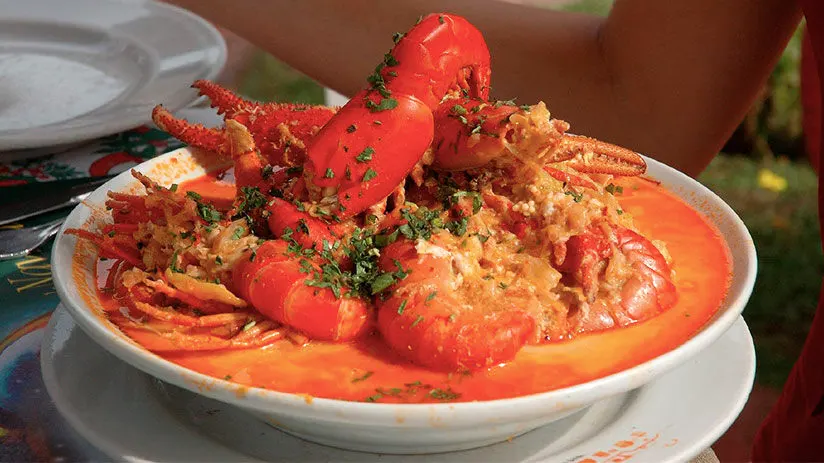
Chupe de Camarones is the most representative soup of Arequipa cuisine. This dish comes from the Camana coast district and, nowadays, Peruvians enjoy it only for special occasions. The shrimp are the kings here, and their preparation consists of cream, milk, and cheese, with a base of fish broth, red onions, eggs, garlic, and yellow potatoes.
This soup has to boil for a few minutes; after that, white rice, beans, carrots, and peas are added. The ingredients are then simmered together until the soup reaches its characteristic rich consistency. Even many consider that it is equal in flavor to Peru’s national dish, Ceviche.
Traditional Andean Specialties
15. Pachamanca – Ancient Andean Earth-Oven Feast
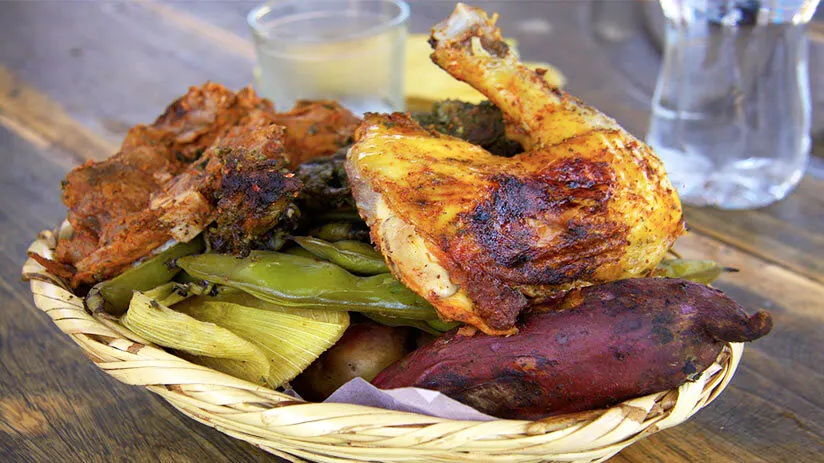
In the rural Andean areas of Peru, there is an ancient tradition that locals still practice. The custom says that the dish and its preparation are a tribute to the earth (Pacha means earth and Manca means pot or oven in the Quechua language). This gave the Peruvian Andean people the vegetables and food necessary to exist. Thus, Peruvians prepare Pachamanca on special occasions and at harvest time to repay what they receive.
The Pachamanca is part of the Andean food traditions that Peruvians prepare in the heat of preheated stones. The cooks previously season vegetables, potatoes, sweet potatoes, beef, pork, chicken, and guinea pigs to give them a unique flavor. Afterward, these are put inside a hole dug in the ground. Stones (previously heated with firewood) go in the bottom of the hole, the other ingredients follow, and the preparation has to be well wrapped with leaves. Finally, the preparation is covered with earth and cooked for several hours.
16. Adobo Arequipeño – Spicy Pork Stew

Many people usually eat this regional Peruvian dish for breakfast on Sundays. Spicy pork stew could be another name for Adobo. It often consists of pork in a delicious sauce flavored with ají panca, chicha de jora, and other spices. Many countries, like the Philippines, Mexico, and Puerto Rico, also have dishes with the name Adobo. Nonetheless, the ingredients and meat used in the marinade vary from country to country.
By the way, if you did not know, the difference between Mexican and Peruvian food is the origin of the main ingredients that make up each dish in their gastronomy. While Mexican food is based on corn, Peruvian cuisine relies heavily on seafood along the coast, while the Andes and Amazon contribute entirely different ingredients and dishes. In everything else, these cuisines are similar since they are varied, colorful, spicy, and very delicious.
17. Chiriuchu – Cusco’s Traditional Festival Dish
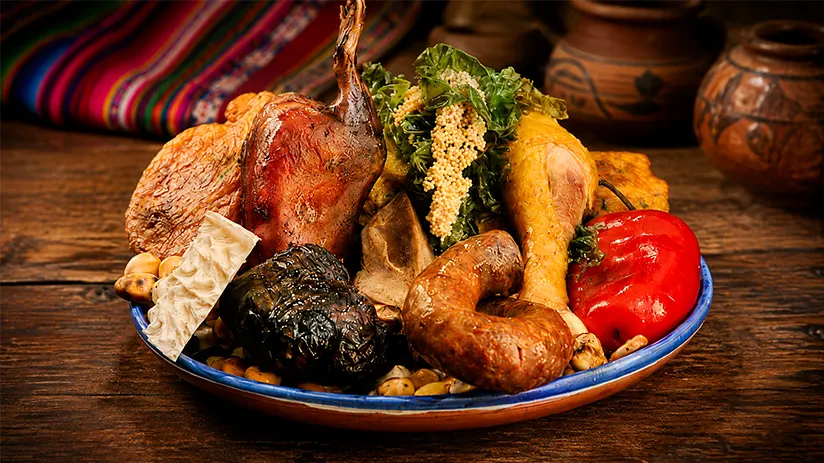
Chiriuchu is one of the best-known traditional dishes associated with Cusco. This delicacy contains ingredients from three natural regions: coast, mountains, and jungle. Its Quechua name means “Cold spicy”; it essentially represents what the recipe is like. History says that after the Ayni (a traditional Andean system of reciprocal labor and mutual support), they shared the best food each one had in their houses.
In this form, a dish with a variety of ingredients and products from all Peruvian regions was born. In this form, Ingredients like seaweed, egg cup, hen, charqui, and black pudding are boiled. Other ingredients, like the traditional Andean cuy, potatoes, and corn fritters, are fried separately. The last step is to put all the ingredients together in a recipe and adorn it with cheese, toasted corn, and hot pepper.
18. Chicharrón – Crispy Fried Pork Belly
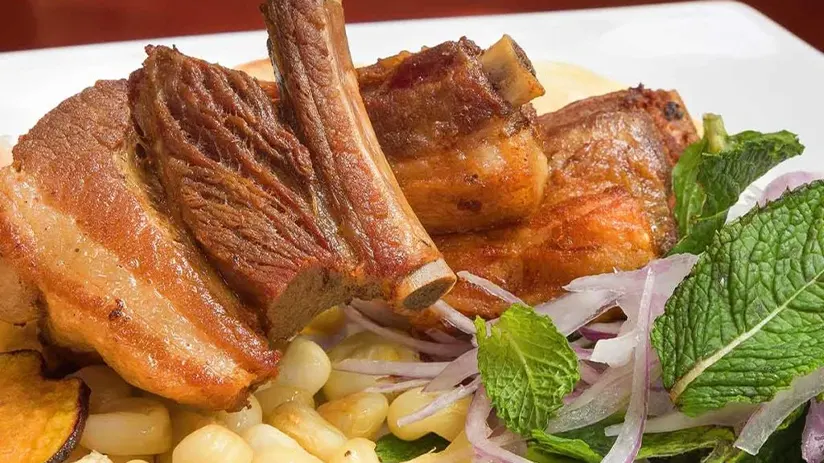
Chicharrón is nothing more than fried pork belly, one of the classic dishes among Peruvians. It is served with fried potatoes, parboiled corn kernels, and a salad made with fresh onion and peppermint. Its preparation is simple; you have to put the pork pieces in water with salt and celery, and leave them marinating for a few hours. The pork is first simmered until tender and then fried in its own fat until crisp.
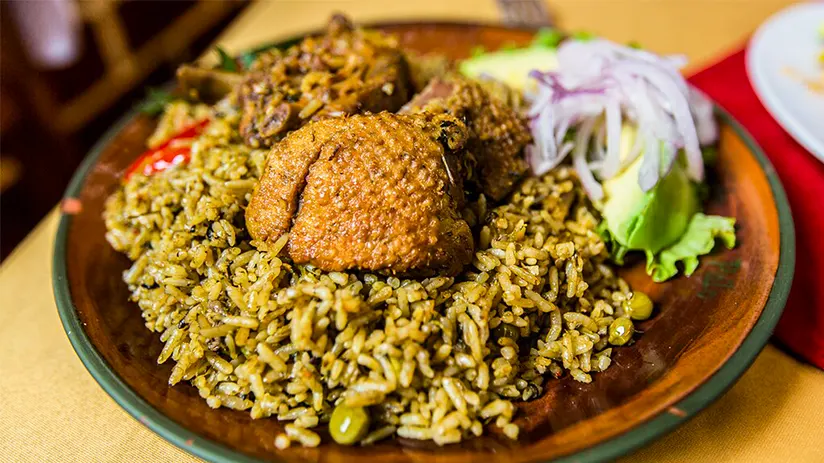
19. Arroz con Pato – Northern Peruvian Duck and Rice
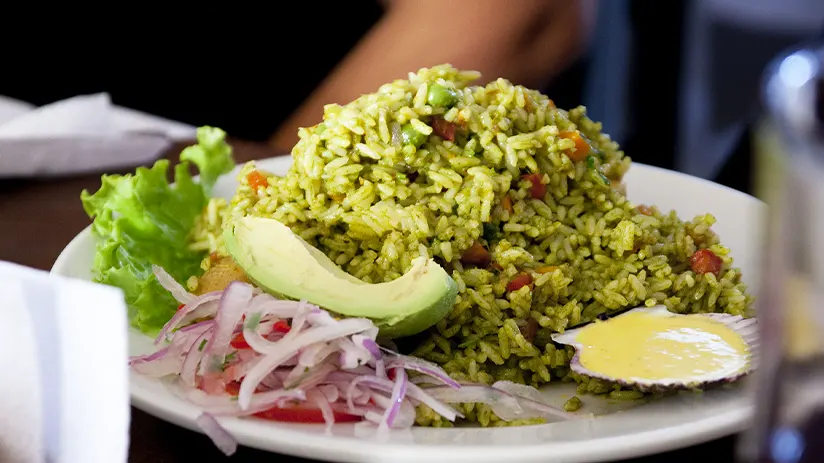
Arroz con Pato, or Rice with Duck, is a Creole recipe with great Spanish influences. The chefs cook the rice with herbs, coriander paste, and dark beer. This way of preparation gives a pronounced earthy flavor to the rice. Then, the cooks add a roasted duck thigh or leg, which has a truly crunchy texture over the rice bed.
20. Seco de Carne – Cilantro Beef Stew
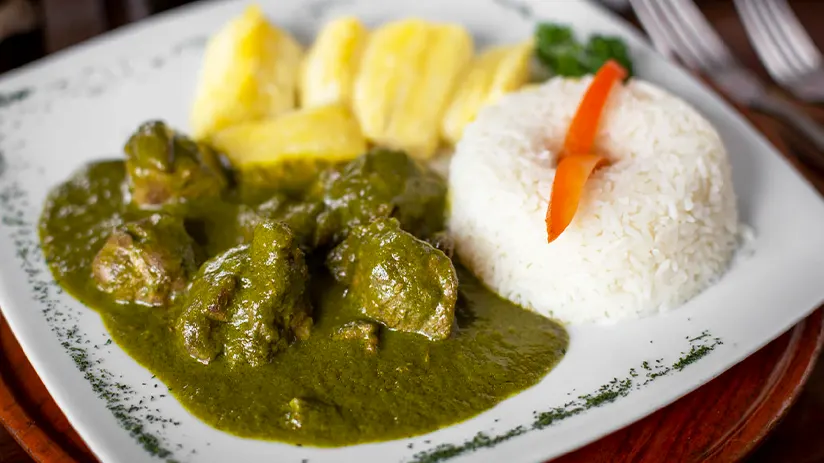
The Seco de Carne or Seco de Res is a hearty beef stew. Nevertheless, several ingredients set it apart from other meat stews. This recipe uses cumin, peppercorns, yellow peppers, the well-known chicha de jora (one of the most traditional Peruvian drinks), and coriander, two key ingredients in this dish.
A pressure cooker is used to simmer and cook all the ingredients with the beef. The idea is to reduce the liquid quantity of the mix, obtaining a green, thick stew. The white rice and beans usually accompany the final presentation of this delicious stew.
21. Cau Cau – Traditional Tripe Stew
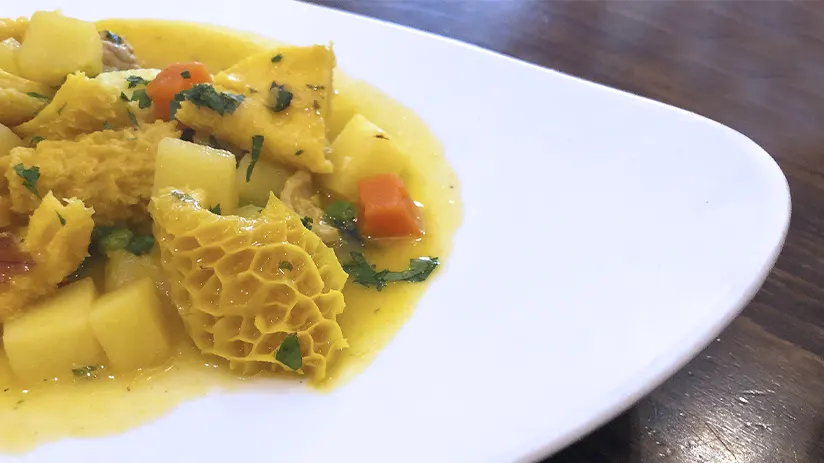
The origin of its particular name has many theories. Some affirm that it comes from the Quechua language, Acacau, and means giblets and hot. Others indicate that Chinese immigrants, in the nineteenth century, used the Caucau phoneme to indicate that the ingredients of stew had to be chopped into very small portions.
Others say that the name comes from another Quechua name, Kau-Kau. And it refers to another ancient dish with fish eggs and seaweed (Cochayuyo), two ingredients that belonged to the original recipe and were lost in time. Be that as it may, the truth is that the recipe comes from the hands of African slaves who came to Peru to work on the wine and cotton plantations.
The dish consists of cow tripe or chicken and white Peruvian potatoes. All of them were chopped into small cubes and cooked over a base stew of garlic, drumsticks, onion, yellow pepper, chopped parsley, and mint. The preparation is accompanied by rice, as is the majority of Peruvian dishes.
22. Cuy Chactado – Fried Guinea Pig
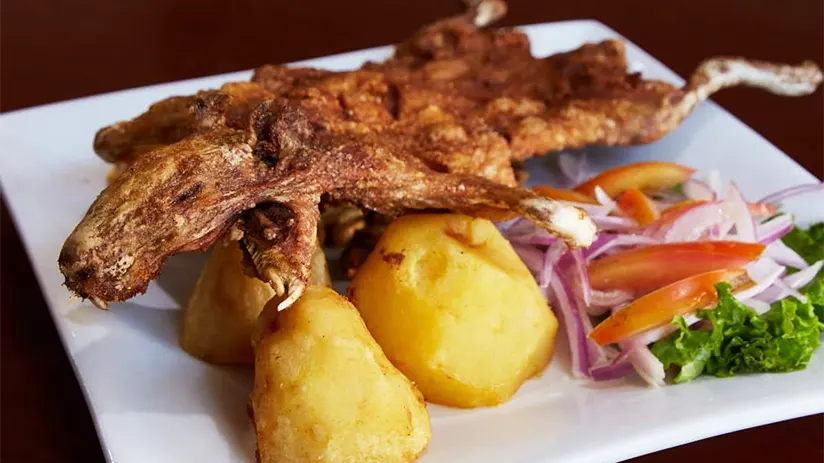
The delicious Cuy is a very traditional dish in the mountains of Peru. If you have a pet guinea pig, you may not like this suggestion. But many Peruvian farm families, who live on the slopes, usually raise these animals and, on special occasions, the locals of Peru eat them.
Cuy is a guinea pig prepared in several traditional ways, including frying and roasting, depending on the region. It can also be served fried or roasted with potatoes, accompanied by noodles and stuffed peppers. So, don’t let tenderness win you over, and dare to try this exotic dish!
23. Capchi de Setas – Andean Mushroom Stew
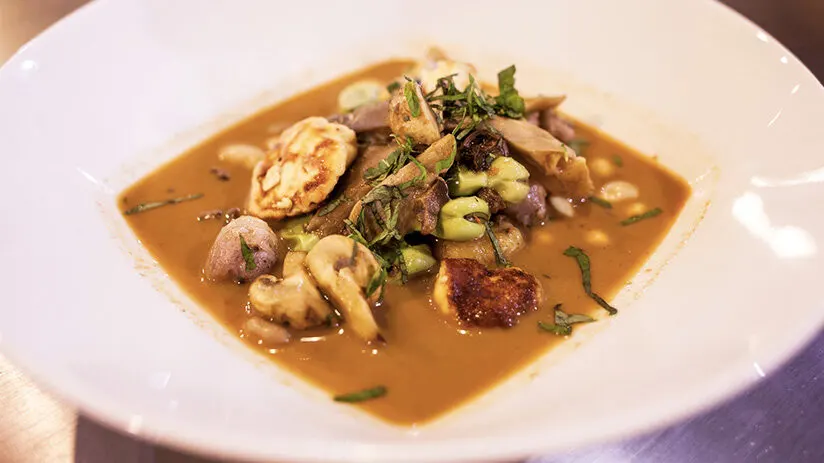
While Arequipa is known for dishes such as chupe de camarones, Cusco has its own traditional specialties, including capchi de setas. This dish is a kind of thick soup made up of potatoes, green beans, eggs, milk, fresh cheese, mint, huacatay, paico, and setas seasonal mushrooms associated with the rainy season in the Andean highlands. All of them are boiled for around 40 minutes, and the result is a hearty soup. Usually, white rice and Cuy accompany it.
24. Guiso de Tarwi – Andean Lupin Bean Stew
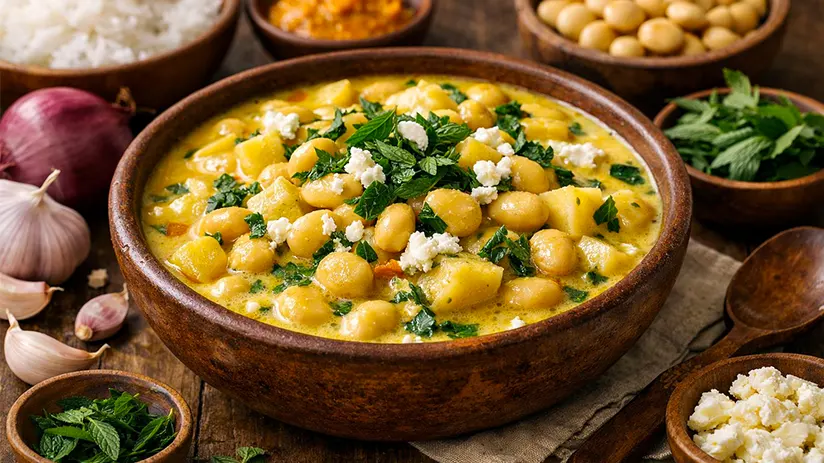
Tarwi is an Andean legume cultivated in Peruvian Andean cities like Cusco, Cajamarca, Huanuco, Junin, and Puno. Its origin dates back to pre-Inca times when cultures like Nazca and Tiahuanaco cultivated it. Today, Cusco prepares its own version of the dish, blending Tarwi with cheese and milk. The mix is seasoned with butter, cumin, and ground garlic. This dish is usually served with white rice, or it can accompany a plate of stew.
25. Trucha Frita – Fried Andean Trout
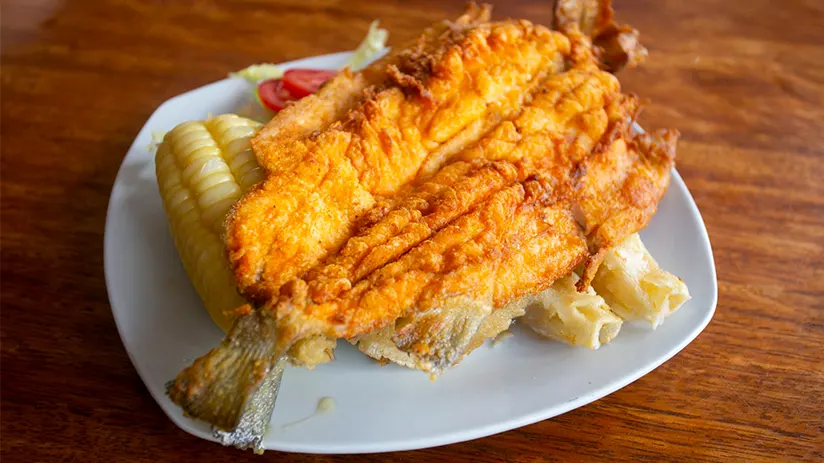
Fried trout is a traditional dish typical of the Andes of Peru. The Andes Mountains provide different bodies of freshwater where trout can easily breed. In many Andean regions, it is common to see trout farms. Rainbow trout is widely farmed in Peru’s highland regions and is a popular ingredient in Andean cuisine. The trout is fried and seasoned with black pepper, served with white rice, fried potatoes, and vegetable salad.
Popular Street Foods in Peru
26. Causa Limeña – Layered Potato Dish

Peru has wide varieties of potatoes, so you might expect many potato-based dishes. Mashed potatoes, seasoned with lemon juice and salt, participate in their preparation. The seasoned potato is layered with fillings such as avocado, chicken, tuna, or vegetables Most of the time, it serves as an appetizer, and many sauces, especially hot ones, accompany the dish.
Its name has many theories of origin. One of them refers to the fact that Causa comes from the Quechua word Kausay and means “necessary sustenance” or “food”. Others indicate that Peruvian women, as a form of collaboration with the Cause of Peru’s independence, prepared it for the independence troops of General San Martín. The last theory indicates that, again, the Peruvian women, feeding Peruvian soldiers in the middle of the Pacific battle against Chile, with this dish, stood by the Peruvian Cause.
27. Anticuchos – Grilled Beef Heart Skewers
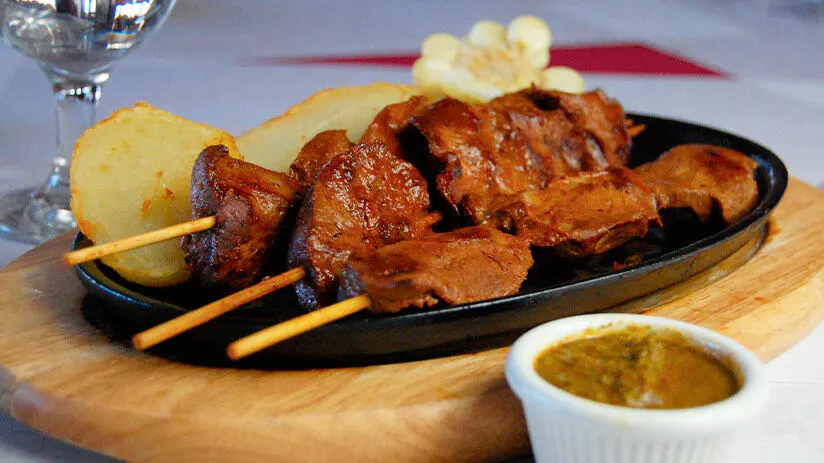
The Anticucho is one of the most representative Peruvian street foods that you have to try during your visit. Anticuchos are among Peru’s best-known street foods and are traditionally made with marinated beef heart grilled over charcoal. These delicious typical dishes of Peru had their origin in the regions of the Andes during colonial times, when the Spanish conquerors took advantage of the best pieces of beef for their consumption and left leftovers for their servants. Years later, the form of preparation of the heart, kidney, and intestines of the beef was passed to the Peruvian coast region, where the recipe found its final style.
It has been a traditional food of Peru for a long time. The hearts, cut into cubes, are its main ingredient. The chefs marinated these in vinegar, cumin, chili, and garlic, and then put them on sticks to be roasted on charcoal grills. Afterward, they serve Anticuchos on skewers with potato or onion slices, over a dish. Today, many chefs have reinvented it and used other cuts of meat in addition to the heart. You can see chicken Anticuchos and other meat cuts, but the real Anticuchos have heart meat.
28. Papa a la Huancaína – Potatoes in Spicy Cheese Sauce
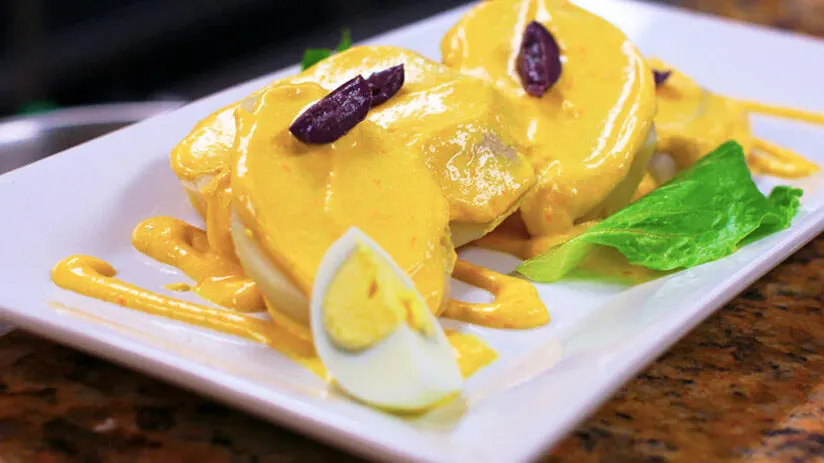
Papa a la Huancaina is one of those popular appetizers among the people of Peru. This dish consists of boiled Peruvian yellow potatoes served with a spicy, creamy yellow sauce made from cheese, milk, and yellow chili peppers, previously blended.
The history is not clear, but the recipe has its origin in Huancayo, a central city of Peru, close to the Andes. Besides, Huancaina is the name of the yellow sauce, hence the name Papa a la Huancaina. It is one of the few traditional dishes of Peru that could be considered vegetarian, and it’s a tribute to the Peruvian potato and the yellow pepper.
29. Rocoto Relleno – Stuffed Spicy Pepper
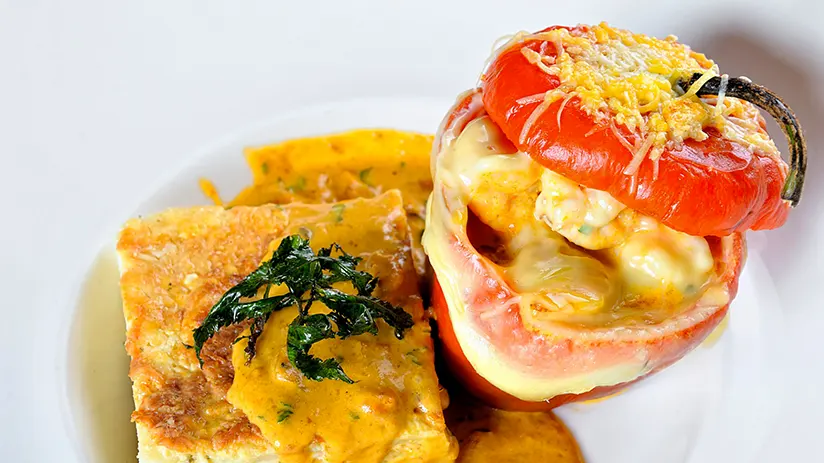
This dish consists of roasted rocoto peppers that are stuffed with chopped meat and vegetables. It is baked with a delicious dough of milk and eggs that covers the pepper. Be careful with its intense flavor; rocoto is known for its intense heat, although its spiciness can vary depending on the pepper. Its intense heat can be surprising for travelers trying it for the first time. Once you get past the heat, you’ll discover a surprisingly rich flavor.
30. Carapulcra – Ancient Potato and Pork Stew

Carapulcra is one of Peru’s oldest documented dishes, with Indigenous roots and later influences that reflect the country’s multicultural culinary history. The dish has deep historical roots in Peru and has evolved through different regional and cultural influences. They even named this Peruvian dish Qala Purka (In the Aymara language, which means “stew made on hot stones”).
The preparation consisted of a thick Alpaca meat soup with dried potatoes and small stones preheated, all of them cooked inside a saucepan. Chefs included extra ingredients that contributed flavor, spice, and color to the dish. The preparation was very similar to the Aymara dish, with the difference of the addition of the chicken and pork pieces in a dressing of yellow peppers, clove, onion, garlic, salt, and pepper. A giant saucepan with some preheated stones kept this mix warm while cooking.
Regional Variations of Peruvian Food

As we’ve seen, there’s a wide variety of dishes, even though we only included 30 on our list. This diversity largely comes from Peru’s geography, where each region offers different ingredients and cooking traditions. Both the availability of ingredients and the specific needs they satisfy are important factors in understanding this variability. The country’s three main geographic regions each contribute distinctive ingredients and culinary traditions.
| Characteristic | Peruvian Coast | Peruvian Highlands (Andes) | Peruvian Amazon |
| Main Ingredients | Fish and seafood, lime, yellow chili pepper (ají amarillo), limo chili, red onion, rice, corn | Potatoes, corn, quinoa, cuy (guinea pig), alpaca, ají panca, Andean herbs | Cassava (yuca), plantains, river fish, ají charapita, bijao leaves, Amazonian fruits |
| Main Flavors | Citrusy, fresh, slightly spicy, vibrant | Earthy, smoky, deep, mildly spiced | Aromatic, bold, slightly spicy, with smoky notes |
| Type of Cuisine | Fresh, seafood-based, and Creole cuisine; generally light dishes | Traditional, hearty, and energy-rich dishes | Tropical cuisine, aromatic and strongly tied to local ingredients |
| Main Cooking Methods | Quick cooking, citrus marination (as in ceviche), frying, sautéing | Boiling, stewing, earth-oven cooking (pachamanca), slow cooking | Leaf-wrapping and roasting (bijao), boiling, smoking, grilling |
| Signature Dishes | Ceviche, arroz con mariscos, tiradito, causa limeña | Pachamanca, cuy chactado, rocoto relleno, quinoa soup | Juane, tacacho con cecina, inchicapi, patarashca |
| Importance in Daily Life | Very common in everyday meals in coastal cities; strong presence in markets and restaurants | Remain important in everyday meals and regional celebrations. | Central to daily nutrition in Amazonian communities |
Peruvian Food Culture and Dining Traditions
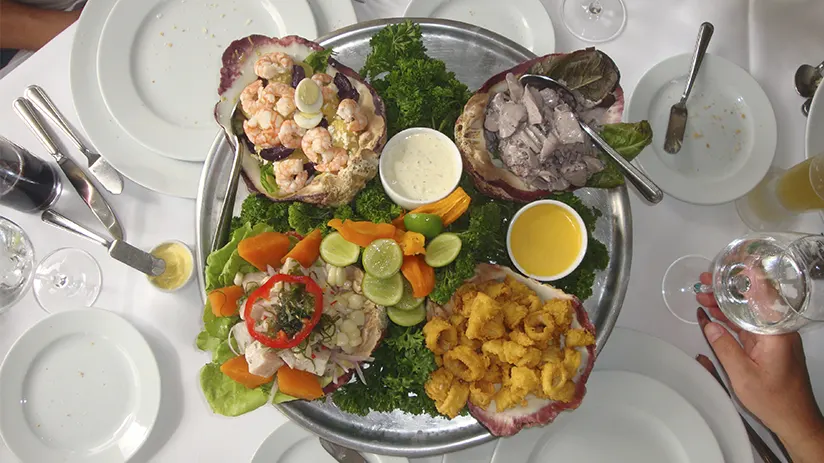
Talking about food traditions in Peru is as extensive as its long list of dishes. Within the country, you’ll find a wealth of customs surrounding these delicacies. Some are curious, others have ancestral roots, but all enrich their ancient culture. Here are some of the most notable things if you travel through this Andean nation:
- Pairing meals with traditional drinks: In Peru, meals are commonly accompanied by local beverages that complement the flavors of the food. Popular choices include chicha morada, a sweet purple corn drink, Inca Kola, a bright yellow soda, and Pisco Sour, the national drink. These beverages are not just refreshments but part of the cultural dining experience.
- The importance of the “Menú del Día”: A widespread tradition in Peru is the menú del día (daily menu), especially at lunchtime. Restaurants often offer an affordable fixed menu that typically includes a starter (usually soup), a main dish, and a drink. This practice reflects the Peruvian habit of having a substantial lunch as the main meal of the day.
- Sharing food with family: Peruvian meals are often served in a way that encourages sharing among family and friends. Large dishes are placed in the center of the table so everyone can taste different foods, reinforcing the social aspect of dining. This tradition highlights the importance of food as a way to connect and spend time together.
- Lunch as the Main Meal of the Day: Unlike in some countries where dinner is the largest meal, in Peru, lunch is typically the most important and substantial meal. Many people take a longer break during midday to enjoy a full meal that may include multiple courses. Dinner is usually lighter and eaten later in the evening.
- Celebratory Dishes for Special Occasions: Certain dishes are closely associated with holidays and celebrations. For example, roasted pork (lechón) or dishes with cuy (guinea pig) may appear during festivals, while panetón and hot chocolate are traditional during Christmas.
- The Use of Fresh Market Ingredients: Local markets remain an important part of food culture in many parts of Peru, offering fresh produce, herbs, meats, and regional ingredients. This tradition reflects the country’s strong connection to seasonal products and regional agriculture.
Where Travelers Can Experience Authentic Peruvian Food

Peruvians can sample authentic Peruvian cuisine throughout the country. The difference lies in the specialized establishments that offer more specific culinary options. From local food markets and cevicherías to picanterías and street food stalls, travelers can experience different expressions of Peruvian cuisine throughout the country. Here are some of the ideal specialty spots to enjoy delicious dishes:
| Type of Restaurant | Definition | Main Dishes Offered | Approx. Price per Person | Commonly Found in Cities Such As |
| Cevicherías | Restaurants specialized in ceviche and fresh seafood. They usually operate mainly during the daytime because the fish must be extremely fresh. | Ceviche, tiradito, leche de tigre, arroz con mariscos (seafood rice), jalea mixta (fried seafood platter). | $7 – $20 | Lima, Callao, Trujillo, Piura, Chiclayo |
| Chifas | Restaurants serving Chinese-Peruvian fusion cuisine, a culinary tradition that emerged from Chinese immigration to Peru. | Arroz chaufa (Peruvian fried rice), tallarín saltado, pollo tipakay, wonton soup. | $5 – $14 | Lima, Cusco, Arequipa, and most major cities |
| Pollerías | Restaurants focused on pollo a la brasa (Peruvian rotisserie chicken), one of the most popular dishes in the country. | Pollo a la brasa, fries, salad, anticuchos, salchipapas. | $5 – $12 | Found all across Peru |
| Criollo Restaurants | Restaurants serving traditional Peruvian Creole cuisine, influenced by Indigenous, Spanish, and African culinary traditions. | Lomo saltado, ají de gallina, causa limeña, carapulcra, tacu tacu. | $7 – $17 | Lima, Ica, Trujillo, Chiclayo |
| Picanterías | Traditional eateries, especially in southern Peru, are known for regional dishes prepared with traditional techniques, often using clay pots or wood-fired kitchens. | Rocoto relleno, chupe de camarones, adobo, chicha de jora. | $6 – $14 | Arequipa, Cusco, Ayacucho |
| Fine Dining / Gourmet Restaurants | High-end restaurants that reinterpret Peruvian ingredients using modern culinary techniques often offer tasting menus. | Tasting menus, modern ceviche interpretations, Amazonian and Andean ingredients. | $60 – $250+ | Mainly in Lima |
| Street Food | Food stalls or carts offering quick, affordable, and very popular local snacks are often found in markets or on busy streets. | Anticuchos, picarones, tamales, emoliente, salchipapas. | $1.5 – $6 | Lima, Cusco, Arequipa, markets, and food fairs |
FAQs About Peruvian Food
What are the most famous Peruvian foods?
Some of the most famous Peruvian foods include ceviche, lomo saltado, ají de gallina, pollo a la brasa, and causa limeña. These dishes represent the diversity of Peruvian cuisine and reflect the mix of Indigenous, Spanish, African, and Asian influences that have shaped the country’s culinary traditions.
What dishes should you try in Peru?
When visiting Peru, some must-try dishes include ceviche, lomo saltado, ají de gallina, and pollo a la brasa. These dishes are widely available across the country and offer a great introduction to the flavors, ingredients, and cooking styles that make Peruvian cuisine unique.
Is Peruvian food spicy?
Peruvian food varies in spiciness, but chili peppers such as ají amarillo and ají limo are often used primarily to add flavor as well as heat. These peppers are typically used to add flavor rather than strong heat, and many restaurants serve spicy sauces on the side so diners can adjust the spice level to their taste.
What is the national dish of Peru?
Ceviche is widely regarded as Peru’s national dish and is one of the country’s most important culinary symbols. The recipe is made with fresh raw fish marinated in lime juice and mixed with onions, chili peppers, and salt. It is usually served with sweet potato and corn and is especially popular along the Peruvian coast.
What foods are popular in Cusco and Lima?
Lima is particularly known for ceviche, tiradito, causa limeña, and other seafood dishes, while Cusco is known for Andean specialties such as cuy, trout, alpaca, quinoa, native potatoes, and corn.
Where can travelers try authentic Peruvian food?
Travelers can try authentic Peruvian food in local markets, cevicherías, picanterías, and street food stalls. These establishments offer travelers opportunities to experience traditional dishes and regional specialties in cities such as Lima, Cusco, and Arequipa. Travelers can experience Peruvian food throughout the year, although the dishes and ingredients available may vary by region and season.
Conclusion
Exploring Peruvian food is undoubtedly one of the greatest attractions of traveling through the country. Each region offers flavors, ingredients, and preparations that reflect the cultural richness and diversity of its landscapes. Whether you try street food classics like anticuchos, coastal seafood dishes like ceviche, or traditional Andean specialties like pachamanca, every bite is an opportunity to discover a new facet of Peru’s identity.
More than just a collection of dishes, Peruvian gastronomy is an experience that connects history, tradition, and creativity. From local markets to renowned restaurants, you’ll find offerings that will surprise both those trying these flavors for the first time and travelers seeking to rediscover them. Exploring Peru’s cuisine is an opportunity to experience the country’s history, regional traditions, and cultural diversity through food
Now that you know some of the flavors that await you, all that’s left is to experience them for yourself. Let yourself be surprised by the aromas, ingredients, and traditions you’ll encounter along your journey and discover why gastronomy is an essential part of experiencing Peru.
Peru has so much to offer; it can be hard to know where to start. With many years of experience in the tourism sector, Machu Travel Peru is happy to help with anything regarding your trip to Peru and any tours around it. Let us help you make your Peruvian travel experience unforgettable! Contact us today to plan your dream adventure!