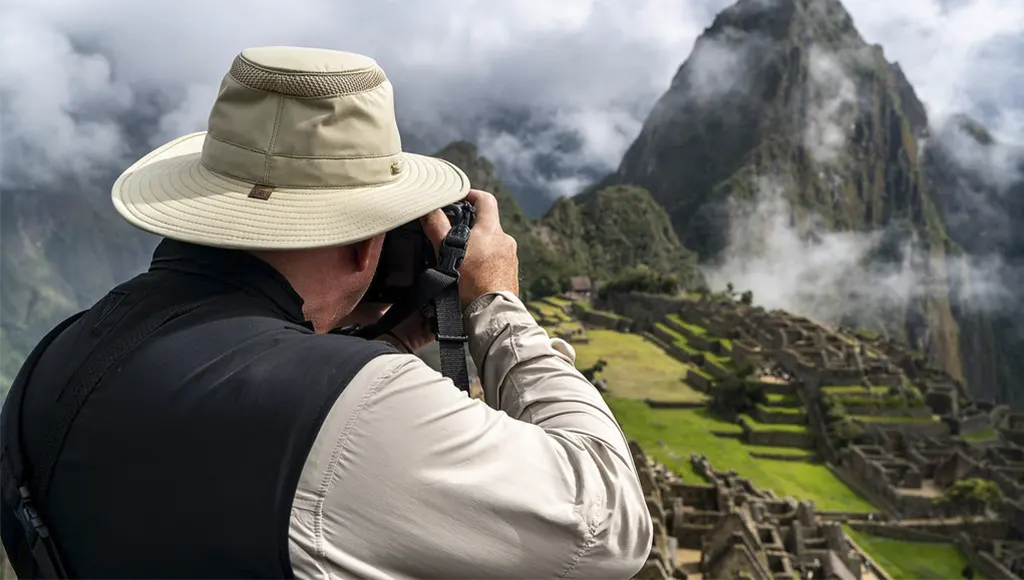
The best things to do in Machu Picchu include exploring the Inca citadel, hiking Huayna Picchu, visiting sacred temples, and discovering hidden trails. Machu Picchu receives around 1.5 million visitors each year for its unique travel experiences. Beyond its famous postcard view, Machu Picchu offers history, adventure, and cultural experiences surrounded by dramatic Andean landscapes. However, many visitors focus on taking the perfect selfie or photo and overlook important sites within the citadel.
Complete Guide to the Best Attractions in Machu Picchu
- Why Machu Picchu Offers More Than Just Ancient Ruins
- Explore the Main Citadel of Machu Picchu
- Hike Huayna Picchu for Panoramic Views
- Visit Machu Picchu Mountain
- Sacred Temples and Religious Sites in Machu Picchu
- Walk to the Sun Gate
- Explore the Inca Bridge Trail
- Learn About Inca History with a Guided Tour
- Best Photo Spots in Machu Picchu
- Essential Tips for Visiting Machu Picchu
- FAQs About Things to Do in Machu Picchu
Why Machu Picchu Offers More Than Just Ancient Ruins

Machu Picchu is more than an archaeological site; it is a masterpiece of Inca engineering and architecture. It stands out for its Andean natural setting, nestled among the mountains of the Sacred Valley in Cusco, Peru. It is also considered a spiritual and cultural center and a place of cultural immersion where many attractions can be explored. Some of these experiences include exploring astronomical temples, agricultural terraces, the Inca Trail, and local traditions.
Explore the Main Citadel of Machu Picchu

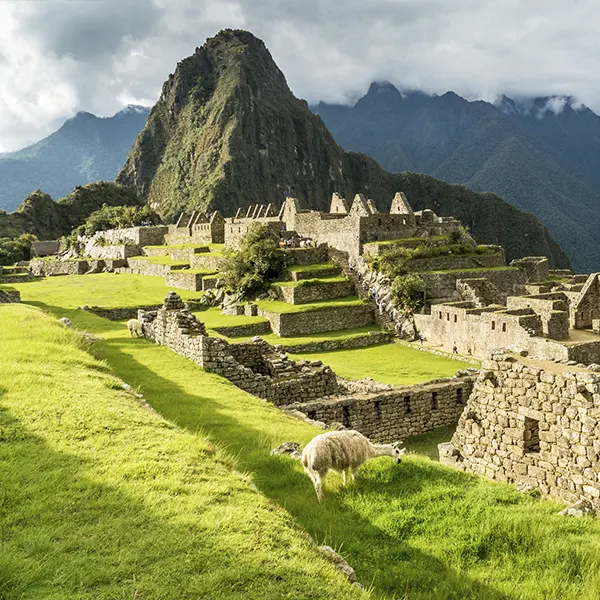
The Inca citadel of Machu Picchu is undoubtedly the main attraction of the UNESCO World Heritage Site. To provide context, visits to this site are highly organized, with different routes grouping various areas. The classic route is Circuit 2, the main and most comprehensive way to explore the Inca city. Other Machu Picchu tickets provide access to different routes and experiences, ideal for more experienced travelers.
Hike Huayna Picchu for Panoramic Views

In the classic photo of the Inca citadel, a steep mountain rises behind the citadel: Huayna Picchu. Visitors can climb it to enjoy breathtaking views of the citadel, surrounding mountains, the Urubamba River, and the landscape. The hike to Huayna Picchu is somewhat steep and narrow, but safe and rewarding. Hikers especially enjoy the challenge and scenery of this trail.
It’s important to purchase the ticket in advance, as availability is limited and demand is high at any time of year. For this, it’s essential to buy the Route 3-A ticket, which includes entry to the citadel. The park administration does not sell entrance tickets for climbing Huayna Picchu separately. Preparing properly for the trek also helps to capture exceptional photographs in this environment.
Visit Machu Picchu Mountain
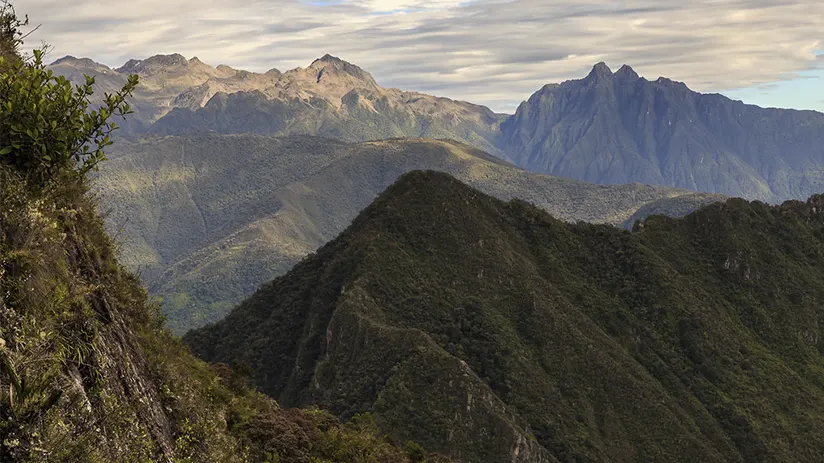
Another excellent option for experienced hikers is climbing Machu Picchu Mountain, a different place from the citadel itself. As with the previous option, the administration doesn’t sell tickets for the mountains separately, but rather together with the citadel. This landmark is part of Route 1-A of the panoramic circuit because of its breathtaking natural beauty. Therefore, to experience it, you will also need to make a reservation.
Unlike Huayna Picchu, there are more tickets available daily because of its lower popularity. From the summit, visitors can enjoy panoramic views of the citadel from a different perspective. The trail is wider, more level, and less steep, making it more accessible for families and children. Furthermore, the Incas held ceremonies at the top of this impressive Andean mountain.
Sacred Temples and Religious Sites in Machu Picchu

One of the best things to do in Cusco is to explore the sacred temples and ceremonial sites left behind by the Incas, and the World Heritage Site is no exception. Along the different routes, tourists will find a long list of highlights that differ in form and meaning. These experiences are rewarding because they help you learn about and connect with the local culture. Below are some of the most outstanding sacred areas:
Appreciate the Temple of the Sun

The Temple of the Sun, also known as the Torreón, held special spiritual significance for the Incas. They built this sacred and iconic temple to pay homage and offer gifts to the sun. The Incas considered the sun the principal god of their culture and the creator of all things. Thus, this temple is one of the most emblematic and important buildings of the ancient citadel.
This sacred place is also one of the finest examples of Inca architecture, with its oval walls formed by finely carved granite blocks. The structure is also notable for its niches with three windows aligned with important astronomical positions. Scholars believe the Incas used this temple as an ancient astronomical observatory, where its windows served to measure solstices.
Visit the Temple of the Moon
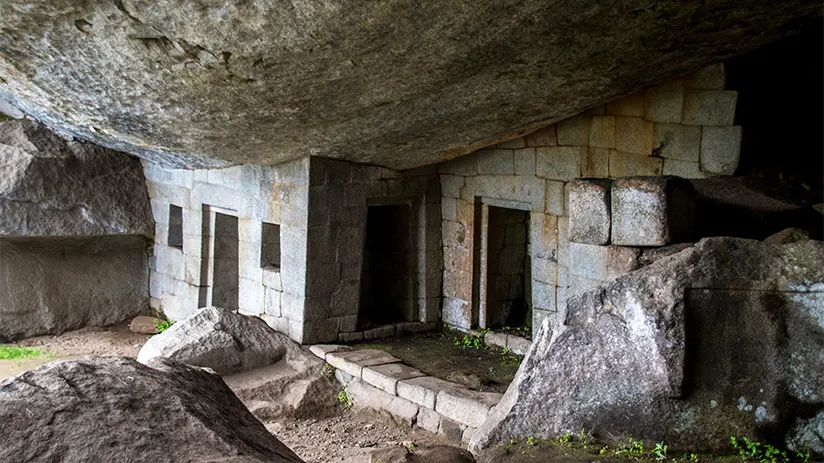
The Temple of the Moon consists of several trapezoidal niches and windows carved from finely crafted stone deep within a cave. Located on the slopes of Huayna Picchu mountain, it is notable for its challenging access. A long descent rewards any adventurer who decides to take on the challenge. Its current purpose remains a mystery, but according to some scholars, the stone seat in the center of the structure may have been used for ceremonial purposes.
According to Inca beliefs, these caves may have represented entrances to Uku Pacha, the underworld, which is another possible use for the site. The considerations for enjoying this temple are the same as those for the Huayna Picchu route, as it is one of the attractions included in the circuit. Another recommendation is to book a ticket, taking into account the entry time, which is usually very early in the morning.
Get to know the Sacred Rock

This sacred stone is shaped like Mount Putucusi, which is located directly behind it. Many scholars are unclear about the rock’s function, but according to local tradition, the Incas performed music and poetry in front of it. The mountain it represents is located on the opposite side of the citadel, which is quite curious. Many visitors consider it one of the most intriguing landmarks in the citadel.
Admire the Intihuatana

Intihuatana is one of the most emblematic landmarks of the citadel because it represents an ancient sundial used to predict solstices. This structure stands on a raised platform overlooking the citadel’s main plaza, hence its significance. The Incas used Intihuatana not only for astronomical purposes but also for spiritual and religious ceremonies.
Some historians believe it is a spiritually significant stone, and in the past, many visitors used to touch its surface to receive that energy. Unfortunately, this caused rapid erosion of the rock, and today a rope fence surrounds the attraction, preventing people from getting too close. Today, visitors can only observe the structure from a short distance to help preserve it. In any case, the best thing is to discover it for yourself.
Discover the Temple of Condor

This temple is famous in the Inca citadel for its stone walls with elaborate details and a design that evokes a condor in flight. The Incas built this structure atop a massive stone that belonged to the same batholith as Vilcabamba. The surrounding stone formations provided materials from which the Incas extracted the stones to construct the entire citadel. Various studies confirm that the temple functioned as a religious center and site for Inca rituals.
Walk to the Sun Gate
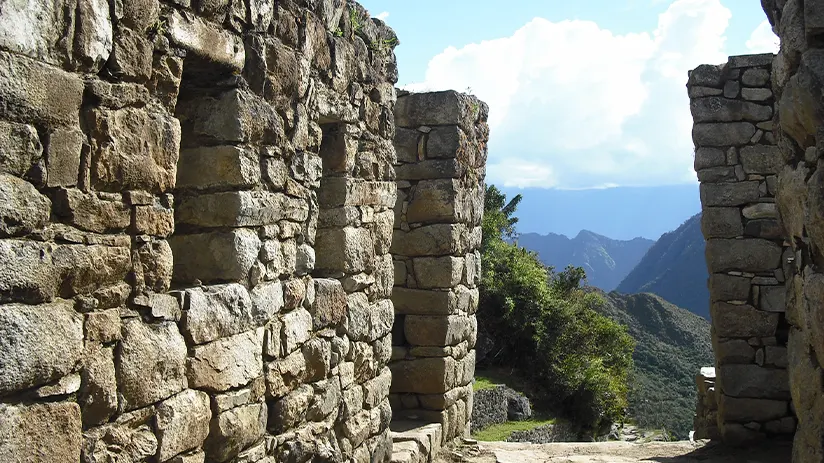
The Sun Gate, or Intipunku (in Quechua), was once the main entrance to Machu Picchu. It also served as a control point for the various peoples of the Inca Empire (Tawantinsuyo), as it was the only entrance and exit. Today, it is one of the most important elements of the sanctuary due to its history, and is one of the most popular viewpoints. Its name comes from the fact that during the summer solstice, the sun’s rays illuminate its walls.
One of the most popular ways to visit is via the Inca Trail, which uses this gate as its entrance to the citadel. The panoramic views from this point are spectacular, thanks to the stunning combination of history and nature. If you wish to avoid this multi-day hike, you can opt for the ticket for Machu Picchu, which grants access to Route 1C. Both options are only available during the peak season (June-November).
Explore the Inca Bridge Trail

The Inca Bridge Trail is a short 30–40 minute hike located on the western side of Machu Picchu. The route leads to a historic wooden bridge built by the Incas along a narrow cliffside path. This short and scenic trail is one of the least crowded hikes in Machu Picchu. Access requires entry to Circuit 1-D, and this alternative trek is less crowded and more scenic than other options. The path is mostly flat, with some steep sections, but generally easy to walk.
Learn About Inca History with a Guided Tour
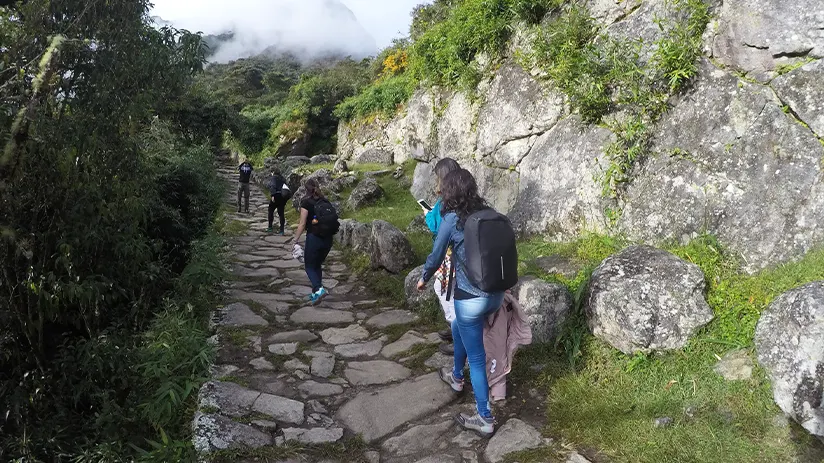
A guided tour of Machu Picchu offers an immersive experience, regardless of the specific attraction you choose. Professional guides enhance your trip by providing assistance at all times and sharing interesting facts that will help you understand the site. This is one of the best ways to learn about Inca history, with clear explanations of culture, traditions, and more. For this reason, it is ideal to book a tour in advance or at the entrance to the sanctuary.
Best Photo Spots in Machu Picchu

While this wonder is strategically located in the heart of the jungle, not all its viewpoints are exceptional for photography. Sunrises and sunsets are prime moments for photographers, showcasing a truly unforgettable setting. An additional tip is to avoid the rainy season (November to March) as weather conditions can be unfavorable. Here are some of the best viewpoints for photography when you get to Machu Picchu:
- Guardian’s Hut (Cabaña del Vigilante): Classic postcard view of the Inca citadel with Huayna Picchu mountain in the background.
- Huayna Picchu Mountain: Exceptional vertical view, excellent for showing the scale of the ruins.
- Entrance to the Inca Trail: Unique high and side angle of the citadel.
- Lower Terraces: Detailed shots of the Inca architecture and surroundings.
- Temple of the Three Windows: Natural stone frame for the urban area.
Hidden Gems and Lesser-Known Areas in Machu Picchu

Machu Picchu also hides extraordinary, less-visited treasures that are true tourist gems. Some include those mentioned above, but others are not popular with tourists. Listing the number of areas of interest is advisable to determine which takes priority over others. Below are some of the lesser-known Machu Picchu travel experiences:
- Temple of the Moon
- Intipata
- Putucusi Mountain
- The Royal Tomb
- Huchuy Picchu
- Temple of the Condor
Essential Tips for Visiting Machu Picchu

- The best advice is to plan everything carefully, from the best time to visit Machu Picchu to essential logistics. This includes an itinerary and a list of activities, from those mentioned earlier to additional options. It’s ideal to make a to-do list to avoid overlooking anything.
- To relax and enjoy your trip, consulting a certified travel agency will be helpful. Specialists will always be available to assist you and ensure a satisfying experience. To do this, it’s essential to evaluate all available options and their respective reputations.
- As we’ve mentioned, a crucial consideration is choosing the right Machu Picchu ticket, which grants you access to a specific route. These should be booked well in advance, especially during the dry season (June to November). The best way to do this is through the park administrators’ website.
- Another essential consideration is the gear you’ll need for your adventure. Since it’s a destination high in the Andes and inherently adventurous, hiking gear is indispensable. You should pack enough clothing for layering, such as a light jacket, trekking pants, and other essentials. Additional items include sunscreen, insect repellent, and a reusable water bottle.
- Most travelers come from destinations at sea level or slightly higher, so many may experience altitude sickness. This condition, also known as soroche, occurs due to the reduced oxygen availability and causes general discomfort, headaches, and dizziness. To avoid this, it’s best to ascend gradually, stay hydrated, and rest frequently.
- Complement your adventure with local destinations that are perfectly suited to attractions like Machu Picchu. Some of the most popular include the Sacred Valley, Aguas Calientes, and Cusco. These destinations offer truly remarkable tourist experiences, combining the best of Andean culture, nature, and history.
FAQs About Things to Do in Machu Picchu
What are the best things to do in Machu Picchu?
The best Machu Picchu travel experiences include exploring the ancient Inca citadel, hiking to viewpoints, and visiting religious sites. Many travelers also enjoy taking scenic photos of the terraces, spotting llamas roaming around the ruins. Likewise, any trip to Machu Picchu includes the breathtaking mountain landscapes that surround the sanctuary.
Can you hike Huayna Picchu during a Machu Picchu visit?
Yes, visitors can hike Huayna Picchu during their visit, but they must book tickets in advance. This challenging hike rewards travelers with spectacular panoramic views of the citadel that once fascinated explorer Hiram Bingham and the surrounding Andes Mountains. Most hikers complete the trail in about two to three hours round-trip.
How much time do you need at Machu Picchu?
Most travelers need around one full day to fully enjoy Machu Picchu, including time to explore the ruins, take photos, and join a guided tour. Nevertheless, if you want to hike nearby mountains such as Huayna Picchu or Machu Picchu Mountain, spending extra time can make the experience more relaxed and rewarding. Many visitors stay overnight in Aguas Calientes to avoid rushing their visit.
What are the hidden spots in Machu Picchu?
Some hidden spots in Machu Picchu include the Inca Bridge, the Temple of the Condor, and quieter terraces away from the main tourist paths. The Sun Gate trail also offers peaceful viewpoints with fewer crowds, especially early in the morning. Exploring with a knowledgeable guide can help visitors discover lesser-known corners and interesting details often missed by most tourists.
Is Machu Picchu worth visiting for more than one day?
Yes, Machu Picchu is definitely worth visiting for more than one day, especially for travelers who enjoy hiking, photography, or history. A second day allows visitors to explore at a slower pace, take different circuits, or hike nearby peaks like Huayna Picchu or Machu Picchu Mountain. Spending more time also gives travelers the chance to experience the site early in the morning or later in the afternoon when it is usually less crowded.
What should you not miss at Machu Picchu?
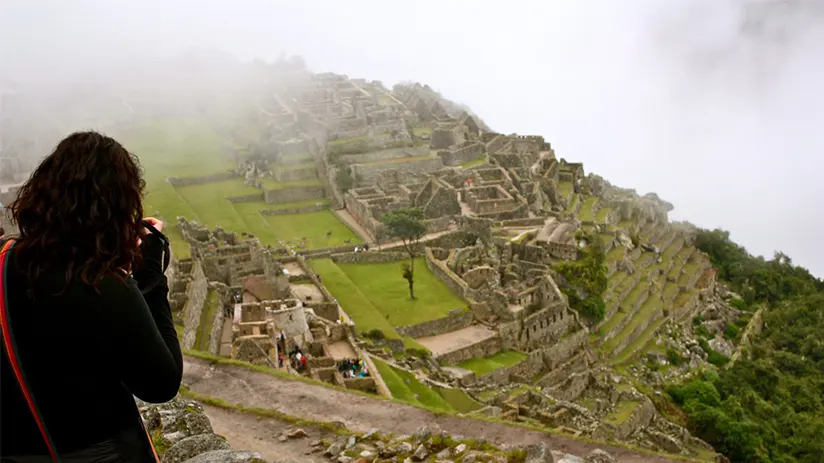
When visiting Machu Picchu, you should not miss the iconic panoramic viewpoint, the Temple of the Sun, the Intihuatana stone, and the agricultural terraces that showcase Inca engineering. Watching the clouds move through the mountains and seeing the ancient city emerge from the mist is also one of the most unforgettable parts of the sacred place. For many travelers, the combination of history, nature, and scenery makes Machu Picchu truly unique.
“THE WORLD IS A BOOK AND THOSE WHO DO NOT TRAVEL READ ONLY ONE PAGE”
Ultimately, the best things to do in Machu Picchu vary depending on the type of traveler, ranging from adventurous to more relaxed. There’s nothing better than a full-day excursion to the Inca citadel, experiencing the best local activities. Machu Picchu is an iconic South American destination known for its exciting offerings.
Machu Picchu has so much to offer; it can be hard to know where to start. With many years of experience in the tourism sector, Machu Travel Peru is happy to help with anything regarding your trip to Machu Picchu and any tours around it. Let us help you make your Machu Picchu experience unforgettable! Contact us today to plan your dream adventure!