The best things to do in Peru range from exploring Machu Picchu and hiking the Andes to spotting wildlife in the Amazon and tasting world-renowned cuisine in Lima. Whether you have one week or two, Peru offers an unmatched mix of history, biodiversity, and living traditions. When planning your trip, choosing the right experiences can make the difference between a good vacation and an unforgettable one. This Peru travel guide includes the most iconic destinations and hidden gems to help you build the perfect Peru itinerary, whether you’re visiting for adventure, culture, or nature.
Best Things to Do in Peru: Complete Travel Guide for Visitors
- Why Peru Is One of South America’s Most Diverse Destinations
- Explore Machu Picchu and the Sacred Valley
- Experience Cusco’s Living History
- Discover the Amazon Rainforest
- Visit the Andean Highlands
- Enjoy the Peruvian Coast
- Adventure Experiences in Peru
- Cultural and Authentic Local Experiences
- How to Plan Your Peru Itinerary
- FAQs About Things to Do in Peru
Why Peru Is One of South America’s Most Diverse Destinations

Peru is one of the most diverse destinations thanks to its exceptional geography, biology, and culture. Interestingly, this country boasts 84 of the 117 life zones across its three natural regions. From the coastal desert, through the Andean highlands, and culminating in the lush Amazon rainforest, its biodiversity is unparalleled. A trip to Peru offers magical experiences filled with excitement, authenticity, and nature.
Explore Machu Picchu and the Sacred Valley
1. Wander by Machu Picchu
- Level of demand: Laid-back / Moderate
- Location: 75 km northwest of Cusco / 2438 m.a.s.l. / In the jungle area
- How to get there?: By train or doing the famous Inca Trail trek of 4D/3N
- Entrance ticket: $40 general ticket / $53 ticket + a mountain climb / There are options for underages and students
- Schedule of visit: From 06:00 am to 05:00 pm
- Tips: Always carry your passports and repellent
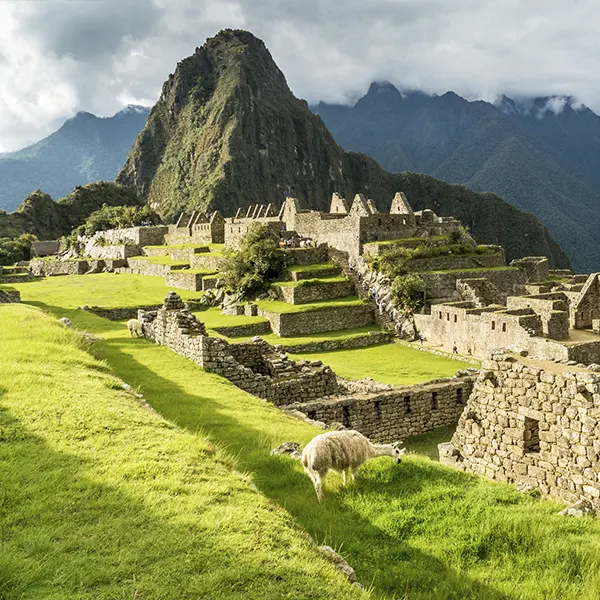
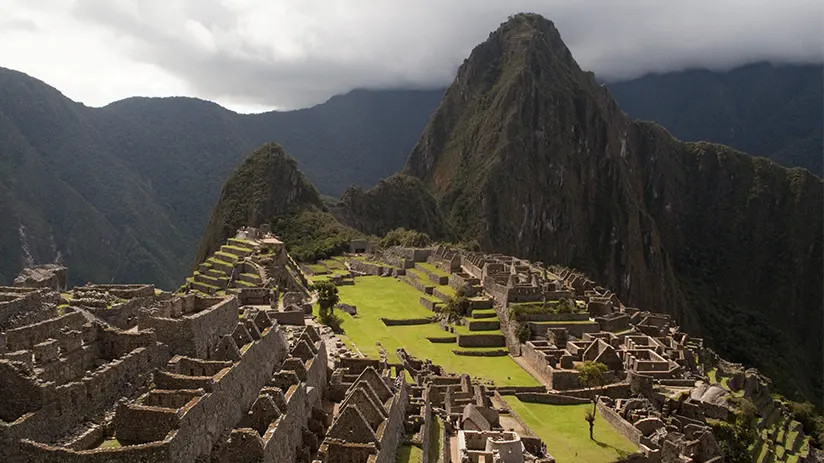
Machu Picchu is the country’s most famous attraction and one of the main reasons many tourists travel to Peru. What truly stands out is the incredible combination of ancient ruins and stunning natural scenery. The site holds immense historical and cultural significance because of the ruins of Machu Picchu, and, combined with the cloud forest, this creates a landscape unlike any other in the world. Its unique character has made it one of the Seven Wonders of the Modern World.
Because of its global importance, Machu Picchu has strict visitor regulations designed to protect the site and preserve its cultural heritage. From regulating the number of visitors to the opening hours, there is much to consider. Guided tours help visitors understand the historical significance of Machu Picchu while ensuring a smooth and well-organized experience. If you wish to travel independently, careful planning and consideration will be essential. Watching the sunrise over Machu Picchu is an unforgettable moment. As the morning mist slowly lifts, the ancient stone structures emerge, revealing one of the most breathtaking archaeological sites in the world.
2. Hike the Inca Trail

- Level of demand: Demanding
- Location: 82 km northwest of Cusco / 2630 m.a.s.l. / Beyond Ollantaytambo
- How to get there?: From Cusco by train (02:30 hrs)
- Entrance ticket: $75 General Ticket / This is sold through authorized travel agencies
- Schedule of entrance: From 04:00 am to 11:00 am
- Tips: You cannot hike the Inca Trail on your own. It must be done through a travel agency authorized by the Ministry of Culture of the Peruvian Government
The Inca Trail is an ancient network of paths used by the ancestral peoples of the Sacred Valley to connect their main settlements. Today, a section of it is one of the most iconic routes, famous for its landscapes and archaeological sites. The trek typically takes two to four days, depending on the route, and offers a powerful sense of connection to the past. For many tourists, this is the best way to get from Cusco to Machu Picchu for its historical relevance.
Like Machu Picchu, officials regulate visitor access to preserve its appeal. Therefore, all enthusiasts wishing to hike the trail must book their entry several months in advance. The best months to visit are June and July, while the least favorable are between December and March. Furthermore, visitors may not hike the trail in February, when crews carry out maintenance.
3. Visit the Sacred Valley

- Level of demand: Moderate
- Location: 54 km northwest of Cusco / Urubamba point of reference
- How to get there?: From Cusco by car (01:30 hrs)
- Entrance ticket: $20 Sacred Valley Tourist Ticket / It is useful to visit all archaeological attractions of the Sacred Valley
- Schedule of entrance: From 07:00 am to 05:00 pm / All the Sacred Valley archaeological attractions
- Tips: If you are going to visit Machu Picchu, we recommend spending 1 night in Ollantaytambo before going to the Inca citadel
The Sacred Valley is a collection of key Inca sites located in the Peruvian Andes near Cusco. Among the most important sites are Pisac, Ollantaytambo, Moray, and Chinchero. Today, the Sacred Valley is an essential part of any Machu Picchu itinerary. Each Sacred Valley village has its own unique characteristics, including local people, ruins, crafts, lifestyle, history, and much more.
Experience Cusco’s Living History
4. Stroll through the city of Cusco

- Level of demand: Laid-back / Moderate
- Location: Historic center of Cusco / 3399 m.a.s.l. / South of Peru
- How to get there?: From Lima (Peru’s capital) by plane (1 hour) or bus (24 hours)
- Entrance ticket: Public areas like streets are totally free
- Schedule of visit: Public area
- Tips: take a Coca tea for the altitude acclimatization process on the first day
Cusco was once the capital of the Inca Empire and is now world-famous for its archaeological remains and Spanish colonial architecture. Its extensive temples, palaces, Inca plazas, cobblestone streets, and much more set this city apart from others. Exploring Cusco feels like stepping back in time, where Inca stonework and colonial architecture coexist in remarkable harmony. Among its main things to do in Cusco are the Temple of the Sun (Qoricancha), Sacsayhuaman, and traditional neighborhoods.
In addition to its historical significance, the city boasts a strong traditional culture where festivals play a central role. Planning a visit to this majestic place might seem complicated, but with good organization, everything will be possible. Other important considerations are the high altitude and the climate and temperature, which vary depending on the season. The best months to visit this destination are between May and September, when the weather is favorable.
Discover the Amazon Rainforest
5. Explore the Amazon
- Level of demand: Moderate
- Location: The eastern part of Peru, which extends from north to south
- How to get there?: From Lima (Peru’s capital) by plane (1:20 hours) to Puerto Maldonado (Manu National Park, Tambopata National Reserves, and Bahuaja Sonene National Park) / By plane (1:45 hrs) to Iquitos (Pacaya Samiria National Reserves)
- Entrance ticket: $45 general ticket for any National Park or Reserve in the Peruvian Amazon
- Schedule of entrance: From 04:00 am to 03:00 pm
- Tips: It is necessary to have a vaccine against yellow fever. And it is desirable to have a vaccine against Dengue
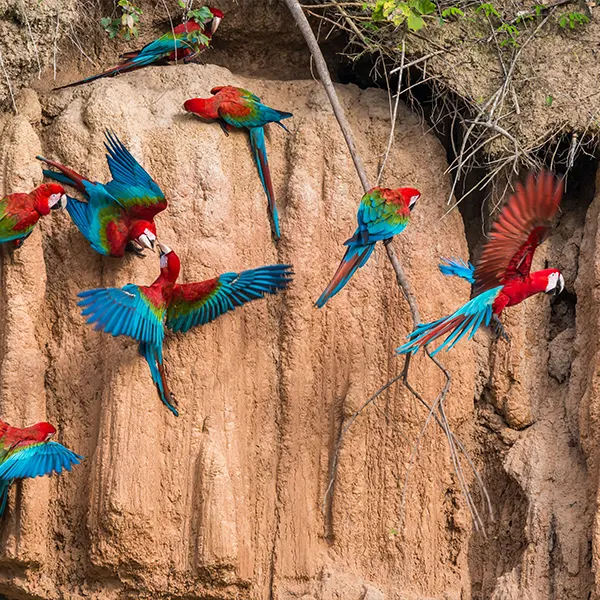
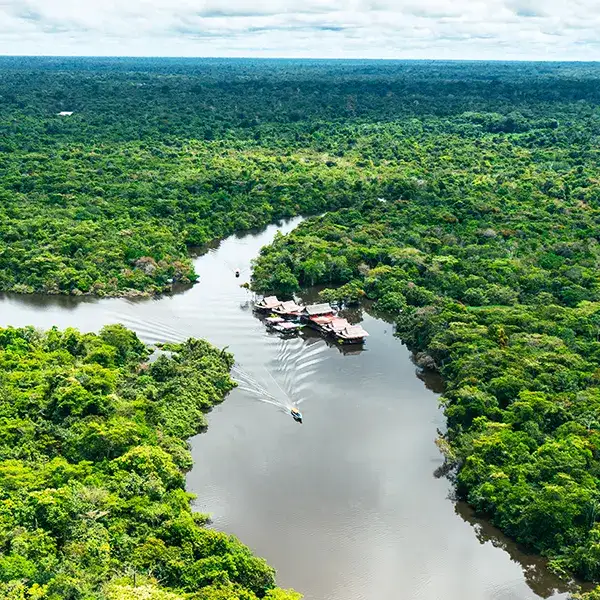
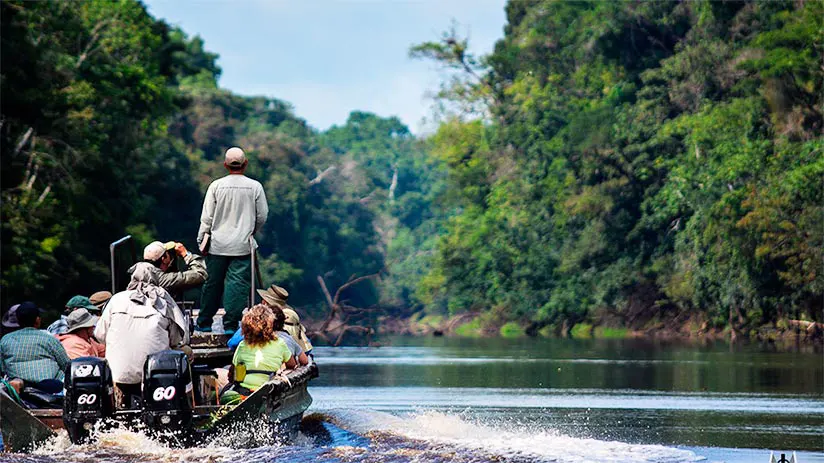
The Peruvian Amazon is the most diverse region in the country, thanks to its abundant flora and fauna. For example, the Manu National Park boasts the title of the area with the greatest biodiversity in Peru. From its more than 1,000 bird species to its 200 mammal species, this place offers unparalleled diversity. Within this territory, you can visit the iconic Lake Sandoval, famous for its caimans, turtles, monkeys, and giant otters.
Another destination is Iquitos, a city located in the north of the country and popular for its tourist offerings. From luxury cruises to Amazon Peruvian lodges, if you seek comfort and nature, you will find a special place here. Clay licks, lagoons, hiking trails, adventure activities, and much more are available during your trip. We recommend planning your activities according to your stay, as some areas are remote and require time to reach.
Visit the Andean Highlands
6. Sail on Lake Titicaca
- Level of demand: Moderate
- Location: East side of Puno city / 3812 m.a.s.l / South of Peru
- How to get there?: From Puno port, hire a ferry round trip / Per Island, the cost is around $8
- Entrance ticket: $4 Entrance ticket to Sillustani Island / $2 Entrance ticket to Uros Islands/ $5 Entrance ticket to Taquile Island
- Schedule of entrance: From 07:00 am to 03:00 pm
- Tips: Ferries to islands leave very early, until 07:30 am. After this time, departures become less frequent. Take it into consideration!
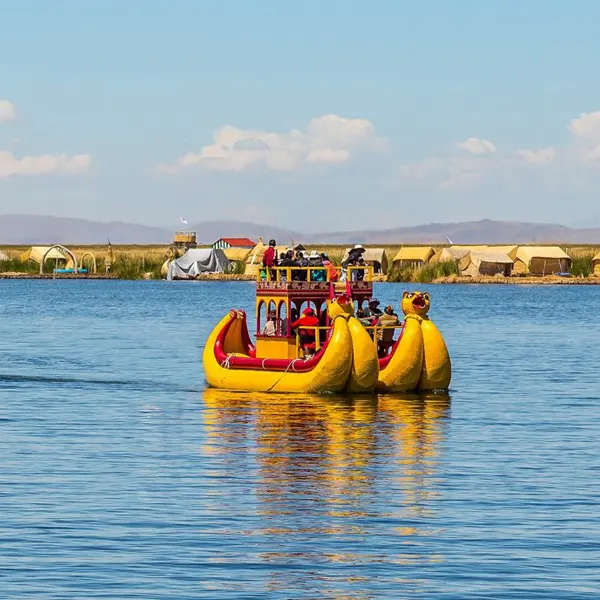
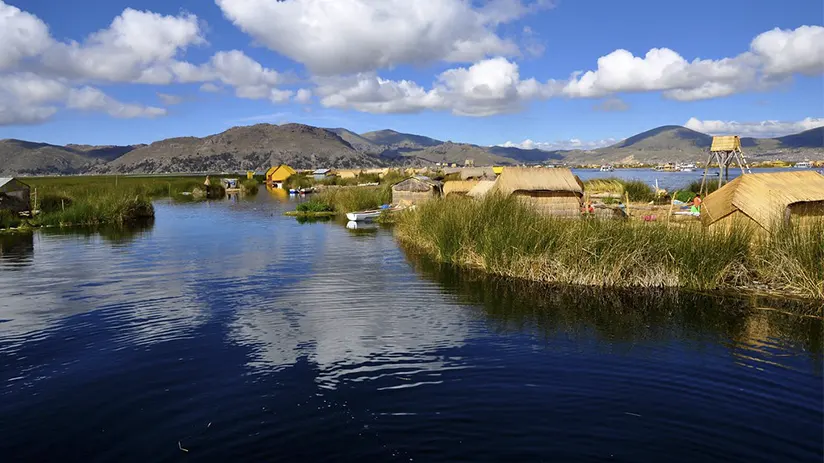
Lake Titicaca is the highest navigable lake in the world, famous for its breathtaking views and close ties to the Andean people. The Uros Islands are its quintessential emblem, representing the main cultural expression of the locals. These islands, made of reeds, have remained in the middle of the lake for decades. Many families now live there, offering visitors the opportunity to learn about their way of life and traditions.
Other popular tourist activities include paddleboarding, hiking, birdwatching, and even fishing. At high altitude, weather conditions can change quickly but with enough time to visit, you won’t have to worry about much. For those seeking a connection to the past, Taquile and Sillustani offer unique perspectives on ancestral villages. Whether you explore Andean cultural traditions or simply feel awestruck by the surroundings, Lake Titicaca offers something for everyone.
7. Climb the Andes
- Level of demand: Demanding
- Location: Usually on the Range Mountain and White Mountain Range in the Central and South Andes of Peru
- How to get there?: Treks of up to 4 or 5 days along the Routes of Salkantay (Cusco), Ausangate (Cusco), and Huascaran (Ancash), among others. Hiring specialized travel agencies is best for this type of activity in Peru.
- Entrance ticket: Every Andean mountain belongs to a national park or community, and each has its own entrance fees and tickets. Using a specialized travel agency is the best option because they will handle everything!
- Schedule of entrance: Each national Reserve, Park, or community that hosts an Andean Mountain has its own schedule of entrance
- Tips: The Huaraz area in the central Peruvian Andes is the favorite area for expert mountaineers. If you want moderate trekking, the hiking routes around Salkantay and Ausangate in Cusco will be perfect for you!
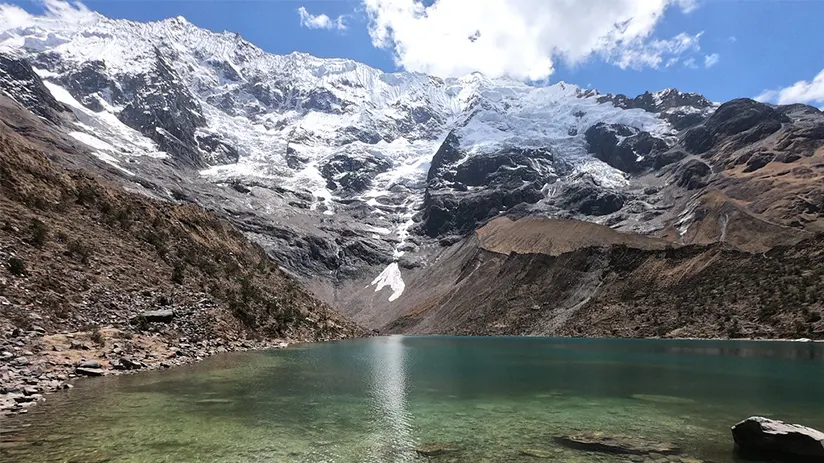
Another way to experience the Andes at their best is by trekking along their winding and breathtaking trails. There are numerous options, ranging from those suitable for beginners to those for more experienced adventurers. The Salkantay, Ausangate, Choquequirao, Lares, and Santa Cruz Treks are highly recommended. However, the Cordillera Blanca stands out above all others with its more than 17 peaks and the imposing Huascaran National Park.
8. Appreciate the rainbow mountains
- Level of demand: Demanding
- Location: 139 km southeast of Cusco / 5200 m.a.s.l.
- How to get there?: Interprovincial bus from Cusco to the town of Cusipata (4 hours of travel). Then, a taxi from Cusipata to the community of Phulawasipata (1-hour trip), from where you begin the ascent on foot to the same colorful mountain (2-hour walk)
- Entrance ticket: The local community of Phulawasipata, where the rainbow mountain is located, charges an entrance ticket of $7 for foreign tourists and $4 per national visitor
- Schedule of entrance: From 06:00 am to 04:00 pm
- Tips: Wear a windbreaker, trekking shoes, comfortable pants, and a hat. In the heights, the sun burns, and the gusts of wind are icy
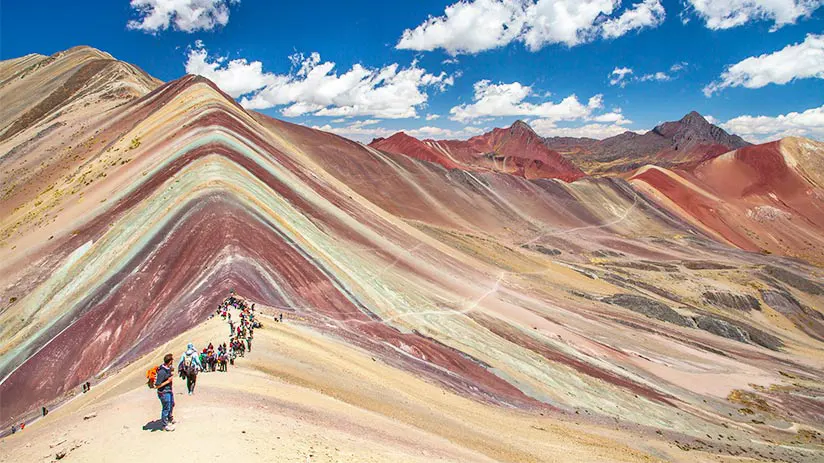
The stunning multicolored mountains are the perfect choice for those seeking an extra touch of adventure in the Andes. They get their name from their appearance, which resembles a rainbow on the ground. The complex combination of minerals over thousands of years has created these vibrant hues that captivate travelers today. With tours starting in the early morning, this journey is well worth it to see one of the most beautiful places in the country.
Travelers typically book a day trip tour from Cusco, including transportation time. We recommend booking your tour based on the best time to visit Machu Picchu, as weather conditions, like those of the Inca citadel itself, play a significant role. Many people say visitors can get the best views and photo opportunities between April and October.
Enjoy the Peruvian Coast
9. Delight in Lima’s Culinary Scene

- Level of demand: Laid-back
- Location: Throughout the capital city of Peru
- How to get there?: Depending on the establishment or restaurant you choose, it’s generally in the districts of Miraflores, San Isidro, and Barranco.
- Entrance ticket: Not required, only the cost of the dishes you consume
- Schedule of entrance: Generally from 10:00 am to 20:00
- Tips: Book in advance, evaluate the available culinary options, and research any unfamiliar ingredients and dishes.
Peruvian cuisine enjoys an incredible reputation worldwide for its combination of colors, flavors, and textures. Of course, its historic capital city had to live up to this acclaim with its diverse culinary offerings. From budget-friendly establishments to luxurious restaurants, the city has plenty of options to suit every traveler’s budget. While you should carefully consider your preferences, you’re sure to find something that will astonish you.
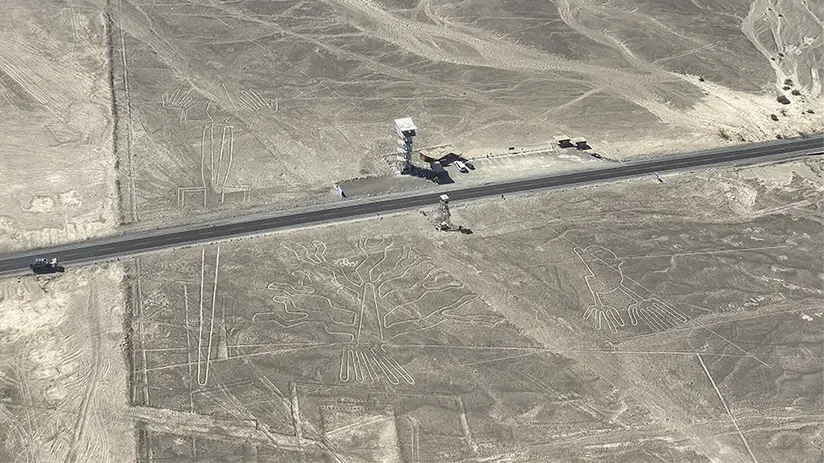
10. Fly over the Nazca lines
- Level of demand: Laid-back
- Location: Peruvian coastline / 445 km south of Lima (Capital of Peru) / South of Peru
- How to get there?: Interprovincial bus from Lima to Nazca town / 06 hours of the trip
- Entrance ticket: $15 entrance ticket to the Palpa and Nazca lines zone
- Schedule of entrance: 08:00 am – 05:00 pm
- Tips: We recommend purchasing flight tickets for the small planes that fly over the lines and thus have a better view of Nazca. You can purchase them in advance through national travel agencies
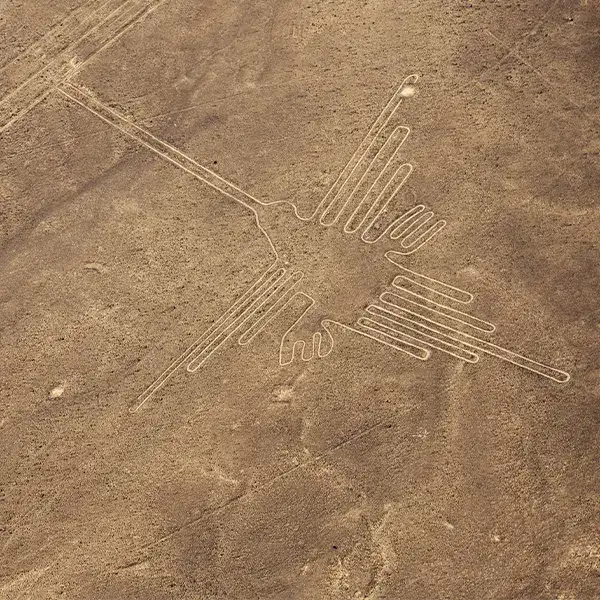
Those wishing to combine history, breathtaking views, and the Peruvian coast should consider the Nazca Lines. These lines comprise gigantic geoglyphs etched into the Nazca Desert. From easily recognizable images of animals to others open to the observer’s interpretation, there is much to see. Their connection to history is because it’s an emblematic expression of the ancient peoples who inhabited the area.
Although their origin and purpose remain unknown, the number of visitors eager to see them is undeniable. To do so, an aerial tour is essential, as it is the only way to appreciate all the lines and their splendor. The tour usually takes only a few hours, allowing you to easily enjoy other activities during the day. A visit to the mysterious Nazca Lines will offer you a different perspective of the Peruvian coast.
11. Enjoy the Ballestas Islands

- Level of demand: Laid-back
- Location: 234 km south of Lima + 20 km from Pisco to the same Ballestas Islands / Central coast of Peru
- How to get there?: Interprovincial bus from Lima (6 hrs)
- Entrance ticket: $3 General ticket entrance
- Schedule of entrance: All tours to the Ballestas Islands start from 08:00 am to 12:00 pm
- Tips: Visit them from April to October due to the dry season with less rain and pleasant temperatures, which offer optimal conditions for observing marine life and a more pleasant experience
The Ballestas Islands are rock formations where you can easily spot different species of marine life and birds. Officially, this area is a protected reserve and home to many animals, most notably sea lions, seals, and penguins. Although authorities prohibit landing on these islands, they permit short boat trips. Tours are only available by boat, which you must book through a tour operator near the port of Paracas.
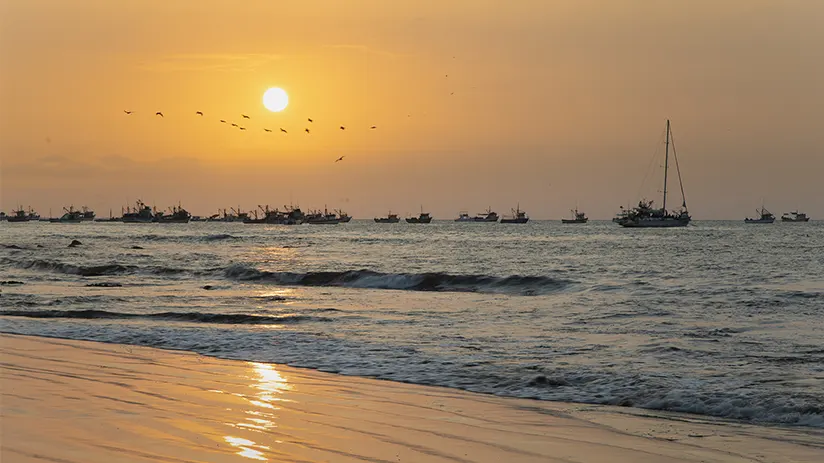
12. Sunbathe on the north beaches
- Level of demand: Laid-back
- Location: 1,165 km from Lima north / 216 km from Piura north / North coast of Peru
- How to get there?: If we take a reference to Mancora beach (the majority of north beaches are close to it), you need a direct flight from Lima to Piura (02 hours) and an interprovincial bus from Piura to Mancora (03 hours)
- Entrance ticket: The beaches are public areas, so they don’t require entrance tickets
- Schedule of entrance: Public areas
- Tips: The beaches of northern Peru have a beautiful climate 365 days a year. Any time is perfect to visit them!
The idyllic beaches of northern Peru are another of the country’s most exciting attractions. The white sand, blue skies, gentle breezes, and rolling waves offer a completely different experience from anything seen before. Vichayito, Mancora, Zorrito, Cabo Blanco, Punta Sal, Pocitas, and Lobitos are some popular choices for beach lovers. Just as diverse as the beaches, there are also many activities to enjoy, including surfing, water skiing, paddleboarding, jet skiing, and sailing.
Adventure Experiences in Peru
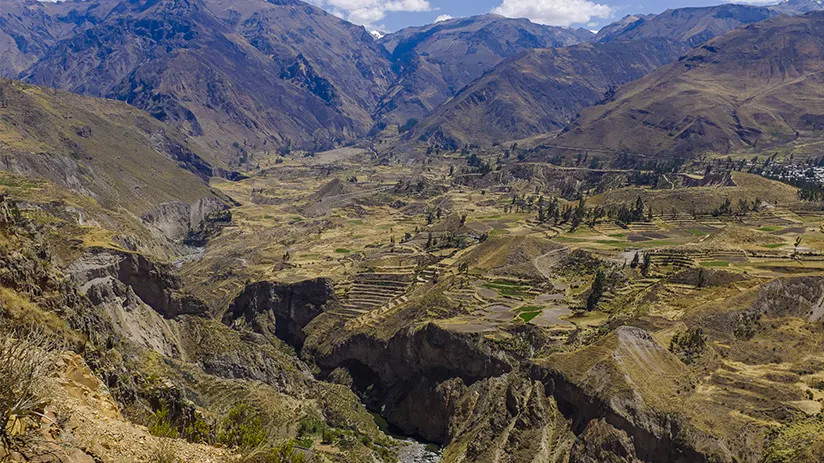
13. Descend into Colca Canyon
- Level of demand: Moderate
- Location: 167 km northwest of Arequipa / South of Peru
- How to get there?: Interprovincial bus from Arequipa (03:30 hrs)
- Entrance ticket: $20 General entrance ticket
- Schedule of entrance: 04:00 am – 03:00 pm
- Tips: Although you can visit independently, we recommend hiking the Colca Canyon with an authorized guide.
An activity that exudes adventure is a journey through the Colca Canyon, one of the deepest in the world. Colca Canyon is often described as twice as deep as the Grand Canyon, reaching a depth of 4,160 meters. Its beautiful natural landscapes, agricultural terraces, and secluded villages possess a unique charm. Moreover, condor sightings, visits to hot springs, and accommodations in sophisticated hotels can pleasantly complement your experience.
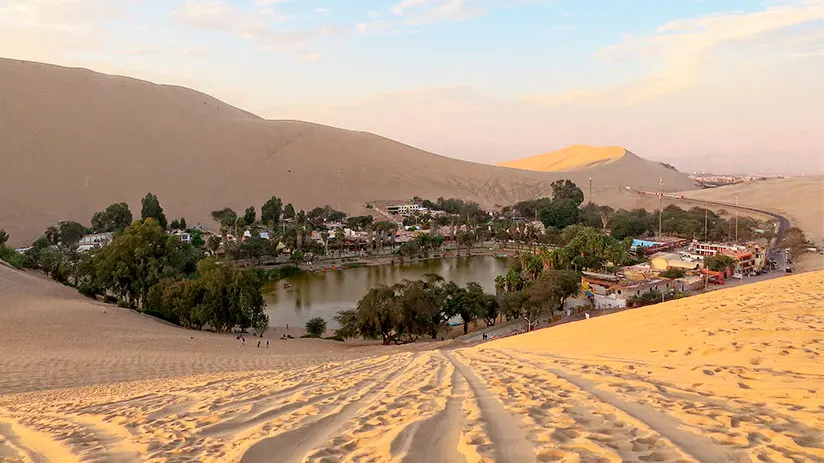
14. Sandboarding in Huacachina Oasis
- Level of demand: Laid-back
- Location: 307 km south of Lima / 4 km southwest of Ica (the closest city) / Central coast of Peru
- How to get there?: Interprovincial bus from Lima (6 hrs)
- Entrance ticket: Public area / You don’t need tickets
- Schedule of entrance: Public area
- Tips: Sand buggy rides and sandboarding are the two must-do activities in Huacachina.
Nestled between the deserts of Lima and Paracas lies the oasis of Huacachina, a small haven renowned among travelers. Many tourists attribute its popularity to the numerous sporting activities available in the area. Its impressive dunes offer everything from leisurely walks to exhilarating buggy rides. Nonetheless, sandboarding steals the show, as it’s the quintessential activity of the destination.
Many Huacachina desert tours include this activity with all necessary equipment. If you’re traveling independently, you’ll need to consider more, especially if you’re a beginner. This Peru travel highlight lasts approximately 3 to 4 hours, depending on your desired level of exertion. A helpful tip is to go in the late afternoon to take advantage of the gentle breezes and breathtaking views.
15. Sleep in air capsules

- Level of demand: Demanding
- Location: Pachar zone, in the Sacred Valley / 56 km northwest of Cusco
- How to get there?: From Cusco, you can take collective cars that have daily frequencies to Ollantaytambo (Pavitos Street hosts the car stations). Take one and inform the driver that you want to get off in Pachar. Well done!
- Entrance ticket: The domes are operated by a travel agency. So, you need to book with them one of these domes to enjoy it. You don’t need any entrance tickets
- Schedule of entrance: The domes do not have a rigid Check-in schedule. As they are accessed by rappelling or Zip Line climbing, it is suggested to enter the domes taking advantage of daylight
- Tips: If you have vertigo or suffer from dizziness at considerable heights, we recommend not taking this experience
Even relaxing can be an adventure, as is the case with the capsules suspended 400 meters high in the Sacred Valley. Inside each capsule, adventurers will find various amenities to ensure a pleasant night’s stay. From a comfortable dining area to cozy bedrooms, this type of lodging is truly unique.
To reach these cabins, visitors will have to rappel, but there’s nothing to worry about. The company will provide the necessary equipment and assistance to carry out this activity with complete peace of mind. We do recommend booking in advance, as many people add this experience to their Cusco journey. To learn about other nearby activities, you can consult an Ollantaytambo travel guide and create a perfect itinerary.
16. Go Paragliding in Lima
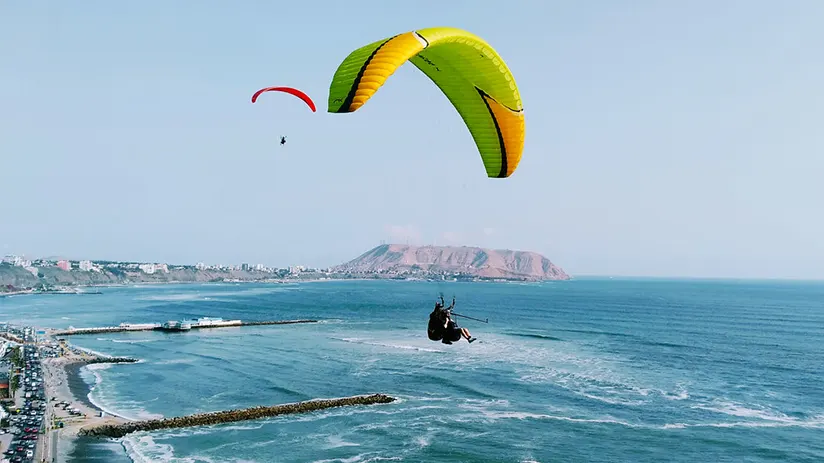
- Level of demand: Moderate
- Location: Miraflores Navy Lighthouse (Green Coast) / 15 km from Lima south
- How to get there?: From any point in Lima, take a Taxi app to get to the Miraflores Navy Lighthouse
- Entrance ticket: Public area
- Schedule of entrance: The cost to do Paragliding is around $80 to $100 per person per 1 hour or less
- Tips: We recommend booking this experience with an authorized travel agency, such as the one next to the Peruvian Navy lighthouse in Miraflores
Paragliding is another activity that has gained popularity throughout Peru, especially along the Costa Verde in Lima. Enjoying Lima’s breathtaking sunsets from high above is a must-do for any visitor. The fabulous views, sea breeze, and adrenaline rush are unparalleled. Hiring a specialized tour operator is ideal for instruction and proper equipment.
Cultural and Authentic Local Experiences
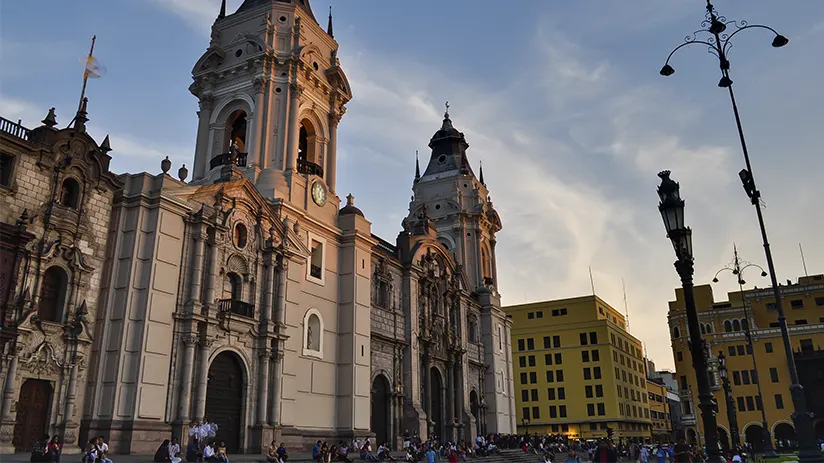
17. Explore Arequipa
- Level of demand: Laid-back
- Location: Southern Peru / 1112 km from southeast Lima / 514 km from the south of Cusco / South of Peru
- How to get there?: From Lima to Arequipa by Plane (45 min), by bus (15 hrs) / From Cusco to Arequipa (30 min), by bus (8 hrs)
- Entrance ticket: Entire city, public area. Free
- Schedule of entrance: Public area
- Tips: We recommend you visit the Arequipa Historical Center, Mirador de Yanahuara (viewpoint), Santa Catalina Monastery, and the Cathedral of Arequipa
The city of Arequipa is a sight to behold, with its colonial architecture crafted from volcanic stone called “Sillar”. But what truly captivates is the authenticity of its people, traditions, and customs. The White City boasts the distinction of being one of the most culturally rich destinations in the country, from its unparalleled cuisine to its vibrant local festivals filled with color and music. Its climate is temperate and charming for a nice vacation far from classic city life.
18. Drink the Peruvian Pisco

- Level of demand: Laid-back
- Location: Pisco town, 234 km south of Lima / Central coast of Peru
- How to get there?: Interprovincial bus from Lima (4 hrs)
- Entrance ticket: The vineyards where Pisco is produced have no entrance fee, only consumption within their facilities
- Schedule of entrance: The vineyards in Pisco town have a general schedule of attention from 09:30 am to 04:00 pm
- Tips: Pisco is close to two amazing attractions Ballestas Islands and the Paracas National Reserve. So, you can program the visit to these three important Peruvian attractions in a few days!
Peruvian pisco couldn’t be missing from this list of must-try Peruvian drinks because it’s the country’s national beverage. Let’s break it down: pisco is a clear, refreshing, and pleasantly flavored alcoholic distillate made from grapes. Sampling a bit of this spirit is practically obligatory after a day full of activities and incredible moments. Among the main varieties you might find are pure pisco made from Negra Criolla, Mollar, Quebranta, Uvina (Italia), Torontel, Moscatel, and Albilla grapes.
How to Plan Your Peru Itinerary

Combining the best experiences into a single trip can be tricky, especially if you have specific tastes. Nevertheless, a highly recommended option is to review existing itineraries to create your own journey. From purely adventurous trips to mixed experiences, there’s plenty to consider before traveling. Below are some popular alternatives among tourists visiting Peru:
| Itinerary Type | Trip Description | Additional Things to Do | Trip Length | Difficulty Level | Ideal For | Additional Recommendations |
| Traditional Peru Tour (Lima, Cusco, Sacred Valley, Machu Picchu) | A classic first-time Peru experience covering the country’s most iconic destinations. It balances culture, history, and scenic landscapes. | Pack light, breathable clothing, and insect repellent. | 4–5 days | Easy to Moderate | First-time visitors | Spend at least 2 days in Cusco to acclimate to the altitude before visiting Machu Picchu. |
| Culinary Tour (Lima, Cusco, Sacred Valley, Machu Picchu) | A food-focused journey combining Peru’s top attractions with its world-famous gastronomy. | Cooking classes, pisco tasting, market visits, farm-to-table experiences | 8–10 days | Easy | Food lovers and cultural travelers | Make restaurant reservations in advance, especially in Lima. |
| Cultural Tour (Lima, Cusco, Sacred Valley, Machu Picchu, Puno, Lake Titicaca) | A deep cultural immersion exploring Peru’s living traditions and indigenous heritage. | Food tours in Lima, traditional Andean cuisine in Cusco, and local markets in the Sacred Valley | 10–14 days | Moderate | Travelers interested in traditions and history | Visit floating islands, interact with local families, textile workshops, and archaeological sites |
| Historical Tour (Lima, Ica, Paracas, Cusco, Sacred Valley, Machu Picchu) | A journey through Peru’s ancient civilizations and colonial past. | Combine the desert and the highlands gradually to avoid travel fatigue. | 9–12 days | Easy to Moderate | History lovers | Ica desert landscapes, Paracas coast, Inca ruins, and colonial architecture |
| Adventure Tour (Lima, Cusco, Sacred Valley, Inca Trail, Machu Picchu, Colca Canyon) | An active trip full of hiking, trekking, and outdoor experiences in dramatic landscapes. | Multi-day trekking, canyon hikes, biking, zip-lining | 10–14 days | Moderate to Challenging | Active travelers and hikers | Book the Inca Trail months in advance due to limited permits. |
| Naturalistic Tour (Lima, Cusco, Sacred Valley, Machu Picchu, Iquitos) | A nature-focused experience combining the Andes with the Amazon rainforest. | Jungle lodge stay, wildlife spotting, boat tours, guided nature walks | 10–14 days | Moderate | Nature lovers and photographers | Pack light, breathable clothing and insect repellent for the Amazon. |
FAQs About Things to Do in Peru

What are the top things to do in Peru for first-time visitors?
For first-time visitors, the must-see highlights include exploring the historic center of Lima, discovering the ancient Inca capital of Cusco, visiting the beautiful Sacred Valley, and taking a train or hiking to the iconic Machu Picchu. Many travelers also enjoy local markets, traditional Peruvian food, and learning about Inca history through guided tours.
How many days do you need in Peru?
Ideally, you should spend 10 to 14 days in Peru to experience the country without rushing. This allows time to explore Lima, acclimate in Cusco, visit Machu Picchu, and possibly add destinations like Lake Titicaca or the Amazon rainforest near Iquitos. If you only have 7 days, you can still see the main highlights, but your itinerary will be more fast-paced.
Is Peru safe for tourists?
Yes, Peru is generally safe for tourists, especially in popular destinations like Lima, Cusco, and Machu Picchu. As in any country, travelers should take basic precautions such as avoiding poorly lit areas at night, keeping valuables secure, and using authorized taxis or tour operators. Tourist areas are well monitored, and millions of travelers visit Peru safely each year.
What is the best time to visit Peru?
The best time to visit Peru is during the dry season from May to September, when the weather is sunny and ideal for visiting Machu Picchu and hiking in the Andes. But this is also the peak tourist season. The rainy season (November to March) brings greener landscapes and fewer crowds, but some trekking routes like the Inca Trail may be more challenging due to rain.
What should I include in a 10-day Peru itinerary?
A well-balanced 10-day Peru itinerary should include Lima, Cusco, the Sacred Valley, and Machu Picchu. 2–3 days in Lima, 2 days in Cusco for altitude acclimatization, 1–2 days exploring the Sacred Valley, and a visit to Machu Picchu. If time allows, you can also add a short trip to Colca Canyon or Puno to experience more of the country’s natural and cultural diversity.
What are the best cultural experiences in Peru?
Some of the best cultural experiences in Peru include visiting traditional Andean communities near Lake Titicaca, exploring local markets in Cusco, learning about ancient civilizations at archaeological sites, and participating in cooking classes in Lima. Attending local festivals and discovering indigenous traditions in the Sacred Valley also offer a deeper understanding of Peru’s living culture.
“WE TRAVEL FOR ROMANCE, WE TRAVEL FOR ARCHITECTURE, AND WE TRAVEL TO DISCOVER NEW WORLDS”
As we see, Peru is a destination that combines history, culture, gastronomy, and breathtaking landscapes all in one journey. From the coastal charm of Lima to the ancient streets of Cusco, visitors can enjoy a wide variety of things to do in Peru. Whether you are seeking adventure, cultural immersion, or natural beauty, planning your itinerary carefully will allow you to experience the very best of Peru. We hope this guide has helped you plan and learn a little about this charming place.
Peru has so much to offer; it can be hard to know where to start. With many years of experience in the tourism sector, Machu Travel Peru is happy to help with anything regarding your trip to Peru and any tours around it. Let us help you make your Peruvian travel experience unforgettable! Contact us today to plan your dream adventure!