March can be a good time to visit Peru, particularly for travelers interested in green Andean landscapes and warm coastal weather, although conditions vary by region and year. If you are still comparing seasons, our guide to the best time to visit Peru can help you weigh the advantages of different travel periods.
This guide explains the typical weather in Peru in March by region, how seasonal conditions affect Machu Picchu and the Inca Trail, what to expect around Easter, and how to prepare for your trip.
- Is March a Good Time to Visit Peru?
- Peru Weather in March by Region
- Crowds, Prices, and Availability in March
- Machu Picchu, Treks, and Outdoor Plans in March
- Holy Week, Easter, and Festivals in March
- Where to Go in March
- What to Pack for Peru in March
- Frequently Asked Questions
Is March a Good Time to Visit Peru?

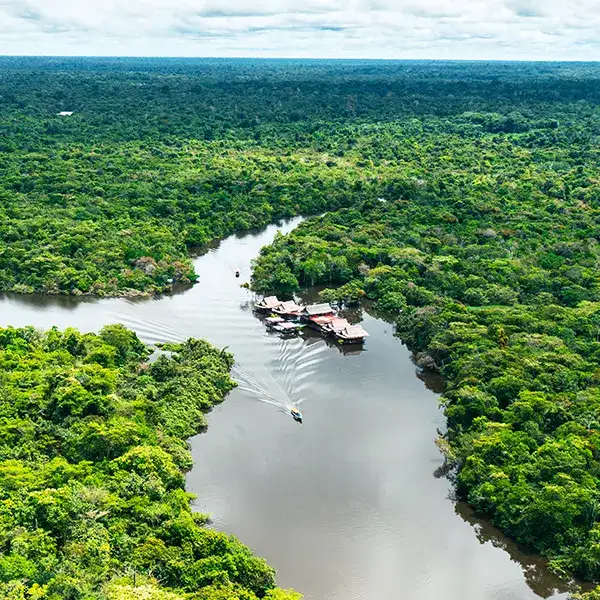
March can be a quieter time to visit Peru than the peak travel season from June to August, particularly in the Andes. However, visitor numbers vary by destination, and demand may increase around Easter. Along the coast, warm conditions are typical in March, while the Andes remain in the rainy season. In the Amazon, warm temperatures, high humidity, and frequent rainfall are also common, although conditions vary by location and year.
Accommodation rates may be more competitive in some destinations during quieter periods, but prices depend on local demand, availability, and holiday dates. Choose destinations according to your tolerance for rain and your preferred activities. March can work well for a varied itinerary, but travelers planning multi-day treks or tight connections should allow extra time for changing conditions.
Peru Weather in March by Region
Conditions vary considerably across the country because Peru’s coast, Andes, and Amazon have distinct climates, influenced by differences in altitude, geography, and seasonal rainfall. Our guide to Peru weather by season provides broader context, while the regional overview below focuses on what travelers can typically expect in March.
| Region | Typical March Conditions | What Travelers Should Expect | Practical Advice |
| Lima and the Coast | Warm, near the end of summer | Beach days and outdoor sightseeing: coastal skies can vary | Pack light clothing and sun protection |
| Cusco and the Sacred Valley | Rainy season gradually easing | Showers, muddy trails and green landscapes | Bring waterproof layers and allow extra time |
| Machu Picchu | Humid conditions with possible rain and mist | Variable visibility and slippery paths | Carry rain protection and keep plans flexible |
| Arequipa and Colca Canyon | Seasonal conditions vary | Potentially changing road and trail conditions | Review local forecasts and tour arrangements |
| Lake Titicaca and Puno | Cool, high-altitude conditions with possible rain | Strong sun, cold evenings, and changing weather | Pack warm layers and allow time to acclimatize |
| Peruvian Amazon | Rainy season in many areas | High humidity, rainfall, and changing river levels | Prepare for wet conditions and flexible excursions |
Lima and the Coast
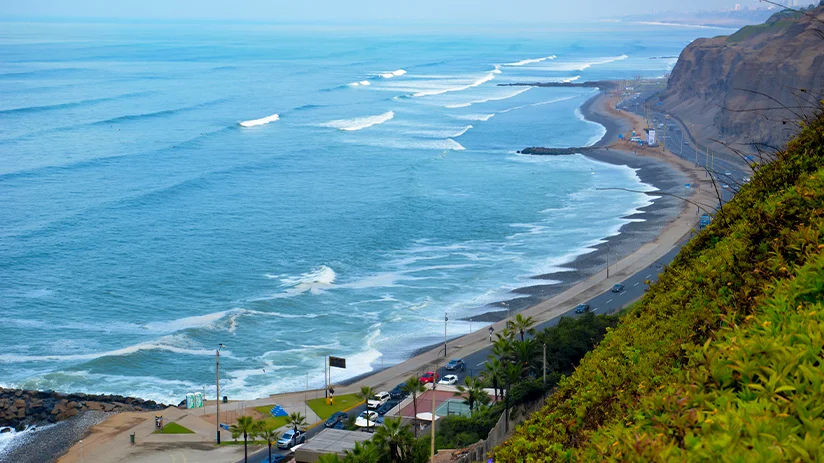
March generally brings warm conditions along much of Peru’s coast, although the weather varies between the northern beaches and central and southern coastal areas. Lima typically experiences warm days, relatively mild nights, and very little rainfall. Coastal cloud cover and sea conditions can vary, so beach weather should not be assumed to be the same throughout the region. For coastal excursions beyond the city, check local sea conditions before planning water activities. Read our guide to the best time to visit Lima for more context on seasonal conditions in the capital.
Cusco, the Sacred Valley, and Machu Picchu
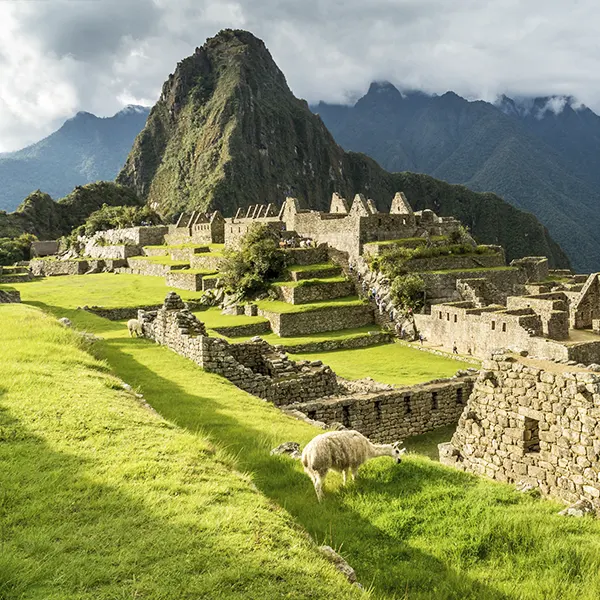
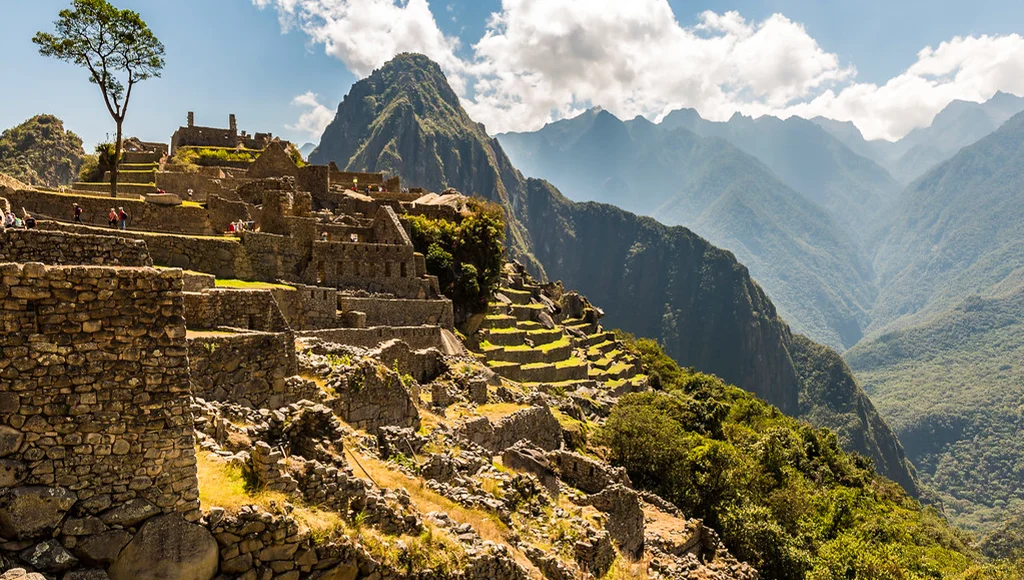
March remains part of the rainy season in Cusco and the Sacred Valley. Days can be mild, but mornings and nights are cooler, and showers may develop later in the day. In Cusco, long-term climate data indicate average daily lows of around 6°C (43°F) and highs near 19°C (66°F) in March. At Machu Picchu, mist and low clouds can reduce visibility, while rain can leave paths slippery. Conditions vary with altitude and location, so allow extra time for excursions and travel connections, particularly in areas affected by heavy rainfall. If your itinerary includes the Sacred Valley, our guide to Sacred Valley weather by month provides a more detailed look at seasonal conditions to help you plan.
Southern Peru: Arequipa and Colca Canyon
Arequipa generally has a drier climate than Cusco in March, but conditions can differ considerably between the city and the surrounding highlands. Along the route to Colca Canyon, temperatures can drop with elevation, and cloud, rain, or reduced visibility may affect outdoor excursions. Travelers should prepare for cooler conditions at higher elevations and avoid assuming that the weather in Arequipa reflects conditions throughout the region. Our Colca Canyon tour guide offers more information to help you plan this part of your itinerary.
Lake Titicaca and Puno
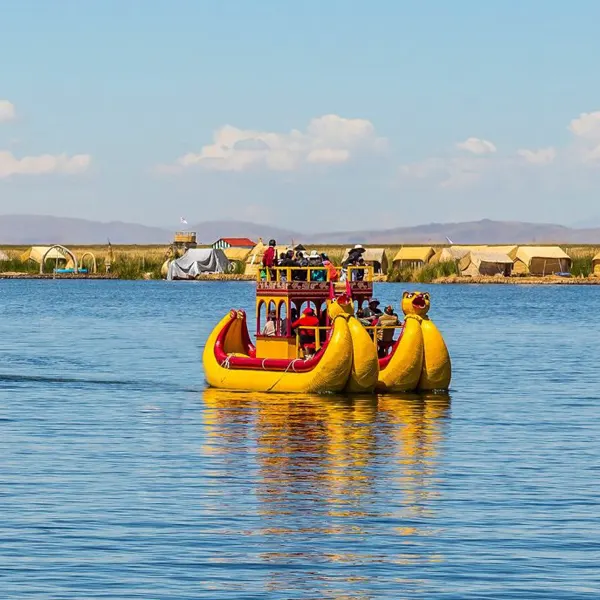
Around Lake Titicaca, March can bring a mix of sunshine, cloud cover, and rain. Daytime temperatures may feel mild in the sun, but nights are cold at this elevation, and exposed areas around the lake can feel cooler when it is windy. Pack warm layers and rain protection, especially for boat trips and excursions that involve time outdoors.
The Amazon
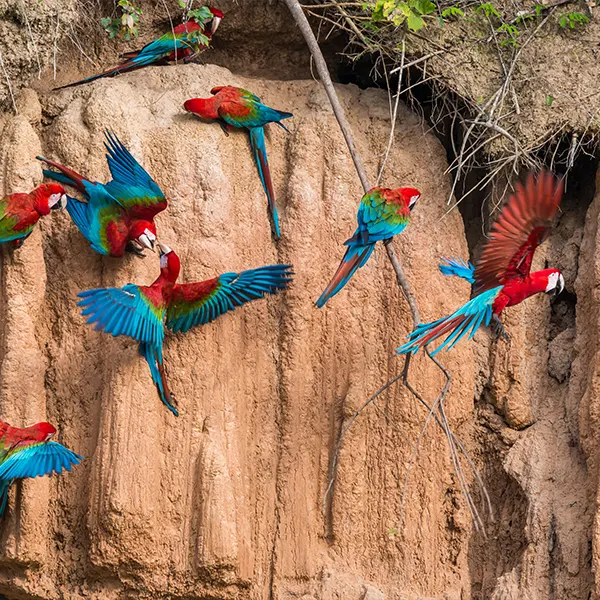
March is typically warm and humid in much of the Peruvian Amazon, with frequent rainfall during the wet season. Showers can affect trails, wildlife excursions, and river transport, while river levels and local conditions vary across the region. The experience also differs between destinations such as Tambopata and Pacaya-Samiria, so choose activities according to local conditions and keep some flexibility in your schedule. Learn more about travel options and destinations in the Amazon in Peru before choosing between a lodge-based stay and guided river excursions.
Crowds, Prices and Availability in March
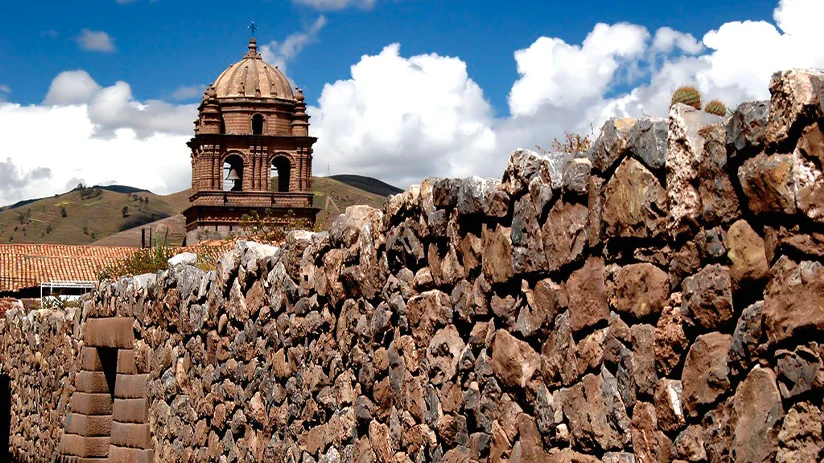
March falls outside the busiest travel period for many Andean destinations, which generally see greater demand from June to August. However, crowd levels depend on the location and any major local celebrations taking place.
Prices and availability also depend on location, accommodation type, and how far in advance you book. March may offer more flexibility in some places than the peak Andean season, but lower prices are not guaranteed. Popular hotels, train services to Machu Picchu, and guided excursions can still sell out, so reserve essential services ahead of time. If you are considering Cusco during the rainy season, our guide to visiting Cusco in the low season provides additional context on the trade-offs, including rainy-season conditions and the need for flexible plans.
Machu Picchu, Treks, and Outdoor Plans in March
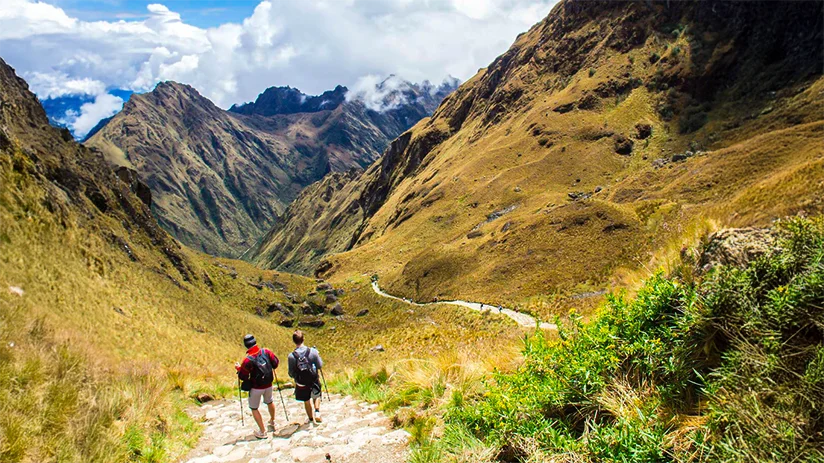
March falls within the rainy season in much of the Andes and Amazon. Around Cusco, the Sacred Valley, and Colca Canyon, rain can leave trails muddy or slippery, while mist may reduce visibility at Machu Picchu. In the Amazon, rainfall and changing river levels can affect jungle walks, wildlife excursions, and boat journeys. The impact varies by destination, altitude, and recent weather. Before setting out, review local forecasts and official trail or transport notices.
If your itinerary includes trekking, check that your chosen route is operating and review permit requirements in advance. Allow extra time for excursions and connections, particularly when your plans depend on train services or road travel.
For more planning advice, read our guides to the Best time to visit Machu Picchu and Machu Picchu weather and conditions to compare seasonal patterns and understand how rain and mist may affect your visit.
Festivals and Celebrations in Peru in March
March can coincide with a variety of religious celebrations, cultural traditions, and regional festivals across Peru. The events and their schedules vary from year to year, so travelers should consult official announcements from local authorities and event organizers before making plans. The following celebrations may be relevant to March itineraries, depending on the confirmed calendar for each year.
Holy Week and Easter
Holy Week is an important religious observance in Peru, marked by processions, church services, and local traditions. Celebrations differ by destination, with some cities known for their distinctive religious ceremonies. Because the dates follow the Catholic liturgical calendar, travelers should verify the official schedule for their intended destination before planning around specific events.
The Feast of Saint Joseph
The Feast of Saint Joseph, observed in the Catholic tradition on March 19, may be marked by religious activities and local celebrations in some communities. The scale and nature of these observances vary, so travelers interested in participating should look for information from the relevant parish or local authorities.
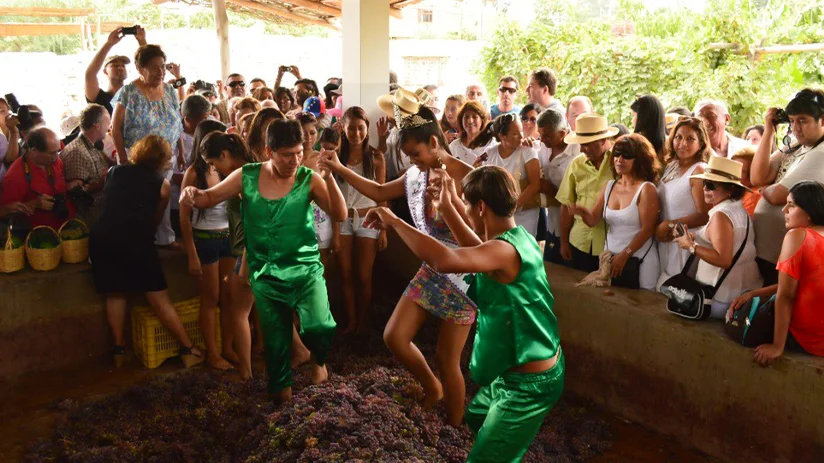
Ica’s Grape Harvest Festival (Vendimia)
Ica’s grape harvest celebrations highlight the region’s viticultural heritage and its association with wine and pisco production. Festivities may include cultural performances, tastings, and activities connected with the grape harvest. Dates and programs vary by year, so confirm the official announcement before including specific event details in your itinerary.
Where to Go in March
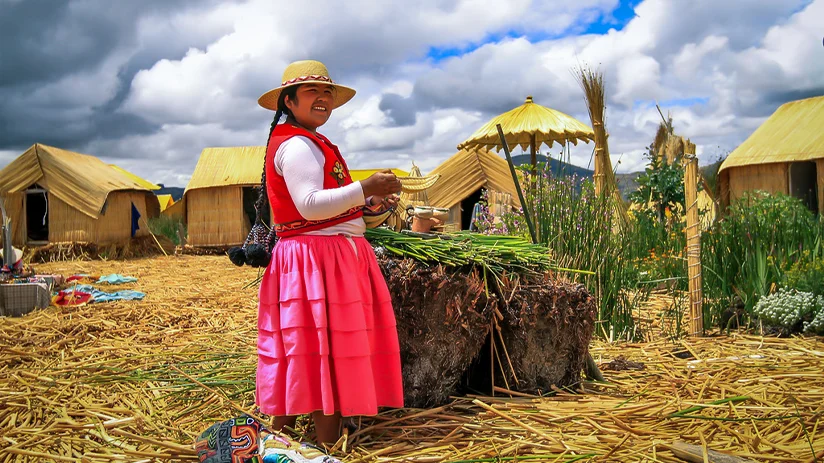
March offers a range of travel experiences across Peru, from coastal escapes to Andean heritage sites and rainforest excursions. The best destination depends on your interests, preferred activities, and flexibility with seasonal weather conditions.
| Preferences | Destinations to Consider | What to Expect in March |
| Beaches and coastal getaways | Máncora and Las Pocitas | Warm coastal conditions can suit beach time and surfing, although sea conditions or planning water activities may vary by location. |
| Culture and archaeology | Cusco, the Sacred Valley and Machu Picchu | Explore archaeological sites and cultural attractions, but allow for rain, mist, wet paths, and possible transport disruptions. Verify current entry arrangements and transport operations before departure. |
| Rainforest and Wildlife | Tambopata and Pacaya Samiria | Choose between lodge-based stays and guided river excursions. Frequent rain and humid conditions may affect activities and transfers. |
| Andean Landscapes and Local Traditions | Lake Titicaca and Puno | Discover high-altitude scenery and cultural heritage. Expect changeable weather, possible rain, and cold nights. Pack warm layers and allow time to acclimatize |
What to Pack for Peru in March
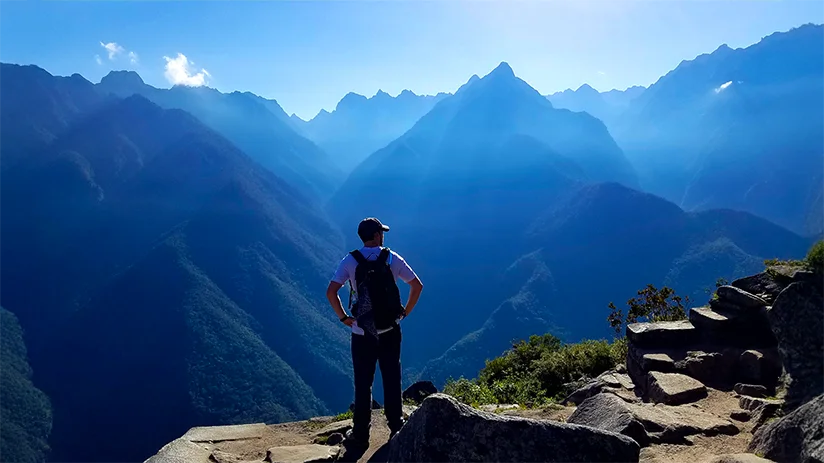
Packing for Peru in March means preparing for warm coastal weather, rainy conditions in the Andes, and humidity in the Amazon. So use our Peru packing list to prepare for the regions and activities on your itinerary.
- Lightweight, breathable clothing: Suitable for warm days along the coast and in the Amazon.
- Waterproof jacket or rain poncho: Useful for showers in the Andes and Amazon.
- Comfortable, water-resistant walking shoes: Helpful for wet paths and uneven terrain.
- Warm layers: Important for cool mornings and nights at higher elevations, especially around Cusco, Puno, and the Sacred Valley.
- Sun protection: Bring sunscreen, sunglasses, and a hat, as UV exposure can be strong even on cloudy days.
- Insect repellent: Useful for rainforest excursions.
- Waterproof bag or backpack cover: Helps protect electronics and other essentials during rainy outings.
Frequently Asked Questions
Is Machu Picchu open in March?
Yes. Machu Picchu is generally open in March, although rain, cloudy skies, and slippery paths are possible during the rainy season. Visiting Machu Picchu in March can offer lush green landscapes, but conditions may change throughout the day. Book your entry tickets in advance and allow some flexibility in your itinerary.
Can I Hike the Inca Trail in March?
The Inca Trail typically reopens in March following its annual February maintenance closure, but the exact reopening date must be verified before booking. Rain can leave sections muddy and slippery, so bring suitable footwear and waterproof clothing.
Is the Amazon Worth Visiting in March?
March can be a rewarding time to explore the Peruvian Amazon, although it falls within the rainy season in much of the region. Expect humid weather, frequent rainfall, and possible changes to river excursions. Wildlife sightings depend on local conditions, so allow flexibility in your plans.
Is March a Good Time for Beaches in Peru?
March falls near the end of sunny days along Peru’s coast. Northern destinations such as Máncora are known for their beach and surf scenes, while beaches south of Lima offer options for shorter coastal trips. Swimming conditions vary by location, so follow local safety advice about waves and currents.
Do I Need to Book Earlier if Easter Falls in March?
Yes, booking ahead is advisable if your trip coincides with Holy Week or Easter. These dates change each year and may fall in March or April, bringing increased demand for transport and accommodation in destinations such as Cusco and Ayacucho.
Check holiday schedules and availability before finalizing your plans, particularly for domestic flights, train journeys to Machu Picchu, and popular hotels. Book your entry through the official ticketing platform and review the circuit and entry time assigned to your visit. For step-by-step guidance, read how to buy Machu Picchu tickets.
Conclusion
Peru in March can be a rewarding choice if you value green Andean scenery, warm coastal days, and a varied itinerary. The main trade-off is the possibility of rain, muddy trails, and transport changes in parts of the Andes and Amazon.
The key is to choose destinations according to seasonal conditions, allow extra time for transfers, and verify access arrangements for Machu Picchu and the Inca Trail before departure.
Planning a trip to Peru in March? Contact Machu Travel Peru to create a personalized itinerary tailored to your interests, travel dates, and preferred pace.