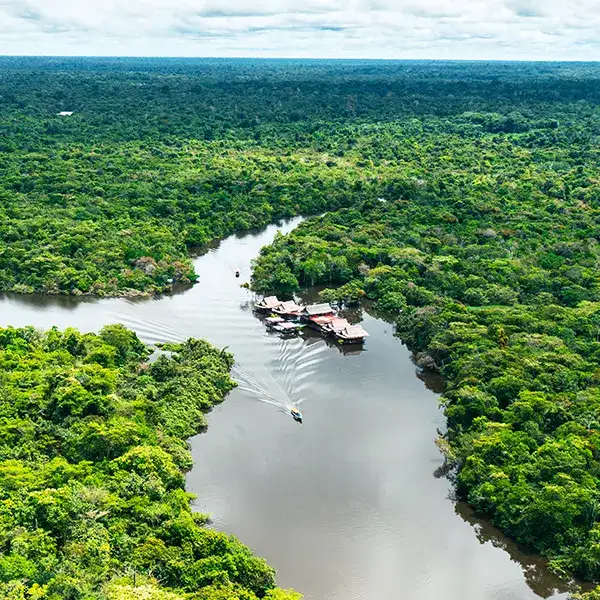
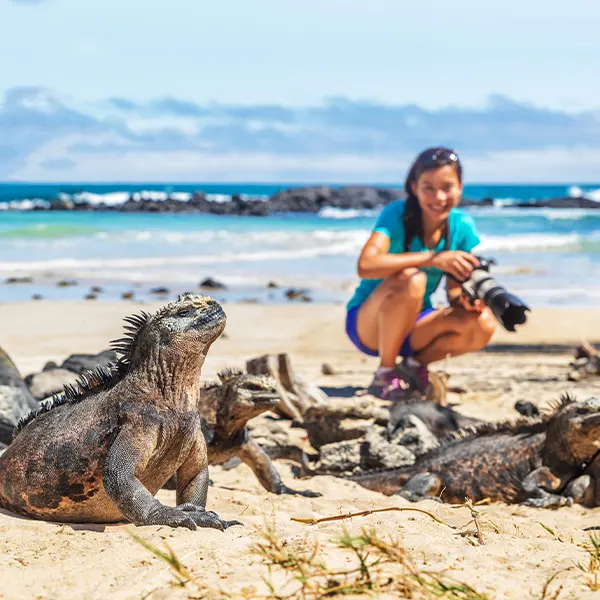
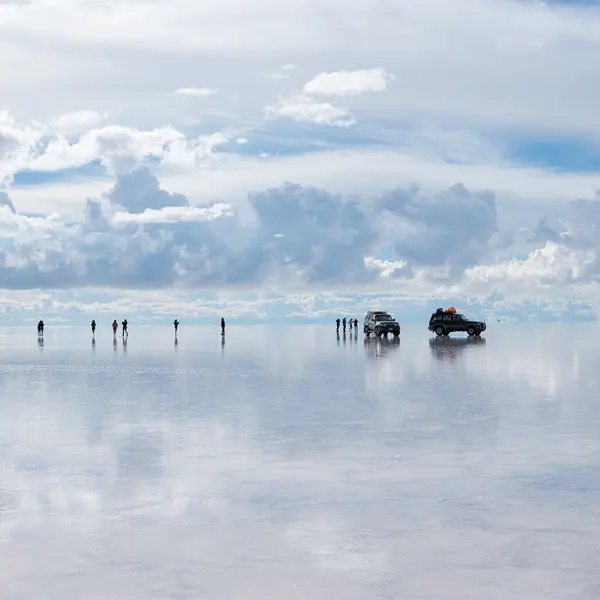
Peru offers much more than its best-known archaeological sites and tourist attractions. Beyond the classic tourist route, travelers can explore lesser-known destinations, from the historic towns of Cajamarca and Ayacucho to the mountain landscapes of the Cordillera Blanca and the rainforest scenery around Tarapoto. These destinations offer a range of alternatives to Machu Picchu, allowing visitors to discover different aspects of Peru’s cultural heritage and natural landscapes.
This guide highlights some of the best alternative places to visit in Peru, what makes each destination worth considering, and how to combine them into a practical itinerary.
- Hidden Gems in Peru at a Glance
- Northern Highlands: Cajamarca and Chachapoyas
- Tarapoto Waterfalls: Lagoons and Rainforest Experiences
- Ayacucho: Colonial Churches and Folk Art
- Huaraz and the Cordillera Blanca Beyond Laguna 69
- More Places Worth a Detour
- How to Plan a Trip Beyond the Classic Route
- Frequently Asked Questions
Hidden Gems in Peru at a Glance
The destinations below offer different combinations of cultural attractions, outdoor activities, and natural landscapes. Use this comparison to identify which places match your interests and understand what each one offers before adding it to your Peru itinerary.
| Destination | Location | Main Highlights | Best for |
| Cajamarca | Cajamarca, northern Peru | Explore colonial churches, the Plaza de Armas, the Ransom Room, and nearby hot springs. | History and colonial architecture. |
| Tarapoto | San Martín, northern Peru | Visit waterfalls, lagoons, and tropical landscapes. | Nature and rainforest excursions. |
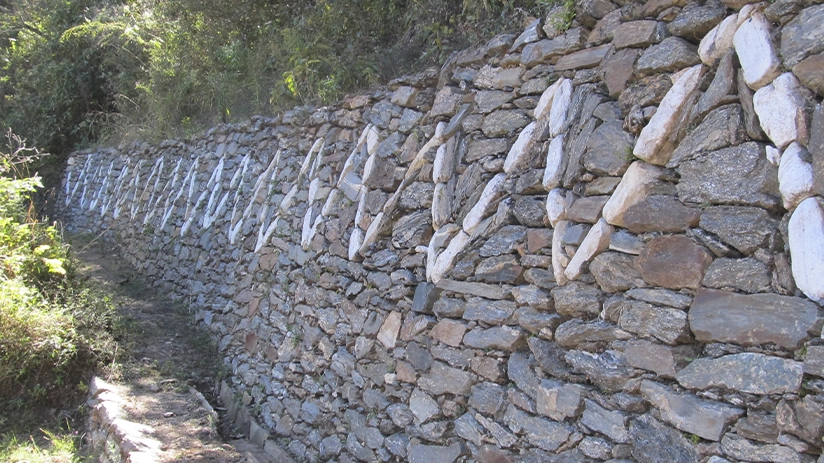
| Kuélap | Amazonas, northern Peru | Explore the ancient Chachapoya fortress and its impressive stone walls. | Archaeology and history. |
| Ayacucho | Ayacucho, south-central Peru | Discover colonial churches, historic streets, and traditional handmade retablos. | Colonial heritage and traditional crafts. |
| Chachapoyas | Amazonas, northern Peru | Visit Gocta Waterfall, archaeological sites, and surrounding natural attractions. | Hiking, waterfalls, and archaeology. |
| Huaraz | Áncash, north-central Peru | Discover the Cordillera Blanca, glacial lakes, and Huascarán National Park. | Trekking and mountain scenery. |
| Polloc | Cajamarca, northern Peru | Visit the Sanctuary of the Virgen del Rosario, decorated with colorful mosaics and ceramic artwork. | Religious architecture and local crafts. |
| Pampa Galeras | Lucanas, Ayacucho, south-central Peru | Observe vicuñas in their natural habitat and learn about Andean conservation practices. | Andean wildlife and nature conservation. |
| Choquequirao | Cusco–Apurímac region, southern Peru | Explore an extensive Inca archaeological complex reached by challenging multi-day treks. | Archaeology and challenging trekking. |
| Oxapampa | Pasco Region, central Peru | Cloud forests, protected natural areas, and distinctive local heritage. | Nature and cultural heritage. |
| Huancaya and Nor Yauyos-Cochas | Lima and Junín regions, central Peru | Turquoise pools, waterfalls, traditional villages, and mountain landscapes. | Nature, photography, and road trips. |
| Cotahuasi Canyon | La Unión Province, Arequipa Region, southern Peru | Deep canyon landscapes, waterfalls, and traditional Andean villages. | Remote destinations and outdoor exploration. |
Northern Highlands: Cajamarca and Chachapoyas
Cajamarca
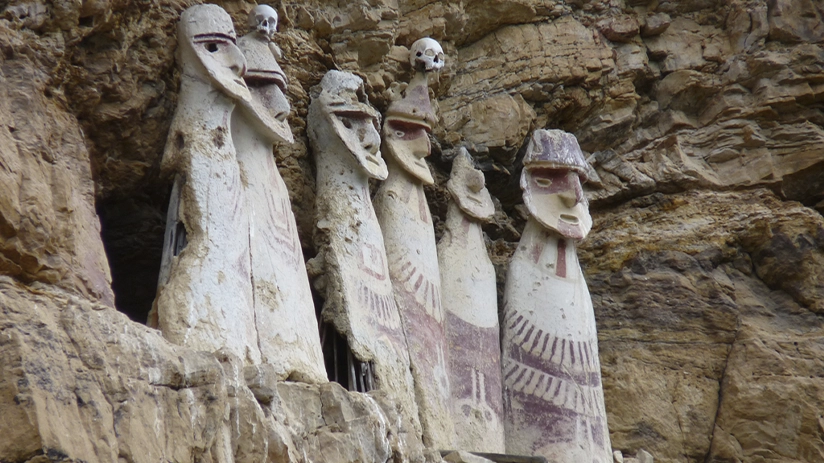
Cajamarca is a historic city in northern Peru known for its Inca heritage, colonial architecture, traditional festivals, and Andean landscapes. In November 1532, Spanish forces led by Francisco Pizarro captured Atahualpa in Cajamarca’s main square. His execution on July 26, 1533, marked a decisive turning point in the Spanish conquest of the Inca Empire. Its historic center makes Cajamarca a worthwhile stop for travelers interested in exploring colonial towns in Peru and architectural heritage.
Today, Cajamarca’s historic center preserves much of its colonial character, with stone churches, traditional houses, and streets that reflect the city’s architectural heritage. Beyond its historical attractions, Cajamarca is also recognized for its nearby hot springs. The Baños del Inca, located a short drive from the city center, are among the area’s best-known attractions. Visitors can enjoy the thermal pools and learn about the site’s historical associations with the Inca ruler Atahualpa.
To learn more about the city’s highlights, history, and nearby excursions, read our Cajamarca travel guide.
Chachapoyas
Located in the northern Peruvian Andes, Chachapoyas is a regional hub surrounded by cloud forests and mountain scenery. It provides access to some of the Amazonas region’s best-known attractions, including Kuélap, an extensive archaeological complex built by the Chachapoya people, and Gocta Waterfall, one of the area’s most recognizable natural landmarks. Our Kuélap travel guide covers the site’s history, visitor access, and practical considerations before your visit.
You can also explore our Gocta Waterfall guide. For a broader overview of the city’s attractions and travel logistics, see our Chachapoyas travel guide.
Tarapoto: Waterfalls, Lagoons, and Rainforest Experiences

Situated in the San Martín region, Tarapoto is a practical starting point for exploring waterfalls, lagoons, and forest landscapes in northeastern Peru. Outdoor activities include hiking, swimming in designated areas, and visiting natural attractions such as Ahuashiyacu and Huacamaíllo waterfalls. Laguna Azul, near the town of Sauce, is another popular destination for boat rides and birdwatching. For details on the area’s key sites, activities, and travel logistics, read our Tarapoto travel guide.
Ayacucho: Colonial Churches and Folk Art
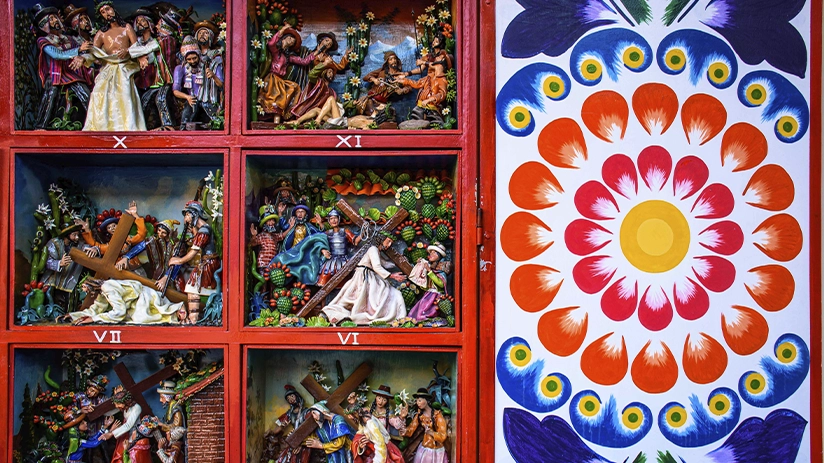
Known as the “City of 33 Churches”, Ayacucho is recognized for its colonial architecture, traditional retablos, and major religious celebrations, particularly Holy Week. Many of its churches date back to the colonial period and feature Baroque elements, carved stone facades, and elaborate altarpieces.
Some of the most notable churches to visit include:
- Ayacucho Cathedral (Basilica of Santa María): Located on the Plaza Mayor, Ayacucho Cathedral was built during the 17th century. Its pink stone facades and interior altarpieces decorated with gold leaf make it one of the city’s most prominent religious landmarks.
- San Cristóbal Church: Dating to the 16th century, it is traditionally considered one of Ayacucho’s oldest churches. Its simple colonial architecture contrasts with the more elaborate designs of other churches in the historic center.
- Santo Domingo Church: Known for its distinctive three-arched bell gable, the church is also a focal point of the city’s Holy Week celebrations.
- Santa María Magdalena Church: Founded in 1558, Santa María Magdalena Church is distinguished by its Baroque facade and is associated with several religious observances during Holy Week.
- Santa Clara of Assisi Church: Established in 1568, this colonial religious complex preserves historic altars dedicated to Saint Clare and Jesús Nazareno.
Traditional Art and Handicrafts of Ayacucho
Ayacucho is recognized for its traditional crafts, which reflect a combination of Andean cultural influences and colonial artistic traditions. Some of the region’s best-known handicrafts include:
- Ayacucho Retablos: These colorful portable altarpieces are among the region’s most distinctive art forms. They developed from Spanish religious boxes known as cajas de San Marcos, which local artisans adapted to represent religious scenes, everyday activities, and traditional celebrations. Joaquín López Antay was one of the most influential figures in the development and recognition of this art form.
- Huamanga Stone Carving: Also known as Huamanga alabaster, this soft, translucent stone is used to create sculptures of religious figures, Nativity scenes, and representations of everyday Andean life.
- Quinua Pottery: The nearby town of Quinua is recognized for its handmade clay figures, including miniature churches and the traditional toritos de Quinua. These small ceramic bulls are traditionally placed on some Andean rooftops and are associated with protection and prosperity.
- Silver Filigree: This traditional jewelry-making technique involves twisting and joining fine silver threads to create delicate earrings, necklaces, and other decorative pieces. The Santa Ana neighborhood is among the traditional areas associated with Ayacucho’s artisan workshops.
Holy Week in Ayacucho
Holy Week (Semana Santa) is one of Ayacucho’s most important religious and cultural events. Celebrated according to the Catholic calendar, it takes place in March or April and spans approximately eleven days of religious services, processions, and community traditions.
Some of the best-known events include the Procession of the Encounter on Holy Wednesday, when religious images of Jesus Nazareno, the Virgin Mary, Saint John, and Veronica meet in the city’s main square. On Holy Thursday, visitors can take part in the traditional visit to seven churches. Good Friday features the procession of the Holy Sepulcher and the Virgin of Sorrows, while Easter Sunday concludes the celebrations with the procession of the Risen Christ.
The celebration combines Catholic traditions with local cultural practices and is recognized as part of Peru’s National Cultural Heritage. Visitors planning to experience Holy Week should arrange accommodation and transportation in advance, as the city receives many visitors during this period.
Huaraz and the Cordillera Blanca Beyond Laguna 69

Huaraz is a gateway to the Cordillera Blanca, a mountain range known for its snow-capped peaks, glacial lakes, and scenic hiking routes. Beyond Laguna 69, the region offers several hiking options, including shorter day hikes and demanding multi-day treks. Difficulty varies according to elevation, trail conditions, and the amount of climbing involved.
Some other good places to visit around Huaraz include:
- Pastoruri Glacier: Set in the southern Cordillera Blanca, within Peru’s Áncash region, Pastoruri is one of the remaining tropical glaciers in South America. Its high-altitude setting offers views of glacial landscapes and surrounding Andean peaks. Visitors can reach the designated viewing area through a high-altitude walking route.
- Laguna Churup: Located in Huascarán National Park, this glacial lake can be reached from the trailhead at Pitec after approximately two to three hours of uphill hiking. An alternative route via a viewpoint is longer but avoids this more demanding section.
- Laguna Churupita: Situated above Laguna Churup, this smaller lake requires an additional hike of approximately 45 minutes. The trail crosses uneven, rocky terrain and involves a more demanding ascent, making it better suited to experienced hikers.
Our Huaraz travel guide provides more information about the city, nearby attractions, and practical considerations for exploring the region. While the Laguna 69 hike is one of the area’s best-known routes, other trails lead to quieter lakes and different viewpoints across the Cordillera Blanca.
Hiking and Acclimatization in the Cordillera Blanca
Huaraz sits at approximately 3,090 meters (10,138 feet) above sea level, and many trekking routes in the Cordillera Blanca climb above 4,000 meters (13,123 feet). Allow time to acclimatize before attempting strenuous hikes or ascending to higher elevations.
More Places Worth a Detour

Chiclayo and the Sipán Tombs
Chiclayo, in the Lambayeque region, is an important destination for exploring the Moche civilization. At Huaca Rajada, archaeologist Walter Alva and his team discovered the intact tomb of the Lord of Sipán in 1987; nearby, the Royal Tombs of Sipán Museum displays some of the most remarkable artifacts recovered from the burial. To plan a visit to the city’s archaeological attractions and museums, consult our Chiclayo travel guide.
Choquequirao
Between the Cusco and Apurímac regions, in the Vilcabamba mountain range, Choquequirao is an extensive Inca archaeological complex accessible through challenging multi-day treks. The traditional route starts near Cachora in Apurímac and crosses the Apurímac River Canyon before reaching the ruins.
Polloc: A Sanctuary of Mosaics Near Cajamarca
The Sanctuary of the Virgin of the Rosary of Polloc, located about 34 km from Cajamarca in the district of La Encañada, is notable for its colorful mosaics covering its walls, columns, ceilings, and floors. The complex also includes a temple, a sanctuary with carved wooden balconies, and a water grotto. Local artisans and students from the Don Bosco art school have contributed to its artistic development.
Getting there: Polloc can be visited from Cajamarca by road. Allow time for the journey to and from the sanctuary when organizing your day trip.
Time to visit: The visit can be planned as a short excursion from Cajamarca. The time needed on site depends on how much of the complex visitors wish to explore.
Pampa Galeras National Reserve: Home of the Vicuña
For visitors looking for Andean wildlife, the Pampa Galeras–Bárbara D’Achille National Reserve is another notable destination in the province of Lucanas, Ayacucho region. This protected area was established primarily to conserve the vicuña, a wild South American camelid that is well-known for its fine wool.
The reserve features high-altitude grasslands, wetlands, and open mountain landscapes that provide habitat for wild vicuñas. It also supports other forms of Andean wildlife and native vegetation. Visitors can explore designated areas, take photographs, and learn about local conservation efforts.
One of the reserve’s most important cultural and conservation activities is the chaccu, a traditional community practice in which vicuñas are carefully rounded up, shorn, and released. This activity reflects the long-standing relationship between Andean communities and the sustainable management of the species.
Getting there: Pampa Galeras is approximately 286 km from Ayacucho by road, with a journey of around seven hours by car, depending on road conditions. It is better planned as a separate trip or as part of a longer route through southern Ayacucho and the Nazca area.
Planning your visit: Check access conditions and visitor arrangements before departure, as this is a remote, high-altitude destination.
Oxapampa
Oxapampa in the Pasco region combines cloud forest landscapes, protected natural areas, and a distinctive local heritage. It is a worthwhile addition for travelers interested in exploring a different side of the central rainforest.
Getting there: Oxapampa is generally reached by road from Lima or other regional destinations. Travel time depends on the departure point and road conditions, so visitors should consider the journey when planning their itinerary.
Time to visit: The number of days needed depends on whether you plan to explore only Oxapampa or include nearby natural attractions. For more information, see our Oxapampa travel guide.
How to Plan a Trip Beyond the Classic Route
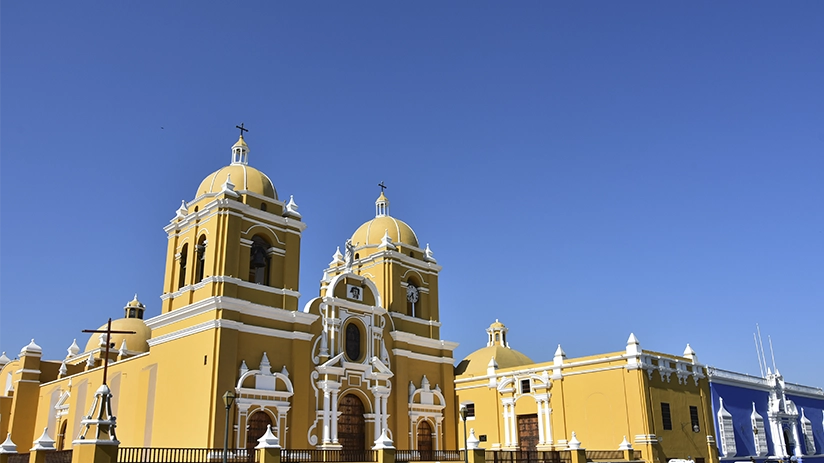
Planning a trip beyond Peru’s main tourist circuit requires careful consideration of transportation, travel times, weather, and altitude. Since many lesser-known destinations are located far from one another, it is usually more practical to explore one region at a time. The following routes highlight destinations that can be combined and explain the main transportation considerations for each area.
Understanding how to travel around Peru is essential when combining destinations in different regions, particularly when journeys involve long road transfers or limited flight connections.
Northern Peru: Archaeological Sites and Natural Landscapes
Northern Peru combines archaeological heritage, mountain scenery, and rainforest landscapes. It is a good option for those interested in exploring destinations outside the traditional Cusco and Machu Picchu circuit.
- Chachapoyas and Amazonas: Use Chachapoyas as a base to explore the Kuélap archaeological complex, Gocta Waterfall, and nearby villages. Access arrangements for Kuélap, including the cable car service from Nuevo Tingo, can change, so check current operating conditions and ticket availability before traveling.
- The Moche Route (Trujillo and Chiclayo): This archaeological route connects important sites associated with ancient northern Peruvian cultures. Highlights include the Huacas del Sol y de la Luna, Chan Chan, Huaca Rajada, and the Royal Tombs of Sipán Museum.
- Transportation: Chachapoyas is primarily reached by road from regional hubs such as Chiclayo and Tarapoto. Travelers may also fly to a nearby airport, such as Jaén, and continue by road. Check current flight schedules, bus connections, and transfer times before choosing your route.
The Central Andes: Mountain Ranges and Glacial Lakes
Huaraz is reached by road from Lima, with bus journeys generally taking around seven to nine hours. Huancaya is a separate road trip from Lima, with an approximate driving time of five hours from Cañete. These destinations are not directly connected by a regular seven- or eight-hour bus route, so plan them as separate excursions.
- Áncash and the Cordillera Blanca: Based in Huaraz, you can explore glacial lakes and mountain trails beyond Laguna 69. Multi-day options include the Santa Cruz Trek, which generally takes four days, and the more demanding Cordillera Huayhuash Circuit, which usually requires around eight to twelve days.
- Nor Yauyos-Cochas Landscape Reserve: Located across the Lima and Junín regions, this protected area is recognized for its turquoise pools, waterfalls, traditional villages, and mountain scenery. Huancaya is one of its best-known destinations, with stone bridges and terraced waterfalls along the Cañete River.
- Transportation: Huaraz is accessible by bus from Lima, with journeys generally taking seven to nine hours. Huancaya, in the Nor Yauyos-Cochas Landscape Reserve, requires a separate road trip from Lima, usually via Cañete. Allow additional travel time for mountain roads and local transfers, as these two destinations are not directly connected by a convenient public transportation route.
Cotahuasi Canyon: A Remote Alternative in Southern Peru
- Cotahuasi Canyon: Situated in the La Unión province of Arequipa, its main attractions include its deep canyon, traditional Andean villages, waterfalls, and rugged landscapes. Compared with the Colca Canyon, it receives fewer visitors and requires more time to reach, making it a good option for travelers seeking less-visited destinations.
- Getting there: The main access route from Arequipa is by road to the town of Cotahuasi, approximately 375 km away. The journey generally takes around 9–10 hours, although travel times vary depending on road and service conditions. Cotahuasi serves as a convenient base for exploring nearby attractions within the reserve. Given the long transfer and the distances between attractions, plan a multi-day visit rather than a short excursion.
Best Time to Visit Each Region
Weather conditions vary considerably across Peru’s coast, Andes, and rainforest. If you are comparing seasons across the country, our guide to the best time to visit Peru provides a broader overview to help you plan your trip.
| Region | Destinations | Generally Best Time | What to Expect |
| Northern Highlands | Cajamarca, Chachapoyas, and Kuélap | May to October | Generally drier conditions, which can make road travel, archaeological visits, and outdoor activities easier. Cloud forest areas may still experience rain. |
| Northern Rainforest | Tarapoto | June to September | A relatively drier period for visiting waterfalls, lagoons, and rainforest attractions. Short rain showers are still possible. |
| South-Central Andes | Ayacucho and Pampa Galeras | May to October | Drier weather is generally more favorable for exploring historic towns, attending outdoor events, and visiting high-altitude landscapes. |
| Central Andes | Huaraz and the Cordillera Blanca | May to September | The dry season generally offers better conditions for trekking, mountain views, and visiting glacial lakes. Nights can be cold, especially at higher elevations. |
| Southern Andes | Choquequirao | May to September | Drier trail conditions are generally more suitable for the demanding multi-day trek. Rain and muddy paths are more likely during the wet season. |
| Northern Coast | Chiclayo and the Moche Route | May to November | Conditions are generally mild and dry, making it a good period for archaeological visits. The warmer months can be hotter, particularly from December to April. |
Altitude, Safety, and Local Guides
Traveling beyond Peru’s main tourist circuit often involves remote roads, high-altitude destinations, and hiking routes with limited infrastructure. A little preparation can make these journeys safer and more comfortable. Before departure, review our guide on Is it safe to travel to Peru for additional advice on transportation, regional conditions, and general travel precautions.
- Allow time to acclimatize: Spend time adjusting to the altitude before attempting strenuous hikes or ascending to higher elevations. Remember that altitude sickness can affect anyone, regardless of physical fitness. For more information about altitude sickness symptoms, prevention, and high-altitude travel precautions, read our guide to altitude sickness in Peru.
- Choose reliable transportation: When traveling to remote destinations in Peru, choose established bus companies and reputable local transportation providers. Mountain roads can involve long journeys, sharp curves, and changing weather conditions. Whenever possible, plan long-distance transfers during daylight hours, particularly on unfamiliar routes, and check road conditions before departure. Allow extra travel time in case of delays or unexpected disruptions.
- Consider hiring a local guide: In remote destinations, local guides can help travelers navigate less-marked trails, understand site-specific regulations, and coordinate visits with nearby communities. Their assistance can be particularly valuable for challenging treks and archaeological sites with limited visitor infrastructure. Beyond practical assistance, a knowledgeable guide can also provide valuable cultural context. Explore the cultural benefits of traveling with a guide to understand how guided visits can enrich your experience.
- Check conditions before departure: Weather, road closures, strikes, and changes to site access can affect travel plans. Confirm current conditions with local authorities or tourism operators before setting out.
Frequently Asked Questions
Which places in Peru are good alternatives to Machu Picchu?
Peru has several destinations worth considering if you want to explore beyond Machu Picchu. Kuélap offers insight into the ancient Chachapoya civilization, while Choquequirao is an extensive Inca archaeological complex reached through demanding multi-day treks. The Moche Route in northern Peru is another option for exploring ancient temples and archaeological museums. For outdoor activities, the Cordillera Blanca and Gocta Waterfall offer very different natural landscapes.
What is the best time to visit northern Peru?
The generally drier months, from May to October, are a good period for exploring the northern Andes, including Chachapoyas and Kuélap. However, northern Peru has several climate zones. The coastal areas around Trujillo and Chiclayo have different weather patterns, while Tarapoto and the Amazonian region experience rainfall throughout the year. Check regional forecasts before finalizing your itinerary.
How many days do you need for northern Peru?
Allow at least 7 to 10 days to explore northern Peru at a comfortable pace. This gives you time to visit Chachapoyas, Kuélap, and Gocta Waterfall, or combine Trujillo and Chiclayo along the Moche Route. These destinations involve different transportation connections, so adding Tarapoto or other regions may require a longer itinerary.
How do I get to Chachapoyas from Lima?
You can reach Chachapoyas from Lima by air, by road, or by long-distance bus. Flight options depend on current airline schedules and available routes, so some travelers fly to a nearby regional airport and continue by road. Bus travel is another alternative, although it involves a considerably longer journey. Check current connections before booking.
Can I visit Kuélap and Gocta Waterfall on the same trip?
Yes. Both Kuélap and Gocta Waterfall can be visited from Chachapoyas, making them suitable additions to the same itinerary. However, each attraction requires a separate excursion, so allow at least two days to explore them without rushing. You may need additional time for nearby villages and other archaeological sites.
Is Kuélap worth visiting if I have already seen Machu Picchu?
Yes. Although both are important archaeological destinations, they represent different architectural traditions and cultural periods. Kuélap was built by the Chachapoya people and is known for its massive stone walls, circular structures, and mountain setting. It offers a different perspective on Peru’s pre-Inca heritage.
Do I need a guide to visit off-the-beaten-path places in Peru?
A guide is not required at every destination, but hiring a local professional can be valuable in remote areas. Guides provide assistance with navigation, explain local history and customs, and help coordinate visits where tourist infrastructure is limited. For demanding treks and less accessible archaeological sites, consider a guided excursion.
Do I need to worry about altitude outside Cusco?
Yes. Altitude sickness can occur in many parts of Peru, not only in Cusco. Huaraz, the Cordillera Blanca, and other high-altitude destinations may expose travelers to elevations above 3,000 meters. Allow time to acclimatize before strenuous activities, and watch for symptoms such as headaches, nausea, dizziness, and unusual fatigue. Physical fitness does not eliminate the risk of altitude illness.
Conclusion
Exploring beyond Peru’s classic tourist route reveals a wider range of archaeological sites, traditional communities, and natural landscapes. From the ancient heritage of northern Peru to the hiking routes of the Cordillera Blanca, these destinations offer compelling alternatives for travelers looking to see more of the country.
If you are considering destinations beyond Machu Picchu, contact us at Machu Travel Peru to create a personalized itinerary that matches your interests, available time, and preferred experiences. Discover how our customized Peru trips can help you explore the country beyond its most familiar destinations.