Determining the best time to visit Bolivia depends entirely on the kind of adventure you’re looking for. Bolivia is one of South America’s most geographically diverse countries, stretching from the Amazon rainforest and the high-altitude Altiplano to the salt flats and the windswept valleys of Sucre and Tarija.
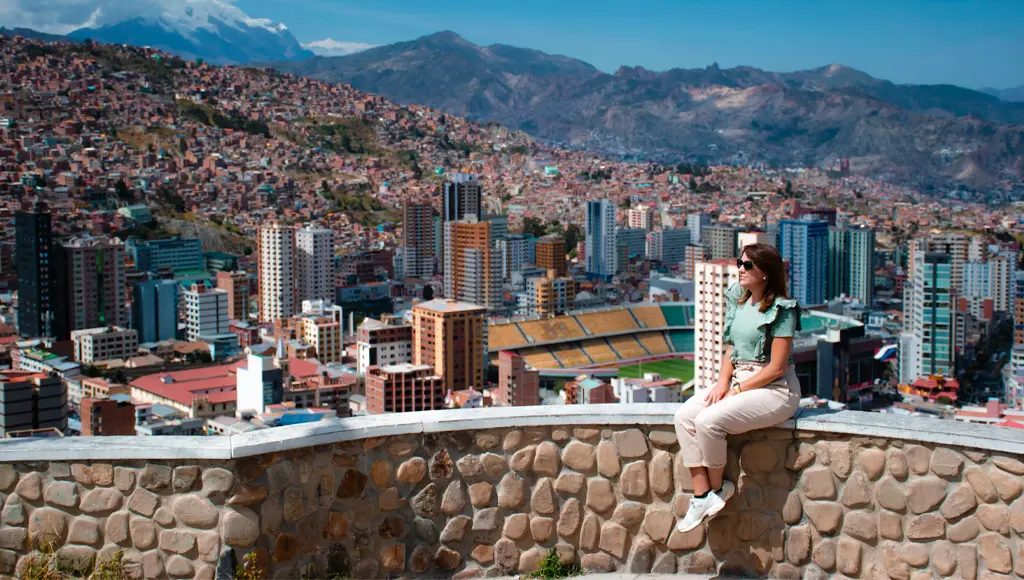
Because of this dramatic variation, condition patterns shift significantly from one region to another. Knowing Bolivia travel seasons and climate zones will help you plan your trip around Bolivia’s most colorful festivals. Otherwise, you can dream of walking on the stunning Uyuni Salt Flats. You might want to explore the lively streets of La Paz. You could also cruise on Lake Titicaca or hike in the green Yungas.
In this guide, you will find all you need to know about Bolivia’s climate. It covers the dry and rainy seasons. You will also learn about the country’s major festivals and events. There is a month-by-month travel guide included. Plus, you will get essential tips for an unforgettable trip. Join Machu Travel Peru in this incredible experience and come along with us.
Discover everything about Bolivia’s climate
- Bolivia’s climate: What travelers can expect
- Bolivia Dry season (May – October)
- Bolivia Rainy season (November – April)
- Bolivia’s festivals & events
- Recommendations for traveling to Bolivia
- Frequently asked questions
Bolivia’s climate: What travelers can expect

Bolivia’s conditions are shaped more by altitude than by latitude. Although the country lies in the tropics, temperatures and weather conditions vary sharply depending on elevation.
1. The Altiplano (High Plateau) – La Paz, Uyuni, Oruro, Lake Titicaca
- Altitude: 3,500 – 4,000+ meters
- Climate: Cold, dry, and sunny with strong UV radiation
- Temperatures: 10°C – 20°C (cool but sunny)
- Nights: Often below freezing in winter
This region has two main seasons: The Bolivia dry and rainy seasons
Dry season: Clear blue skies, colder nights (best for visiting Uyuni and Lake Titicaca).
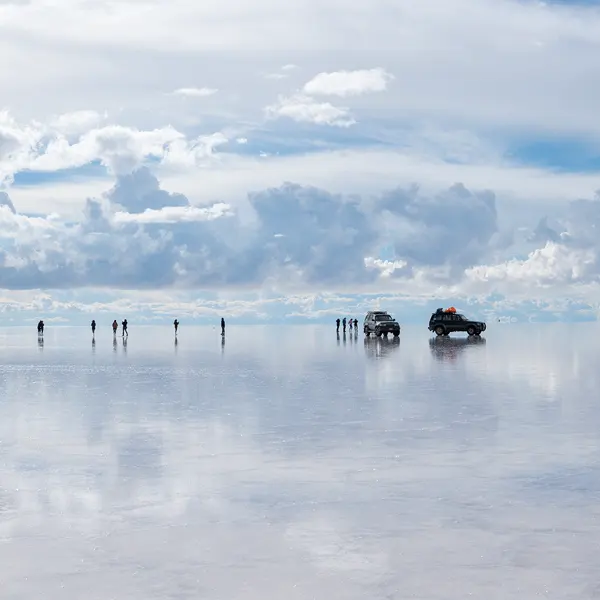
Rainy season: Afternoon showers, warmer nights, and the famous water mirror effect on the salt flats.
2. Valleys and Cities – Sucre, Cochabamba, Tarija
- Altitude: 1,800 – 2,800 meters
- Climate: Mild, spring-like year-round
- Temperatures: 15°C – 28°C
These regions are pleasant in any month, offering the most stable and comfortable weather in the country.
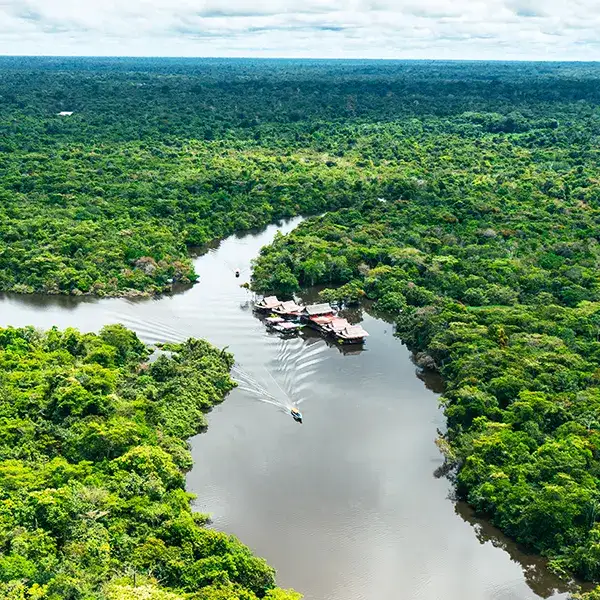
3. Lowlands & Amazon – Santa Cruz, Rurrenabaque
- Altitude: 200 – 400 meters
- Climate: Hot, humid, and tropical
- Temperatures: 28°C – 35°C
- Rainfall is heavy from November to March, but this is also the best time to see lush green forests and wildlife.
Bolivia Dry Season (May – October)

This is widely considered the best time of year for travel thanks to sunny days, low rainfall, and clear skies. Most travelers choose this window for outdoor adventures and photography.
Weather Highlights
- Sky: Crystal clear blue skies, perfect visibility
- Rainfall: Minimal
- Temperature: Warm days, cold or freezing nights (especially in the Altiplano)
- Road conditions: Best of the year; fewer delays
During the dry season, travelers enjoy some of the best conditions for exploring Bolivia. The Uyuni Salt Flats are fully accessible, and the roads remain dry, making travel easier and allowing visitors to appreciate the vast white desert, perfect for creative perspective photos. It’s also an ideal time for trekking, with the trails around La Paz, the Cordillera Real, and Lake Titicaca in excellent condition. Wildlife viewing improves as well, especially in the lowlands, where mosquitoes are fewer, and animals tend to be more active.
Another highlight of this period is the June-August festival season, when Bolivia hosts some of its most iconic cultural celebrations. However, there are a couple of downsides: nights can be extremely cold, especially in Uyuni and the Altiplano, and it’s also high tourist season, so booking in advance is essential.
Bolivia Rainy Season (November – April)

The rainy season transforms Bolivia’s landscapes. It brings intense green vegetation, afternoon showers, and higher humidity, especially in tropical areas.
Weather Highlights
- Sky: Mix of sun and thick clouds
- Rainfall: Afternoon or evening showers
- Temperature: Warmer overall, especially in the highlands
- Road conditions: Slippery or muddy in some rural areas
Travelers also choose the rainy season for the unique experiences it offers, especially the stunning Uyuni Mirror Effect that appears between January and March, when a thin layer of rainwater floods the salt flats and transforms them into a perfect natural mirror, one of the most surreal sights on Earth. This time of year also brings lush Amazonian landscapes, with vibrant vegetation and abundant wildlife throughout the lowlands.
Nights tend to be warmer, even at high altitudes, making travel more comfortable for some visitors. However, the rainy season comes with its own drawbacks: certain roads can close due to flooding, the Uyuni Salt Flats may become partially or even fully inaccessible during heavy rains, and the lowland regions see an increase in mosquitoes.
Bolivia’s Festivals & Events

Bolivia is one of the most festive nations in South America. If your goal is culture, music, and traditions, aligning your trip with these events is a great idea. The Andes have top tourist attractions in Bolivia to visit year-round, for example.
1) Carnaval de Oruro (February or March)
Declared a UNESCO Intangible Cultural Heritage, Oruro’s Carnival features extravagant costumes, folkloric dances, and centuries-old traditions. It’s one of Latin America’s greatest festivals.
2) Año Nuevo Andino (June 21)
Celebrated at sunrise on the winter solstice, especially at Tiwanaku and in La Paz. It’s a mystical, spiritual ceremony marking the Andean New Year.
3) Gran Poder (May or June) La Paz
Massive parades, colorful costumes, and music fill the city’s streets. One of the most important cultural events in Bolivia.
4) Todos Santos (November 1)
A deeply spiritual celebration where families build altars, cook traditional foods, and honor loved ones. A profound cultural experience.
5) Independence Day (August 6)
Festivities across the country with parades and music. If you want culture, these are some of the best times to visit Bolivia.
Recommendations for Traveling to Bolivia
- Choose the right season for your goals
- Pack for altitude and variable weather
- Consider acclimatization
- Book early in high season
- Don’t underestimate distances
- Explore multiple seasonal shifts
- Always check road conditions in the rainy season
Frequently asked questions
When is the best month to visit Bolivia?
Generally, the best month to visit Bolivia is May, when the skies are clear, and visibility is high. June and July offer the clearest weather, although the nights are cold.
When is the dry season in Bolivia?
The dry season runs from May to October, with sunny days, minimal rainfall, and ideal conditions for hiking and exploring.
Is it worth visiting Bolivia during the rainy season?
Yes, from January to March you can experience the famous mirror effect in Uyuni and enjoy the lush Amazonian landscapes. Just bear in mind that some roads may be closed and the rains are heavier.
What is the climate like in Bolivia by region?
The highlands are cool and dry; the Amazon is warm, humid, and rainy; and the valleys enjoy temperate conditions, similar to spring, for most of the year.
When is the best time to visit the Salar de Uyuni?
The best time to visit Uyuni Salt Flats and enjoy perfect reflections is from January to March; to see pristine white landscapes and have full accessibility, visit from June to October.
What are the most popular festivals and events in Bolivia?
The Oruro Carnival in February, the Gran Poder in La Paz (May/June), and the Independence Day celebrations in August attract travelers from all over the country, marking some of the highlights of the Bolivia tourism season.
Is it safe to visit Bolivia throughout the year?
Yes, Bolivia is generally safe if you take the usual precautions. Weather-related disruptions mostly affect the rainy season, not overall safety. It is important to follow the Bolivia travel tips to enjoy your travel.
“LIVE WITH HOPE, TRAVEL WITH NO REGRET”
Bolivia is a land of striking contrasts, from icy peaks and ancient cultures to tropical jungles and surreal landscapes. Knowing the weather and seasons in this place will help you choose the best time to visit. This depends on your travel style and what you expect
Bolivia has so much to offer; it can be hard to know where to start. With many years of experience in the tourism sector, Machu Travel Peru is happy to help with anything regarding your trip to Bolivia and any tours around it. Make your Bolivia experience an unforgettable one! Contact us today to plan your dream adventure!