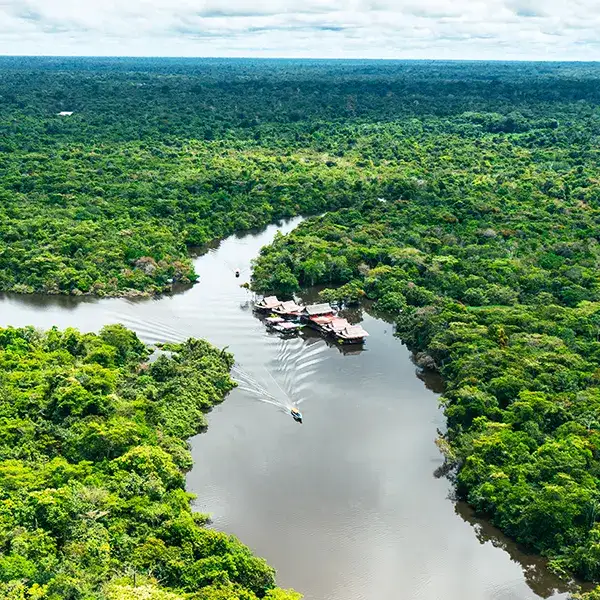
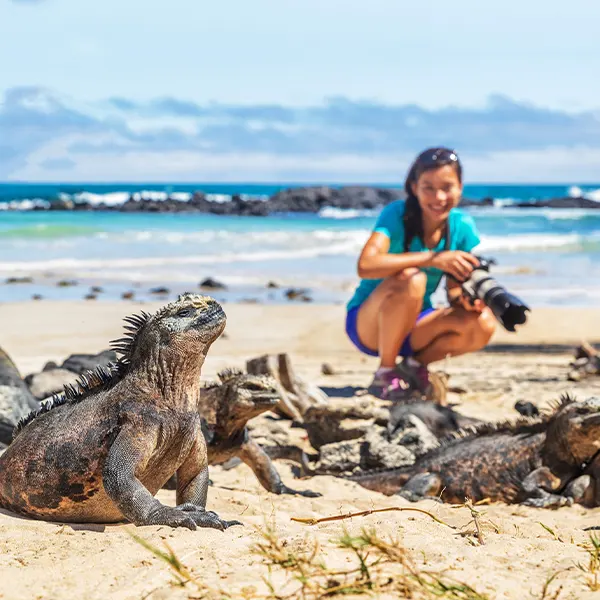
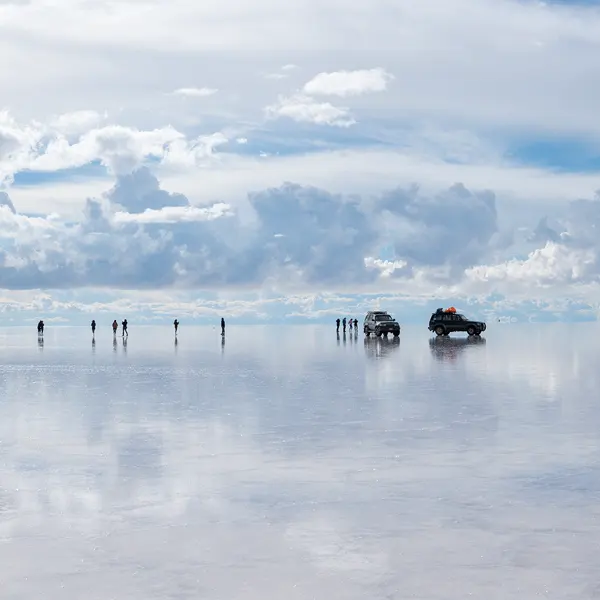
Ecuador is one of the world’s most exciting destinations for anyone who loves chocolate. Ecuador’s landscapes range from misty cloud forests to sunlit coastal farms, all contributing to its exceptional cacao production. The country has both cloud forests and sunny coastal farms. These areas produce high-quality cacao and chocolate. Visitors can enjoy a special chocolate experience here. This experience is rich in food, culture, and nature.
This guide explains the Ecuador chocolate tour. It also shows you how to create a flexible itinerary. You can explore the Sierra (highlands), cloud forest, coast, and Amazon. This trip mixes chocolate with nature, culture, and responsible tourism. For US travelers looking for a unique food-focused trip in South America, Ecuador offers one of the most accessible and rewarding chocolate routes in the world.
Discover the best Chocolate Tour in Ecuador
- Why Ecuador is a must-visit for chocolate lovers
- What is the Ecuador Chocolate Route: Bean to bar explained
- Best Regions for an Ecuador Chocolate Tour (Highlands, Coast & Amazon)
- Sample itineraries: 3-Day, 5-Day & 7-Day Chocolate routes
- Essential travel Tips for an Ecuador Chocolate Tour
- Frequently asked questions about Ecuador Chocolate Tours
Why Ecuador is a must-visit for chocolate lovers

Many people prize Ecuadorian cacao, especially the heritage Nacional varieties, for its floral, fruity, and complex notes. Ecuador is known for its Ecuador cacao tour. This reputation goes beyond just taste. Cacao is part of Ecuador’s culture, local jobs, and conservation efforts.
A fine-aroma Ecuador chocolate tasting is more than just a food experience. It opens a door to centuries of indigenous knowledge, sustainable farming, and community-led projects. You can easily combine visiting with other activities. For example, you can take a chocolate tour and go birdwatching in the cloud forest.
You could also visit coastal Afro-Ecuadorian communities or stay at an Amazon lodge. These lodges teach about the traditional uses of cacao.
What is the Ecuador Chocolate Route: Bean to bar explained
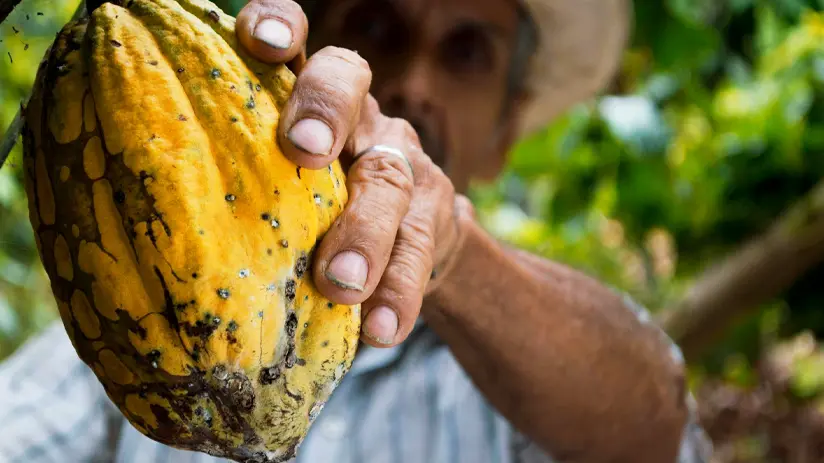
The bean-to-bar chocolate Ecuador route follows the lifecycle of chocolate across different environments and communities. A robust itinerary shows you cacao at multiple stages and in different regional contexts, biodiversity in the cloud forest, supporting agroforestry on the coast, and promoting fair trade in Amazonian communities.
Origins: Ecuador’s fine-Aroma cacao & Cultural history
Cacao in Ecuador has deep roots. Indigenous groups cultivated and revered cacao long before European contact. Today, projects across regions emphasize heritage genetics, community ownership, and traceability so visitors can see how cacao beans become carefully labeled chocolate bar products in small-batch operations.
From Pod to Bar: The chocolate-making process you’ll see
On an Ecuador chocolate farm tour, you’ll typically see:
- Harvesting of ripe pods and extracting cacao beans
- Fermentation and sun-drying (the flavor-building stage)
- Roasting, winnowing, and grinding at a local workshop
- Conching and tempering are the final steps that transform cacao into a smooth chocolate bar
- Tasting sessions that compare raw nibs, single-origin bars, and finished chocolate products
Many tours let you participate in roasting beans or moulding a day tour chocolate bar, so the journey is hands-on. A multiregional vision: Designing a Chocolate itinerary across Sierra, Cloud Forest, Coast & Amazon
To give breadth and flexibility, design a route that moves through all four ecological zones. Below is a practical framework showing travel times, typical activities, and how to combine chocolate with nature and culture.
Typical travel times (approximate, by road or short flights)
- Quito to Mindo (cloud forest): 1.5-2.5 hours by car. Great as a weekend day trip or overnight.
- Quito to Coast (e.g., Guayaquil / coastal haciendas): 6-8 hours by car; or 1 hour flight to Guayaquil plus 2-3 hours by road to many haciendas.
- Quito to Amazon (e.g., Tena region / Napo): 4–6 hours by road; shorter by flight to Coca and then boat/road connection.
- Mindo to Coast (when traveling cross-country): prepare for a longer day of travel (6-9 hours) or use Quito/Guayaquil as connections.
These are general ranges; choose overnight travel or short flights for comfort. The advantage of a multiregional itinerary is variety: Quito travel guide hubs make transfers easier and allow mixing urban tastings with remote farm stays.
Best regions for an Ecuador Chocolate Tour (Highlands, Coast & Amazon)

Quito & Highlands: Urban Chocolate experiences and boutique chocolatiers
Use Quito as your launching pad. The city offers bean-to-bar workshops, museums, and boutique shops selling craft bars and chocolate products. Urban options are perfect for travelers, combining the top tourist attractions in Ecuador with gourmet tastings.
Suggested experiences:
• Guided walking chocolate tour of historic Quito
• Hands-on urban chocolate-making workshops
• Pairings that link chocolate with local highland flavors and Ecuador’s traditional dishes
• Cloud forest & Andes: Mindo & small-batch cacao farms
The Mindo cloud forest in Ecuador is a must for nature lovers. Here, chocolate tours often pair fine-aroma Ecuador chocolate tasting with birdwatching, imagine sampling a single-origin bar after spotting tanagers and hummingbirds.
Suggested experiences:
• Morning birdwatching + midday cacao orchard visit
• Small-batch farm demos and rustic chocolate drinks
• Night walks to appreciate cloud forest biodiversity
Coast & Haciendas: Coastal Farms and Afro-Ecuadorian Culture
The coast is where large, historic plantations sit alongside family-run farms. Combine chocolate with coastal culture, seafood, coastal music, and Afro-Ecuadorian influences.
Suggested experiences:
• Hacienda Ecuador chocolate farm visits with historical tours
• Cooking classes featuring Ecuador’s traditional dishes paired with cocoa-based sauces
• Beach time and cultural exchanges with coastal communities
Amazon & Community-led cacao projects
In the Amazon, cacao often supports indigenous livelihoods. Ecuador cocoa journey programs emphasize fair trade, agroforestry, and cultural exchange. Combine chocolate with jungle immersion for a transformational trip.
Suggested experiences:
- Lodge stays in the Amazon, which includes community cacao workshops
- River excursions and medicinal-plant walks that contextualize cacao’s role in local health and rituals
- Meals prepared with cacao-influenced recipes and indigenous storytelling
Combining chocolate with nature & Cultural immersion
A powerful way to increase your trip’s depth is to pair chocolate with a secondary focus:
- Chocolate + Birdwatching: the cloud forest’s avian diversity pairs beautifully with delicate single-origin bars.
- Chocolate + Indigenous Culture: Amazon community visits where cacao is part of the ceremony and livelihood.
- Chocolate + Coastal Culture: experience Afro-Ecuadorian rhythms, seafood, and cacao’s role in local gastronomy.
- Chocolate + Conservation: tours that highlight reforestation, shade-grown cacao, and biodiversity-friendly farming.
Sample itineraries, multidisciplinary & flexible
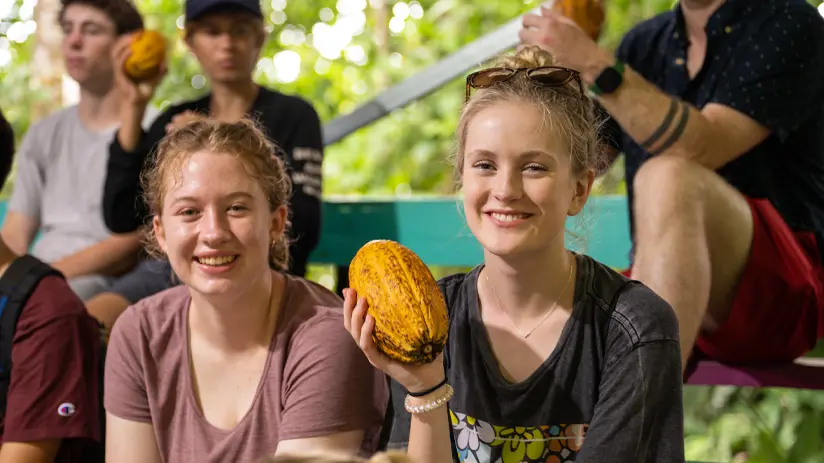
3-Day Quick Loop
- Itinerary: Quito and Mindo
- Day 1: Quito tasting & bean-to-bar workshop.
- Day 2: Transfer to Mindo (1.5–2.5 hours). Cloud forest hikes + cacao farm visit + birdwatching.
- Day 3: Return to Quito; final chocolate shopping and urban tasting.
Great as a weekend extension to a visit to a Quito travel guide.
5-Day Nature + Culture Route
- Itinerary: Quito, Mindo, and Coast
- Day 1–2: Quito workshops + Mindo cloud forest immersion.
- Day 3-4: Travel to the coast (overnight or flight via Guayaquil), stay at a coastal hacienda; cacao plantation tour and culinary class featuring Ecuador’s traditional dishes.
- Day 5: Return to Quito or continue to the Amazon.
This offers a diverse Ecuador chocolate farm tour across two ecosystems.
7-Day Ultimate Ecuador Cocoa Journey
- Itinerary: Sierra, Cloud Forest, Coast, and Amazon
- Days 1-2: Quito and highland chocolate boutiques.
- Days 3-4: Mindo for birdwatching and small-batch chocolate production.
- Days 5-6: Coastal hacienda stay with cultural workshops and cacao processing.
- Day 7: Fly/drive to the Amazon for a lodge stay or community visit ending with a ceremonial cacao tasting.
This full immersion balances luxury boutique hotels, eco-lodges, and humble farm stays, perfect for travelers seeking multisensory experiences.
Essential travel tips for an Ecuador Chocolate Tour
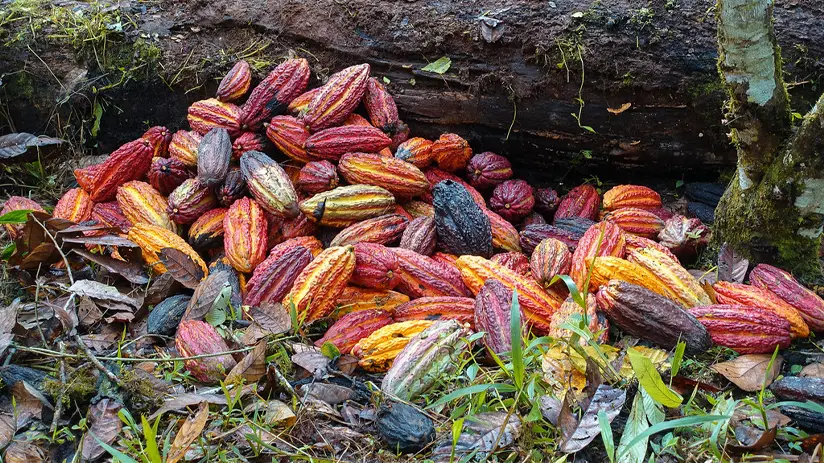
When planning your Ecuador Chocolate Tour, try to include more than one region. Each area, from the Andes to the Coast or Amazon, offers its own cacao personality and flavors.
The best time to visit is usually during the main harvest from October to March. This is when farms are most active. However, June to September also offers great weather and quieter routes. Pack light clothing for the warm lowlands, but don’t forget a rain jacket for cloud forests and higher elevations.
As you taste, slow down and let the chocolate melt naturally so you can appreciate its fruity or floral notes. Visiting small, sustainable farms is especially rewarding they often practice agroforestry and work directly with local communities. Feel free to ask questions about fermentation, types of chocolate, or the story behind each bar. It makes the experience much richer.
Along the way, pair your chocolate stops with Ecuador’s amazing food, tropical fruits, seafood on the coast, hearty Andean bowls, and delicious cacao-based drinks. And before you leave, pick up small-batch bars or nibs straight from the producers; you’ll find flavors that rarely make it abroad.
Travel distances can be a bit long (for example, Quito to Mindo is about 2 hours, Quito to the Amazon is around 4-5), so plan your days with that in mind. Above all, keep an open mind, Ecuador’s cacao world is rich, diverse, and full of surprises.
Frequently asked questions about Ecuador Chocolate Tours
How long is an Ecuador Chocolate Tour from Quito or Guayaquil?
Short day tours are usually 4-9 hours. Multi-day experiences range from 3 days to a week or more, depending on whether you include the coast and Amazon.
What is included in a bean-to-bar Ecuador chocolate tour?
Most tours include farm or workshop visits, tastings, hands-on activities (such as roasting, grinding, and moulding), and educational talks about cacao plants and cacao beans. Multi-day packages typically add accommodation and transport.
Which regions in Ecuador offer the best cacao tours?
Mindo (cloud forest), the coastal haciendas, and Amazon community projects are among the top picks. So, you can enjoy small-batch chocolate on the Chocolate tours in Quito & Mindo.
Can you visit cocoa farms and jungle lodges on Ecuador chocolate tours?
Yes, many itineraries combine lodge stays in the Amazon with community cacao workshops and river excursions.
Are Ecuador chocolate tours suitable for families or couples?
Absolutely. Families enjoy hands-on workshops; couples can opt for boutique lodges and private tastings. The variety of accommodations, from farm homestays to luxury hotels, makes it easy to adapt.
“TRAVEL FAR, TRAVEL WIDE, TRAVEL DEEP”
A good Ecuador cocoa journey is more than just tasting. It links you to conservation efforts and indigenous heritage. You will also meet small producers who protect biodiversity while making great beans. You can enjoy unique, small-batch chocolate bars made directly by local producers. Also, join a chocolate experience in the cloud forest. Additionally, you can learn to shape your own chocolate bar at a coastal hacienda. The best trips mix chocolate with nature, community, and responsible travel.
Ecuador offers numerous experiences that can make choosing where to start feel overwhelming. At Machu Travel Peru, we can guide you and help shape your journey so you enjoy a memorable adventure your own way. Contact us today to plan your dream adventure!