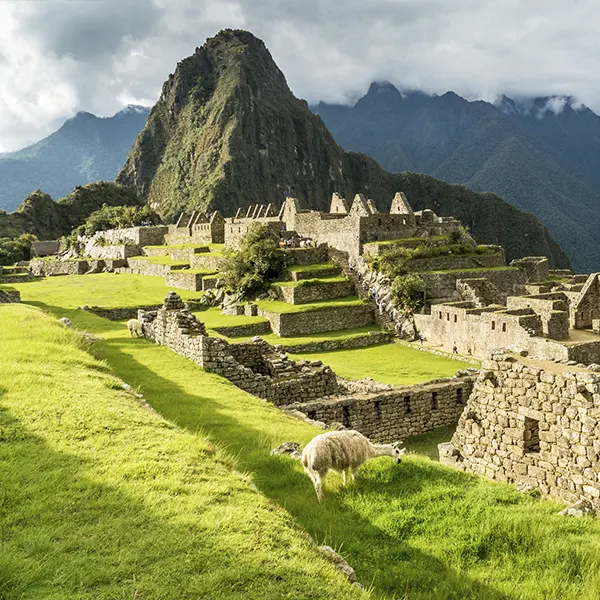
Above the clouds, where the air becomes thin, and the slopes of the Andes form dramatic silhouettes of sandstone and shadow, lies La Paz, Bolivia, a city that clings to cliffs and vibrates with color, culture, and the irresistible scent of simmering soups and fresh-baked salteñas. At 3,600 meters, everything feels intensified: the cold mornings, the mountain light, the warmth of the markets, and especially the flavors.
This guide explores the best La Paz restaurants, where to eat like a local, what dishes you must try, and how to craft a perfect foodie itinerary. Prepare to wander through markets, breathe in the scent of roasted corn, sip purple api, sample exotic cacao, and savor bites that tell centuries-old stories.
Explore the artistry of food in Bolivia
- Why La Paz Is a Rising Culinary Destination
- Traditional Bolivian Eats & Street Food to Try
- Top La Paz Restaurants for Foodies
- Eating in La Paz: Practical Tips
- Vegetarian & Vegan Options in La Paz
- How to Blend Dining With Culture: Nearby Attractions & Local Experience
- FAQ: Common Traveler Questions About Eating in La Paz
Why La Paz is a rising culinary destination

La Paz is not just a place; it’s an atmosphere. From the moment you arrive, the altitude slows everything down: your breath, your steps, your appetite, but the city itself moves with unstoppable energy.
At dawn, the mountains glow gold. Women in polleras arrange fruits, herbs, and potatoes in carefully stacked pyramids. Vendors call out prices. Steam escapes from pots of chairo and beef broth. And the smell of pastries, hot, buttery, filled with aromatic gravy, floats through the cold morning air.
La Paz’s food scene is thriving thanks to:
1. Ancient ingredients living in modern kitchens
The harsh Andean climate gave rise to resilient crops:
- chuño (potatoes freeze-dried by moonlight)
- quinua real
- llama meat
- sweet black corn
- earthy tarwi
- and aromatic herbs like huacataya
Chefs today, especially at modern restaurants like Gustu, use these same ancestral ingredients but transform them with contemporary techniques.
2. A strong indigenous food heritage
Cities like Lima and Santiago focus a lot on international fusion. In contrast, La Paz has kept strong ties to Aymara and Quechua food traditions.
3. A city that loves its markets
Markets are more than food halls; they are living museums. Eating in a La Paz market offers a deeper cultural immersion than any restaurant could.
4. Outstanding value
You can eat exceptionally well in La Paz without spending much. Restaurants like Popular Cocina Boliviana offer gourmet-level care at mid-range prices.
Travelers quickly notice the outstanding value that Bolivia’s restaurants offer. From hearty Andean soups and quinoa-based dishes to slow-roasted meats and vibrant market meals, Bolivian cuisine delivers depth of flavor, freshness, and cultural richness at accessible prices. Whether dining in La Paz, Cochabamba, or Sucre, visitors enjoy generous portions and high-quality ingredients without stretching their budget, making every meal both memorable and truly worth the experience.
Traditional Bolivian eats & street food to try
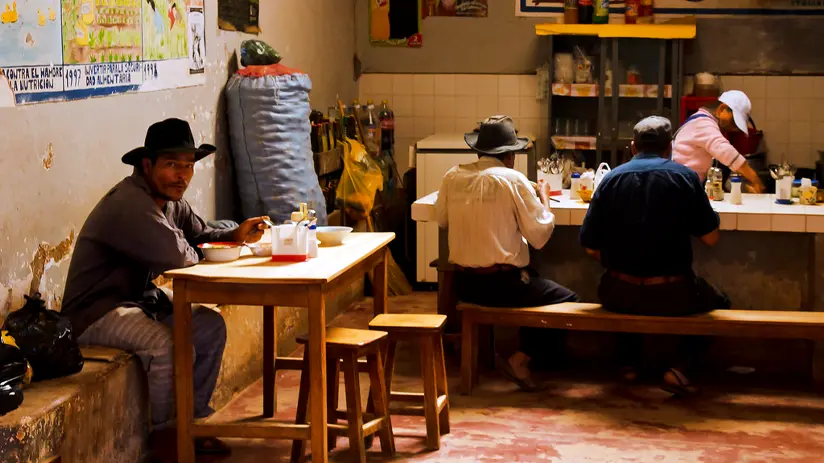
Let your culinary exploration begin where locals eat most: the streets. Bolivian food is warm, hearty, humble, and deeply connected to the land. You taste the altitude in every bite.
Iconic Snacks & Dishes
Salteñas: The morning ritual
Golden, glossy, warm in your hands, the salteña is Bolivia’s proudest snack. Picture biting into a slightly sweet dough that gives way to a savory broth of chicken or beef, potatoes, peas, olives, and that subtle touch of Andean spice.
They are eaten only in the morning, and the best shops sell out before noon. Every salteña vendor will swear theirs is the best, and honestly, most of them are right.
Chairo: A high-altitude cure-all
This ancient soup carries the comfort of a grandmother’s kitchen. Made with beef, chuño, carrots, corn, herbs, and earthy spices, it warms the body against the mountain chill.
Queso Humacha
A soft, simple, satisfying cheese dish accompanied by a creamy corn mixture and scented with huacataya.
Humintas
Close to tamales but with a sweeter, silkier texture. Fresh corn, a touch of anise, and sometimes a surprise of melted cheese inside.
Anticuchos
The scent of grilling anticuchos fills La Paz’s night streets, marinated beef heart skewers cooked over charcoal, served with potatoes and spicy peanut sauce.
Api con pastel
A warm, spiced, cross between hot chocolate and mulled wine made from purple or yellow corn and served with a flaky fried pastry.
Fish Taco
La Paz now has creative eateries influenced by Mexico and La Paz Baja. While not traditional, you might find an Andean version of the fish taco, crispy freshwater fish, slaw, local herbs, and chili mayo.
Markets of La Paz: Where food and culture come alive
To understand La Paz, you must walk its markets.
Mercado Rodríguez
A river of colors and smells. Women in bowler hats sell apples, chuño, potatoes in dozens of varieties, purple, red, golden, tiny, huge. Dining stalls serve soups, stews, and corn drinks.
Mercado Lanza
The go-to spot for juices, salteñas, empanadas, quick meals, and homemade desserts.
Top La Paz restaurants for foodies
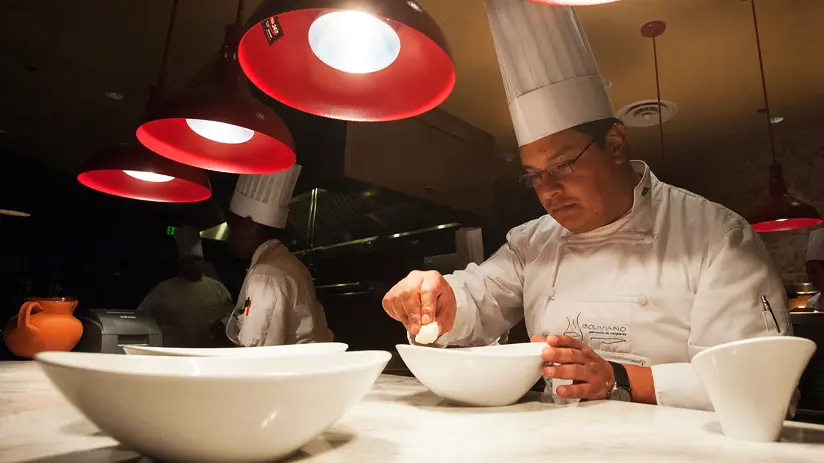
Below is a balanced list, not just upscale places, but the full spectrum of La Paz dining spots.
Gourmet & high-end restaurants
Gustu
Gustu is Bolivia’s most influential restaurant and a pioneer of modern Andean cuisine. Founded by Claus Meyer (co-creator of Noma), it has been repeatedly listed among Latin America’s 50 Best Restaurants, most recently at No. 38.
Led by award-winning chef Marsia Taha, named Latin America’s Best Female Chef 2024, Gustu showcases Bolivia’s biodiversity through refined tasting menus featuring only local ingredients from the Andes, Amazon, and Altiplano. Its research-driven approach and collaborations with local producers have made it the country’s top gastronomic reference.
Ancestral
Ancestral is one of the top restaurants in La Paz, Bolivia. It is famous for using local ingredients in new ways. The menu features seasonal foods from the Andes and the Amazon. You can find smoked tubers, native grains, foraged herbs, and high-altitude meats. These dishes are served with fine-dining care.
The atmosphere is warm and stylish. It uses earthy colors and a simple design. This reflects its idea of honoring Bolivia’s food roots while updating them for today. It’s a top pick for travelers looking for a refined, deeply local dining experience
La Rufina
La Rufina blends tradition with creative flair, offering dishes inspired by Bolivia’s diverse cultural regions. Expect bold flavors, beautifully plated mains, and an ambiance that feels both elegant and “altiplano chic”. Their chefs reinterpret classic recipes like slow-cooked meats, Andean soups, and hearty stews through modern presentations. It’s a favorite for locals and visitors who want a great meal. They enjoy the warmth of Bolivian home-style cooking.
Phayawi
Phayawi celebrates indigenous Aymara and Quechua culinary heritage with a contemporary twist, gaining recognition for it. Its menu features ancestral cooking methods, fermented ingredients, colorful plating, and a deep respect for the land. The restaurant often highlights sustainable producers, small Andean communities, and lesser-known native crops. Dining here feels like a cultural immersion; each dish tells a story about identity, territory, and tradition.
Imilla Alzada
Imilla Alzada is vibrant, youthful, and unapologetically rooted in Bolivian identity. The décor is playful, inspired by Chola culture, and the menu showcases hearty local dishes with modern touches. Expect comforting classics like pique macho, ají de lengua, or anticuchos, prepared with upgraded techniques and quality ingredients. It’s a fun and lively place. Here, tradition feels stylish and strong. It celebrates the urban and cultural energy of La Paz.
Propiedad Publica
Propiedad Pública is a creative gastronomic space focused on sustainability, seasonality, and community. The restaurant often experiments with bold flavor combinations, farm-to-table ingredients, and artistic presentations. With an atmosphere that feels modern and relaxed, it attracts diners who appreciate innovation and socially conscious dining. Their menus evolve frequently, depending on what’s available from local producers, making each visit unique.
Hay Pan
Hay Pan is a beloved artisan bakery and café known for its handcrafted breads, pastries, and warm atmosphere. Their sourdough bread, layered pastries, and Bolivian-style baked goods use natural fermentation and high-quality local ingredients. It’s a perfect stop for breakfast, coffee breaks, or a casual bite while exploring La Paz. Many visitors love its blend of rustic charm and contemporary café culture.
Popular Cocina Boliviana
Popular Cocina Boliviana is a vibrant, modern restaurant known for reimagining traditional dishes with seasonal local ingredients. The restaurant has earned recognition in Latin America’s 50 Best extended list, reflecting its rising prestige. Beyond awards, diners love its rotating set menu, creative presentations, and excellent value, making it one of La Paz’s most approachable yet high-quality culinary experiences.
Mid-range restaurants & local eateries
Luciernagas
Luciérnagas offers some of the most authentic, home-style Bolivian cooking in La Paz. Although it is not on the international rankings, locals and travelers highly praise it. They love dishes like chairo, seco de carne, and Andean stews. It is known for its warm, family-friendly atmosphere. It is a top choice for those who want everyday Bolivian flavors made with tradition and care.
El vagon del Sur
El Vagón del Sur is a popular spot for tasty Bolivian comfort food. They serve classic dishes like ají de lengua and silpancho. While it is not part of the award circuits, it gets great local reviews. People love the generous portions and well-made traditional recipes. The friendly and relaxed atmosphere is perfect for visitors who want real Bolivian food.
Neighborhood Comedores
Neighborhood comedores are the backbone of La Paz’s daily food culture. These casual restaurants are usually family-owned. They serve traditional dishes such as sopa de mani and caldo de res. The prices are reasonable. Though they don’t hold awards or international recognition, they are essential for experiencing genuine Bolivian home cooking and the rhythms of local life.
Eating in La Paz: Practical tips

Dining in La Paz is an unforgettable experience, but the city’s high altitude, unique mealtimes, and vibrant street-food culture can surprise first-time visitors. Understanding how locals eat and when is essential for enjoying everything from traditional Bolivian food to gourmet cuisine without discomfort. Here’s what every traveler should know before diving into the flavors of the world’s highest capital.
What to know about altitude, water & food safety
At 3,600 meters (nearly 12,000 feet) above sea level, La Paz’s altitude affects far more than breathing; it also impacts digestion, appetite, and energy levels.
Altitude tips for eating comfortably
- Start slow. On your first day, choose lighter foods such as soups, quinoa dishes, api drinks, or simple stews. Your body needs time to adjust.
- Avoid heavy meals and alcohol early on. Large portions, fried foods, and alcohol can make altitude symptoms worse.
- Hydration is key. Drink plenty of water or herbal teas like coca or muña to aid digestion and acclimatization.
Water safety in La Paz
- Drink bottled, boiled, or filtered water only.
- Avoid ice unless you’re in a reputable restaurant.
- Brush your teeth with bottled water if you are sensitive.
- Street Food Safety Tips
- Street food is an essential part of La Paz’s culture and a doorway to some of the most delicious traditional Bolivian food, but choose wisely.
- Pick stalls that are busy with locals; high turnover means fresh food.
- Choose items cooked on the spot: anticuchos, empanadas, fried pastries, and grilled corn.
- Avoid raw salads from informal vendors.
Following these safety tips ensures you enjoy La Paz’s culinary treasures from steaming chairo soup in a traditional market to modern creations in trendy neighborhoods without worry.
When to Eat: Best Times for Meals & Street Food Culture
Bolivians follow a meal rhythm that might feel different from what you’re used to. Eating at the right time helps you enjoy the freshest and most authentic dishes.
Breakfast (8:00-10:00 AM)
- Mornings are ideal for:
- Salteñas (but they sell out fast)
- Fresh juices at Mercado Lanza
- Warm api con pastel, especially on chilly Andean mornings
Lunch (12:00-2:00 PM)
Lunch is the main meal of the day. This is when restaurants offer affordable menú del día options, usually a soup, main dish, and dessert. It’s the perfect time to try hearty plates like silpancho, sajta de pollo, or a quinoa stew.
Afternoon Snacks (4:00-6:00 PM)
Bolivians often take a late-afternoon break to enjoy pastries, bread, or light snacks. Street stalls start to appear as the city cools.
Dinner (7:00-9:00 PM)
- Dinner is lighter than lunch. Many locals enjoy a sandwich, a bowl of caldo (broth), or café con pastel.
- This is also when foodies head to fine-dining spots like Gustu or Ali Pacha.
Night Street Food (After 8:00 PM)
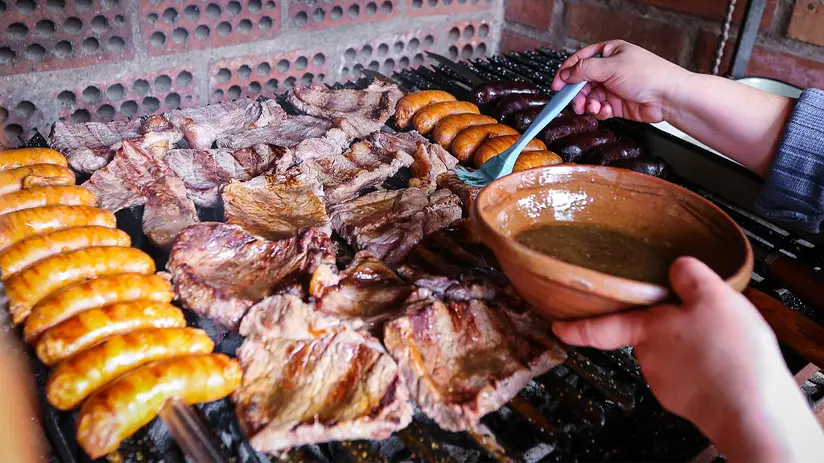
As the city lights flicker on, the streets fill with the aroma of anticuchos, fried snacks, and grilled meats. This“night market” atmosphere becomes part of the cultural charm, especially near plazas, cable-car stations, and markets.
Learning these mealtime rhythms helps visitors experience La Paz the way locals do, connecting daily eating habits with the city’s traditions, rhythms, and celebrations, including those seen during Bolivian festivals and traditions, when food becomes a major part of the festivities.
Vegetarian & Vegan Options in La Paz
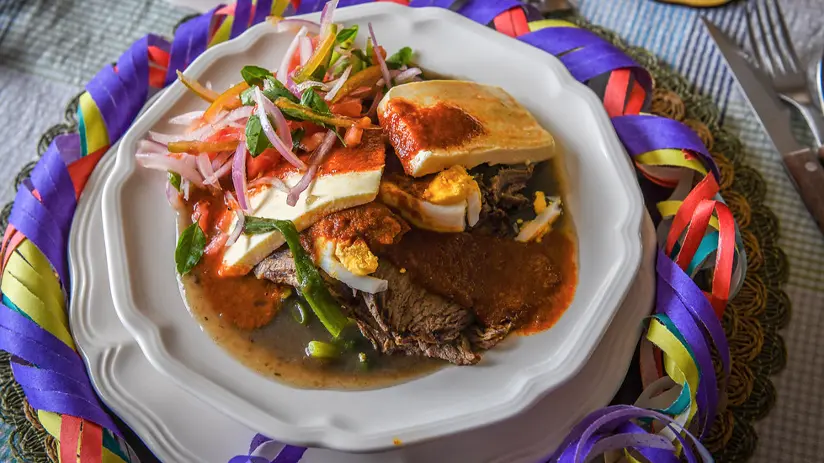
Despite its reputation for hearty meat-based dishes, La Paz food scene has emerged as a welcoming destination for vegetarian and vegan travelers. Thanks to abundant Andean crops, potatoes, quinoa, corn, beans, tarwi, vegetables, and aromatic herbs, local cuisine adapts beautifully to plant-based diets.
Top vegetarian-friendly restaurants
- Ali Pacha: A refined, plant-based restaurant that reinvents Bolivian dishes using modern techniques.
- Namas Té: A warm, cozy café serving vegan bowls, quinoa salads, fresh pastries, and fusion plates.
- Cafe del Mundo: International, vegetarian-friendly, and ideal for travelers craving lighter options.
Naturally Vegetarian Traditional Dishes
Even typical Bolivian recipes offer plant-forward variations:
- Humintas (steamed or baked corn cakes)
- Queso humacha (can be made with plant-based cheese)
- Sopa de maní (peanut soup)
- Locoto relleno (ask for meat-free versions)
- Api morado with pastel
Markets also sell a variety of fruits, juices, and grain-based snacks that fit vegetarian and vegan lifestyles.
Vegetarians traveling to La Paz often discover that local ingredients, especially quinoa, potatoes, herbs, and colorful corn, provide both variety and cultural authenticity.
How to blend dining with culture: Nearby attractions & local experience
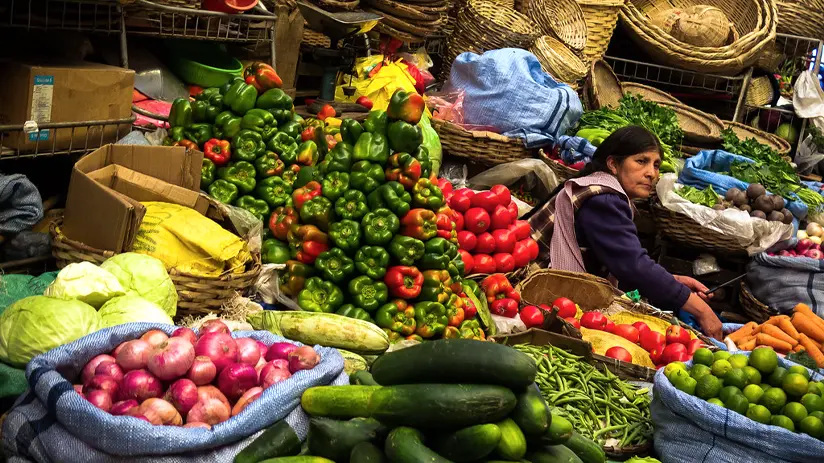
Food in La Paz isn’t just nourishment; it’s a cultural experience intertwined with history, spirituality, and everyday life. The best way to understand Bolivian cuisine is to explore the city’s food alongside its most symbolic cultural sites.
1. Combine Markets With Historic Walks
Begin at Mercado Rodríguez, sampling fruit juices, soups, and traditional snacks. Then wander into the colonial streets of the historic center, passing old churches, bookshops, and plazas.
2. Visit the Witches’ Market in La Paz
No trip to the city is complete without exploring the Witches’ Market, where food, medicine, culture, and spirituality meet.
Here you’ll find:
- Dried herbs used in Aymara cooking and healing
- Spices that flavor Bolivian traditional dishes in La Paz
- Ritual items are sold during major Bolivian festivals and traditions
Pair this visit with nearby eateries serving humintas, anticuchos, and fresh pastries.
3. Ride Mi Teleférico to Sopocachi
Sopocachi is the city’s modern culinary hub, home to trendy cafés, wine bars, vegetarian restaurants, and dessert shops. The cable car ride offers panoramic views of the city’s canyon-like geography.
4. Explore top tourist attractions in Bolivia with culinary stops
The top tourist attractions in Bolivia have unforgettable food experiences:
- Valle de la Luna: enjoy a picnic of local pastries
- Tiwanaku ancient ruins: try rural Andean dishes nearby
- Plaza Murillo: coffee and watch daily life unfold
- San Francisco Church area: street food stalls with anticuchos and pastries
5. Time your visit with a Festival
During major celebrations, Carnaval, Alasitas, and regional feasts, food becomes central. Markets overflow with traditional Bolivian dishes, sweets, grilled meats, and seasonal specialties.
Blending food with cultural stops makes La Paz a deeply immersive travel destination where every bite tells a story.
FAQ: Common Traveler Questions About Eating in La Paz

1. What traditional Bolivian dishes should I try in La Paz?
Don’t miss salteñas, chairo, anticuchos, pique macho, humintas, and api con pastel. These dishes reflect centuries of Andean culture and remain staples during Bolivia festivals and traditions. Food is part of the culture and identity of the Bolivian nation.
2. Are vegetarian or vegan dishes easy to find?
Increasingly so. La Paz has several vegetarian restaurants, and many traditional dishes can be adapted.
3. Where to taste Bolivian street food in La Paz like a local?
Markets. Visit Mercado Rodríguez, Mercado Lanza, and the Witches’ Market in La Paz. These places mix food, culture, and spirituality.
4. How to find good value lunch menus in La Paz restaurants?
Look for the word “almuerzo” on signs outside small local restaurants. Almuerzos are set lunch menus that typically include a soup, a main dish, and a drink, usually at very affordable prices. The best-value options are found in neighborhoods like Sopocachi, Miraflores, and the city center, as well as in markets such as Mercado Lanza and Mercado Rodríguez. If you see lots of locals eating there, it’s usually a great choice. Almuerzos are served from around 12:30 PM to 2:30 PM
5. Do La Paz restaurants require reservations or a walk-in fee?
For high-end restaurants, especially places like Gustu, Ali Pacha, and other popular gourmet spots, reservations are recommended, especially for dinner or weekends.
For mid-range, casual, and market eateries, walk-ins are completely fine and part of the local dining culture. Most Bolivian restaurants don’t require reservations unless they’re upscale or hosting special events.
LIFE IS SHORT, AND THE WORLD IS WIDE
Exploring the Gastronomy La Paz, Bolivia, is an unforgettable journey through flavors, traditions, and high-altitude creativity. From markets overflowing with Bolivian traditional dishes in La Paz to elegant tasting menus at La Paz restaurant, the city offers something for every traveler. Those searching for the Best Restaurants in La Paz or wondering where to eat Bolivian food La Paz will quickly discover that great cuisine is found everywhere, from street stalls, family kitchens, modern cafes, and gourmet hotspots.
For an authentic and affordable experience, the Popular Cocina Boliviana lunch menu showcases local ingredients and classic recipes, while the vibrant atmosphere of La Paz street food brings the city’s energy to life through salteñas and api with pastel. In the end, La Paz is more than a destination; it’s a taste of Bolivia’s culture, history, and warmth, served one delicious plate at a time.
Bolivia offers so many experiences that choosing where to begin can feel overwhelming. We can guide you and help shape your journey, so you enjoy a memorable adventure your own way. Contact us today to plan your dream adventure!