The best things to do in the Galapagos Islands include snorkeling with sea lions, exploring volcanic landscapes, visiting the Charles Darwin Research Station, and observing unique wildlife. During a visit to this diverse archipelago, there are many other activities to enjoy, such as wildlife viewing and adventure activities. The best experiences depend on personal interests and the island visited. This guide covers the top activities, islands, and travel tips to help you plan your trip.
Discovering a fantastic journey in the Galápagos Islands
- Why Visit the Galápagos Islands
- Best Things to Do in the Galápagos Islands
- Top Islands to Explore in Galápagos
- How to Plan a Galápagos Islands Itinerary
- Best Time to Visit the Galápagos Islands
- Travel Tips for Visiting Galápagos
- FAQs About Things to Do in the Galápagos Islands
Why Visit the Galápagos Islands
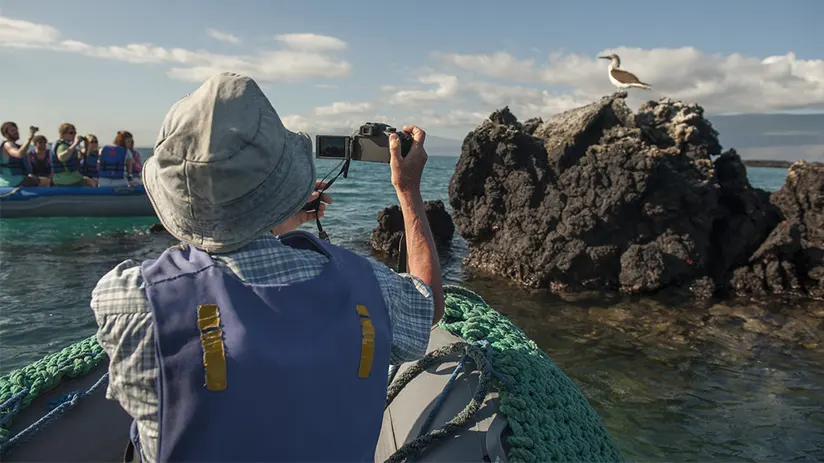
Many travelers visit the Galapagos Islands year-round for their biodiversity and stunning natural environment. The diverse outdoor activities and unforgettable natural experiences are among the area’s most outstanding features. However, what truly stands out is the wide range of experiences available on its 13 main islands. Each island has unique characteristics and a variety of wildlife, further enriching the trip.
Best Things to Do in the Galápagos Islands
Embark on a Galápagos Cruise
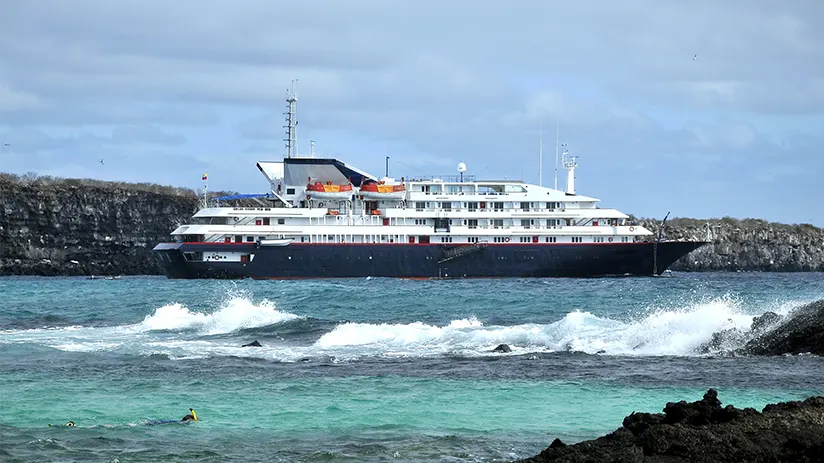
The Galápagos Islands are known for their extraordinary biodiversity, making them a destination known for its unique wildlife and ecosystems. One of the most captivating ways to explore this paradise is on a cruise. Galápagos cruises offer a variety of options, from small yachts to luxurious expedition ships. Travelers can choose the level of comfort, style, and budget that best suits their needs.
Passengers can explore multiple islands and participate in activities that connect them with the region’s flora and fauna. This allows travelers to snorkel alongside reef fish, sea turtles, and even reef sharks. The well-planned itineraries help maximize the Galápagos experience and offer a wealth of exciting experiences.
Enjoy a Luxury Galápagos Hotel

Numerous Galápagos hotels offer comfortable stays surrounded by the nature of the Galápagos Islands. Most hotels are located in tranquil areas, surrounded by beautiful landscapes, and offer a blend of comfort, style, and panoramic views. The accommodations provide a relaxing environment with amenities such as modern comforts, comfortable furnishings, and surrounding nature.
Visit the Charles Darwin Research Station

Spending time at the Charles Darwin Research Station offers insight into conservation and natural history. This research center continues conservation efforts inspired by Charles Darwin. Located on Santa Cruz Island, this research center aims to protect endemic flora and fauna. In addition to witnessing their work, visitors can observe the local biodiversity, including giant tortoises and unique birds.
Observe Giant Tortoises in Their Natural Habitat
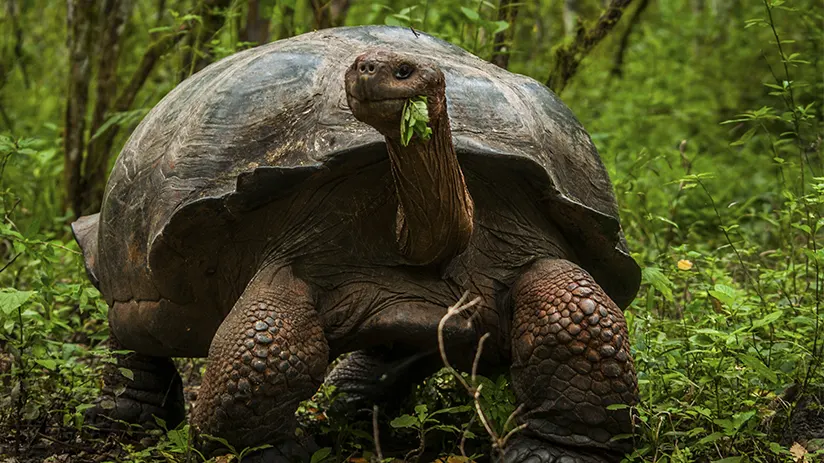
Giant tortoises are one of the most iconic species in the Galápagos Islands. Visitors can observe them in their natural habitat in the highlands of Santa Cruz or Isabela Island, where they roam freely. Watching these ancient creatures move slowly through lush vegetation provides insight into the islands’ evolutionary history.
Hike to Baquerizo Beach
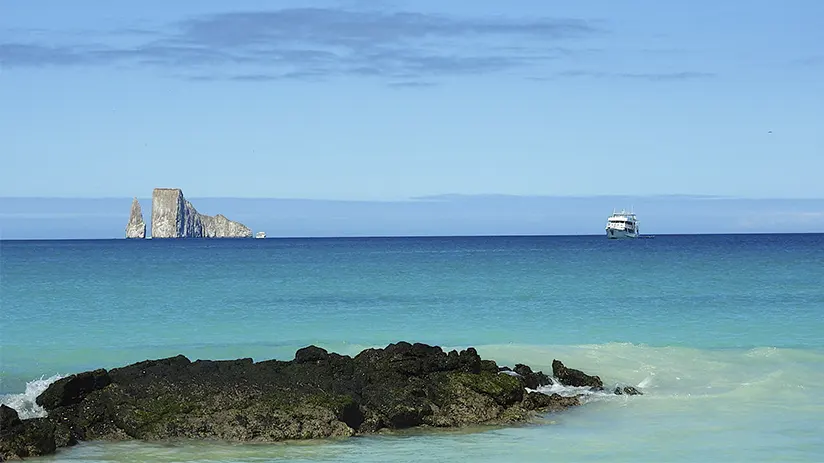
Baquerizo Beach is located on San Cristobal Island and stands out as one of Ecuador’s most pristine beaches, known for its natural beauty. This tranquil cove is a haven of peace for those seeking tranquility by the sea and an exceptional setting. The hike follows winding trails, rugged terrain, and wildflowers lining the path, creating scenic views along the way. This hidden gem invites visitors to enjoy soft sand, crystal-clear waters, and a peaceful environment.
Birdwatching in the Galápagos

Birdwatching in the Galapagos offers visitors the opportunity to connect with the history of evolution and survival. The Galápagos Islands are a paradise for wildlife tour enthusiasts in South America. Many bird species, both resident and migratory, are found only here. Some of the most popular birds are the blue-footed boobies, iconic for their graceful dances and bright blue feet.
Shark Diving

Diving in the Galápagos Islands is a popular activity for marine wildlife enthusiasts, such as hammerhead sharks. The best way to experience this activity is through tour operators who provide the necessary facilities for safe diving. Interactions with marine animals like whale sharks follow strict safety and respect protocols for a peaceful experience.
Kayaking in Fernandina Island
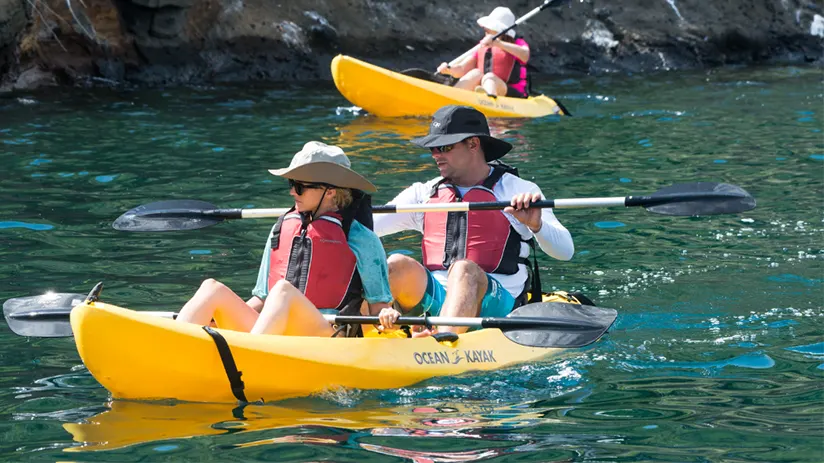
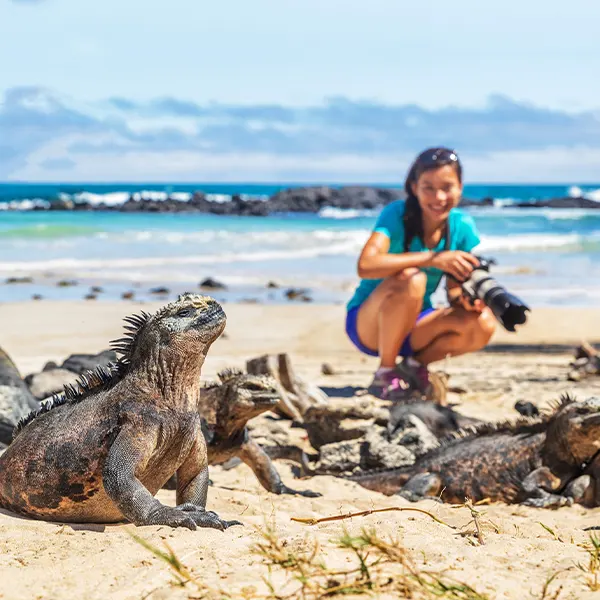
Kayaking brings visitors closer to the Galápagos ecosystem and marine animals. As travelers paddle, marine iguanas stand out on the rocks. Other animals include sea lions, colorful fish, blue boobies, and frigate birds. This activity also allows travelers to reach secluded coves and hidden beaches inaccessible to large boats.
Snorkeling with Sea Lions and Rays

Snorkeling with sea lions and rays in their natural habitat is an unforgettable experience. Sea lions are known for their playful and curious behavior, often approaching divers with curiosity and even showing off their acrobatic skills. The rays are equally captivating with their grace, elegant movements, and unique appearance. It’s one of the most memorable wildlife encounters in the islands.
Excursion to Sierra Negra Volcano

The hike to Sierra Negra Volcano on Isabela Island is an exciting adventure that promises a rugged experience. Proper equipment, supplies, sturdy boots, water, and sun protection are essential for the trip. The beautiful vegetation and volcanic terrain allow you to contemplate geological formations, and the trail is well-marked. Although you can explore it on your own, it is recommended to book a guided tour for a more immersive experience.
Hiking on Cerro Tijereteras
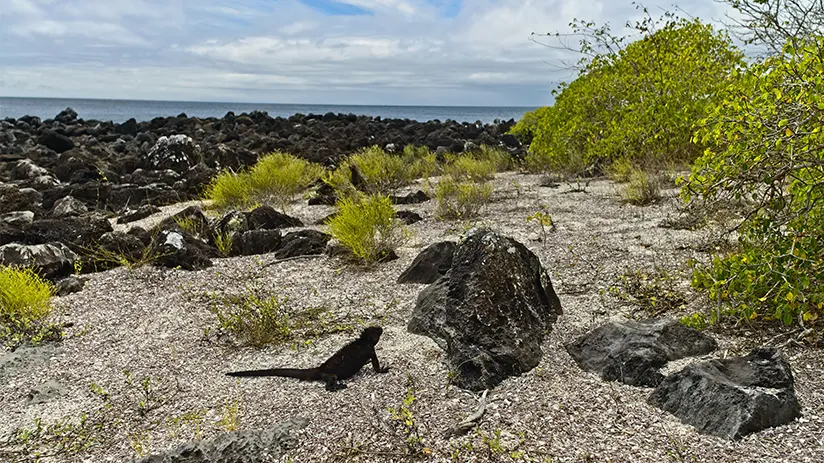
Hiking on Cerro Tijereteras offers an exciting exploration amidst nature. This hike on San Cristóbal Island allows travelers to explore a variety of ecosystems and landscapes of the archipelago, including volcanic terrain. It is advisable to bring essential equipment for exploration and the chance to encounter unique animals.
Surfing on San Cristóbal Island

The consistent waves and stunning coastline of San Cristóbal Island provide ideal conditions for surfing. Athletes of all levels enjoy this majestic sport in places like La Lobería, Tongo Reef, or Punta Carola. Before heading out, it’s ideal to check the surf conditions and weather forecast to ensure a safe and fun experience. In addition to getting an adrenaline rush, visitors will continue to see a variety of Galápagos local wildlife.
Biking to the Wall of Tears on Isabela Island
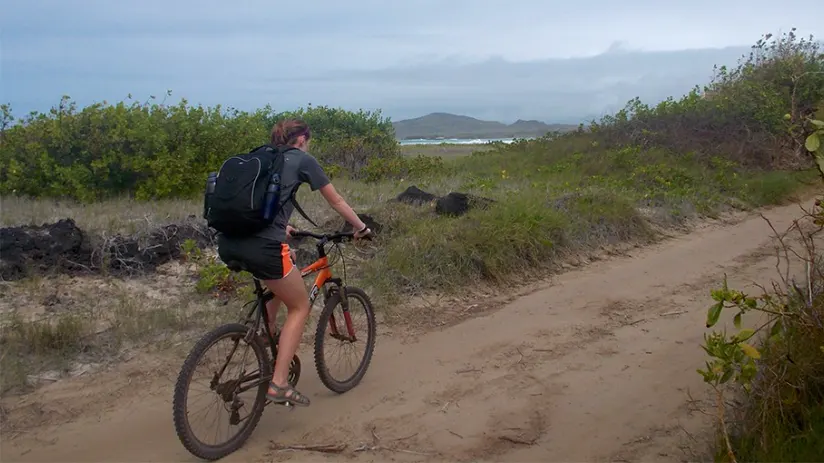
Biking tours are Galápagos activities that combine outdoor exploration and nature. The ride to the Wall of Tears lets you appreciate the island’s natural beauty and tranquility while observing wildlife such as giant tortoises and marine iguanas. The final destination is the imposing wall of volcanic rock formed during the 20th century. If you don’t have your own bike, visitors can easily rent one at a local shop for a reasonable price.
Explore the Lava Tunnels on Santa Cruz
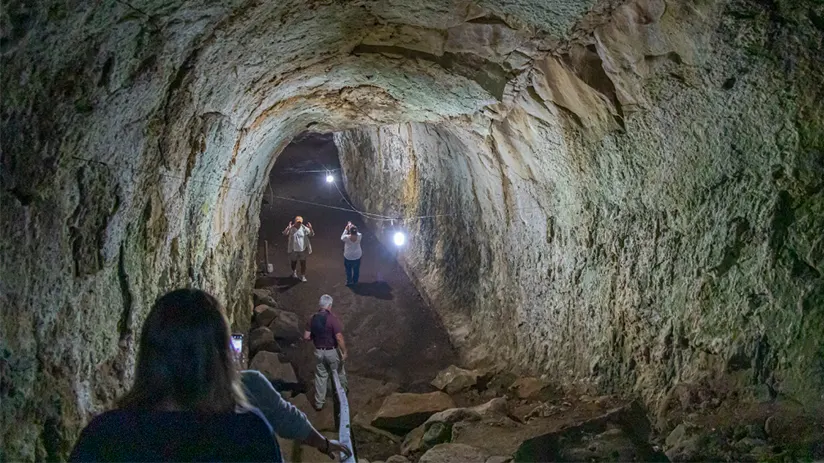
This exciting adventure allows tourists to delve into some of the most famous geological wonders of the Galápagos. These tunnels were formed by lava flows from volcanic eruptions and offer a glimpse into the island’s past. Popular route options include Los Gemelos and El Chato on Santa Cruz Island, which extend for several hundred meters. Unlike Volcano Avenue in Ecuador, it offers a different perspective on the local geology.
Top Islands to Explore in Galápagos

Choosing activities for a Galápagos travel can be confusing. However, deciding which islands to explore will greatly simplify your travel decisions. Certain areas offer a wide range of tourist experiences. Below are the main islands and their respective highlights to help you make your final decision:
| Island | Size (Approx.) | Highlights | Top Activities (3 per island) | Ideal For |
| Isabela Island | 4,640 km² (largest) | Volcanoes, wild landscapes, and diverse wildlife | Hiking Sierra Negra Volcano, snorkeling at Concha de Perla, visiting flamingo lagoons | Adventure travelers, nature lovers |
| Santa Cruz Island | 986 km² | Charles Darwin Research Station, giant tortoises | Visiting Tortuga Bay, exploring lava tunnels, and seeing giant tortoises in the highlands | First-time visitors, families |
| San Cristóbal Island | 558 km² | Sea lions, clear waters, and the capital, Puerto Baquerizo Moreno | Snorkeling at Kicker Rock, visiting La Lobería, hiking to El Junco lagoon | Wildlife lovers, relaxed travelers |
| Floreana Island | 173 km² | Historic sites, quiet atmosphere | Visiting Post Office Bay, snorkeling at Devil’s Crown, exploring Punta Cormorant | History lovers, off-the-beaten-path travelers |
| Española Island | 60 km² | Unique species, seabird colonies | View waved albatross (seasonal), visiting Punta Suarez, relaxing at Gardner Bay | Birdwatchers, photographers |
| Genovesa Island | 14 km² | “Bird Island”, remote and pristine | Birdwatching (frigatebirds, boobies), hiking Prince Philip’s Steps, kayaking | Bird lovers, expedition travelers |
| Bartolomé Island | 1.2 km² | Iconic Pinnacle Rock view | Hiking to the viewpoint, snorkeling with penguins, and beach walks | Photographers, short visits |
| Santiago Island | 585 km² | Volcanic formations, tide pools | Hiking at Sullivan Bay, snorkeling, and wildlife spotting | Nature explorers, geology enthusiasts |
| North Seymour Island | 1.9 km² | Dense wildlife in a small area | Walking trails, observing frigatebirds, and snorkeling nearby | Wildlife photographers, day trips |
| Fernandina Island | 642 km² | Most pristine ecosystem, active volcano | Spot marine iguanas, explore lava fields, and go wildlife viewing | Experienced travelers, untouched nature seekers |
How to Plan a Galápagos Islands Itinerary
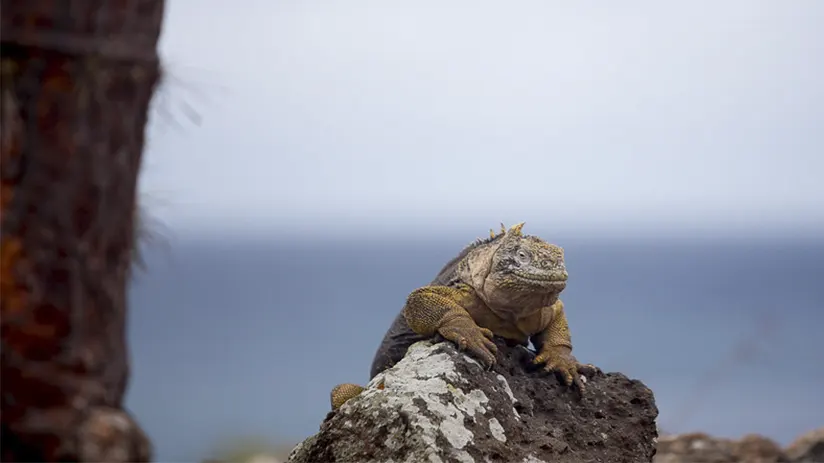
The first step in planning your Galápagos Islands itinerary is to assess what to visit based on your time and interests. Unfortunately, it’s not possible to visit all 13 main islands in a single trip, so careful planning is essential. Many tourists choose to dedicate 5 to 7 days to exploring at least the main islands and enjoying activities at a relaxed pace. Below are some of the most popular Galápagos tours and excursions:
| Itinerary Type | Islands Visited | Trip Duration | Top Activities | Transport | Main Animals to See |
| Classic Cruise | Santa Cruz, Española, Floreana | 5 days | Snorkeling, wildlife walks, beach visits | Cruise ship | Sea lions, blue-footed boobies, marine iguanas |
| Western Islands Cruise | Isabela, Fernandina, Santiago | 7 days | Volcano hikes, snorkeling, kayaking | Cruise ship | Flightless cormorants, penguins, and marine iguanas |
| Full Loop Cruise | Santa Cruz, Isabela, Genovesa, Bartolomé | 8 days | Hiking viewpoints, birdwatching, and snorkeling | Cruise ship | Frigatebirds, sea turtles, reef sharks |
| Land-Based Budget Itinerary | Santa Cruz, San Cristóbal, Isabela | 5–7 days | Day tours, beach time, and snorkeling | Speedboats + local tours | Sea lions, giant tortoises, rays |
| Luxury Cruise Experience | Multiple islands (varies) | 7–10 days | Guided excursions, kayaking, and diving | Luxury cruise ship | Wide variety: sharks, turtles, exotic birds |
| Adventure Diving Itinerary | Darwin, Wolf (remote) | 7–10 days | Scuba diving, deep-sea exploration | Liveaboard dive boat | Hammerhead sharks, whale sharks, manta rays |
| Family-Friendly Itinerary | Santa Cruz, San Cristóbal | 4–6 days | Easy hikes, beaches, wildlife centers | Flights + short boat rides | Sea lions, tortoises, birds |
| Birdwatching Itinerary | Genovesa, Española, North Seymour | 6–8 days | Birdwatching, hiking, photography | Cruise ship | Frigatebirds, boobies, albatrosses |
| Short Escape | Santa Cruz (mainly) | 3–4 days | Beach visits, short tours, and snorkeling | Flights + local transport | Sea lions, turtles, iguanas |
| Extended Explorer | Multiple islands (wide range) | 10–14 days | Mixed activities: hiking, snorkeling, kayaking | Cruise or combined transport | Full range of Galápagos wildlife |
Best Time to Visit the Galápagos Islands

Just like the best time to visit Ecuador, the best months to visit the Galápagos Islands depend on the activities and weather preferences. The archipelago itself offers a remarkable diversity of climates with ideal conditions for different experiences throughout the year. To better understand, this natural wonder has two main seasons with specific characteristics. Below are the main seasons and their respective features:
Warm/Humid Season – December to May

The weather during these months is sunny, hot, and with short rain showers. The weather conditions allow for warmer, calmer seas, ideal for snorkeling and observing marine life. Other highlights include the nesting of sea turtles and constant bird activity. Many visitors choose December and January, making these the peak tourist season.
Dry/Cool Season – June to November
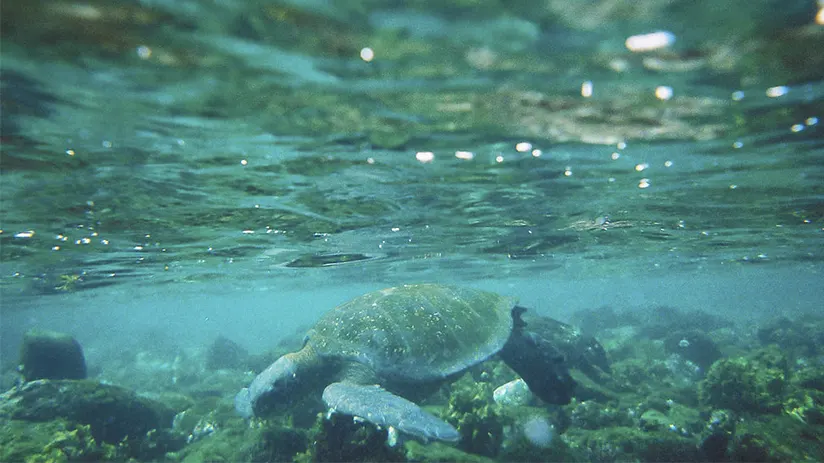
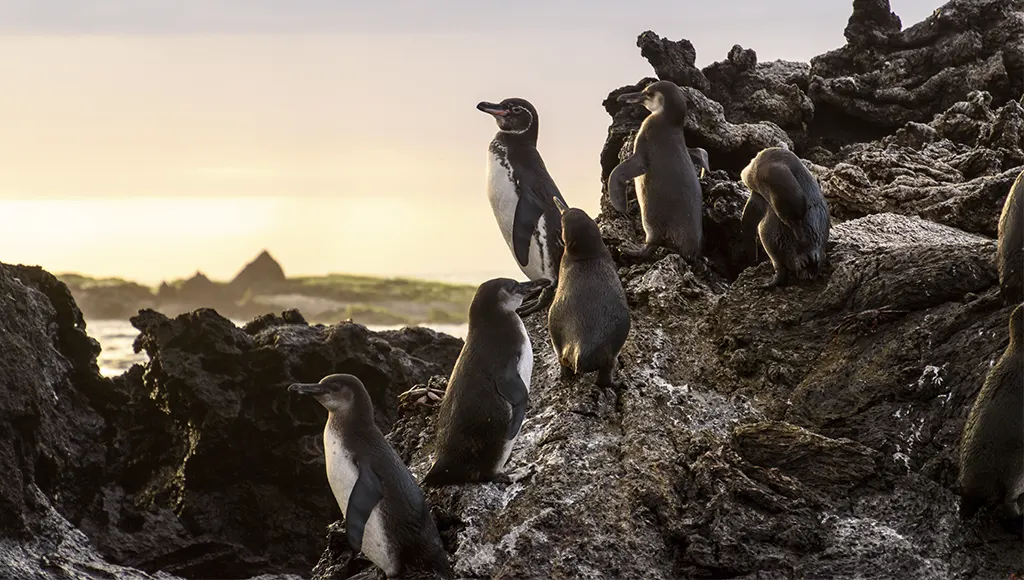
Winds, constant drizzle, and a feeling of coolness are the main characteristics of these months. These conditions create a cooler, choppy sea, rich in nutrients, ideal for sea lions, Galápagos penguins, and whales. Diving and observing species are among the most popular activities during this time. Unlike July and August, the other months are less crowded, allowing for peaceful exploration.
Travel Tips for Visiting Galápagos

- Visitors who want to guarantee a memorable Galápagos travel experience should hire a certified tour operator. These specialists not only provide all the necessary logistics and tourist services but also offer constant assistance. Likewise, it’s ideal to evaluate all available options before making a decision.
- Book in advance during peak season (June-September, December-January) to avoid any issues. Although last-minute bookings can offer considerable savings, many services may not be available during this time. Similarly, to avoid crowds, you could opt to visit during the low season (April-November).
- Among the top tips in many Galápagos Islands travel guides is a list of essential items. Many visitors create a checklist to help identify the items they already have and purchase those they need. Sunscreen, electronic devices, clothing, footwear, and personal documents are among the most common considerations.
- To ensure a safe Galápagos wildlife tour, it’s advisable to consult a doctor. The professional will be able to provide a summary of the specific situation and offer tips to further enhance the trip. If needed, they will also provide medication and assistance for common ailments such as seasickness.
- Due to the islands’ remoteness, ATMs are limited, especially on the smaller islands. Therefore, it’s best to carry cash, in US dollars, for occasional purchases during the trip. Fortunately, the official currency of the Galápagos is the US dollar, so visitors won’t need to learn about any other currency.
- For those with extra time, it would be excellent to consider other Ecuadorian destinations to complement the trip. In addition to the iconic Galápagos Islands attractions, the country boasts a wide range of tourist offerings. Some of the main sites include the Mindo Cloud Forest, Cotopaxi National Park, the Ruta del Sol (Route of the Sun), and Quito, among others.
- Before traveling to the Galápagos Islands, all visitors must pay a Transit Control Card (TCT) fee of $20 at the airport in mainland Ecuador. Upon arrival, travelers must also pay the Galápagos National Park entrance fee, which is typically $100 for international visitors. These fees help protect the fragile ecosystem and support conservation efforts.
- Transportation between islands is limited and should be planned. Travelers can choose between speedboats (budget-friendly but less comfortable) or small flights for faster connections. Keep in mind that schedules may change due to weather conditions, so flexibility is essential when planning your itinerary.
FAQs About Things to Do in the Galápagos Islands
What are the best things to do in the Galápagos Islands?
The best things to do in the Galápagos include snorkeling with sea lions, hiking volcanic landscapes, and watching unique wildlife. Popular activities are visiting Tortuga Bay, exploring lava tunnels, taking boat tours to nearby islands, and birdwatching. Many travelers also enjoy kayaking and scuba diving.
How many days do you need in the Galápagos Islands?
Most travelers spend 5 to 7 days in the Galápagos Islands. This gives enough time to visit a few islands and enjoy different activities. If visitors have more time (8–10 days), they can explore more remote islands and have a more complete experience.
What wildlife can you see in the Galápagos?
The Galápagos Islands are famous for their unique animals. Travelers can see giant tortoises, sea lions, marine iguanas, blue-footed boobies, frigatebirds, penguins, and sea turtles. Many animals are not afraid of humans, allowing visitors to observe them at close range.
Do you need a tour of the Galápagos Islands?
Travelers do not always need a tour to visit the Galápagos Islands, but it is highly recommended. Many protected areas require a certified guide, and tours help visitors access the best wildlife spots safely. Tourists can choose between cruise tours or land-based trips with daily excursions, both of which make planning easier and more efficient.
What is the best island to visit in Galápagos?
There is no single best island to visit in the Galápagos, as it depends on the traveler’s preferences. Santa Cruz Island is ideal for first-time visitors, Isabela Island offers more adventure and nature, and San Cristóbal Island is great for wildlife and a relaxed atmosphere. Many travelers choose to visit more than one island to get a complete experience.
When is the best time to visit the Galápagos Islands?
The Galápagos Islands can be visited at any time of the year, as each season offers something unique. From December to May, the weather is warmer, and the seas are calmer, making it ideal for snorkeling. From June to November, the weather is cooler and marine life is more active, which is better for diving.
“WE DO NOT TRAVEL TO ESCAPE FROM LIFE, BUT SO THE LIFE DOES NOT ESCAPE FROM US”
Exploring the top things to do in the Galápagos Islands offers a unique travel experience filled with incredible wildlife, volcanic landscapes, and unforgettable activities both on land and in the ocean. From snorkeling with sea lions to hiking across lava fields and visiting remote islands, every moment brings something special. With careful planning and the right itinerary, visitors can fully enjoy the natural beauty and biodiversity that make this destination one of the most beautiful places to visit in Ecuador.
The Galápagos Islands have so much to offer; it can be hard to know where to start. With many years of experience in the tourism sector, Machu Travel Peru is happy to help with anything regarding your trip to the Galápagos Islands and any tours around it. Let us help you make your Galápagos Islands experience unforgettable! Contact us today to plan your dream adventure!