Huaraz is home to Quechua-speaking communities with rich traditions, music, festivals, and cultural heritage. Often called the ‘Switzerland of the Andes,’ Huaraz is the main gateway to the Cordillera Blanca and a base for exploring the nearby Cordillera Huayhuash. This Huaraz travel guide covers everything you need to plan your trip, from the best hikes and multi-day treks to cultural attractions, transportation, accommodation, and practical travel tips.
Meet Huaraz with this useful information:
- Where is Huaraz, Peru?
- Why visit Huaraz?
- How to Get to Huaraz?
- Best Time to Visit Huaraz
- Huaraz Altitude and Acclimatization
- Huascarán National Park and the Cordillera Blanca
- Best Hikes and Day Trips From Huaraz
- Best Multi-Day Treks Near Huaraz
- Beyond the Trails: Culture Near Huaraz
- Guided Tours or Independent Trekking?
- Where to Stay in Huaraz
- How Many Days Do You Need in Huaraz?
- How to Plan a Huaraz Itinerary
- Practical Tips for Visiting Huaraz
- Frequently Asked Questions About Huaraz
- Conclusion
Where is Huaraz, Peru?

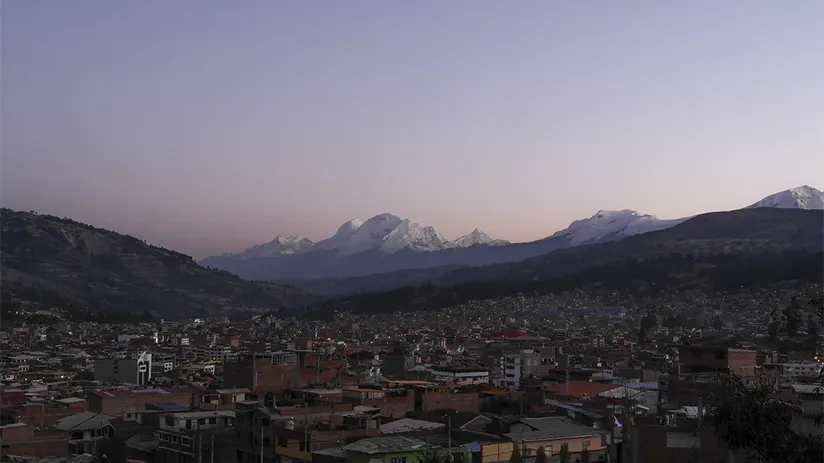
Huaraz is a major base for exploring the snow-capped mountains and high-altitude landscapes of the Peruvian Andes, located in the northern part of Peru, about 400 km from Lima, with an altitude of 3,052 m. It is surrounded by the towering snow-capped peaks of the Cordillera Blanca and the Cordillera Negra mountain ranges, making it an ideal base for outdoor adventures in the Peruvian Andes.
Why Visit Huaraz?

Huaraz is one of Peru’s best-known destinations for high-altitude trekking and mountaineering. While the city is best known for its mountains, the destination offers much more than trekking and climbing. The city is vibrant and offers a chance to learn about its ancient traditions and culture. Its traditional cuisine also helps you connect with local communities.
How to Get to Huaraz?

From Lima
By bus: The journey from Lima to Huaraz takes approximately 8 hours and covers around 400 km. Several bus companies offer comfortable overnight services.
By plane: You can fly from Lima to Comandante FAP Germán Arias Graziani Airport in Anta, followed by a short overland transfer to Huaraz.
From Abroad: Take a flight to Lima’s Jorge Chávez International Airport, and take a bus or flight to Huaraz.
Getting Around Huaraz and the Surrounding Region
Getting around the Áncash region uses cheap local taxis and city-to-city minibuses for nearby towns. It also relies on group tours for famous alpine lakes and private hires for remote trailheads.
Taxis & Colectivos
Taxis: Easy to find and convenient for getting around the city. Agree on the fare before starting the journey; they are fast for getting across town or to nearby trailheads.
Local Buses or Colectivos: Small buses or vans that run fixed local routes. They also go to nearby hamlets like Marian or Macashca for a few soles.
Intercity Transportation
Intercity Buses: Intercity vans and buses connect Huaraz with towns such as Carhuaz, Yungay, and Caraz.
Day Trips & Tour Operators
Day Trip Bus: Booked easily through local agencies in Huaraz. They offer round-trip van rides to top sights like Laguna 69, Laguna Parón, and Pastoruri Glacier.
Tour Operators: Tour operator agencies organize trips to many major sites in the region. They can also help you reach remote destinations.
Best Time To Visit Huaraz

The best time to visit Huaraz is during the dry season, from April to September. The dry season generally brings less rainfall and clearer mountain views. During the rainy season, from October to March, cloud cover and precipitation are more common, particularly at higher elevations.
Huaraz: Altitude and Acclimatization
Why Acclimatization Matters?
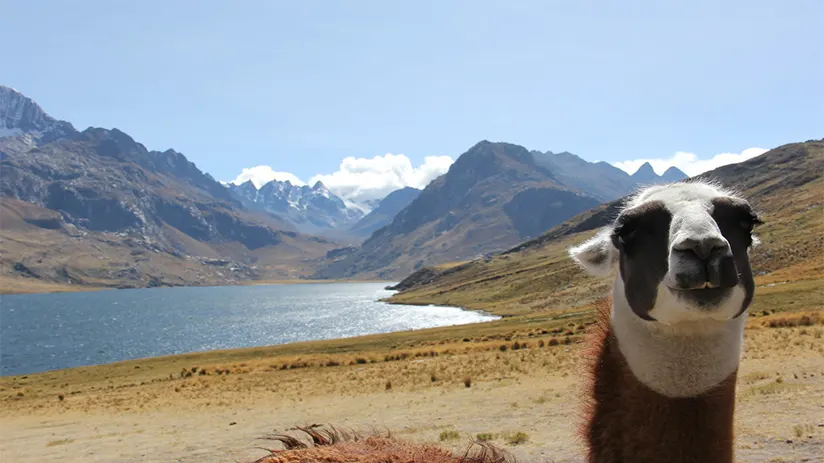
Huaraz sits at 3,052 m (10,013 ft) above sea level, making altitude an important consideration for visitors. Many surrounding peaks exceed 5,000 m (16,400 ft), so travelers should spend several days in the area before undertaking a demanding trek. Gradual exposure to high elevations gives the body time to adapt and may help reduce the risk of altitude-related illness.
Choosing Your First Hikes
Spending sufficient time in Huaraz before attempting strenuous high-altitude hikes gives your body more time to acclimatize and the chance to enjoy the surrounding mountains along the way. It gives you the chance to enjoy the surrounding mountains and go for a good hike. If you have several days in Huaraz, you can use the city as a base for longer treks in the Cordillera Blanca or the nearby Cordillera Huayhuash.
Huascarán National Park and the Cordillera Blanca
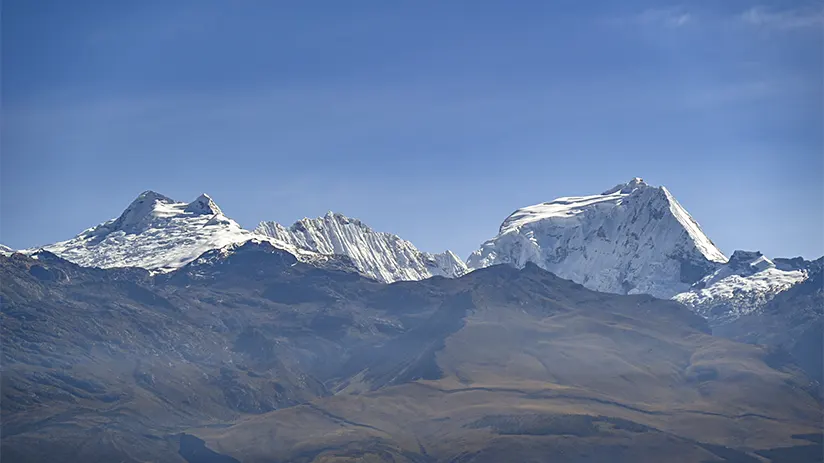
Huascarán National Park is a top destination for mountaineers because of its diversity of flora, fauna, and hiking trails, with Huascarán being the highest peak in the mountain ranges of Peru. Huascarán National Park is a protected natural area in Peru and a UNESCO World Heritage Site. Established in 1975, Huascarán National Park protects approximately 340,000 hectares of the Cordillera Blanca and its surrounding ecosystems.
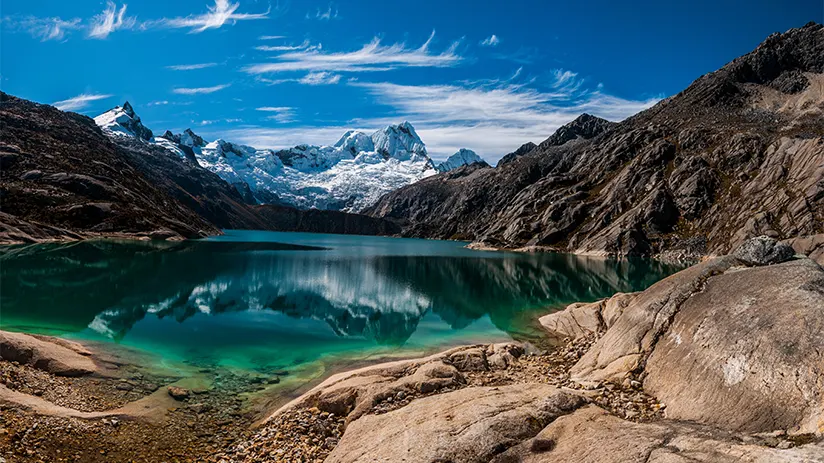
On the other hand, the Cordillera Blanca is one of the most significant ranges in the Andes. It has more than 700 glaciers. They are surrounded by dramatic mountain landscapes, valleys, and turquoise-water lagoons. Examples include Laguna Churup, the Alpamayo range, and Chacraraju.
The Callejón de Huaylas
The Callejón de Huaylas is a broad valley between the Cordillera Blanca and Cordillera Negra, known for its mountain views, traditional Andean towns, and access to several hiking destinations.
Located between the Cordillera Blanca and the Cordillera Negra, it is one of the most stunning places to visit during the dry season, which offers clear vistas across its landscapes and valleys, and is perfect for visitors who are looking for an option to visit along with the other places it offers.
Cordillera Blanca Landscapes and Glacial Lakes
- Cordillera Blanca: One of the most prominent mountain ranges in the Peruvian Andes, home to some of Peru’s highest peaks. Known for its wonderful mountain peaks, such as Huascarán, the highest mountain in Peru.
- Laguna 69: Laguna 69 is one of the Cordillera Blanca’s best-known hiking destinations and one of the region’s most popular day hikes. The vivid blue water and the snow peaks rising behind it are striking. However, the high elevation means you should consider fitness and acclimatization.
- Llanganuco Lakes: These iconic lakes lie in the Llanganuco Valley within Huascarán National Park, surrounded by towering peaks and dramatic mountain landscapes. On a sunny day, their waters are a dazzling shade of turquoise. Driving through the park, visitors reach Chinancocha and Orconcocha Lakes. Along the lakes’ shores, you’ll come across trees with unusually flaky red trunks known as queñua trees that grow in high Andean regions.
- Pastoruri Glacier: Known as the Climate Change Route, Pastoruri offers an accessible way to experience high-altitude landscapes while learning about the effects of climate change on Andean glaciers.
- Chacraraju: Chacraraju is one of the most technically challenging peaks in the Cordillera Blanca and is primarily climbed by experienced mountaineers.
- Cordillera Negra: Located west of the Cordillera Blanca, the Cordillera Negra is a smaller mountain range known for its dark volcanic rock, which gives it its name. Unlike the Cordillera Blanca, this mountain range does not have much in the way of glaciers; the terrain is significantly less rugged, and the elevations are a fair deal lower. It is still a popular destination for outdoor activities, though, especially rock climbing and mountain biking. The views of the Cordillera Blanca from across the Callejón de Huaylas are spectacular.
Best Hikes and Day Trips From Huaraz
| Destination | Altitude | Duration | Difficulty | Best For |
| Laguna 69 | 4,600 m | 5 hours | Moderate–challenging | High-altitude hiking and turquoise lakes |
| Laguna Parón | 4,200 m | Half day | Easy–moderate | Scenic views and relaxing walks |
| Pastoruri Glacier | 5,000 m | 1 hour hiking | Easy–moderate | Glacier views and climate awareness |
| Llanganuco Lakes | 3,850 m | Half day | Easy | Nature, photography, and scenic landscapes |
| Wilcacocha Lagoon | 3,700 m | Short hike | Easy–moderate | Panoramic views and a less crowded trail |
Best Multi-Day Treks Near Huaraz
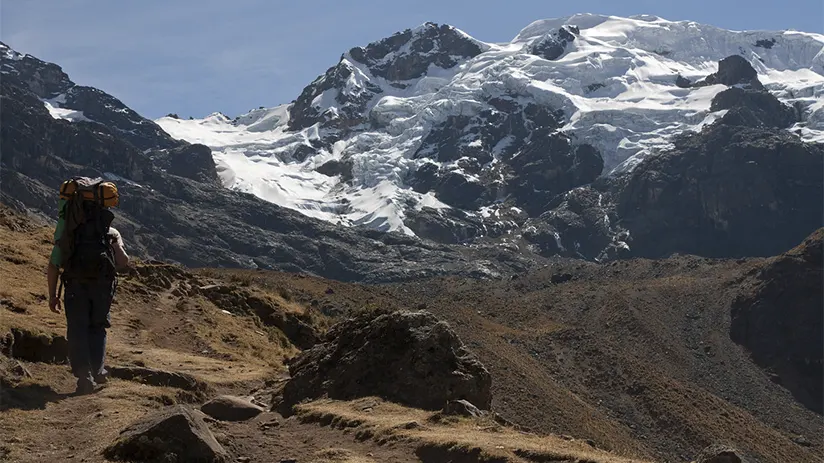
Huaraz is an excellent base for several multi-day treks in the Cordillera Blanca and Cordillera Huayhuash. It offers many options to explore. You can choose day hikes or multi-day trips. These routes allow you to explore the region at a pace that suits your schedule and hiking experience.
| Trek | Duration | Altitude & Terrain | Difficulty | Why Choose It? |
| Santa Cruz Trek | 4 days / 3 nights | High-altitude valleys and mountain passes | Moderate–challenging | One of the most popular Cordillera Blanca treks, known for turquoise lakes and spectacular mountain scenery |
| Huayhuash Trek | 8–14 days | High mountain passes and remote valleys | Challenging | Ideal for experienced hikers looking for a longer high-altitude trek near Huaraz |
| Olleros–Chavín Trek | 3 days | Andean valleys and mountain passes | Moderate–challenging | Combines multi-day trekking in the Andes with a visit to the ancient archaeological site of Chavín de Huántar |
Beyond The Trails: Culture Near Huaraz
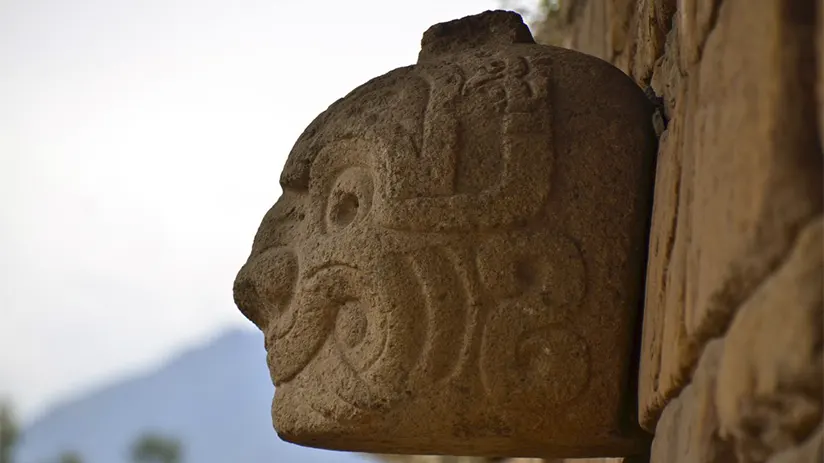
Huaraz is more than a base for trekking. The region also offers a rich cultural heritage shaped by ancient Andean civilizations, Indigenous traditions, and centuries of history.
The city was later colonized by the Spanish. Many colonial-era structures were destroyed by the devastating earthquake in 1970. Chavín de Huántar archaeological site was designed to create “auditory illusions”. Water tunnels made specific sounds during ceremonies. People believed these sounds connected priests to their gods.
Chavín de Huántar
The archaeological site of Chavín de Huántar is located in Huari province, Áncash region. It developed from 1500 to 550 B.C. It became an important religious and ceremonial center that attracted people from different parts of the Andes.
The site consists of monumental buildings arranged on terraces around square and circular plazas. Its appearance is imposing, combining mounds and plazas, plus complex networks of internal galleries. It also has stone carvings of extraordinary beauty. The carvings show human and animal designs.
Huaraz’s Museums and Local Markets
Huaraz offers a variety of cultural activities, including visits to local museums, making it a worthwhile destination for travelers interested in the region’s archaeological heritage.
Museums
Áncash Archaeological Museum: In the city center, this museum has a large collection of artifacts. It features items from Recuay and Chavín cultures.
Local Markets
Visiting local markets in Huaraz is a great way to experience everyday life in the city. You can find fresh produce, meat, groceries, and prepared foods sold by local vendors. Local markets offer a glimpse into everyday life in Huaraz.
Guided Tours Or Independent Trekking?
| Aspect | Guided Trekking | Independent Trekking |
| Access & Regulations | The tour operator can help confirm current park regulations and entry requirements. | You are responsible for checking current regulations and access requirements before your trek. |
| Popular Routes | Suitable for routes where guided access is required or preferred, including Laguna 69 and other routes subject to current park regulations | Best suited to routes where independent access is currently permitted. |
| Navigation | Guides provide route guidance and help manage logistics. | Requires navigation skills, route planning, and preparation. |
| Logistics | Transportation, meals, camping equipment, and other services may be included. | You must organize transportation, food, equipment, and accommodation yourself. |
| Safety | A local guide can provide support in case of weather changes, altitude-related difficulties, or other challenges. | You are responsible for your own safety and emergency planning. |
| Flexibility | The itinerary usually follows a planned schedule. | Greater flexibility to choose your pace and itinerary. |
| Best For | Travelers seeking convenience, local expertise, and additional support. | Experienced hikers who are comfortable planning and managing their own trek. |
SERNANP Regulations
The Servicio Nacional de Áreas Naturales Protegidas por el Estado (SERNANP) manages Peru’s protected natural areas, including Huascarán National Park. Visitors are expected to follow the park’s current entrance, safety, and conservation regulations when exploring its trekking routes, lagoons, and other attractions. SERNANP also maintains a list of authorized tourism operators for services provided within protected areas.
Before visiting destinations such as Laguna 69, Laguna Parón, Llanganuco Lakes, or Nevado Pisco, check the latest access conditions and requirements. Regulations may vary by route and can change because of weather, safety concerns, conservation measures, or temporary closures. For this reason, travelers should confirm the current status of their chosen route before departure rather than relying on outdated information.
Visitors must also respect the park’s conservation rules throughout their trip. This includes following designated trails, respecting local wildlife and vegetation, complying with entrance and permit requirements where applicable, and avoiding activities that could damage the natural environment. If you choose to travel with an operator, SERNANP recommends using an authorized tourism operator. For the latest information on access, regulations, and authorized operators, check the official SERNANP website before your visit.
Where to Stay in Huaraz
Huaraz is the main base for many treks and hikes in the surrounding region. However, it is important to allow 2–3 days for acclimatization. Some travelers choose nearby towns as alternative bases for specific trekking routes and regional excursions.
Best Areas to Stay in Huaraz
- Caraz: Caraz is a convenient base for travelers, offering a good range of tourist facilities and amenities.
- Chacas: Chacas is another alternative base for travelers interested in outdoor activities and exploring the surrounding landscapes.
Alternative Bases Near Huaraz
- Chavín de Huántar: An ideal base for exploring the remarkable archaeological site of the same name. Staying overnight allows you to visit the ruins early, before day-trippers from Huaraz arrive and the site becomes busier
How Many Days Do You Need in Huaraz?

| Huaraz Itinerary | Days | What to Do | Best For |
| Short Huaraz Itinerary | 5 days | Santa Cruz Trek, Yungay, Caraz | Travelers with limited time |
| Extended Huaraz Itinerary | 6–7 days | Santa Cruz Trek + Laguna Parón | Trekking and day trips |
| Two-Week Huaraz Itinerary | 14 days | Acclimatization, Santa Cruz Trek, day hikes | Travelers wanting a mix of trekking and sightseeing |
| Three-Week Huaraz Itinerary | 21 days | Santa Cruz Trek + additional multi-day treks + Huayhuash | Experienced hikers with more time |
How to Plan a Huaraz Itinerary
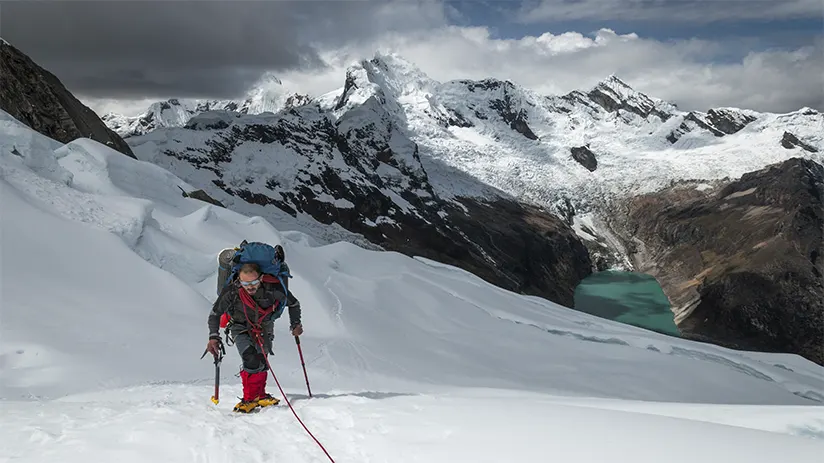
When planning a Huaraz itinerary, allow enough time to acclimatize before taking on demanding treks. Spending your first few days in Huaraz at a relaxed pace allows your body to adjust to the elevation. During this time, consider taking a moderate hike to gradually adapt to the altitude.
A Short Huaraz Itinerary
A 5-day itinerary in Huaraz provides enough time to acclimatize, explore the surrounding area, and prepare for challenging treks.
Day 1 – Acclimatize in Huaraz
The priority after arriving is to give your body time to adjust to the altitude. At 3,052 m, it is important to begin acclimatizing gradually after arrival. Take it easy with a gentle walk around the Plaza de Armas, eat something light, and rest.
This day is perfect to explore around the city, visiting the Mirador de Rataquenua, a viewpoint located a 45-minute walk away from the plaza, which offers panoramic views of Huaraz and the surrounding mountain ranges. Also, you can visit the Áncash Archaeological Museum, including gold, textiles, and organic materials from the Recuay and Chavín cultures. You can also try local craft beers, sample traditional dishes, or visit a local market.
Day 2 – Laguna Wilcacocha: An Easy Acclimatization Hike
On this day, the excursion involves a hike that allows you to acclimate. At approximately 3,725 m, Laguna Wilcacocha provides a relatively gentle hike to help you continue acclimatizing.
Day 3- Laguna Parón
Although Laguna Parón sits at approximately 4,200 meters, many visits involve limited walking around the lake. The turquoise waters are surrounded by snow-capped peaks, including Artesonraju, whose distinctive profile is often associated with the Paramount Pictures logo.
Day 4 – Explore Chavín de Huántar
The archaeological site of Chavín de Huántar dates back approximately 3,000 years and was one of the most influential ceremonial centers of the ancient Chavín culture.
Day 5 – Hike to Laguna 69
Finish the itinerary with the challenging Laguna 69 hike, a 5-hour round trip that reaches more than 4,600 m.
A Longer Huaraz Hiking Itinerary
In the itinerary lines below, you can find things to do in Huaraz during your first days. For a longer stay, consider extending your itinerary with the 12-day Cordillera Huayhuash Circuit. Know the Cordillera Huayhuash Circuit, a 12-day itinerary that you can explore completely.
| Day | Route | Highest Altitude | Approx. Hiking Time |
| 1 | Huaraz – Llamac – Cuartelwain | 4,150 m (13,615 ft) | 5 hrs transfer |
| 2 | Cuartelwain – Qaqanan Pass – Mitucocha Lake | 4,700 m (15,419 ft) | 5 hrs |
| 3 | Mitucocha – Carhuac Pass – Carhuacocha Lake | 4,650 m (15,256 ft) | 4.5 hrs |
| 4 | Carhuacocha – Siula Pass – Huayhuash | 4,850 m (15,912 ft) | 7 hrs |
| 5 | Huayhuash – Portachuelo Pass – Viconga | 4,750 m (15,584 ft) | 4 hrs |
| 6 | Viconga – Cuyoc Pass – Guanacpatay Valley | 5,000 m (16,404 ft) | 4.5 hrs |
| 7 | Guanacpatay – San Antonio Pass – Cutatambo | 5,000 m (16,404 ft) | 4.5 hrs |
| 8 | Cutatambo – Siula Grande Base Camp – Gran Vista – Cutatambo | 5,000 m (16,404 ft) | 8 hrs round trip |
| 9 | Cutatambo – Huayllapa | 4,250 m (13,944 ft) | 3.5 hrs |
| 10 | Huayllapa – Tapush Pass – Qashpapampa | 4,800 m (15,748 ft) | 5.5 hrs |
| 11 | Qashpapampa – Yaucha Pass – Jahuacocha Lake | 4,800 m (15,748 ft) | 4.5 hrs |
| 12 | Jahuacocha – Pampa Llamac Pass – Llamac – Huaraz | 4,300 m (14,108 ft) | 5 hrs hiking + transfer |
Practical Tips for Visiting Huaraz
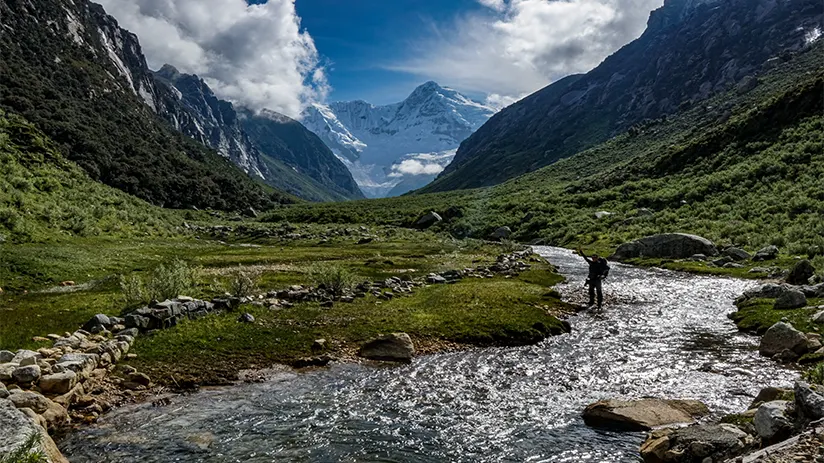
- Due to Huaraz’s elevation, make sure to stay well hydrated and allow enough time to acclimatize before starting challenging hikes or multi-day treks.
- When arriving in Huaraz, explore the city by visiting local markets, try some local food, such as Ceviche de Trucha, made with trout sourced from Andean rivers; Cuy Chactado, a traditional dish made with fried guinea pig; or Pumpkin Soup and Pachamanca, traditional Andean dishes that reflect the region’s rich culinary heritage.
- Traveling in Huaraz and in the Peruvian Andes means being respectful of local people, their customs, and ecological fragility. To make your visit meaningful, it is important to know some basic words in Spanish. For example, a friendly “Buenos días” opens doors to good conversations.
- If hiking is a main focus of your trip, consider staying near Huaraz city center for easy access to tour operators, restaurants, shops, and other essential services.
- Given the high altitude and weather variations, it is important to pack thermal base layers, a good rain jacket, and warm fleece layers because night temperatures drop near freezing. Bring hiking boots, sunscreen, and a reusable water bottle.
- Explore nearby cities from Huaraz such as Carhuaz and Yungay, which offer cultural and trekking experiences. For turquoise glacial waters and high-mountain scenery, visit Laguna Parón or Pastoruri Glacier.
Frequently Asked Questions About Huaraz
Is Huaraz Worth Visiting?
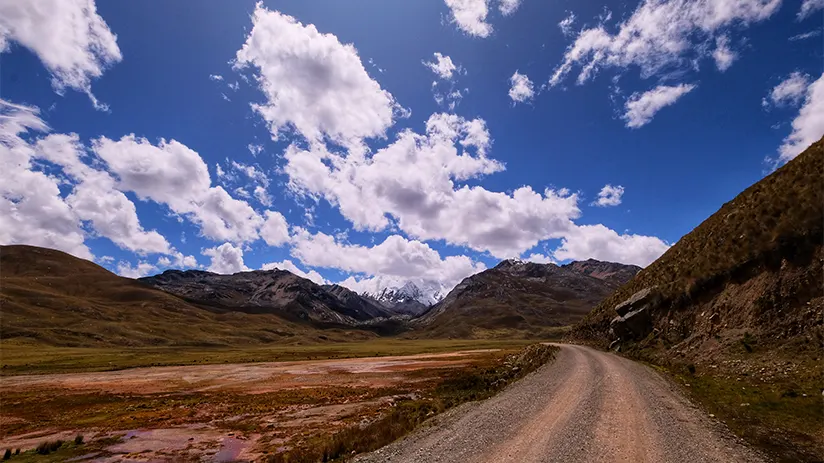
Absolutely. Huaraz combines high-altitude trekking, striking snow-capped peaks, glacial lakes, Andean culture, and access to some of Peru’s most high-altitude mountain landscapes.
Can you visit Huaraz and the Cordillera Blanca Without Hiking?
Yes. Several destinations in the Cordillera Blanca can be visited by road, and organized day trips make it possible to experience the region without undertaking a strenuous hike.
How Many Days Do You Need in Huaraz?
Plan on at least 5–7 days if you want to combine acclimatization with several day hikes and cultural attractions. If you are planning a multi-day trek such as the Santa Cruz or Huayhuash Trek, allow additional time.
What is the Best Time to Visit Huaraz?
The best time to visit Huaraz is during the dry season, from April to September.
Is Huaraz Safe?
Huaraz is generally considered a manageable destination for travelers, but standard precautions are advisable, especially in crowded areas and when using local transportation.
Do You Need a Guide to Hike to Laguna 69?
Access to Laguna 69 is currently subject to SERNANP regulations. Travelers should arrange their visit through a tour operator authorized by SERNANP and check the latest entry requirements and trail conditions before departure.
Does Huaraz Have an Airport?
Huaraz is served by Comandante FAP Germán Arias Graziani Airport in Anta, outside the city. Travelers flying from Lima can continue from the airport to Huaraz by road. If you are traveling from abroad, fly into Lima’s Jorge Chávez International Airport and connect to a domestic flight to Anta Airport.
What’s the Difference Between Trekking in Huaraz and Cusco?
The main difference is that Huaraz offers more technical alpine terrain, focused on glacial lakes and the highest mountains that surpass about 6,000 m, while Cusco blends milder mountain terrain with Inca richness, archaeology, and history.
| Feature | Huaraz (Cordillera Blanca & Huayhuash) | Cusco (Sacred Valley & Vilcabamba) |
| Primary Vibe | Glaciers, razor-sharp peaks, turquoise lakes | Inca ruins, terraced valleys, Andean villages |
| Average Elevations | Higher on many routes, with camps and mountain passes often exceeding 4,000 m | Moderate (mostly sleeping around 3,300m) |
| Difficulty Level | Steeper, physically demanding mountain passes | Moderate stone paths, undulating valleys |
| Crowd Levels | Very quiet, isolated, wild backcountry | Highly popular, busy trails, highly regulated |
| Infrastructure | Rustic campsites, fewer facilities on trail | Glamping options, tea houses |
Conclusion
Visiting Huaraz is so much more than its high mountains. The city has its own history, culture, and more stunning viewpoints to explore. From moderate to challenging hikes and treks, you have the option to choose the best route to explore and the one that best suits you. Depending on your time to stay, you have the option to take a short or a long itinerary.
Always be careful and respectful of local people, and before starting to visit Laguna Parón or other mountain ranges, be sure to hire a specialized tour operator that is registered by SERNANP according to regulations.
Huaraz has so much to offer; it can be hard to know where to start. With years of experience in tourism, Machu Travel Peru is happy to help with your trip to Huaraz. We also offer tours in the area. Let us help you make your experience unforgettable! Contact us today to plan your dream adventure!