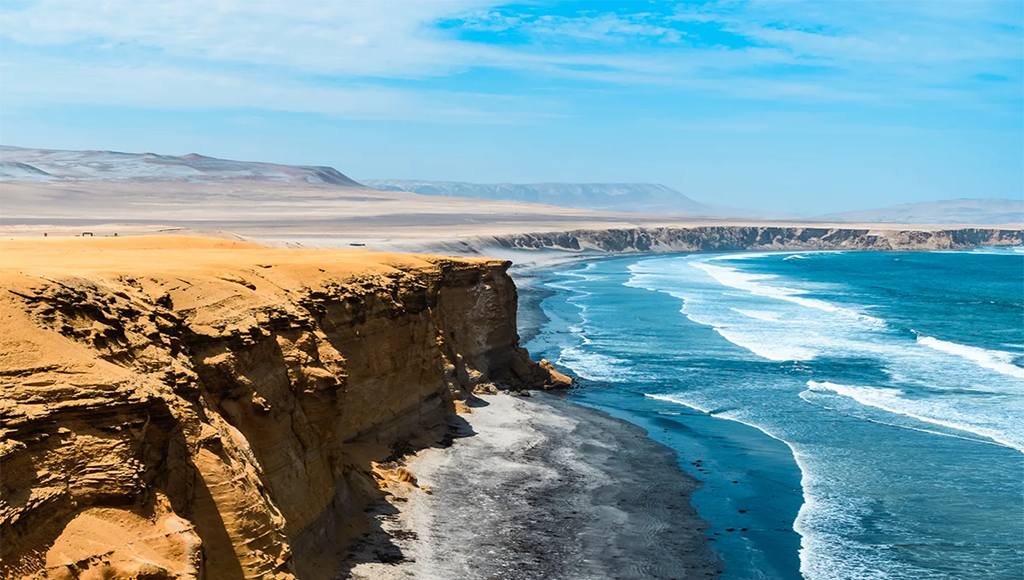
Paracas is one of Peru’s most captivating coastal destinations, where desert cliffs meet the Pacific Ocean, creating a unique coastal desert landscape. The region is known for its rich marine life, protected natural areas, and easy access from Lima, making it easy to include in most Peru itineraries
This Paracas travel guide covers everything you need to plan your visit
- Why Visit Paracas, Peru
- Top Things to Do in Paracas
- How to Get to Paracas from Lima or Ica
- Paracas Itinerary Ideas
- What to Pack for Paracas
- Best Time to Visit Paracas
- Travel Tips for Visiting Paracas
- FAQs About Paracas
Why Visit Paracas, Peru
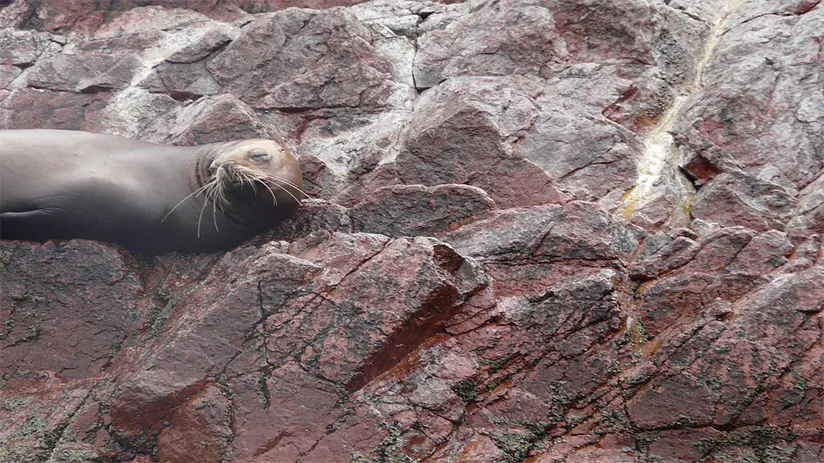
Paracas is often seen as a laid-back beach town, but it offers far more than a quiet coastal escape. The area offers a mix of scenery and experiences that make it one of the most distinctive coastal destinations on Peru’s southern coast. If you’re planning the best time to visit Peru, this destination is ideal almost any time of year, but its charms are hard to ignore no matter when you visit.
Located just a few hours from Lima, Paracas is an ideal addition to any itinerary. Here, you can explore thriving marine life, race across desert dunes, and visit an ancient geoglyph that has stood for centuries. The dramatic cliffs, calm beaches, and desert scenery round out a destination that offers a wide range of experiences: nature, adventure, and coastal views all within easy reach.
Top Things to Do in Paracas
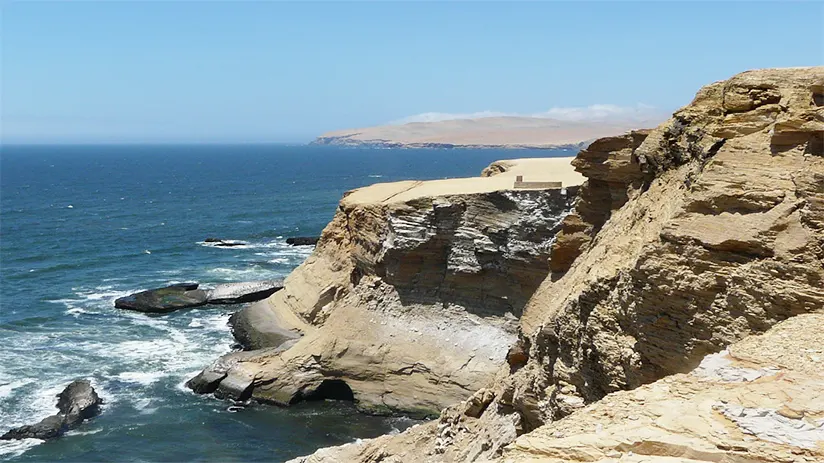
With the archipelago offshore and the Paracas National Reserve just down the coast, the region offers a mix of wildlife, landscapes, and adventure activities. The main highlights can easily fill one or two days, so here’s where to start.
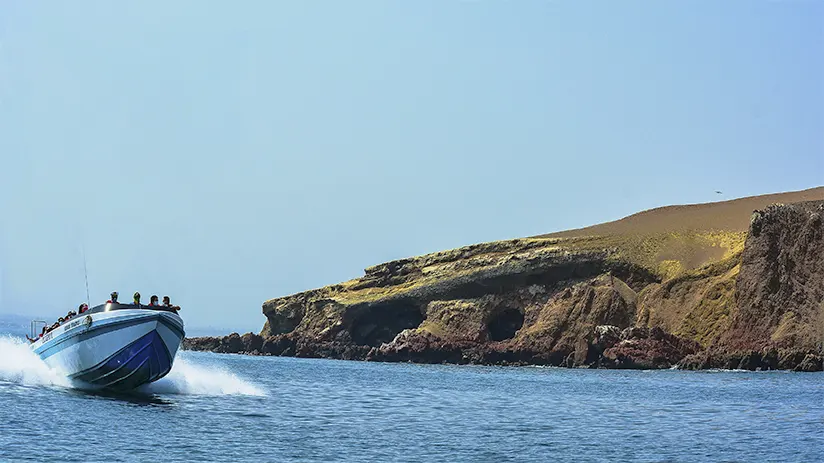
Ballestas Islands Tour

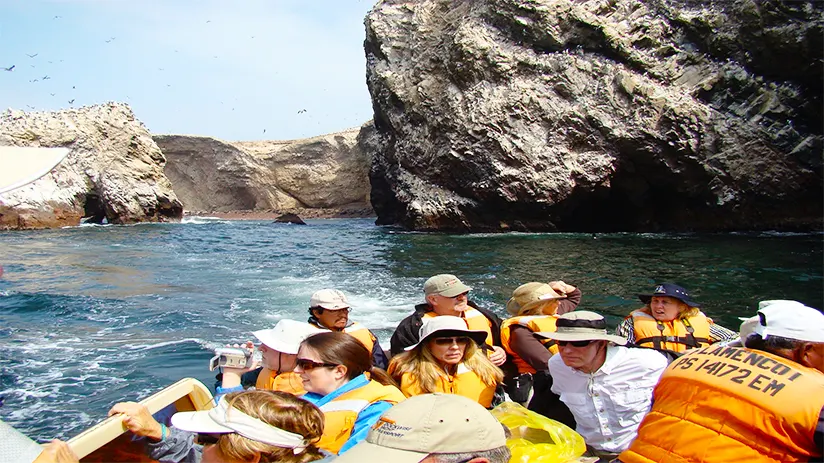
Boat tours depart from the Paracas harbor every morning, and the 08:00 a.m. departure is the one to take. Earlier trips enjoy calmer seas, better light for photos, and more active animals. A standard tour lasts around two hours and takes you past the main island clusters, where you can expect to encounter:
- Humboldt penguins standing on rocks or swimming near the boat
- South American sea lions resting in large groups along the shore
- Peruvian pelicans diving and nesting in dense colonies
- Bottlenose dolphins often spotted in open water
- Peruvian boobies and cormorants covering cliffs and rock formations
- Inca terns flying low over the water, easy to recognize by their white “mustache”.
- Seabird colonies supported by the nutrient-rich Humboldt Current
- Coastal desert vegetation adapted to dry and windy conditions
Paracas National Reserve
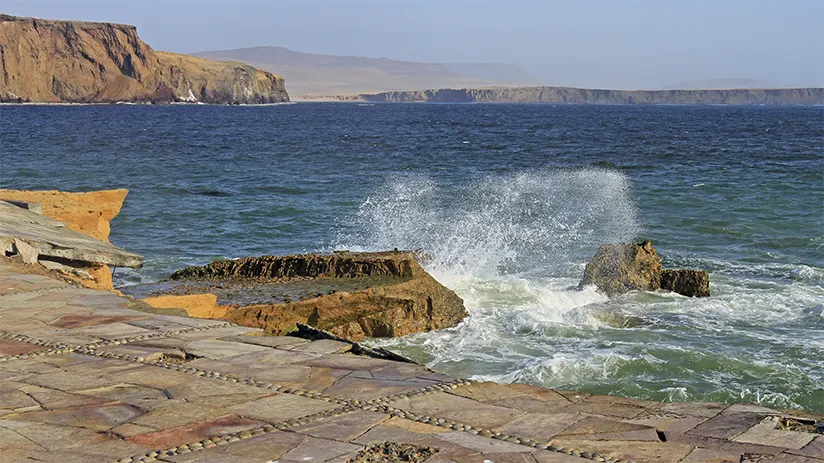
The Paracas National Reserve is one of the most rewarding areas to explore along Peru’s southern coast. Covering over 335,000 hectares of protected desert and marine ecosystems, it stands out for its rugged coastal cliffs and wide-open terrain. It is also one of the best places to experience the biodiversity in Peru, where seabirds, marine mammals, and coastal plant life exist within a single, well-preserved environment.
Visitors can stop at scenic viewpoints, walk along beaches such as Playa Roja, and observe wildlife throughout the reserve. Entry costs around $5, and most people visit with a guide or as part of an organized tour, since distances are significant and public transport options are limited. For a closer look at key routes and stops, more details are provided below.
Paracas Beaches and Coastal Landscapes
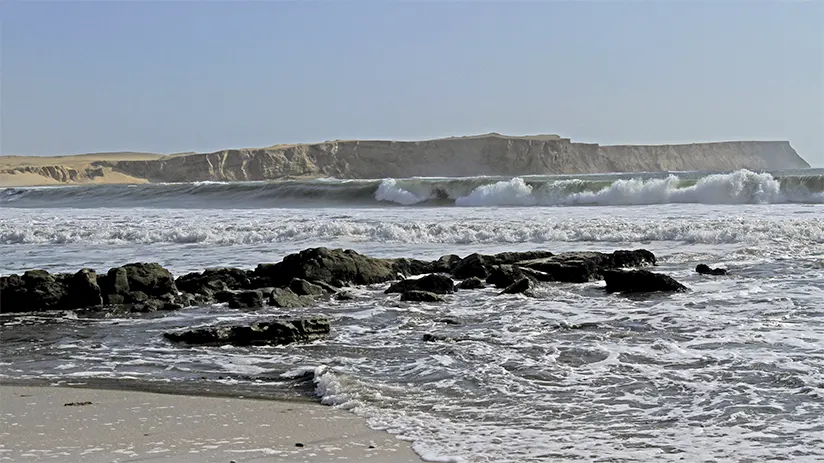
Paracas is home to some of the most distinctive beaches along Peru’s coast, shaped by wind, cliffs, and the surrounding desert. Within the National Reserve, these beaches range from calm, accessible coves to more rugged stretches of coastline with abundant wildlife and sweeping ocean views. Below are some of the most accessible spots to include in your visit, each offering a different perspective of Paracas’s coastal scenery.
Playa Roja

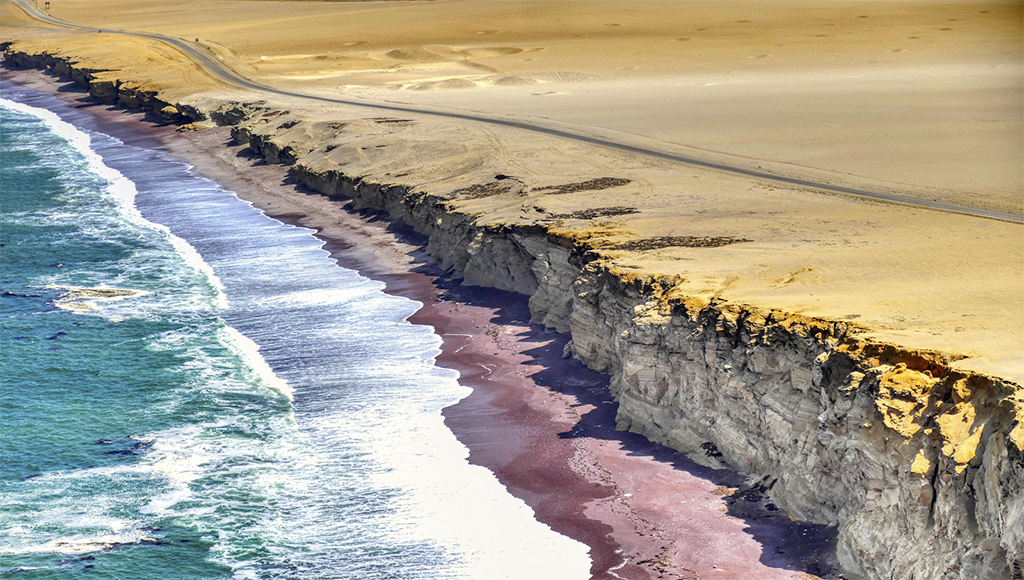
Playa Roja is one of the most striking spots in the reserve, known for its deep red sand created by volcanic minerals. The contrast with the blue ocean makes it especially scenic to take photos, but swimming is not recommended.
Lagunillas

Lagunillas is a calm cove about 30 minutes from town, with small fishing boats and a laid-back coastal atmosphere. A few simple restaurants serve fresh seafood right by the water, making it a popular stop for lunch.
La Mina

La Mina is a quieter beach tucked behind rocky cliffs, with calm and clear water compared to other areas. A short trail leads down from the road. Its peaceful setting makes it a good place to slow down and take in the view.
Yumaque
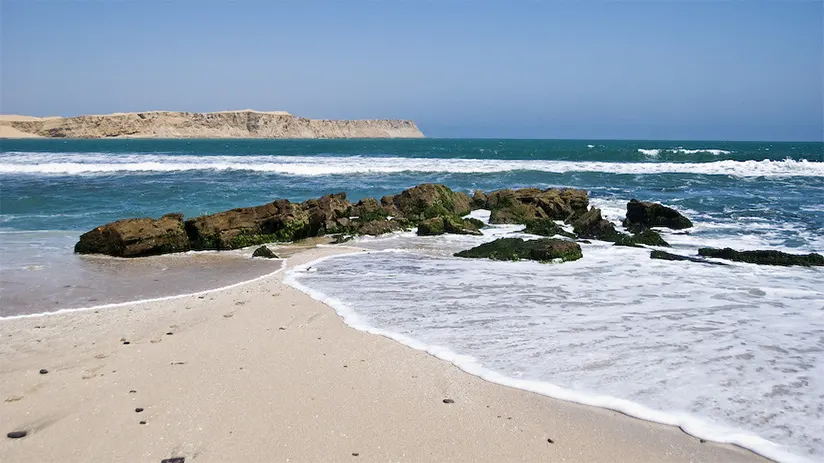
Yumaque is a long, open beach framed by dunes and wide ocean views, with a calm and natural feel. Fewer visitors make it this far into the reserve, and as a result, it stays quiet and remote. Flamingos can sometimes be seen in nearby lagoons, especially in the early morning. This makes a great spot for birdwatching and coastal views.
El Raspón

El Raspón is a viewpoint known for its wide views of the coastline and desert. The landscape stretches in all directions, making it a great spot for photography and a quieter alternative to more visited viewpoints.
Paracas Candelabra Geoglyph
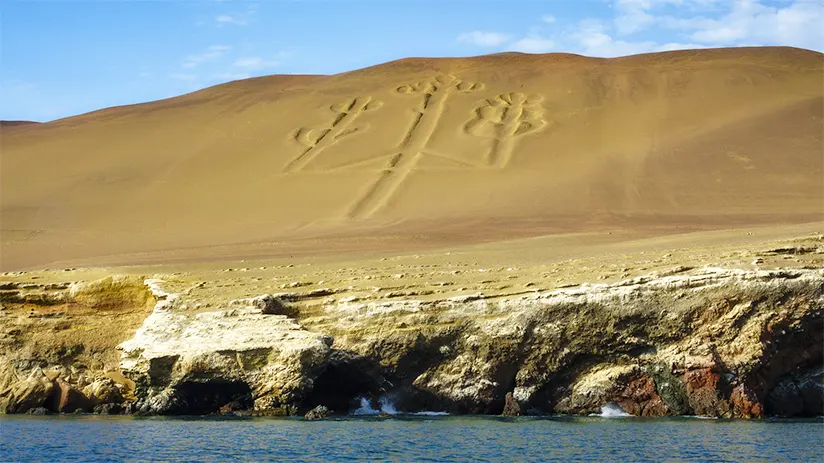
The Candelabra is one of the most intriguing Paracas attractions along the entire coast. Etched into the side of a large dune overlooking the bay, this massive geoglyph stretches nearly 180 meters in height and can only be seen clearly from the sea. Its exact origin remains unknown, though many researchers believe it dates back more than 2,500 years and may be connected to the pre-Inca Paracas culture.
The purpose of the design remains a mystery, with some theories suggesting it served as a navigational marker for ancient sailors, while others point to ceremonial or astronomical meaning. Visitors can view the Candelabra during the boat ride to the islands, where its scale and precision stand out sharply against the pale desert rock.
Adventure Activities in Paracas

Beyond its calm beaches, the coastline is a strong choice for travelers looking for a mix of nature and adrenaline. The desert terrain and coastal setting create ideal conditions for several outdoor activities, each offering a different way to experience the area.
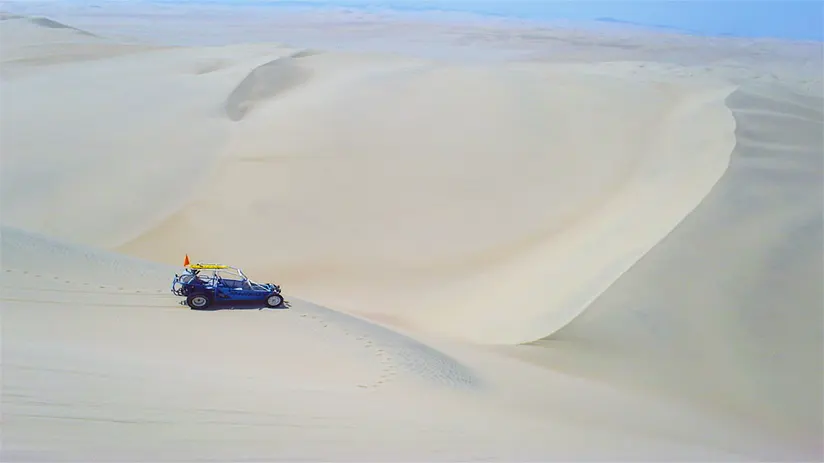
- Dune Buggy Ride: Off-road rides across desert dunes, often combined with Huacachina.
- Sandboarding: Slide down dunes with basic equipment and guidance.
- Kayaking in Paracas Bay: Calm morning conditions make it ideal.
- ATV Desert Tour: A faster way to explore the reserve.
- Paragliding over the dunes: Aerial views of desert and coastline.
How to Get to Paracas from Lima or Ica
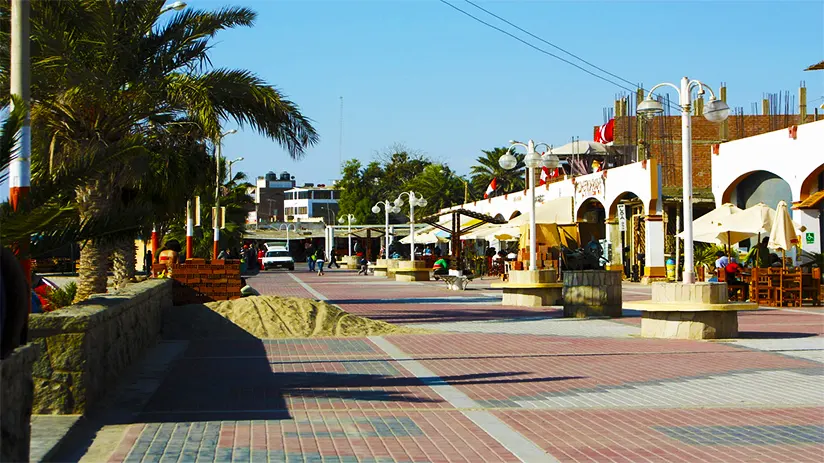
Getting to Paracas is straightforward from both Lima and Ica, and the journey makes the destination easy to include in a broader south-coast itinerary. For anyone building a route through the region, Paracas fits naturally alongside the many other places to visit in Peru on the country’s southern stretch.
- From Lima: Paracas is about 250 km south of Lima, and the journey takes around 3.5 hours. The easiest and most reliable option is by bus, with companies like Cruz del Sur and Oltursa offering daily departures from Miraflores and San Isidro. Tickets usually range from $10 to $25, depending on comfort and service.
- From Ica: If you’re already in Ica, Paracas is just 70 km away, with a travel time of about one hour by bus or shared taxi. Vans run frequently between both towns and are a quick, low-cost option. This short distance makes it easy to combine Paracas with Huacachina and the Nazca Lines in one trip.
Paracas Itinerary Ideas
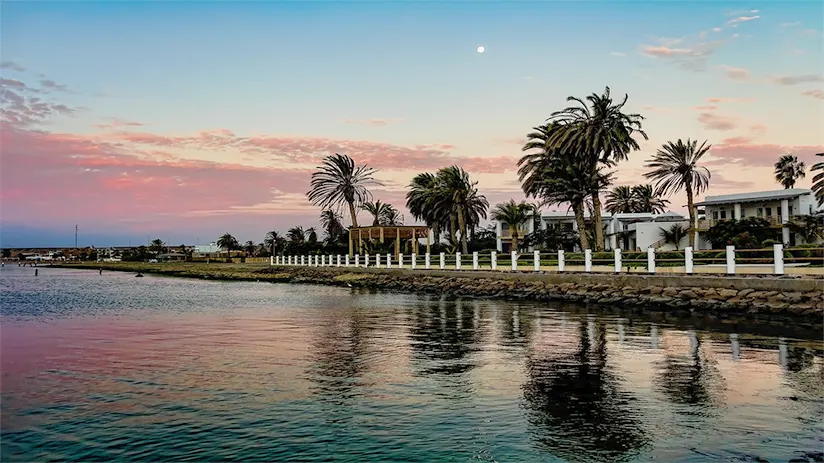
One of the best things about Paracas is how easy it is to plan your time. The main Paracas Peru attractions are close together, and most activities follow a simple daily rhythm. Whether you have one day or a few, you can experience the highlights without feeling rushed.
- Day in Paracas (Full-Day Tour). With just one day, start early with the Ballestas Islands tour, as morning departures usually mean calmer seas and better wildlife sightings. After returning, spend the afternoon exploring the Paracas National Reserve, focusing on highlights like Playa Roja and La Mina. This combination covers the main attractions in a short but well-balanced itinerary.
- Days in Paracas (1 Night Stay). Two days allow for a more relaxed pace. Use Day 1 for the islands and a slow afternoon around the harbor or nearby beaches. On Day 2, explore the reserve in more depth, visiting spots like Yumaque and El Raspón while taking time to enjoy the coastline without rushing.
- Days in Paracas (2 Nights or More). With extra time, you can add adventure activities such as dune buggy rides, sandboarding, or kayaking along the coast. Paragliding is also an option for a different view of the desert and ocean. At this pace, the experience feels more flexible and allows you to enjoy the destination more fully.
What to Pack for Paracas
The region is a desert coastal town, and packing for a visit means preparing for strong sun, cold wind, and the occasional sea spray. Conditions can change fast, especially on the water, so wear a few layers and bring the right gear. Here’s what to bring.
- Light jacket or windbreaker: Essential for the morning boat tour, where the wind on open water can be surprisingly cold even on a sunny day
- Sunscreen and sunglasses: The coastal desert sun is intense year-round, and the reflection off the water amplifies UV exposure
- A hat or cap: Useful both on the boat and while walking through the reserve
- Layers: Mornings in Paracas can be cool and misty, while afternoons get warm; dressing in layers keeps you comfortable throughout the day
- Reusable water bottle: Staying hydrated in the desert heat is important, and cutting down on single-use plastic is the responsible choice
- Small daypack: Useful for carrying water, snacks, and a camera during reserve tours or beach walks
- Camera or binoculars: The islands and the reserve reward anyone who comes prepared to look closely.
- Motion sickness tablets: If the sea tends to affect you, take one before the boat tour; the water can get choppy, especially on later departures
Best Time to Visit Paracas
Paracas can be visited at any time of year since rain is extremely rare in this part of Peru. However, when you visit does make a difference. Understanding the weather in Peru along the south coast helps you choose the right window for the activities you have in mind.
The summer in Peru runs from December through March and is generally the best time for boat tours and outdoor activities. Temperatures are warmer, skies are clearer, and sea conditions are calmer during these months. Weekends in this period can feel busier, particularly around Lima holidays.
Travel Tips for Visiting Paracas
A few small decisions can make a noticeable difference in how much you get out of Paracas.
- Book the 08:00 a.m. boat tour: Early departures usually mean calmer seas and better chances to spot wildlife.
- Reserve tours in advance during weekends and summer: Demand is higher during peak periods, so spots can fill quickly.
- Combine the islands and the National Reserve in one day: This is the most efficient way to cover the main highlights if you’re short on time.
- Respect the local environment: Keep a safe distance from wildlife and avoid leaving any waste behind.
- Choose established tour operators: This helps ensure a smoother and more reliable experience.
FAQs About Paracas
What are the best things to do in Paracas, Peru?
The best things to do in Paracas include visiting the Ballestas Islands, exploring the Paracas National Reserve, relaxing on unique beaches like Playa Roja, and trying adventure activities such as sandboarding and dune buggy rides.
Is Paracas worth visiting in Peru?
Yes, Paracas is worth visiting. The combination of unique coastal scenery, diverse wildlife, and easy access from Lima makes it a strong stop for one or two days.
How do you get to Paracas from Lima?
The most common option is by bus, which takes about 3.5 hours. Private transfers are also available for a more direct trip.
What is included in a Ballestas Islands tour?
A typical tour includes a two-hour boat ride with views of sea lions, penguins, seabirds, and the Candelabra geoglyph. Prices usually range from $10 to $15.
How many days do you need in Paracas?
Two days is ideal: one for the Ballestas Islands and one for the Paracas National Reserve. One day is possible, while three allows for a more relaxed pace or extra activities.
What is the Paracas National Reserve?
The Paracas National Reserve is a protected area of over 335,000 hectares of coastal desert and ocean in the Ica region, home to sea lions, dolphins, flamingos, and dozens of seabird species, along with some of the most sweeping cliff scenery on Peru’s coast.
“THE WORLD IS A BOOK, AND THOSE WHO DO NOT TRAVEL READ ONLY ONE PAGE”.
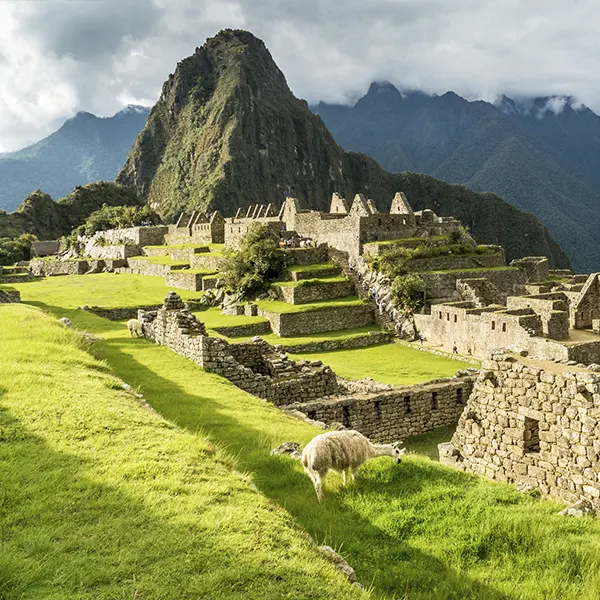
Paracas may not have the global fame of Machu Picchu, but the destination often surprises travelers with how much it offers those who make the trip. Red cliffs drop into the Pacific Ocean, islands packed with penguins and sea lions dot the coast, and a desert landscape stretches endlessly inland. Few places along Peru’s desert coast pack this much variety into such a short visit.
Paracas has so much to offer; it can be hard to know where to start. With many years of experience in the tourism sector, Machu Travel Peru is happy to help with anything regarding your trip to Paracas and any tours around it. Let us help you make your Paracas travel experience unforgettable! Contact us today to plan your dream adventure!