Museums in Quito preserve Ecuador’s history through archaeology, colonial art, independence landmarks, and contemporary masterpieces. This capital brings together places such as the Museo Nacional del Ecuador, Casa del Alabado, La Capilla del Hombre, and Intiñan. These places cover history, pre-Columbian art, contemporary painting, and interactive exhibits at the equator.
Everything to know before visiting Quito’s museums
- Why Visit Museums in Quito?
- The Best Museums in Quito
- Comparing Quito’s Museums by Visitor Interest
- How to Include Museums in Your Quito Itinerary
- Tips for Visiting Museums in Quito
- FAQs About Museums in Quito
Why Visit Museums in Quito?

Museums in Quito are worth a visit because the city concentrates Ecuador’s main cultural collections inside a historic center that UNESCO inscribed on its inaugural World Heritage List in 1978. That district spans 304 hectares and holds 32 cultural centers, most of them a few blocks apart.
Each collection explores a different chapter of Ecuador’s cultural heritage. For example, pre-Columbian pieces fill the archaeology collections, while the colonial galleries display the Quito School, the art movement that merged Spanish, Flemish, and indigenous traditions. Additionally, contemporary art and interactive exhibits broaden the experience.
The museums themselves add historical context to the visit. Several sites occupy colonial houses and former public buildings, and the churches that stand beside them share the same colonial roots. La Iglesia de la Compañía de Jesús and the Church of San Francisco, home to the winged Virgin carved by Bernardo de Legarda in the 18th century, both stand within blocks of these museums. That mix of colonial art and architecture places them among Ecuador’s attractions.
The Best Museums in Quito
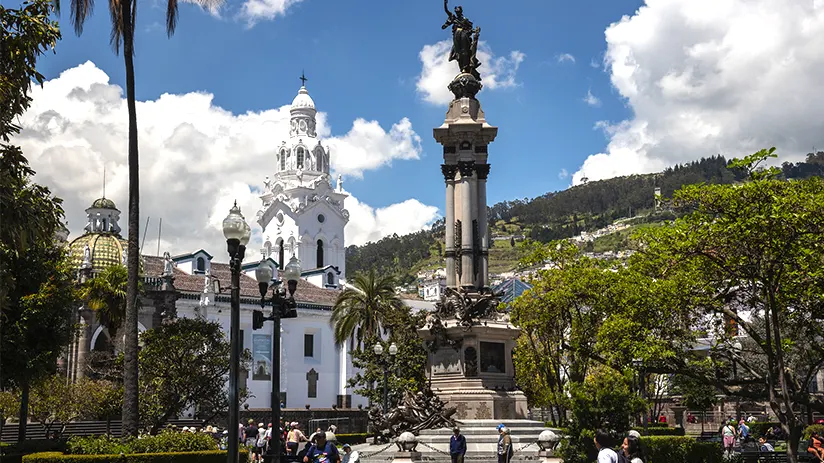
The eight sites below range from national archaeology to interactive science. Four sit inside the historic center, while the remaining museums require transportation, including one that stands 15 km north on the equator line. Each entry lists its location, admission, and opening hours before the description.
Museo Nacional del Ecuador

- Location: Avenida Patria, inside the Casa de la Cultura Ecuatoriana, the building locals call Edificio de los Espejos.
- Entrance fee: Free.
- Hours: Wednesday to Sunday, 9:00 AM to 5:00 PM. Closed Monday and Tuesday.
The origin of this site goes back to 1938. That year, the Banco Central del Ecuador started buying pre-Columbian gold pieces so they would not be melted down for the monetary reserve. In 1969, the bank opened this collection to protect the country’s heritage and historical artifacts. Those artifacts now form the museum’s Gold Room, which includes the Sol de Oro, a gold-and-platinum sun mask from the Tumaco-La Tolita culture.
Beyond the Gold Room, the colonial and republican galleries trace Ecuadorian art from 1534 onward. Paintings by Miguel de Santiago and carvings by Manuel Chili, known as Caspicara, represent the Quito School at its height. Its collections make it one of Ecuador’s most important museums for pre-Columbian heritage.
Museo Casa del Alabado

- Location: Located in Cuenca N1-41, between Bolívar and Rocafuerte, near the Plaza de San Francisco.
- Entrance fee: Adults $10, children $5.
- Hours: Wednesday to Sunday, 10:00 AM to 5:00 PM. Closed Monday and Tuesday.
A group of Ecuadorian collectors donated the pieces that opened this private museum in 2010. It occupies a 17th-century house two blocks from the Plaza de San Francisco, and the building keeps its original courtyards and adobe walls. The house itself is a well-preserved example of colonial architecture.
The collection holds around 5,000 objects, with roughly 600 on permanent view, including ceramics from the Valdivia, Chorrera, and Jama-Coaque cultures. In addition, the galleries arrange them according to the Andean idea of three worlds rather than by date, so the visit follows themes rather than centuries.
Museo de la Ciudad

- Location: Garcia Moreno and Rocafuerte, at the Arco de la Reina.
- Entrance fee: Adults $8, children and students $4.
- Hours: Tuesday, Wednesday, and Sunday, 9:30 AM to 5:30 PM; Thursday and Friday, 9:30 AM to 7:00 PM; Saturday, 11:00 AM to 7:00 PM. Closed Monday.
This building served as a hospital for four centuries before it became an exhibition space. First, it opened in 1565 as the Hospital de la Santa Misericordia, later known as San Juan de Dios, and treated patients until 1974. Years later, the city restored the complex and opened the gallery in 1998.
Inside, five permanent halls trace daily life in Quito, from the earliest societies through the colonial period to the 20th century. One of them recreates an infirmary from the years when the Betlemita order ran the hospital. The complex itself covers more than 10,000 square meters on Garcia Moreno Street.
Museo Casa de Sucre
- Location: Venezuela N2-67 and Sucre, historic center.
- Entrance fee: Free.
- Hours: Monday to Sunday, 9:00 AM to 5:30 PM.
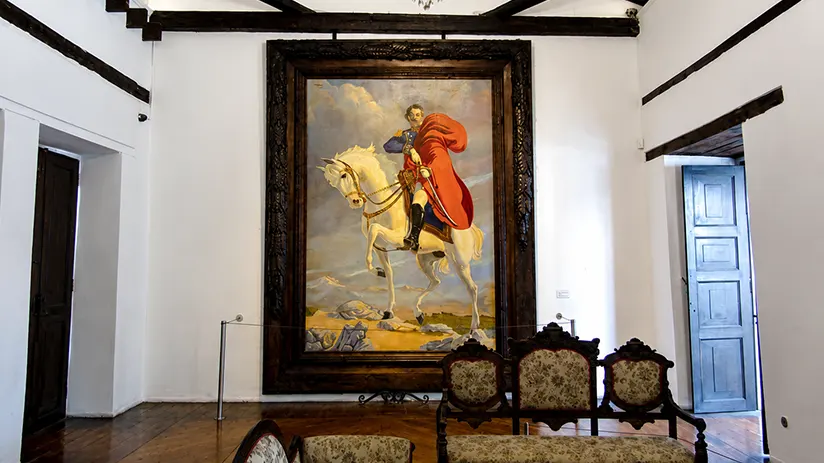
This house was known as La Casa Azul because its walls were painted blue, both inside and out. It belonged to Antonio José de Sucre, the marshal who fought for South American independence and won the Battle of Pichincha in 1822. Years later, in 1828, he bought the house, the same year he married Mariana Carcelén, Marquise of Solanda.
After the Ministry of Defense recovered the building, it opened as a museum in 1977. Here, the ground floor displays weapons and military equipment, while the upper floor keeps the furniture and the rooms as the couple used them. Both levels surround a central courtyard in the Andalusian style.
Intiñan Museum
- Location: San Antonio de Pichincha, beside the Mitad del Mundo complex, 15 km north of Quito.
- Entrance fee: Adults $5 and children $2.50.
- Hours: Monday to Sunday, 9:00 AM to 5:30 PM.
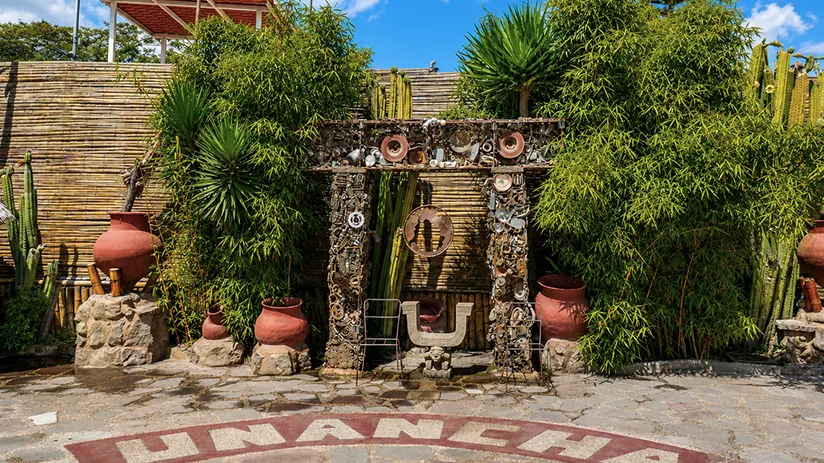
This open-air museum stands next to the Mitad del Mundo complex, whose monument sits about 240 meters south of the true equator. The museum states that its equator line corresponds to GPS measurements and incorporates this into its guided demonstrations, which is why most tours now stop here. Typically, guided visits run about 45 minutes.
Guides run demonstrations built around the equator line. For example, one drains water on either side to illustrate the Coriolis effect, while another involves balancing an egg on a nail. These demonstrations are among the museum’s best-known activities, and the exhibition space hands out a certificate to anyone who balances the egg.
Beyond that central theme, additional galleries explore Amazonian and Andean cultures. They explore Amazonian and Andean communities through traditional dwellings, preserved Amazonian animals, and a sundial, along with a chocolate tasting at the end.
Yaku Water Museum

- Location: El Placer Oe11-271, El Placer neighborhood, above the historic center.
- Entrance fee: Adults $3, students $2, children under 12 and seniors $1.
- Hours: Tuesday to Sunday, 9:00 AM to 5:30 PM.
Yaku takes its name from the Kichwa, an ancestral local language, the word for water. It opened in 2005 on the site of the tanks that first supplied Quito with treated water in 1913. Historical research places Inca ceremonial baths on the same slope, which is where the El Placer neighborhood took its name.
The exhibits focus on interactive exhibits rather than traditional display cases. In the bubble room, visitors stand inside a soap bubble, while other exhibits trace the journey water takes before reaching the city. Also, an ecological trail runs through the grounds, and the original 1913 tanks remain where they once operated.
La Capilla del Hombre
- Location: Mariano Calvache E18-94 and Lorenzo Chávez, Bellavista, northeast of the city.
- Entrance fee: Adults $8, students $4, children under 12 free.
- Hours: Monday to Saturday, 9:30 AM to 4:45 PM. Closed Sunday.
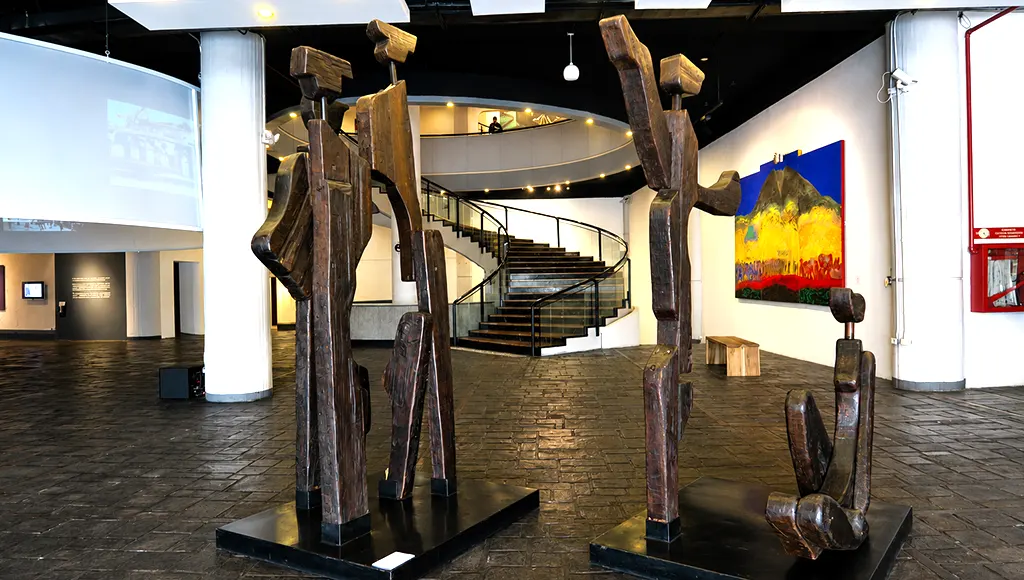
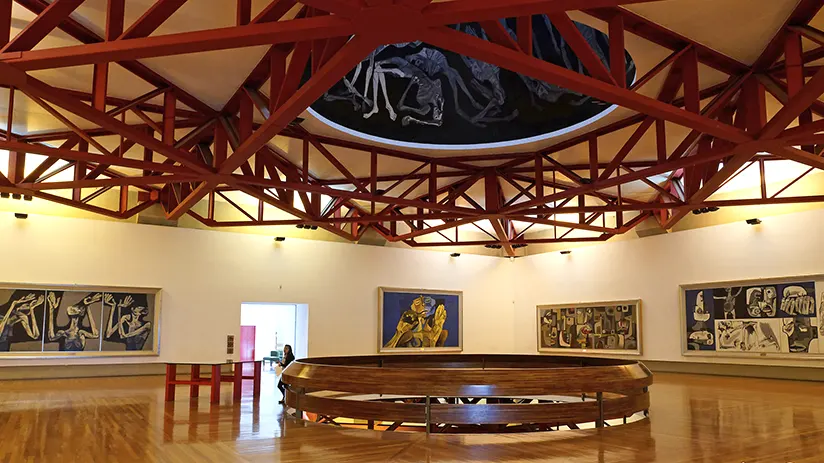
This complex opened in 2002 as the culmination of Oswaldo Guayasamín’s lifelong vision. He died three years before the project was completed, and the building reflects Guayasamín’s artistic vision. Guayasamín designed it as a square stone block modeled on pre-Columbian museums, beside one of Quito’s largest urban parks. That design earned it the municipal award for the best work built in Quito in 2003.
Inside, large murals trace the suffering and the resistance of Latin American peoples, from colonial rule to the wars of the 20th century. Visitors can also see an eternal flame on the lower level, lit for those who died defending human rights.
Additionally, a single admission ticket covers the entire complex, which works as one of Quito’s main art museums. It includes the house where Guayasamín lived for two decades, now holding his collections of pre-Columbian, colonial, and modern art, along with an historical site of 13 pre-Inca tombs that workers found on the day he died.
Centro Cultural Metropolitano
- Location: Garcia Moreno N3-151 and Pasaje Espejo, on the Plaza Grande.
- Entrance fee: Free.
- Hours: Wednesday to Sunday, 9:30 AM to 4:30 PM. Closed Monday and Tuesday.
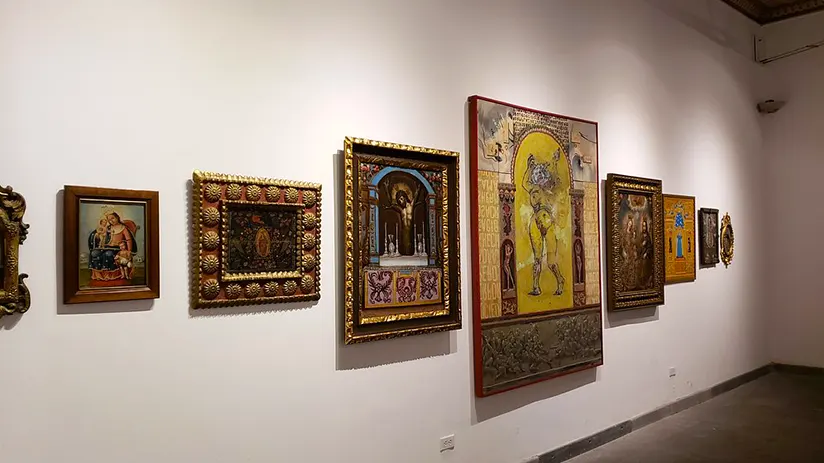
This center stands on the corner of the Plaza Grande, across from the Palacio de Carondelet, the presidential palace. The Society of Jesus held the land from the founding of the city and built the San Gregorio Magno university here in 1622. Universities occupied the site for the next three centuries, until the municipality took it over and opened the cultural center in 2000.
Inside, the Museo Alberto Mena Caamaño holds the collection that a Quito donor left the city in the 1950s. Its most visited exhibition room recreates the massacre of August 2nd, 1810, when royalist troops killed the imprisoned leaders of the first independence junta. The scene uses life-size wax figures, and it sits in the basement, inside the former royal barracks where the executions happened.
Comparing Quito’s Museums by Visitor Interest

Not every traveler spends enough time in Quito to visit every museum. That is why the table below sorts them by the interest each one serves, along with the time a visit takes and how to reach each place from the main square of Quito.
| Museum | Main interest | Visit time | From Plaza Grande |
|---|---|---|---|
| Museo Nacional del Ecuador | Archaeology and national art | 1.5 to 2 hours | Taxi, 15 to 20 minutes |
| Museo Casa del Alabado | Pre-Columbian art and Andean cosmovision | 1 to 1.5 hours | Walk, 4 to 6 minutes (three blocks west) |
| Museo de la Ciudad | Urban and social history | 1.5 to 2 hours | Walk, 7 to 9 minutes (four blocks south) |
| Museo Casa de Sucre | Independence history | 45 to 60 minutes | Walk, 2 to 3 minutes (one block) |
| Intiñán Museum | Geography and Amazonian cultures | 45 to 60 minutes | Taxi, 45 to 60 minutes north |
| Yaku Water Museum | Interactive science | 1.5 to 2 hours | Walk, 12 to 15 minutes uphill, or taxi, 6 to 8 minutes |
| La Capilla del Hombre | Contemporary art | 1.5 to 2 hours | Taxi, 20 to 25 minutes north |
| Centro Cultural Metropolitano | Political and republican history | 1 to 1.5 hours | On the plaza |
How to Include Museums in Your Quito Itinerary

Travelers on a packaged tour of Ecuador often have only a single afternoon in Quito, since the itinerary usually pairs the city with Cuenca and Guayaquil. In that case, two museums fit naturally into the standard city tour. Since it already stops at the Plaza Grande and passes La Compañía de Jesús, alongside the rest of the historic center’s main things to do in Quito.
| Original stop | Added museum | Time added |
|---|---|---|
| City tour: Plaza Grande and the Presidential Palace | Centro Cultural Metropolitano, on the same plaza | 30 to 45 minutes |
| City tour, before Plaza de San Francisco | Museo Casa de Sucre, one block from Plaza Grande | 20 to 30 minutes |
| Afternoon trip to Intiñán | No change, already included | — |
| Breakfast before the airport transfer | Optional: a short walk past the Basílica del Voto Nacional if the flight departs later in the day | 15 to 20 minutes |
Tips for Visiting Museums in Quito
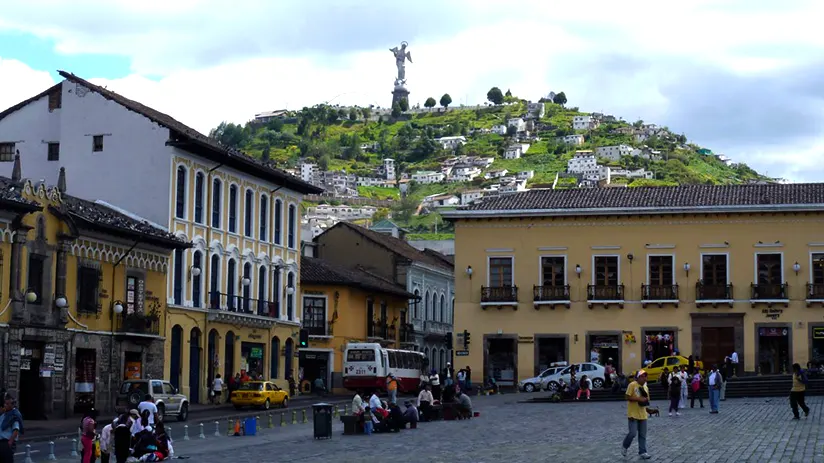
A museum day in Quito takes more planning than the map suggests, mainly because of the altitude and the closing days. A few practical points make the visit easier:
- Altitude: The city sits at 2,850 meters above sea level, 350 meters above the point where altitude sickness starts. Travelers should plan a slower pace between museums during the first two days, drink plenty of water, and eat light meals to help the body adjust.
- Closing days: Most attractions close on Monday, and the Museo Nacional and Casa del Alabado also close on Tuesday. Checking each museum’s hours the night before avoids arriving at a locked door.
- Free admission: The Museo Nacional, Casa de Sucre, and Centro Cultural Metropolitano charge nothing, while the rest range between $3 and $10. Carrying small bills covers the paid museums, since most do not accept cards.
- Guided visits: Casa de Sucre and Intiñan run their tours with a guide, so the visit follows a fixed route and time. Arriving 15 minutes before the scheduled tour secures a spot in the group.
- Walking tours: The four museums of the historic center fall along the same streets that most walking tours cover. Booking a walking tour in the morning leaves the afternoon free for a museum visit.
- Taxis: App-based rides set the fare in advance and record the route, which avoids negotiating a price on the street. Requesting the ride from inside a café or hotel, rather than from the sidewalk, adds an extra layer of safety.
- Currency: Ecuador uses the US dollar as its official currency, so travelers do not need to exchange money before traveling to the country. Bringing dollars in small denominations still helps, since $50 and $100 bills are hard to break.
FAQs About Museums in Quito

What are the best museums in Quito?
The Museo Nacional del Ecuador, Casa del Alabado, and La Capilla del Hombre offer the broadest collections among them. The first holds the largest heritage collection in the country, while the second focuses on pre-Columbian art and the third on 20th-century painting.
Which museums are worth visiting in Quito?
The best choice depends on the time available. Four museums stand within ten minutes of the Plaza Grande, which makes them the practical choice on a short stay. La Capilla del Hombre and Intiñan justify the taxi ride for travelers with a full day in the city.
Are museums in Quito free?
Some museums in Quito charge no admission: the Museo Nacional del Ecuador, Museo Casa de Sucre, and Centro Cultural Metropolitano. The rest range between $3 and $10, and most offer reduced rates for children and students.
What is the most famous museum in Quito?
La Capilla del Hombre enjoys the widest international recognition, since Oswaldo Guayasamín ranks among the best-known painters in Latin America. Inside Ecuador, the Museo Nacional holds that place as the country’s main heritage collection.
How many museums are there in Quito?
The historic center alone holds 32 museums, according to municipal figures. The citywide total is even higher, since several stand in the northern neighborhoods, including the Museo Nacional and La Capilla del Hombre.
What museums are near Quito’s Historic Center?
The Centro Cultural Metropolitano sits on the Plaza Grande itself, and Casa de Sucre stands one block away. The Museo de la Ciudad and Casa del Alabado are four and three blocks away, while Yaku rises above the district, 12 to 15 minutes uphill.
Which Quito museums are best for families?
Yaku Water Museum builds its exhibits around interaction, including a room where visitors stand inside a soap bubble. Intiñan is well suited to families as well, since its guided tour runs outdoors and covers demonstrations along the equator line.
How much time should I spend visiting museums in Quito?
Most travelers can comfortably visit the four museums in Quito’s Historic Center in a single day. Exploring all eight sites usually takes two to three days, which extends the time needed to visit Quito accordingly.
“A CITY REVEALS ITSELF IN WHAT IT CHOOSES TO KEEP”
The museums of the capital of Ecuador cover archaeology, colonial art, urban history, contemporary painting, and interactive science, four of them within ten minutes of the Plaza Grande. Likewise, several museums occupy the very buildings whose history they interpret, from a former colonial hospital to the home of an independence hero. Additionally, a visit to the museums in Quito can take between one and three days, depending on the time each traveler has available.
Quito has so much to offer; it can be hard to know where to start. With many years of experience in the tourism sector, Machu Travel Peru is happy to help with anything regarding your trip to Ecuador and any tours around it. Make your Quito experience an unforgettable one! Contact us today to plan your dream adventure!