When most travelers think of Peru, Machu Picchu and Cusco, the capital of the Inca Empire, come to mind. But beyond these famous landmarks, Peru is full of hidden historic urban centers, lesser-known destinations, and historic places shaped by centuries of cultural heritage. From colonial-era cities to traditional customs in colonial cities in Peru, these off-the-beaten-path destinations offer authentic experiences for travelers seeking cultural travel and slow travel.
This guide highlights Peru’s lesser-known colonial towns for travelers seeking culture, history, and slower travel beyond the classic routes.
Discover Peru’s colonial architecture beyond the main tourist routes
- What defines daily life in Peru’s colonial towns?
- Why visit the lesser-known colonial towns in Peru
- Hidden colonial towns in Peru you should visit now
- Colonial architecture and urban design in Peru
- Cultural life and traditions in colonial towns
- Best time of year to visit colonial towns in Peru
- Tips for responsible and slow travel in historic towns
- Frequently asked questions
What defines daily life in Peru’s colonial towns?
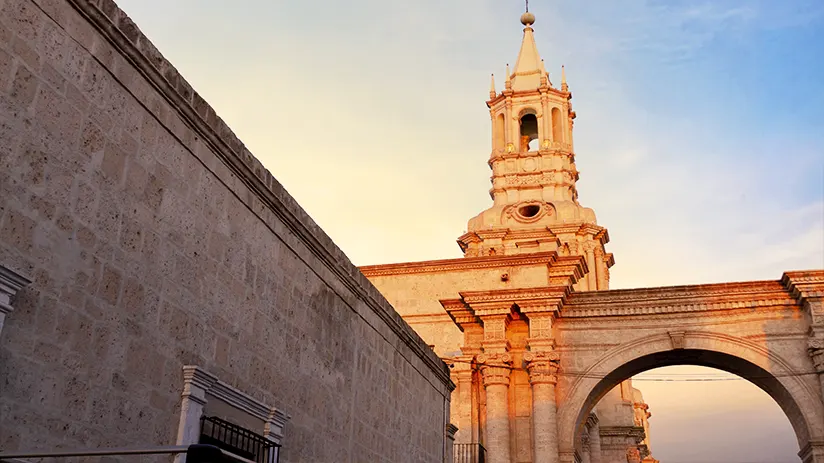
Heritage towns are unique because they represent the heart of colonial town life in Peru, where history is still lived, not staged. Built on ancient Andean settlements, these towns blend Spanish colonial architecture with Indigenous traditions, visible in their plazas, churches, balconies, and daily rituals. Walking through them feels like stepping into a living museum, where locals gather in historic squares, markets operate as they have for centuries, and festivals follow colonial-era calendars shaped by Andean beliefs.
These historic towns are worth adding to your Peru itinerary because they offer far more than beautiful façades. They offer rich cultural experiences and a slower pace of travel. This allows travelers to better understand Peru’s complex identity, shaped by colonial, Indigenous, and modern influences. These experiences are perfect for those looking for authenticity beyond popular tourist paths.
Why visit the lesser-known colonial towns in Peru

Historic urban centers offer travelers a unique glimpse into a side of the country that is often overlooked. Visiting lesser-known towns in Peru gives you the chance to:
- Walk through heritage cities without large crowds
- Immerse yourself in traditional customs in Peru’s colonial cities
- Appreciate colonial architecture in its most authentic form
- Enjoy travel in Peru, taking time to connect with local life and culture
In these towns, plazas and markets remain the center of daily community life, revealing centuries of history, tradition, and social interaction.
Why colonial architecture in Peru is so distinctive
One of the main draws of historic towns in Peru is their colonial architecture in Peru. Walking through these towns, you’ll notice:
- Central plazas surrounded by ornate churches and government buildings
- Baroque and neoclassical churches with intricate facades
- Whitewashed houses in towns like Arequipa, the White City, built from white volcanic stone
- Grid-pattern streets designed for easy exploration on foot
This architecture reflects a fusion of Spanish colonial design with local Andean influences, making every town visually striking and historically significant.
Hidden colonial towns in Peru you should visit now
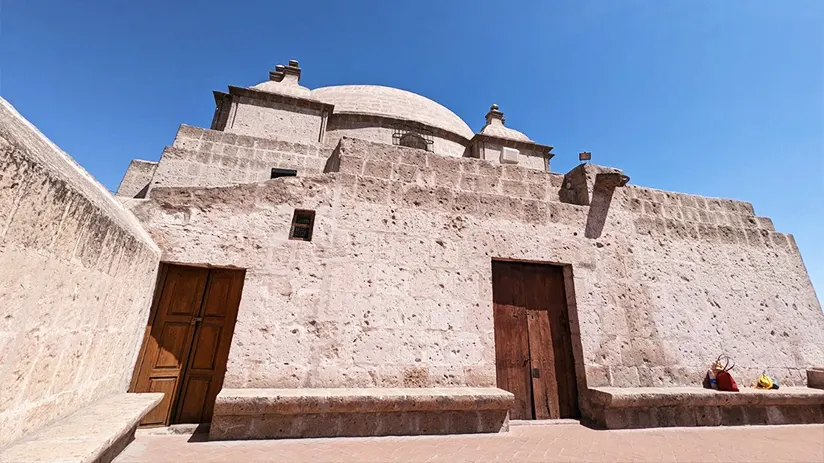
Here are some historic towns worth adding to your Peru itinerary: each offers a unique glimpse into Peru’s rich colonial heritage, vibrant culture, and timeless landscapes. From cobblestone streets lined with centuries-old churches to lively markets where traditions thrive, these towns provide an authentic experience away from the typical tourist path.
Arequipa
Arequipa, known as the White City, is one of Peru’s most important colonial cities. Its buildings, made from white volcanic sillar stone, create a stunning backdrop against the surrounding mountains. Arequipa’s central plaza is the heart of its architectural heritage, surrounded by restaurants, cafés, and the majestic Santa Catalina Monastery. The city is also a starting point for visiting nearby Inca ruins and natural wonders like the Colca Canyon.
Ayacucho
Ayacucho is famous for its Semana Santa celebrations, where traditional customs in Peru’s colonial cities come to life. The town is filled with cobblestone streets, colonial churches, and colonial mansions, making it a prime example of colonial architecture Peru. Festivals here are perfect for travelers interested in a cultural experience.
Huancavelica
Huancavelica is one of the lesser-known towns in Peru that is steeped in history. A historic mining town, it features colonial churches, quiet plazas, and artisan workshops. It’s an ideal spot for travelers looking for slow travel and authentic experiences away from tourist crowds.
Cajamarca
Cajamarca combines architecture in Peru with nearby Inca ruins, offering a rich experience of Peru’s layered history. The town is home to ornate colonial churches, thermal baths, and plazas where locals gather for festivals and everyday life.
Chachapoyas
Chachapoyas is a hidden gem that blends historic Andean towns with access to natural wonders like waterfalls and the Kuelap ruins. Its colonial architecture and quiet plazas make it an excellent destination for cultural exploration of off-the-beaten-path Peru destinations.
Puno
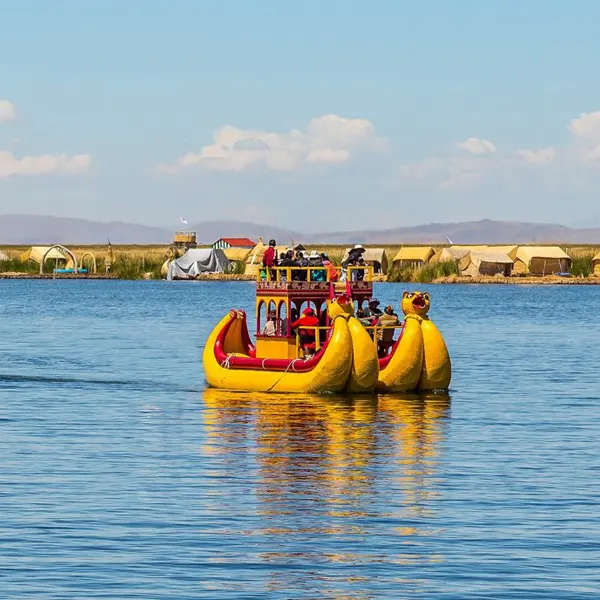
Puno is a starting point for exploring Lake Titicaca, the highest navigable lake in the world. The town itself features colonial architecture, lively markets, and festivals that showcase traditional customs in Peru’s colonial cities.
Colonial architecture and urban design in Peru
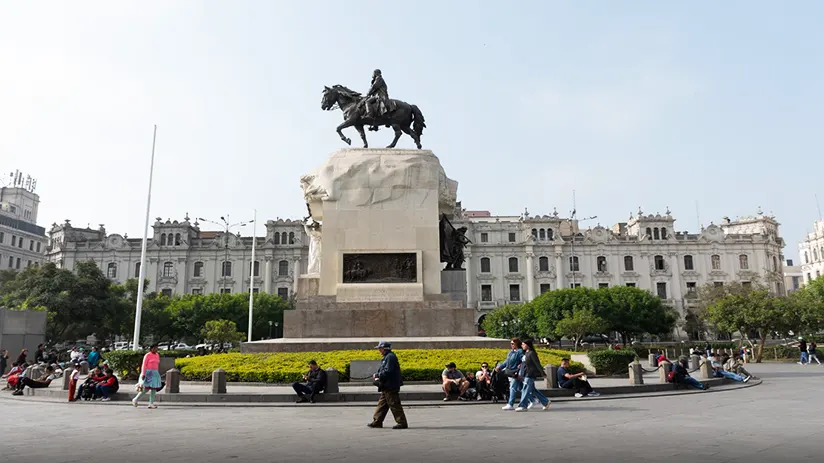
Colonial-era cities are stand out for their colonial architecture and urban design, where Spanish layouts, central plazas, and grid-pattern streets were built over ancient Andean foundations.
This mix created towns that are the heart of colonial life in Peru. Here, history, religion, and daily routines still come together. Beyond the famous cities, many hidden historic urban centers preserve this heritage with remarkable authenticity.
These lesser-known towns in Peru feature well-preserved colonial architecture. Peru is known for wooden balconies, convents, and mansions that reflect centuries of cultural exchange. As historic Andean towns, they invite travelers to slow down, engage with local traditions, and explore markets, festivals, and community life at a human pace. These towns are ideal off-the-beaten-path destinations. They are especially appealing for travelers interested in cultural and slow travel experiences in Peru.
Cultural life and traditions in colonial towns
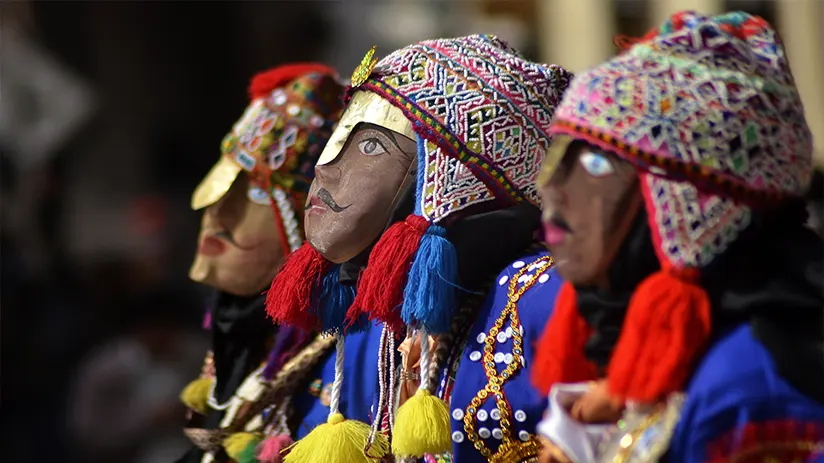
The architectural heritage is often found in the central plaza. Here, travelers can witness:
- Daily socializing and commerce in markets
- Traditional customs in Peru’s colonial cities through festivals and music
- Local artisans crafting textiles, pottery, and jewelry
- Regional cuisine highlighting local flavors
Participating in these cultural experiences enables an authentic, immersive travel experience, allowing visitors to connect with local communities.
Festivals and traditions
Many Peru colonial heritage towns host festivals that reflect a mix of Spanish and indigenous identity. Some highlights include:
- Semana Santa in Ayacucho: A colorful celebration with processions and dances
- Carnaval de Cajamarca: A lively event with music, parades, and traditional rituals
- Local town fairs: Showcasing crafts, music, and traditional Peruvian food
Trying traditional Peruvian food is an essential part of visiting historic Andean towns. Highlights include:
- Ceviche: Fresh fish marinated in lime, often served in coastal towns
- Lomo Saltado: A flavorful stir-fry blending Andean and Chinese influences
- Api con Pastel: A sweet corn drink served with fried pastries, popular in the highlands
Sampling local cuisine in markets, plazas, and small restaurants enhances cultural experience in Peru and offers a taste of the local lifestyle.
Best time of year to visit colonial towns in Peru
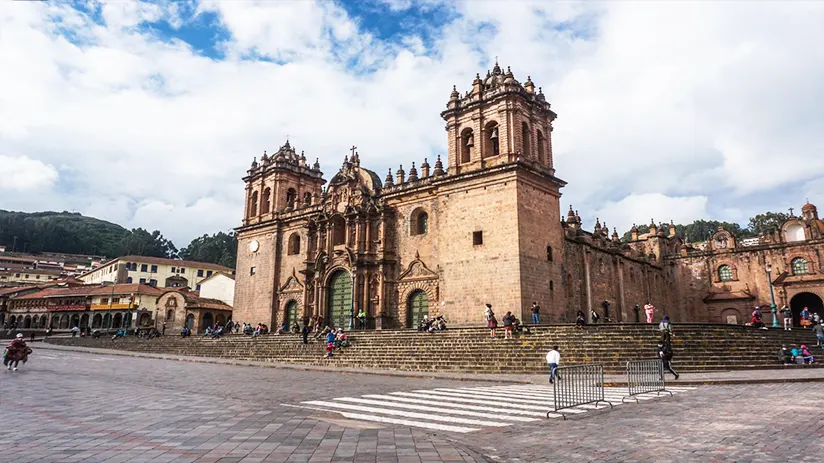
May to September
Dry season, ideal for exploring the Andes and highland towns
October to April
Rainy season, but coastal towns and desert regions remain pleasant
Festival timing
- Plan visits around local festivals to witness traditional customs in Peru’s colonial cities
- Visiting at the right time ensures the best experience in both cultural and natural settings.
Tips for responsible and slow travel in historic towns
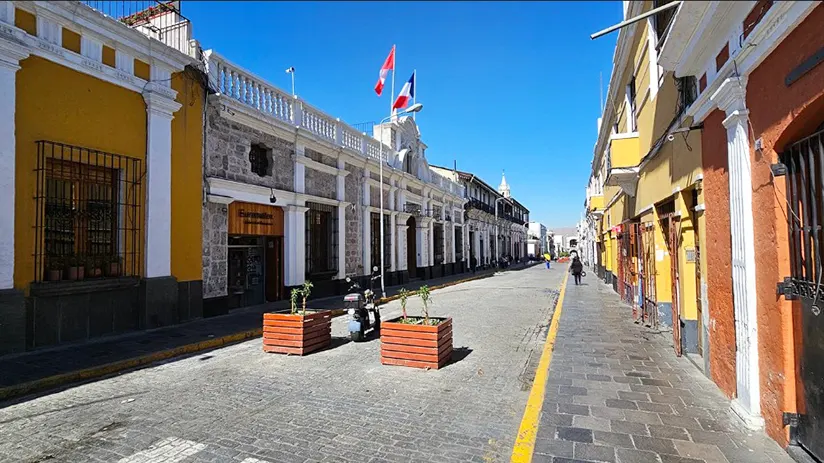
Adopting a slow travel Peru approach lets travelers fully enjoy the hidden heritage towns.
- Walk or bike to explore villages and plazas intimately
- Attend local festivals to experience traditional customs in Peru’s colonial cities
- Support local artisans and small businesses to help preserve culture
- Stay in locally-owned accommodations for authentic experiences
- Learn basic Spanish phrases to connect with locals
Slow travel ensures a deeper cultural connection and more meaningful experiences.
Planning your itinerary
A comprehensive itinerary for hidden historic Peruvian towns might include:
- Arequipa: The White City and colonial architecture
- Ayacucho: Festivals and colonial charm
- Huancavelica: Off the beaten path
- Cajamarca: Colonial architecture and nearby Inca ruins
- Chachapoyas: Cloud forest adventures and colonial streets
- Puno: Gateway to Lake Titicaca
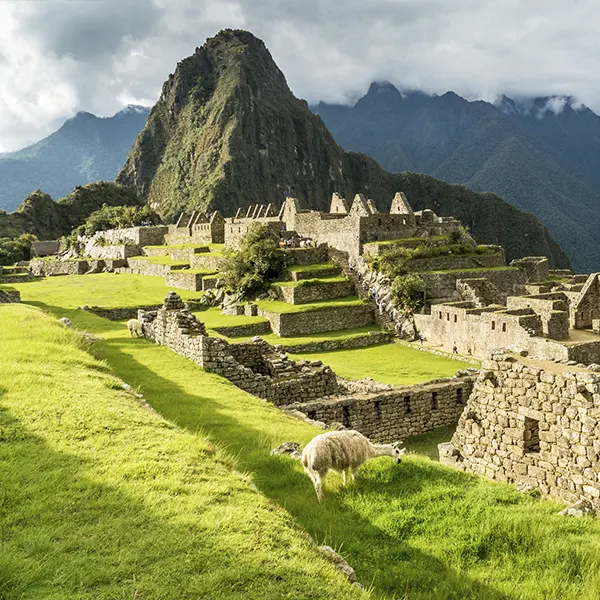
- Cusco: Capital of the Inca Empire and starting point for Machu Picchu
This itinerary balances lesser-visited regions with iconic landmarks and historic Andean towns.
Frequently asked questions
What are the best colonial towns to visit in Peru?
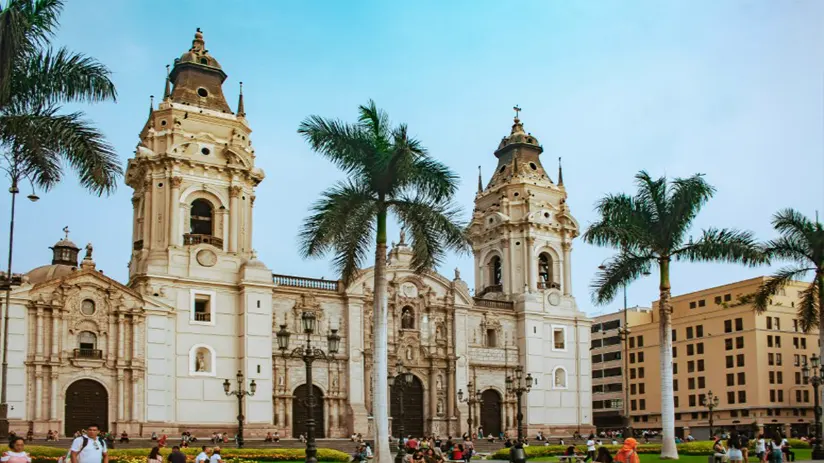
Cusco, Arequipa, Ayacucho, Trujillo, Lima’s Historic Center and Quinua.
Are there hidden historical town in Peru worth visiting?
Yes, some hidden colonial spots worth visiting include Paucartambo, Ayabaca, and Yanque. They offer authentic colonial architecture, local traditions, and very little tourism compared to major cities like Cusco or Arequipa.
What is the most beautiful historical town in Peru?
Many travelers consider Arequipa the most beautiful colonial town in Peru, thanks to its white sillar stone architecture, elegant plazas, and dramatic volcano views. It is also important to note that beauty can vary depending on the region and historical context of each town. Ultimately, the beauty of each colonial town depends on its regional character, history, and the traveler’s personal interests.
How can you visit colonial towns without crowds?
You can visit these places by planning routes around historic regions, not just major cities.
- Fly or bus to the main bus station, like Lima, Cusco, Arequipa, or Ayacucho.
- From there, use buses, private transfers, or guided tours to reach nearby heritage towns.
- Stay in historic centers to explore on foot.
- Combine towns with cultural routes (Andes, north, or southern Peru).
When is the best time to visit colonial towns?
The best time to visit is during the dry season, from May to September, when days are sunny and ideal for walking through historic centers. For fewer crowds and pleasant weather, the shoulder seasons, April-May and September and October, are often the best choice.
“THE WORLD IS A BOOK, AND THOSE WHO DO NOT TRAVEL READ ONLY ONE PAGE”
Exploring hidden colonial spots in the Andes offers travelers a unique chance to see historic towns in Peru steeped in history and rich with traditional customs in Peru’s colonial cities. From the White City of Arequipa to the quiet plazas of Chachapoyas, these towns provide unforgettable experiences in colonial architecture, Peru, festivals, cuisine, and daily life. Combined with slow travel in Peru, this journey gives a deep, immersive, and authentic view of Peru beyond the usual tourist trail.
Peru has so much to offer; it can be hard to know where to start. With many years of experience in the Peruvian tourism sector, we are happy to help you plan meaningful journeys beyond Machu Picchu. Make your Peruvian experience an unforgettable one! Contact us today to plan your dream adventure!