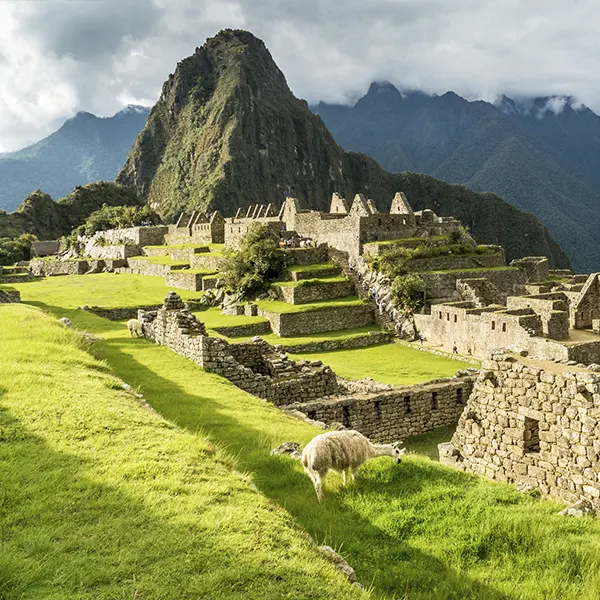
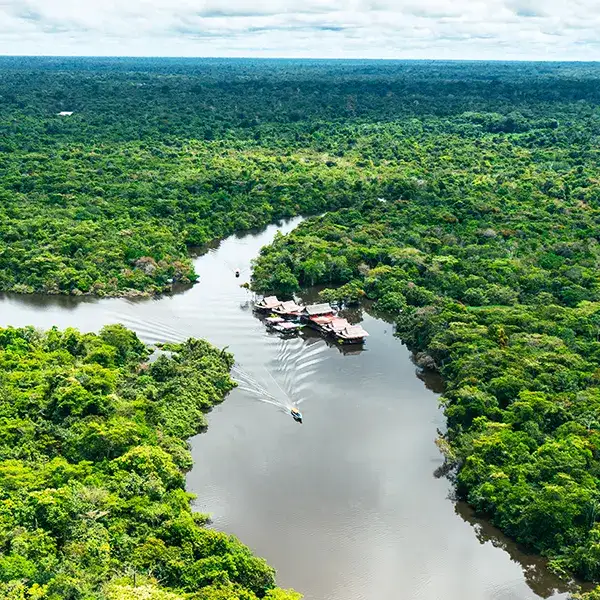
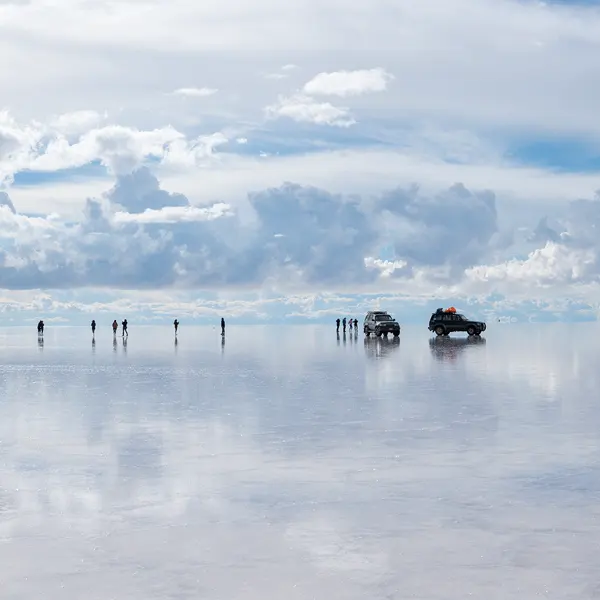
Peru is one of the most famous countries in South America, and for good reason: it’s home to Machu Picchu, a World Wonder. Its popularity is such that thousands of people embark on a journey to live this and other attractions at least once. However, with so many options and alternatives, many people find themselves captivated by a particular destination. Its charm is such that it attracts people who find an ideal place to put down roots, retire, or simply enjoy a longer stay.
Moving to Peru is a unique experience, but it can feel a bit overwhelming at first. It’s a big change, yet also a great chance to discover new culture, history, and traditions. That’s why the Machu Travel Peru team wants to share everything you need to make your move easier. Every situation is different, but there are some general tips you should keep in mind.
Main reasons to start relocating to the enchanting country of Peru
- Accessible visa and immigration process
- Cost of living in Peru
- Peruvian culture and lifestyle
- Best places to live in Peru for expats
- Important considerations before relocating to Peru
- Pros and cons of moving to Peru
Accessible visa and immigration process

Entering Peru can be confusing for many travelers. Even though most tourists only need a passport, there are currently some exceptions. Furthermore, passport entry comes with many limitations, the most notable being the maximum stay. While it depends on the discretion of the relevant authorities, the maximum stay you can obtain is 90 days.
If you plan to move or stay longer, you will need to consider other options. Fortunately, you will find many alternatives to choose from depending on your specific situation. Remember that each has its own requirements and limitations, but they will all facilitate your immigration process. Below are some of the most relevant:
- Extended Tourist Visa: This option allows a maximum stay of 183 days, maintaining tourist status. In addition to permitting a stay here without losing your residency, it is one of the most viable options. Avoid exceeding the time limit to prevent fines.
- Retiree Visa: The retiree visa is ideal for retirees with a fixed and stable pension. It grants indefinite residency, allowing them to enjoy various benefits and live in Peru. Nonetheless, you have to present your proof of monthly income, not working in Peru, and having no criminal record.
- Work Visa: Unlike the previous visa, this one allows individuals with a job offer in Peru to obtain it. Although it allows legal work, it is only valid for one year, with the possibility of renewal. Applicants must present the relevant employment contract, evidence of career credentials, and other required documents.
- Family Reunification Visa: Those with family ties to Peruvian citizens or residents can access this type of visa. To apply, they must have proof of kinship, proof of financial solvency, a valid passport, and a clean criminal record.
Visa application as a U.S. citizen

After you choose the right visa for your situation, you must follow a clear process. First, collect all the Peruvian residency visa requirements needed for your application to the Peruvian consulate or immigration office. Then, pay the application fee and attend an interview if required. Finally, wait for the official decision on your visa.
Cost of living in Peru

Well, another question many people have is about the cost of living in Peru. This can vary, especially depending on the specific area you choose to live in. Nevertheless, expats generally opt for a more relaxed and modest lifestyle. To achieve this, they choose to stay in places that offer the necessary amenities at an affordable price.
For example, $100 can go a long way in Peru, covering several days of lodging, food, and transportation. This makes the low cost of living one of the main reasons to move and settle down. Peruvian superfoods, local products, and store brands will be your main allies in reducing your budget. To better illustrate this and other points, we’ll share some of the estimated expenses in the Andean country:
| Category | Average in Peru by month (USD) | Average in the USA by month (USD) | Notes |
| Alimentation | $200 – $400 | $550 – $750 | A wide variety of local products, meats, and vegetables at reasonable prices. Some imported products may cost more. |
| Housing | $400 – $900 | $1200 – $2000 | Housing and rents are cheaper, especially outside of exclusive neighborhoods in Lima. |
| Transport | $200 – $300 | $500 – $800 | Public transportation is the most widely used and recommended option due to its low prices. Its routes cover a large part of the country. |
| Phone plans | $25 – $40 | $35 – $70 | 4G coverage in major cities at an affordable price. |
Peruvian culture and lifestyle

Peruvian culture is as diverse as its attractions; its customs, traditions, and lifestyles make it a truly unique country. Besides, the mix of people makes it easy to feel welcome in Peru. Peruvians are warm, friendly, and open to conversation. Still, it’s important to learn about local social norms and religious practices to enjoy life in Peru fully.
Language

Though English speakers are prevalent in some tourist areas, the situation differs in the rest of the country. Spanish is the predominant language in Peru, but there are regions where indigenous languages are widely spoken. Quechua and Aymara are examples of this. As an expat, learning at least Spanish will be essential for navigating daily life.
Social norms and etiquette

Respect, formality, and family values are key when discussing Peruvian social norms and etiquette. For example, when greeting someone, you can shake hands or kiss them on the cheek, depending on the formality. Similarly, a verbal greeting upon entering a public space is essential. Other common norms relate to dress, as certain occasions require adherence to a dress code.
We understand that all the inherent rules of conduct among Peruvians may initially seem confusing. Nonetheless, at the same time, they understand and empathize with people who are unaware of these invisible labels. Keep in mind that you can always talk to a local to clarify any attitudes you may have.
Religion and spirituality

Peruvian culture places great importance on religion and spirituality, with Catholicism one of the main beliefs. Every year, thousands of Peruvians take part in festivals that come from deep religious traditions. Some of the most popular are Holy Week, Corpus Christi, Christmas, and Inti Raymi. Moreover, it is significant to approach these memorable traditions and practices with respect and openness.
Likewise, Andean mysticism is present in the local culture, especially in Andean locations. Rituals and offerings are key forms of expression you might see in these places. Nevertheless, if you are not open to believing in deities like Pachamama, be cautious and respectful. Having diverse beliefs and religions is entirely respectable.
Best places to live in Peru for expats
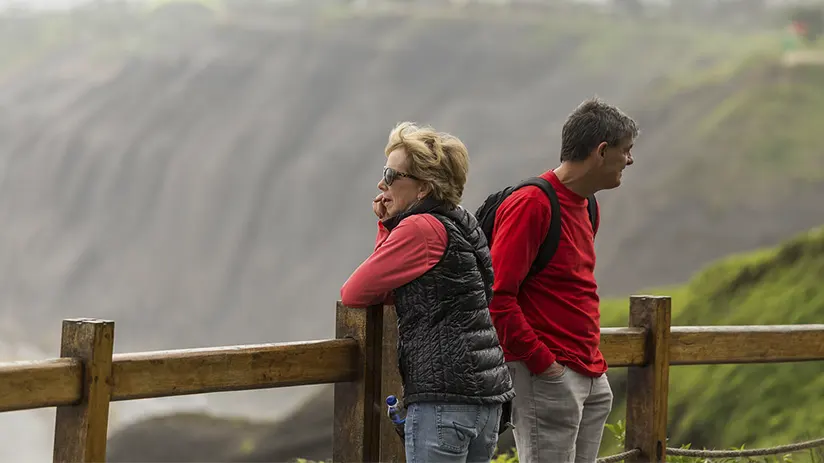
Throughout the Peruvian territory, you’ll find tourists from all over the world. Nonetheless, some places are particularly attractive to large expat communities. Therefore, those considering relocating to Peru will find an ideal environment to suit their interests. Below are some of the best places to consider permanent residency:
Lima
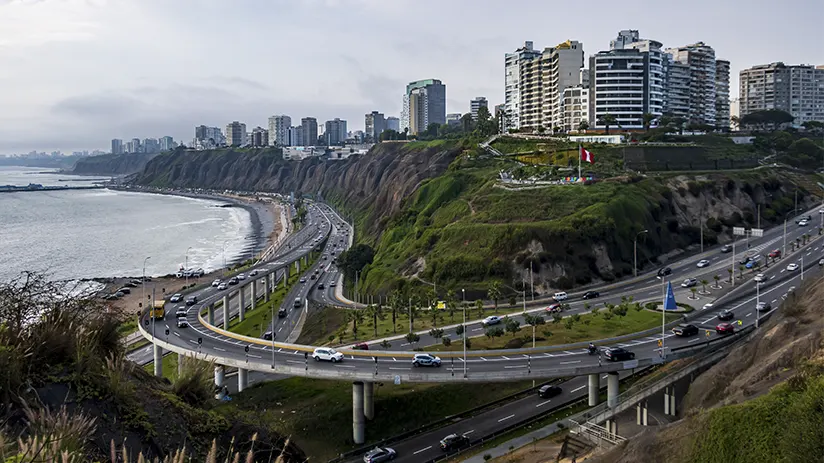
The capital of Peru couldn’t be missing from the list of best places to relocate. Moreover, boasting modern amenities and impressive cuisine, it has the largest expat population. Miraflores, San Isidro, and Barranco are among the famous areas to begin a new chapter in your life.
Cusco
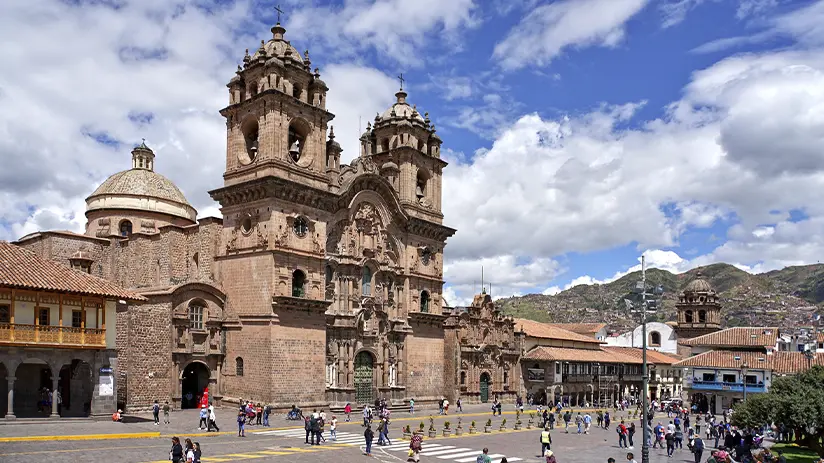
The capital of the Inca Empire also tops the list of preferred locations for expats. This is one of the few Peruvian destinations with a strong tourist presence. In addition, its close ties to Inca history and culture make it one of the best places to live. And if that weren’t enough, Cusco’s cultural traditions will leave you completely captivated.
Sacred Valley
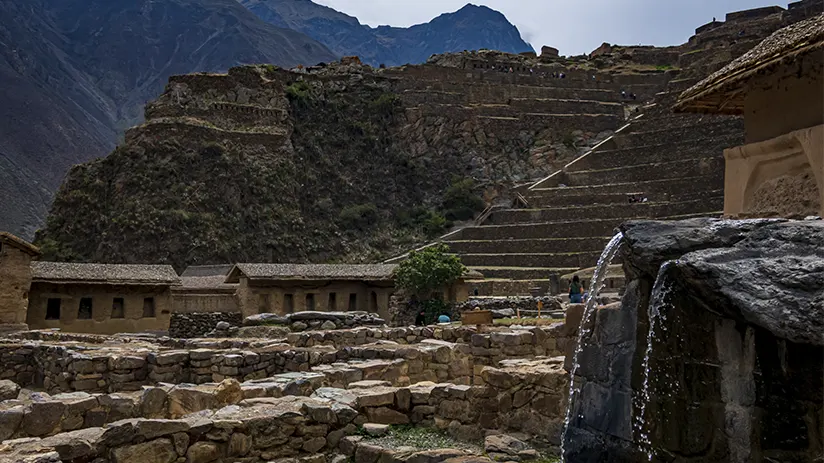
Those looking to escape city life and enjoy the tranquility of the mountains will find the Sacred Valley ideal. Urubamba and Pisac are among the best towns to enjoy a peaceful retreat without sacrificing excellent amenities. Both cities are just a few hours’ drive from Cusco, making them easily reachable. Additionally, you’ll find numerous chances to mingle with fellow expats and residents.
Arequipa
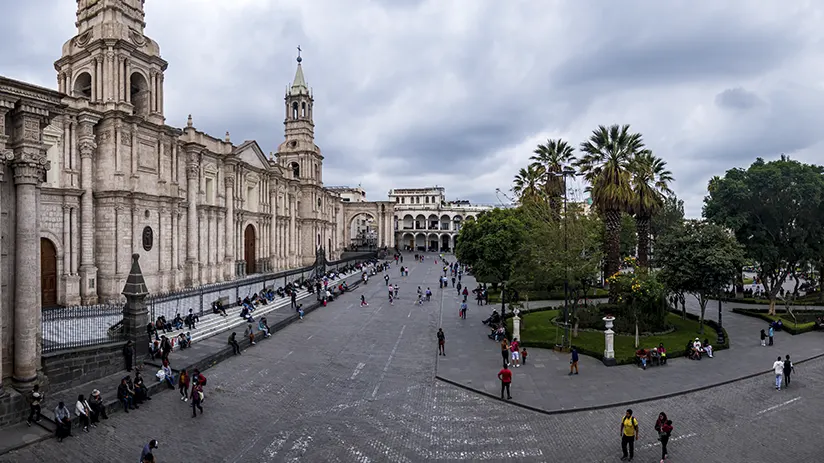
The White City deserves a spot on this list for its stunning colonial architecture. As the second-largest city in the country, it’s not uncommon to see expat communities. With a lower cost of living and a unique culinary scene, it’s a perfectly viable option. Another highlight is its wonderful climate, which is stable for most of the year.
Important considerations before relocating to Peru
When moving to Peru, there’s a lot to consider before traveling or settling in. Making such a decision requires, at the least, that you’ve visited the country before. However, it could be your first time, in which case creating a checklist is ideal. Besides those already mentioned, here are some moving abroad tips:
- When relocating to Peru, many consider purchasing private health insurance, which covers any unfortunate incidents. While Peru’s healthcare system is quite affordable, opting for private insurance is the best option. Furthermore, major cities host numerous private clinics and healthcare services, making them easily accessible.
- The destinations mentioned earlier are ideal for any expat. Nevertheless, it’s relevant to be cautious and aware of your surroundings. Even though Peru is a safe country to travel to, we recommend keeping a close eye on your belongings at all times. Also, consider that you can call emergency numbers at any time in case of an incident.
- Many U.S. citizens who retire to Peru decide to buy local property. You’ll need a permit to sign contracts, but getting one is usually simple. A personal suggestion is to take ample time to explore the area and make your long-awaited decision. Likewise, remember that it’s best to pay in cash to avoid any extra real estate fees.
- Another key point is managing your money and understanding the local currency. In addition to using credit or debit cards, you should get familiar with the sol, Peru’s official currency. In many places, especially rural areas, cash is still the main way to pay. Thus, it’s helpful to know the different bills and coins.
- With so many local festivals and traditions, it might be confusing at first. For this reason, it’s best to gradually immerse yourself in the traditions. Don’t expect to participate in ancestral activities like Ayahuasca in your first few days. Rituals and traditions require time and preparation, so you should be patient and avoid rushing.
Pros and cons of moving to Peru

| Advantages | Disadvantages |
| – Better cost of living for food, rent, and transportation – Affordable basic services (electricity, water, internet, etc.) – Reachable transportation – Impressive local cuisine – Enriching cultural experiences – Wide variety of natural landscapes – Friendly local community | – Lower local salaries and incomes – Imported products are expensive and difficult to find – Necessary cultural and linguistic adaptation – Limited international food and fast food options – Bureaucracy |
“NO BETTER PLACES EXIST TO RECONNECT THAN WHERE YOU FEEL COMFORTABLE”
As we’ve seen, Peru is an ideal destination to move to and start a new chapter. Regardless of the amount you need to relocate here, which can range from $1,500 to $2,500, you’ll find a special place. The Machu Travel Peru team hopes we’ve provided you with some insight into this topic that generates so much interest. Keep in mind that every situation is unique, so it’s best to continue researching before making a final decision.
Peru has so much to offer, it can be hard to know where to start. With many years of experience in the tourism sector, Machu Travel Peru is happy to help with anything regarding your trip to Machu Picchu and any tours around it. Make your Machu Picchu experience an unforgettable one! Contact us today to plan your dream adventure!