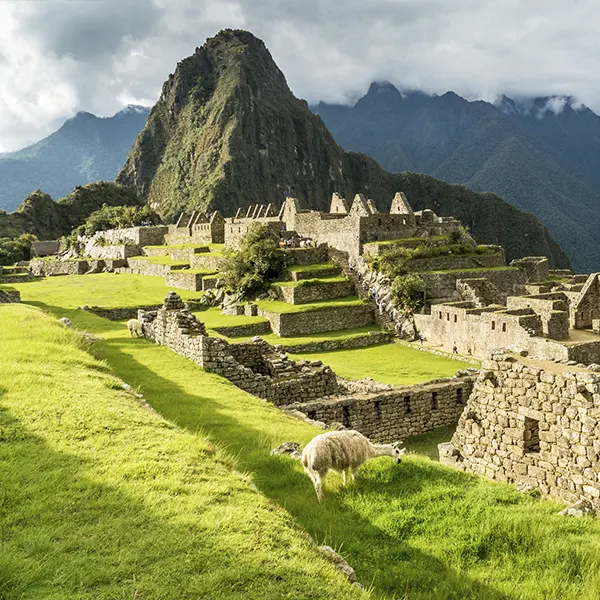
Alternative treks to Machu Picchu allow travelers to explore Peru’s Andean landscapes and spectacular mountain routes. One of the most popular and chosen is the Inca Trail, which offers a unique and culturally immersive journey. If you can’t secure permits for the Inca Trail, less-crowded routes like Salkantay, Lares, or Choquequirao offer diverse ecosystems, rich Andean culture, and unforgettable routes to Machu Picchu.
Machu Picchu is a UNESCO World Heritage Site protected by the Ministry of Culture of Peru, making responsible trekking and regulated access essential for preserving its archaeological and cultural value. Choosing alternative treks helps reduce pressure on the classic Inca Trail while still allowing travelers to experience the heart of the Andean civilization.
Best alternative treks to the Inca Trail:
- Salkantay Trail to Machu Picchu
- Choquequirao Trek to Machu Picchu
- Lares Trek to Machu Picchu
- Huchuy Qosqo Trek to Machu Picchu
- Inca Jungle Trail to Machu Picchu
- Ancascocha Trek to Machu Picchu
- FAQs about Alternative Treks to Machu Picchu
Salkantay Trail to Machu Picchu
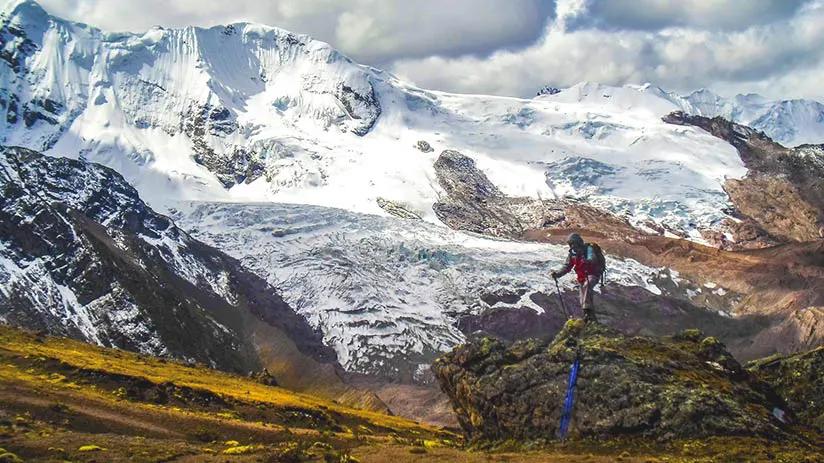
Many alternative treks to Machu Picchu follow sections of the ancient Qhapaq Ñan, the Inca road network that once connected vast Andean territories. Today, these routes cross fragile Andean ecosystems, making sustainable tourism practices essential to protect local communities, biodiversity, and cultural heritage.
In recent years, the Salkantay Trek has become a popular, less-crowded route because of its unique features. Likewise, its similarities to the classic Inca Trail and unique views have earned it international recognition. The Salkantay Trek has been recognized by National Geographic as one of the 25 best treks in the world.
Another highlight is that this trail follows the iconic section of the Qhapaq Ñan, an ancient Inca transportation system. This makes it an excellent alternative, combining high-altitude mountain scenery with lush jungle environments. Its contrasting diversity of flora and fauna makes it a fascinating experience for many international and national tourists.
Salkantay Trail Overview
- Difficulty Level: Moderate to Challenging
- Typical Duration: 5 days / 4 nights
- High Season: May – September (during the dry season in Cusco)
- Total Distance: Approximately 51 kilometers / 32 miles
- Starting Elevation: 4,200 meters / 13,780 feet
- Maximum Elevation: 4,600 meters / 15,090 feet
- Highlights: Mountain spirit, varied scenic beauty, and local farms.
Salkantay Trail Itinerary
Typically, the Salkantay Trek to Machu Picchu is initiated in the Mollepata Valley (3,000 m / 9,843 ft). From there, you will walk through the Río Blanco Valley until you reach the campsite in Soraypampa. The highlight of this part is the spectacular panorama of the snow-capped mountains of Salkantay and Humantay.
The trail continues along the slopes of the Salkantay Mountain Peak (6,271 m / 20,569 ft) to lush forests in the lower areas. Besides, notable at this point are the stunning views of the Vilcanota Mountain Range and its unique tropical microclimate. This stage will also offer numerous opportunities for magnificent photography.
The trail then continues alongside the Santa Teresa River until reaching the town of the same name. This place is famous for its ample opportunities to connect with Andean culture, agriculture, and the Qhapaq Ñan. In addition, this trek is a part of the ancient Inca Trail and guides you to Llactapata (2,650 m / 8,694 ft).
With a first glimpse of Machu Picchu, hikers head to the Hidroeléctrica train station. From there, they can take the train to Aguas Calientes (1,950 m / 6,398 ft), the nearest town to Machu Picchu. We recommend checking every detail of your tour to avoid any inconvenience. Finally, the last day is magical as hikers discover the mysteries of this wonder of the world to their fullest.
Choquequirao Trek to Machu Picchu

The Choquequirao Trek is renowned as one of the most challenging treks in the Andean country. Although the route is difficult, what presents a real challenge is the number of sites visited in relation to the days of trekking. Despite this, this additional effort makes the experience of the trek to the ancient Inca citadel more than rewarding.
This unique option offers Inca ruins, archaeological sites, dramatic glacial valleys, and much more. However, it is important to mention that there are currently two optional tours. One that is just for visiting the complex, and another longer that offers the opportunity to appreciate Machu Picchu. With clear differences in days, this time we will delve into the one that includes the long-awaited Wonder of the World.
Choquequirao Trek Overview
- Difficulty level: fairly challenging
- Typical duration: 8 days / 7 nights
- High season: May – September (dry season; rarely crowded year-round)
- Total distance: approximately 62 miles / 100 kilometers
- Starting elevation: 2,800 meters / 9,186 feet
- Maximum elevation: 4,680 meters / 15,355 feet
- Highlights: Choquequirao ruins, condors in flight, waterfalls, and hot springs.
Choquequirao Trek Itinerary
The hike typically begins in the small town of Cachora (2,850 meters / 9,350 feet), the starting point for this beautiful trek. The trail offers stunning views of the enormous Padreyoc Glacier and Capuliyoc Pass. You can also catch a glimpse of the Apurimac canyon and river, which are truly beautiful. The first day culminates in Chiquisca (1,930 meters / 6,332 feet), a welcoming place for hikers and tourists.
Afterward, hikers descend into the Apurimac River Valley to reach the archaeological site of Choquequirao (3,103 meters / 10,178 feet). Many people take the opportunity to explore and gain a deeper understanding of the surrounding culture. Although the site remained largely hidden from the public for many years, it now welcomes tourists who wish to discover it. Its imposing structure has earned it international recognition as a “sister” of the Inca citadel.
Leaving Choquequirao, the tour continues through the lush valley of the Rio Blanco, where adventurers can admire agricultural terraces. During this stretch, the wide variety of ecosystems stands out until reaching Yanama (3,375 meters / 11,072 feet). From the small town surrounded by mountains, the trail continues at a higher elevation, reaching 4,680 meters / 15,355 feet.
Although this is the most challenging part of the hike, its picturesque views of mountains such as Salkantay and Pintuyo are worth it. The descent begins in the town of Winaypocco, where subtropical diversity and waterfalls take center stage. Also, it continues until reaching the Lucmabamba Valley (2,100 meters / 6,890 feet), the access point to Llactapata.
Hikers continue to the Hidroelectrica (1,890 meters / 6,200 feet), an easy access point to Aguas Calientes. This town sits on the slopes of the historic sanctuary, known as a place to relax and unwind before beginning the main day. You can choose the tour you want based on your interests, and this unique experience will end with a flourish.
Lares Trek to Machu Picchu

The Lares Trek to Machu Picchu is one of the most attractive for culture lovers because of its closeness to local customs and traditions. Moreover, people also call it the Weaver’s Route because you can see traditional weaving villages. Plus, the mountainous landscapes, emerald lakes, and queuña forests stand out in this section.
The experience is similar to the Inca Trail and allows hikers a more comfortable and quieter journey. While it doesn´t feature many Inca sites, unlike the previous ones, you will have an culturally immersive journey. Additionally, many people also take the opportunity to see shepherds with their llamas or women weaving colorful garments.
Lares Trek Overview
- Difficulty Level: Moderate
- Typical Duration: 4 days / 3 nights
- High Season: May – September (during the dry season, which is the best time to visit Machu Picchu)
- Total Distance: Approximately 33 kilometers / 20.5 miles
- Starting Elevation: 2,925 meters / 9,596 feet
- Maximum Elevation: 4,450 meters / 14,600 feet
- Highlights: Stunning mountain views, Andean culture, and hot springs.
Lares Trek Itinerary
The tour starts in Calca (2,926 meters / 9,599 feet), a picturesque little town in the Sacred Valley of the Incas. This is the starting point for appreciating quaint little towns and their cultural displays. As a result, here, you’ll also see locals growing high-altitude produce and weaving unique textiles. Also, the main feature of this point is the opportunity to relax and enjoy the Lares hot springs.
The trek continues to Huacahuasi (4,600 meters / 15,091 feet), where it’s possible to see herds of alpacas and llamas. Then follows Ipsayccasa, the highest point on the trail, offering unique views of the snowy peaks. Descending from the Ipsaycocha lagoon, travelers make a stop before reaching the village of Patacancha. Also, this traditional Quechua village is an exceptional opportunity to experience the local way of life.
When hikers arrive at Pumamarka, they begin their descent to Ollantaytambo (2,792 meters / 9,160 feet), passing some small sites. Once in the village, they can take the train to Aguas Calientes, the closest point to the wonder. Finally, the last day of the trek culminates with a visit to Machu Picchu, where you can visit iconic sites such as Inti Punku.
Huchuy Qosqo Trek to Machu Picchu
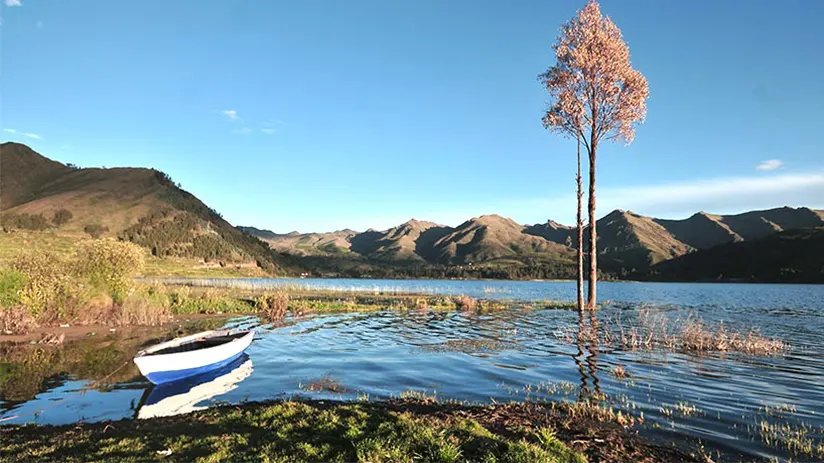
For those who prefer a more relaxing hike and still want to experience it, Huchuy Qosqo is an excellent option. Its varied landscape, breathtaking views, and shorter trails make it a hidden gem in the Andean country. This route is perfect for those seeking a less demanding but equally enriching experience. As a result, its lesser popularity will provide you with authentic experiences that connect you directly with the place.
Huchuy Qosqo Trek Overview
- Difficulty Level: Moderate
- Typical Duration: 3 days / 2 nights
- High Season: May – September (during the dry season)
- Total Distance: Approximately 18 kilometers / 11 miles
- Starting Elevation: 3,750 meters / 12,303 feet
- Maximum Elevation: 4,200 meters / 13,780 feet
- Highlights: Stunning views, peaceful trail, and historic ruins.
Huchuy Qosqo Trek Itinerary
This less-crowded route to the Inca Trail to Machu Picchu begins in the village of Tauqaq (3,750 meters / 12,303 feet). Along the way, you will have the opportunity to cross typical Andean valley landscapes. During this stretch, many people often feel captivated by crops of corn, potatoes, barley, or quinoa.
The journey continues with an ascent to (4,050 meters / 13,287 feet), where ecosystems with sparse vegetation, such as the puna. Here are views of the Vilcabamba mountain range and incredible views of snow-capped mountains such as Verórina or Chicón. All these excursions lead to one of the central points of the trek, the ruins of Huchuy Qosqo.
Once in Cusco pequeño or Huchuy Qosqo (3,600 meters / 11,800 feet), you can admire the ancient local buildings. The open ceremonial center, the Kallanka (Great Wall), grain storage structures, and an ancient irrigation canal are some examples. This site was a small but significant Inca settlement, making it a point of historical and cultural interest.
The hike continues to Lamay (2,900 meters / 9,514 feet), an easy access point to Ollantaytambo. Here, you can board a train to Aguas Calientes for the easy Machu Picchu trek, tailored to your interests. Unlike the one-day Inca Trail, you’ll reach the citadel at a more relaxed pace and with less effort, without losing a hike.
Inca Jungle Trail to Machu Picchu

The Inca Jungle Trail is an excellent option for the more adventurous, offering adrenaline-filled and exciting activities. This incredible option also combines extreme sports and outdoor activities in mountain and jungle landscapes. The combination of stunning natural surroundings and diversity allows you to immerse yourself in a unique and incomparable experience. Therefore, if you seek thrilling experiences, breathtaking scenery, and adventurous activities, we are confident you’ll enjoy this excursion.
Inca Jungle Trail Overview
- Difficulty Level: Challenging
- Typical Duration: 4 days / 3 nights
- Season: May – September (during the dry season – the remaining months are not suitable because of constant rain)
- Total Distance: Approximately 70 kilometers / 43 miles
- Starting Elevation: 4,350 meters / 14,272 feet
- Maximum Elevation: 4,350 meters / 14,272 feet
- Highlights: Adventure activities and stunning jungle views.
Inca Jungle Trail Itinerary
The adventure is initiated at Abra Malaga (4,350 meters / 14,272 feet) with an exciting bike descent. From the snowy peaks to the dense jungle, you’ll have direct contact with nature and adventure at every turn. With a gradual change of ecosystems, until you reach the tropical rainforest, this section continues to the jungle edge.
In Santa Maria (1,430 meters / 4,691 feet), hikers have the opportunity to add even more fun by rafting. In the Urubamba River, we can provide the necessary safety equipment and specialized assistance. The next day, the trail continues with a trip to Santa Teresa, where vegetation and Inca trail treks predominate.
The tour continues to the Cocalmayo hot springs (1,600 meters / 5,249 feet), where you will have the opportunity to try ziplining. This activity is perfect for the most adventurous, as you can soar through spectacular scenery. The journey continues past the hydroelectric station until reaching the railway line.
On the final stretch, adventurers will have the opportunity to enjoy beautiful waterfalls until reaching Aguas Calientes. This is a town at the foot of Machu Picchu and the closest to the Inca citadel. The best thing to do is rest and then head to your main destination the next day. If you’d like more tips for visiting Machu Picchu, be sure to visit our blog to learn more and be better prepared.
Ancascocha Trek to Machu Picchu
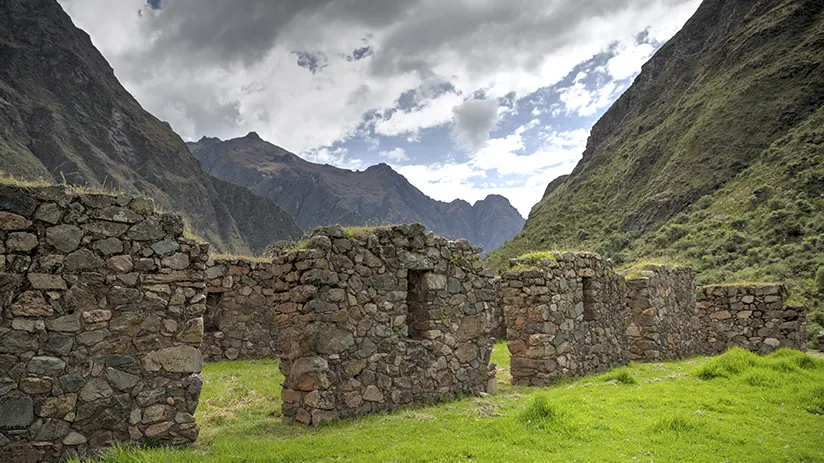
One of the less popular but equally challenging hikes, the Ancascocha is excellent for those seeking adventurous experiences. Fresh air, mountain views, and farming villages are the highlights of this trail. The route also traverses high mountain passes that will test your endurance and challenge you. In the end, all the effort will be worth it to escape the conventional tourist routes and explore in connection with nature.
Ancascocha Trek Overview
- Difficulty Level: Challenging
- Typical Duration: 5 days / 4 nights
- High Season: May – September (during the dry season in Cusco)
- Total Distance: Approximately 49 kilometers / 30 miles
- Starting Elevation: 3,200 meters / 10,498 feet
- Maximum Elevation: 4,650 meters / 15,256 feet
- Highlights: Impressive landscapes, stunning views, and local culture.
Ancascocha Trek Itinerary
Generally, the Ancascocha Trek begins in Soqma (3,200 meters / 10,498 feet), an easy point to access Perolniyoc and Racaypata. The mountains, wilderness, and diverse ecosystems will enchant you with their natural beauty. The first day culminates with the descent to Rayan, a perfect place to see stunning nighttime views of the starry sky.
The trek continues in Kuychiccasa, and it´s important to conserve energy during this stretch because it’s demanding. Nonetheless, the views of the Verónica Glacier will make this once-in-a-lifetime Andean trekking experience. At the Huayanay Pass (4,650 meters / 15,255 feet), you’ll enjoy some Inca ruins and the Ancascocha Lagoon. Although it has the highest elevation, we’re sure you’ll enjoy every moment in the company of your expert guide.
After visiting Paucarcancha, the journey continues along the Classic Inca Trail, which is notable for the Llactapata archaeological site. Once there, transport will take you to Ollantaytambo and, subsequently, to Aguas Calientes. When you arrive at the nearest town to the Machu Picchu location, you´ll have the opportunity to rest and recharge. On the last day, you will visit the Inca citadel and some of its attractions (depending on your interest), such as the Sun Gate.
FAQs About Alternative Treks to Machu Picchu

What are the best alternative treks to Machu Picchu?
The best alternative treks to Machu Picchu include the Salkantay Trek, Choquequirao Trek, Lares Trek, Huchuy Qosqo Trek, Inca Jungle Trek, and Ancascocha Trek. Each route offers different landscapes, difficulty levels, and cultural experiences, making them excellent options for travelers who want to avoid the classic Inca Trail.
Do alternative treks to Machu Picchu require permits?
Most alternative treks do not require permits, unlike the Classic Inca Trail, which has limited availability. However, Machu Picchu entrance tickets and train tickets to Aguas Calientes are still required, and availability can be limited during high season. Booking in advance is highly recommended.
Which alternative trek is best if I can’t get Inca Trail permits?
If Inca Trail permits are sold out, the Salkantay Trek is considered the best alternative. It offers dramatic mountain scenery, glaciers, and a well-established route, making it one of the most popular and rewarding treks to Machu Picchu without needing a permit.
What is the easiest alternative trek to Machu Picchu?
The Huchuy Qosqo Trek is one of the easiest alternative treks, ideal for travelers looking for a shorter and less demanding hike. It combines beautiful Andean scenery with archaeological sites and is perfect for those with limited time or moderate fitness levels.
Which trek is best for experienced hikers?
For experienced hikers seeking a challenge, the Choquequirao Trek and Ancascocha Trek are the most demanding options. These routes feature long distances, high mountain passes, and fewer crowds, offering a truly remote and adventurous trekking experience.
Is acclimatization necessary for alternative treks?
Yes, acclimatization is essential. Most alternative treks reach elevations above 4,000 meters (13,000 feet). Spending at least 2–3 days in Cusco or the Sacred Valley before starting your trek helps reduce the risk of altitude sickness and improves overall performance.
When is the best time to hike alternative treks to Machu Picchu?
The best time to hike is during the dry season from May to September, when weather conditions are more stable. June, July, and August are the most popular months, while May and September offer fewer crowds with similar weather conditions.
“A TRAIL CAN CONNECT YOU WITH AMAZING NATURE, LOCAL CULTURE, AND MANY INCREDIBLE EXPERIENCES WAITING TO BE DISCOVERED”
Due to high altitudes on most less-crowded routes, proper acclimatization in Cusco is essential before starting the hike. Understanding altitude effects, physical preparation, and trekking safety significantly improves the overall experience and reduces health risks during the journey. Although there are other ways to get to the Inca citadel, you can’t miss the alternative treks to Machu Picchu. We hope we have given you an introduction to new options for living a unique and enchanting experience.
Machu Picchu has so much to offer; it can be hard to know where to start. With many years of experience in the tourism sector, Machu Travel Peru is happy to help with anything regarding your trip to Machu Picchu and any tours around it. Let us help you make your Machu Picchu travel experience unforgettable! Contact us today to plan your dream adventure!