Machu Picchu is located in the Cusco Region of southeastern Peru, within Urubamba Province and the district of Machupicchu. Its exact coordinates are 13°09′47″ S, 72°32′44″ W, on a mountain ridge in the eastern Andes overlooking the Urubamba River. This guide explains exactly where Machu Picchu is located and why its geographic setting was so important.
| Country | Peru |
| Coordinates | 13.1631° S, 72.5450° W (13° 9′ 47″ S, 72° 32′ 44″ W) |
| Altitude | 2,430 meters (7,972 feet) above sea level |
| Province | Urubamba |
| District | Machu Picchu |
| Mountain Range (Cordillera) | Vilcabamba mountain range (Eastern Andes) |
| Distance from Cusco | About 80 km (50 miles) northwest in a straight line |
Learn about the Machu Picchu location
- Where Is Machu Picchu Located?
- Machu Picchu Coordinates and Altitude
- Machu Picchu’s Location Within Peru
- Machu Picchu and the Sacred Valley
- Which Mountain Range Is Machu Picchu In?
- Why This Location Was Strategically Chosen
- How the Location Kept Machu Picchu Hidden from the Spanish
- Why the Historic Sanctuary Matters
- Frequently Asked Questions
- Conclusion
Where is Machu Picchu Located?
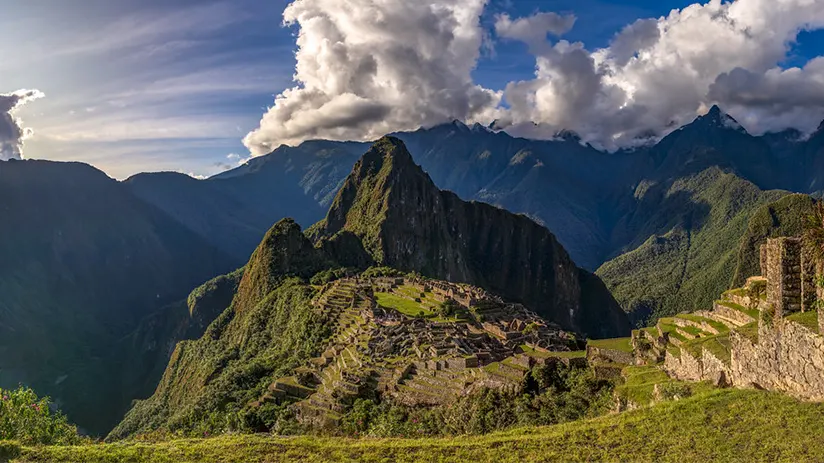
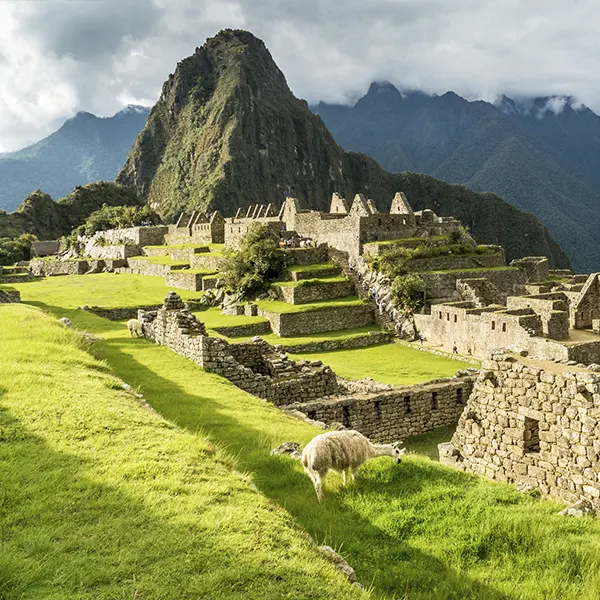
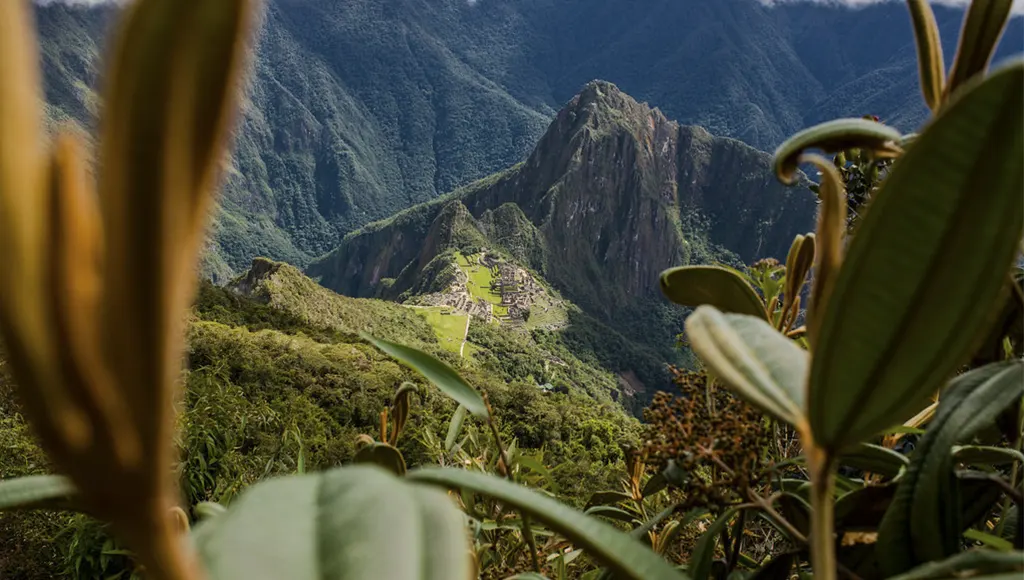
Machu Picchu is located in southeastern Peru, in the Cusco region. It lies within the province of Urubamba, district of Machu Picchu, in the cloud forest of the Andes Mountains, above the Sacred Valley of the Incas.
Machu Picchu Coordinates and Altitude
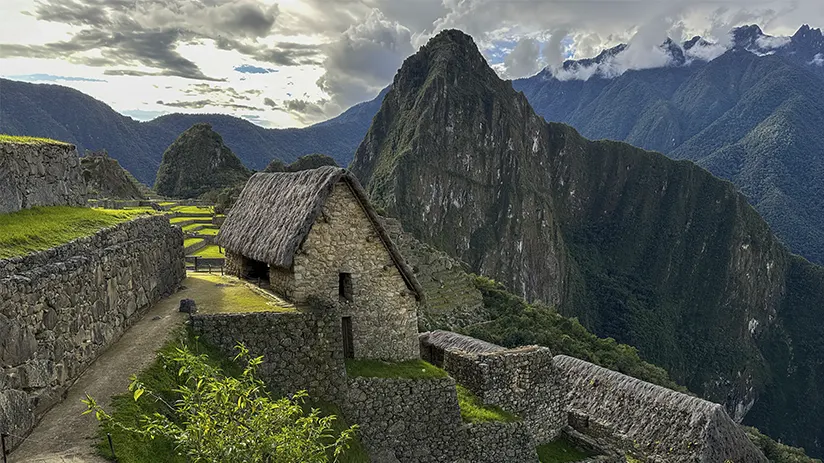
The exact geographic coordinates of the Inca citadel are 13°09′47″ S latitude and 72°32′44″ W longitude. Machu Picchu is 2,430 meters (7,972 feet) above sea level, in the middle of the cloud forest. For more details, consult our detailed guide to learn how high Machu Picchu is.
Machu Picchu’s Location Within Peru
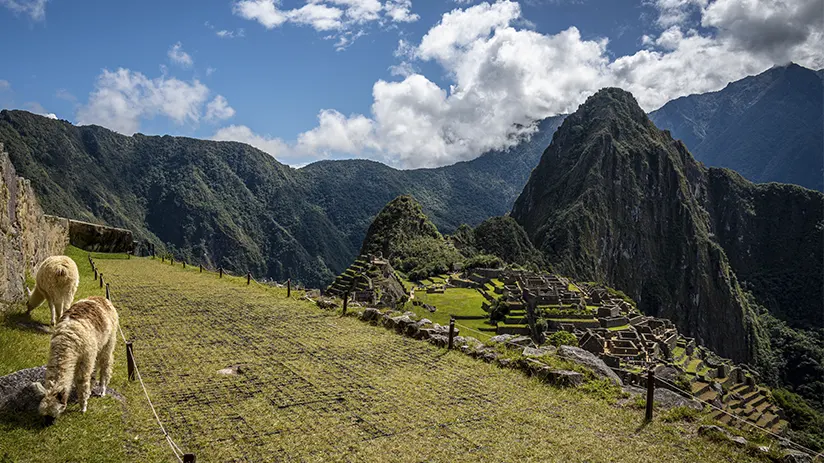
On a Peru tourist map, you can locate Machu Picchu in the southeast of the country, specifically in the Cusco region, Urubamba province. The archaeological site is in the district of Machu Picchu, 80 kilometers northwest of the city of Cusco.
Machu Picchu and the Sacred Valley
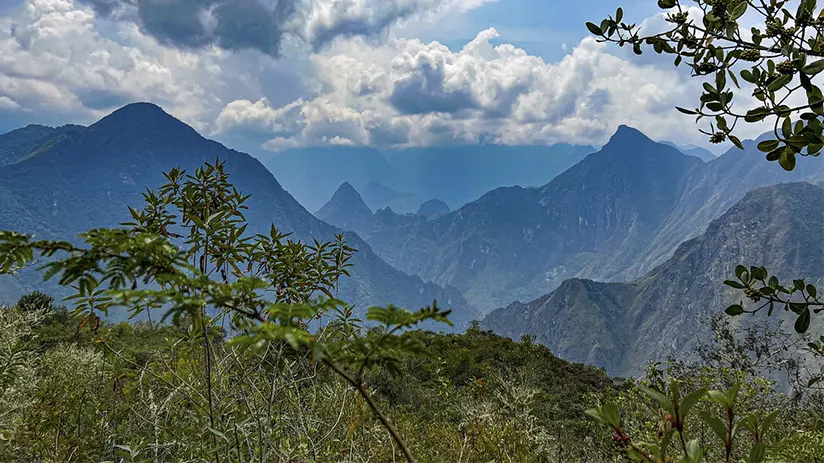
Machu Picchu is located at the northwestern end of the Sacred Valley, perched above a deep canyon through which the Urubamba River flows. After winding through the valley, this river flows around the base of Machu Picchu Mountain. Here’s everything you need to know about the Sacred Valley in Peru.
Which Mountain Range Is Machu Picchu In?
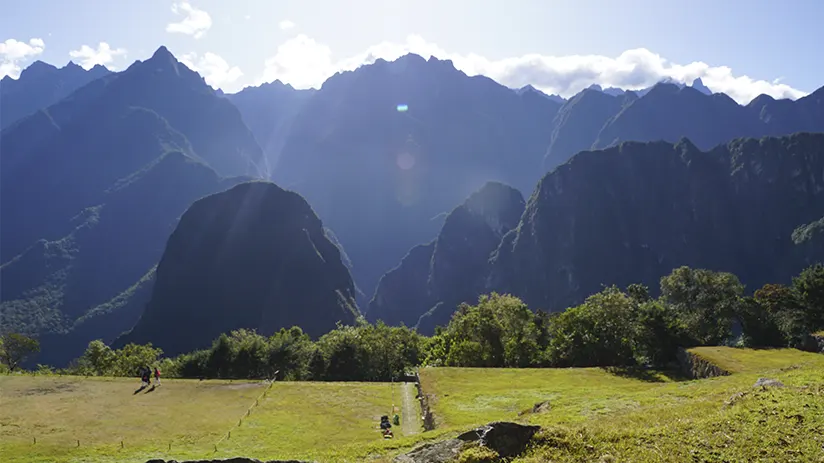
Although Machu Picchu is commonly described as being in the Andes Mountains, it more specifically sits within the Vilcabamba mountain range, a subrange of the Eastern Andes. The Vilcabamba range forms part of the Peruvian Andes and encompasses complex, rugged terrain. It includes snow-capped peaks, deep valleys, and slopes that descend towards the cloud forest.
The Vilcabamba batholith is a granite rock mass set within the Vilcabamba range. This large geological formation is situated within the mountain range itself and plays a key role because the Incas built Machu Picchu directly on this granite formation. In addition to supporting significant Inca structures, it is home to abundant protected flora and fauna.
Why This Location Was Strategically Chosen

The Incas strategically chose this location for its blend of defensive and sacred significance. On the one hand, it offered natural security thanks to its high rock walls, river barrier, and hidden position. The cliffs and towering peaks made the city difficult to access, almost completely isolated.
On the other hand, it held a sacred function, as according to Inca religion, the Incas deliberately placed many of their principal citadels near sacred peaks. These deities played a key role for the Incas, who believed in their protective role. Machu Picchu’s astronomical alignment further reinforces this idea, as the Incas closely linked the heavens and sacred architecture.
How the Location Kept Machu Picchu Hidden from the Spanish

Machu Picchu’s rugged geography kept the site hidden from the Spanish for centuries due to its remote, high-altitude location, surrounded by cliffs and the Urubamba River. The citadel’s premature abandonment allowed dense vegetation and landslides to cover the trails over time, keeping the sanctuary hidden from the conquistadors. Thus, both human and environmental factors, as well as geographical barriers, allowed the complex to remain undetected. See other mysteries of Machu Picchu for more information.
Why the Historic Sanctuary Matters

The Historic Sanctuary of Machu Picchu encompasses 32,592 hectares of rugged Andean-Amazonian terrain in Cusco, Peru. This protects both the archaeological site and the surrounding Andean landscape. Its status as a protected natural area in Peru also allows for the conservation of its water and natural resources and the wildlife around Machu Picchu. Learn more in our guide to the conservation of Machu Picchu.
Frequently Asked Questions
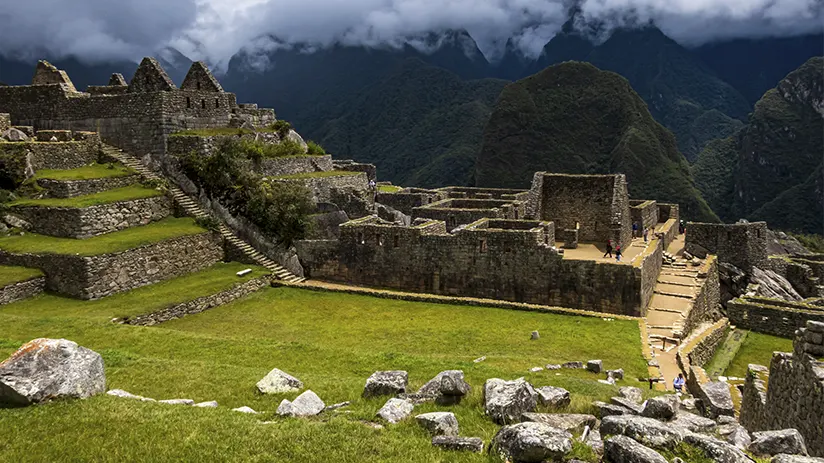
Where exactly is Machu Picchu located?
Machu Picchu is located in southeastern Peru, within the Cusco Region, Urubamba Province, and the district of Machupicchu. The Inca citadel stands at 13.1631° S, 72.5450° W on a mountain ridge overlooking the Urubamba River, making it one of the best-known landmarks in South America.
What country and region is Machu Picchu in?
Machu Picchu is in Peru, specifically in the Cusco Region of the country’s southeastern Andes. If you’d like a broader introduction before exploring its geography, read our guide explaining what Machu Picchu is.
What province and district is Machu Picchu in?
Administratively, Machu Picchu belongs to Urubamba Province and the district of Machupicchu, both located in Peru’s Cusco Region. These official divisions include the archaeological site and the surrounding Historic Sanctuary.
How far is Machu Picchu from Cusco?
Machu Picchu is approximately 80 kilometers (50 miles) northwest of Cusco in a straight line. For transportation options, routes, and practical travel information, see our complete guide to how to get to Machu Picchu.
What mountain range is Machu Picchu part of?
Machu Picchu is part of the Vilcabamba mountain range, a subrange of the Eastern Andes in southern Peru. The citadel stands on the Vilcabamba Batholith, a massive granite formation that helped shape the rugged landscape surrounding the site.
What are the coordinates of Machu Picchu?
The exact coordinates of Machu Picchu are 13°09′47″ S, 72°32′44″ W (approximately 13.1631° S, 72.5450° W). These coordinates place the citadel within the Historic Sanctuary of Machu Picchu in the Peruvian Andes.
Is Machu Picchu in the Andes or the Amazon?
Machu Picchu is set in the Andes Mountains, specifically on the eastern slopes where the Andes gradually transition toward the Amazon Basin. This location creates the cloud forest landscape that surrounds the archaeological site.
What river flows near Machu Picchu?
The Urubamba River flows through the deep canyon below Machu Picchu, surrounding much of the mountain on which the citadel stands. The nearby town of Aguas Calientes also sits along this river.
Why was Machu Picchu built in such a remote location?
Its location provided natural protection while offering enough space for agricultural terraces along the surrounding slopes. The setting also held symbolic importance within the worldview of the Inca Empire, particularly because of its relationship with the surrounding sacred mountains.
Why didn’t the Spanish ever find Machu Picchu?
Machu Picchu’s rugged mountain setting, cliffs, and dense cloud forest made it difficult to reach and easy to overlook. Its isolated geography helped conceal the site for centuries.
Is Machu Picchu part of a protected natural sanctuary?
Yes, Machu Picchu is located within the Historic Sanctuary of Machu Picchu, a protected area that preserves both the archaeological complex and its surrounding mountain landscape.
How is Machu Picchu’s location different from Ollantaytambo’s?
Unlike Machu Picchu, which occupies a remote mountain ridge within the Historic Sanctuary, Ollantaytambo lies on the floor of the Sacred Valley. For a complete comparison, visit our dedicated guide to Ollantaytambo.
Conclusion
Knowing where Machu Picchu is located helps you better understand why this remarkable site stands apart from any other archaeological destination in Peru. Its position within the Andes, surrounded by dramatic mountains and the Urubamba River, helped shape both its natural defenses and its long-term cultural significance. Whether you’re exploring a Machu Picchu map or a Cusco tourist map, its unique setting reveals why this extraordinary place continues to captivate visitors from around the world.
More than simply knowing its coordinates, understanding the geography of Machu Picchu offers a deeper appreciation of the landscape surrounding the City of the Incas. From the breathtaking view of Machu Picchu to its landscape within the Historic Sanctuary, every geographic feature contributes to the site’s identity and enduring legacy.
Whether you plan to visit Machu Picchu by train or experience the legendary Inca Trail, learning about its location is the first step toward understanding one of the world’s most remarkable archaeological sites. Continue exploring our guides to discover more about this iconic destination before beginning your Peruvian adventure.
Machu Picchu has so much to offer; it can be hard to know where to start. With many years of experience in the tourism sector, Machu Travel Peru is happy to help with anything regarding your trip to Machu Picchu and any tours around it. Let us help you make your Machu Picchu travel experience unforgettable! Contact us today to plan your dream adventure!