The Sacred Valley villages offer some of the most authentic cultural experiences in Peru. Beyond the well-known tourist sites, these towns preserve Andean traditions, local markets, and daily life shaped by centuries of history. As a traveler, it’s essential to consider visiting, as the essence of the Andes resides in its enchanting lands. Thus, it is the perfect tourism opportunity and an excellent connection to Andean culture.
Explore the best traditional towns of the most famous valley of Cusco
- Overview of the Sacred Valley of the Incas
- What makes the Sacred Valley villages unique
- Best time to visit the Sacred Valley villages
- Best traditional Sacred Valley villages to visit
- Lesser-known Sacred Valley villages
- How to visit Sacred Valley villages responsibly
- Tips for meaningful and respectful travel in the Sacred Valley
- FAQs about Sacred Valley villages
Overview of the Sacred Valley of the Incas
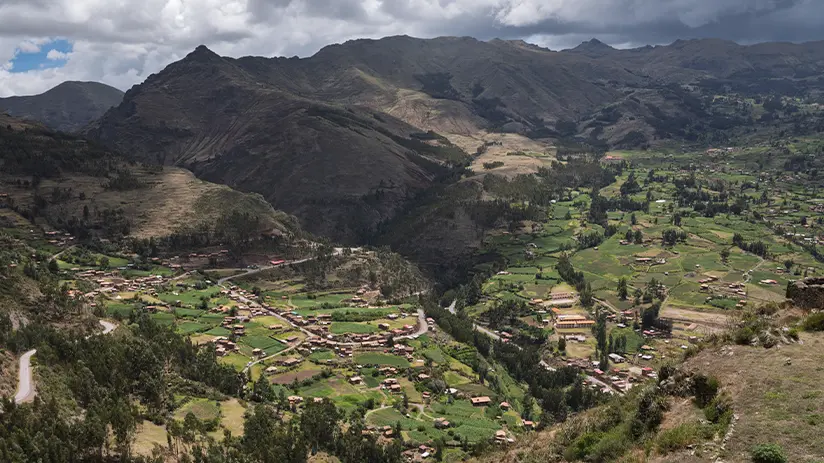
To better understand these charming towns, it’s essential to provide some background information on the Sacred Valley. This region spans the area between Cusco and Machu Picchu, two of Peru’s most renowned destinations. The region benefits from a strategic location and generally pleasant weather. A vast panorama filled with beautiful landscapes and welcoming villages is just one of its most outstanding features.
Its name comes from the Inca Empire, which considered this a sacred place because of its fertile land. Thus, it was an important agricultural center, producing corn, potatoes, and other crops thanks to its excellent conditions. Furthermore, it was a significant military and administrative center for the Andean culture, resulting in considerable influence from this ancient civilization.
What makes the Sacred Valley villages unique
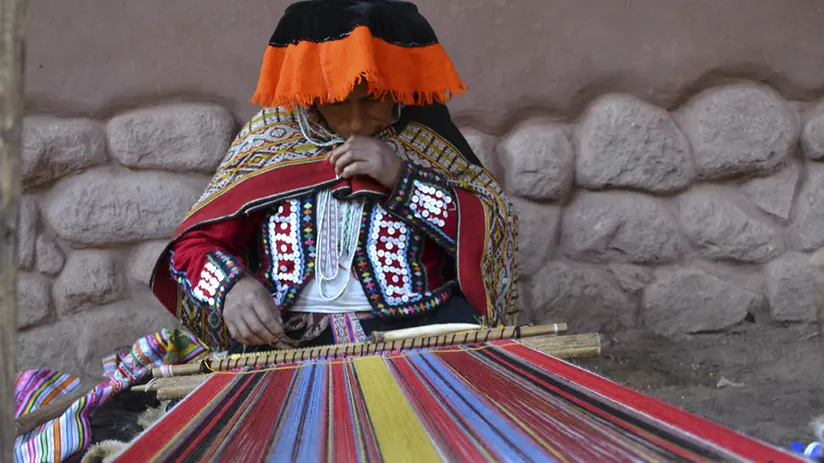
Beyond its landscapes, the Sacred Valley is home to Andean villages full of character and living traditions. Their distinctive feature is that they offer a glimpse into the past and present of Andean culture, as well as everything that surrounds it. Today, people can easily experience Inca history, archaeological sites, and living traditions in its lands. This is why many tourists make at least one of these iconic villages a top destination.
Best time to visit the Sacred Valley villages
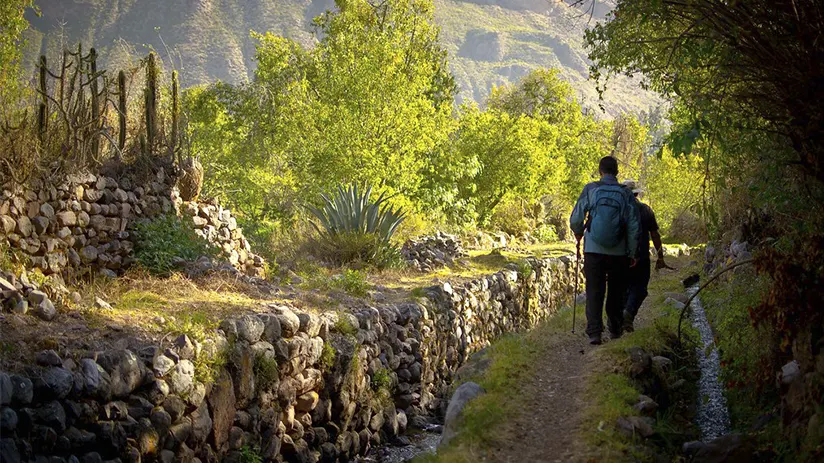
As mentioned earlier, the valley boasts exceptional weather, and its towns are no exception. This makes them enjoyable destinations year-round. However, those with particular interests might choose specific months. To do so, it’s important to first identify and understand its two main seasons.
The dry season
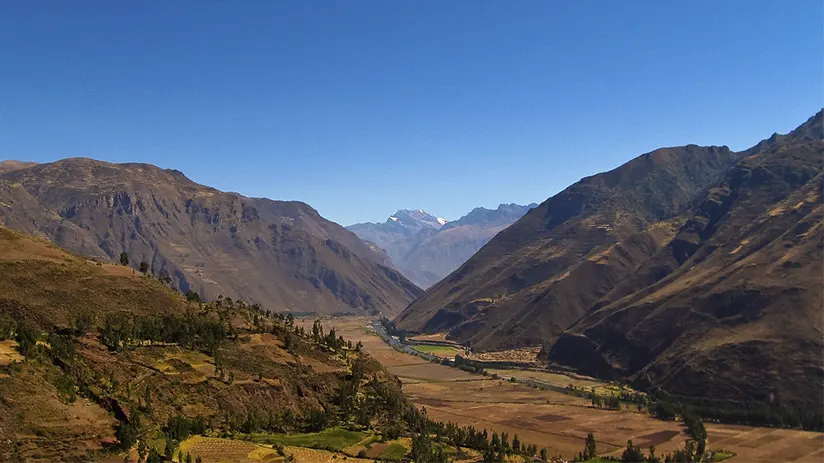
The dry season runs from April to October, renowned by many as the best months to visit and enjoy its attractions. Clear skies, sunny weather, and gentle breezes make it an ideal time for tourism and adventure. These are also the months with the highest tourist traffic, so you should book in advance. With temperatures ranging from 5 to 15°C (41 to 59°F), it’s a favorite among those who love good weather.
The rainy season
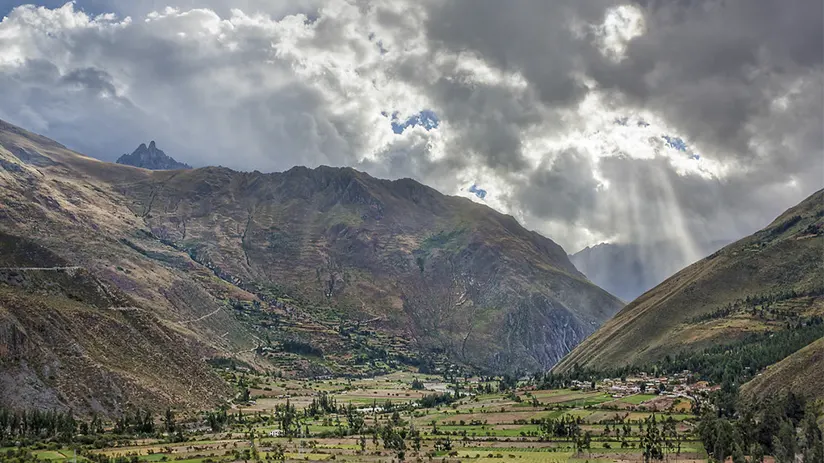
The months of November through March comprise the rainy season, the least popular among travelers. Although temperatures remain similar, rainfall is more frequent, especially between January and February. Unfortunately, this makes outdoor activities more challenging, resulting in fewer tourists. Nonetheless, if you enjoy lush vegetation and more tranquil activities, you should consider this option.
Best traditional Sacred Valley villages to visit
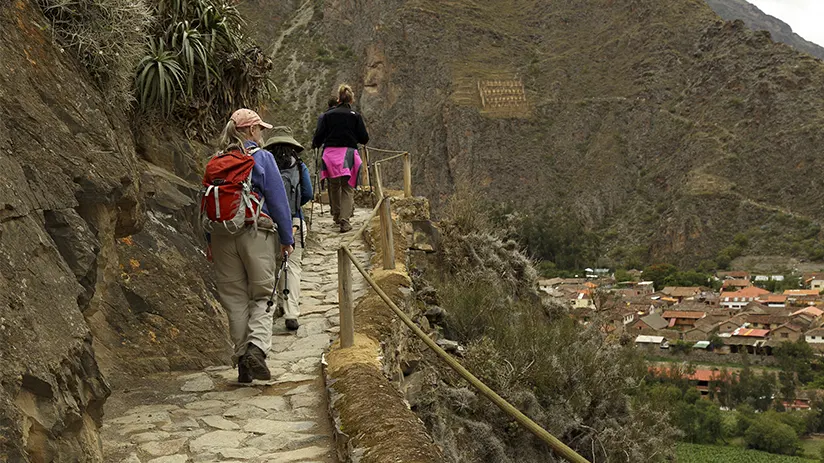
Now is the time to get to the heart of the matter, and that means discussing the towns that grace this place. Even though some people recognize them for their Inca ruins, a common factor is their rich, ancient culture. As living embodiments of Andean traditions, the villages provide the perfect opportunity to interact with people and customs. That’s why many people take the opportunity to visit it and have an immersive experience.
Pisac
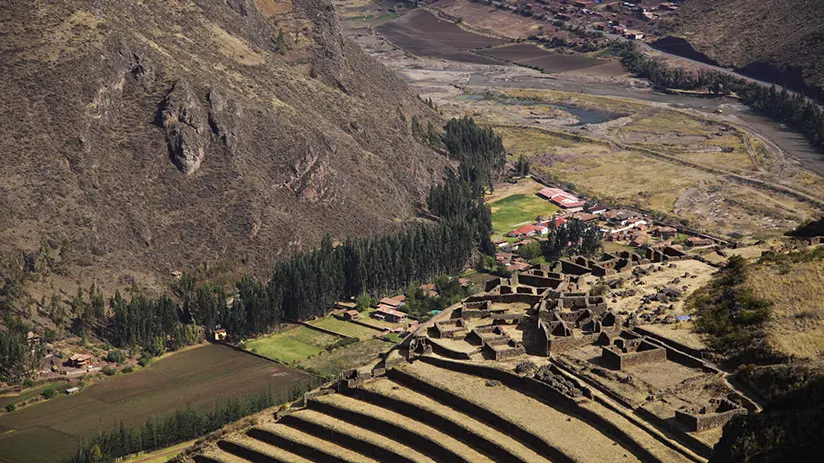
Pisac is one of the main tourist attractions in the area because of its magnificent features. Let’s break it down: it has a privileged location nestled at the foot of the mountains next to the Vilcanota River. This, combined with its short distance from Cusco, makes it an ideal destination. It also offers incredible tourism opportunities, whether for learning about history, culture, or nature.
To better understand, we must keep in mind that tourists visit Pisac primarily for its historical and social aspects. On one hand, it’s a charming town, and on the other, an exciting archaeological site. Let’s start with the first point, which immerses visitors in colonial and rustic architecture. The buildings inspire awe easily; although they show Spanish influences, builders constructed them upon Inca foundations.
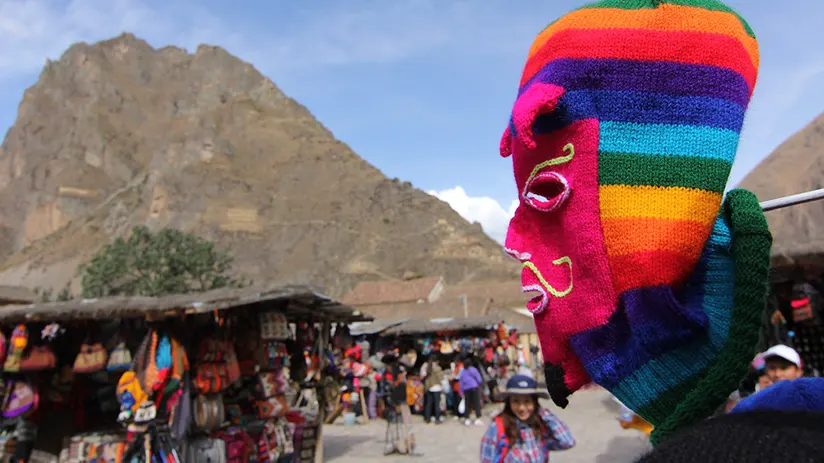
Another important attraction is its traditional market, which is a main commercial hub for locals. Its unique feature is its location, as the streets themselves become the venue for this festival celebrating Andean culture. As a place to acquire beautiful souvenirs, the local market is a living testament to ancestral preservation.
At the top of the town lies the other side of the coin: the magnificent Inca ancestral place. A day exploring Pisac village would be incomplete without a visit to this important historical site. It comprises a complex of temples, plazas, agricultural terraces, and astronomical observation points that reflect the ancient civilizations. For one reason or another, we believe that Pisac is an essential part of the Valley.
Urubamba

Territorially, Urubamba is the largest village we will present and one of the most important. Its significance lies in its high level of commercial activity, as it boasts numerous establishments catering to tourists. The unparalleled variety of options it brings is truly astonishing. From services for backpackers to exclusive lodgings with every imaginable amenity, this place has something for everyone.
Restaurants, hotels, bars, and cafes are just some examples of the diverse offerings. Likewise, it also provides incredible opportunities for a rich cultural immersion. With its artisan workshops and traditional market being two of the most popular options. This last one offers stunning products such as alpaca garments, handicrafts, organic coffee beans, exotic fruits, and much more.
Its importance is not recent; centuries ago, it was a center of extensive agricultural land. Products like corn, quinoa, and potatoes were among the most common, forming part of the diet of the local people. Today, it’s the first step on many journeys through the region and an excellent way to begin connecting with the local culture. With mild temperatures, imposing snow-capped mountains, and breathtaking landscapes, Urubamba is a truly worthwhile tourist destination.
Ollantaytambo
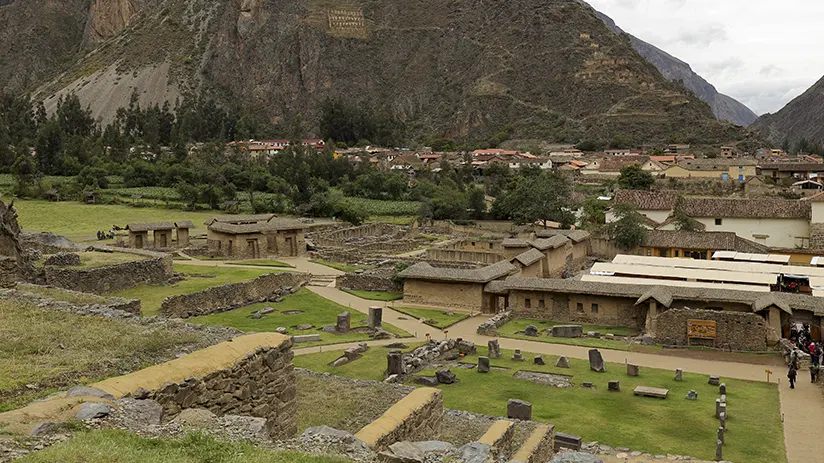
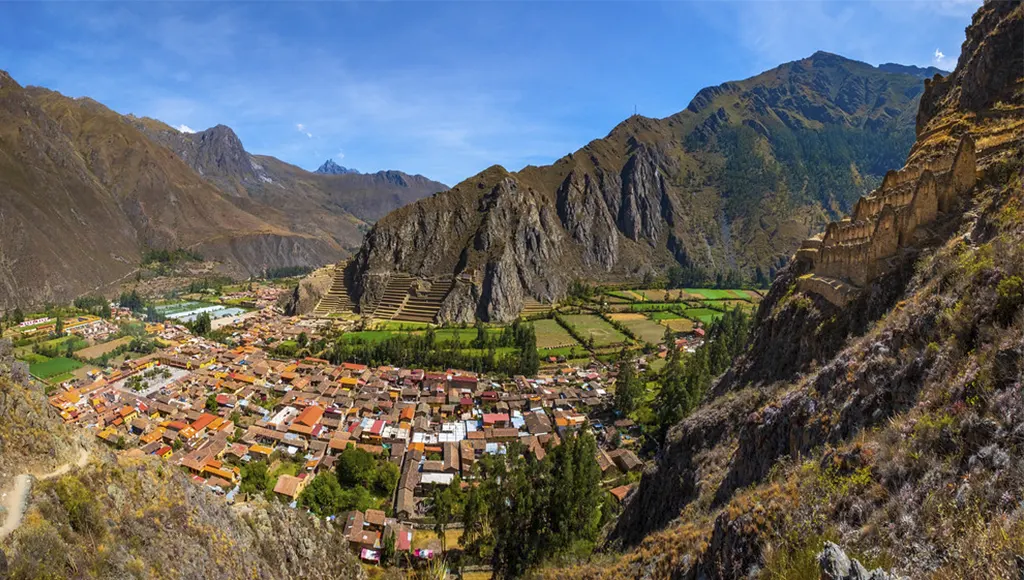
Those visiting Machu Picchu, the world’s most important Inca site, will most likely make at least one stop here. The town is 62 km from Cusco and is the main connection to the closest point to the world wonder, thanks to its train station. Besides being a near-obligatory stop, it boasts magnificent features of historical and cultural significance.
First, we must inevitably mention its Inca settlements, which today support thousands of homes. This is thanks to the many residents who carefully preserve the infrastructure or make only minimal modifications. In addition, its narrow streets, water channels, and rustic style immerse any visitor in the Andean world. These characteristics have led people to call it the “living Inca city”.
On the other hand, the magnificent Inca construction at the top of the town also contributes to the experience. Agricultural terraces, ancient storehouses, astronomical clocks, and sacred spaces are some of its main attractions. As one of the authentic things to do in the Sacred Valley, Ollantaytambo is more than a stop; it’s an unmissable destination.
Chinchero
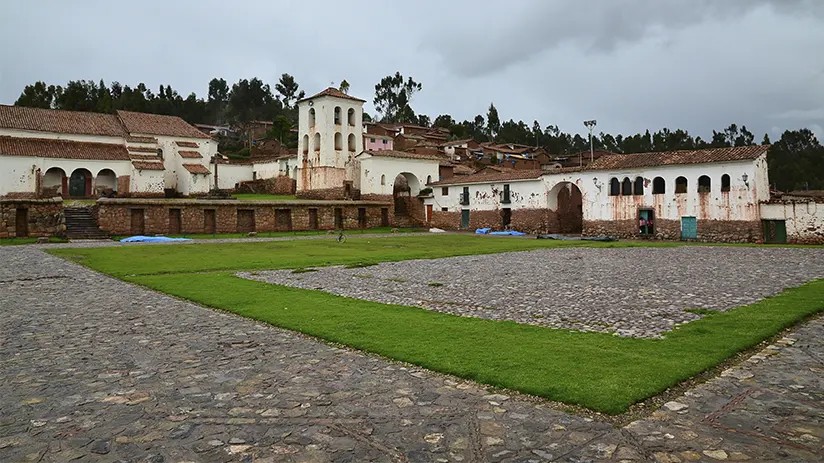
Chinchero is one of the highest towns in the area and offers a breathtaking perspective on the local culture. With breathtaking mountain views and a tranquil setting, it’s an often overlooked option. Nevertheless, if you’re planning to visit cultural villages in the Sacred Valley, you should consider a stop here. Of course, some must-see spots await your visit.
Also known as the Textile Capital of the Sacred Valley, Chinchero offers excellent opportunities to learn about textiles. For example, its textile centers and artisan markets provide open-air demonstrations for those interested in the subject. Many people widely share ancient weaving techniques, such as the use of natural dyes. As a visitor, you’ll also have the opportunity to purchase genuine textiles of unparalleled quality.
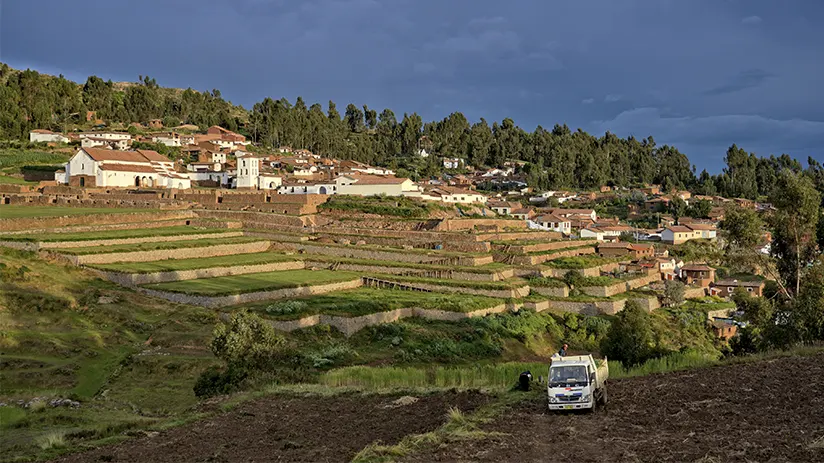
Like other Inca towns, Chinchero has a strong connection to history. The church of Chinchero is a prime example because its foundations were those of an ancient Inca palace. Moreover, its 43 hectares of mountain terraces are also remarkable for their impeccable preservation. Whether for historical or cultural reasons, this place offers travelers a variety of experiences.
Maras
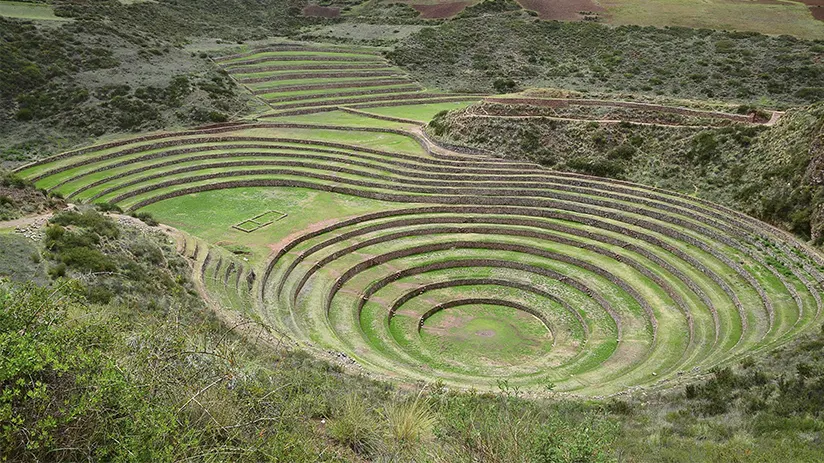
One of the towns that is gaining more popularity over time is Maras. This growing popularity comes from its proximity to two of the region’s most impressive attractions. We refer to the Maras Salt Mines and the circular terraces of Moray, stunningly famous Inca legacies. Beyond this proximity, the town offers a tranquil, welcoming atmosphere, perfect for disconnecting from city life.
Lesser-known Sacred Valley villages
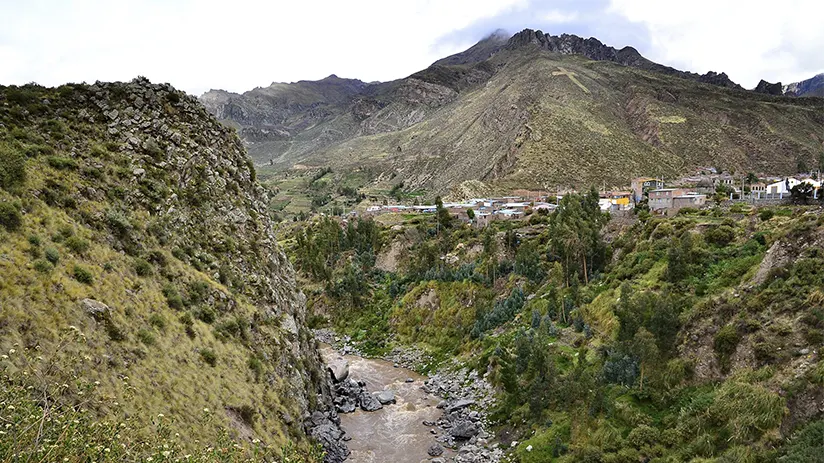
Unlike the previous ones, other villages along the valley are less well-known but retain their Andean atmosphere. These places are ideal for off-the-beaten-path trips in the Sacred Valley and for a spiritual connection with Pachamama. Of course, some have hidden pre-Inca treasures, but for one reason or another, they are less visited. Below are some other options in the area to explore.
- Calca: Those planning to get away from the main tourist areas might consider Calca. This town is popular for its hot springs, which locals believe have healing properties that alleviate illnesses. It also boasts interesting trails leading to hidden ruins and other remote traditional Andean communities.
- Yucay: Yucay is an excellent town for enjoying the countryside, nature, and tranquility. Located near Urubamba, its immersive village life and traditional agriculture are its highlights. The latter allows for an experiential travel in the Sacred Valley, thanks to its proximity to ancestral techniques.
- Yanahuara: As a more secluded destination, this town is a culturally rich small town in the valley. Don’t confuse it with its namesake in Arequipa, as it also offers Andean attractions. Agriculture and livestock farming are its main economic activities, but tourism has increased in recent years.
- Huayllabamba: This place is a great starting point for adventures or a good place to begin hiking. And of course, as expected, there’s exceptional contact with nature and breathtaking panoramic views. Its name comes from the Quechua term for beautiful plain, flawlessly capturing its grandeur and beauty.
How to visit Sacred Valley villages responsibly
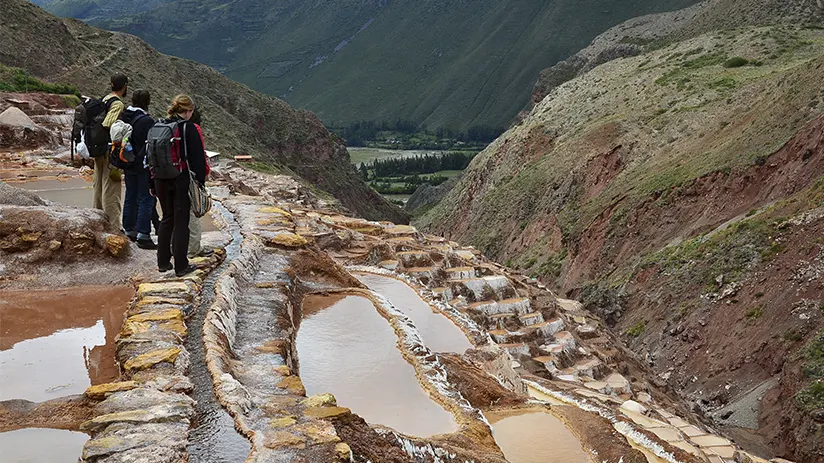
With so many places to enjoy, the experiences are as diverse as the attractions themselves. Therefore, it’s easy to worry about having a trip that respects social norms and local customs. While these norms are usually standard, as in any other destination worldwide, there are some peculiar aspects. For this reason, we want to offer you some guidance for a trip that is mindful of your surroundings:
- Andean heritage and religious beliefs are deeply intertwined with the villages of the valley. Consequently, one of the main considerations when traveling will be to be mindful of these profound beliefs. We mean being respectful of the traditions and customs of these ancient communities. Of course, you could participate in a festival or ceremony to better understand these practices.
- Visitors usually make at least one visit to the ancestral sites near the villages. This helps to better understand the local culture and the history that surrounds it. If this is your plan, it is essential to stay on the designated trails. Avoiding disturbing these sacred sites will help preserve these historically important ruins.
- Another important consideration is outdoor activities near local villages, which add a dose of adrenaline to your trip. Many companies run these in compliance with local regulations, but others do not. Accordingly, we recommend researching the services you hire to avoid potential problems. While infrequent, people sometimes report incidents during these activities
- As many people widely know, Andean culture shows a deep respect for the land. Locals are careful in their daily activities so as not to harm it. While you could contribute to this cause with an eco-friendly schedule, not leaving any trash behind will help a lot. Reducing packaging and plastic bottles also greatly contributes to preserving this space that the locals cherish so much.
- The people, their traditions, and customs will likely leave you wanting to remember this moment forever. Fortunately, you can take a photo to capture that moment, but you should prepare. Asking before taking photos will help avoid catching someone off guard and getting startled. Furthermore, it will also indirectly permit you to share that memory with the world.
Tips for meaningful and respectful travel in the Sacred Valley
It goes without saying that planning will greatly enhance your enjoyment. Knowing what to expect, when, and under what conditions will help you get a sense of the kind of experience you’ll have. Despite this, you can always improve your trip even further with a few tips. With that in mind, we want to share some key advice to help you during those enjoyable days.
- Acclimate a day before: Even though most towns are in a good area, altitude sickness is unpredictable. To adjust to this new environment, we recommend taking it easy on your first day. Focusing on activities that don’t require much effort, at least initially, will be perfect.
- Pack properly: While temperatures are generally stable, you should consider bringing some rain gear. This will help you avoid any unexpected rain, even if you’re not visiting during the rainy season. Hiking gear will also help prevent mishaps.
- Protect yourself from the sun: Temperatures in the area tend to rise around midday. Thence, it’s essential to bring sunscreen and something to protect yourself from the sun’s rays. Sunglasses, hats, and umbrellas are among the most common items, and you can even buy them at a nearby store.
- Stay hydrated: Drinking potable water during your trip is crucial, whether in a reusable bottle or another container. Remember that tap water in Peru is not safe for direct consumption. Many tourists choose to bring a water filter to avoid any problems.
- Bring Peruvian cash: We recommend paying with a credit or debit card, but this isn’t always possible. Some places are remote, and some merchants only accept local currency, so you should have some cash on hand. Peruvian bills and coins are quite common, so you shouldn’t have any problems.
- Be encouraged to visit more: We understand that the valley is often enchanting, but Cusco has much more to offer. Many tourists choose to complement their visit with places like Machu Picchu, the Inca Trail, or Rainbow Mountain.
FAQs about Sacred Valley villages
What are the best villages to visit in the Sacred Valley?
The best villages to visit in the Sacred Valley include Pisac, Ollantaytambo, Chinchero, and Urubamba. For example, people know Pisac for its market and ruins, while Ollantaytambo stands out for its living Inca heritage. On the other hand, Chinchero offers beautiful views and traditional weaving, and Urubamba works well as a central base.
Which Sacred Valley villages offer authentic cultural experiences?
Chinchero, Pisac, and Ollantaytambo offer strong cultural experiences in the Andes. Chinchero is most famous for its traditional weaving and local communities. Nonetheless, Pisac shows daily life through its markets, and Ollantaytambo preserves Inca streets and customs.
Are there lesser-known villages in the Sacred Valley worth visiting?
Yes, villages like Yucay, Calca, Yanahuara, and Huayllabamba are worth visiting. These places are quieter and less crowded. They allow travelers to see rural life, local farming, and traditional customs without heavy tourism.
How can travelers experience local life in Sacred Valley villages?
Of course, travelers can experience local life by visiting weekly markets and staying in family-run lodges. Joining weaving or cooking workshops is also a great option. Using local transport and walking through small neighborhoods helps create more culturally rich connections.
What is the best way to visit villages in the Sacred Valley?
The best way to visit Sacred Valley villages is by combining guided tours and independent travel. Tours are useful for history and logistics. Public transport or private taxis offer more flexibility. Staying overnight in villages allows a slower and deeper experience.
How many days are needed to explore the Sacred Valley villages?
Two days are enough to see the main villages. Three to four days allow a more relaxed pace and local experiences. Five or more days are ideal for travelers interested in culture, hiking, and community-based tourism.
“A PEACEFUL TRIP COMBINED WITH NATURE, CULTURE, AND HISTORY IS ALL YOU NEED”
As we see, the Sacred Valley villages offer a particular blend of history, culture, and everyday Andean life. Each town has its own character, from lively markets to quiet rural communities. Exploring these villages allows visitors to connect with local traditions, landscapes, and people at a relaxed pace. So, this region is ideal for those seeking meaningful experiences beyond the main tourist routes and a deeper understanding of Peru’s cultural heritage.
The Sacred Valley has so much to offer; it can be hard to know where to start. With many years of experience in the tourism sector, Machu Travel Peru is happy to help with anything regarding your trip to the Sacred Valley and any tours around it. Make your Sacred Valley experience an unforgettable one! Contact us today to plan your dream adventure!