When planning a trip to Peru, one of the first questions travelers ask is how many days they should spend in the country. For a first trip, 10 to 14 days is a comfortable amount of time to explore major destinations such as Lima, Cusco, the Sacred Valley, and Machu Picchu. A 7-day trip is also possible if you focus on a smaller number of destinations. However, the ideal duration depends on activities, interests, budget, and other considerations. This guide helps you evaluate various itinerary options based on the length of the trip.
| Trip Length | What You Can See | Best For |
| 7 days | Lima, Cusco, Sacred Valley & Machu Picchu | First-time visitors with limited time |
| 10 days | Classic highlights + Lake Titicaca | Travelers seeking a balanced itinerary |
| 14 days | Lima, Cusco, Machu Picchu & Arequipa | Travelers who want to explore multiple regions |
| 21+ days | Multiple regions + Amazon, Paracas or Nazca | Travelers with more time |
Discover how long to spend in Peru
- What Is a Realistic Minimum for a Peru Trip?
- What Determines How Many Days You Need in Peru?
- What Can You See in Peru in 7 Days?
- What Can You See With 10 Days in Peru?
- What Can You See in Peru in 2 Weeks?
- What Can You Do With 3 Weeks or More in Peru?
- How to Choose How Many Days to Spend in Peru
- How to Build a Well-Paced Peru Itinerary
- Frequently Asked Questions About Traveling to Peru
- Conclusion
What Is a Realistic Minimum for a Peru Trip?

If you are planning a trip to Peru and want to determine the minimum time required, consider the classic Peruvian destinations. A realistic minimum for a focused Peru trip is 4 to 5 days, although this would require a very busy itinerary centered on one area, such as Cusco, the Sacred Valley, and Machu Picchu. Visiting more destinations isn’t always better, and a key factor is allowing time to acclimatize when visiting high-altitude destinations such as Cusco, the Sacred Valley, and Puno.
What Determines How Many Days You Need in Peru?
The ideal length of a Peru itinerary depends on several factors, including your destinations, travel style, budget, and transportation. Key considerations include the destinations, the distances between them, and the mode of transport used. Acclimatization is especially important when visiting high-altitude destinations such as Cusco, Puno, and other areas of the Andes. Travel style and pace are also important; while a packed itinerary allows you to see more places, a more relaxed schedule offers more free time.
What Can You See in Peru in 7 Days?

A one-week trip to Peru is entirely feasible, especially for first-time visitors. Many travelers include Machu Picchu, one of the most popular destinations in Peru, in their itinerary to experience this iconic archaeological site firsthand. While adding an extra destination to the classic route (Lima, the Sacred Valley, Machu Picchu, and Cusco) can enrich the experience, it may also result in a tighter schedule. This is an active 7-day itinerary that covers several highlights in a short period. If you prefer a slower pace, consider spending 10 days or more in Peru.
Day 1 – Arrival and exploring Lima
Most international visitors begin their trip in Lima, home to Jorge Chávez International Airport, Peru’s main international gateway. If your international flight arrives late, consider treating Lima as an arrival day rather than planning a full sightseeing schedule. Beyond serving as the starting point for many Peru travel itineraries, the city boasts magnificent highlights, including its gastronomy, history, and culture. A culinary tour is an ideal way to immerse yourself in Peru’s amazing culture.
Day 2 – Lima to Cusco and the Sacred Valley
The journey continues with a flight from Lima to Cusco, followed by a transfer to the Sacred Valley, where elevations are generally lower than in Cusco. Spending your first night at a lower elevation may help some travelers adjust more comfortably. Depending on your arrival time, you can explore part of the Sacred Valley or use the day to settle in and acclimatize.
Day 3 – Visit to Moray and the Maras Salt Mines
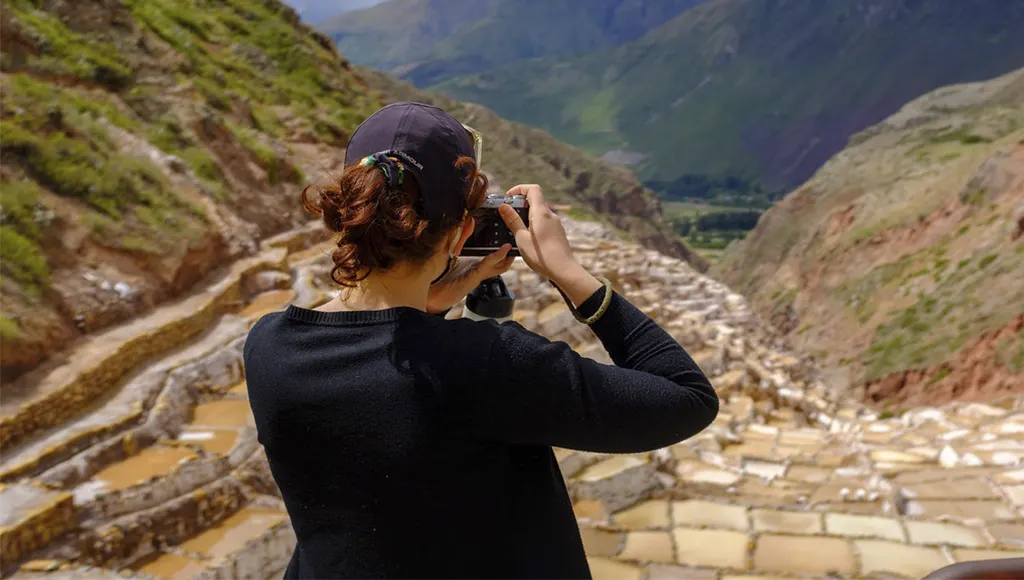
Maras and Moray offer distinctive landscapes and insight into the agricultural and cultural history of the Inca period. Their proximity makes visiting both sites in a single day a practical option.
Day 4 – Explore Machu Picchu
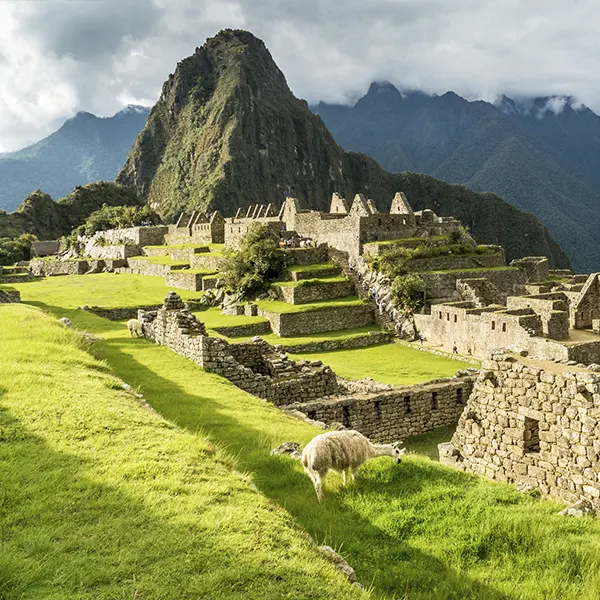
For many travelers, Machu Picchu is one of the highlights of their Peru trip, a once-in-a-lifetime experience. With its iconic Inca ruins and dramatic mountain setting, Machu Picchu offers a remarkable combination of archaeology and landscape. Getting to the archaeological site requires planning, as most visitors travel by train to Machu Picchu Pueblo (Aguas Calientes) and then continue to the archaeological site.
Day 5 – Experience Chinchero
After returning from Machu Picchu, continue to Chinchero to explore its traditional weaving and cultural heritage. Visitors have the opportunity to learn about local customs and textile-making practices. After exploring Chinchero, return to Cusco for the evening.
Day 6 – Tour Cusco’s Historic Center
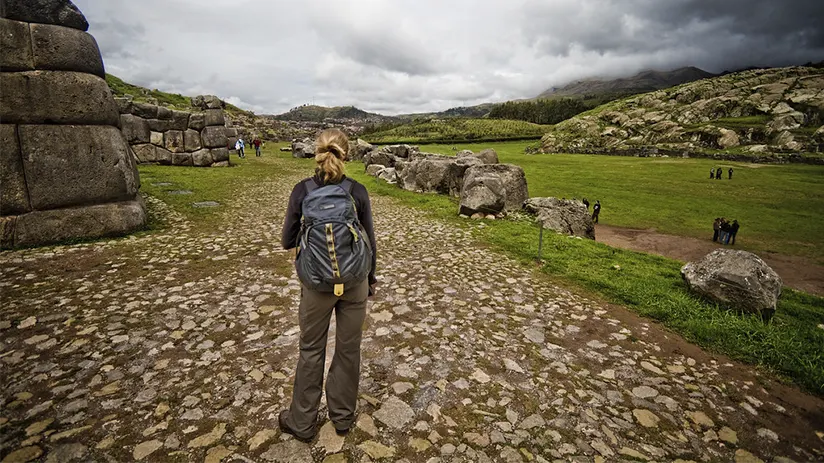
After several days in the region, spend the day exploring Cusco’s historic center and its main landmarks. The Plaza de Armas, the Qorikancha Temple, Sacsayhuamán, Tambomachay, and Qenqo are among the most interesting stops.
Day 7 – Return
The day concludes with your return home from Cusco. There may be time to adjust your activities to accommodate your international flight.
What Can You See With 10 Days in Peru?
A 10-day Peru itinerary gives you more flexibility and allows you to explore the country’s highlights at a more comfortable pace. It is a great idea to consider supplementary activities, such as museum visits, cooking classes, or even short hikes, during this time. One possible 10-day itinerary is:
Days 1–6: Lima, Cusco, and the Sacred Valley
These initial days mirror those of the previous itinerary, generally following a more relaxed pace while visiting the same destinations. Visitors often use the extra time to make side trips to nearby attractions.
Day 7: Free day or Rainbow Mountain/Humantay Lake
Choose between a high-altitude excursion or a free day in Cusco, depending on your interests and energy level. If you choose the hike, the day will start early to allow enough time to complete it. If you choose to stay the day in Cusco, you can use the time to relax, go shopping at places such as the San Pedro Market, or visit museums.
Day 8: Transfer from Cusco to Puno
The journey from Cusco to Puno can be part of the experience, with opportunities to visit Andean towns and historical sites along the way. You will also see unique historical sites, such as the Temple of Raqchi, during the trip.
Day 9: Lake Titicaca Excursion
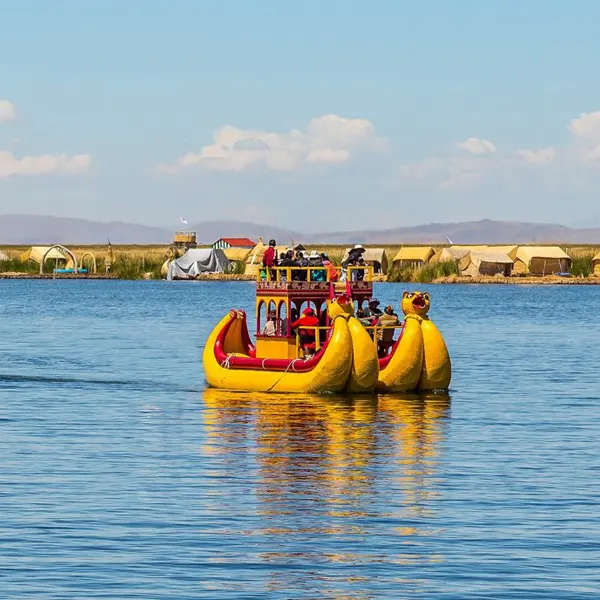
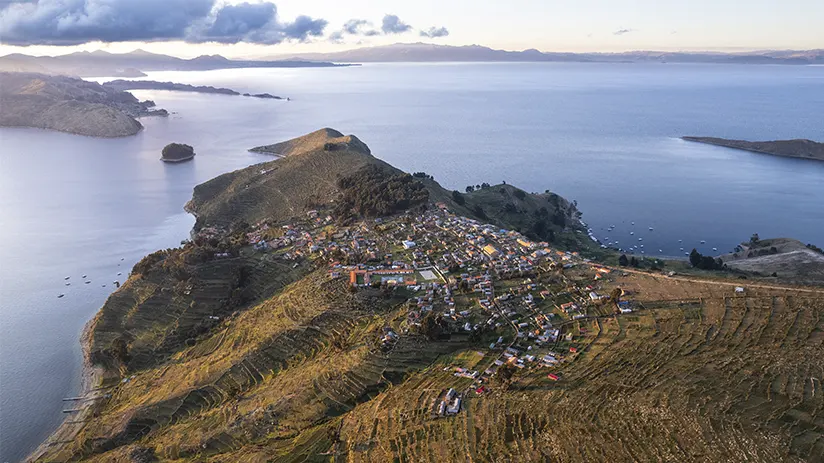
The day includes a boat tour of Lake Titicaca, one of the world’s highest large navigable lakes, which is known for its distinctive landscapes and living Andean traditions. The Uros Islands offer insight into local traditions, while visits to Amantani or Taquile provide opportunities to learn more about Andean communities and their way of life.
Day 10: Return
The trip concludes with your return journey from Puno. There is usually time to coordinate your schedule to catch a connecting flight to Lima and then your international flight home.
What Can You See in Peru in 2 Weeks?
A two-week exploration allows for a more comprehensive experience in Peru. It generally includes visits to several cities and a more leisurely pace of exploration. This option works well for travelers who want to combine several regions without rushing between destinations.
Days 1 to 9 – Lima, Cusco, and the Sacred Valley (without the Puno extension)
The first few days mirror those described in the previous itinerary, at a more relaxed pace than the 10-day itinerary, with room for additional activities before continuing south toward Arequipa.
Day 10 – Transfer to Arequipa
The journey continues toward Arequipa to discover its charm. The route traverses fascinating Andean landscapes. Upon arrival, visitors will have time to rest and prepare for the following day’s city tour.
Day 11 – Arequipa City Tour
Arequipa offers visitors a great deal, ranging from unique architecture to outstanding culinary delights. Its magnificent Plaza de Armas and the Santa Catalina Monastery introduce visitors to the city’s charming local history.
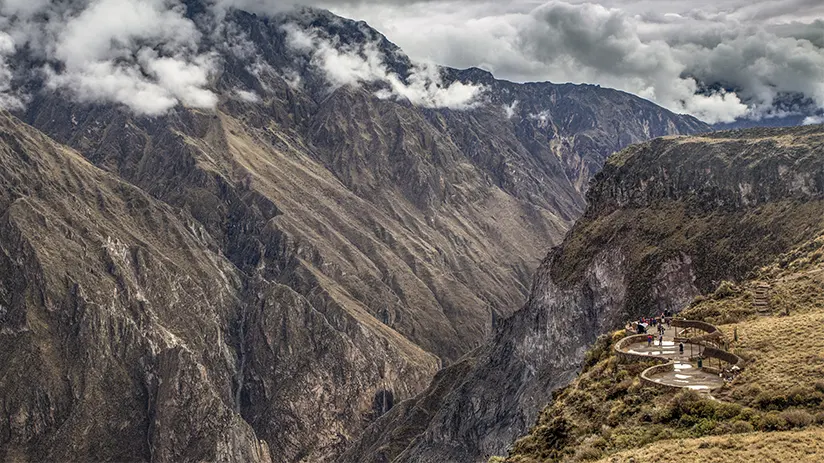
Day 12 – Colca Canyon
Travel from Arequipa city toward Pampa Cañahuas to observe vicuñas before finally arriving in Chivay. The surrounding natural environment offers unique opportunities for adventure.
Day 13 – Cruz del Cóndor Viewpoint
Travel from Chivay to the Cruz del Cóndor viewpoint early in the morning, the best time to spot Andean condors in flight, then return to Arequipa in the afternoon to prepare for your departure the next day.
Day 14 – Return
The trip concludes with the return journey home from Arequipa. There is typically time to coordinate activities to catch a connecting flight to Lima, followed by an international flight.
What Can You Do With 3 Weeks or More in Peru?

A longer trip allows you to visit multiple regions, take longer hikes, experience the Amazon, and explore Peru at a more relaxed pace. It highlights how the extra time offers flexibility without necessarily requiring the addition of more destinations.
Days 1 to 13 – Lima, Cusco, the Sacred Valley, and Arequipa
These days mirror the previous itinerary, following the 14-day itinerary above at a more relaxed pace, with additional time to explore each destination.
Day 14 – Extra Day in Lima
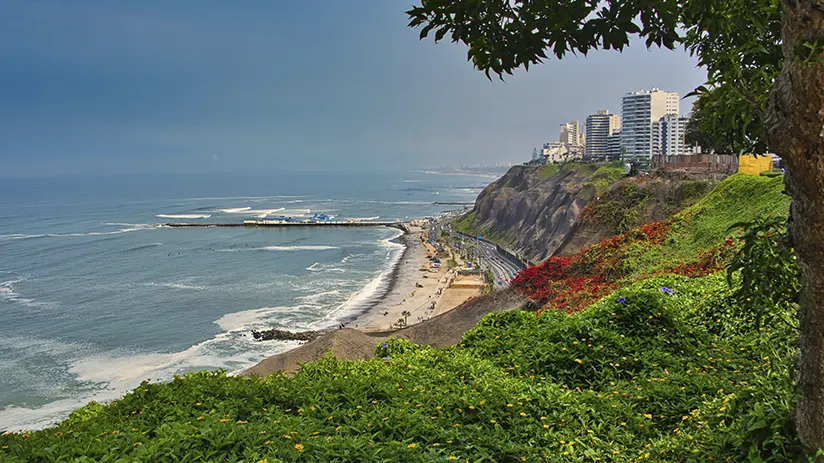
After your flight from Arequipa, you will have a day to recharge or enjoy the wonders of the Peruvian capital. You might take the opportunity to tour historical museums, stroll along the Costa Verde, or indulge in more local restaurants. Fortunately, the city has plenty to offer.
Day 15 – Lima to Paracas and Huacachina
The trip to Paracas and Huacachina is one of the most accessible options due to their proximity to Lima. In the morning, you can enjoy the Ballestas Islands, a place teeming with marine wildlife. In the afternoon, exploration continues toward Huacachina, a destination famous for dune buggy rides and sandboarding. This is a fast-paced section of the itinerary, with several hours of overland travel. Consider adding an extra day if you prefer a slower pace.
Day 16 – Nazca and Return to Lima
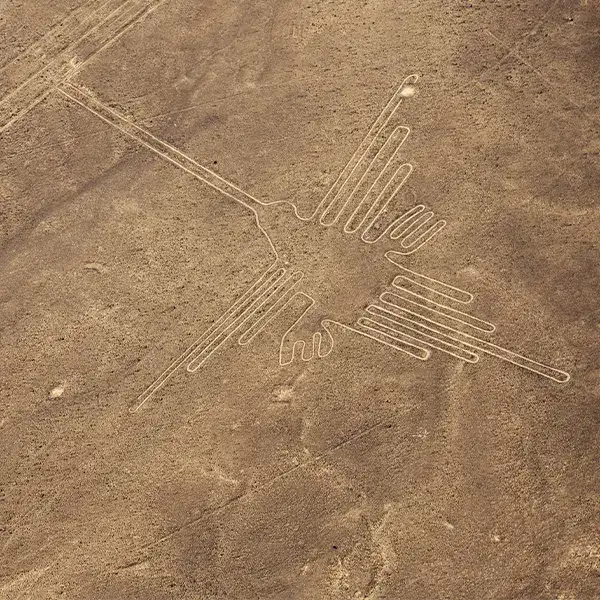
The following day, you can take a flight over one of the country’s greatest mysteries: the Nazca Lines. Afterward, you will return to Lima, with the option to stop in Chincha to explore local markets or take guided tours.
Day 17 – Arrival in Iquitos
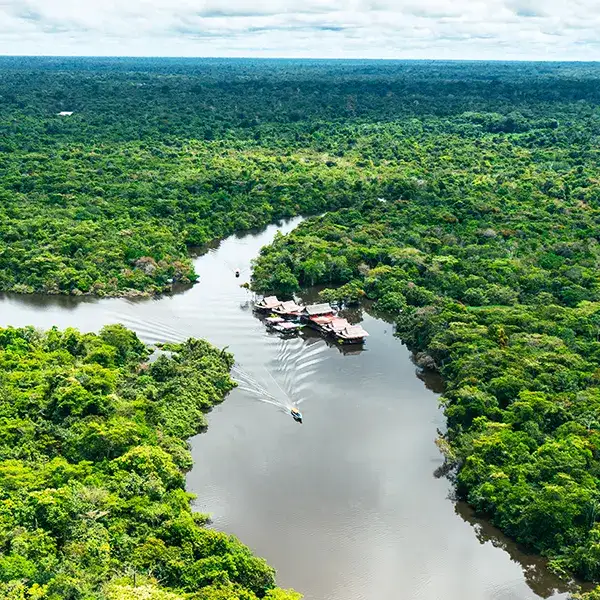
Fly from Lima to Iquitos to begin your Amazon rainforest adventure. Depending on your lodge and excursion program, you may visit attractions such as Fundo Pedrito or Monkey Island and take river excursions to observe wildlife, among others.
Day 18 – Iquitos
Depending on your lodge, a boat transfer from Iquitos along the Amazon River or a nearby tributary will take you deeper into the rainforest. In the afternoon, you can start your Amazon adventure, such as joining a water-based excursion to observe wildlife.
Day 19 – Iquitos
Walking through the Amazon is one of the most fascinating classic activities available. A guided rainforest walk offers opportunities to observe local flora and fauna while learning about the Amazon ecosystem.
Day 20 – Iquitos
Just as nature plays a key role in the itinerary, local culture is also a highlight of the experience. Therefore, the day focuses on local culture, with an opportunity to visit a community and learn about its traditions and daily life.
Day 21 – Return
The day concludes with your return journey from Iquitos. There is potentially time to adjust your activities to catch your connecting flight to Lima and subsequently your international flight.
How to Choose How Many Days to Spend in Peru
The best way to travel around Peru depends on the destinations you want to visit, your travel style, budget, and available time. The best Peru itinerary can be created with enough research and evaluation. Below are some decision factors:
- Travel interests: Your interests should play a major role in deciding which destinations to include, which is a key Peru travel tip. To do this, it is essential to evaluate the attractions and the focus of your trip. For example, if you are more interested in history, you could do a classic tour of Machu Picchu, or if you are interested in hiking, the Inca Trail is one option to consider; both have different durations.
- Acclimatization time: If choosing destinations in the Andes, it is necessary to evaluate a reasonable time to acclimatize and avoid altitude sickness. Allow time to acclimatize, and consider starting your trip at a lower elevation before heading to Cusco.
- Focus on one geographic region: If you have limited time, focusing on one region can reduce transportation time and make your itinerary easier to manage. Adding a second region can extend your trip, but careful planning can help you make the most of your available time.
- Budget: Your budget can influence both the length of your trip and the type of transportation, accommodation, and activities you choose. Likewise, the costs of food, transportation, entrance fees, and other additional expenses will also be a determining factor.
- Pace of travel: A slower pace can be more comfortable, especially when your itinerary includes long journeys or high-altitude destinations. Adding more destinations is not always better, as frequent transfers can leave less time to enjoy each place. Therefore, it is inevitable to allow a reasonable amount of time for each destination and even add extra time for additional activities or simply rest.
How to Build a Well-Paced Peru Itinerary

The ideal pace varies from traveler to traveler, depending on physical condition and personal interests. However, there are key tips for planning your experience and optimizing your time:
- Prioritize key destinations: Start by identifying the destinations and experiences you consider essential. Fortunately, Peru offers several iconic destinations, including Cusco, the Sacred Valley, and Machu Picchu. These destinations can be combined efficiently in the same itinerary. You might add specific sites, as long as they don’t distract from your main itinerary.
- Consider guided tours: Guided tours allow you to maximize your time in Peru. Local guides and travel professionals can help coordinate transportation, activities, and connections between destinations.
- Choose hotels strategically: Making strategic accommodation choices helps avoid backtracking or unnecessary round-trip travel. If you plan to visit Machu Picchu early in the morning or want to avoid returning to Cusco the same day, staying overnight in Aguas Calientes (Machu Picchu Pueblo) can simplify your itinerary. Selecting hotels near major attractions minimizes travel time and allows for quick access to the sites.
- Follow a geographical sequence: Plan your route in a logical geographic sequence to reduce unnecessary backtracking and travel time. For example, travelers combining Machu Picchu with Lake Titicaca can travel from Cusco toward Puno, with organized routes such as the Ruta del Sol offering sightseeing stops along the way. There are many similar examples of routes that link various destinations.
Frequently Asked Questions About Traveling to Peru
Is 7 days enough for Peru?
Yes, 7 days can be enough for a focused first trip to Peru. A classic route can combine Cusco, the Sacred Valley, and Machu Picchu, with time in Lima depending on your arrival and departure flights. You will need to limit the number of destinations to avoid a rushed itinerary.
Is 10 days enough for Peru?
Yes, 10 days is a comfortable amount of time for a first trip to Peru. You can combine Lima, Cusco, the Sacred Valley, and Machu Picchu, while still having some time to relax and adjust to the altitude. Depending on your interests, you could also replace Lima with another destination, such as Lake Titicaca or the Amazon.
Is 2 weeks enough to see Peru?
Two weeks gives you enough time to combine several major destinations. A well-planned itinerary could include Lima, Cusco, the Sacred Valley, Machu Picchu, and either Arequipa, Lake Titicaca, or the Amazon. Trying to include all of these regions in 14 days would create a much faster pace.
How many days do you need for Machu Picchu and Cusco?
For Cusco and Machu Picchu, plan for at least 4 to 5 days to comfortably combine Cusco, the Sacred Valley, and Machu Picchu. If you have more time, 6 to 7 days allows you to explore the area at a slower pace and include additional activities or hikes.
Can you visit Peru in 5 days?
Yes, but you will need to keep your itinerary focused. Five days can work for a focused trip centered on Cusco, the Sacred Valley, and Machu Picchu. You could spend a couple of days in Cusco and the Sacred Valley, visit Machu Picchu, and return to Cusco. Trying to add destinations such as the Amazon, Lake Titicaca, or Arequipa in only five days would make the trip much more rushed.
How many days should I spend in Peru for a first trip?
For most travelers, 10 to 14 days is a comfortable amount of time for a first trip. This gives you enough time to see major attractions while allowing for travel between destinations and some downtime. A Peru itinerary for first-time visitors could include Lima, Cusco, the Sacred Valley, Machu Picchu, and one additional destination such as Lake Titicaca or the Amazon. Your budget will also affect your plans, so it is useful to consider Peru travel costs before deciding how long to stay.
How long do you need in Peru to visit the Amazon?
Plan for at least 4 to 5 days to experience the Peruvian Amazon. A longer stay allows more time for wildlife excursions, boat trips, guided walks, and visits to local communities. Most travelers spend several nights at a jungle lodge to experience the rainforest beyond a single excursion.
How many days do you need for Peru and Lake Titicaca?
If you want to combine Peru’s main highlights with Lake Titicaca, plan for at least 10 to 12 days. Allowing extra time can be especially useful because Lake Titicaca is at a very high elevation. This gives you enough time to visit Cusco and Machu Picchu, then travel south toward Lake Titicaca.
Conclusion
The ideal length of a Peru trip depends on the destinations you want to visit, your travel style, and how much time you want to spend traveling between regions. For most first-time visitors, 10 to 14 days provides enough time to combine Lima, Cusco, the Sacred Valley, Machu Picchu, and another destination without making the itinerary too demanding. A shorter trip can still work if you focus on one region and prioritize your must-see experiences.
With 7 days, a focused itinerary around Cusco, the Sacred Valley, and Machu Picchu can cover several of Peru’s most iconic highlights. With two weeks, you can add another region such as Arequipa or Lake Titicaca, while trips of three weeks or more give you greater flexibility to explore areas such as the Amazon, Paracas, or the Nasca Lines. Whatever your trip length, allowing time for transportation, acclimatization, and rest can make your experience more comfortable and enjoyable.
Planning the right itinerary is about more than choosing how many days to spend in Peru. It is also about finding the right balance between destinations, activities, transportation, and time to enjoy each place. With Machu Travel Peru, you can plan a personalized journey based on your interests, preferred pace, and available time, with local expertise to help coordinate each part of your trip.
Machu Travel Peru can help you create a personalized itinerary that matches your travel style, interests, and schedule. From Lima and Cusco to the Sacred Valley and Machu Picchu, our travel specialists can help you combine Peru’s highlights at a comfortable pace while taking care of the details along the way. Contact us and start planning your Peru adventure!