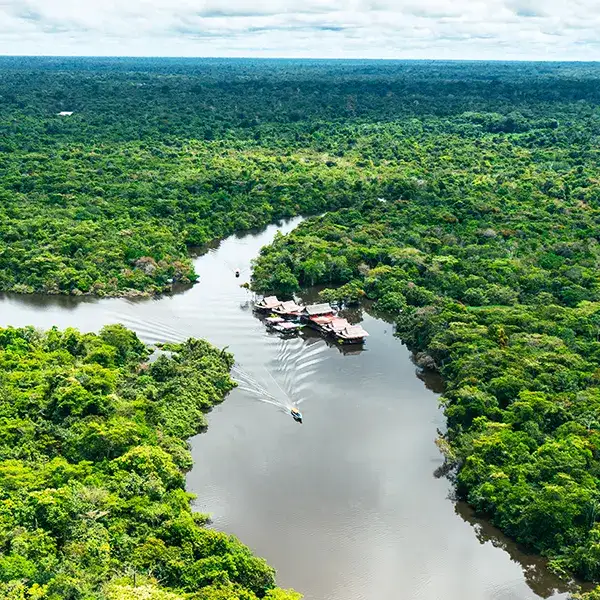
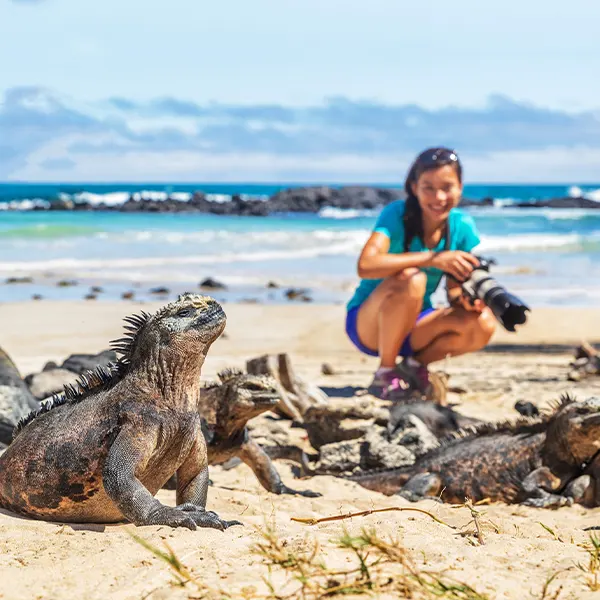
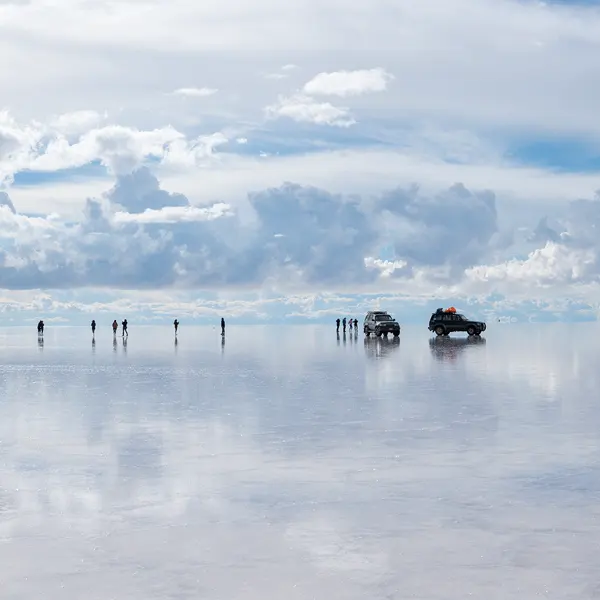
During your next trip to Peru, two places are on every traveler’s list and must not be missed. We are talking about the Inca citadel of Machu Picchu and the largest lake in South America, Lake Titicaca.
Both places have a long and fascinating history, and many wonderful legends await to be told about Machu Picchu and Lake Titicaca. The journey between the two places is interesting and can be done by bus, car, or train.
Therefore, if you plan to visit these two destinations, we have something prepared for you. Together with the experts from Machu Travel Peru, we have prepared a small article. Join us to discover the Machu Picchu to Lake Titicaca itinerary.
Everything you need to know about the way from Machu Picchu to Lake Titicaca
- Overview
- The route
- Importance and impact
- Machu Picchu
- Lake Titicaca
- Geography
- How to get?
- Stops along the route
- Andean worldview
- Frequently questions
Overview

Few routes in the world can rival the magic of traveling from Machu Picchu to Lake Titicaca. This route through the Peruvian Andes connects two of South America’s most iconic destinations: the Inca citadel of Machu Picchu and the mystical waters of Lake Titicaca, the highest navigable lake in the world.
Along the way, travelers encounter the living legacy of the ancient Incas, spectacular landscapes, and communities that have preserved their traditions for centuries. From the Plaza de Armas in Cusco to the floating islands of the Uros, this journey is not just a transfer between places, but a cultural, historical, and spiritual odyssey.
The Route

The route usually begins in Cusco, the capital of the Inca Empire, and stretches southeast for nearly 400 kilometers to the city of Puno, on the shores of Lake Titicaca. It connects the Sacred Valley of the Incas, the ride to Machu Picchu, the archaeological remains scattered along the highlands, and finally the open waters of Titicaca. There are several ways to make this journey, including bus tours, private transportation, and luxury train rides. Each offers a different perspective: some highlight archaeology and rural life, while others emphasize comfort and panoramic scenery.
Importance and Impact

This trip is significant for both cultural and geographical reasons. On one end stands Machu Picchu, the masterpiece of Inca architecture rediscovered by Hiram Bingham in 1911, with its astonishing agricultural terraces and temples perfectly aligned with celestial events. On the other end lies Lake Titicaca, considered the birthplace of the first Inca rulers according to legend.
The journey also impacts visitors personally: traveling at high altitude challenges the body but rewards the spirit. Meeting Andean communities, guided by local guides, allows for a deeper appreciation of how ancient traditions remain vibrant today.
Machu Picchu
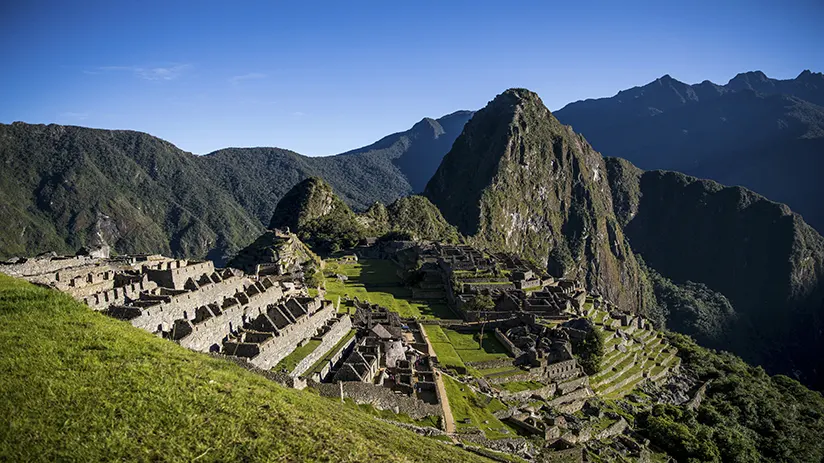
The adventure usually begins with the Train to Machu Picchu, a breathtaking ride along the Urubamba River. Travelers often depart from Ollantaytambo in the Sacred Valley and arrive at Aguas Calientes, the gateway town to Machu Picchu.
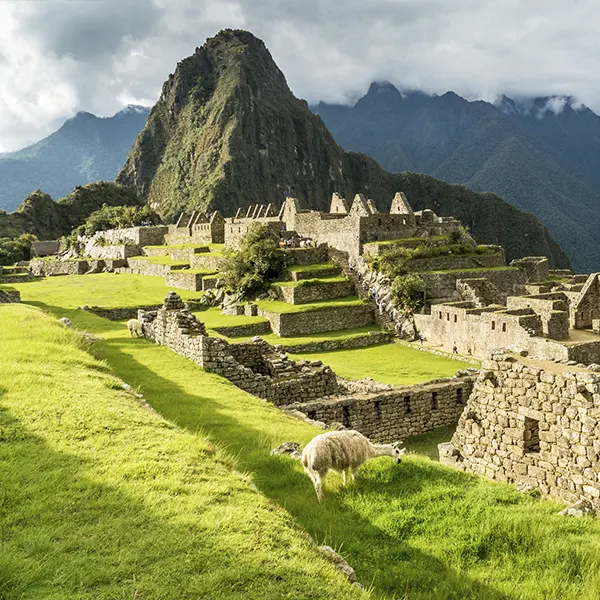
From there, a short bus ride winds up the mountains to the citadel itself. To explore Machu Picchu is to step into the world of the ancient Incas: temples aligned with the sun, finely cut stones fitted without mortar, and sweeping terraces that once grew maize and potatoes.
Some travelers choose to stay at the Sanctuary Lodge, the only hotel at the entrance, offering dawn access before crowds arrive. Whether hiking up Huayna Picchu or contemplating the Temple of the Sun, the experience is unforgettable.
Lake Titicaca

After days in Cusco and Machu Picchu, the journey continues south toward Lake Titicaca located at 3,812 meters above sea level. The lake is vast, stretching between Peru and Bolivia, and carries both natural beauty and spiritual meaning.
The meaning of Lake Titicaca is often translated as “Puma Rock”, inspired by the lake’s shape when viewed from above. For the Incas, this was a sacred place of origin, the mythical site where Manco Cápac and Mama Ocllo, founders of Cusco, emerged from the waters.
Experiences at the Lake
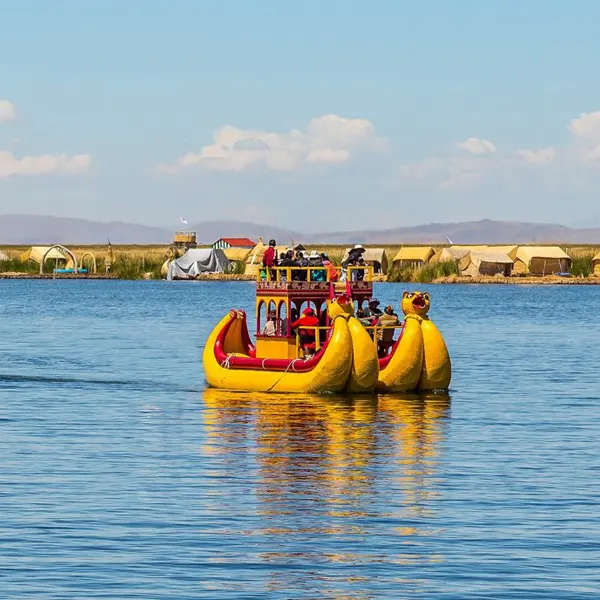
- Uros Islands: The famous floating islands built from layers of totora reeds, where families still maintain this ancestral way of life.
- Taquile and Amantani: Islands known for textile traditions and homestay tourism.
- Lake Umayo: Near the archaeological site of Sillustani, where towering stone chullpas (funerary monuments) reflect pre-Inca burial practices.
On the shores of the lake, in the city of Puno, music, dance, and colorful festivals showcase the vibrant cultural identity of the region.
Geography

The trip crosses diverse landscapes of the Peruvian Andes. Starting with the fertile Sacred Valley of the Incas, travelers witness riverside villages surrounded by agricultural terraces. The route climbs over mountain passes like La Raya, where snowcapped peaks dominate the horizon, and descends into wide highland plateaus dotted with llamas and alpacas.
This geographical diversity is not only scenic, it explains why the Incas developed advanced systems of adaptation, from terrace farming in Cusco to reed-based survival strategies at Lake Titicaca.
How to Get?

By Bus
Traveling by bus is one of the most popular ways to go from Cusco to Puno. Tourist buses make stops at significant landmarks, turning the long ride into an educational day trip. Comfortable seats, guides, and scheduled stops allow travelers to learn while moving between destinations.
Private Transportation
For flexibility, private transportation is ideal. Hiring a driver and guide allows you to stop whenever you wish, explore hidden villages, and customize your timing. It’s particularly recommended for small groups or families who want a more intimate experience.
By Train
Perhaps the most memorable option is the train. The Peru Rail Titicaca and the luxury Belmond Andean Explorer offer exceptional service. The trains include observation cars, gourmet dining, and panoramic views. The ride itself becomes a highlight of the trip, combining elegance with the raw beauty of the Andes.
Stops Along the route

Andahuaylillas
A small town famous for its church, known as the “Sistine Chapel of the Andes”. Inside, stunning murals, gilded altars, and paintings reflect a blend of Catholic and Andean traditions.
Raqchi
An archaeological site featuring the Temple of Wiracocha. With massive adobe walls and circular storehouses, Raqchi illustrates the religious devotion and logistical power of the Incas.
La Raya Pass
The highest point of the journey at 4,335 meters. Here, travelers can take photos of sweeping mountains and often encounter local vendors selling crafts. It is a reminder of the challenging yet majestic high altitude environment.
Pucara
Known for its lithic museum and the traditional Pucara bulls, ceramic figurines often placed on rooftops as symbols of prosperity and protection. The town preserves unique pre-Inca and colonial traditions.
Andean worldview

Both Machu Picchu and Lake Titicaca are inseparable from the Andean worldview. The Incas believed in a cosmos divided into three realms: Hanan Pacha (sky), Kay Pacha (earth), and Ukhu Pacha (underworld). Harmony with these realms guided daily life.
- At Machu Picchu, the agricultural terraces demonstrate balance with the earth.
- At Lake Titicaca, origin myths connect the lake to the dawn of Inca civilization.
Festivals in Cusco and Puno today still honor Pachamama (Mother Earth), showing continuity between ancient and modern practices.
Frequently Asked Questions

How long does the trip from Cusco to Puno take?
By bus or train, about 10 hours with stops. By plane (Cusco to Juliaca, then transfer to Puno), roughly 1.5 hours.
When is the best time to travel?
The dry season (May-October) offers sunny days and starry nights. The rainy season (November-April) brings lush landscapes but can affect transport.
How can I prepare for the high altitude?
Spend at least two days in Cusco before ascending further. Drink coca tea, stay hydrated, eat light meals, and avoid overexertion.
What’s the difference between the Uros and Taquile Islands?
The Uros Islands are floating reed platforms, while Taquile is a natural island known for its textile artistry and community-based tourism.
Is the trip family-friendly?
Yes. With proper acclimatization and pacing, families can enjoy the route. Many children are fascinated by trains, archaeological sites, and the unique floating islands.
“BE FEARLESS IN THE PURSUIT OF WHAT SETS YOUR SOUL ON FIRE”
The journey from Machu Picchu to Lake Titicaca is more than a route through the Andes; it is a bridge between past and present, myth and reality. From the ride to Machu Picchu and its awe-inspiring ruins to the Uros Islands floating on Titicaca’s waters, every stop reveals the resilience and brilliance of Andean culture.
Guided by local guides, supported by the genius of Inca engineering, and enriched by the hospitality of today’s communities, this trip is an immersion into Peru’s soul. Whether by bus, train, or private vehicle, traveling across this landscape is an unforgettable chapter in any traveler’s life. The ancient Incas built roads, terraces, and sanctuaries to honor their world; now modern travelers follow those paths, discovering not only the geography of the Andes but also the timeless wisdom of its people.
Peru has so much to offer; it can be hard to know where to start. With many years of experience in the tourism sector, Machu Travel Peru is happy to help with anything regarding your trip to Machu Picchu and any tours around it. Make your Machu Picchu experience an unforgettable one! Contact Us today to plan your dream adventure!