San Blas is the artisan quarter of Cusco, known for the Twelve-Angled Stone, the Sapantiana Aqueduct, its family workshops, and the San Blas Church. Here, silversmiths, ceramicists, and textile artisans still work in the family-run workshops and galleries that define the site’s identity. For that reason, the neighborhood remains one of the main stops on any walk through the city.
All about Cusco’s historic artisan neighborhood
- Why Visit San Blas in Cusco?
- The History of San Blas
- Top Things to Do in San Blas Cusco
- The Best Cafés, Restaurants, and Bars in San Blas
- Where to Stay in San Blas Cusco
- Shopping for Handmade Crafts in San Blas
- San Blas’s Annual Patron Saint Celebration
- Best Walking Routes Through San Blas Cusco
- Travel Tips for Visiting San Blas Cusco
- FAQs About San Blas Cusco
Why Visit San Blas in Cusco?
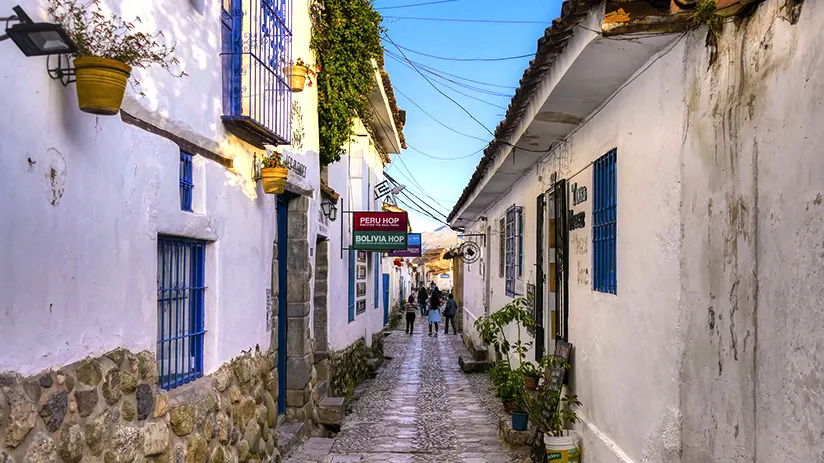
Travelers visit this neighborhood for its history, artistic atmosphere, and attractions found nowhere else in the city, all shaped by Inca heritage, colonial history, and a long artistic tradition. San Blas sits above the historic center, where narrow cobblestone streets lead to one of the best views over the valley. This area has a historic atmosphere that sets it apart from the rest of the city. It is home to painters, artisans, and small galleries tucked into colonial houses.
The area lies only a short walk from the main square, making it easy to combine with a walking tour in Cusco. In addition, while much of the historic center reflects colonial planning, San Blas still exposes original Inca stonework beneath its colonial walls, offering a close look at both eras side by side.
Even so, some residents still live and work in San Blas, so it functions as a lived-in part of Cusco rather than a neighborhood built solely for tourism. That authenticity has made it something of a hidden gem for travelers who venture beyond the main square.
The History of San Blas

The Inca knew this area as T’oqokachi (salt cave), a district of farmers and craftsmen rather than nobility. Two major ayllus, or kinship groups, settled here, drawn by abundant spring water and a mild microclimate. The elevated ground also offered sweeping views of the city. Likewise, some of its streets, including Tandapata, formed part of the road toward the Antisuyo.
Many years later, the Spanish built a church here and named it after Saint Blaise, the martyr-bishop whose name the quarter still bears. Here, modest adobe houses rose along the slopes, supported by stone retaining walls, carved balconies, and small courtyards ringed with galleries. Likewise, the uneven terrain shaped the layout, forcing homes into narrow lanes and climbs where no two streets look alike.
Over the last century, the area has become the traditional center of Cusco’s artisan community, from tailors and tinsmiths to sculptors who carve saints for churches across the region. Their work still feeds Santurantikuy, the Christmas fair held in the main square each December. Later, the municipality restored several streets and added the water fountain that now sits in its square.
Top Things to Do in San Blas Cusco
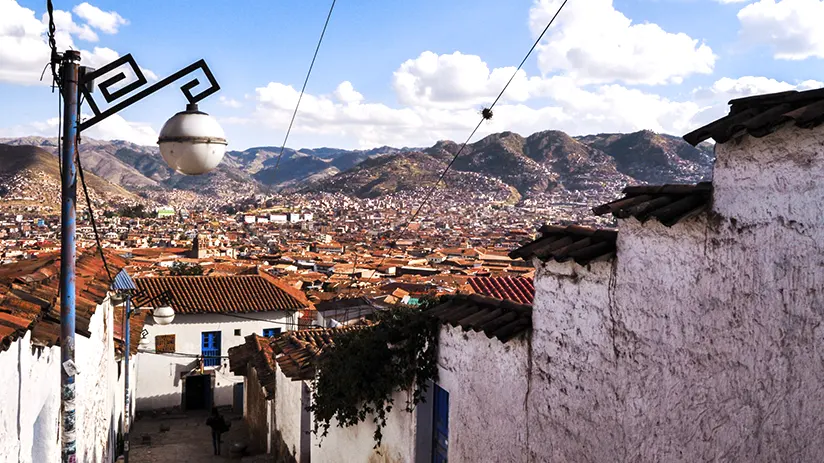
This neighborhood brings together a wide range of attractions within a near, walkable area. Colonial churches, Inca walls, artisan workshops, and open viewpoints sit within a few blocks of one another, and several rank among the main things to do in Cusco. The sites below are the district’s principal attractions and can all be reached on foot.
Visit San Blas Square and Church
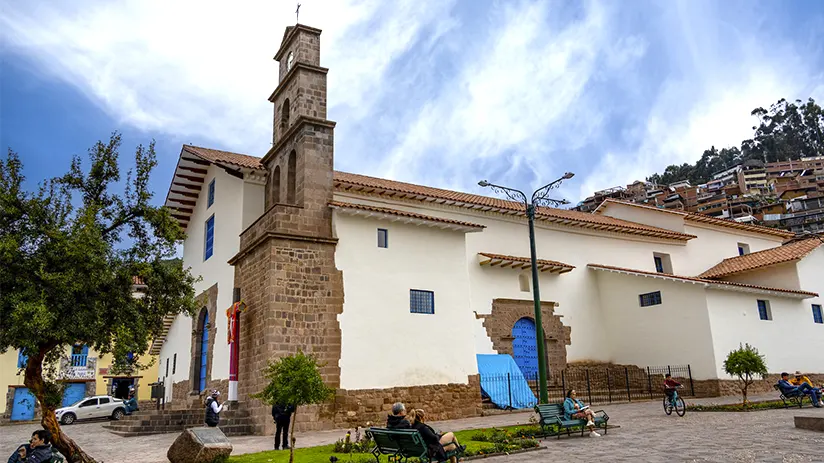
San Blas Square sits at the center of the district, surrounded by cafés, artisan shops, and colonial houses. At its heart stands the district’s church, built in 1563 over an Inca huaca once dedicated to Illapa, the god of thunder. The Spanish followed the same pattern here as at Santo Domingo, which was raised over the Coricancha. Inside, the San Blas Church holds several notable works, above all its cedar-wood pulpit, known as one of the best-preserved examples of Andean Baroque wood in the city.
See the Twelve-Angled Stone on Hatun Rumiyoc Street
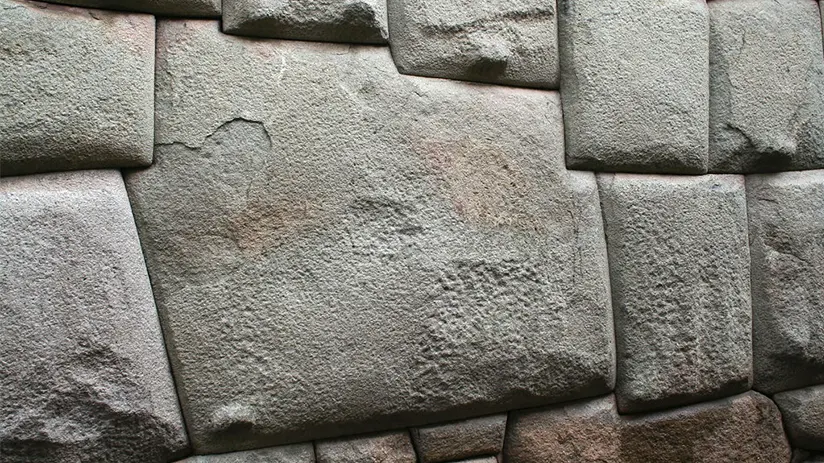
Hatun Rumiyoc (great stone street) connects the main square to the artisan neighborhood and features one of the most famous Inca walls. The Incas fit each block without mortar, and the Twelve-Angled Stone is the clearest example of that precision. This stone forms part of the wall of the palace of Inca Roca, which today houses the Archbishop’s Palace and its religious art collection, one of several Cusco museums within walking distance.
Wander Through San Blas Market
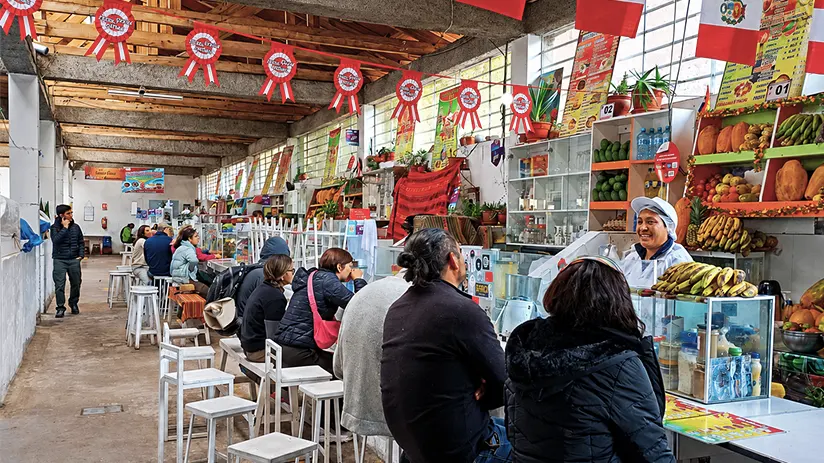
San Blas Market offers travelers a glimpse into everyday life in the neighborhood, away from the busier tourist streets. Vendors sell fresh produce, juices, and simple local meals, along with textiles and souvenirs from nearby workshops. Unlike other markets in Cusco, this one still serves the local community, which keeps its pace calm and its atmosphere authentic. A short stop here fits naturally between visits to the square and the artisan galleries.
Explore Artisan Workshops and Galleries
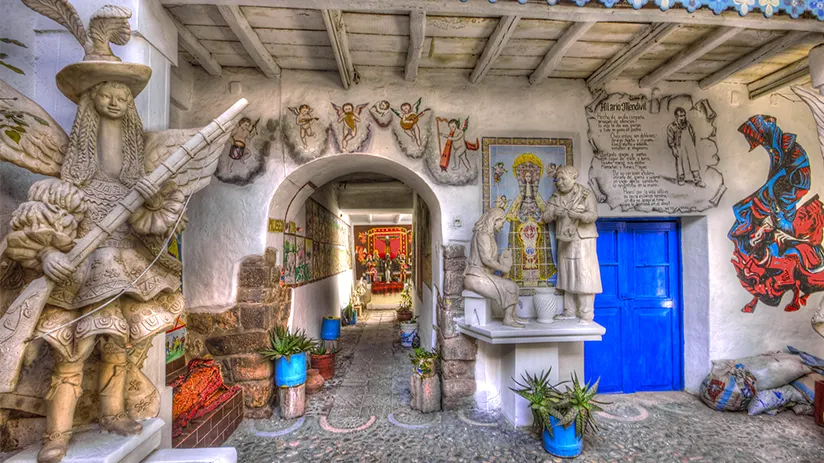
The artisan spaces of San Blas remain the core of its artistic identity, spread across the streets that climb from the square. Local masters work with wood, ceramics, textiles, and silver, often using techniques passed down through generations. This allows visitors to watch pieces take shape rather than simply viewing the finished work.
Many of these workshops belong to family galleries with a long legacy. For example, the Mendívil household is known for religious figures with elongated necks. At the same time, the Olave workshop stands out for its detailed “Niño Manuelito” carvings, an Andean depiction of the newborn baby Jesus. As a result, the quarter functions as an active center of Andean craftsmanship, not simply a place to shop.
Visit the Sapantiana Aqueduct

A short walk uphill from the neighborhood leads to the Sapantiana Aqueduct, a colonial structure set between the San Cristóbal and San Blas quarters. The Jesuit order and the city of Cusco council built it over the P’ujru stream between the 17th and 18th centuries.
Its purpose was to carry water to the colonial city. On top of that, the upper channel supplied water until around 1950. But today, it no longer serves that role, yet the four-level stone arches remain one of the area’s best-known colonial landmarks.
The name comes from the nearby Sapantiana huaca, an old sacred site. In Quechua, the word combines “Sapan” (alone) and “Tiana” (seat), roughly meaning “the place where the huaca sits alone”. Additionally, builders likely used stone from that same site for part of the structure. Reaching the aqueduct takes about 15 minutes on foot from the main square, so it can easily be included in a walking tour.
Discover Scenic Viewpoints

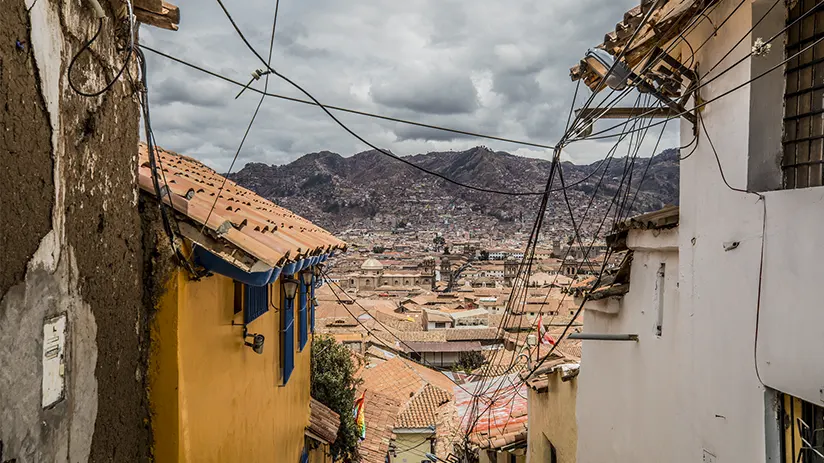
The upper streets of the neighborhood climb toward some of the best viewpoints in Cusco, and two of them stand within reach of the square. The first is the San Blas lookout, reached along Tandapata Street, where travelers see the imperial city across the valley below. Farther up, the nearby San Cristóbal hill offers an even wider view over the historic center, the city, and the mountains beyond.
Light shapes the experience here more than anything else. Early mornings bring clear air and quiet streets, while late afternoons cast warm tones over the rooftops. Both viewpoints offer panoramic views after the climb with a full panorama of the former Inca capital.
The Best Cafés, Restaurants, and Bars in San Blas

Few neighborhoods in the city offer as much variety in food and drink as San Blas. Within a few blocks, travelers move from traditional Cusqueñan cooking to vegetarian kitchens, some of the best coffee shops in Cusco, and cocktail bars with panoramic views. The list below gathers the area’s most established places, each with its address and a distinctive trait.
| Place | Address | Category | Distinctive Trait |
|---|---|---|---|
| Pachapapa | Carmen Bajo 120 | Restaurant | Cusqueñan cooking served in a colonial courtyard (alpaca, ají de gallina, roasted cuy) |
| Perucho Cocina Peruana | Carmen Alto 619 | Restaurant | Peruvian dishes with regional ingredients |
| Green Point | Carmen Bajo 235 | Restaurant | Plant-based versions of Peruvian classics |
| Chia Vegan Kitchen | Carmen 133 | Restaurant | Vegan menu with a contemporary Andean touch |
| Casalino | Suytoccato 777 | Restaurant | Focaccia and wood-fired pizza |
| Limbus Restobar | Pasñapakana 133 | Bar | Panoramic balcony over the city, cocktails, and local dishes |
| ViewHouse | Kiskapata 100 | Bar | Beside the San Blas viewpoint, popular at sunset |
| L’atelier Café Concept | Atoqsayk’uchi 605 | Café | Café and concept store overlooking Carmen Alto |
| Jack’s Café | Ruinas 493 | Café | All-day breakfast and comfort food, with vegan options |
| Espresso 18 | Tandapata 649 | Café | Coffee and brunch dishes with a view |
Where to Stay in San Blas Cusco

San Blas offers a range of hotels spread across the area, most of which are within a short walk of the main square. Many combine period architecture with modern comforts, and some offer additional services to help visitors adjust to the altitude, for example, oxygen, coca tea, and Cusqueñan coffee. That said, the options below are among the neighborhood’s well-known places to stay.
- Casa San Blas Boutique Hotel: Tocuyeros 566. One of Cusco’s first boutique hotels, with a rooftop terrace.
- Antigua Casona San Blas: Carmen Bajo 243. A restored colonial house with a spa. It provides extra oxygen for the altitude.
- Quinta San Blas: Carmen Alto 218. A 19th-century colonial house with patios and a terrace, around 20 rooms.
- Místico San Blas Boutique Hotel: Siete Angelitos 640. A boutique hotel with a sun deck and mountain views.
Shopping for Handmade Crafts in San Blas

San Blas is one of the most popular districts for handmade crafts. Because its workshops let travelers watch the masters at work, while the neighborhood’s stores and galleries sell the finished pieces. Most products fall into four categories:
- Textiles: Handwoven blankets, ponchos, and tapestries with traditional Andean patterns, often in alpaca wool.
- Ceramics: Decorative and everyday pieces, many with Inca motifs.
- Silver jewelry: Rings, necklaces, and earrings set with local semiprecious stones.
- Paintings: Works from local artists, including the School religious style, which the city is known for.
Quality varies widely across the quarter, so exploring several galleries helps. Handmade pieces also carry small irregularities that mass-produced copies lack, which makes them more valuable. Likewise, buying these products supports artisans and is a good option for shopping in Cusco.
San Blas’s Annual Patron Saint Celebration
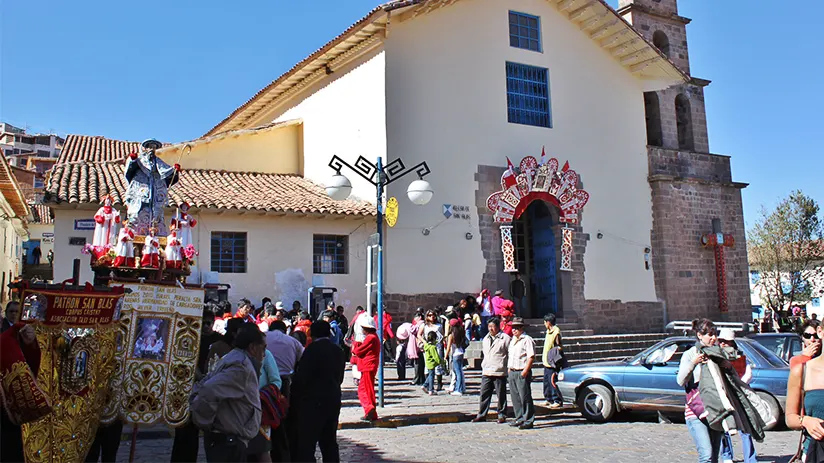
Each year on February 3, the neighborhood honors its patron saint with the Fiesta Patronal de San Blas. The celebration centers on the saint, the bishop of Sebaste, whom devotees regard as a protector against various ailments. The main day opens with a morning Mass in the church. Afterward, a procession carries the saint’s image through the streets of the quarter.
Unlike Cusco’s larger festivals, this one keeps an intimate, neighborhood scale. Music, dances, and fireworks fill the streets, while local families and artisan associations lead much of the organizing. The celebration takes place only on this specific date, so travelers in early February can plan a visit around it and see how San Blas continues its local traditions.
Best Walking Routes Through San Blas Cusco
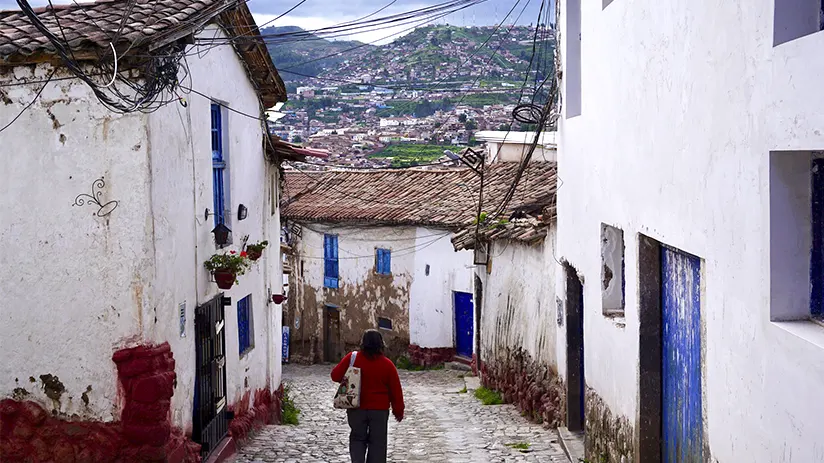
The main factor in a walk through San Blas is not distance but slope. Its sites sit close together on a Cusco tourist map, yet they connect through hills and stairways that rise from the historic center. The most common route starts at the main square and covers the main sights in a single climb:
- Hatun Rumiyoc Street: Home to the Twelve-Angled Stone along the Inca wall.
- Cuesta de San Blas: The slope that leads up to the neighborhood.
- Square and Church: At the center of the San Blas historic district.
- Tandapata Street: Lined with workshops, cafés, and galleries.
- San Blas viewpoint: A few minutes above the square.
The climb turns constant once the route leaves Hatun Rumiyoc. Visitors looking for a gentler climb can reach the same area through Choquechaca Street, which rises more gradually toward the upper lanes. Either way, the walk is easier to enjoy with stops along the route than as a single continuous climb.
Travel Tips for Visiting San Blas Cusco
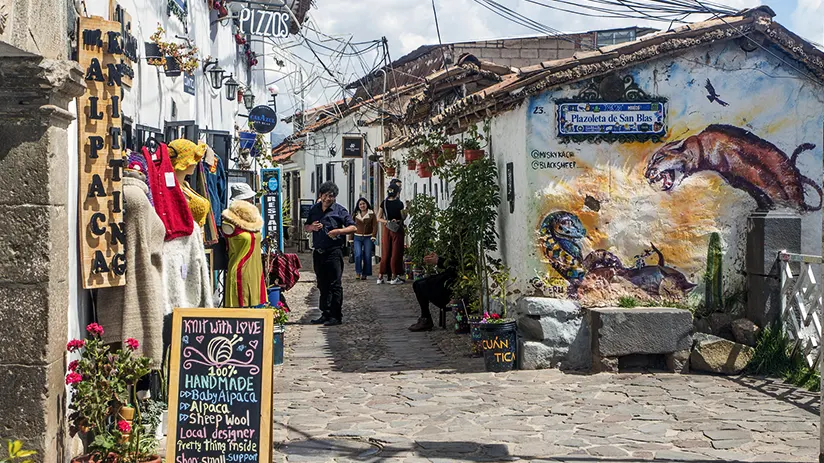
A visit to San Blas takes more preparation than most parts of the historic center, mainly because of the terrain and the altitude. Cusco sits at 3,400 masl, so the neighborhood rests at a considerable height. Its streets also combine steep slopes with uneven stone. A few practical steps make the walk easier:
- Footwear: Shoes with good grip matter here, since the ground turns slick from rain during the low season.
- Pace: A slow, steady climb helps with the altitude, particularly during the first days in the city.
- Timing: Mornings bring cooler air and quieter streets, while late afternoons favor photography from the viewpoints.
- Peruvian soles: Many places and small stores accept cash only, so carrying soles avoids problems at the moment of purchase.
- Rest stops: The cafés along the route also serve as natural breaks for visitors adjusting to the climb and altitude.
FAQs About San Blas Cusco
What is San Blas in Cusco known for?
San Blas is known as the artisan quarter of Cusco, where local artisans still carve, weave, and work silver in family workshops. The area also attracts visitors with its Inca walls, colonial houses, and panoramic viewpoints.
Is San Blas a good place to stay in Cusco?
San Blas is one of the best areas to stay in Cusco, with boutique hotels set in restored colonial houses a short walk from the historic center. The steep slopes are the only real drawback, mainly for arrivals with heavy luggage or during the first days at altitude.
What are the best things to do in San Blas, Cusco?
Most visits center on the square and its church, the Twelve-Angled Stone, the artisan spaces, and the viewpoints above Tandapata Street. Walking the streets carries no entrance fee, which makes the neighborhood accessible to any budget.
How far is San Blas from Plaza de Armas Cusco?
The San Blas neighborhood sits about four blocks uphill from Cusco Main Square, roughly a 10-minute walk. The distance is short for travelers, yet the slope and the altitude make the climb slower than a map suggests.
What are the best restaurants in San Blas, Cusco?
San Blas holds a wide range of options within a few blocks. Pachapapa serves Cusqueñan cooking in a colonial courtyard, while Green Point and Chia Vegan Kitchen focus on plant-based menus. Perucho Cocina Peruana and Casalino cover regional dishes and wood-fired pizza, and Limbus Restobar and ViewHouse add panoramic balconies over the city.
Is San Blas safe to visit at night?
San Blas is safe to visit at night, since its restaurants and bars keep the main streets busy until late. The usual precautions for any city apply, and most travelers stick to lit streets rather than the narrower lanes higher up.
What can you buy in the San Blas artisan district?
Textiles, ceramics, silver, and paintings fill the neighborhood’s workshops and galleries. Small irregularities separate handmade pieces from mass-produced copies, so buying directly from a workshop tends to usually provides greater authenticity and a fairer price.
How much time should you spend in San Blas, Cusco?
Half a day is usually enough to explore San Blas, including the square, artisan workshops, and one viewpoint at a comfortable pace. A day trip through the historic center leaves less room, and a Cusco City Tour usually allots closer to an hour for the district.
“TO TRAVEL IS TO WALK, AND TO WALK IS TO SEE”
The artisan quarter holds Inca walls, colonial houses, family workshops, and viewpoints over the valley, all within a few blocks of the historic center. Its streets still work as a neighborhood rather than an attraction, which is what separates it from the rest of the city. A visit to San Blas Cusco offers visitors willing to climb its slopes at an unhurried pace.
Cusco has so much to offer; it can be hard to know where to start. With many years of experience in the tourism sector, Machu Travel Peru is happy to help with anything regarding your trip to Cusco and any tours around it. Let us help you make your Cusco travel experience unforgettable! Contact us today to plan your dream adventure!