Traditional Andean medicine is an ancestral healing system practiced in Peru, especially within Cusco and the Andean highlands. This holistic tradition combines medicinal plants, spiritual beliefs, and ritual practices, operating on the principle that health depends on a sacred balance between the individual, nature, and the spiritual world.
A complete guide to traditional Andean medicine in Peru
- What Is Traditional Andean Medicine?
- The Origins and Inca Legacy of Andean Healing
- The Andean Spiritual Worldview and Its Role in Healing
- Medicinal Plants in Traditional Andean Medicine
- Traditional Healers and Shamans in the Andes
- Healing Rituals and Ceremonies in Peru
- Traditional Andean Medicine vs Modern Medicine
- How to Experience Andean Medicine as a Traveler
- FAQs About Traditional Andean Medicine in Peru
What Is Traditional Andean Medicine?
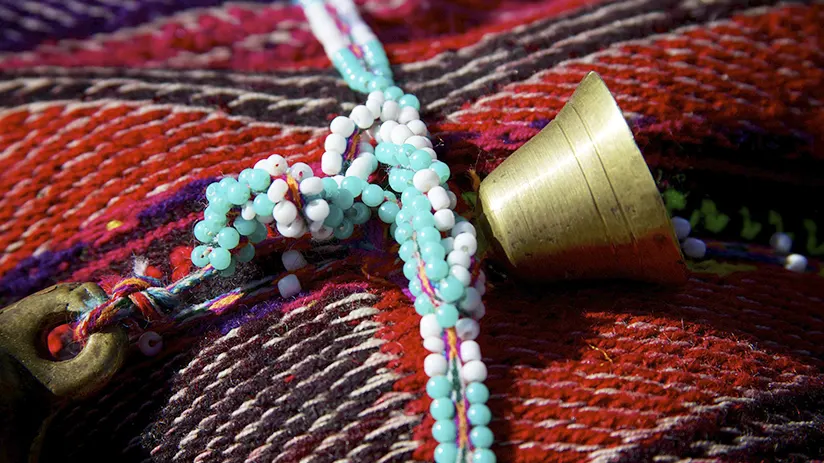
Traditional medicine treats the body as a system isolated from emotions, environment, and spiritual forces. Andean medicine takes the opposite approach. A person’s health is believed to reflect their relationship with nature and the spiritual forces surrounding them. As a result, diagnosis and treatment typically consider the full picture, not just physical symptoms.
This approach has shaped healthcare in Peruvian communities for thousands of years. Even today, many families across the highlands consult native healers alongside or before seeking conventional medical care. This system remains a main part of Andean traditions across the Peruvian highlands.
The Origins and Inca Legacy of Andean Healing
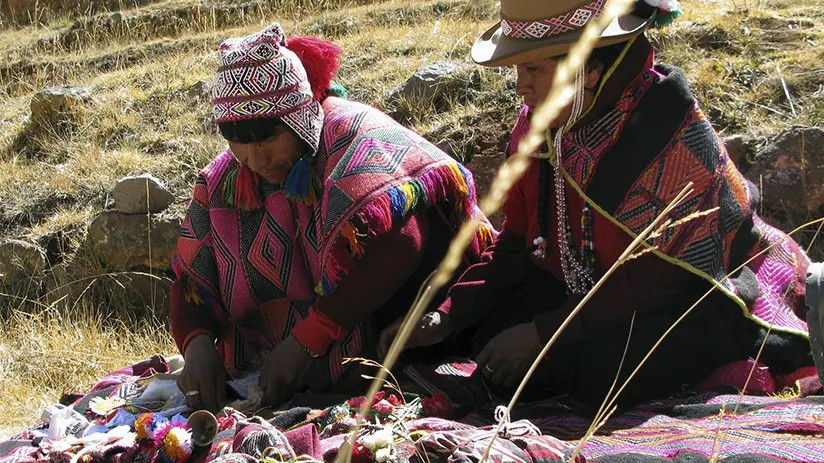
Andean healing traditions did not begin with the Incas. Their roots stretch back thousands of years, long before any empire took shape in South America. This timeline reveals just how deeply ancestral medicine has shaped the country’s culture.
Pre-Inca Roots and Indigenous Knowledge
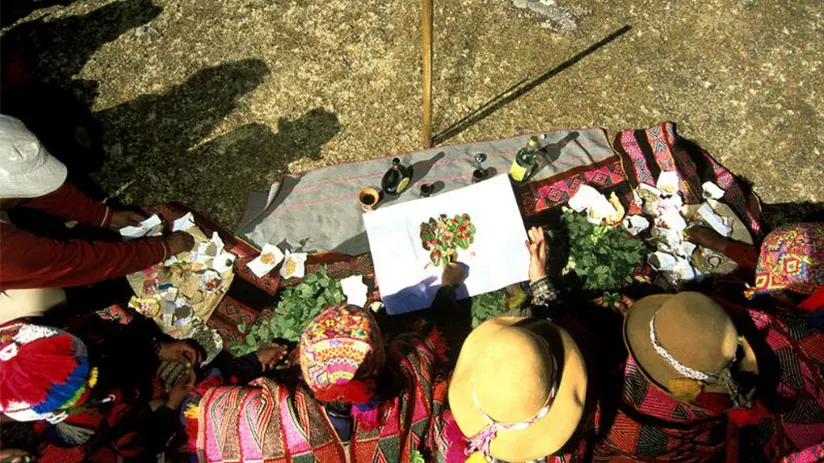
The first Andean settlers developed their knowledge of plants and natural elements out of necessity. Early cultures such as the Chavín and Tiwanaku, for example, used coca leaves and native herbs in both medicinal and ceremonial contexts. Specifically, high-altitude environments encouraged them to identify local resources for treating common illnesses, physical exhaustion, and seasonal conditions. This heritage has built up over generations, shaped by direct observation of the natural world rather than written scientific study.
Transmission happened entirely through oral teaching. Elders passed their expertise to younger members through practice and ritual. This method kept the learning deeply personal, tied to the specific places, climates, and plants of each settlement. Traditional Andean culture across Peru still reflects this deep connection to the land in the way indigenous peoples live and heal today.
The Inca Contribution to Andean Medicine
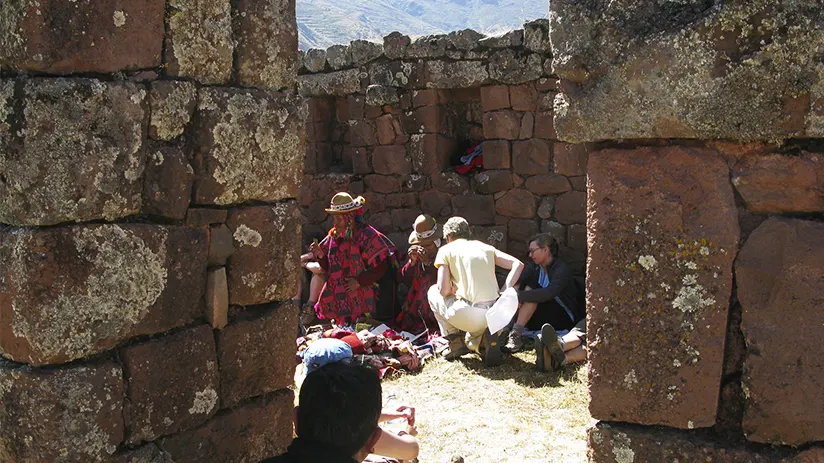
When the Inca Empire expanded across the Andes, it absorbed the medical knowledge of the pre-Inca civilizations it unified and introduced specialized medicinal figures into its social structure. These included the hampi camayoc, dedicated to medicinal plants, and the soncoyoc, focused on emotional and spiritual well-being. This formalized structure gave ancestral medicine a broader reach and broader distribution across the empire.
The Spanish conquest disrupted much of this system, but it did not erase it. Rural settlements continued practicing their traditions quietly, away from colonial oversight. As a result, rural groups kept those ancestral practices alive. That wisdom, along with many Inca beliefs, continues across the Peruvian highlands today.
The Andean Spiritual Worldview and Its Role in Healing
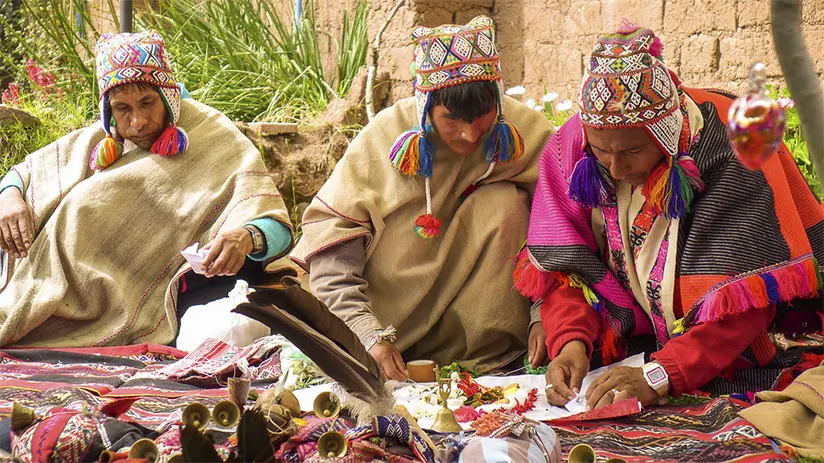
In Andean culture, nature is traditionally viewed as a living force. It directly influences wellness, fortune, and well-being, not simply as a backdrop to human life. This perspective forms the basis of all healing practices in the highlands.
Pachamama, or Mother Earth, sits at the center of this worldview. Local people see her not as a symbol, but as a living being that supports all life. When a person falls ill, practitioners trace the cause back to a broken relationship between that individual and Pachamama. Restoring that bond is traditionally considered as important as treating the physical condition.
Just as important is the concept of Ayni, a Quechua word meaning sacred exchange. This worldview holds that health is believed to flourish when individuals live in balance with their environment and those around them. Disrupting that equilibrium, whether through neglect or disrespect toward nature, opens the door to illness.
Quechua communities also recognize powerful mountain spirits known as Apus, which protect or challenge those living within their territory. These concepts shape everyday decisions across remote settlements in Peru, and Andean spirituality remains as practical today as it was centuries ago.
Medicinal Plants in Traditional Andean Medicine
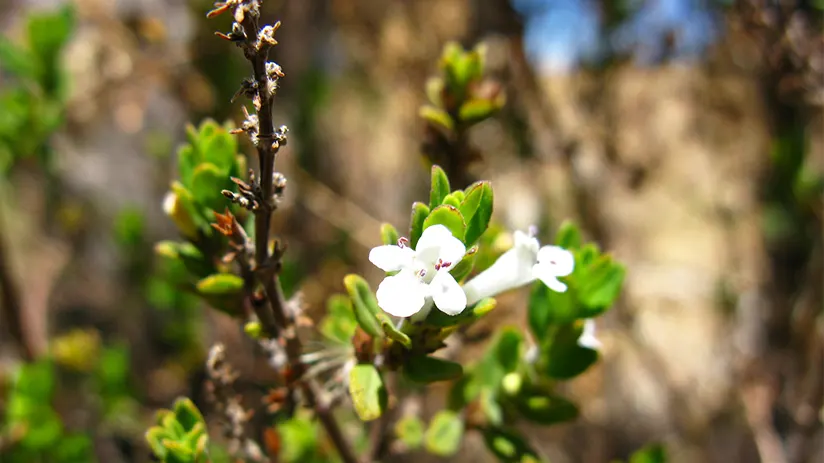
Peru is one of the most biodiverse countries on the planet, and that richness directly shaped its curative traditions. Andean and rainforest communities each developed their own botanical knowledge from the Peruvian medicinal plants available in their ecosystems. The following sections cover the most significant species from both regions.
Sacred Plants of the Andes
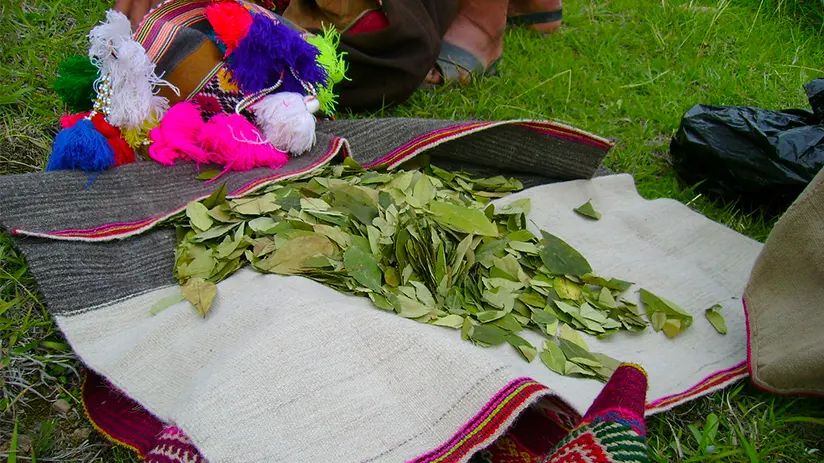
The coca leaf stands as the most important plant in Andean culture, or as its scientific name indicates, Erythroxylum coca. In its natural form, it is a mild stimulant used to combat altitude sickness, aid digestion, and increase physical endurance at high altitudes. Beyond its medicinal role, the leaf also serves as a bridge between the human world and the sacred realm in rituals.
Muña is a highland staple popularly used around Cusco, Puno, and Ayacucho. Served as an herbal tea, it relieves digestive discomfort and helps the body adjust to high-altitude conditions. Its high calcium and phosphorus content is also traditionally associated with bone well-being.
Maca grows at elevations above 4,000 masl, and Highland farmers have cultivated it for centuries to support fatigue, reproductive wellness, and cognitive function. Some modern studies have explored these properties, and travelers can learn more through a detailed look at maca root benefits.
Healing Plants of the Amazon
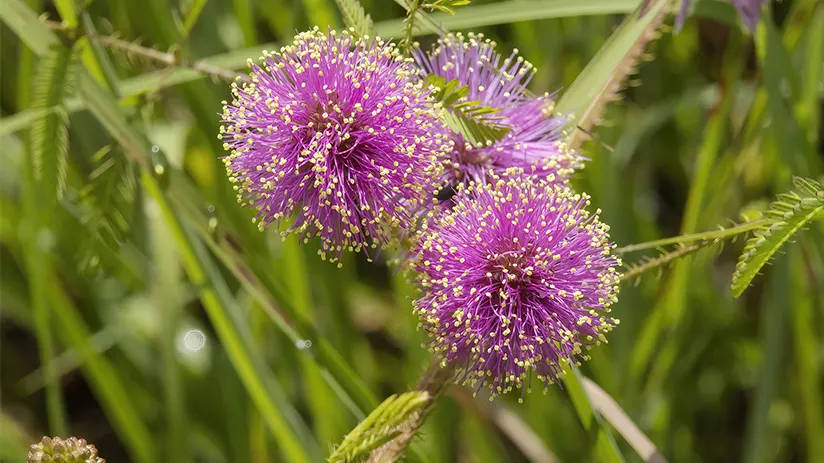
The native lowlands contribute an equally powerful set of remedies to Peruvian herbal medicine. Cat’s Claw, known locally as Uña de Gato, contains alkaloids in its inner bark. These compounds have compounds that have been studied for potential anti-inflammatory and antiviral properties. Healers across the Peruvian Amazon have used it for centuries to support overall wellness and treat digestive conditions.
Achiote, a small tree cultivated since pre-Columbian times, produces seeds and leaves that are used to treat throat infections, breathing problems, digestive issues, and skin conditions. Healers prize Sacha Inchi, an endemic plant, for its remarkably high levels of omega-3, omega-6, and omega-9 fatty acids. Is commonly associated with heart health benefits and helps naturally regulate cholesterol levels.
Traditional Healers and Shamans in the Andes
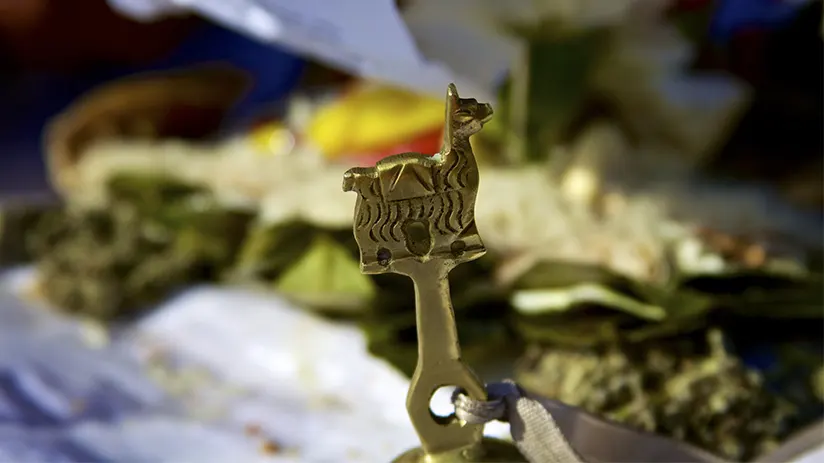
Andean medicine has always depended on specialized practitioners to carry its knowledge forward. Shamanic curative in Peru centers on two key figures: the curandero and the paqo. Each occupies a distinct role, and knowing the difference clarifies how this system actually works.
The Curandero
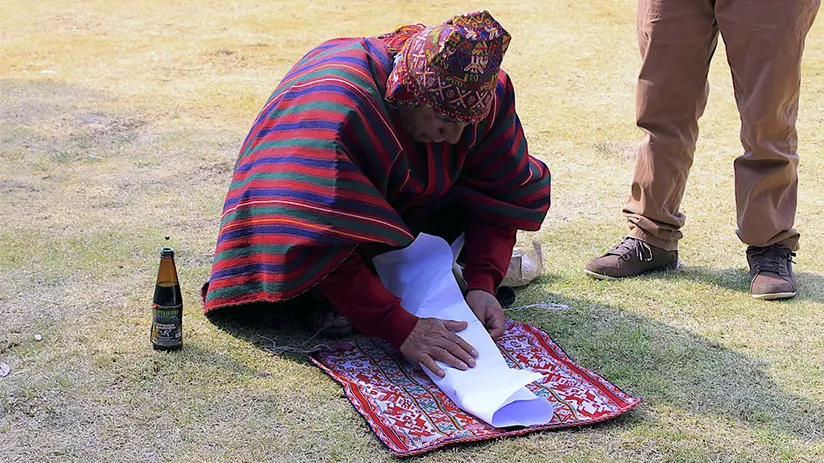
A curandero is a shamanic healer who addresses physical, emotional, and spiritual conditions through a combination of plant medicine, ritual objects, and ancestral practice. The diagnostic process often involves reading coca leaves, observing the patient’s energy, and identifying which aspect of balance has been disrupted. From there, the healer determines the appropriate course of treatment.
The path to becoming a curandero is demanding and deeply personal. Most practitioners train under an experienced healer for years before working. In many cases, this vocation arrives through a significant life event, such as a serious illness, a near-death experience, or a recurring dream. This ritual dimension sets the curandero apart from a simple herbalist and places the role firmly within the sacred traditions of the Andes.
The Paqo
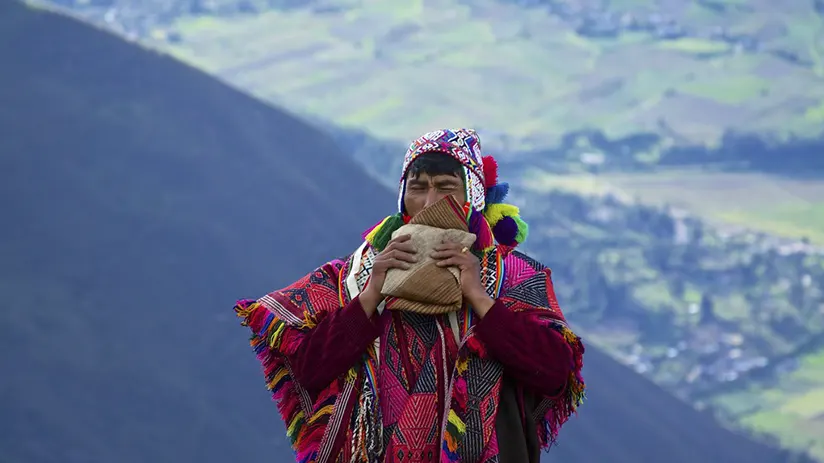
A paqo operates primarily in the sacred and spiritual dimension of indigenous healing. Where the curandero focuses on treating specific conditions, the paqo works as a mediator between the human world and the forces of nature. Their role centers on maintaining and restoring the energetic balance that this cosmology considers essential to collective wellbeing.
Paqos are particularly active in villages throughout the Cusco region, where traditional life remains strong. Many travelers who visit the Sacred Valley encounter paqos through organized cultural experiences or local visits. Their presence reflects how alive this culture remains, not as a relic of the past, but as a functioning part of Andean social and mental life today.
Healing Rituals and Ceremonies in Peru
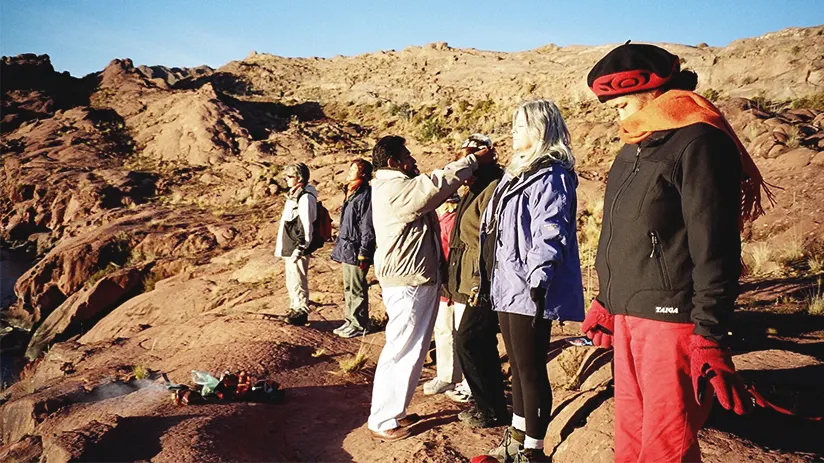
Andean healing extends well beyond plant medicine. Ritual practice addresses the spiritual and emotional dimensions of illness that plants alone cannot reach. The two most widely known forms are the despacho ceremony and the cleansing rituals performed by shamanic healers across the highlands.
The Despacho Ceremony
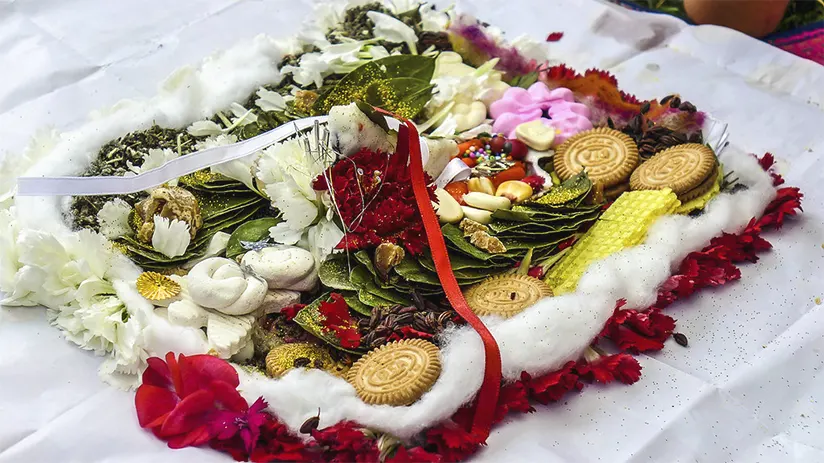
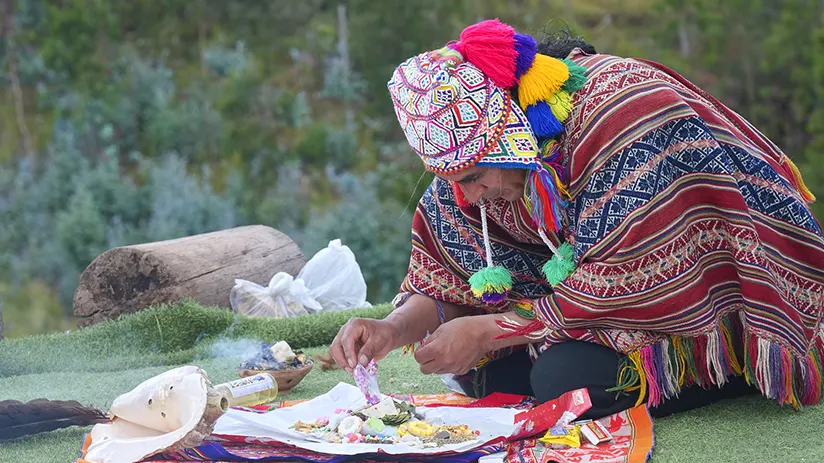
A despacho is a ritual offering assembled from dozens of natural and symbolic elements. The practitioner arranges coca leaves, flowers, seeds, sweets, colored wool, and animal fat on a sheet of paper following precise patterns. The assembled elements form an offering presented to Pachamama and the Apus.
Once assembled, the offering is either burned or buried to complete the sacred exchange. Burning sends the intention upward through smoke, while burying returns the elements directly to the earth. The purpose can range from gratitude and restoration to marking a life transition or restoring harmony after a period of difficulty. Many visitors to Cusco regard a despacho as one of the most memorable cultural encounters in the region.
Limpias and Florecimientos

A limpia is a ritual cleansing that is believed to remove negative energies from a person’s body and spirit. The healer sweeps the patient with herbs, flowers, eggs, incense, and sometimes a guinea pig. Each element draws out specific harmful energies. The process addresses conditions that Andean culture associates with spiritual causes, such as susto, a state of deep fright believed to displace the soul.
A florecimiento follows a different logic. Rather than removing something unwanted, it attracts positive energy, abundance, and good fortune. The healer bathes the patient in flower-infused water, opening pathways that fear or hardship may have blocked. Both practices remain active across Cusco and the Sacred Valley today.
Traditional Andean Medicine vs Modern Medicine
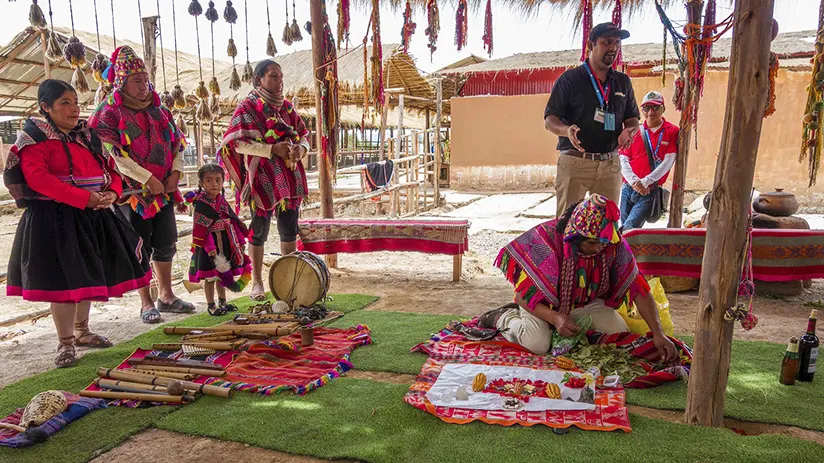
While modern Western medicine relies primarily on science, biochemistry, and isolating specific physical symptoms, traditional Andean medicine operates on a fundamentally different plane. To better understand how these two worlds compare, look at their main differences.
| Aspect | Traditional Andean Medicine | Modern Western Medicine |
|---|---|---|
| Core Philosophy | Holistic & Relational: Health is a state of balance between the individual, nature (Pachamama), and the spiritual world. | Biomechanical: Health is the absence of disease or structural/biochemical malfunction in the physical body. |
| Root Cause of Illness | Disharmony: Disrespecting nature, broken relationships, or spiritual trauma (e.g., susto or fright). | Biological Factors: Pathogens (bacteria/viruses), genetic predisposition, lifestyle, or physical wear and tear. |
| Diagnostic Tools | Intuitive & Symbolic: Coca leaf readings, pulse observation, energy sensing, and spiritual assessment. | Empirical & Clinical: Laboratory blood tests, diagnostic imaging (X-rays, MRIs), and physical examinations. |
| Primary Treatments | Natural & Ritualistic: Native herbal remedies (muña, cat’s claw), sacred offerings (despachos), and energetic cleansings (limpias). | Biomedical: Synthetic pharmaceuticals, targeted surgery, physical therapy, and specialized medical procedures. |
| Role of the Practitioner | Spiritual Guide: The curandero or paqo acts as a mediator between the patient, the community, and the natural forces. | Scientific Expert: The medical doctor or specialist applies standardized, evidence-based scientific protocols. |
How to Experience Andean Medicine as a Traveler

Peru offers visitors many ways to engage directly with traditional rituals. From herb market visits in Cusco to immersive stays in the Sacred Valley, the options range from introductory to deeply immersive. Those looking for a more structured approach can explore wellness retreats in Peru that combine ancestral practices with modern comfort.
Finding authentic experiences requires some attention. The most reliable path is through established cultural organizations, community-based tourism initiatives, or reputable travel agencies with direct relationships with local practitioners. Genuine curiosity and cultural respect make a real difference, both for the experience itself and for those who share it.
Natural Remedies for Altitude Sickness in the Andes
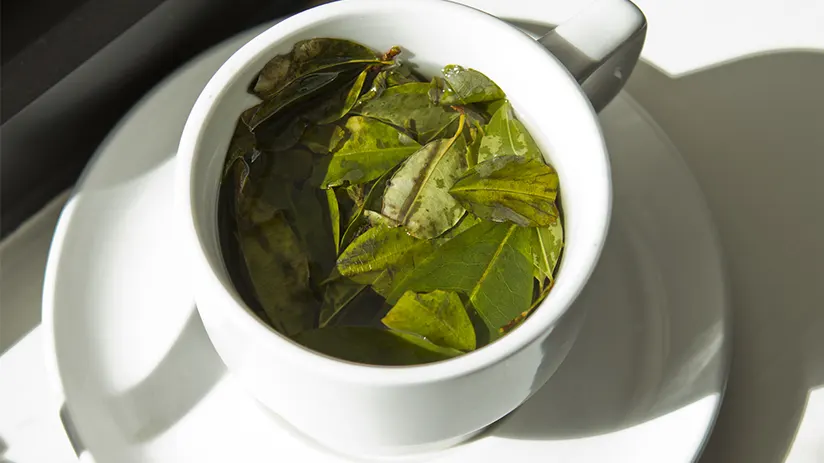
Altitude sickness, known locally as soroche, affects many visitors who arrive at high-elevation places like Cusco. Symptoms include headaches, fatigue, dizziness, and shortness of breath. Highland healers have addressed these effects for centuries using remedies that travelers still rely on today.
Mate de coca is the most widely available and commonly natural option. Hotels across Cusco serve it upon arrival, and researchers have widely documented its benefits for altitude. Muña tea works similarly, easing the digestive discomfort that often accompanies soroche. Nutritionists and local communities alike recognize both plants as Peruvian superfoods with properties that go well beyond altitude relief.
FAQs About Traditional Andean Medicine in Peru
What is traditional Andean medicine in Peru?
Traditional Andean medicine in Peru is a holistic healing system that integrates plant remedies, spiritual practices, and ancestral wisdom. It treats illness as a sign of imbalance between a person and their natural, social, and mental environment.
Important Note: Traditional Andean medicine is an important part of Peru’s cultural heritage and continues to be practiced in many communities today. The information in this article is intended for educational and cultural purposes only and should not be considered medical advice or a substitute for professional healthcare.
Which medicinal plants do people in the Andes use?
The most widely used plants include coca leaves, muña, and maca. Coca addresses altitude sickness and boosts energy. Muña supports digestion and bone health. Maca helps with fatigue and reproductive wellness.
How did the Incas practice medicine?
Inca healers combined herbal remedies with ritual practice, closely tied to the spiritual worldview of the empire. Much of this knowledge survived the Spanish conquest through oral tradition in rural settlements.
What are Andean healing rituals?
Andean rituals address the spiritual and emotional dimensions of illness. A sacred offering ceremony (despacho) presents natural elements to Pachamama and the Apus (mountain spirits). Cleansing rituals (limpias) remove negative energy from the body, while blessing ceremonies (florecimientos) attract positive forces and restore emotional stability.
Can travelers experience traditional healing ceremonies in Peru?
Visitors can participate in authentic experiences across Cusco and the Sacred Valley through community-based organizations and reputable local practitioners. Despacho ceremonies, limpia sessions, and medicinal plant walks are among the most accessible options. Approaching these experiences with respect and cultural sensitivity is essential.
What is the cultural importance of Andean medicine?
Andean medicine represents far more than a set of remedies. It embodies a complete worldview in which health, nature, and spiritual life are deeply interconnected. For people across Peru, these practices hold shared identity, ancestral memory, and a living bond with the land.
“TO HEAL THE BODY, FIRST HEAL THE SPIRIT”
Traditional Andean medicine in Peru stands as one of the most complete and enduring healing systems in the world. It connects the physical, emotional, and spiritual dimensions of human life through sacred plants, ancestral rituals, and a profound respect for the natural world. For travelers who engage with it sincerely, it offers something far deeper than a cultural curiosity.
Peru has so much to offer; it can be hard to know where to start. With many years of experience in the tourism sector, Machu Travel Peru is happy to help with anything regarding your trip to Peru and any tours around it. Let us help you make your Peruvian experience unforgettable! Contact us today to plan your dream adventure!