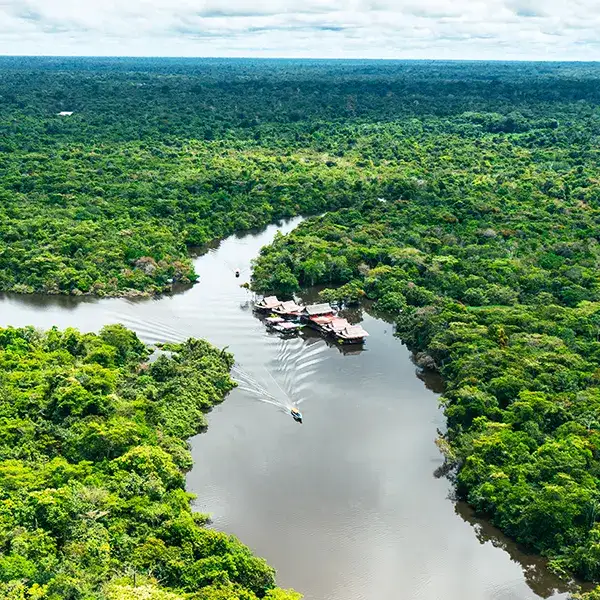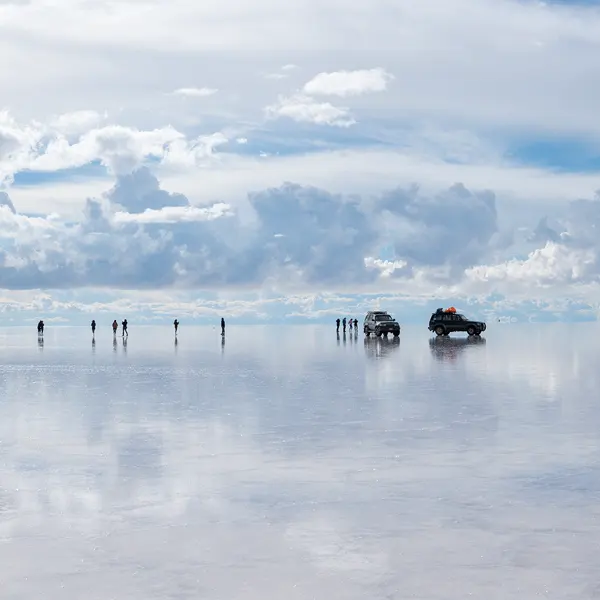
Peru has 13 UNESCO World Heritage Sites, including Machu Picchu, Cusco, the Historic Center of Lima, and Manu National Park. These sites are recognized for their cultural, historical, and natural importance and are located across the coast, Andes, and Amazon regions. Each site reflects an important part of Peru’s history and biodiversity. This guide will introduce you to the main protected heritage sites in Peru.
Discover the most outstanding UNESCO sites in Peru
- What Are UNESCO World Heritage Sites?
- Why Peru Has So Many UNESCO World Heritage Sites
- Complete List of Peru UNESCO World Heritage Sites
- Cultural UNESCO World Heritage Sites in Peru
- Natural UNESCO World Heritage Sites in Peru
- Mixed Cultural and Natural UNESCO Sites in Peru
- Why Machu Picchu Is One of Peru’s Most Famous UNESCO Sites
- Best UNESCO Sites to Include in a Peru Itinerary
- How to Visit Peru’s UNESCO Heritage Sites Responsibly
- Suggested Travel Routes Connecting Multiple UNESCO Destinations
- Best Time to Visit Peru UNESCO Sites
- FAQs About UNESCO World Heritage Sites in Peru
What Are UNESCO World Heritage Sites?

UNESCO-listed destinations are cultural and natural places of outstanding universal value. Since 1972, the United Nations Educational, Scientific, and Cultural Organization (UNESCO) has been responsible for designating sites that deserve this status. This designation helps protect and preserve these important sites for future generations. Currently, there are more than 1,200 sites of such significance, and many more are still being evaluated by the organization to achieve this designation.
Why Peru Has So Many UNESCO World Heritage Sites

Peru stands out for its diverse geography, encompassing Amazon rainforests, mountains, and deserts. These ecosystems create an environment that supports numerous natural and cultural heritage sites. Furthermore, the country was the cradle of several important civilizations throughout history, most notably the Inca Empire, which explains why Peru is home to so many UNESCO World Heritage Sites. As a result, several UNESCO landmarks and places to visit in Peru have gained international recognition.
Complete List of Peru UNESCO World Heritage Sites

While the long list of Peruvian World Heritage sites began with Cusco and Machu Picchu in 1983, it has continued to grow in recent years. Currently, Peru boasts 13 protected sites across its vast territory. These sites were added gradually and represent the important examples of pre-Inca cultures, colonial heritage, and natural ecosystems. Here is a list of the main protected landmarks of the Andean country:
| UNESCO Site | Category | Year Added | Region |
| City of Cusco | Cultural | 1983 | Cusco |
| Historic Sanctuary of Machu Picchu | Mixed | 1983 | Cusco |
| Huascarán National Park | Natural | 1985 | Ancash |
| Chavín Archaeological Site | Cultural | 1985 | Ancash |
| Chan Chan Archaeological Zone | Cultural | 1986 | La Libertad |
| Manu National Park | Natural | 1987 | Cusco & Madre de Dios |
| Historic Center of Lima | Cultural | 1988, 1991 | Lima |
| Rio Abiseo National Park | Mixed | 1990, 1992 | San Martín |
| Nazca and Palpa Lines and Geoglyphs | Cultural | 1994 | Ica |
| Historic Center of the City of Arequipa | Cultural | 2000 | Arequipa |
| Sacred City of Caral-Supe | Cultural | 2009 | Lima Region |
| Qhapaq Ñan – Andean Road System | Cultural | 2014 | Multiple Regions |
| Chankillo Archaeoastronomical Complex | Cultural | 2021 | Ancash |
Peru’s heritage attractions are divided into three main categories for better understanding: cultural, natural, and mixed. Cultural sites celebrate human achievements, ancient civilizations, and artistic expression. Natural sites protect unique ecosystems and geological formations. The combination of both gives rise to mixed sites, which combine cultural and natural significance; each category is explained below:
Cultural UNESCO World Heritage Sites in Peru

Peru is home to nine UNESCO cultural sites, one of the highest numbers in South America. From Cusco, the first site to be designated, to the Chankillo Archaeoastronomical Complex, the list is truly impressive. Most of these sites bear witness to the work of indigenous peoples who preserved important aspects of their culture in these ancient locations. Here is a list of the cultural sites of this Andean country:
City of Cusco (1983)
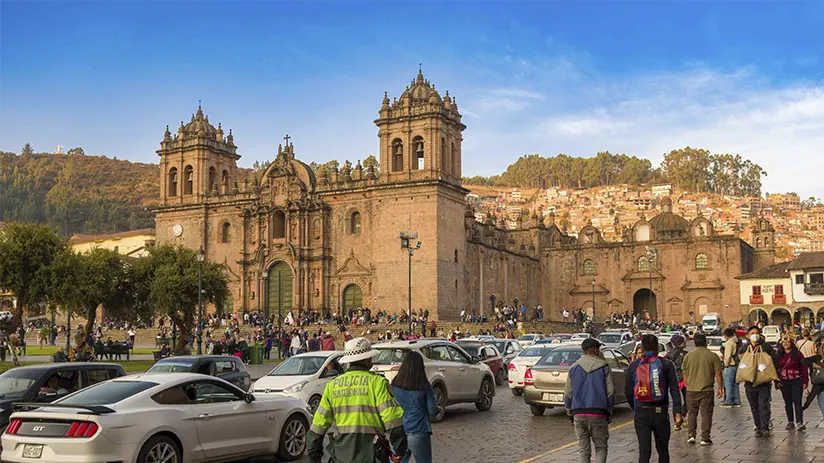
Cusco is located in southern Peru, in the heart of the Andes at a high altitude (3,399 meters above sea level). It was formerly the capital of the Tahuantinsuyo and the Inca Empire, whose foundations were laid by the Inca Pachacuti. With the Spanish conquest, various Baroque constructions emerged, evident in the imposing churches, museums, and colonial courtyards. This gave rise to a place where the Inca past converges with the modern, creating a unique blend of Inca and colonial heritage.
Its historic architecture and mountain scenery make it one of Peru’s most historic UNESCO destinations. Anyone wishing to see the historic Andean city and its Cusco archaeological sites can easily do so on a trip to Peru. This destination is a classic part of a Peruvian itinerary, often serving as the gateway to Machu Picchu. For a relaxed exploration, it is ideal to spend 1-3 days during the dry season (April to October).
Chavín Archaeological Site (1985)

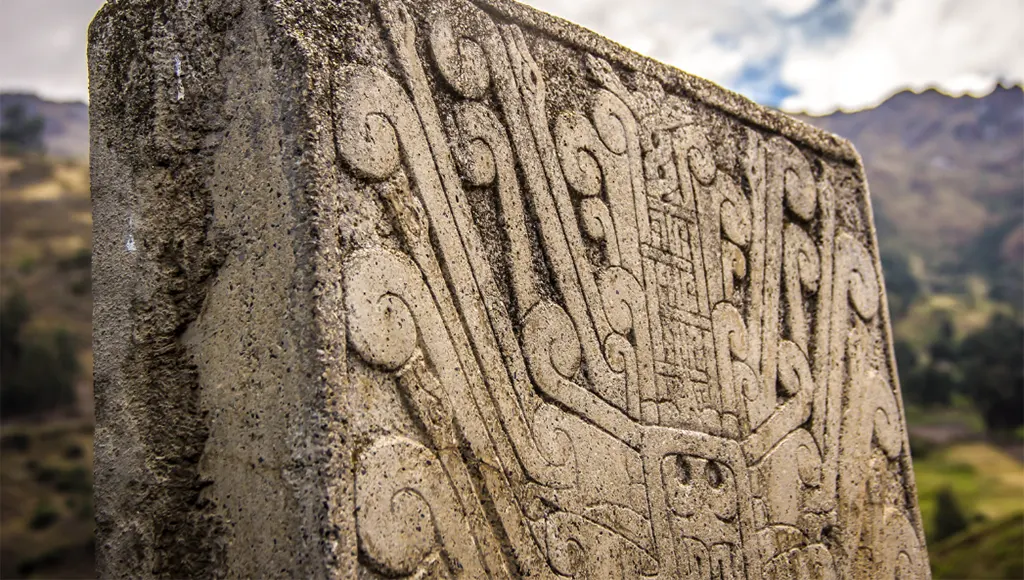
Chavín served as a pilgrimage site and ceremonial center for ancient civilizations. This site is the most important legacy of the pre-Inca Chavín culture due to its complex constructions, including temples, terraces, underground labyrinths, plazas, and more. Its most striking feature was its zoomorphic statues, which represent its rich iconography. The site is especially known for its carvings that combine human and animal features.
For these and other reasons, it was declared a UNESCO-listed destination in 1985. Today, any traveler can visit it by heading to the outskirts of Huaraz in the Ancash region of Peru. Guided tours are highly recommended to understand the complex iconography and historical context of the site. Some of its highlights include the underground galleries, the Lanzón monolith, and the Tello obelisk, among others.
Chan Chan Archaeological Zone (1986)
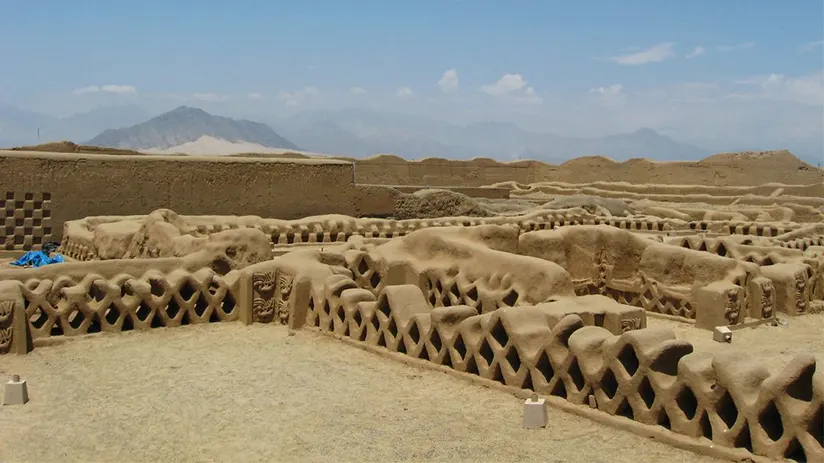
Nearly 600 years ago, the pre-Incan Chimú culture built Chan Chan, a complex comprised of nine citadels and palaces. Spanning 20 square kilometers, it once housed approximately 30,000 inhabitants, making it the largest city in the Americas. Today, it is the largest adobe complex in the world and one of Peru’s most outstanding UNESCO landmarks. Its connection to history and its remarkable preservation make it one of Peru’s most important archaeological sites.
A visit to this attraction lasts 2 to 3 hours, during which you can witness the advanced Chimú engineering. Its walls, irrigation systems, ruins, and ramparts display intricate carvings and works of art where geometric and animal-shaped motifs take center stage. To visit this well-preserved site, you must travel to Huanchaco, Trujillo, and purchase the corresponding entrance tickets. The Chan Chan ruins have a strong connection to the past; it is advisable to hire a guided tour for a better understanding.
Historic Center of Lima (1988, 1991)
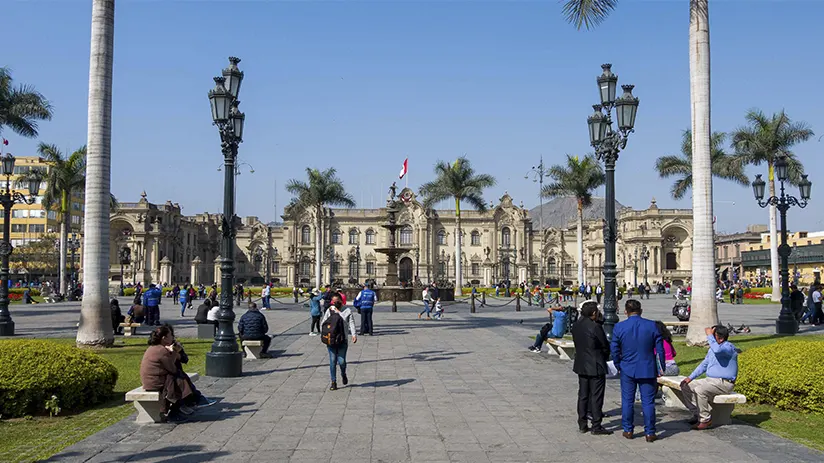
The historic center of Lima offers a glimpse into the viceroyalty era, when this area was the most important in South America. Its expanse stretches from the Plaza de Armas to the Plaza San Martín, where the profound European and Catholic influence is evident. Throughout the area, you’ll find numerous cafes, shops, museums, and galleries showcasing the city’s artistic and cultural heritage. Despite the passage of time, most of the monuments and buildings still retain a blend of colonial and modern elements.
This site has two dates because its inscription on the UNESCO World Heritage List was a two-stage process (1988 and 1991). Today, it’s remarkably easy to visit and admire this colonial architecture on a trip to Peru. Some iconic landmarks include the Chapel of the Sagrario, the Archbishop’s Palace, the Church of Santo Domingo, and the Convent of San Francisco. It’s highly recommended to complement your visit with nearby culinary experiences, where Lima is also known for its gastronomy.
Nazca and Palpa Lines and Geoglyphs (1994)

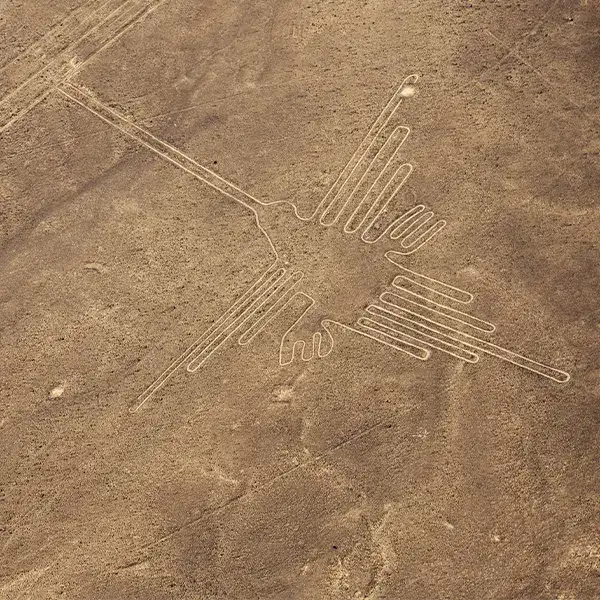
The giant geoglyphs etched into the Nazca and Palpa deserts also earn a place on this list due to their immensity and mystery. These geometric patterns, animal figures, and straight lines stretch for kilometers along the coast. It is estimated that they cover approximately 450 square kilometers and stand out for their designs and symbolism. Their purpose remains unknown, with theories ranging from astronomical and religious to ritualistic.
The best way to view them is by flying over them, which offers wide aerial views of the surrounding landscape and, of course, the geoglyphs themselves. Among the most representative figures are the hummingbird, spider, monkey, condor, and over 100 other designs. Observation points like the tower are viable but not highly recommended because of limited visibility. It’s also advisable to consider combining your visit with other nearby activities, such as Paracas or Ica.
Historic Center of the City of Arequipa (2000)

This Peruvian heritage site covers 49 city blocks, where the historic center stands out for its colonial architecture. The reason is simple: most of the buildings are constructed primarily from sillar (volcanic stone) and boast impressive designs. This is evident in the classic white color of the buildings, which earned it the nickname “White City”. The Baroque style, characteristic of the colonial era, is equally prominent, especially in its walls and churches.
The best way to visit is through a walking tour, exploring the city’s iconic landmarks. The cathedral, the Santa Catalina Monastery, streets, cloisters, and courtyards attract visitors. However, the Plaza de Armas is the most representative historic place in Arequipa, serving as the main point of reference for many tourists. With its blend of European and indigenous elements, this heritage site is a testament to Peru’s historical significance.
Sacred City of Caral-Supe (2009)
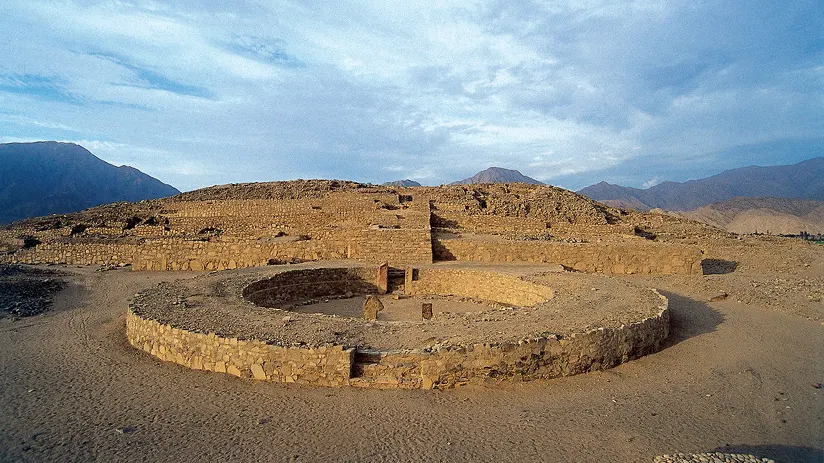
Caral, or Caral Supe, is a 66-hectare archaeological complex that is over 5,000 years old. This legacy coexisted with ancient civilizations such as the Sumerian cities of Mesopotamia, the Nile Valley, the Olmec, the Maya, and the Aztec. For this reason, it is the oldest known settlement in the Americas and one of the oldest urban settlements of Late Archaic architecture in Peru. It stands out for its urban planning and primitive architectural design, reason enough to be declared a protected site.
Visitors usually spend between 2 and 3.5 hours at the complex exploring its impressive structures. Pyramids, plazas, dwellings, and recessed circular courtyards are some of the most representative features. Furthermore, its location is easily accessible, being north of Lima and therefore easily reachable for a day trip. Interestingly, discoveries continue to be made every year, providing a deeper understanding of the site.
Qhapaq Ñan – Andean Road System (2014)
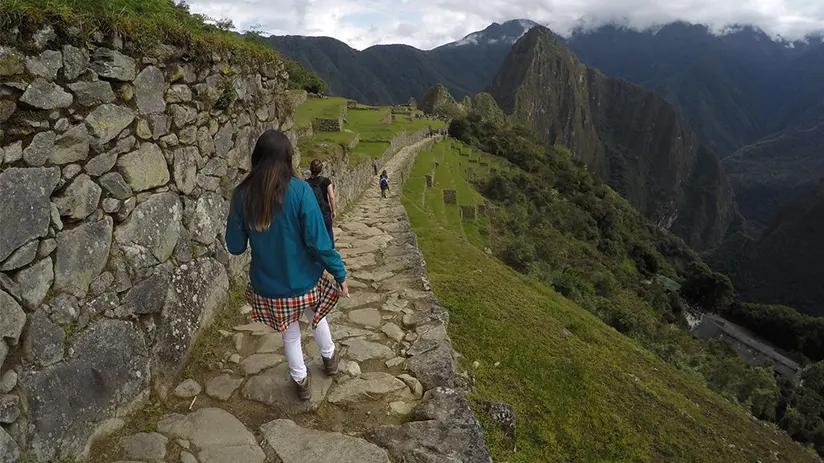
The Qhapaq Ñan is the Inca road system that connected the four regions of the Tahuantinsuyo (Inca Empire) and countless ancestral sites. This network of roads crosses deserts, snow-capped peaks, and rainforests in some of South America’s major countries. Argentina, Bolivia, Chile, Colombia, Ecuador, and Peru are the countries where this system, stretching over 30,000 km, extends. Therefore, it is the only heritage site shared with other countries.
The most famous section is the Inca Trail from Ollantaytambo to Machu Picchu, which traverses part of the Sacred Valley. As a visitor, you will find two options for enjoying nature and Inca history. It is ideal to hire a specialized tour operator because access is only permitted with the necessary permits. To complement the experience, consider exploring nearby attractions such as the Pisac ruins, Cusco, and Aguas Calientes, among others.
Chankillo Archaeoastronomical Complex (2021)

In the Casma Valley on the northern coast of Peru lies the Chankillo complex, an astronomical archaeological site. According to records, it was built around 500 BC and represents one of the most sophisticated observatories on the continent. This is because the site functions as a solar calendar, using its 13 stone towers to mark the sun’s movement. In this way, the ancient inhabitants could track the solstices, equinoxes, and seasonal changes.
Natural UNESCO World Heritage Sites in Peru
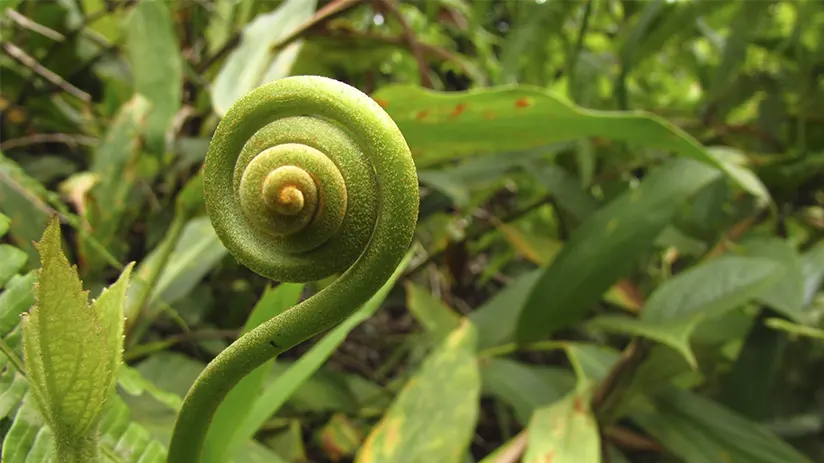
On the other hand, the vast territory also boasts incomparable natural ecosystems, two of which are UNESCO-listed destinations. Both showcase Peru’s biodiversity in flora and fauna. These areas are notable for their complete lack of human intervention, and their ecological and scientific value is undeniable. Below are two World Heritage Sites in Peru of this category:
Huascarán National Park (1985)
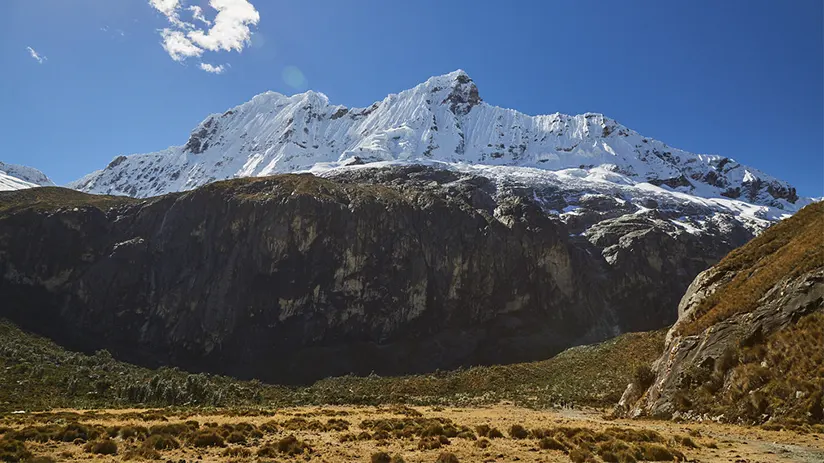
Huascarán National Park is a paradise for mountaineers, home to 27 iconic peaks, most notably Huascarán, the highest peak in all of Peru (6,768 meters above sea level). It also boasts several famous hiking trails, such as the Santa Cruz, Huayhuash, and Alpamayo routes. Along the way, visitors can admire attractions like Laguna 69, Lago Churup, and Lago Wilcacocha. Its diverse terrain offers a wealth of biodiversity, making it ideal for nature and adventure lovers.
Manu National Park (1987)

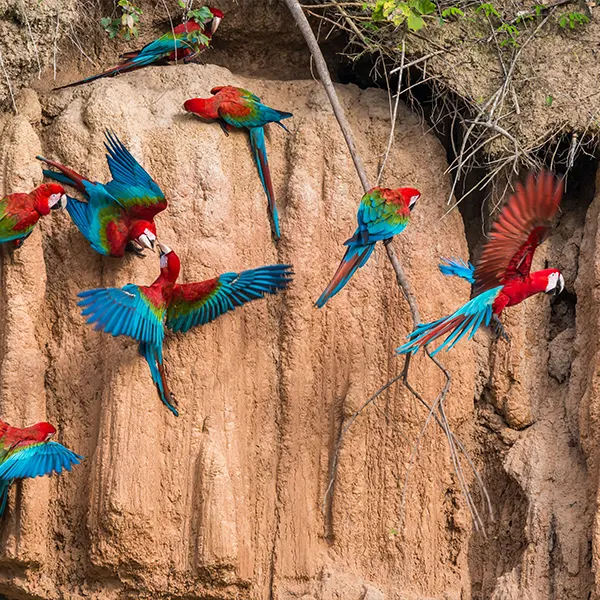
From the tropical Andes to the Amazon basin, Manu National Park stands out as one of the most biodiverse places on the planet. This natural wonder spans 1.5 million hectares, home to thousands of species. Endemic species, endangered animals, and a vast array of plants are the stars of the show. It is a paradise for nature lovers, researchers, and scientists alike, thanks to its high biodiversity.
Mixed Cultural and Natural UNESCO Sites in Peru
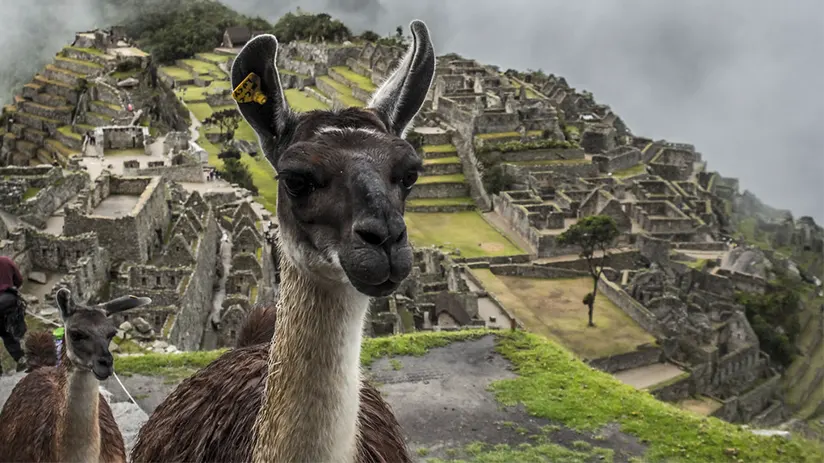
Finally, there are mixed heritage sites, which combine cultural and natural aspects. These hold immense value for all humanity because they possess numerous remarkable characteristics. The tourist activities that could be carried out there are so varied that they cater to all types of travelers. Here is a list of Peru’s cultural and natural heritage sites:
Historic Sanctuary of Machu Picchu (1983)
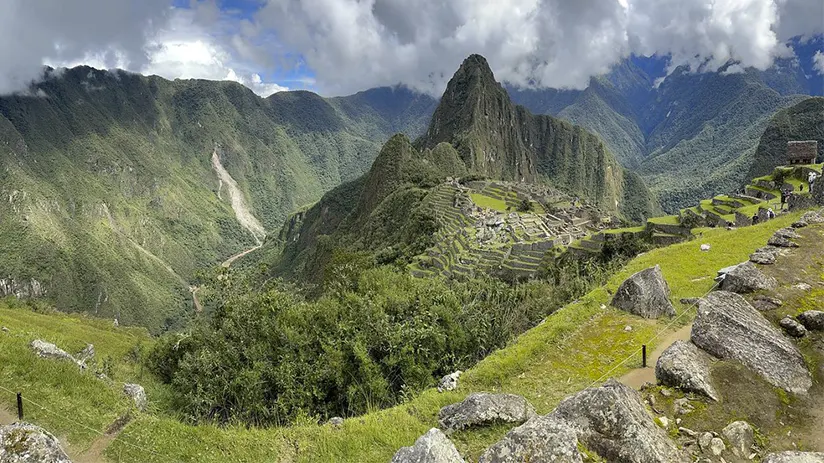
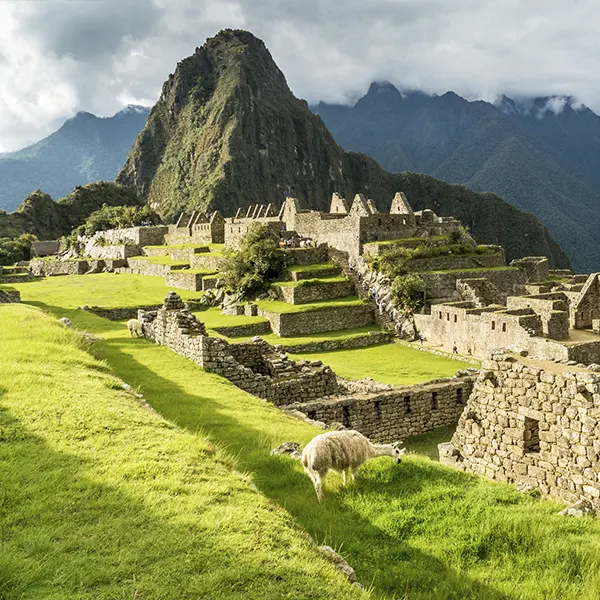
The Inca citadel of Machu Picchu is the first UNESCO Site because it combines the important elements of Inca heritage with Andean nature. This sanctuary boasts some of the most outstanding Inca ruins due to its remote location in the heart of the Peruvian Andes in the Cusco region. It once served multiple purposes, including ceremonial, religious, agricultural, and astronomical. Today, it is one of the country’s most iconic sites thanks to its extraordinary architecture and spectacular surroundings.
Rio Abiseo National Park (1990, 1992)

On the eastern slopes of the tropical Andes in north-central Peru lies Rio Abiseo National Park, a natural and cultural treasure. This scenic combination is due to the variety of flora and fauna and the approximately 36 archaeological sites in the area. Its importance is such that it is part of the short list of 23 places in the world considered mixed heritage sites.
Why Machu Picchu Is One of Peru’s Most Famous UNESCO Sites

Machu Picchu is Peru’s most prestigious UNESCO World Heritage Site, renowned for its dramatic mountain setting and extraordinary Inca architecture. This internationally acclaimed location is one of the Seven Wonders of the Modern World. Its cultural significance, historical connection, and natural beauty make it a masterpiece worthy of such renown. Consequently, thousands of people seek to visit it annually for an important cultural experience in Peru’s Inca history.
Best UNESCO Sites to Include in a Peru Itinerary
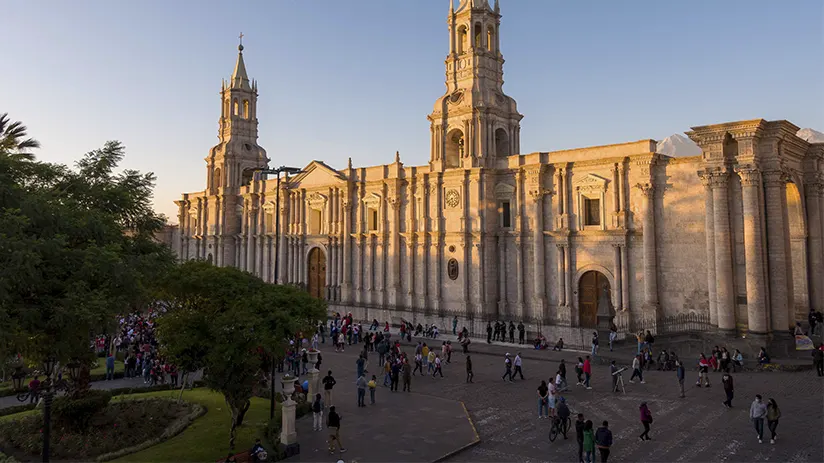
Any travel enthusiast wants to see as many heritage sites as possible on a trip to Peru. This is entirely achievable with a well-planned itinerary that includes some of the country’s most popular tourist destinations. However, it does require ample time for leisurely and fully enjoyable exploration. Below is a suggested itinerary featuring some of the most visited heritage sites in this Andean nation:
| Day | Main Destination | Relevant Activities | Transportation | Additional Notes |
| Day 1 | Lima Historic Centre | Explore Plaza Mayor, Lima Cathedral, San Francisco Monastery, colonial balconies, and local gastronomy | International arrival + private transfer or taxi | Stay in Miraflores or Barranco for restaurants and nightlife |
| Day 2 | Lima | Walking tour of the Historic Centre, visit museums, food tour, sunset along the Pacific coast | Walking + local transport | UNESCO-listed Historic Centre of Lima is one of South America’s most important colonial districts |
| Day 3 | Arequipa Historic Centre | Flight to Arequipa, explore Plaza de Armas, Santa Catalina Monastery, and volcanic viewpoints | Domestic flight from Lima | The “White City” is famous for its sillar volcanic stone architecture |
| Day 4 | Arequipa | Cultural visits, local markets, and optional Colca Canyon excursion preparation | Walking tour | Allow time to acclimatize to the altitude before heading to Cusco |
| Day 5 | Cusco Historic City | Flight to Cusco, relaxed afternoon exploring San Blas, Plaza de Armas, and Inca walls | Domestic flight from Arequipa | Cusco sits at a high altitude; take the first day slowly |
| Day 6 | Cusco | Visit Qorikancha, Sacsayhuamán, Cathedral of Cusco, and local markets | Walking + guided tour | The city blends Inca foundations with Spanish colonial architecture |
| Day 7 | Sacred Valley | Explore Pisac, Ollantaytambo, local communities, and archaeological sites | Private transport or guided tour | The Sacred Valley helps travelers acclimatize before Machu Picchu |
| Day 8 | Machu Picchu | Train to Aguas Calientes and guided visit to Machu Picchu | Train + shuttle bus | Book entrance tickets and trains several months in advance during high season |
| Day 9 | Cusco | Return to Cusco, free afternoon for museums, cafés, or cultural experiences | Train back to Cusco | Optional traditional Peruvian cooking class or artisan workshops |
| Day 10 | Departure | Flight from Cusco to Lima and international departure | Domestic + international flights | Consider adding extra days for the Amazon, Lake Titicaca, or hiking routes |
How to Visit Peru’s UNESCO Heritage Sites Responsibly

Visiting UNESCO landmarks responsibly involves a series of measures that help preserve these globally significant areas. From general considerations to specific rules, travelers take many important precautions. Here are some tips for carefully preserving Peru’s UNESCO attractions:
- Minimize your environmental footprint
- Stay on marked trails
- Use reusable water bottles
- Hire local guides
- Research the specific rules of the site
- Support local communities
- Observe proper photography etiquette
Suggested Travel Routes Connecting Multiple UNESCO Destinations

There are multiple routes connecting various UNESCO destinations in Peru. Connecting them is quite easy, but it depends on the traveler’s interests, time, availability, and budget. It’s advisable to make a priority list of destinations to help choose the best route. Here are some interesting options to consider:
- Option 1: Lima → Cusco → Machu Picchu
- Option 2: Lima → Nazca Lines → Arequipa → Cusco → Machu Picchu
- Option 3: Lima → Caral → Chan Chan → Cusco → Machu Picchu
- Option 4: Lima → Cusco → Inca Trail → Machu Picchu → Manu National Park → Río Abiseo National Park
- Option 5: Lima → Chankillo → Chavín → Huascarán National Park → Cusco → Machu Picchu
Best Time to Visit Peru UNESCO Sites

The best time to visit these sites depends on the specific destination you plan to visit, as they all offer varying conditions throughout the year. Generally, visitors seek clear skies, sunny days, and little rainfall for peaceful explorations, and they choose specific months based on the attraction. For better understanding, it’s helpful to group the destinations by the country’s main regions. Below is a comparative table explaining the seasons and their respective regions:
| Coast (Costa) | Highlands (Sierra) | Amazon Rainforest (Selva) | |
| UNESCO World Heritage Sites | Historic Centre of Lima, Chan Chan Archaeological Zone, Nazca Lines | Historic Sanctuary of Machu Picchu, City of Cusco, Historic Centre of Arequipa, Chavín Archaeological Site | Manu National Park |
| Best Time to Visit | December to April | May to September | May to October |
| Climate Conditions | Warm and sunny in summer; mild humidity and fog during the winter months | Dry days, sunny weather, and cold nights during the dry season | Tropical climate with high humidity and frequent rainfall year-round |
| Additional Notes | Ideal for cultural tourism and coastal experiences, Lima is often cloudy from June to September | Best trekking and archaeological conditions; peak tourism season around Machu Picchu | Wildlife viewing is usually better during the dry season due to easier access and lower river levels |
FAQs About UNESCO World Heritage Sites in Peru

How many UNESCO World Heritage Sites are in Peru?
Peru has 13 UNESCO-listed destinations, including cultural, natural, and mixed heritage locations. These sites highlight the country’s extraordinary archaeological legacy, colonial history, biodiversity, and cultural traditions. Some of the most recognized include Machu Picchu, the Historic Center of Lima, and Huascarán National Park.
What is the most famous UNESCO site in Peru?
The most famous UNESCO World Heritage Site in Peru is undoubtedly Machu Picchu. Known as the “Lost City of the Incas,” it attracts millions of visitors every year thanks to its breathtaking mountain setting, Inca architecture, and deep historical significance. It is widely considered one of the most iconic archaeological destinations in the world.
Why is Machu Picchu a UNESCO World Heritage Site?
Machu Picchu was designated a heritage attraction because of its cultural and natural value. Built in the 15th century by the Inca civilization, the site showcases advanced engineering, terraced agriculture, and sophisticated stone construction. UNESCO also recognizes the surrounding cloud forest ecosystem, making Machu Picchu a mixed cultural and natural heritage site.
Which Peruvian UNESCO sites are natural attractions?
Peru is home to several UNESCO-listed natural attractions such as Huascaran and Manu National Park. The most notable include Huascarán National Park, famous for its snow-capped Andes mountains and glaciers, and Manú National Park, one of the most biodiverse rainforest areas on Earth. Another important natural UNESCO site is the Rio Abiseo National Park, which combines rich biodiversity with archaeological significance.
What UNESCO heritage sites can you visit near Cusco?
Near Cusco, travelers can visit several UNESCO World Heritage Sites, including Machu Picchu and the City of Cusco itself, which was recognized for its unique blend of Inca and Spanish colonial architecture. These destinations are often combined in the same travel itinerary because of their proximity and historical importance.
Are Peru’s UNESCO sites worth including in an itinerary?
Yes, Peru’s protected sites are absolutely worth including in any travel itinerary. They offer a fantastic mix of history, culture, archaeology, and natural beauty. From exploring ancient Inca citadels like Machu Picchu to discovering colonial cities and protected national parks, these destinations provide some of the most memorable travel experiences in South America.
“A HERITAGE IS EVIDENCE OF BEAUTY, HISTORY, AND RICH CULTURE”
Peru’s UNESCO World Heritage Sites are a testament to the invaluable character of its culture and nature. These 13 important sites are exceptional places, ranging from ancient settlements to natural wonders. A trip to these sites offers some of the best tourist experiences the country has to offer. However, complementing this with more remote destinations such as Lake Titicaca, Paracas, Ica, Iquitos, Maras, and Moray, among others, will further enrich the journey.
Peru has so much to offer; it can be hard to know where to start. With many years of experience in the tourism sector, Machu Travel Peru is happy to help with anything regarding your trip to Peru and any tours around it. Let us help you make your Peruvian experience unforgettable! Contact us today to plan your dream adventure!