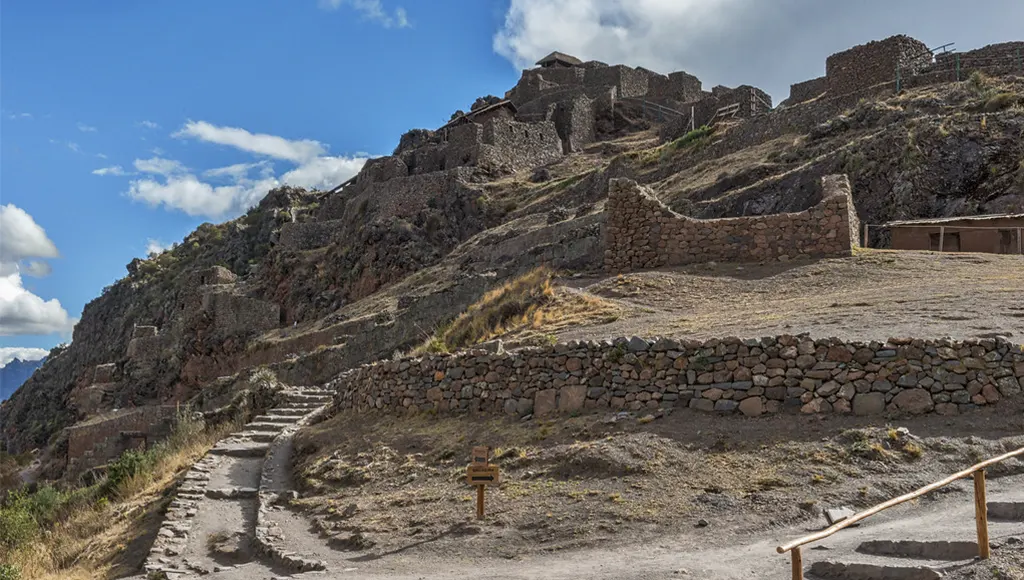
Pisac ruins are one of the most important Inca archaeological sites in Peru’s Sacred Valley, located about 30 km (18 miles) from Cusco. Known for its impressive agricultural terraces, ceremonial temples, and panoramic views, it is a must-visit destination for travelers exploring the Andes. For many visitors, the first glimpse of the terraces carved into the mountainside immediately reveals why this site held such strategic and symbolic importance for the Incas. The following article presents valuable information about this unmissable attraction.
Complete Guide to Visiting Pisac Ruins in the Sacred Valley
- What Is Pisac and Why Is It Important in the Sacred Valley?
- History of Pisac Ruins and Its Role in the Inca Sacred Valley
- Main Areas of Pisac Ruins: What You Should Not Miss
- How to Get to Pisac Ruins from Cusco
- Pisac Ruins Entrance Tickets, Prices, and Visitor Regulations
- Best Time to Visit Pisac Ruins: Weather, Crowds, and Seasons
- Pisac Ruins Tour Options: Guided Tours vs Independent Visit
- Combining Pisac Ruins with Other Sacred Valley Attractions
- FAQs About Visiting Pisac
What Is Pisac and Why Is It Important in the Sacred Valley?
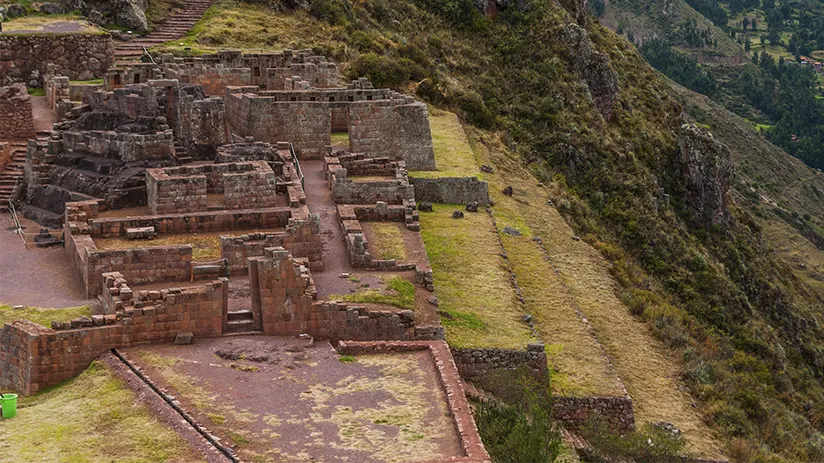
Pisac is a town and a renowned archaeological site located approximately 30 km northeast of Cusco. As one of the most famous traditional villages in the Sacred Valley, it attracts travelers from around the world. Its significance lies in its close connection to Inca history, as evidenced by its vast agricultural terraces, well-preserved ruins, and other ancient remains. The site served military, religious, and agricultural purposes, reflecting its importance within the Inca Empire. The archaeological complex is divided into several sectors, each with a different function during the Inca period.
History of Pisac Ruins and Its Role in the Inca Sacred Valley
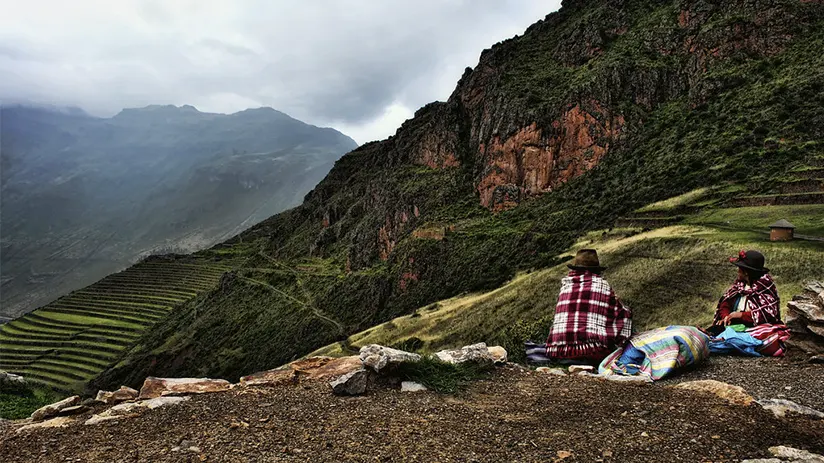
The history of Pisac dates back to pre-Incan times, with the development of gatherer groups over 5,000 years ago. Cave paintings and hunting tool remains found in the surrounding area provide evidence of this presence. Over time, these inhabitants developed agriculture using local tubers and domesticated camelids.
Inca Period

Undoubtedly, the Inca conquest was a pivotal event that changed the dynamics of these peoples. This territory not only joined the ancient Tahuantinsuyo Empire, but it also became a strategic Inca center. According to some records, the Inca emperor Pachacuti ordered the construction of this complex, covering over 4 square kilometers. Canals, temples, watchtowers, cemeteries, and other structures were among its most prominent features.
Each construction had a purpose, which could be ceremonial, agricultural, or even astronomical. A curious fact is that the name of the place comes from the Quechua term “P’isaq”, which means partridge. Coincidentally, the shape of this town resembles the silhouette of this bird, although this is only a hypothesis. In any case, the architectural knowledge of the Incas is undeniable, which brought exponential development to the original settlement.
Colonial Era
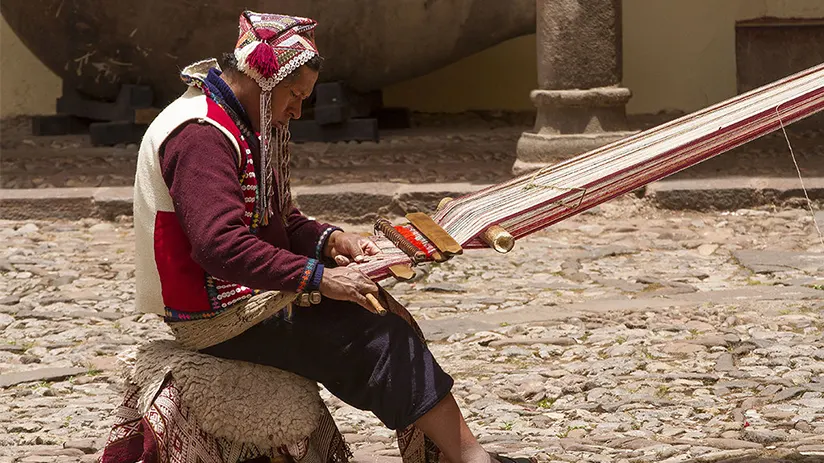
After the Spanish conquest, like other complexes in Cusco, this town was partially destroyed. The Spanish authorities relocated the Inca population to the foot of the mountain to develop a colonial town. Although they suppressed their culture, the central plaza and the mestizo architecture demonstrate the resilience of its people. Over time, the locals built their lives there but carefully preserved their traditions and customs.
Present Day

Today, Pisac comprises two areas: the colonial town and the ancient part (Inca site). The latter holds profound cultural significance because it is evidence of a legacy that endures through time. Both the ancient ruins and the colonial town create a striking contrast that visitors immediately notice upon arrival. Following the surge in popularity of Machu Picchu, destinations like this one have seen an increase in visitors.
Many travelers include Pisac as a key stop in their Sacred Valley itinerary to experience this remarkable architectural legacy firsthand. In addition, the colorful festivals, vibrant customs, and local traditions that remain alive in the Andes are noteworthy. From its cultural, historical, and even natural aspects, this destination has much to offer. For these and other reasons, it is a must-see destination among visitors to the Sacred Valley.
Main Archaeological Areas and Highlights of the Pisac Ruins
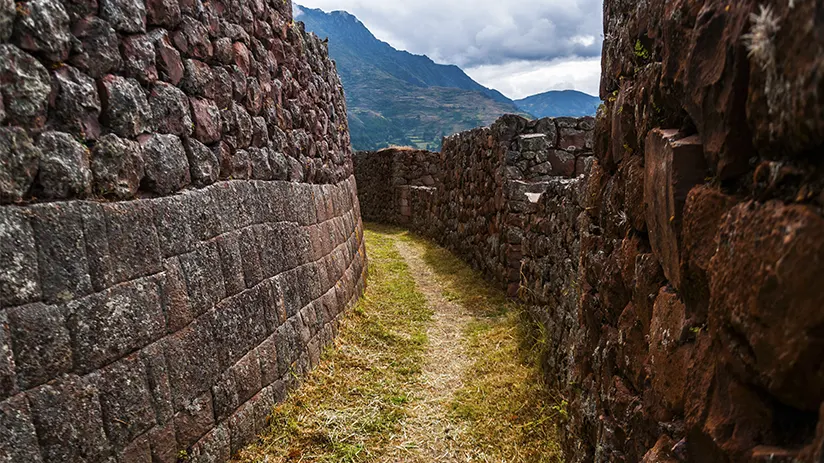
Now, it’s time to delve into its ruins, those that have been the subject of many unique photographs. This site is one of the most dazzling to explore, both for its location and its natural surroundings. From ancestral settlements to a mysterious Inca cemetery, there’s much to discover.
The paths connect terraces, ceremonial spaces, and lookout points in a way that encourages slow discovery. Visitors often find themselves pausing not only to take photographs, but simply to absorb the landscape. The combination of stone architecture and dramatic cliffs creates a powerful contrast that makes every sector feel distinct. Given this scenario, fortunately, authorities divide the complex into nine main areas, which we will detail below:
Ajachapata Terraces

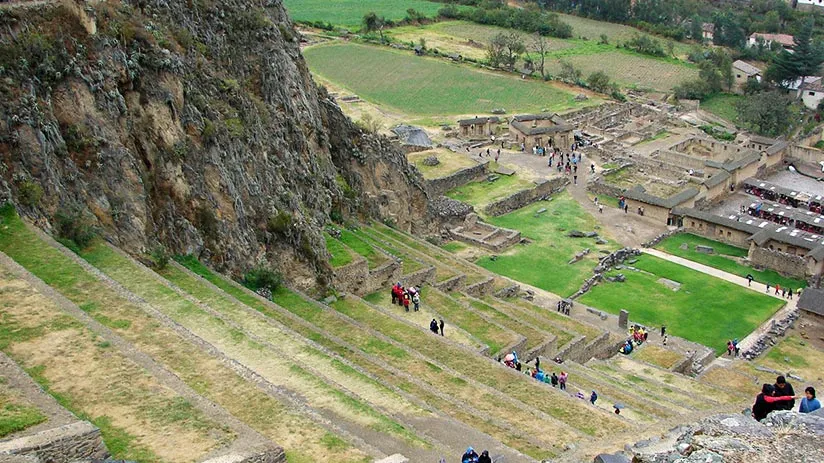
The ruins of Ajachapata are likely the first attraction you’ll see on your visit to the historical site. They consist of a series of 40 terraces located just 200 meters uphill from the town’s main square. The shortest terrace is at the base, close to the Urubamba River, and the longest is closer to the mountaintop. These Pisac terraces are evidence of advanced knowledge in the cultivation and production of native products from the region.
Standing on these terraces, travelers can truly appreciate the ingenuity of Inca engineering. Looking down toward the valley, the geometric patterns of the agricultural platforms become even more striking. Many visitors mention that this is one of the first moments when the scale of Pisac fully sinks in, especially during early morning hours when the light highlights the stonework.
Towers

Throughout the archaeological park, visitors can find approximately 20 towers that served as lookout posts. People usually divide these structures into two types: the Gallineta towers and the Atalaya towers. The first one is a group of carved structures on the edges of mountain ledges that characterize the former. The latter, on the other hand, features more rustic designs and a distinctive flat surface crowning their tops.
The most famous of these structures is the Qoriwayrachina tower. Besides its military function, it is one of the most impressive sites because of its exceptional panoramic views. Some research indicates that Inca lookouts spent long hours atop these towers to detect potential threats. Thanks to these ruins, many recognize this site as “The City of Towers”.
Inca cemetery (Tankanamarka)

The largest Inca cemetery in South America is another of the most important sectors of the archaeological complex. Today, scholars estimate that there are around 1,000 Inca tombs in the area, located on the slope of one of the nearby cliffs. However, this number pales in comparison to the initial estimate of more than 10,000 tombs that looters raided. According to the spiritual beliefs of the Inca civilization, the tombs symbolized the return to Mother Earth, which is why they were crucial to fulfilling the Andean life cycle.
The Inca Wall

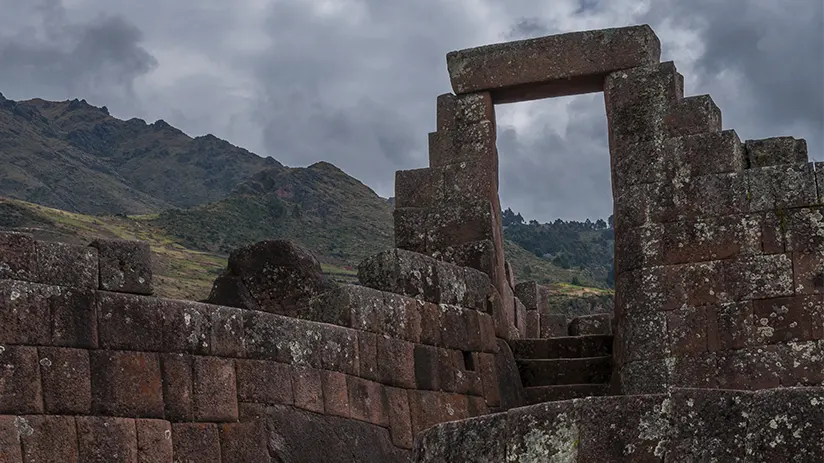
Around specific areas of the ruins of Pisac, it’s possible to see many distinctive Inca walls. These structures feature discontinuity and large, well-worked stones. Despite this, the one that stands out among them all is the Inca wall that features the “Gate of the Serpents”. Historians mention that this served as the main entrance to the ancient neighborhoods located at the top of the mountain.
Intihuatana
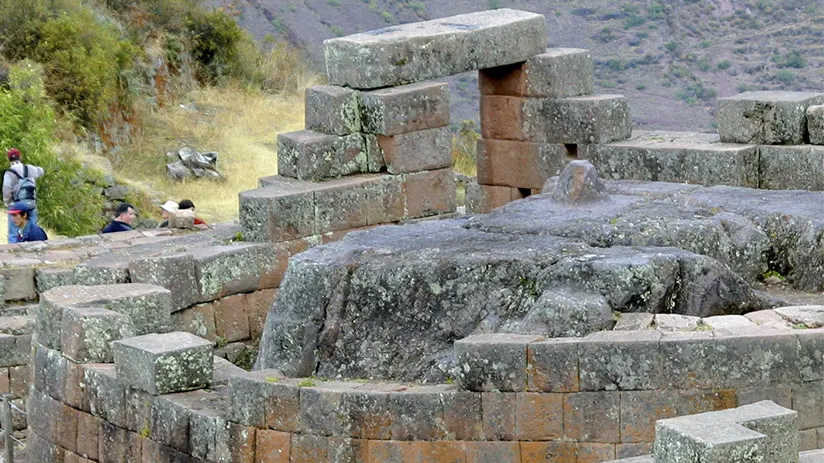
Inside the ancient town of Pisac, the Intiwatana neighborhood stood out for housing some of the main temples. Furthermore, the architecture of this part of the complex was remarkable for its quality and beauty. The aesthetics and functionality of these structures are evident in their three levels, which face the main valley. Other notable constructions include the central enclosure, the liturgical fountains, alleyways, and courtyards.
The Intiwatana enclosure is the most attractive for travelers. It has a D-shaped form and contains a large carved stone at the center with a prominent protrusion. According to some hypotheses, the Incas widely used this stone to measure the sun’s position based on the shadow it cast. The Incas placed great importance on the seasons, as crucial activities such as agriculture depended on them.
Tiayanuc Neighborhood
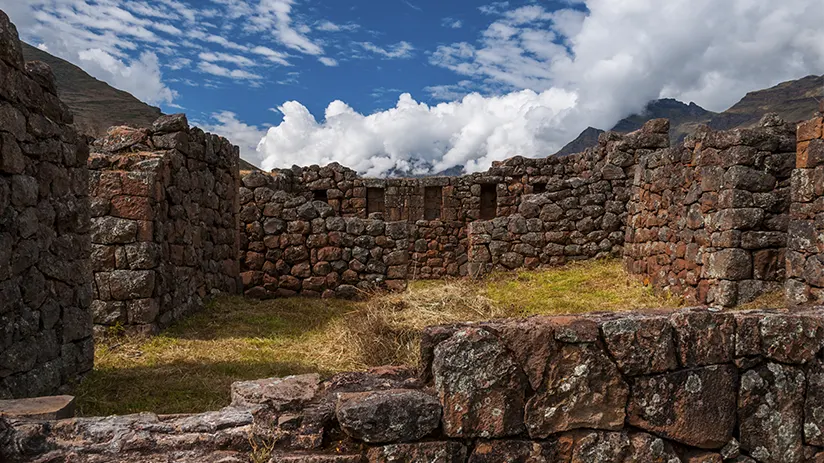
The Tiayanuc neighborhood consists of a series of enclosures surrounding a small plaza. The unique feature of this site is its ruin, which resembles a sofa with a backrest and armrests for two people. For this reason, people call the site “Tiayanuc”, a Quechua term that translates as “that which has a seat”. Its structures are smaller than those in other areas, but they express the same beauty and perfection through their finely carved stones.
Q’allaqasa
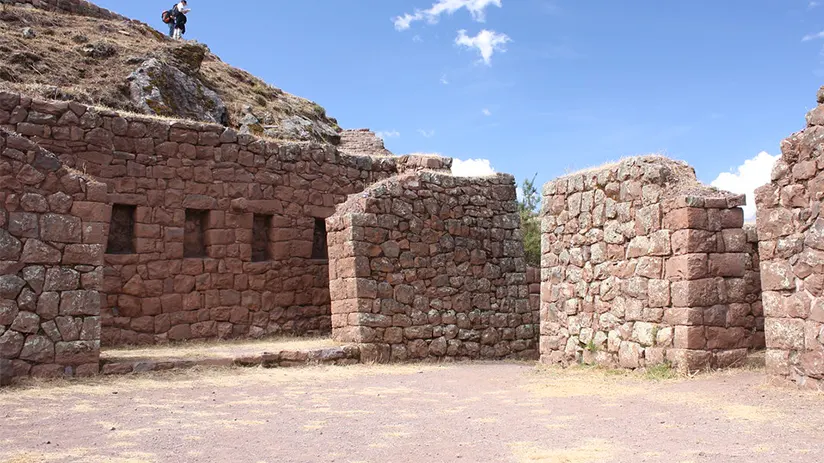
Q’allaqasa is the highest neighborhood in this ancient city because all its structures are at the top of the mountain. This area boasts numerous constructions, including rooms, towers, chambers, and even a short, three-meter-long tunnel. Furthermore, the impressive cliffs that border the neighborhood offer truly incredible panoramic views, making it an ideal photography spot. We recommend carefully reviewing a map of the Sacred Valley and its archaeological sites to identify other spectacular photogenic locations.
Kinchiracay
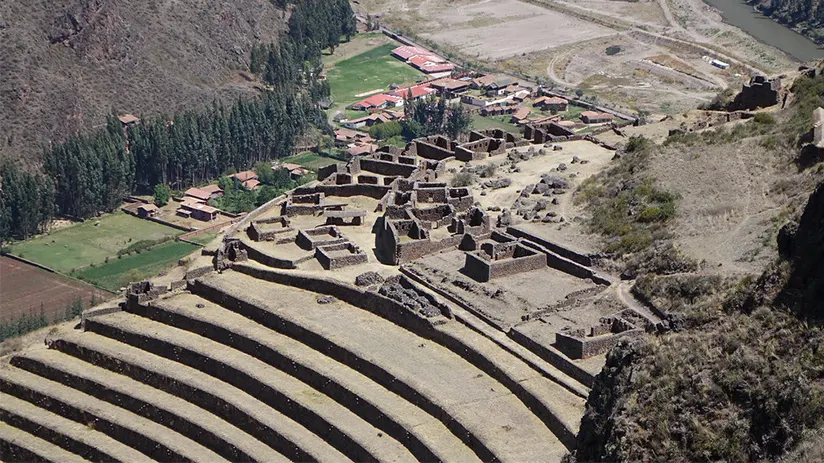
Located in the northeastern part of the complex is the Kinchiracay neighborhood, one of the city’s most important lookout points. The builders constructed the numerous houses and enclosures in the area with medium and small stones. The neighborhood’s layout is sloping, reaching down to the banks of the Chongo stream.
Pisaq’a

Two hundred meters from the Intiwatana neighborhood, visitors can find the Pisaq’a neighborhood. This area is notable for its 23 beautiful enclosures, arranged in an astonishing order. The esplanade on which the structures stand is artificial, as the Incas moved the earth to create a kind of plain. Furthermore, the layout of the area is crescent-shaped, resembling one of the most venerated Inca goddesses.
How to Get to Pisac Ruins from Cusco

The most popular way to get from Cusco to the Pisac ruins is via the highway with a stop in the town of Pisac. Remember that this town is at the foot of the city, making it almost a mandatory stop before heading to the historical site. This first leg takes between 45 minutes and an hour, depending on the type of vehicle you choose. Once at the foot of the mountain, you’ll have three options to reach the main entrance of the archaeological park.
Hiking

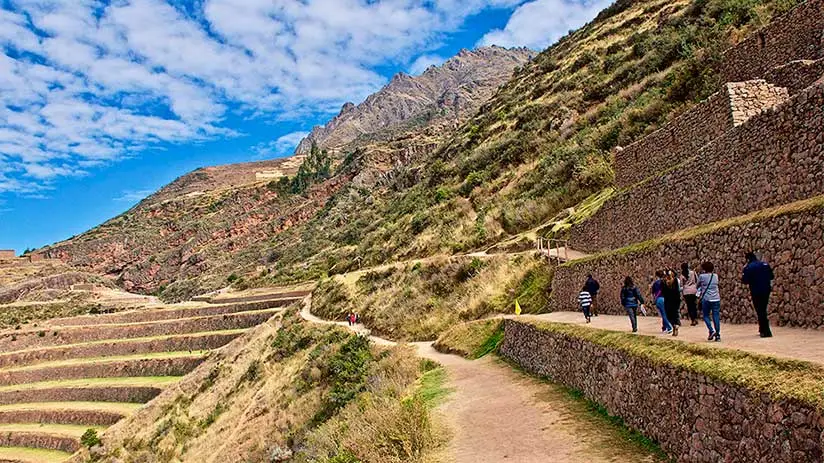
This is the most popular option for adventurers who want to take a relatively short hike from the town. The uphill climb takes approximately 90 minutes, but this will depend on your fitness level and may take a little longer. You can easily follow the well-marked route, so you won’t have to worry about getting lost. The constantly expanding views of the Sacred Valley become the true reward of the climb.
As you climb higher, the sound of the town fades, and the only constant is the rhythm of your footsteps on ancient paths. Reaching the entrance after the ascent often feels rewarding, not only because of the physical effort, but because the gradual elevation builds anticipation before entering the main sectors of the site.
Taking a taxi

Opting for a private vehicle is ideal for those who have limited time and want to avoid a long walk. The one-way trip takes approximately 15 minutes, but you should negotiate a fair price in advance. Taxis to the park entrance usually cost around USD 7, but this will depend on the number of passengers and the type of vehicle. We recommend taking one from the main road in town, as it will be easier to find a suitable taxi there.
Sacred Valley Tour
Booking a tour is the best way to visit the Pisac ruins, as you won’t have to worry about any details. Many tour operators now design tailor-made trips that include all kinds of tourist services. As a traveler, you can decide how to experience the Sacred Valley of the Incas and its most important sites. We strongly recommend checking the reputation of the agency you choose and evaluating all the available options.
Pisac Ruins Entrance Tickets, Prices, and Visitor Regulations
The relevant authorities have established regulations for visiting the historic site. Among the main ones are recommendations, prohibitions, and restrictions regarding the use of the complex. Firstly, the Pisac archaeological site is open every day between 7:00 AM and 6:00 PM, including holidays. This means that the complex allows all visitors to stay there during those hours.
The Tourist Ticket regulates tourist entry and serves as the only entry requirement. This entrance will allow you to enter this and other attractions, but you should consider the two options available. The first is the full Tourist Ticket, which costs 130 soles and allows access to 16 sites, ideal for those looking for other experiences to enjoy in the Sacred Valley. The second is the partial ticket, which costs 70 soles and allows entry to only a select group of attractions.
Regarding prohibitions, the rules are quite similar to those of other similar destinations. For example, the exclusive use of designated trails and the prohibition of disturbing the Inca ruins. They established all regulations to conserve the Inca site and preserve it for future generations. We recommend reading them carefully before embarking on your adventure.
Best Time to Visit Pisac Ruins: Weather, Crowds, and Seasons
Due to its altitude, Pisac enjoys a pleasant climate with temperatures ranging from 2 to 22°C (36 to 72°F). Sunny days, clear skies, and cool nights are typical of this destination. Nonetheless, during certain months, some rainfall and weather conditions are unfavorable for hiking. Therefore, locals have divided the year into two main seasons, each with its own characteristics:
- Dry Season (April – October): For many, the dry season is ideal because of its excellent weather. Strong sunshine, warm breezes, and clear skies attract thousands of tourists during these months. This period coincides with peak tourist season. If you plan to make your trip during this season, you should book your tour services at least three months in advance.
- Rainy Season (November – March): During these months, there is more rain, cloudy skies, and muddy trails. These conditions mean fewer people and a more relaxed and peaceful experience. Another important advantage is the availability of deals and promotions during this season.
The time of year can significantly shape your experience. On clear dry-season mornings, the mountains appear sharply defined against bright blue skies, making photography especially rewarding. During the rainy season, the terraces turn a vibrant green, and mist occasionally drifts across the cliffs, creating a more mystical atmosphere. Each season offers a different perspective of the same ancient landscape.
Pisac Ruins Tour Options: Guided Tours vs Independent Visit
For nature destinations, a tour guide can be helpful but not essential. But if we’re discussing historical sites with legends and stories to tell, a specialist can provide valuable information. The choice of whether or not to hire one is entirely up to you, but we recommend it. Below are some important considerations when evaluating your stay in Pisac, whether with a professional or on your own.
| Private Guided Tour | Group Guided Tour | Independent Visit | |
| Time of Visit | Usually 2–4 hours, can be customized | Usually 2–3 hours, fixed schedule | Flexible – you choose how long to stay |
| Price | High (most expensive option) | Moderate | Low (entrance fee only) |
| Itinerary Flexibility | Very flexible – you can adjust the pace and stops | Limited – follows a set route and timing | Very flexible – explore at your own pace |
| Opportunity to Ask Questions | Excellent – direct interaction with your guide | Limited – shared time with other participants | None – unless you use your own guidebook or app |
| Knowledge of the Site | Very high – personal explanations and detailed history | Good – general historical and cultural information | Basic – depends on your own research |
| Ideal For | Travelers who want a personalized experience and deeper understanding | Budget travelers who still want guidance and context | Independent travelers who enjoy exploring on their own |
| Overall Experience | More immersive and personalized | Informative but less personal | Travelers who enjoy flexibility and independent exploration. |
Combining Inca Ruins with Other Pisac Attractions

Besides the impressive Inca ruins of Pisac, tourists can discover a multitude of other experiences. From cultural activities to more casual pursuits, you’ll find plenty to enjoy. Remember that you could easily dedicate a whole day of your trip to these, but you should plan carefully. Here are some additional things you could do during your journey:
- Explore the town of Pisac: A stroll through the colonial town of Pisac is an authentic cultural experience. Its winding streets and welcoming people transport anyone to a peaceful world. A must-see is the town’s main square, which boasts picturesque touches, simple designs, and a connection with nature.
- Shop at the artisan market: The Pisac artisan market is one of the most popular in the region. Here, dozens of local vendors sell colorful products and souvenirs. From handwoven textiles to unique pieces of jewelry, there’s plenty to see and, of course, buy. This place is a must-see for those who want to take a little piece of Peru home with them, even if it’s just a keychain.
- Learn at the community museum: On the corner of Federico Zamalloa Avenue, you’ll find the local museum. This establishment houses some of the main ceramics and traditional textiles from the indigenous communities. This option is ideal to complement your historical tour after exploring the ruins of the Sacred Valley.
- Discover the Potato Park: The organization of numerous communities around the Inca park made this project possible. They have a long tradition of potato production and decided to share it with visitors. By organizing themselves and creating trails, they show visitors how people grow native potatoes. This is a great way to learn about local customs in Cusco and the Sacred Valley.
- Visit the Botanical Garden: Created in 1917, the local Botanical Garden contains numerous plant species. Even though most are native, you can also see some non-native specimens. The collection of cacti, orchids, and medicinal plants is among its most outstanding attractions. To complement the experience, you can also view the exhibition of butterflies, beetles, and other insects.
FAQs About Visiting Pisac

Is Pisac worth visiting in the Sacred Valley?
Yes, Pisac is definitely worth visiting for its wonderful features easily experienced by anyone. It offers impressive Inca terraces, ancient temples, and beautiful panoramic views of the Sacred Valley. Moreover, it is less crowded than Machu Picchu but still rich in history and culture, making it a great Peruvian stop.
How long does it take to visit the Pisac Ruins?
Most visitors spend between 2 and 3 hours exploring Pisac Ruins. If you enjoy hiking, taking photos, or exploring every sector in detail, you may want to stay longer. The visit time also depends on whether you go with a guide or on your own.
How do you get to Pisac from Cusco?
You can get to Pisac from Cusco by taxi, colectivo (shared local transport), or as part of an organized tour. The journey takes about 45 minutes to 1 hour by car. Many travelers combine Pisac with other Sacred Valley sites on the same day.
Do you need a ticket for the Pisac Ruins?
Yes, you need a tourist ticket called the Boleto Turístico del Cusco to enter Pisac Ruins. This ticket includes access to several attractions in the Sacred Valley and Cusco region. Visitors can’t buy it online; they must buy it in person.
What is the best time to visit Pisac, Peru?
The best time to visit Pisac is during the dry season, from May to September, when the weather is sunny and ideal for walking. Mornings are usually the best time of day because there are fewer visitors and the temperatures are cooler.
Can you visit Pisac without a guide?
Yes, you can visit Pisac without a guide. The site is well-marked, and many travelers explore it independently. However, hiring a guide can help you better understand the history, architecture, and cultural significance of the ruins.
“A RUIN SHOULD ALWAYS BE PROTECTED BUT NEVER REPAIRED – THUS MAY WE WITNESS FULL THE LINGERING LEGACIES OF THE PAST”
For many travelers, Pisac becomes one of the most surprising highlights of the Sacred Valley. Unlike more crowded destinations, here you can often find quiet corners to sit, reflect, and simply observe the valley below. The combination of history, scenery, and open space allows visitors to connect with the site at their own pace, making the experience feel both personal and meaningful. We hope that this little guide to this awesome Inca attraction has been helpful to you.
Pisac has so much to offer; it can be hard to know where to start. With many years of experience in the tourism sector, Machu Travel Peru is happy to help with anything regarding your trip to Pisac and any tours around it. Let us help you make your Pisac travel experience unforgettable! Contact us today to plan your dream adventure!