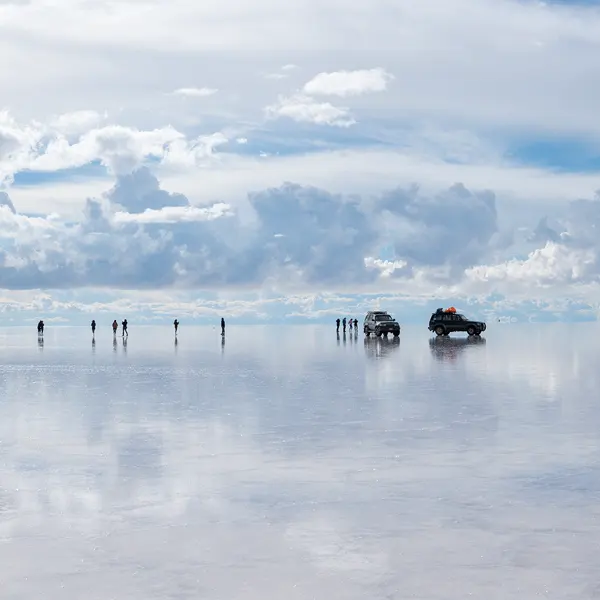
A Peru itinerary for seniors should prioritize gradual altitude acclimatization, slower pacing, and comfortable transportation. Most senior-friendly routes include Lima, the Sacred Valley, Cusco, and Machu Picchu over 7 to 10 days. The natural progression from sea level to the Andean highlands makes this route particularly appropriate for older travelers.
Peru Itinerary for Seniors, Complete Guide
- Is Peru a Good Destination for Seniors?
- How to Plan a Comfortable Peru Itinerary for Older Travelers
- Altitude Considerations for Seniors Traveling in Peru
- Peru Itineraries for Senior Travelers
- Visiting Machu Picchu as a Senior Traveler
- Comfortable Transportation Options Across Peru
- Guided Tours vs Independent Travel for Seniors
- Best Hotels and Premium Experiences for Older Travelers
- What to Pack for a Senior Trip to Peru
- FAQs About Peru Travel for Seniors
Is Peru a Good Destination for Seniors?
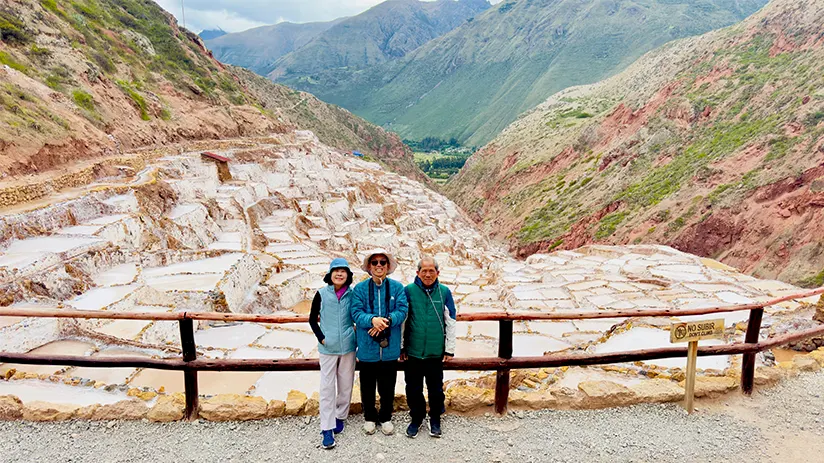
Peru is a good destination for senior travelers because the country offers a well-developed tourism infrastructure across its main cities. Private transportation, guided tours, accessible museums, historic centers, and world-class restaurants are all readily available, making it easy to explore without physical strain.
Across Latin America, few destinations offer such a diverse range of tourism experiences. Peru combines Inca heritage, colonial architecture, and outstanding gastronomy, and many of these experiences are fully available in its main cities. Walking a historic plaza, visiting a museum, or dining at a top restaurant in Lima or Cusco requires minimal physical effort.
For older adults, Peru works as a classic travel destination because it offers a slower pace. The country does not need to be rushed to be appreciated. Peru tours for seniors are specifically designed around this slower rhythm, allowing retirees to explore Inca ruins, taste traditional dishes, and experience Andean culture without missing key attractions.
How to Plan a Comfortable Peru Itinerary for Older Travelers
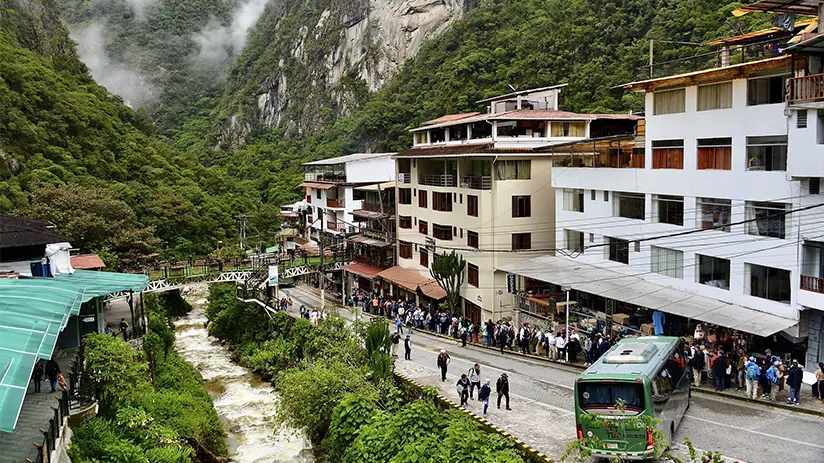
Planning a senior-friendly trip to Peru requires more preparation than a typical trip, especially when visiting destinations at high elevation. Following a clear sequence of steps from the start helps avoid unnecessary complications along the way.
- Research destinations and points of interest: Start by identifying which cities and attractions are the priority. Lima, Arequipa, Cusco, the Sacred Valley, and Machu Picchu each offer different experiences and elevation levels worth considering. For a broader overview, planning a trip to Peru is a helpful starting point.
- Check the best time to travel: Peru travel tips consistently point to May through October as the ideal dry season for seniors, with clearer skies and more stable conditions.
- Book Machu Picchu tickets early: Entry permits sell out months in advance. Travelers should secure tickets at least 3 to 4 months before the trip, as this booking anchors the entire itinerary.
- Build the itinerary around the Machu Picchu date: Once tickets are confirmed, plan the rest of the route around that date, allowing enough time for acclimatization in Cusco and the Sacred Valley.
- Consult a doctor: A medical checkup is recommended before traveling to Peru, especially for high-altitude destinations. Blood pressure, heart conditions, and overall fitness all affect how the body responds to elevation. If a doctor recommends medications, request a prescription in advance.
- Review required documentation: Check passport validity, visa requirements if applicable, and any entry regulations for visiting Peru.
- Reserve accommodations and flights in advance: Book domestic flights between Lima, Arequipa, and Cusco early, particularly during the dry season. Hotel availability in Aguas Calientes and the Sacred Valley fills up quickly.
- Get travel insurance with medical coverage: A policy that covers high-altitude emergencies, medical transport, and trip cancellation is essential when visiting Peru.
- Prepare medications and personal items: Prescriptions should travel in their original packaging. Including the generic name of each medication helps in case of a medical situation abroad.
Altitude Considerations for Seniors Traveling in Peru

Altitude sickness, known locally as soroche, can affect anyone regardless of age or fitness level. It typically appears within the first few hours at elevation. Common symptoms include headaches, nausea, shortness of breath, and fatigue. Drinking coca tea, staying well hydrated, and resting on the first day in Cusco are the most practical steps to take.
Altitude is one of the most important factors to understand before visiting Peru. The country spans three distinct geographic regions, each with its own climate and elevation range. For senior travelers, the Andean highlands are the most relevant, and the altitude differences between cities are significant.
| Destination | Altitude |
|---|---|
| Lima | 0 masl / sea level |
| Arequipa | 2,335 masl / 7,661 ft |
| Sacred Valley | 2,800 masl / 9,186 ft |
| Machu Picchu | 2,430 masl / 7,972 ft |
| Cusco | 3,400 masl / 11,155 ft |
The route from Lima to Arequipa and then to Cusco is the most sensible approach for older travelers. It allows the body to adjust gradually rather than jumping straight to high elevation. Notably, Machu Picchu sits at a lower elevation than Cusco, which surprises many first-time visitors. As a result, travelers who spend time in Cusco first will actually find Machu Picchu easier on the body.
Peru Itineraries for Senior Travelers
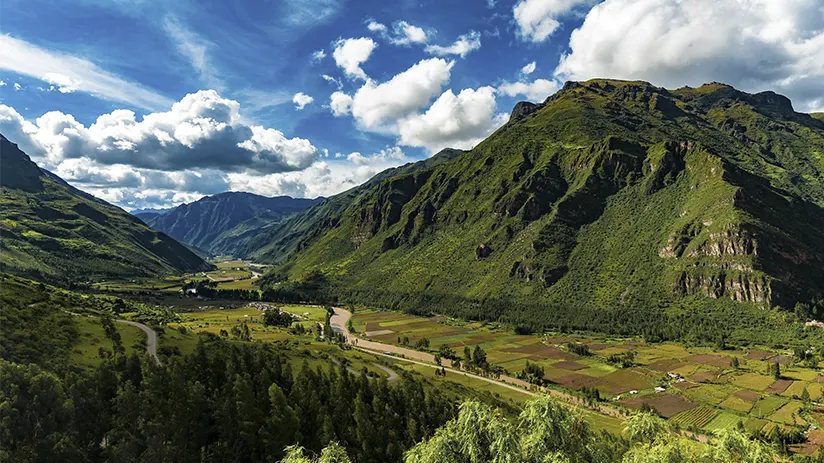
The following schedules are designed specifically for older adults. Both options prioritize comfort, acclimatization, and a pace that leaves room for rest. For those planning a first trip to Peru, the 7-day route focuses on the highlights, while the 10-day option adds more breathing room and an extra destination.
Suggested 7-Day Peru Itinerary for Seniors

This journey follows a steady altitude gain and delivers a gradual adjustment into the Peruvian highlands. Lima serves as a soft entry point at sea level. From there, travelers fly to Cusco and transfer directly to the Sacred Valley, spending the first night at a lower elevation before moving into the city the following day. For ideas on how to spend the first day, things to do in Lima range from coastal walks to world-class museums.
| Day | Destination | Activities | Notes |
|---|---|---|---|
| 1 | Lima | Arrival, Miraflores boardwalk, rest, dinner | First night at sea level |
| 2 | Lima to Sacred Valley | Flight to Cusco, transfer to Sacred Valley, explore local town, rest | Land in Cusco, head directly to the valley |
| 3 | Cusco | Plaza de Armas, Qorikancha, San Blas neighborhood | First full day in the city |
| 4 | Sacred Valley | Pisac, Moray, Maras salt mines, overnight in Ollantaytambo | Last stop before Machu Picchu |
| 5 | Aguas Calientes | Train from Ollantaytambo, thermal baths, rest | Train departs from Ollantaytambo station |
| 6 | Machu Picchu | Guided visit to the citadel, return to Cusco | Early entry recommended |
| 7 | Cusco to Lima | Connecting flight, international departure | Allow extra time at the airport |
Arriving in the Sacred Valley on Day 2 instead of Cusco city gives the body a gentler introduction to altitude. The valley sits roughly 800 meters lower than Cusco, which makes a real difference for older visitors. Cusco then receives a full day for its main highlights, including the Main Square (Plaza de Armas), Qorikancha, and Cusco museums, before the route continues toward Machu Picchu.
Suggested 10-Day Peru Itinerary With Slower Pacing
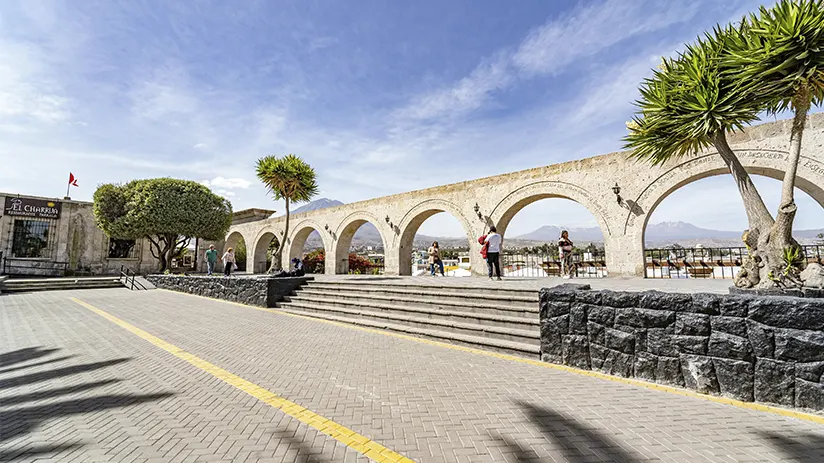
This version adds Arequipa as a natural adaptation bridge between Lima and Cusco. It also gives Lima two full days, which allows time for gastronomy and culture without any altitude pressure. The overall pace is slower, with afternoons left open in most cities. Travelers looking to visit Ollantaytambo will find it fits naturally into Day 7 of this route.
| Day | Destination | Activities | Notes |
|---|---|---|---|
| 1 | Lima | Arrival, Miraflores, rest | First night at sea level |
| 2 | Lima | Larco Museum, historic center, local cuisine | Full day at sea level |
| 3 | Lima to Arequipa | Flight, Plaza de Armas, rest | Moderate altitude, first adjustment |
| 4 | Arequipa | Santa Catalina Monastery, Yanahuara, San Camilo Market | Full day at 2,335 masl |
| 5 | Arequipa to Sacred Valley | Flight to Cusco, transfer to Sacred Valley, explore local town, rest | Land in Cusco, head directly to the valley |
| 6 | Cusco | Plaza de Armas, Qorikancha, Cusco museums | First full day in the city |
| 7 | Sacred Valley | Pisac, Moray, Maras, overnight in Ollantaytambo | Last stop before Machu Picchu |
| 8 | Aguas Calientes | Train, thermal baths, rest | Train departs from Ollantaytambo station |
| 9 | Machu Picchu | Guided visit to the citadel, return to Cusco | Early entry recommended |
| 10 | Cusco to Lima | Connecting flight, international departure | Allow extra time at the airport |
Arequipa is the key difference in this journey. At 2,335 masl, it sits well below Cusco and gives the body two full days to adjust before reaching higher ground. Arriving in the Sacred Valley on Day 5 extends that buffer further, making the transition to Cusco city noticeably easier. The pace throughout maintains a slower pace, which makes a noticeable difference for seasoned travelers covering long distances.
Visiting Machu Picchu as a Senior Traveler
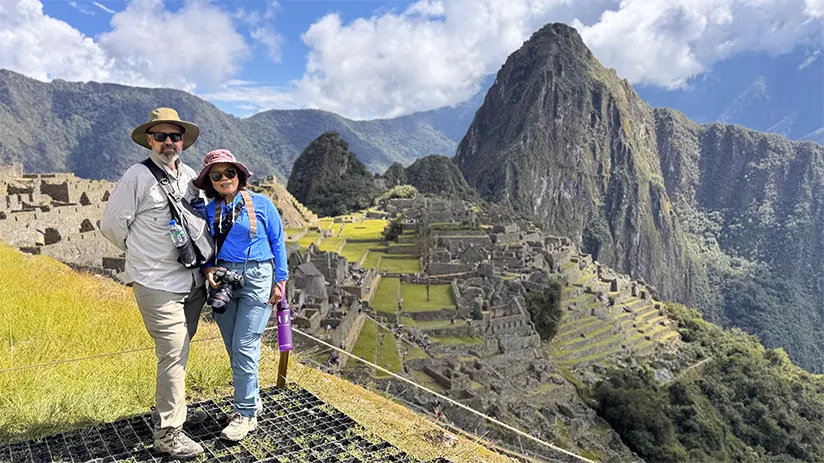
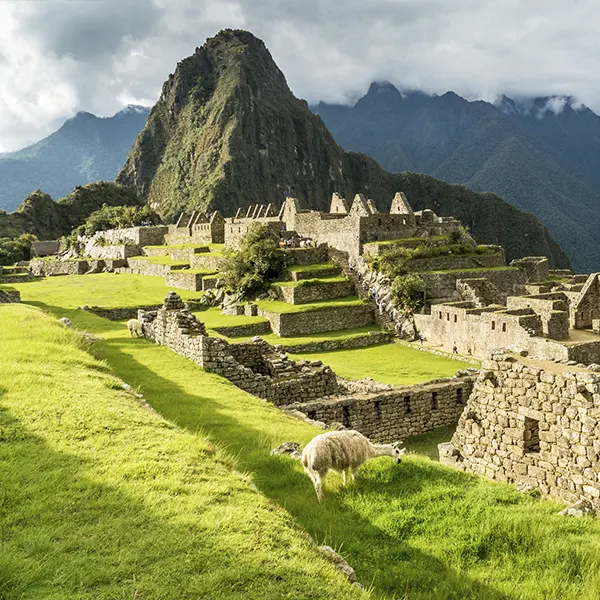
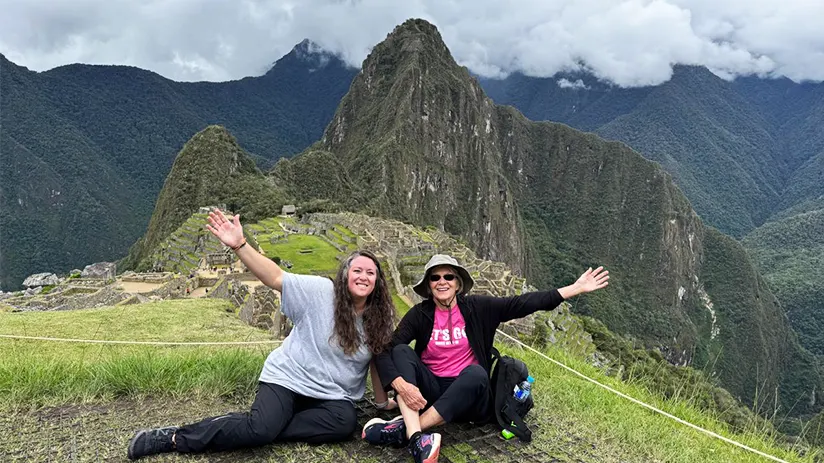
Machu Picchu is accessible to many older adults for older adults and stands as a world heritage site that rewards those who approach it with the right preparation. The site has well-marked trails, clear signs, set entry times, and a daily visitor limit. This helps keep visits calm and organized. Guides and staff can tailor the experience to different fitness levels and mobility needs.
The Best Routes for Older Visitors
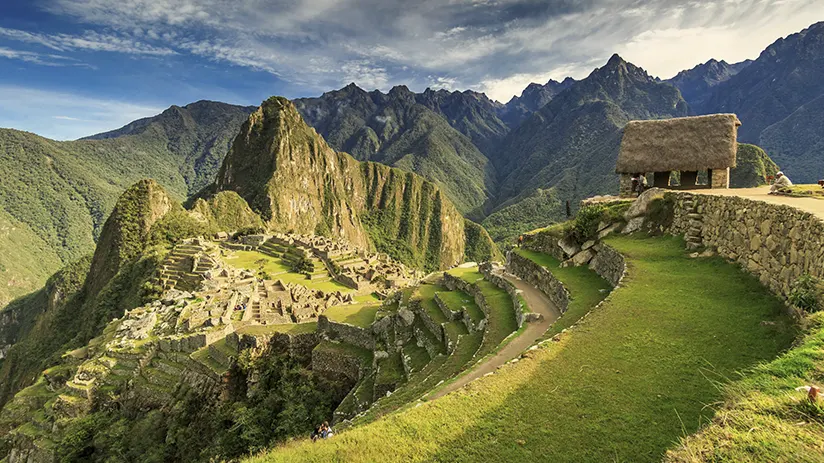
For those seeking comfortable travel to Peru, routes 2-A and 2-B are the most recommended options for older adults. Both follow a manageable pace and include access to the classic panoramic viewpoint of the citadel. Route 3-B is also a suitable choice for retirees who prefer a shorter and flatter walk, though it does not include the panoramic viewpoint. A private local guide helps navigate whichever route is chosen, adjusting the pace and managing rest stops throughout the visit.
Mature travelers should avoid routes 1-A (Machu Picchu Mountain) and 3-A (Huayna Picchu), as both involve steep, demanding climbs over irregular terrain. These routes require significant physical effort and are not suitable for older adults or those with limited mobility.
Getting to the Citadel Without the Rush
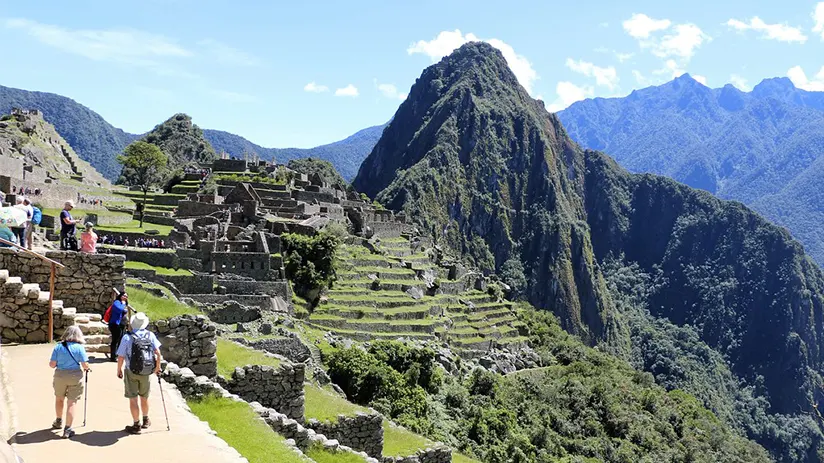
Spending the night in Aguas Calientes before visiting Machu Picchu is the most practical approach for senior travelers. It eliminates the need for a predawn departure from Cusco and allows for a calm, rested morning before entering the citadel. From Aguas Calientes, a bus service runs frequently up the mountain to the entrance. The ride takes about 20 minutes and avoids any uphill walking entirely.
Staying overnight also means travelers can enter at opening time, when crowds are thinner and the morning light over the ruins is often more favorable. After the visit, the thermal baths in Aguas Calientes offer a natural way to end the day. The hot springs sit right in town and are easy to reach on foot.
Comfortable Transportation Options Across Peru
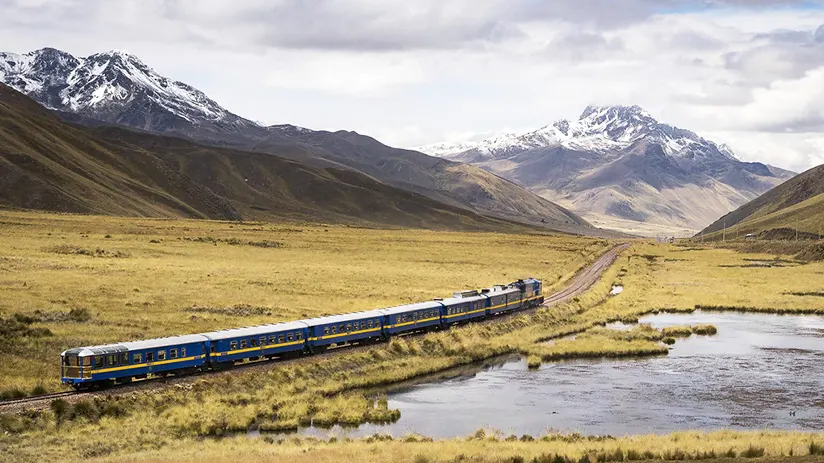
The distances between cities in Peru are significant because the main destinations on a senior journey span the entire country, from Lima on the coast to Cusco deep in the Andes. Knowing which transport options work best for older adults improves comfort in how the journey feels from start to finish. Private transfers and scheduled services cover most of the logistics effectively.
Domestic Flights Between Cities

Lima, Arequipa, and Cusco are all connected by domestic flights that take between 1 and 2 hours, making air travel the most practical choice for older adults on this route. LATAM and Sky Peru operate frequent routes, and booking in advance is especially important during the dry season from May to October.
| Airline | Fare Type | Price Range |
|---|---|---|
| Sky Airline | Carry-on only | From $35 per flight |
| Sky Airline | With checked luggage | Up to $100 per flight |
| LATAM | Basic | From $50 per flight |
| LATAM | Plus / Top (refundable) | $150 or more per flight |
The Train to Machu Picchu
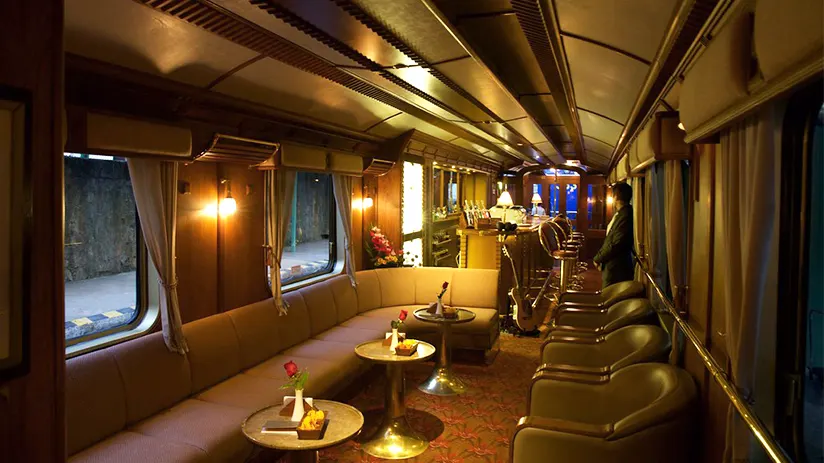
The train is the preferred choice to reach Aguas Calientes. Two main operators serve this route, PeruRail and IncaRail. Both offer comfortable seating and scenic views of the Urubamba River canyon. The journey from Ollantaytambo takes approximately 1 hour and 40 minutes.
| Operator | Service | Price (each way) |
|---|---|---|
| PeruRail | Expedition | From $84 |
| PeruRail | Vistadome | $114 to $161 |
| PeruRail | Hiram Bingham | $598.50 |
| IncaRail | The Voyager | $63 to $85 |
| IncaRail | The 360° | $82 to $95 |
| IncaRail | First Class | $363 |
Guided Tours vs Independent Travel for Seniors
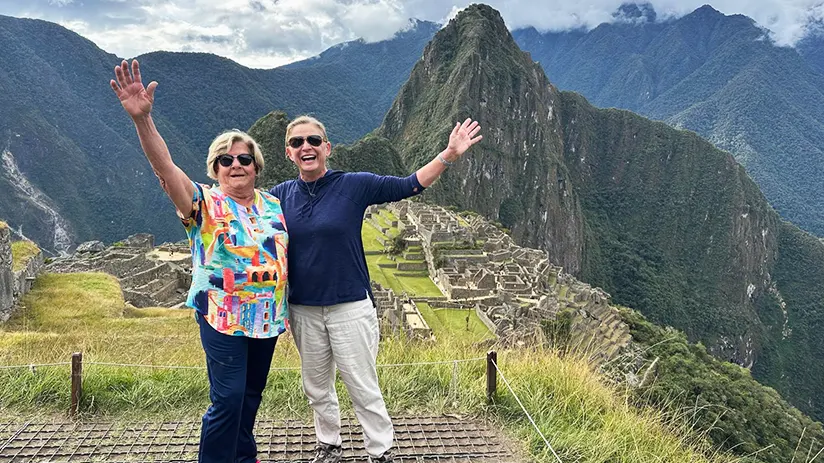
Independent travel offers flexibility but requires significant self-management across multiple cities and altitudes. A guided or group tour for seniors handles logistics, pace, and local expertise. For those interested in comfortable travel in Peru, a private tour removes the guesswork and allows older adults to focus on the trip.
| Factor | Guided Tour | Independent Travel |
|---|---|---|
| Logistics | Fully handled | Self-managed |
| Flexibility | Fixed itinerary | Fully flexible |
| Physical support | Guide assists on-site | None provided |
| Altitude management | Guide monitors pace | Self-monitored |
| Local knowledge | Expert guidance included | Research required |
| Cost | Higher upfront | Variable |
| Group size | Private or small group | Solo or self-arranged |
Best Hotels and Premium Experiences for Older Travelers
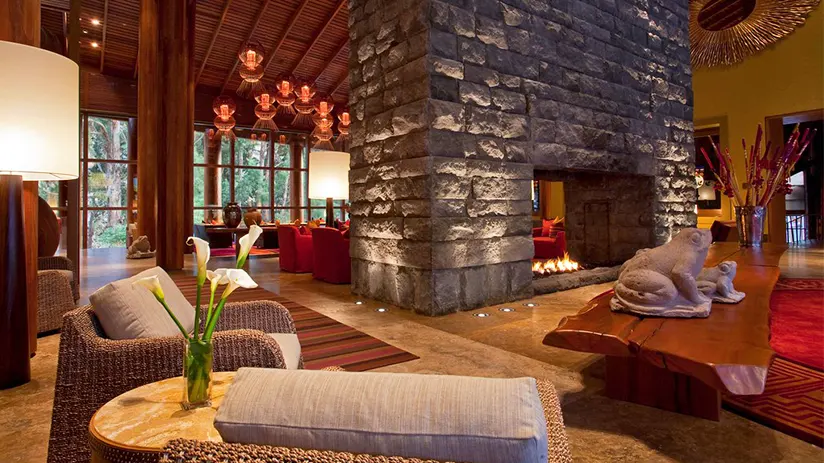
Lodging choices have a direct impact on how senior travelers experience Peru. Beyond comfort, the right hotel reduces unnecessary walking, provides easy access to medical assistance if needed, and in some cases helps with altitude management. The following options follow the sequence of the journey.
- Lima: Miraflores Park Belmond, JW Marriott Lima, and The Westin Lima. All three are located in Miraflores or San Isidro, offer full accessibility, spa facilities, and are within easy reach of the city’s main attractions.
- Arequipa: CIRQA Hotel and Casa Andina Premium Arequipa. Both sit close to the Plaza de Armas, with colonial architecture, on-site restaurants, and attentive service suited for older guests.
- Sacred Valley: Luxury stays in the Sacred Valley, like Tambo del Inka and Belmond Hotel Rio Sagrado, sit at a lower altitude than Cusco. Andean spa treatments and wellness facilities make them ideal for adaptation.
- Aguas Calientes: Inkaterra Machu Picchu Pueblo Hotel and Sumaq Machu Picchu Hotel. Both are within walking distance of the bus and train stations, making the morning visit to Machu Picchu straightforward.
- Cusco: Palacio Nazarenas Belmond and Aranwa Cusco Boutique Hotel. The first offers oxygen enrichment in every suite. The second is particularly accessible, with wider elevators and a location on flatter ground.
What to Pack for a Senior Trip to Peru

Packing for Peru requires flexibility. The climate shifts considerably between the coast and the Andean highlands, so layers and adaptable gear matter more than volume. Older travelers in particular benefit from keeping luggage light and focused.
- Layered clothing: Temperatures in the Andes drop sharply at night. Light layers that travelers can add or remove throughout the day are far more practical than heavy single pieces.
- Non-slip walking shoes: Cusco and Ollantaytambo have cobblestone streets that require stable, grippy footwear. Comfort and support matter as much as traction.
- Collapsible trekking poles: Useful on uneven ground and particularly helpful on the paths around Machu Picchu and the Sacred Valley.
- SPF 50+ sunscreen: UV radiation increases significantly at altitude. Sun protection is essential even on cloudy days.
- Insect repellent: Less critical in the highlands, but recommended for travelers extending their trip toward the Amazon region.
- Personal medications with generic names: Safe travel tips recommend carrying medications in their original packaging with generic names included.
- Reusable water bottle: Staying hydrated at altitude is critical. A refillable bottle reduces both cost and plastic waste throughout the trip.
- Lightweight rain jacket: It can rain even during the dry season, especially in high mountain areas. A compact waterproof garment fits easily in any bag and covers the risk of unexpected rain.
FAQs About Peru Travel for Seniors
Is Peru a good destination for senior travelers?
Peru works well for older adults when travelers build the trip around gradual adjustment and realistic pacing. Lima and Arequipa are accessible and flat. Cusco and Machu Picchu require preparation, but both are manageable with the right approach.
Can seniors visit Machu Picchu comfortably?
Routes 2-A, 2-B, and 3-B are the most accessible options inside the citadel. Spending the night in Aguas Calientes before the visit eliminates early morning travel pressure and makes the entire experience more relaxed.
What is the best Peru itinerary for older adults?
The 7-day itinerary includes Lima, the Sacred Valley, Aguas Calientes, and Machu Picchu. The 10-day version adds Arequipa and gives each destination more time. Both are strong starting points for planning a trip to Peru with comfort and pacing in mind.
How many days should seniors spend in Peru?
A minimum of a 7-day journey covers the essential highlights, including Lima, the Sacred Valley, and Machu Picchu. A 10-day trip is the more comfortable option for older adults, as it adds Arequipa as an altitude adjustment stop and gives each city proper time for exploration.
Which destinations in Peru are easiest for retirees to visit?
Lima and Arequipa are the easiest cities to navigate for retirees. Both sit at low to moderate elevations, have flat historic centers, and offer strong tourism infrastructure. The Sacred Valley is also a gentle introduction to the Andean highlands, with a lower altitude than Cusco and a relaxed pace. Cusco and Machu Picchu require more preparation, but both remain within easy reach.
How can seniors avoid altitude sickness in Peru?
The most effective approach is steady adaptation. Arriving in Lima first, then spending time in Arequipa before reaching Cusco, gives the body time to adjust. Resting on the first day in Cusco, drinking plenty of water, and avoiding alcohol in the first 48 hours all help significantly.
“BETTER TO SEE MACHU PICCHU ONCE THAN TO HEAR ABOUT IT A THOUSAND TIMES”
Age shapes how a trip gets planned, not whether it should happen. A well-structured Peru itinerary for seniors proves that some of the world’s most remarkable destinations are still fully within reach. The key is preparation, and for those who approach it that way, Peru delivers an experience that stays with travelers long after the journey ends.
Peru has so much to offer; it can be hard to know where to start. With many years of experience in the tourism sector, Machu Travel Peru is happy to help with anything regarding your trip to Peru and any tours around it. Let us help you make your Peruvian experience unforgettable! Contact us today to plan your dream adventure!