Citizens of many countries in the Americas and Europe can visit Peru without a tourist visa. However, travelers from certain countries do require a visa. Before booking flights to Peru, first check the current visa requirements for your nationality. There are other factors to consider as well; this guide explains the visa and entry requirements you should know before traveling to Peru.
Learn about Peru’s visa and entry requirements
- Do You Need a Visa for Peru?
- Peru Visa Requirements by Nationality
- Peru Tourist Visa: Who Needs One and How to Apply
- Peru Entry Requirements for Visa-Free Travelers
- How Long Can You Stay in Peru as a Tourist?
- What Documents Should You Have When Entering Peru?
- Special Entry Rules and Exceptions
- How to Check Peru Visa Requirements Before You Travel
- Frequently Asked Questions
- Conclusion
Do You Need a Visa for Peru?
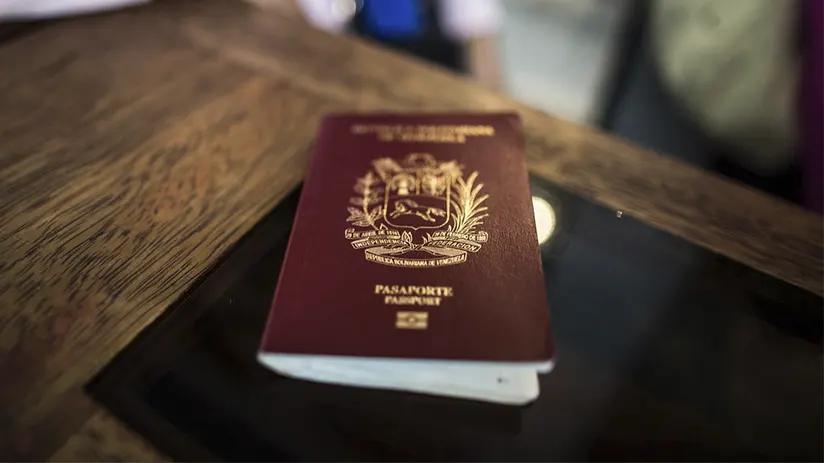
Whether you need a visa to travel to Peru depends primarily on your nationality, the type of passport you hold, and the entry rules currently in effect. Generally speaking, visitors from various South American, North American, and European countries do not need a visa, only a valid passport. Travelers from certain countries must apply for a tourist visa before traveling to Peru.
Peru Visa Requirements by Nationality
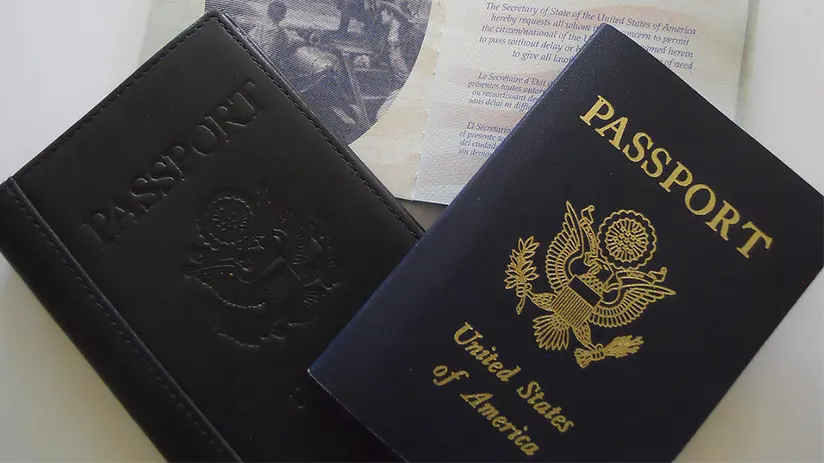
Visa requirements vary by nationality, so checking the rules that apply to your passport is essential before traveling. Peru’s Ministry of Foreign Affairs maintains a list of nationalities that are exempt from the temporary tourist visa requirement, as well as those that must obtain a visa before traveling. Because these requirements can change, travelers should verify the rules that apply to their nationality before departure. Below is a general overview by region:
Countries That Can Visit Peru Without a Visa

Citizens of many countries can travel to Peru for tourism without a visa. These include nations across South America, Europe, Asia, the Middle East, and other regions. It is important to note that visa exemption does not mean that travelers can enter without the required travel documents, such as a national identity card or a passport, as applicable. Below is the list of countries exempt from the temporary tourist visa requirement:
- South America: Argentina, Bolivia, Brazil, Colombia, Chile, Ecuador, Guyana, Paraguay, Suriname, Uruguay.
- North America: Canada, Mexico, United States.
- Central America and the Caribbean: Antigua and Barbuda, Bahamas, Barbados, Belize, Costa Rica, Dominica, El Salvador, Grenada, Guatemala, Honduras, Jamaica, Panama, Dominican Republic, Saint Lucia, Saint Kitts and Nevis, Saint Vincent and the Grenadines, Trinidad and Tobago.
- Western Europe: Germany, Andorra, Austria, Belgium, Denmark, Spain, Finland, France, Great Britain, Northern Ireland, Greece, Ireland, Iceland, Italy, Liechtenstein, Luxembourg, Malta, Monaco, Norway, Netherlands, Portugal, San Marino, Holy See, Sweden, Switzerland.
- Asia: Brunei Darussalam, Philippines, Indonesia, Israel, Japan, Malaysia, Korea, Singapore, Thailand.
- Oceania: Australia, Fiji, Cook Islands, Marshall Islands, Solomon Islands, Kiribati, Micronesia, Nauru, Niue, New Zealand, Palau, Papua New Guinea, Samoa, Tonga, Tuvalu, Vanuatu.
- Africa: South Africa.
Countries that require a visa
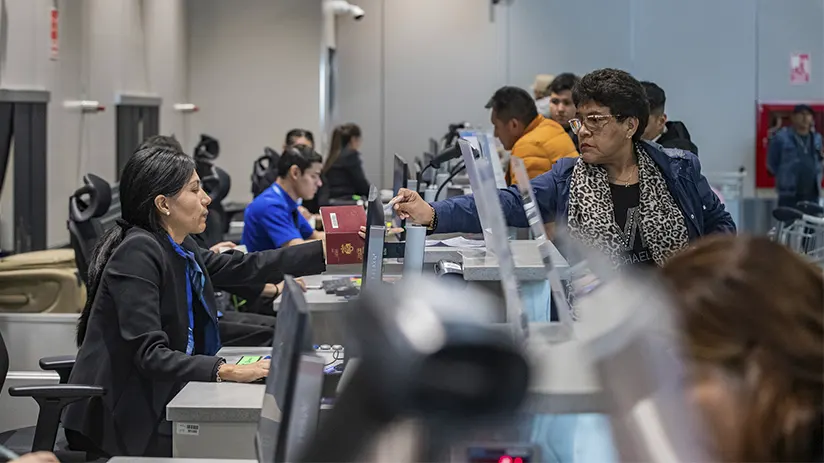
Travelers whose nationality requires a tourist visa should apply through a Peruvian consulate before traveling. The Ministry of Foreign Affairs recommends submitting the application at least 15 calendar days before the planned trip. Requirements and processing procedures may vary by consulate and nationality.
Visa requirements can change and may vary depending on nationality, passport type, and individual circumstances. The examples below are provided as a general reference and may not cover every nationality or exception. Always confirm the current rules for your passport with the Peruvian Ministry of Foreign Affairs or the Peruvian consulate responsible for your country before traveling.
- South America: Venezuela
- Central America and the Caribbean: Cuba, Haiti, and Nicaragua.
- Europe: Albania, Armenia, Azerbaijan, Bosnia and Herzegovina, Georgia, and Kosovo.
- Asia: Pakistan, Bangladesh, Vietnam, Iran, and other nationalities that require a visa. Citizens of China and India may qualify for a visa exemption if they meet specific conditions, such as holding a qualifying visa or permanent residence in certain countries.
- Africa: Angola, Botswana, Egypt, and Ethiopia, among others.
Peru Tourist Visa: Who Needs One and How to Apply

Travelers whose nationality requires a tourist visa and who do not qualify for an applicable exemption must apply for their visa in advance. Before starting the application, make sure you have all the required documents.
Requirements vary by nationality and consulate, but applicants may generally be asked to provide a completed visa application form, a valid passport, proof of onward or return travel, accommodation details, proof of sufficient funds, photographs, and any additional documents requested by the consulate. A personal interview may also be required.
Although the process varies by nationality and consulate, applicants generally need to complete the following steps:
- Completing the form provided by the embassy or consulate
- Submitting required documents for the visa application (passport, travel tickets, accommodation details, proof of financial solvency, and payment of the consular fee)
- A personal interview
- Review and approval of the application by the consular officer
Peru Entry Requirements for Visa-Free Travelers
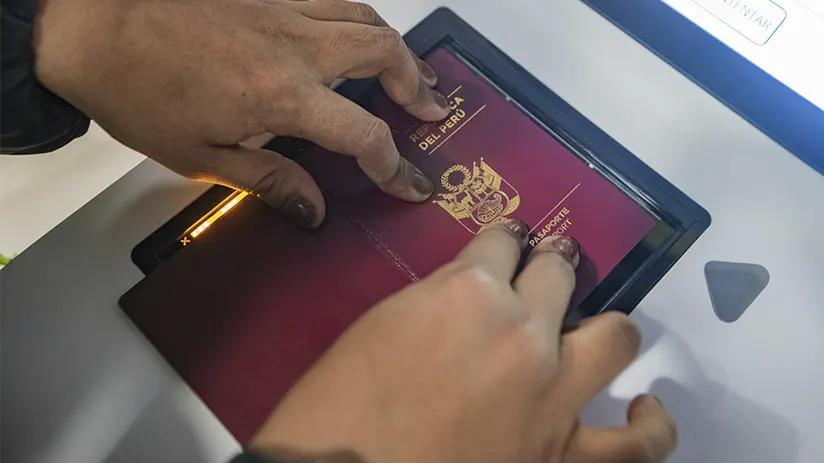
Travelers exempt from the visa requirement may enter Peru with a valid passport or, when applicable, an accepted national identity card. For travelers entering with a passport, the document must have at least six months of validity. If a visa is required for your nationality, you must also have the appropriate visa. Meeting Peru’s passport requirements can help avoid problems during immigration.
Entering Peru without a visa does not grant an indefinite stay; there are limits on the duration of the visit. The maximum authorized stay for tourists can be up to 183 calendar days, but the period granted may vary depending on your nationality and immigration status. The immigration authority determines the authorized length of stay when you enter Peru.
At immigration control, officers may request proof of onward travel, such as a return ticket, as well as other supporting documentation. Immigration officers may request travel itineraries, hotel reservations, travel insurance, or other relevant items. This process takes place directly at official immigration checkpoints located at Peru’s international points of entry.
How Long Can You Stay in Peru as a Tourist?

Tourists can be authorized to stay in Peru for up to 183 calendar days, although the exact period depends on the applicable rules and the authorization granted by immigration officials. The authorized period is recorded in the Virtual Andean Migration Card (TAM), which is generated during immigration control when you enter Peru and can be consulted online.
What Documents Should You Have When Entering Peru?

Many travel guides list the documents to consider before entering the country, though requirements vary depending on the individual tourist. The documents you need may vary depending on your nationality and circumstances. Travelers should generally have the following:
- Valid passport: Must have a minimum validity of six months.
- Proof of onward travel: A return ticket or other evidence of onward travel, which immigration officials may request depending on your circumstances.
- Visa (if applicable): Required only for visitors from countries that do not have a visa exemption.
- Virtual Andean Migration Card (TAM): This digital record is generated during immigration control and allows travelers to check their authorized period of stay and verify their regular entry into Peru.
- Supporting documents: You may also be asked to provide supporting documents, such as proof of accommodation, financial means, or travel insurance.
Special Entry Rules and Exceptions

While standard entry into Peru for foreign nationals requires a passport or visa, there are alternative documents and regulatory exceptions that modify this general rule. Among these, citizens of certain South American countries may be able to enter Peru using a national identity card instead of a passport under applicable CAN or Mercosur agreements. Travelers should confirm which document is accepted for their nationality before departure.
Some travelers may qualify for exceptions to the standard visa rules. Certain travelers who are normally subject to Peru’s tourist visa requirement may qualify for an exemption if they hold permanent residence in a Pacific Alliance member country. The specific rules can vary by nationality, so travelers should confirm their situation with the Peruvian consulate before traveling.
How to Check Peru Visa Requirements Before You Travel

Visa and entry requirements can change, so travelers should verify the rules that apply to their nationality before departure. The most reliable sources are the Peruvian Ministry of Foreign Affairs and the Superintendence of Migration, as well as the Peruvian consulate responsible for your country.
Frequently Asked Questions

Which countries need a visa to visit Peru?
Visa rules depend on your nationality and the type of passport you hold. Citizens of many countries in the Americas and Western Europe can visit Peru as tourists without a visa. However, some nationalities must apply for a tourist visa before traveling. Travelers from other countries should check the current rules before booking their trip.
Do US citizens need a visa for Peru?
No. U.S. passport holders can generally visit Peru for tourism without a tourist visa. They must still meet Peru’s entry requirements, including presenting a passport with at least six months of validity. Check the latest information from the Peruvian government before traveling.
How long can tourists stay in Peru without a visa?
The maximum stay depends on your nationality and the period granted by Peruvian immigration when you enter the country. Tourists may be authorized to stay in Peru for up to 183 calendar days, but the period granted depends on their nationality and the applicable immigration rules. The immigration authority determines the period authorized at entry, and you can check your authorized stay through the Virtual Andean Migration Card (TAM).
How long does my passport need to be valid to enter Peru?
Your passport must have at least six months of validity when you enter Peru. If your nationality requires a visa, you must also have the appropriate visa before traveling.
Can I enter Peru without a return ticket?
Immigration officials may ask for proof of onward or return travel, as well as information about your accommodation, itinerary, or financial means. Requirements may vary depending on your nationality and individual circumstances.
Can I get a tourist visa for Peru on arrival?
Peru does not offer tourist visas on arrival for travelers whose nationality requires a visa. If you need a tourist visa, apply through the appropriate Peruvian consulate before traveling. Check the consulate’s current instructions for the application process and required documents.
Where can I check Peru visa requirements for my nationality?
The most reliable sources for the latest requirements are Peru’s Ministry of Foreign Affairs and the Peruvian consulate responsible for your country. Requirements can vary by nationality and can change over time, so check the official information before your trip. This is especially important when planning activities such as getting to Machu Picchu, since your immigration requirements should be confirmed before you travel.
Conclusion
Understanding visa requirements by nationality is an important part of planning your trip to Peru. Entry rules can vary depending on your nationality and passport, so checking the latest official information before departure can help you avoid problems at the border.
Once you know whether you need a visa to enter Peru or another form of travel authorization, you can focus on the rest of your trip. Choosing the best time to visit Peru can also help you make the most of your experience, whether you want to explore Cusco, discover the Amazon, or visit Machu Picchu.
Peru offers a wide range of experiences for travelers, but good preparation makes your journey easier. Always verify the latest entry requirements with official sources before departure, and make sure your travel documents are ready for your adventure. See other Cusco travel tips to learn more trip recommendations.
Planning your trip to Machu Picchu and the rest of Peru? Let Machu Travel Peru help you plan a carefully designed journey with local guidance and personalized experiences. Contact us today to start planning your Peru adventure!