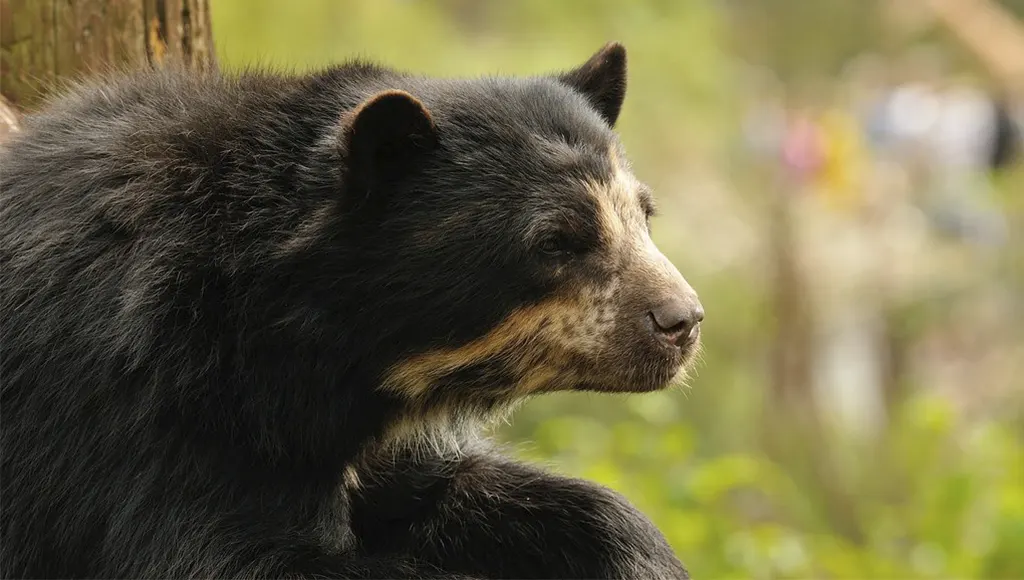
The spectacled bear (Tremarctos ornatus), also known as the Andean bear, is South America’s only native bear species. It inhabits Peru’s cloud forests and Andean mountains, including protected areas such as Machu Picchu Historic Sanctuary and Manu National Park. Spotting one is difficult, but it’s a rare wildlife experience. This guide will teach you everything you need to know about Peru’s spectacled bear, including its habitat, behavior, conservation status, and the best places to see one.
Discover everything about the Peruvian spectacled bear
- What Is the Spectacled Bear?
- Where Do Spectacled Bears Live in Peru?
- Spectacled Bear Habitat and Behavior
- Where to See Spectacled Bears in Peru
- Why the Spectacled Bear Is Important to Peru’s Ecosystems
- Conservation Efforts for the Spectacled Bear
- Can Travelers See Spectacled Bears in the Wild?
- Wildlife Watching Tips for Seeing Spectacled Bears
- FAQs About Spectacled Bears in Peru
What Is the Spectacled Bear?
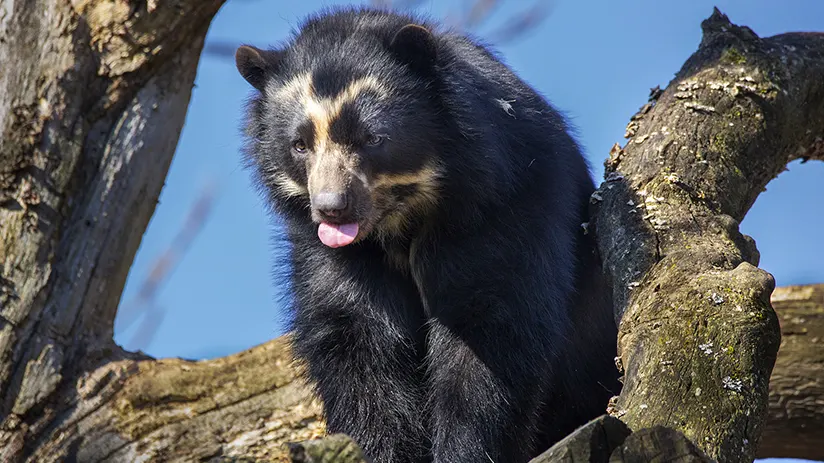
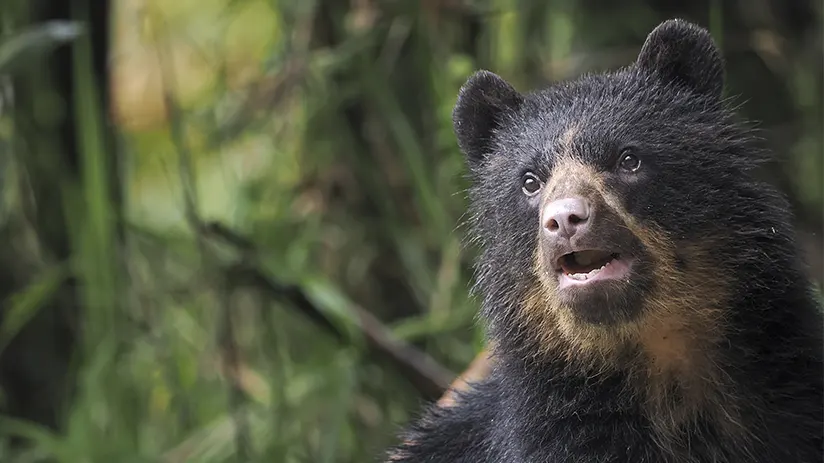
The spectacled bear, or Tremarctos ornatus, is one of only eight bear species worldwide, which also include the iconic brown bear, polar bear, and panda. This bear is distinguished by its long, thick, black fur, but especially by the yellowish markings around its eyes. These distinctive markings resemble a pair of spectacles, giving the species its common name. It is also known as the Andean bear, being the only bear native to South America and one of the most iconic mammals of the region.
General Information about the Spectacled Bear
- Class: Mammal
- Order: Carnivora
- Family: Ursidae
- Genus: Tremarctos
- Species: Tremarctos ornatus
- Habitat: High-altitude humid forests on the eastern slopes of the Andes Mountains
- Distribution: Andes Mountains of Peru, Colombia, Ecuador, Venezuela, and Bolivia
- Diet: Omnivorous (especially wild fruits)
- Behavior: They are solitary and diurnal
- Endangerment Status: Vulnerable
Where Do Spectacled Bears Live in Peru?
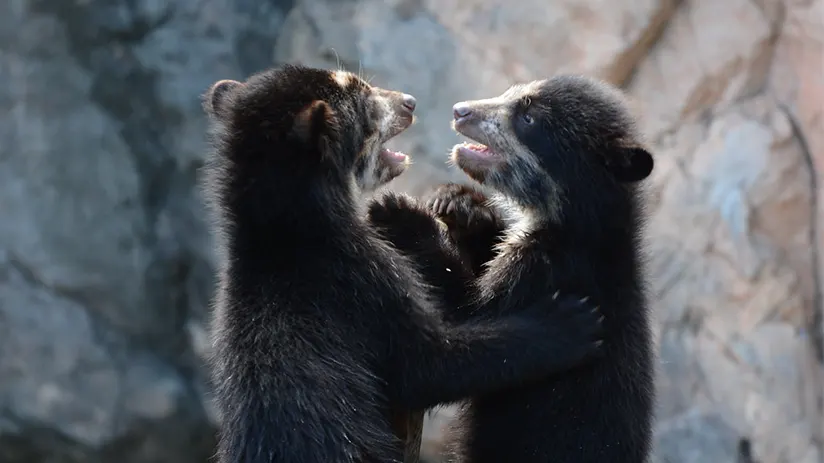
Peru contains a wide variety of ecosystems that spectacled bears inhabit. However, their primary habitat is along the Andes Mountains, specifically the humid forests, cloud forests, and páramo grasslands. These areas cover vast expanses, as Andean bears require large home ranges. Provinces such as Cusco, Madre de Dios, Lambayeque, Cajamarca, and San Martín have the largest populations of Peru’s native bear.
Spectacled Bear Habitat and Behavior
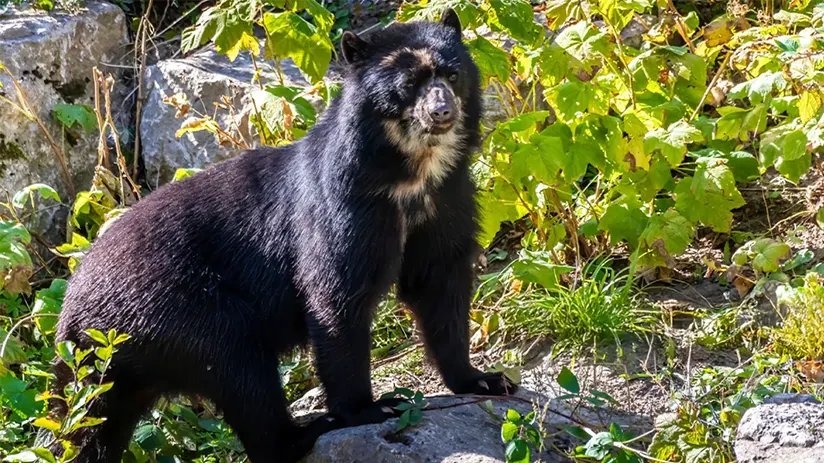
Andean bears are an endemic species of the montane forests and páramo grasslands of the South American Andes, from Venezuela to Bolivia. They require extensive home ranges to find enough food throughout the year. Their varied diet allows them to adapt to different ecosystems. Some of the main areas with the highest concentrations are near the Andes Mountains and the Amazon basin.
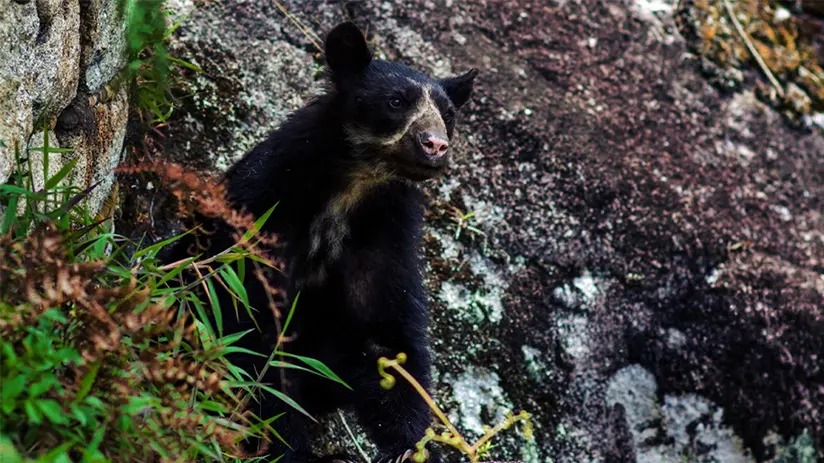
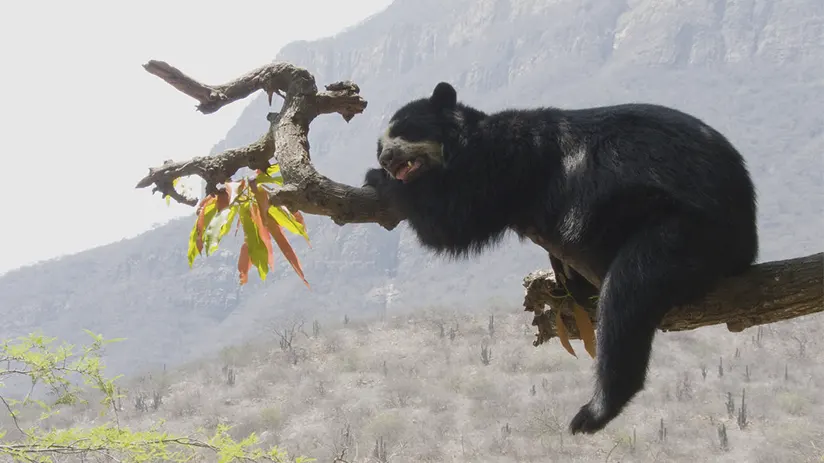
South America’s only bears are naturally shy, elusive, and solitary. They generally climb trees and mark their territory with scratches. Trees are important to them as they provide their primary food source and resting places. Hikers can observe these signs of their presence in remote Andean forests by looking for tracks, feeding sites, and nests.
Where to See Spectacled Bears in Peru
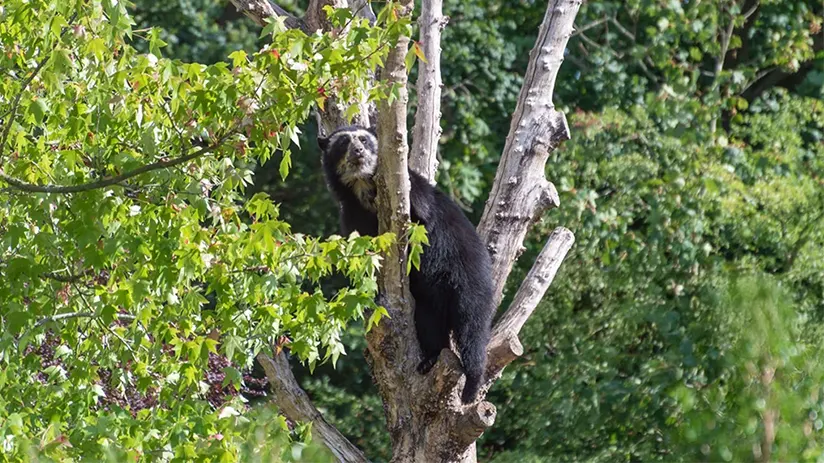
The largest populations of spectacled bears are concentrated in protected natural areas and mountain forests, but they are difficult to spot. Due to their nature, sightings are rare, but explorers often more easily record signs of their presence, such as tracks or scratches. Observing one definitely requires patience, luck, and respect for nature. However, some places have higher sighting rates, increasing the likelihood of seeing them:
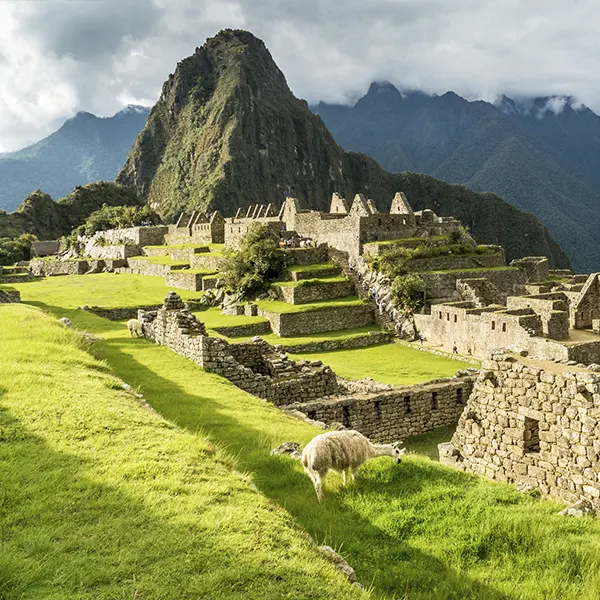
Historic Sanctuary of Machu Picchu (Cusco)
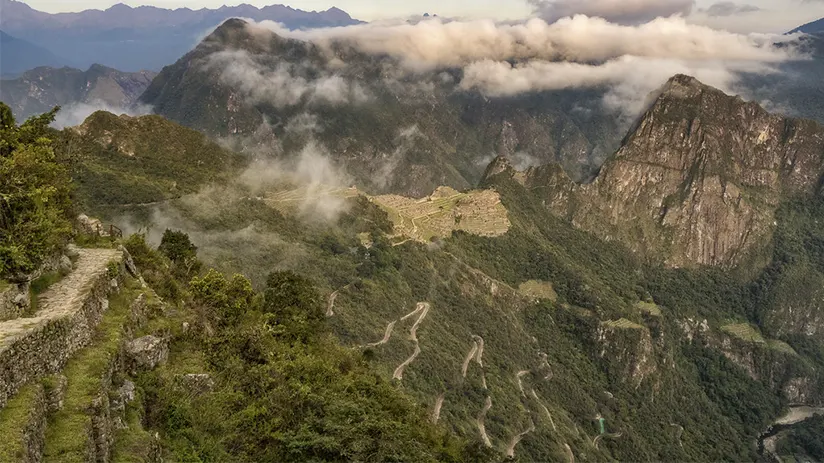
Machu Picchu is one of the best places in South America to observe Peru’s biodiversity, and that includes these unique animals. The sanctuary’s cloud forests provide ideal habitat for Andean bears. Sightings are possible, especially during the early morning or late afternoon. Even so, it remains very unusual and rare.
Some of the main encounters occur outside the immediate vicinity of the sanctuary, such as on hiking trails. The hike to Inti Punku and along the railway corridor toward Ollantaytambo are probably the best places to see them. Like any other wild animal, it’s important to keep your distance and not feed or disturb them.
Chaparri Private Conservation Area (Lambayeque/Cajamarca)

This protected area is 60 km from Chiclayo and is one of the best places to observe rescued or rehabilitated spectacled bears. Unlike Machu Picchu, here specialized expeditions are offered to spot them. On the one hand, there are guided trekking circuits ideal for observing wildlife in Peru, including these mammals. On the other hand, there are visits to rescue centers where rescued spectacled bears are rehabilitated and where some born in the protected area live.
Manu National Park (Cusco/Madre de Dios)
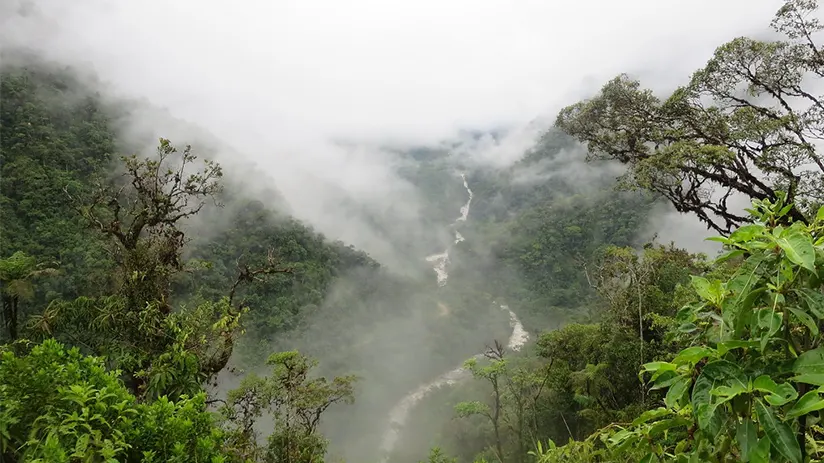
Manu National Park is a key habitat for these bears, but due to the vastness and remoteness of the area, sightings are extremely rare. To understand the size of this protected area, it’s important to know that it covers more than 1,716,000 hectares, making casual sightings difficult. However, the relevant authorities conduct constant monitoring, but seeing them requires specialized expeditions. These expeditions take place in specific areas, ideally in the buffer zone of cloud forest and at altitudes above 3,000 meters above sea level.
Río Abiseo National Park (San Martín)
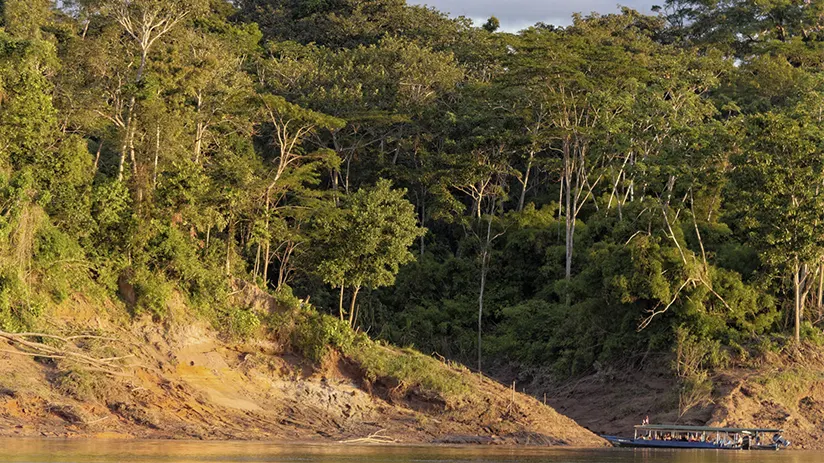
Río Abiseo is another national park in Peru that boasts high biodiversity, including specimens of this species. It’s worth noting that the best places to visit are the designated tourist areas, as the deep forest requires specific access. Although sightings of these mammals were previously limited to camera trap recordings, occasional confirmed sightings demonstrate that they can, in fact, be observed in the wild. This confirms the possibility of seeing these Andean bears in their natural habitat.
Why the Spectacled Bear Is Important to Peru’s Ecosystems
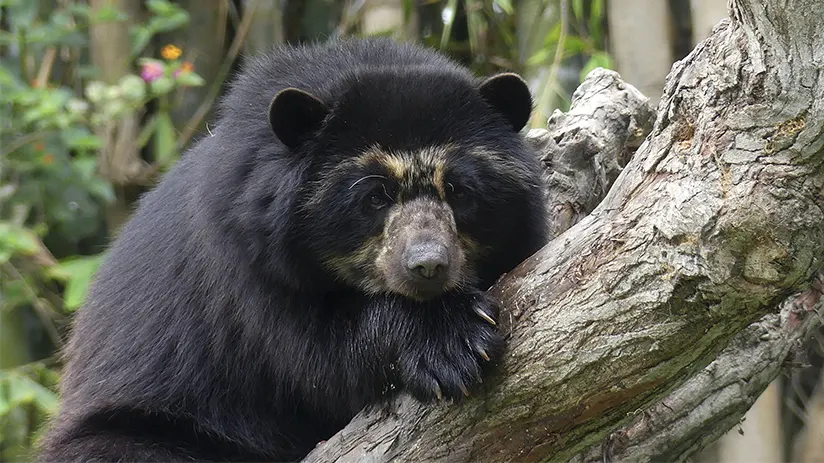
These creatures play an important ecological role as umbrella species. This means that by protecting their extensive habitats, thousands of other native animals of Peru are simultaneously safeguarded. Furthermore, their behavior contributes to the maintenance and regeneration of the environment through seed dispersal. By traveling great distances and feeding on large quantities of fruit, they can deposit seeds in their droppings across multiple areas.
Conservation Efforts for the Spectacled Bear

The spectacled bear is listed as a vulnerable species on the IUCN Red List of Threatened Species. According to the IUCN, the global population is estimated at fewer than 18,000 individuals. The causes of this situation are diverse, but the main threat is the loss, fragmentation, and degradation of its habitat. Faced with this scenario, the relevant authorities have developed various initiatives to protect them. The following are the main efforts to protect the species:
- Designation of natural areas
- Wildlife monitoring programs
- Sustainable tourism initiatives
- Private conservation areas and biological corridors
- Rescue and rehabilitation
- Environmental education and community empowerment
Can Travelers See Spectacled Bears in the Wild?
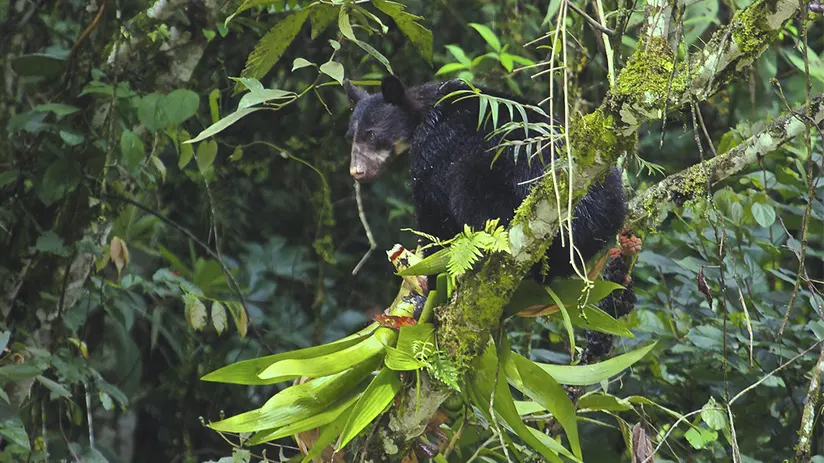
Yes, travelers can see spectacled bears in the wild in their natural habitat. This requires patience and luck, as spectacled bears are shy and elusive. Careful planning increases the chances of a sighting, although a sighting is not guaranteed. Factors such as weather, season, time of day, and location will determine whether you spot one in the Peruvian Andes or the Amazon rainforest.
Wildlife Watching Tips for Seeing Spectacled Bears
- Join a guided wildlife tour: The best way to see wildlife is by hiring professionals to ensure your visit. Many agencies have strict protocols to help make your ecotourism experience in Peru a reality. Adhering to strict exploration times and respecting nature and endemic animals will be essential during your visit.
- Bring binoculars or a spotting scope: Due to the nature of bears, it’s almost certain that you’ll need to use an instrument to see them better. The great distances at which the species are found will require high-quality binoculars or a spotting scope.
- Patience is key: Nature is unpredictable, and predicting when and where to find them is extremely difficult. It’s best to plan full-day excursions with enough time to calmly enjoy each activity.
- Prepare for harsh conditions: Many trails are difficult to traverse and require special equipment to facilitate exploration. Sturdy hiking boots, layers of waterproof clothing, a rain jacket, and drinking water are essential considerations.
- Bring the right photography gear: Having a good zoom lens and waterproof bags will help you capture wildlife photographs safely. High humidity in these places usually damages electronic equipment in general.
FAQs About Spectacled Bears in Peru
Are spectacled bears found near Machu Picchu?
Yes. spectacled bears (also known as Andean bears) inhabit the cloud forests surrounding the Machu Picchu region, particularly within the Historic Sanctuary of Machu Picchu. Although they are native to the area, they are shy, solitary animals and sightings are extremely rare. Most visitors will not encounter one during their visit, but the protected forests around Machu Picchu provide important habitat for this iconic species.
What do spectacled bears eat?
Andean bears are omnivores, but their diet is primarily plant-based. They feed on fruits, bromeliads, cactus, palm hearts, orchids, and other vegetation found in the Andes. Occasionally, they eat insects, small mammals, carrion, and even livestock when natural food sources are scarce. Their flexible diet helps them survive across a wide range of mountain and cloud forest habitats.
Are spectacled bears endangered in Peru?
Andean bears are classified as Vulnerable on the IUCN Red List, meaning they face a high risk of extinction in the wild if current threats continue. In Peru, their main challenges include habitat loss, deforestation, agricultural expansion, illegal hunting, and conflicts with humans. Conservation efforts in national parks and protected areas play a crucial role in safeguarding Peru’s spectacled bear populations.
What is the best place to see Andean bears in Peru?
The best places to spot Andean bears in Peru are protected cloud forest landscapes where they naturally occur. Popular destinations include Machu Picchu Historic Sanctuary and Manu National Park, although sightings are never guaranteed. For the highest chances, join guided wildlife tours led by experienced local naturalists who know the bears’ preferred habitats and behavior.
Can you see spectacled bears in Manu National Park?
Yes. spectacled bears live in the cloud forests and high-elevation areas of Manu National Park. However, they are elusive and rarely seen because they avoid human activity and spend much of their time in dense vegetation. While sightings are uncommon, Manu remains one of Peru’s most important protected habitats for the species.
How rare are spectacled bears in Peru?
Spectacled bears are considered uncommon and difficult to observe in the wild. Although Peru supports one of the largest populations of Andean bears in South America, they inhabit remote mountain forests and are naturally shy. Their low population density and secretive behavior make wildlife encounters very rare, even in protected areas.
What is the difference between the spectacled bear and the Andean bear?
There is no difference. spectacled bear and Andean bear are two common names for the same species, Tremarctos ornatus. The name spectacled bear comes from the light-colored markings around the eyes that resemble eyeglasses, while “Andean bear” refers to its distribution along the Andes Mountains. As South America’s only bear species, spectacled bears are naturally shy, elusive, and solitary.
“WILDLIFE IN EXCEPTIONAL PLACES IS ALL A NATURE LOVER NEEDS”
The spectacled bear Peru experience is a reminder of the country’s extraordinary biodiversity and the importance of protecting its unique ecosystems. From the cloud forests near Machu Picchu to the remote landscapes of Manu National Park, these remarkable bears play a vital role in maintaining healthy mountain forests. Learning about their habitat, behavior, and conservation challenges helps support greater awareness and appreciation for one of South America’s best-known wildlife species, reminding visitors that every trip to Peru is also an opportunity to support the conservation of its native wildlife.
Peru has so much to offer; it can be hard to know where to start. With many years of experience in the tourism sector, Machu Travel Peru is happy to help with anything regarding your trip to Peru and any tours around it. Let us help you make your Peruvian travel experience unforgettable! Contact us today to plan your dream adventure!