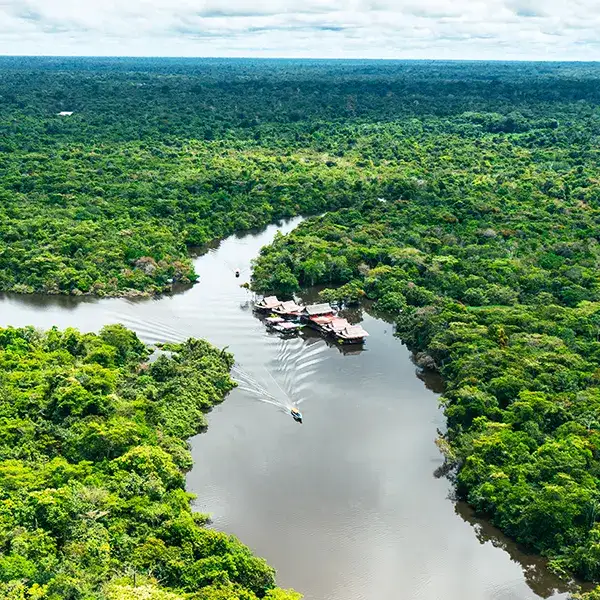
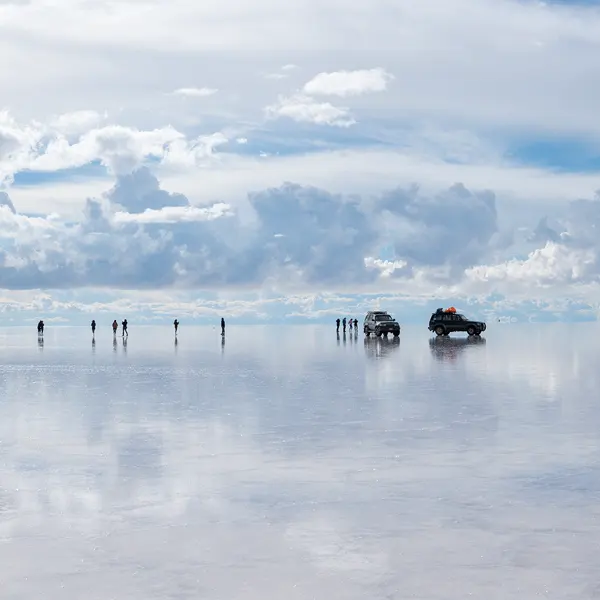
The best sights in South America include Machu Picchu, the Galapagos Islands, Iguazu Falls, the Uyuni Salt Flats, and Patagonia. These destinations combine natural landscapes, cultural landmarks, and wildlife experiences across the continent. These include Andean ruins, the Amazon jungle, remote Pacific islands, and lively coastal cities. It attracts a wide range of travelers.
This guide covers the top destinations, how to make a practical trip plan, and what to expect along the way
- Why Visit the Best Sights in South America
- Top Countries to Explore in South America
- Best Sights in South America by Region
- Iconic Landmarks You Must See in South America
- How to Plan a South America Itinerary
- Best Time to Visit South America
- Travel Tips for Exploring South America
- FAQs About the Best Sights in South America
Why Visit the Best Sights in South America
South America brings together ancient ruins, rainforest scenery, coastal cities, and natural wonders, all within the same landmass. In many cases, these different environments sit within a few hours of each other on a well-planned route. Few regions offer that level of variety. That variety makes South America appealing to travelers who want a trip through many settings.
There is also real depth in the contrast between places. High-altitude ruins, jungle rivers, volcanic islands, and modern cities each offer a different kind of trip; all within the same continent. Visitors who want to see both the South America bucket list destinations and lesser-known regional highlights will find that the continent supports both goals well.
Top Countries to Explore in South America

Choosing the right starting point is important for first-time visitors because travel styles vary widely across the continent. Some countries lead with history and mountain culture, while others offer wildlife, coastal energy, or dramatic open scenery. The countries below offer a useful way to match available time with the kind of destinations each one offers best.
Peru

Peru combines historic ruins, mountain landscapes, and living cultural traditions in a way few places match in the region. Machu Picchu, the Sacred Valley, and the Peruvian Amazon offer history, nature, and culture all within one country. That range of ecosystems, from high plateaus to tropical jungle, makes Peru a strong introduction to South America.
Brazil

Brazil reflects the continent’s scale and energy better than almost any other country. Atlantic beaches, rainforest, major landmarks, and iconic city views give it a broad appeal that draws different types of visitors. Whether the draw is Rio de Janeiro or the Amazon basin, Brazil delivers both with conviction, which is why it is a strong choice for those who want famous sights and lively cities in one place.
Bolivia

Bolivia draws visitors who favor dramatic scenery and less conventional routes. High-altitude landscapes, remote areas, and sites like the Salar de Uyuni create a rugged journey that feels different from typical South American destinations. That is also why a Bolivia road trip appeals to travelers who want bold scenery and a stronger sense of remoteness.
Ecuador
Although smaller than its neighbors, Ecuador offers remarkable diversity into a compact space. The Andes, historic cities, cloud forest corridors, and the Galapagos Islands all sit within the same country, so visitors can move between different landscapes without long internal journeys. That makes Ecuador a smart pick for those who want real diversity without stretching their travel plan across many countries.
Argentina
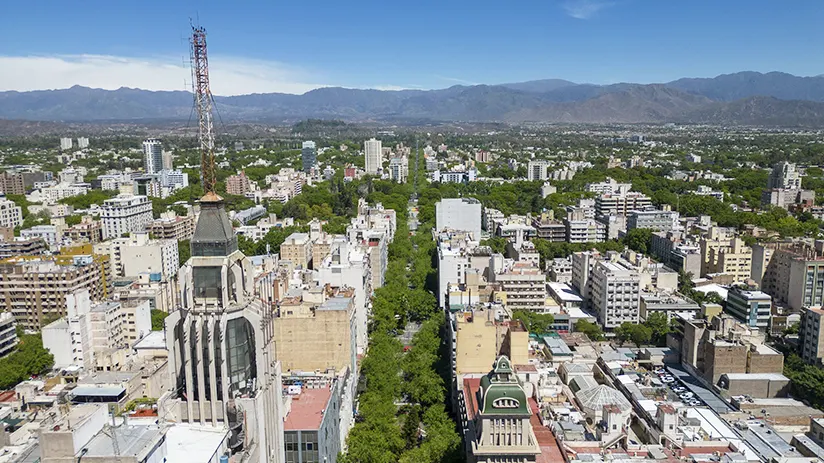
Travel in Argentina is defined by strong contrasts, and that variety is a significant part of its draw. Patagonia brings dramatic glaciers and open steppe, while Buenos Aires adds culture, food, and one of the strongest urban identities in the region. That balance works well for those who want both large-scale natural scenery and a city stay with real character.
Chile
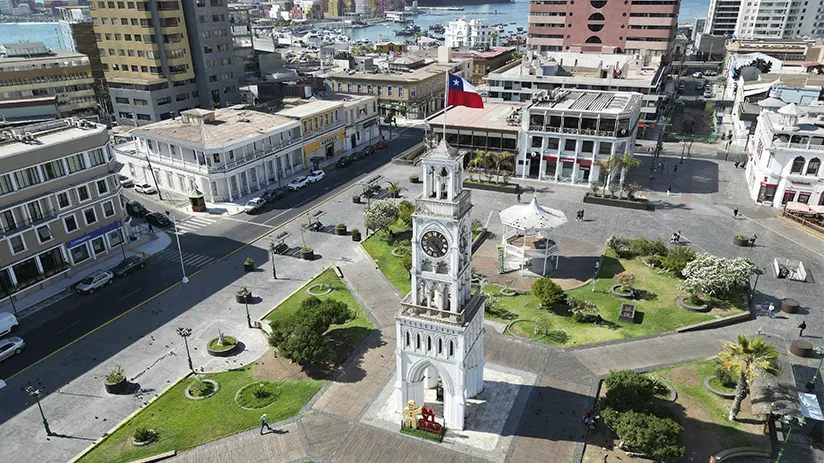
Chile’s north-to-south contrasts create a distinct travel experience that stands out from many South American highlights. Desert scenery in the Atacama, Pacific coastal views, and southern glacier landscapes near Patagonia create one of the clearest geographic transitions on the continent. That variety draws visitors who want a trip shaped by shifting terrain rather than a single cultural site.
Colombia
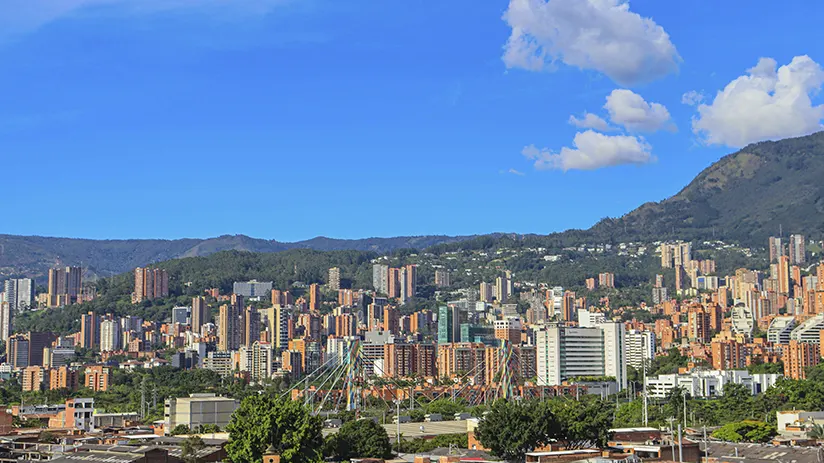
Colombia offers a vibrant culture, diverse regions the travel experience in Colombia from the start. Caribbean coastlines, colonial towns, and lush inland scenery create a feel that is different from Andes routes found elsewhere. That tropical and urban atmosphere, combined with a warmer climate and more relaxed pace, makes Colombia a strong option for those seeking a different style of South American trip.
Best Sights in South America by Region

Grouping South America’s top spots by region helps simplify travel planning. Some of the continent’s most memorable places lie in the Andes, while others feature rainforest, wildlife, coastal cities, or open wetlands. Each region offers a genuinely different kind of journey, and knowing those differences before building a journey saves a lot of time and second-guessing.
Andes Mountains and Cultural Landmarks
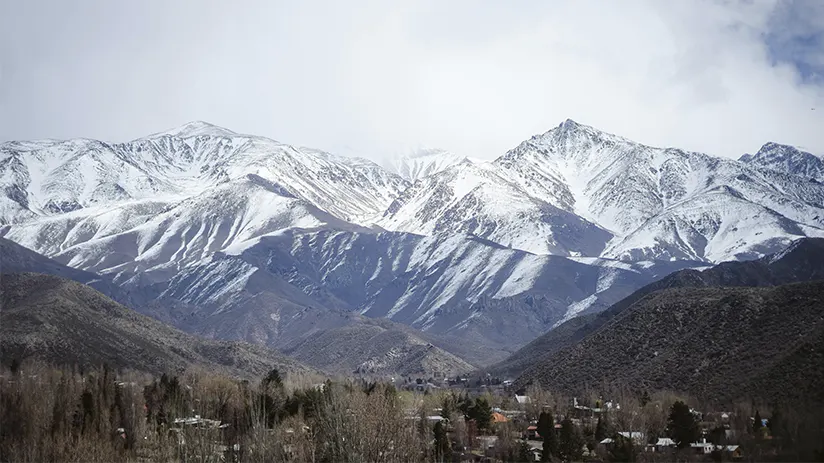
The Andes have some of South America’s most famous sites, attracting visitors with history, high scenery, and lasting traditions. Ancient ruins and long-established cities add real depth to any mountain route, and the sheer scale of the range gives many journeys a dramatic visual quality that is hard to find elsewhere on the continent.
Machu Picchu and the Sacred Valley
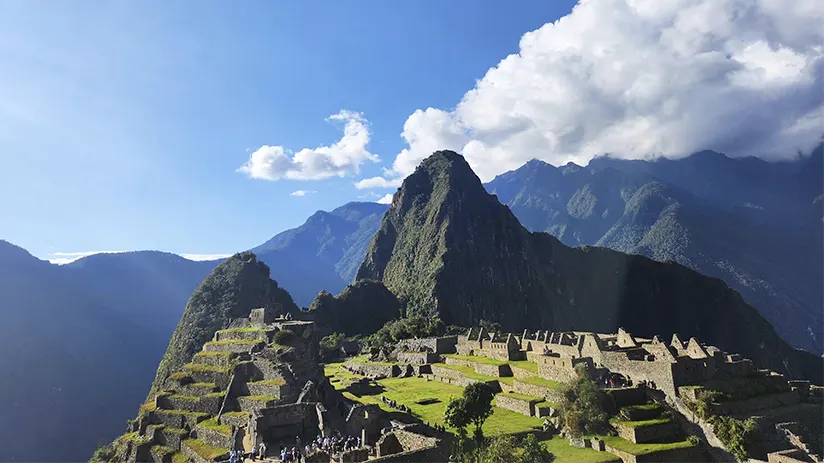
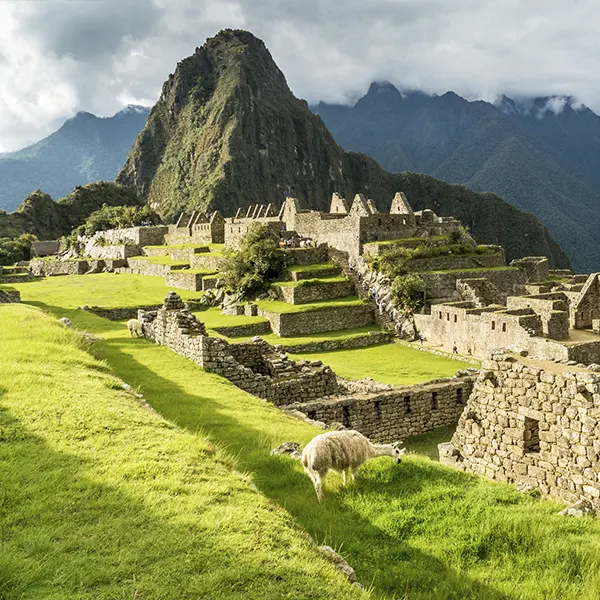
This Inca site brings together Inca ruins, mountain scenery, and living tradition in one connected route. Machu Picchu is recognized as a UNESCO World Heritage Site that few places can claim, while the Sacred Valley adds depth through its markets, terraced fields, and smaller historical sites. Checking the Machu Picchu weather before finalizing dates helps visitors plan the most comfortable visit.
Lake Titicaca and the High Andes

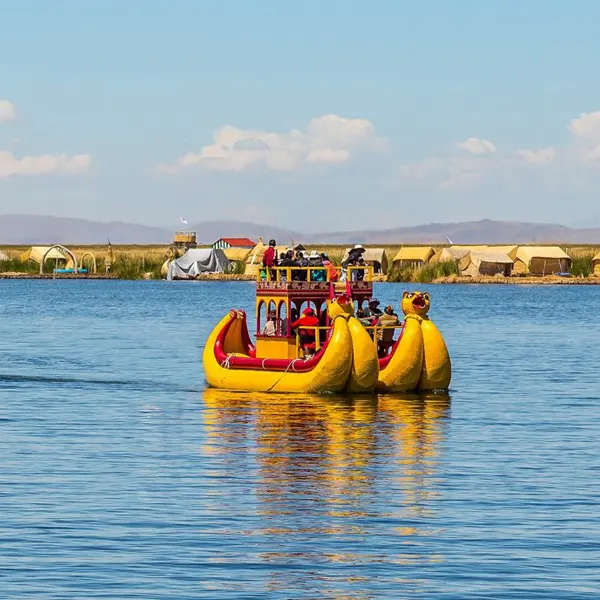
Farther south, Lake Titicaca shows a quieter, more traditional side of the Andes that many visitors find moving. The landscape feels broader and more open here, and daily life in lakeside communities reflects traditions that predate the colonial period. High-altitude villages and reed island settlements give the area a unique cultural identity. It stands apart from the busier stops on most Andean routes.
Uyuni Salt Flats and the Bolivian Altiplano

The Bolivian altiplano offers a markedly different Andean setting, particularly around the Uyuni Salt Flats. In the dry season, the white surface stretches to the horizon without interruption, while in the rainy season, a thin layer of water turns the flat into a near-perfect mirror. That seasonal shift keeps the area among the most visually striking sights in the high Andes.
Quito and Ecuador’s Andean Corridor
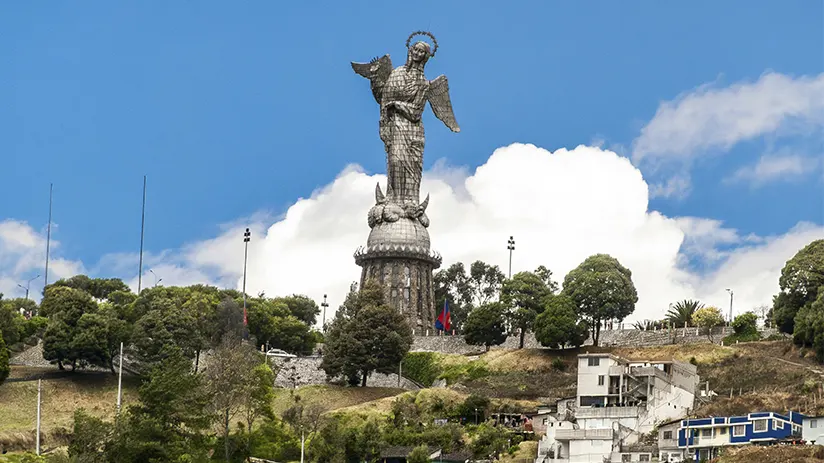
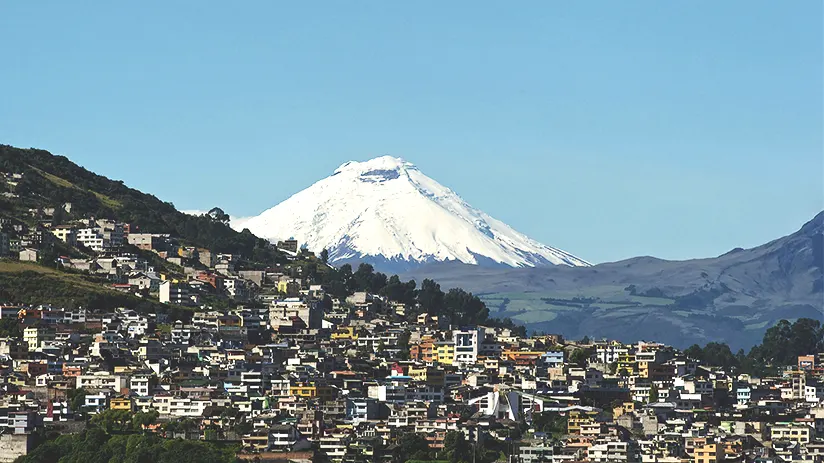
Ecuador’s Andean corridor combines well-preserved historic cities with volcanic scenery and accessible highland routes. Quito is a natural starting point because of its colonial center and its position at the northern end of the Volcano Avenue, a stretch of active and dormant peaks running south through the highlands. That mix of urban heritage and volcanic geography makes this section of the Andes especially rewarding for those who want more than one kind of mountain experience.
Patagonia in the Southern Andes

The far south presents a wilder, more rugged side of the Andes. Glaciers, sharp peaks, and vast open landscapes create an atmosphere that feels different from the rich highlands to the north. Yet the region still belongs to the same mountain spine that runs the length of the continent. That contrast is a major part of what makes the region one of the most sought-after corners of South America.
Torres del Paine in Chile

Torres del Paine draws visitors with its sharp granite peaks, glacial lakes, and open landscapes that stretch toward the horizon. The park offers different levels of access, from short viewpoint walks to full multi-day trekking circuits, which is why it draws both casual visitors and serious hikers. For many, it remains one of the most iconic natural sites in the southern half of the continent.
Amazon Rainforest and Natural Wonders
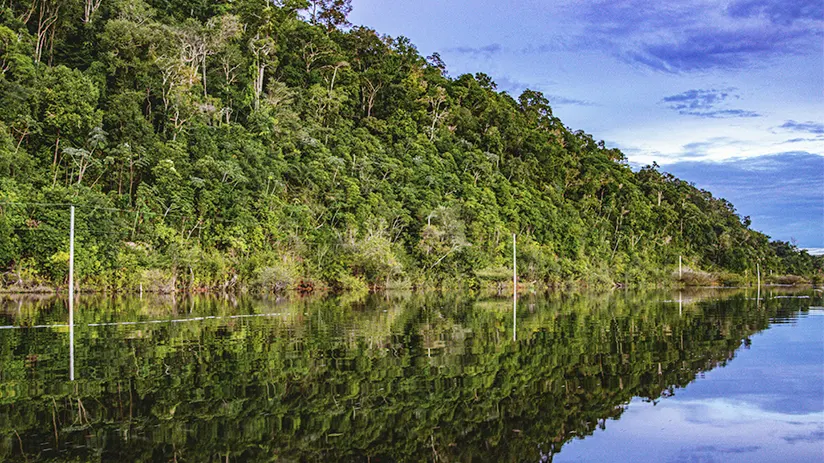
Across this part of South America, nature takes a different form through dense rainforest, volcanic islands, powerful waterfalls, and open wetland systems. These places attract visitors for their wildlife and vast scale, not cultural landmarks. This stands in contrast to the Andean and coastal regions, appealing to those wanting a stronger bond with nature.
Amazon Rainforest in Peru

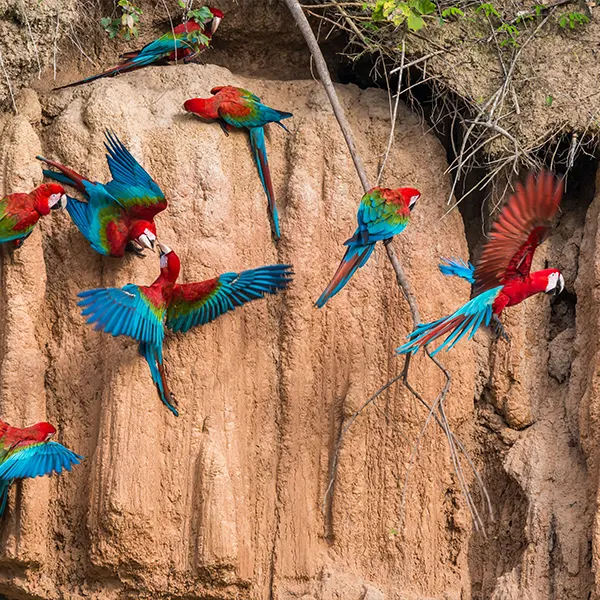
The Amazon rainforest in Peru draws serious attention for its wildlife density and access to protected areas like Manu National Park, one of the most biodiverse regions on Earth. Dense forest canopy, river ecosystems, and a high concentration of birds and mammals give the area a depth that more open wildlife settings cannot easily replicate.
Galapagos Islands and Wildlife Encounters
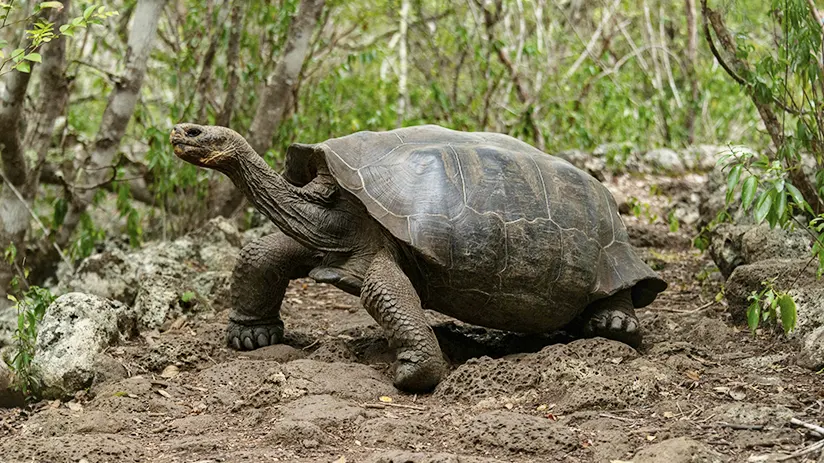
Off Ecuador’s coast, the Galapagos Islands draw visitors for their volcanic landscapes and close wildlife encounters that are hard to find anywhere else in the world. Giant tortoises, marine iguanas, and sea lions give the islands a distinct character from the moment of arrival. Because many animals show little fear of people, the visit feels especially rare and unhurried.
Iguazu Falls and South America’s Great Waterfalls

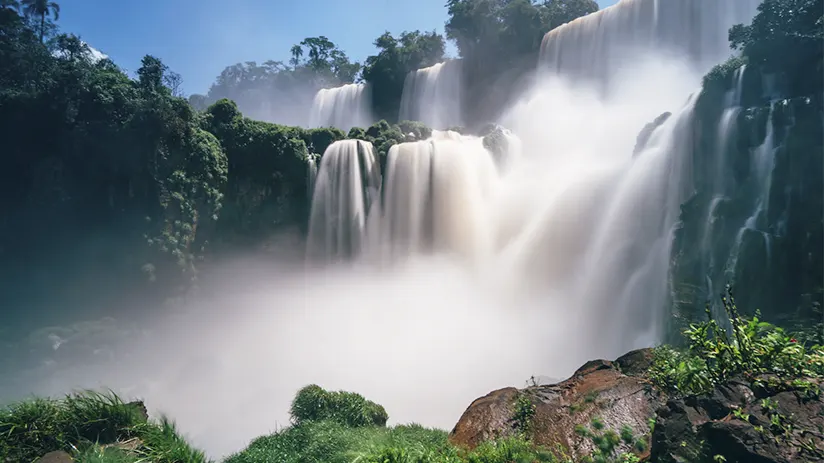
On the border of Argentina and Brazil, Iguazu Falls impress with scale and power that few nearby landmarks can match. The falls stretch across a subtropical setting nearly three kilometers wide, and the surrounding forest adds further movement to an already powerful scene. Those who see both the Argentine and Brazilian sides often find the two perspectives so different that crossing the border feels entirely worthwhile.
The Pantanal and Wildlife-Rich Landscapes
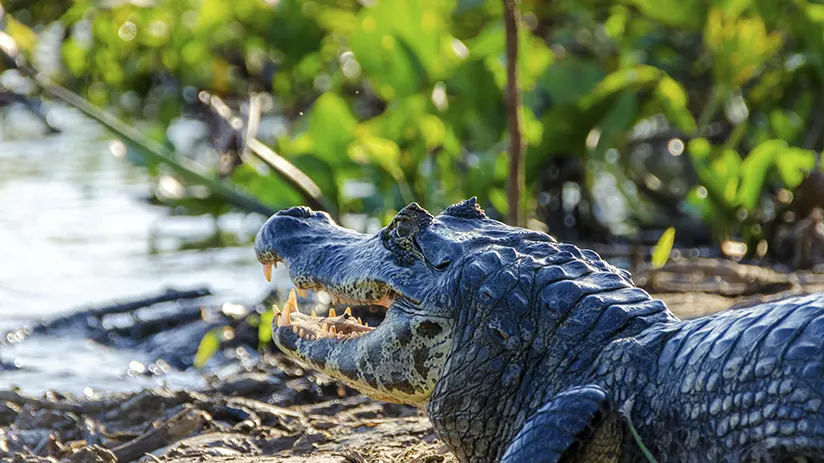
In western Brazil, the Pantanal is more open than the Amazon, so wildlife is much easier to observe. Jaguars, capybaras, giant anteaters, and a wide variety of birds give the region consistent appeal for nature-focused visitors, particularly in the drier months when animals gather near water. Many wildlife experts call it one of the best places on the continent. That is ideal for wildlife tours in South America.
Coastal Destinations and Cities
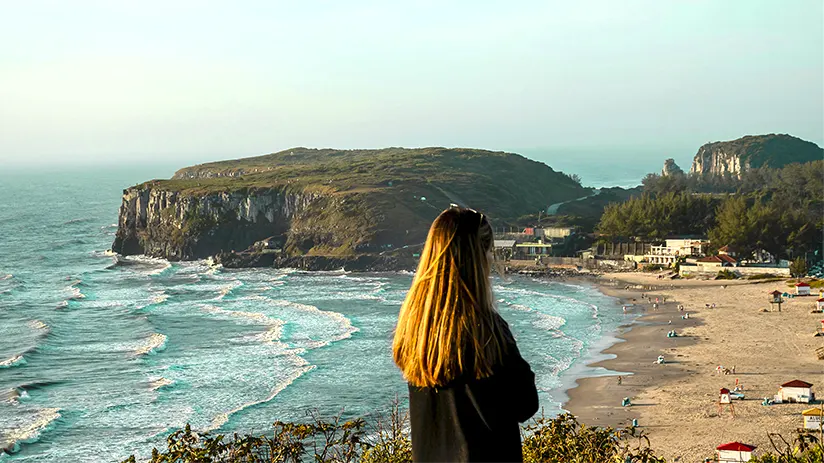
Along South America’s coastlines, travel takes on a different character shaped by ocean views, urban energy, and places with long maritime histories. Some top coastal places in South America offer famous landmarks, city life, wildlife reserves, and desert scenery.
Rio de Janeiro and Brazil’s Coastal Icons
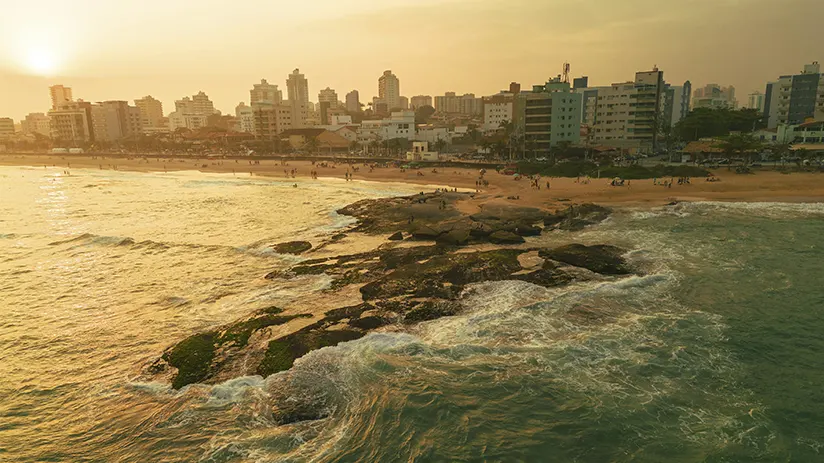
Few places in South America combine city life and natural scenery as seamlessly as Rio de Janeiro. Beaches, granite peaks, and landmarks like Christ the Redeemer give the city a setting that holds its own even among the continent’s most visited places. The energy across its neighborhoods, from Ipanema’s beach culture to the historic streets of Santa Teresa, adds a depth that goes well beyond the famous viewpoints.
Lima and Peru’s Pacific Coast
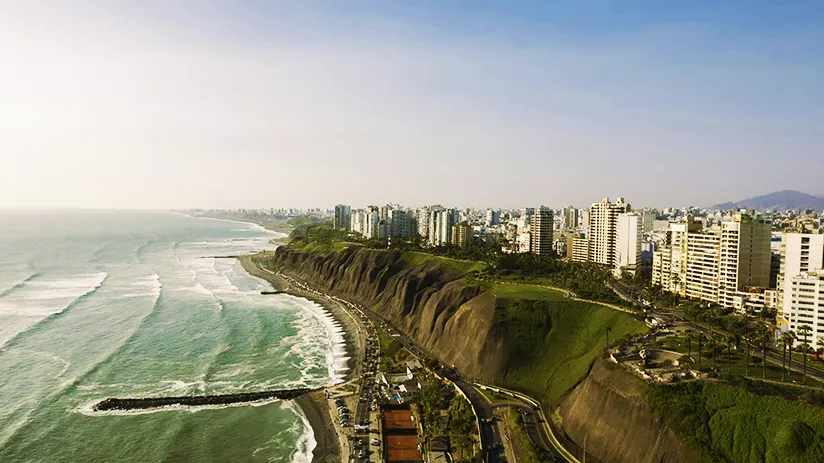
Along Peru’s central coast, Lima offers an urban experience shaped by cliffside neighborhoods, Pacific views, and one of the most internationally recognized food scenes in the region. World-class ceviche and deeply rooted culinary traditions give the city a cultural dimension well worth more than a quick stopover. Those already planning a trip to Peru will find Lima a practical and rewarding place to begin.
Easter Island and Chile’s Remote Pacific Heritage
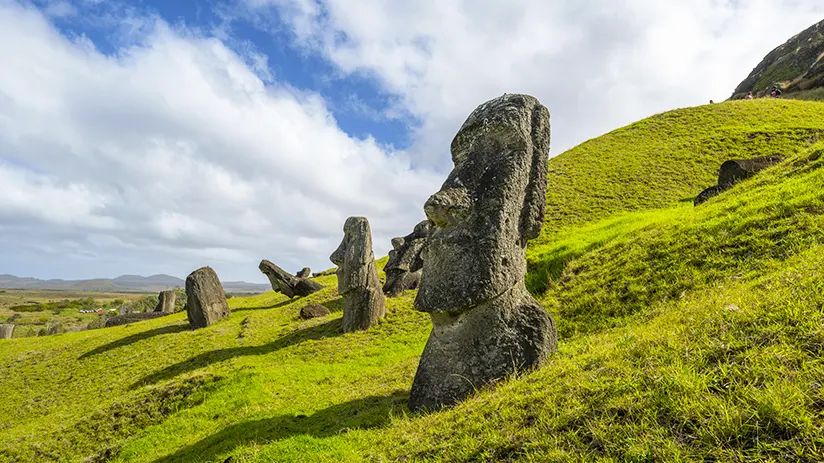
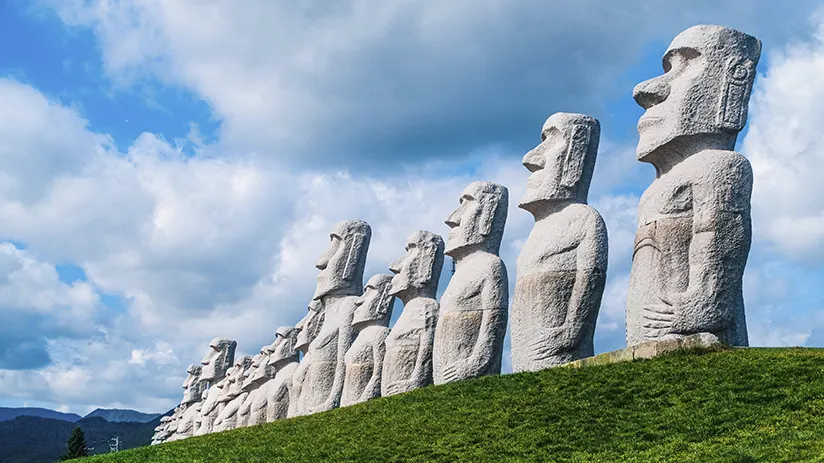
Far from the Chilean mainland, Easter Island captures attention through its isolation, volcanic scenery, and the monumental moai standing along its coastlines. The island draws visitors not only for its remote Pacific setting but also for the cultural questions that still surround the civilization that built those figures centuries ago. That mix of mystery, distance, and visual scale makes it feel genuinely unlike any other place associated with South America.
Colombia’s Caribbean and Urban Coastlines
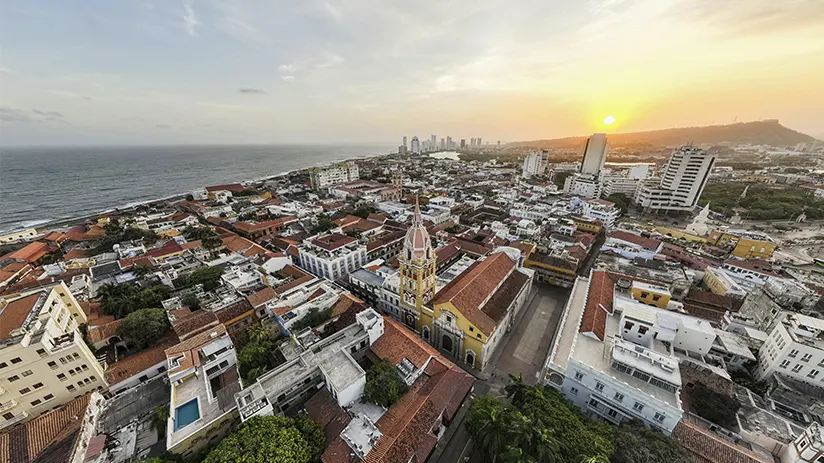
On the continent’s northern edge, Colombia’s Caribbean coast brings together tropical scenery, colorful colonial streets, and lively cities in a way that sets it apart from most other South American tourist attractions. The atmosphere is warmer and more relaxed than along southern Andean routes, and port cities like Cartagena add a strong sense of history to the coastal visit. For those who want culture, energy, and sea views in the same area, this stretch delivers all three.
Buenos Aires and Southern City Culture
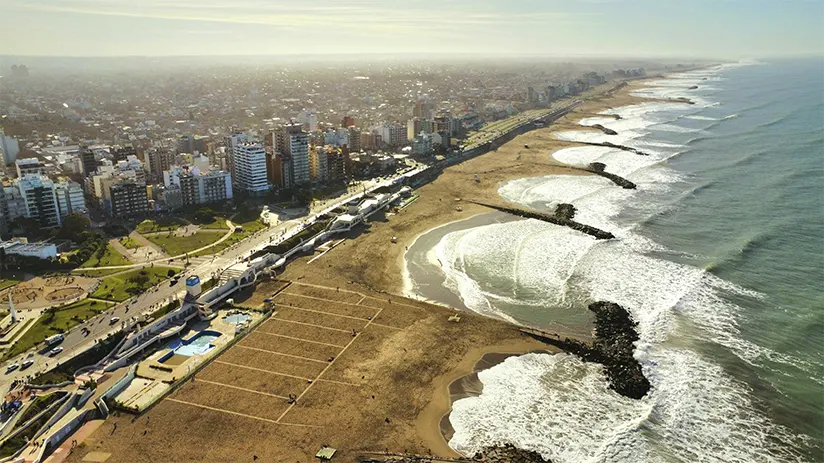
Buenos Aires is considered one of South America’s top cities due to its size, architecture, and strong culture. Broad tree-lined avenues, historic neighborhoods, and a well-established arts and dining scene give the city a distinct presence that feels more European than almost anywhere else in the region. The cobblestone streets in districts like San Telmo add charm and make it easy to walk. It is one of the best city stops in South America.
Paracas and Ballestas Islands

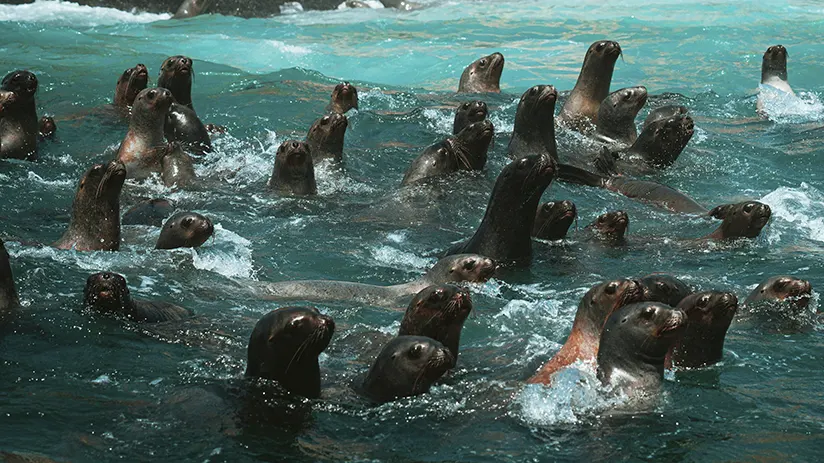
On Peru’s southern coast, Paracas offers a striking contrast between arid desert scenery and abundant marine wildlife. Boat trips to the Ballestas Islands bring visitors close to sea lions, Humboldt penguins, and large seabird colonies in a setting that is accessible and visually memorable. The nearby desert reserve adds another dimension to the visit, making Paracas a great coastal stop along the Peruvian shoreline.
Iconic Landmarks You Must See in South America
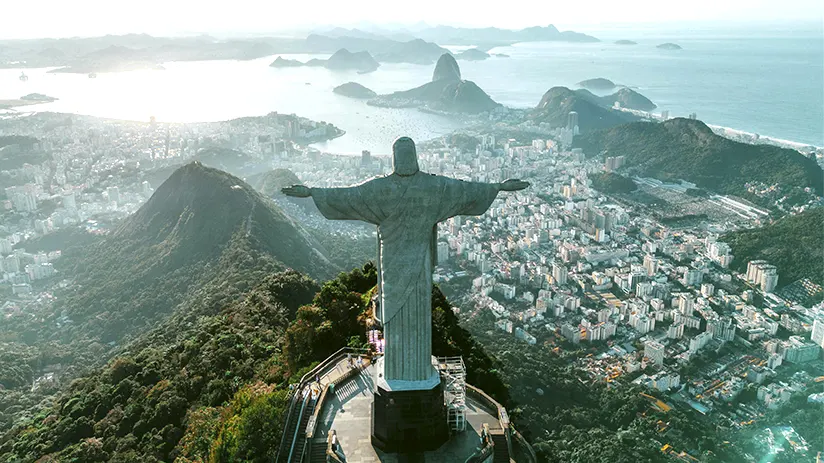
A handful of places capture the spirit of the continent more completely than others because they combine strong visual impact with deep cultural significance. While the sections above group travel by setting and style, this shortlist highlights South America’s most famous landmarks. These sites have strong symbolic value and appear on most travel routes.
- Machu Picchu. High in the Peruvian Andes, this ancient citadel holds the title of the continent’s most recognized site, combining Inca heritage with a mountain setting that few places in the world can match.
- Galapagos Islands. Off Ecuador’s coast, the Galapagos Islands draw visitors with volcanic scenery and close wildlife encounters.
- Uyuni Salt Flats. In Bolivia’s altiplano, this vast expanse creates one of the most surreal landscapes in South America, shifting dramatically with the seasons and turning mirror-like after rainfall.
- Iguazu Falls. The cascades span the border of Argentina and Brazil, and their scale gives the area an exceptional visual force.
- Christ the Redeemer. Overlooking Rio de Janeiro, this statue ranks among the most recognized monuments in the world, and its position above the city adds both symbolic and visual power to the scene.
- Easter Island. Far into the Pacific, the island is memorable for its isolation and monumental moai, offering a rare mix of distance, cultural heritage, and mystery that gives it lasting appeal.
How to Plan a South America Itinerary
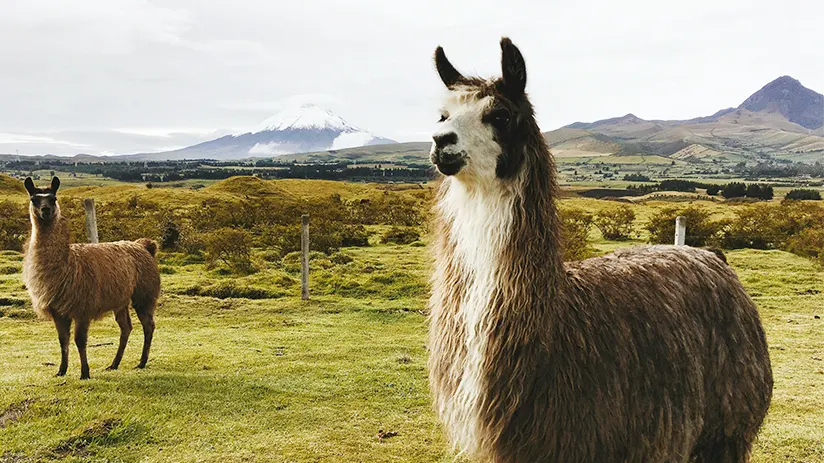
Planning a trip across South America depends on time, distance, and the kind of experience travelers want to prioritize. The table below compares different trip lengths and travel styles to help readers build a route that feels realistic and rewarding.
| Trip Length | Best For | Suggested Focus | Recommended Pace |
|---|---|---|---|
| 7–10 days | First-time visitors | One country or one region | Slow to moderate |
| 10–14 days | Travelers who want variety | Two countries or a broader regional route | Moderate |
| 2–3 weeks | More complete itineraries | Andes + coast or Andes + rainforest | Moderate to active |
| 3+ weeks | Longer multi-country trips | Several countries with deeper regional coverage | Flexible |
Best Time to Visit South America
Travel seasons in South America vary widely, as the continent includes high mountains, rainforest regions, long coastlines, and southern landscapes with different weather patterns. The table below outlines the main travel periods and what travelers can generally expect in each one.
| Region | Best Months | What to Expect | Best For |
|---|---|---|---|
| Andes | May to September | Drier weather, clearer skies, colder nights | Trekking and cultural routes |
| Amazon | June to October | Lower rainfall in some areas, better trail access | Wildlife and rainforest travel |
| Patagonia | November to March | Milder temperatures and better access | Scenic road trips and hiking |
| Coastal cities | Year-round, depending on the destination | Milder temperatures or seasonal beach weather | Urban travel and coastline routes |
Travel Tips for Exploring South America
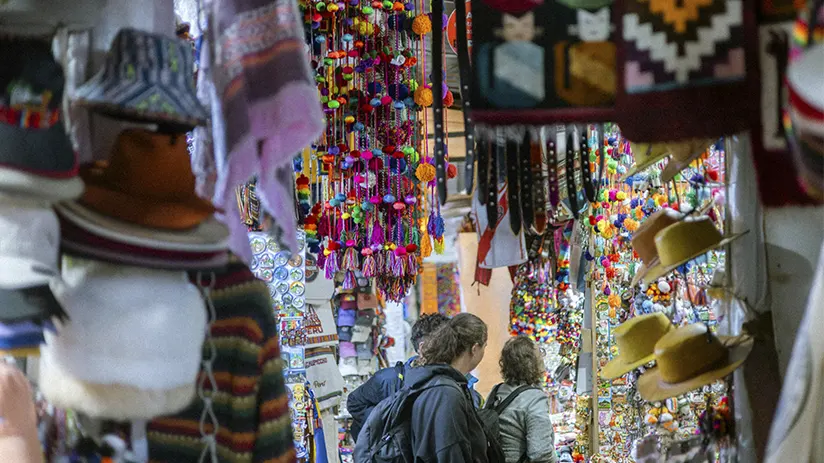
Realistic preparation makes travel in South America much easier, especially because distances and conditions shift quickly between regions. A few smart decisions before departure can make the overall trip significantly more comfortable and flexible.
- Focus on fewer regions: Covering fewer places usually leads to a richer trip. The continent rewards depth more than speed.
- Allow extra travel time: Distances often take longer than expected, particularly in rural or highland areas.
- Pack in layers: Weather can shift quickly between regions, and altitude changes make versatile clothing essential.
- Plan for altitude: Places like Cusco, La Paz, and Quito may need one or two days to adjust. Wait before doing a hard activity.
- Book big sites early: Popular spots like Machu Picchu and the Galapagos Islands sell out months ahead in peak season.
- Leverage major cities as central hubs. Cities like Lima, Bogotá, and Santiago have more reliable transport links to nearby regions.
- Carry some cash: Smaller towns and remote areas may not accept cards, and ATMs outside urban centers can be scarce.
- Stay flexible: Weather and transport changes can affect plans, especially in more remote areas.
FAQs About the Best Sights in South America
What are the best sights in South America?
The best sights in South America include Machu Picchu, the Galapagos Islands, the Salar de Uyuni, Iguazu Falls, Christ the Redeemer, and Easter Island. Each one stands out for its scenery, cultural value, and global recognition. Beyond these major sites, the continent holds a wide range of regional highlights that reward those who explore further.
What countries should I visit in South America first?
Peru, Brazil, Argentina, Chile, Bolivia, Ecuador, and Colombia are all strong starting points for first-time visitors. Peru tends to work especially well as an entry point because it combines iconic ruins, mountain scenery, and Amazon access within a single country. The right choice depends on whether history, wildlife, city culture, or a mix of all three is the priority.
How many days do you need to travel in South America?
Most visitors need at least 10 to 14 days to experience South America in a meaningful way, though that works best when focused on one country or region. Two to three weeks make comfortable multi-country routes that connect the top places to visit in South America.
What is the most famous landmark in South America?
Most visitors see Machu Picchu as the most famous landmark in South America. Its Inca heritage, dramatic mountain setting, and global visibility make it the continent’s most recognized travel destination, and it consistently tops international bucket lists year after year.
When is the best time to visit South America?
The southern Andes is best from November to March, but the best time to visit South America depends on the specific region and the kind of trip planned. For most Andean routes, the dry season between May and October offers the most reliable conditions.
Is South America safe for travelers?
South America can be a safe and rewarding destination, although conditions vary from place to place. Some areas are easy to navigate on their own, while others benefit from guided tours or local advice beforehand.
“A TOURIST DESTINATION CAN OFFER YOU AN AUTHENTIC EXPERIENCE IN DIRECT CONNECTION WITH ITS MAIN ATTRACTIONS”
The best sights in South America reveal a continent shaped by contrast, scale, and landmarks that are genuinely hard to prepare for until seen in person. From ancient ruins and mountain views to islands full of wildlife and lively coastal cities, each place feels unique. Visitors remember these places long after the trip ends.
South America has so much to offer; it can be hard to know where to start. With many years of experience in the tourism sector, Machu Travel Peru is happy to help with anything regarding your trip to South America and any tours around it. Let us help you make your South America travel experience unforgettable! Contact us today to plan your dream adventure!