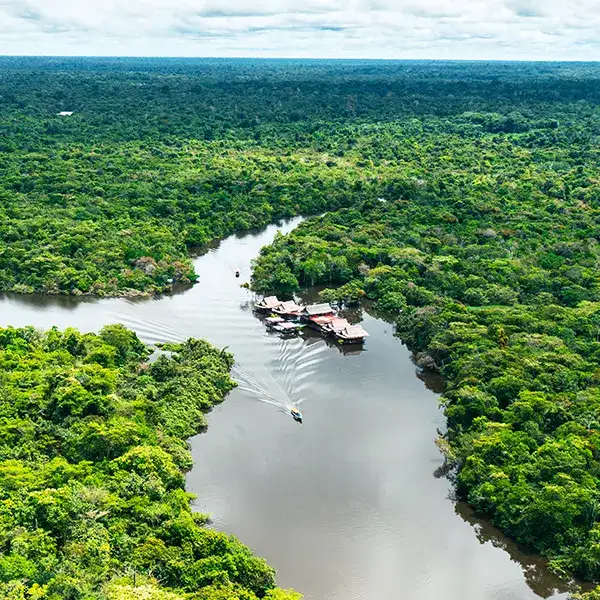
This Tarapoto travel guide covers everything you need to plan a trip to the Amazon in Peru, from the best things to do in Tarapoto and nearby waterfalls to local culture, outdoor adventures, and practical travel tips.
In This Tarapoto Travel Guide, You’ll Find:
- Where is Tarapoto, Peru?
- Why visit Tarapoto?
- How to Get to Tarapoto
- Best Time to Visit Tarapoto
- How Many Days Do You Need in Tarapoto?
- Tarapoto’s High Jungle Setting
- Best Things to Do in Tarapoto
- Outdoor Adventures Around Tarapoto
- Guided Tours or Independent Exploration?
- Where to Stay in Tarapoto?
- How to Plan a Tarapoto Itinerary
- Practical Tips for Visiting Tarapoto
- Frequently Asked Questions About Tarapoto
Where is Tarapoto, Peru?

Tarapoto is located in Peru’s High Jungle, in the transition zone between the Andes and the Amazon Basin. With its altitude of around 350 m, Tarapoto is an ideal destination for travelers looking to escape the hustle and bustle of city life and reconnect with nature.
This transition zone includes cloud forests and other tropical forest ecosystems that support diverse plant and bird species. The surrounding landscape is also characterized by waterfalls and rivers, making the area suitable for hiking, birdwatching, and other outdoor activities.
Why Visit Tarapoto?
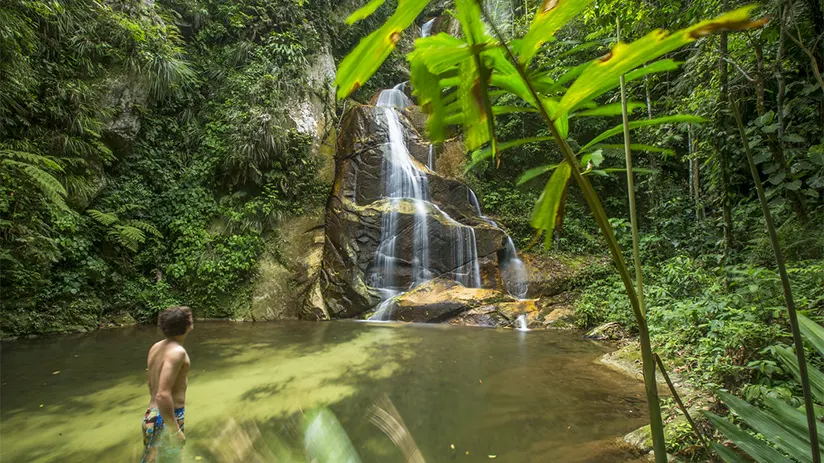
Thanks to its lush vegetation, delicious local cuisine, and stunning natural attractions, Tarapoto is a popular destination in northern Peru for travelers seeking nature, adventure, and relaxation. Travelers visit this tropical city to enjoy its beautiful landscapes, its waterfalls, and explore the region’s diverse activities.
From boat rides on Laguna Azul El Sauce (Blue Lagoon) to visits to the colorful Castle of Lamas, there are plenty of things to do in Tarapoto and the surrounding area. You can continue your journey to other destinations and explore Amazon rainforest tours in Peru. Whether you’re interested in waterfalls, forest landscapes, wildlife, or local culture, the region offers a diverse range of experiences.
How to Get to Tarapoto?
From Lima
The easiest way to get to Tarapoto is by flying from Lima. There are daily flights, and the journey takes approximately one hour. Flights arrive at Cadete Guillermo del Castillo Paredes Airport, the main airport serving the San Martín region. Tarapoto also has air connections with other destinations in Peru, including Trujillo and Iquitos, making it a convenient gateway for exploring the region.
By Boat from Yurimaguas
Tarapoto can also be combined with a river journey from Yurimaguas, a major river port and departure point for boats to Iquitos. Yurimaguas is connected to Tarapoto by road, making it possible to combine a Tarapoto visit with an Amazon River trip toward Iquitos.
By Bus
Traveling to Tarapoto by bus is a convenient option for travelers coming from Lima. Several bus companies operate direct services between Lima and Tarapoto, depending on the company, route, and road conditions. Overland routes from Lima generally pass through destinations such as Chiclayo, Pedro Ruiz, Rioja, and Moyobamba, although the exact route depends on the bus company and current road conditions.
Another option is to travel through Tingo María and continue north toward Tarapoto. This route can be useful if you are already exploring the Huánuco and San Martín regions, although connections and travel times vary. Some companies operate services connecting Tingo María and Tarapoto with other destinations in the region, so it is advisable to check current schedules before traveling.
Getting Around Tarapoto and the Surrounding Region
Mototaxis are the most common way to get around Tarapoto, while taxis and colectivos are convenient options for traveling to nearby destinations such as Lamas and El Sauce. Mototaxis are particularly convenient for short trips within Tarapoto, while colectivos are commonly used to reach nearby towns and attractions.
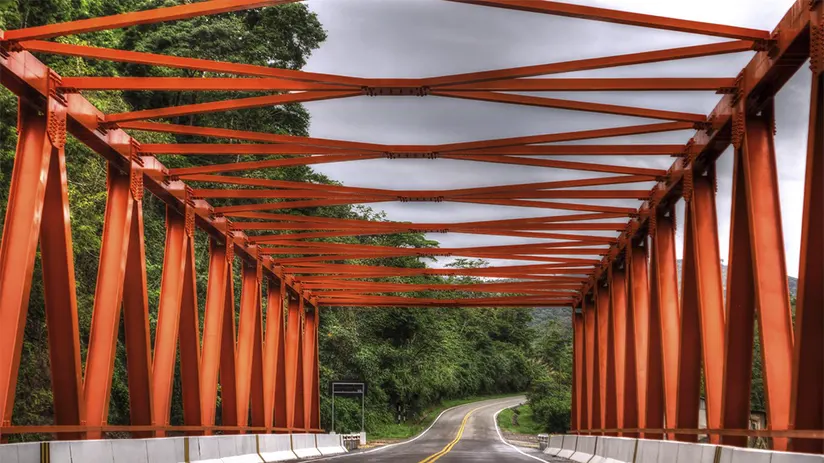
Tarapoto is also connected to other destinations in northern Peru by major highways, including the Northern Jungle Longitudinal Highway and the Northern Interoceanic Highway. These routes provide road connections to cities and towns such as Juanjuí, Bellavista, Aucayacu, Moyobamba, Rioja, Tocache, Tingo María, Olmos, and Piura, as well as other destinations across the region.
Best Time to Visit Tarapoto

The best time to visit Tarapoto and the High Jungle of San Martín is generally from May to October, during the drier season. Rainfall is less frequent during these months, making it a good time for hiking, birdwatching, and other outdoor activities. The rainy season typically runs from November to April.
How Many Days Do You Need in Tarapoto?
Three to five days is a good amount of time to experience Tarapoto’s main waterfalls, natural attractions, wildlife, and nearby towns.
Tarapoto’s High Jungle Setting
Tarapoto is located in Peru’s San Martín region at approximately 356 meters (1,168 feet) above sea level. The city lies in the country’s High Jungle, where the eastern slopes of the Andes transition into the Amazon Basin, creating a landscape of forested hills, rivers, and tropical vegetation. The surrounding cloud forests are home to palm trees and abundant birdlife. Visitors can also explore spectacular waterfalls such as Ahuashiyacu, Huacamaíllo, and Shapaja, surrounded by tropical vegetation and scenic mountain landscapes.
Southwest of Tarapoto, Río Abiseo National Park is a protected area recognized for its exceptional biodiversity and endangered wildlife. The park is also home to important archaeological sites, including the Gran Pajatén archaeological complex, and is recognized as a UNESCO World Heritage Site.
The San Martín Region and Cordillera Escalera
The San Martín region is home to several important conservation areas, including Cordillera Escalera, a protected natural area near Tarapoto known for its lush forests and biodiversity. This protected area offers travelers the opportunity to discover diverse landscapes and rich biodiversity, with a remarkable variety of plant species, particularly orchids. In fact, Cordillera Escalera is home to a significant share of the region’s orchid species.
Its lush forests and abundant flora make it an excellent destination for nature lovers and travelers looking to experience the natural beauty of the Amazon in Peru.
Tarapoto and the Amazon Basin
Tarapoto provides access to the High Jungle landscapes of San Martín and the wider Amazon Basin. Located in the transition zone between the Andes and the Amazonian lowlands, Tarapoto is connected to the basin through an extensive river network. Local rivers such as the Cumbaza and Mayo collect water from rainfall and mist in the surrounding high-jungle mountains before flowing into the Huallaga River, one of the major tributaries of the Amazon River in Peru.
The Huallaga River flows eastward and eventually joins the Marañón River. Further downstream, the Marañón meets the Ucayali River, forming the Amazon River. This river system illustrates Tarapoto’s geographical connection to the Amazon Basin while highlighting its location within Peru’s High Jungle, rather than the lowland Amazon rainforest.
Best Things to Do in Tarapoto

Ahuashiyacu Waterfall
Located about 20 minutes from Tarapoto, Ahuashiyacu Waterfall is one of the most popular natural attractions in the region. The waterfall plunges approximately 40 meters into small natural pools filled with clear, refreshing water, while nearby viewpoints offer scenic views of the surrounding landscape.
Its name, “Laughing Water,” comes from the Quechua language and refers to the sound of the water as it cascades down the rock face. The lush surroundings create a tropical paradise, home to towering trees, ferns, wild orchids, and diverse wildlife, including morpho butterflies, hummingbirds, and small amphibians.
Laguna Azul El Sauce (Blue Lagoon)
Laguna Azul, also known as Laguna Sauce, is one of the most popular attractions near Tarapoto. Located in the district of Sauce, the lagoon is ideal for boat rides, kayaking, paddling, and other water-based activities. Its peaceful setting also makes it a popular destination for families and travelers looking to relax in nature.
Huacamaillo, Pucayaquillo and Carpishuyacu Waterfalls
| Aspect | Huacamaillo Waterfall | Pucayaquillo Waterfall | Carpishuyacu Waterfall |
| Location | San Pedro de Cumbaz, near Tarapoto | San Martín region, near Tarapoto | Near Tarapoto |
| Hike | Approximately 2 hours | Approximately 45 minutes | Trail required to reach the waterfall |
| Surroundings | Tropical trees and the Cumbaza River along the trail | Lush Amazonian vegetation and reforested areas | Tropical vegetation and natural rock formations |
| Waterfall Features | A natural waterfall surrounded by forest | A waterfall located in an area that was formerly used for coca cultivation | Two cascading drops flowing over natural rock steps |
| Swimming | Visitors can swim and relax at the waterfall | Suitable for a refreshing swim beneath the waterfall | Natural pool with deep green water; the deepest section reaches approximately 6 meters |
| Main Appeal | River scenery, tropical vegetation, and swimming | Reforested landscape and Amazonian surroundings | Cascading water, natural rock formations, and a deep natural pool |
| Best For | Travelers looking for a hike combined with a swim | Visitors interested in nature, reforestation, and swimming | Travelers who enjoy natural pools and scenic waterfalls |
| Swimming Considerations | Suitable for relaxing and swimming | Visitors can enjoy a swim beneath the waterfall | Confident swimming skills are recommended before entering the deeper sections |
Lamas
Located about 20 km from Tarapoto, Lamas is known for its Quechua-speaking communities, which have preserved their traditions, customs, and ancestral culture. One of the town’s main attractions is the Castle of Lamas, built in 2005 by Italian-born architect Nicola Felice. The castle features a distinctive blend of Italian-inspired architecture and Peruvian cultural elements, creating a unique landmark in the heart of San Martín’s high Jungle.
Wander Through the City of Tarapoto
Walking around Plaza de Armas is a good way to explore the city center. Some travelers recommend walking around 6:00 pm and trying some typical snacks such as chifles (thinly sliced and fried green plantains) and maní confitado (sugar-coated peanuts). When you visit Plaza de Armas, visit Tarapoto’s Main Church and shop for local handicrafts around the city’s main square.
The modern church features beautiful stained-glass windows and an attractive polished-wood ceiling. Nearby, the Tarapoto Tourist Handicraft Center offers a variety of souvenirs, including carved wood, textiles, and woven crafts. The artisans create and sell these traditional pieces, making it a great place to find authentic local handicrafts in Tarapoto.
Cueva del Diamante (Diamond Cave)
La Cueva del Diamante is a cave in the Alto Mayo valley that may interest travelers interested in geology and caving. This place is ideal for those who are interested in caving and exploring enigmatic places. The cave contains stalactites, stalagmites, and tall natural columns that create distinctive rock formations throughout the cavern. It offers a different type of natural attraction from those found around Tarapoto and provides an opportunity to walk through the cave and observe its geological formations.
Petroglyphs of Polish
Located about 8 km from Tarapoto, the Petroglyphs of Polish are an intriguing archaeological attraction for travelers interested in the history and ancient cultures of the region. The site features numerous animal figures and other symbols carved into stone, offering a glimpse into the beliefs and artistic traditions of the people who once inhabited this area.
The petroglyphs have significant social, cultural, and artistic value, offering insights into the beliefs and worldview of ancient communities. Surrounded by a sense of mystery and local legends, the site has become an increasingly popular attraction for visitors looking to discover the archaeological heritage near Tarapoto.
Local Culture, Gastronomy and Tabacalera del Oriente

Local Culture
Tarapoto’s local culture reflects a blend of traditional Amazonian customs, celebrations, and modern influences. One of the most important cultural events in the region is the San Juan Festival, celebrated every June with traditional music, dancing, local food, and community celebrations. The festival is deeply rooted in the cultural traditions of the Amazonian region and offers visitors an opportunity to experience the local heritage of San Martín.
Gastronomy
Tarapoto’s cuisine reflects the region’s rich Amazonian traditions and local ingredients, with local flavors that are a must-try.
Juane is a traditional dish made with rice, meat, olives, hard-boiled eggs, and spices, although the ingredients can vary by recipe. The mixture is wrapped in bijao leaves and boiled for about an hour and a half. Rice may also be replaced or combined with ingredients such as cassava, chonta, or beans.
Tacacho con Cecina is another traditional dish from Tarapoto, made with smoked pork and mashed green plantains.
Special Drinks: Tarapoto is also known for traditional drinks. One popular traditional drink is 7 Raíces, a blend of aguardiente and local roots. Also, the Uvachado is a famous sweet wine in the city.
Tabacalera del Oriente
Tabacalera del Oriente is a tobacco company in Tarapoto that was founded in 1997. The company offers visitors an opportunity to learn about local tobacco production, with tobacco fields and facilities where handcrafted cigars are made using traditional techniques. It is an interesting stop for travelers interested in discovering Tarapoto’s local products and traditional craftsmanship.
Outdoor Adventures Around Tarapoto

Tarapoto offers a wide range of outdoor activities, including hiking, birdwatching, waterfall excursions, river activities, and wildlife experiences.
Hiking and River Activities
For river activities, the Mayo River is ideal for rafting and canoeing, offering scenic valley views and calmer sections. Tio Yacu River is perfect for swimming, relaxing, and paddling in a lush forest setting, while Talliqui Waterfall offers exciting adventure activities beyond swimming.
Wildlife and Birding
The forests and protected areas around Tarapoto support a remarkable diversity of plants and wildlife. Travelers interested in wildlife can explore the protected forests and animals around Tarapoto, such as amphibians, mammals, and other species across Peru’s different rainforest ecosystems. If you’re specifically interested in macaws, our guide on where to see macaws in the Amazon can help you identify other destinations in Peru where these colorful birds are commonly observed.
Wildlife
Exploring the forests around Tarapoto is also a great way to appreciate Peru’s biodiversity, from colorful birds and amphibians to native plants and mammals.
- Urku Center: Located close to the Ahuashiyacu waterfalls, this center is a good place to learn about the region’s wildlife that inhabits Tarapoto. The center cares for and rehabilitates animals to return them to their natural habitats whenever possible.
- Alto Mayo Protection Forest: This is a conservation area with great biodiversity, including cloud forest and rainforests, and is home to the Andean bear. It is an important destination for travelers interested in cloud forests, wildlife, and conservation.
- Reserva Alto Shilcayo: A protected area of lush jungle located just minutes from the city center and managed by a local conservation group. The area features hiking trails along the river and waterfalls, where visitors may encounter toucans, colorful frogs, and native Amazonian flora.
- Pumarinri Amazon Lodge: Situated near the confluence of the Mayo and Huallaga rivers, this lodge serves as a base for exploring the surrounding rainforest. It offers day hikes and boat tours focused on poison dart frogs, river wildlife, and nocturnal owls.
Birwatching
- AKONABIKH Reserva Koepcke’s Hermit: This site is a specialized destination for birdwatching in the region. It features forest canopy observation towers, hummingbird feeders that attract dozens of species, including Koepcke’s Hermit, and marked trails for visitors to explore the surrounding forest.
- Bosque Guardian Lodge: Located along the same route, the site protects areas of primary and secondary forest. It provides opportunities to observe understory species and nocturnal birds in a setting that promotes responsible tourism.
- Sector El Túnel (Cordillera Escalera): The area around the tunnel at the highest point of the road is a good location for observing colorful tanagers, toucanets, and raptors taking advantage of the mountain updrafts.
- Ahuashiyacu Waterfalls: Although the waterfall is a popular tourist attraction, the surrounding area can also provide opportunities to observe the iconic Andean Cock-of-the-Rock, particularly during the quieter hours of the morning.
Guided Tours or Independent Exploration?
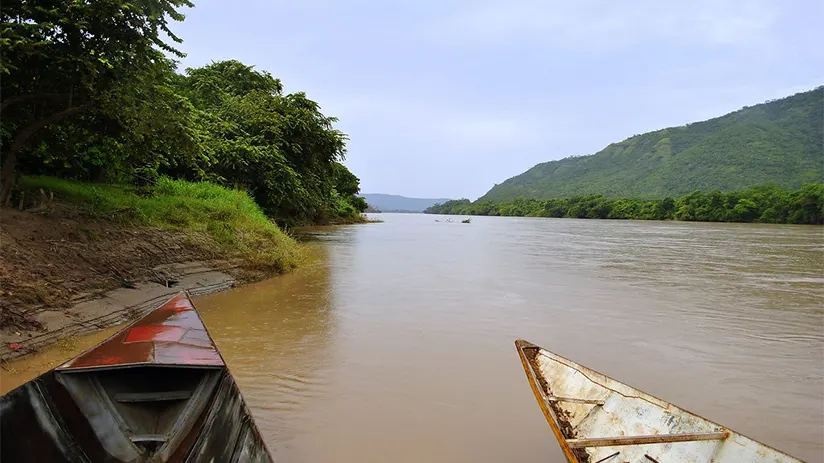
Choosing between a guided tour and independent exploration depends on your experience, budget, interests, and comfort with local transportation.
| Aspect | Guided Tours | Independent Exploration |
| Cost | Higher cost, depending on the tour and services included. | Generally lower, with expenses mainly for entrance fees and local transportation. |
| Flexibility | Fixed itineraries with less flexibility to spend extra time at a particular location. | Greater freedom to set your own schedule and pace. |
| Bird Identification | Local guides can identify birds by sight and sound, including less conspicuous species. | Some quiet or difficult-to-spot species may be harder to identify without a guide. |
| Equipment | Some tours provide spotting scopes for viewing birds in the forest canopy. | Travelers generally need to bring their own birdwatching equipment. |
| Transportation | Some tours include private transportation to specific birdwatching locations. | Travelers are responsible for arranging transportation, particularly to remote areas. |
| Access | Depending on the tour, guides may arrange access to private reserves or local communities. | Access may be limited to sites that allow independent visitors. |
| Language | Guides can assist with communication and registration at reserves. | Basic Spanish may be useful when communicating with local staff. |
| Best For | Finding specific endemic species, observing nocturnal birds, and recording a wider range of species in a short visit. | Travelers who prefer flexibility, lower costs, and a self-guided experience at accessible sites such as ACONABIKH or Centro Urku. |
| Recommended For | Birdwatchers seeking local knowledge and specialized assistance. | Independent travelers comfortable planning their own transportation and activities. |
Guided or Independent Access by Attraction
Laguna Azul El Sauce Access: You can visit Laguna Azul independently or join an organized tour with transportation and activities included.
Huacamaillo Waterfall Access: A local guide is recommended for the hike, particularly because parts of the route involve river crossings.
Ahuashiyacu Waterfall Access: The waterfall is relatively accessible from Tarapoto and can be visited independently or as part of an organized excursion
Lamas Access: Can be visited independently using local transportation or as part of an organized tour.
Birdwatching sites: A guide can be particularly useful for visitors looking for specific species.
Where To Stay in Tarapoto?
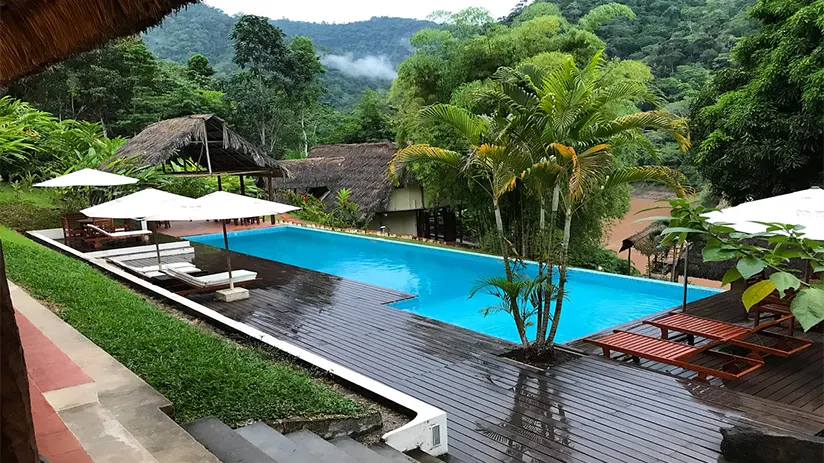
For travelers who prefer a more immersive experience in nature, staying outside the city can provide easier access to forests, rivers, and wildlife. You can also explore options for Amazon lodges in Peru if you’re planning to extend your trip into the Amazon lowlands. The main areas to consider when staying in Tarapoto are the Tarapoto city center, Morales, and the Laguna Azul (El Sauce) area.
The city center is ideal for visitors interested in having everything you need within easy reach; here, there is the Plaza de Armas, travel agencies, restaurants, banks, minimarkets, and gift shops. The city center is also a convenient base for visiting Ahuashiyacu and Huacamaillo waterfalls. Accommodation ranges from budget-friendly properties to comfortable three-star hotels.
Morales District is a convenient option for travelers who want to stay close to Cadete FAP Guillermo del Castillo Paredes Airport. The area offers a range of hotels and lodges with modern amenities and facilities.
Laguna Azul (El Sauce) is a suitable option for travelers looking to spend time in a natural setting and enjoy a quieter stay. Located approximately two hours from Tarapoto, the area can be reached by road. Some accommodations around the lagoon require a short boat transfer after reaching Sauce by road.
How to Plan a Tarapoto Itinerary

Three to five days is ideal to visit Peru’s high jungle and see several of Tarapoto’s main attractions. If you have less time, the following 3-day itinerary covers some of the highlights of Tarapoto and its surroundings. Below, you’ll also find a longer itinerary combining nature, wildlife, and outdoor activities.
A Short Tarapoto Itinerary
Day 1: Arrival in the City
Use the afternoon to visit Mirador de la Cruz de Chota, which offers views over Tarapoto and the surrounding area. You can then walk around the Plaza de Armas and try some regional dishes at a local market or restaurant, such as juane or cecina with tacacho. This first day allows time to settle in and get familiar with the city.
Day 2: Ahuashiyacu Waterfall and Lamas
Spend the morning visiting Ahuashiyacu Waterfall, one of the main natural attractions near Tarapoto. On the way back, stop in the town of Lamas to visit the Castle of Lamas, the Wayku neighborhood, and local craft stalls featuring products from the area. The route can be done independently using local transportation, including combis, or as part of an organized tour.
Day 3: Laguna Azul El Sauce
Dedicate the third day to Laguna Azul (Laguna Sauce) in the district of Sauce. The area offers opportunities to enjoy the lagoon and its surrounding natural landscapes. If your return flight is scheduled for the evening, this day can fit into the itinerary. For earlier flights, consider visiting Laguna Azul on the second day and leaving the Ahuashiyacu and Lamas excursion for another day.
A Longer Nature Itinerary
If you’re planning a longer trip through the region, combining Tarapoto with other destinations can be a great way to explore more of Peru’s high jungle. See our Peru Amazon itinerary for ideas on how to organize a longer journey.
Day 1: Arrival and visit Lamas. Transfer from Guillermo del Castillo Paredes Airport to your hotel in Tarapoto. In the afternoon, visit the Castle of Lamas and learn about the town’s local culture and traditions.
Day 2: Alto Mayo Tour. Spend the day visiting attractions in the Alto Mayo Valley, known for its forests, biodiversity, and scenic landscapes.
Day 3: Salto de la Bruja Waterfalls. Visit the Salto de la Bruja Waterfalls and spend the day surrounded by tropical vegetation and natural landscapes.
Day 4: Laguna Azul El Sauce Tour: Travel to Laguna Azul El Sauce to enjoy the lagoon and its surrounding landscapes. Depending on the activities available, you can take a boat ride or spend time by the water.
Day 5: Return to Tarapoto. Travel from Laguna Azul El Sauce back to Tarapoto. Use the rest of the day to relax or walk around the city center.
Day 6: Ahuashiyacu Waterfall. Visit Ahuashiyacu Waterfall, located near Tarapoto. Spend time at the waterfall and in the surrounding forest before returning to the city.
Day 7: Departure. Depending on your flight schedule, use the morning for a short walk around Tarapoto, a local meal, or another nearby activity. Later, transfer from your hotel to Guillermo del Castillo Paredes Airport for your return flight.
Practical Tips for Visiting Tarapoto

Planning a trip to Tarapoto requires a few practical considerations, particularly regarding weather, clothing, transportation, and outdoor activities.
- For sunnier and drier weather, consider visiting Tarapoto between May and October. Temperatures generally range from 22°C to 30°C (72°F–86°F), while the rainy season typically runs from November to April. Because of the warm, humid climate, it is important to stay well hydrated.
- When visiting attractions around Tarapoto, pack breathable clothing for the humid climate, along with insect repellent, sunscreen, a hat, comfortable hiking shoes, and your passport.
- As a visitor, it is important to respect the culture, traditions, and ways of life. Remember to ask before taking photographs or entering sacred spaces.
- Tarapoto is home to nature conservation areas. It is essential to help preserve historical and natural sites. Respect the rules when you are visiting Cordillera Escalera and other nature conservation centers.
- Respecting protected areas and local communities is an important part of responsible travel. Learn more about ecotourism in Peru and how travelers can help support conservation and local communities
- When you are eating in Tarapoto, choose reputable restaurants that follow good hygiene practices.
- Encounters with wildlife can be thrilling. Remember to maintain distance; don’t feed or touch wild animals without professional guidance.
- Stay aware of your surroundings when getting around Tarapoto. Traffic can be busy, particularly in the city center, so use designated crosswalks and remain attentive when crossing the road.
- Mosquitoes are common in Tarapoto and the surrounding forest areas, so lightweight long-sleeved clothing and insect repellent are recommended.
Frequently Asked Questions About Tarapoto
Is Tarapoto Worth Visiting?
Yes. Tarapoto is an excellent destination for travelers interested in wildlife, outdoor activities, local culture, and relaxing in nature.
What is Tarapoto Best Known For?
Tarapoto is best known as the “City of Palms”. The name is associated with the Taraputus palm, or Iriartea deltoidea, which once grew abundantly around Laguna Suchiche, an area linked to the city’s early settlement. The nickname also reflects Tarapoto’s setting in the High Jungle of Peru’s San Martín region, where tropical vegetation and palm trees are an important part of the landscape.
Is Tarapoto Part of the Amazon Rainforest?
Yes. Tarapoto is part of the Amazon Basin and is located in Peru’s High Jungle, where the Andes meet the Amazon.
Is Tarapoto Safe for Travelers?
Tarapoto is generally considered a safe destination for travelers, but visitors should take normal precautions, such as keeping valuables secure and remaining aware of their surroundings.
Can you visit Tarapoto Without a Guide?
Yes. Many attractions around Tarapoto can be visited independently, but some activities are easier and safer with a local guide. Guided tours are particularly useful for birdwatching, wildlife observation, hiking in less familiar areas, and visits to remote attractions.
What is The Best Time to Visit Tarapoto?
The best time to visit Tarapoto is from May to October during the dry season.
How Many Days Should You Spend In Tarapoto?
Three to five days is ideal for experiencing Tarapoto’s waterfalls, forests, wildlife, local culture, and nearby attractions without rushing.
What Should You Pack For Tarapoto?
To visit Tarapoto, consider packing the essentials:
- Passport
- Lightweight, long-sleeved shirts and trousers
- Strong insect repellent
- Sunscreen, hat, and sunglasses
- Comfortable walking shoes and cotton clothing
- A basic first-aid kit.
Conclusion
Located in Peru’s High Jungle, Tarapoto provides a convenient base for discovering the Amazonian landscapes and natural attractions of the San Martín region. Surrounded by lush forests, waterfalls, rivers, and diverse wildlife, the region offers a wide range of outdoor and cultural experiences. Its warm climate and access to nearby nature reserves make it a convenient destination for travelers looking to experience Peru’s diverse landscapes and local traditions.
Tarapoto has so much to offer; it can be hard to know where to start. With years of experience in tourism, Machu Travel Peru is happy to help with your trip to Peru. We also offer tours in the area. Let us help you make your experience unforgettable! Contact us today to plan your dream adventure!