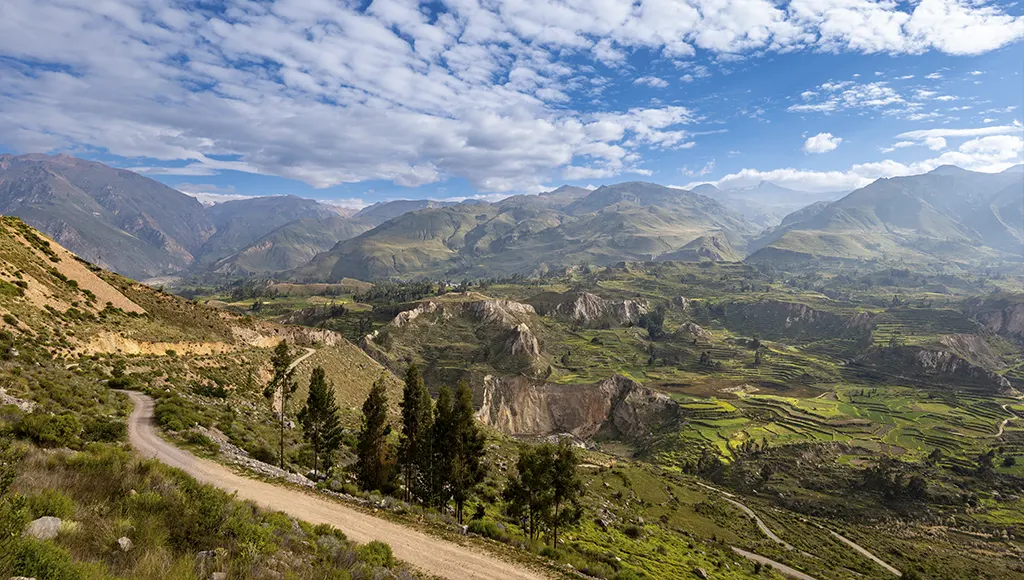
Traveling from Arequipa to Puno via Colca Canyon is a scenic way to combine transportation with one of southern Peru’s most impressive natural attractions. Instead of returning to Arequipa after visiting the Colca Valley, travelers can choose an onward connection to Puno, depending on the service and itinerary.
The journey is commonly arranged as a two-day, one-night itinerary. Depending on the operator and schedule, one-day options may also be available, although these involve a long day of travel and sightseeing. Along the way, you can visit viewpoints, see Andean wildlife, and experience the landscapes of the Colca region before continuing to Puno. This guide explains the main routes, travel times, transportation options, altitude changes, and key considerations to help you plan your journey.
Here’s what you’ll find in this guide:
- Arequipa to Puno at a Glance
- The Direct Route: Arequipa to Puno Without Colca
- Arequipa to Puno via Colca Canyon: Route & Itinerary
- Backtracking from Colca to Arequipa: What to Consider
- Altitude Along This Route
- Arequipa to Puno Transportation: Bus, Private Transfer, or Tour?
- Arequipa to Puno: Which Route Should You Choose?
- Frequently Asked Questions
- Conclusion
Arequipa to Puno at a Glance
| Aspect | Direct Route | Via Colca Canyon |
| Approx. distance | Around 270 km | Around 420-460 km |
| Typical journey | 5-7 hours | 2 days / 1 night |
| Driving time | Around 5-7 hours | Varies by itinerary and stops |
| Main advantage | Faster transfer | Combines transportation with Colca sightseeing |
- Exact distance, duration, and stops vary by operator.
The Direct Route: Arequipa to Puno Without Colca

The direct route is the simplest option for travelers who want to get from Arequipa to Puno without visiting Colca Canyon. Covering about 270 km, the route follows the main highways connecting Arequipa to the southern highlands before reaching Puno. The journey generally takes around 5 to 7 hours, depending on the service and road conditions.
This option is ideal for travelers who prioritize speed, have limited time, or want to keep transportation costs lower. Along the way, travelers can admire a unique Andean landscape featuring wetlands, grasslands, distant volcanoes, and local villages. Upon arrival in Puno, any extra time can be spent visiting attractions such as the Lake Titicaca islands.
Arequipa to Puno via Colca Canyon: Route & Itinerary

This option is commonly organized as a two-day itinerary, although the exact route, transportation, and stops vary depending on the operator. Highlights include Andean wildlife, scenic viewpoints, and the chance to see Colca Canyon condors. Below is a brief itinerary for both days, concluding in Puno.
Day 1: From Arequipa to Chivay
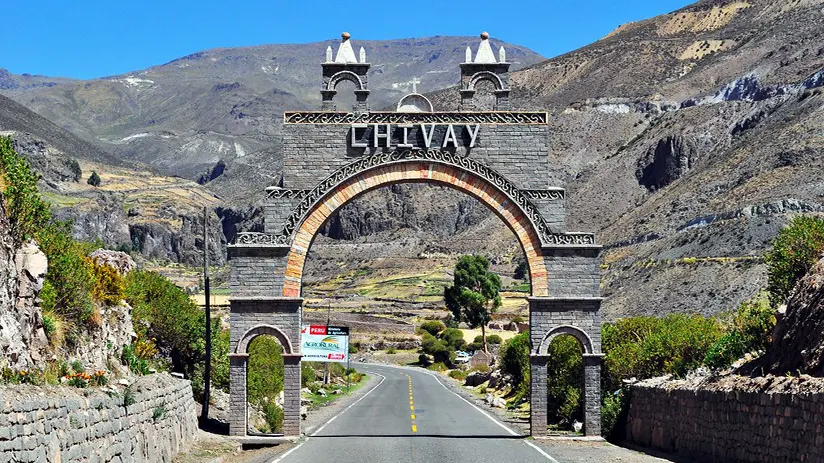
To reach Colca Canyon from Arequipa, travelers typically leave the city early in the morning and head to the Salinas and Aguada Blanca National Reserve. Here, travelers may spot vicuñas and other Andean camelids in their natural habitat, although sightings are not guaranteed. Around midday, the tour visits the Patapampa Viewpoint (Mirador de los Volcanes) before continuing to the town of Chivay. After arriving in Chivay, you’ll check into your accommodation and rest before the next day’s journey to Puno.
Day 2: From Colca Canyon to Puno

After breakfast, travelers typically head to Cruz del Cóndor, a viewpoint overlooking the canyon, where they may see Andean condors in flight. Depending on the operator and itinerary, the Colca Canyon tour may also include stops in nearby traditional villages. After lunch, continue toward Puno, with arrival later in the day.
Backtracking from Colca to Arequipa: What to Consider

If Puno is your next destination, a Colca-to-Puno connection can help you avoid returning to Arequipa after visiting the canyon. Availability depends on the operator and travel date.
Altitude Along This Route

Arequipa is at a lower elevation than Puno, so travelers should be prepared for a significant change in altitude. The route via Colca also reaches much higher elevations, including Patapampa at approximately 4,910 meters (16,109 feet) above sea level, before descending toward Chivay and continuing to Puno. The altitude varies along each route, so the figures below distinguish the starting point, destination, and highest point reached along the way.
| Altitude | Direct Route | Route via Colca Canyon |
| Starting point: Arequipa | ~2,335 m | ~2,335 m |
| Highest point along the route | ~4,500 m | Patapampa: ~4,910 m |
| Destination altitude: Puno | ~3,830 m | ~3,830 m |
Arequipa to Puno Transportation: Bus, Private Transfer, or Tour?

The most common way to travel from Arequipa to Puno is by road. Flying is possible via Inca Manco Cápac International Airport in Juliaca, but it requires additional logistics, and there are no direct flights from Arequipa, so most travelers choose between a direct bus, a private transfer, or an organized tour via Colca Canyon.
| Category | Bus | Private Transfer | Organized Tour |
| Experience | Shared transport with a fixed schedule and limited stops. | Private vehicle with more flexibility and direct hotel pickup. | Guided journey with planned stops, sightseeing, and transport included. |
| Price | Usually the most budget-friendly option. | Generally more expensive, especially for solo travelers. | Mid-range, with transport and some activities often bundled together. |
| Key Advantage | Low cost and simple point-to-point travel. | Flexibility, comfort, and control over stops and timing. | Convenient way to combine transportation with a Colca Canyon visit. |
| Best For | Budget travelers and independent travelers. | Families, groups, or travelers who value privacy and flexibility. | First-time visitors who want a structured itinerary and guided sightseeing. |
| Route Option | Direct route | Direct or via Colca Canyon | Usually via Colca Canyon |
Arequipa to Puno: Which Route Should You Choose?
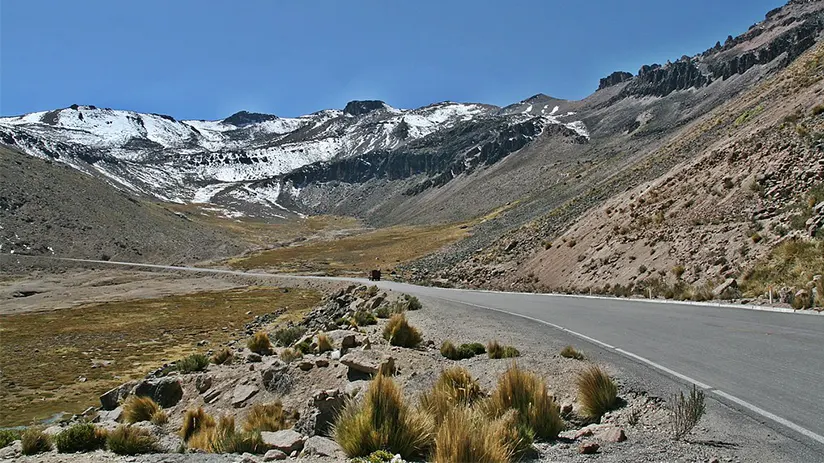
For travelers still undecided between the two routes, the best approach is to evaluate the options based on specific decision criteria. The right route depends on how much time you have, your budget, and whether you want to include Colca Canyon in your itinerary. Ideally, this assessment should take place during the planning and itinerary-building stage, even while considering the best things to do in Puno and Arequipa. Here are some key considerations to keep in mind:
| If you prioritize… | Consider… | Why |
| More time for sightseeing | Via Colca Canyon | Combines transportation with a Colca visit |
| A faster transfer | Direct route | Gets you to Puno sooner |
| Visiting Colca Canyon | Via Colca Canyon | Makes the canyon part of your route |
| Fewer additional trip costs | Direct route | Usually avoids the additional accommodation and sightseeing costs associated with a two-day Colca itinerary |
| Scenic landscapes | Via Colca Canyon | Includes viewpoints and Andean scenery |
| Simpler logistics | Direct route | Requires fewer arrangements |
Frequently Asked Questions
Can you go from Arequipa to Puno in one day via Colca?
A one-day itinerary may be available depending on the operator, but it is a long day of travel and sightseeing. Some services depart Arequipa very early, visit places such as Chivay and Cruz del Cóndor, and continue toward Puno later in the day. Availability, stops, and arrival times vary, so confirm the complete itinerary before booking.
Do you need to book the Colca route as a round trip from Arequipa?
No. A one-way journey from Arequipa to Puno via Colca Canyon may be available, allowing you to visit the canyon and continue to Puno without returning to Arequipa. Availability depends on the operator and travel date.
How high is the highest point on this route?
Patapampa, also known as the Mirador de los Volcanes, reaches approximately 4,910 meters (16,109 feet) above sea level and is one of the highest points commonly reached on the Colca route.
Can you skip Chivay and go straight to Cruz del Cóndor?
It depends on the service you book. Many shared Colca tours include Chivay as a meal or rest stop, while private transportation may offer more flexibility. Confirm the itinerary with the operator before booking.
Is Puno higher than Arequipa?
Yes. Arequipa is at approximately 2,335 meters (7,661 feet) above sea level, while Puno is around 3,830 meters (12,565 feet). This means travelers gain considerable altitude when traveling to Puno, while the Colca route also reaches a much higher point at Patapampa.
How much luggage can you bring on the Colca-to-Puno route?
Luggage allowances vary by operator and vehicle. Check the baggage policy when booking, especially if you are traveling with large suitcases or trekking equipment.
Is the direct Arequipa to Puno bus faster than going via Colca?
A direct Arequipa-to-Puno bus generally takes around 5-7 hours, while traveling via Colca takes longer because it includes sightseeing and additional stops. The direct route is therefore more time-efficient if your priority is simply reaching Puno.
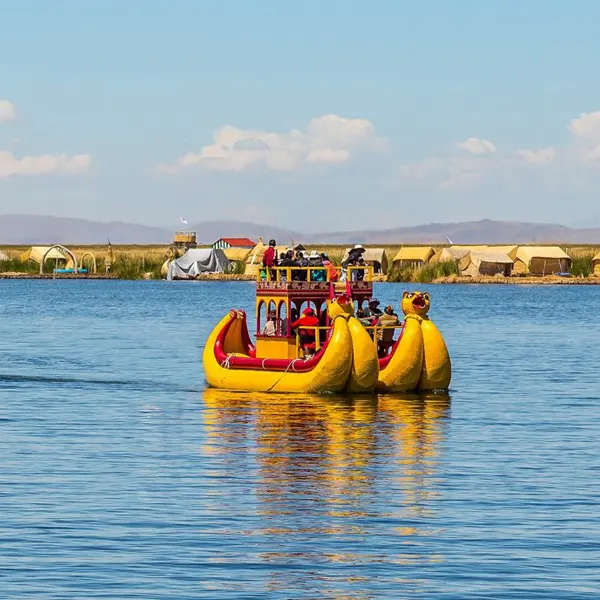
The Colca option, however, lets travelers combine transportation with sightseeing, including learning interesting facts about the Colca Canyon. Once in Puno, travelers can extend their itinerary with visits to attractions such as the Uros Islands or the Sillustani Tombs, depending on their schedule.
Conclusion
Traveling from Arequipa to Puno via Colca Canyon allows you to combine transportation with sightseeing in one of southern Peru’s most scenic regions. Along the way, you can visit viewpoints, see Andean landscapes and wildlife, and experience the Colca Valley before continuing to Puno.
The best route depends mainly on your available time, budget, interest in visiting Colca Canyon, and comfort with the elevation changes along the way. The direct Arequipa-to-Puno route is more suitable when reaching Puno quickly is the priority, while the Colca option works well for travelers who want to make the canyon part of their itinerary and avoid returning to Arequipa afterward.
Once you arrive in Puno, you can continue exploring the region around Lake Titicaca, including its islands, archaeological sites, and traditional communities. Knowing where Lake Titicaca is located also helps put the journey into perspective: Puno sits on the lake’s western shore at a high elevation, making it a natural next stop for travelers exploring southern Peru.
Ready to turn your journey into part of an unforgettable Peru adventure? Machu Travel Peru can help you plan your route, transportation, and experiences according to your schedule. Contact us to start planning your journey through southern Peru.