Cajamarca is a historic city in northern Peru known for its Inca heritage, colonial architecture, traditional festivals, and Andean landscapes. From the Plaza de Armas and the Cuarto de Rescate, there is a lot to explore. You can also visit Cumbemayo and Ventanillas de Otuzco.
This Cajamarca travel guide covers top things to do and places to visit nearby. It also shares the best time to go, how to get there, and where to stay. You will also find practical tips to help plan your trip.
You can find the sections below to discover all the information about Cajamarca and its surroundings.
- Where is Cajamarca, Peru?
- What is Cajamarca Known for?
- Why visit Cajamarca?
- The History of Cajamarca
- Best Things to Do in Cajamarca
- Best Places to Visit Near Cajamarca
- Cajamarca’s Culture, Traditions and Local Gastronomy
- Best Time to Visit Cajamarca
- How Many Days Do You Need in Cajamarca?
- How to Get to Cajamarca
- How to Plan a Cajamarca Itinerary
- Where to Stay in Cajamarca
- Practical Tips for Visiting Cajamarca
- Frequently Asked Questions About Cajamarca
- Conclusion
Where is Cajamarca, Peru?
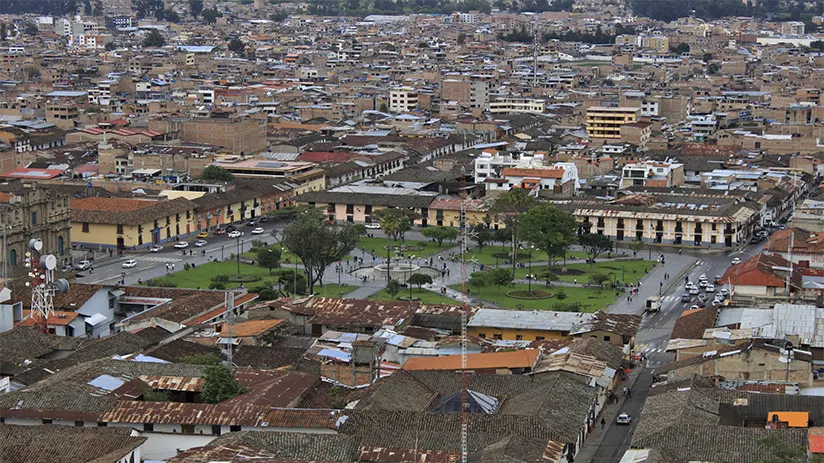
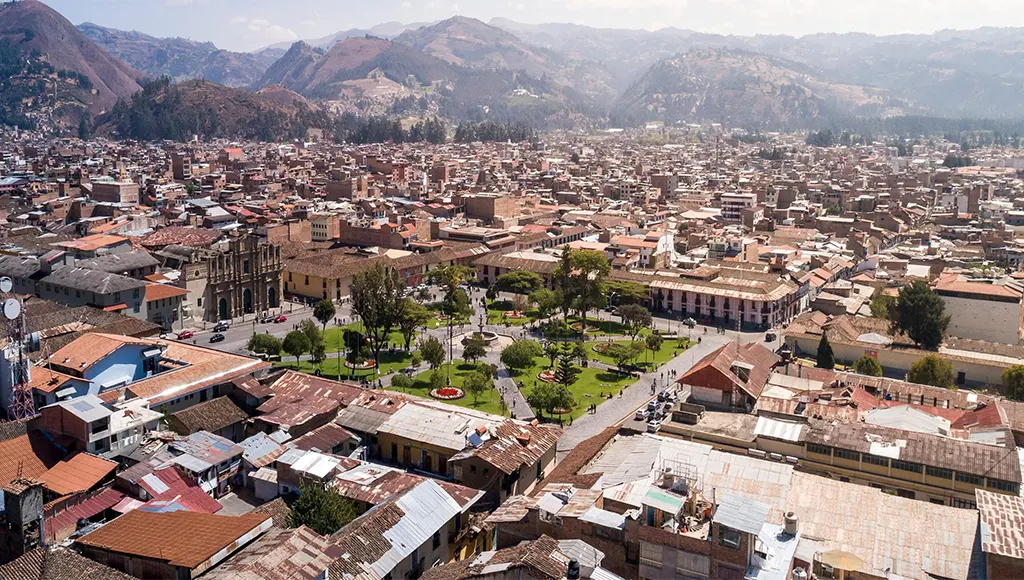
Cajamarca lies in a valley surrounded by the Andes and crossed by three rivers: the Mashcon, San Lucas, and Chonta.
What is Cajamarca Known for?

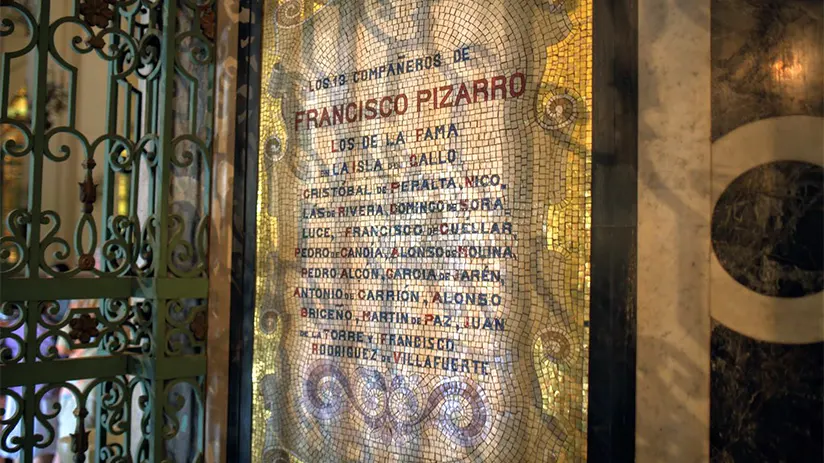
Cajamarca is best known for its role in the Spanish conquest of the Inca Empire. In 1532, Spanish forces led by Francisco Pizarro captured Atahualpa, the Inca ruler captured during the Spanish conquest of Cajamarca. This happened in the city’s Plaza de Armas. Today, it is also known for its colonial architecture, traditional festivals, thermal baths, and rich Andean culture.
Why Visit Cajamarca?

Cajamarca combines a historic city center with archaeological sites, traditional festivals, local cuisine, and scenic Andean landscapes. You can discover colonial landmarks, archaeological sites, traditional farms, and natural attractions. These places reflect the city’s history and way of life.
The History of Cajamarca
Cajamarca and the Inca Empire
Cajamarca has played a key role in northern Peru’s history. Its story spans pre-Columbian times, the Inca Empire, and the Spanish conquest.
Before it became part of the Inca Empire, the region was home to the Cajamarca culture. The culture developed distinct traditions in farming, pottery, and architecture. During the Inca period, Cajamarca became an important administrative center in Chinchaysuyo, one of the four regions of Tahuantinsuyo. The Incas reorganized the ancient llaqta according to Cusco’s urban planning principles, strengthening its role as a regional center.
Spanish Conquest
In 1532, Francisco Pizarro and his forces captured Atahualpa, the Inca ruler, in Cajamarca. This event was a major turning point in the Spanish conquest of Peru. It later helped lead to the fall of the Inca Empire.
Colonial Period
During the colonial period, Cajamarca developed as an important economic and administrative center. Agriculture and mining played a major role in the local economy. Spanish influence shaped the city’s architecture and urban landscape.
Today, the city’s historic center shows this cultural heritage through its colonial buildings. These buildings use adobe and volcanic stone. They blend Andean traditions with Spanish architectural influences.
Independence and Republican Period
Cajamarca declared its independence in 1821. It stayed under Trujillo’s administrative control until 1854. During the Republican period, Cajamarca experienced significant economic and social changes, particularly with the modernization of agriculture and mining.
Today, Cajamarca’s archaeological sites, historic buildings, and Inca heritage show the region’s rich past. They also highlight its key role in Peru’s history.
The Encounter Between Atahualpa and the Spanish
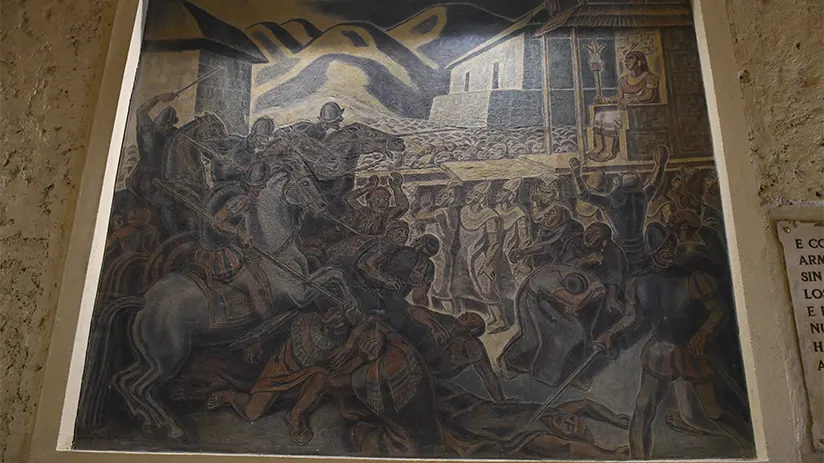
Atahualpa arrived at the Plaza de Armas in Cajamarca accompanied by thousands of warriors. Many of his men were unarmed.
As Atahualpa entered the plaza, the Dominican friar Vicente de Valverde approached him with an interpreter. According to Spanish accounts, Valverde gave Atahualpa a religious book, often said to be a Bible. He urged him to accept Christianity and to recognize the authority of the King of Spain.
Atahualpa reportedly examined the book but did not understand its purpose. After he threw it to the ground, Spanish troops hidden around the plaza launched a sudden attack.
Caught by surprise and largely unarmed, many of Atahualpa’s warriors were unable to defend themselves. Amid the chaos, Francisco Pizarro and his men reached Atahualpa, captured him, and took him prisoner.
Cajamarca’s Colonial Heritage
Cajamarca’s historic center features colonial churches with carved stonework, adobe construction, ornate facades, and religious buildings dating from the colonial period. Cajamarca’s churches and colonial casonas show the city’s history and architectural heritage. This makes Cajamarca an important destination for exploring its colonial architecture as part of the colonial towns in Peru.
- Churches and Monasteries: Several colonial churches and religious complexes feature traditional volcanic-stone construction and ornate architectural details.
- Church of San Francisco de Asís: This historic church is dedicated to Saint Francis of Assisi. Part of a complex with the Museum of Religious Art, it includes a former convent. It also includes the Sanctuary of Our Lady of Sorrows. Our Lady of Sorrows is the patron saint of Cajamarca.
- La Recoleta Complex: Built in the late 1600s, this historic complex includes a church. It has a distinctive Plateresque and Neoclassical altarpiece and elegant bell towers.
- Casona de la Inquisición: Notable for its historical significance and well-preserved architecture.
- Casona del Combate Dos de Mayo: A striking example of colonial residential architecture, showcasing ornate balconies and detailed stonework.
Best Things to Do in Cajamarca
Plaza de Armas and Cajamarca Cathedral
At the heart of the city, Cajamarca’s Plaza de Armas is surrounded by historic colonial buildings. It is an ideal place to admire the city’s architecture. One of its most prominent landmarks is Cajamarca Cathedral, also called the Church of Saint Catherine. It is known for carved stone columns, niches, and ornate cornices.
Cuarto de Rescate
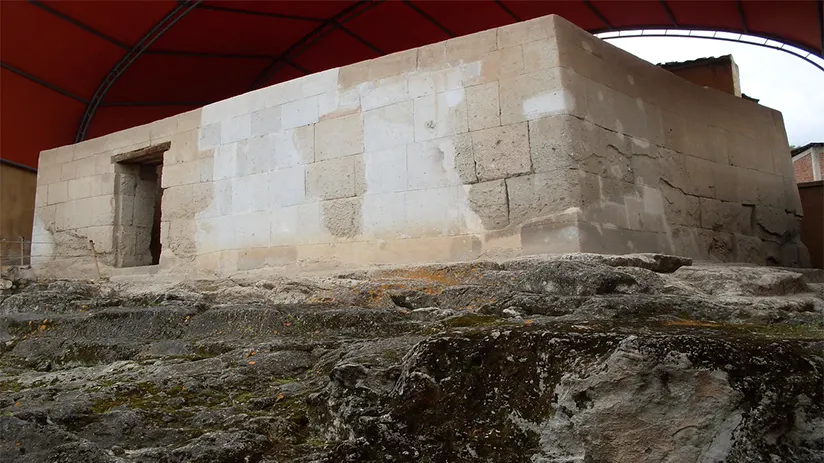
The Cuarto de Rescate, or Ransom Room, is a key historic landmark in Cajamarca. According to historical accounts, captors held Atahualpa here after they captured him in 1532. He offered a large ransom of gold and silver for his freedom. Today, the site offers a clear link to the Inca Empire’s final years and the events that shaped Peru’s history.
Belén Monumental Complex
This historic complex was built by the Betlemite Order. It includes the Church of Belén, the former men’s hospital, and the former women’s hospital. These buildings now house medical museums. The church is known for its baroque architecture and intricately carved stone facade.
Explore Cajamarca’s Historic Center
Exploring Cajamarca’s historic center offers a closer look at the city’s history and architecture. You will also see colonial buildings of great value in Peru.
- Alameda de los Incas: It is about 15 minutes from Cajamarca’s city center. Alameda de los Incas is part of the Qhapaq Ñan, the Inca road network that connected the Tahuantinsuyo. The site has 14 statues of Inca rulers who led the empire, showing Inca history and legacy.
- Historic Colonial Houses: When you walk around the city center, you will appreciate the beautiful colonial houses. They were built with carved stone and Baroque details. Their style reflects Spanish influence.
- Coliseo Qhapac Ñan: It is in the Qhapac Ñan complex, in front of Cajamarca’s university. It has the latest technology in its LED screen and sound system. The design of this Coliseo allows it to host sports, entertainment, and cultural events.
- Jirón Belén: Jr. Belén, Block 6, forms part of the Belén Monumental Complex and Plazuela Belén. This wide street has cobblestones and offers a pleasant place to discover Cajamarca’s historic architecture and colonial heritage.
- Centro Cultural Miguel Espinach: This site opened on January 9, 2020. Its main goal is to promote access to culture. It offers spaces for many types of expression, including a puppet museum, an exhibition hall, and other facilities.
- Puppet Museum: The museum preserves and displays a unique collection of traditional puppets. Three generations of Cajamarca puppeteers created them: Santos Taica Bacon, Manuel Nicanor Taica Llalli, and José Rafael Taica Sánchez. It is a key part of Cajamarca’s cultural heritage. It gives insight into the region’s history, traditional arts, and education. The collection also highlights how puppetry was once used for education and entertainment, preserving this legacy for future generations.
Best Places to Visit Near Cajamarca

Cumbemayo
This archaeological complex is one of Peru’s most iconic sites as part of the archaeological sites of Peru. Located about 12 miles (20 km) from Cajamarca, it is famous for its Stone Forest, home to “The Sanctuary,” a dramatic cliffside formation resembling a praying friar. The site also features ancient petroglyphs and a pre-Inca aqueduct, an extraordinary piece of hydraulic engineering dating back to around 1000 BC.
Baños del Inca
This local complex is situated around 20 minutes from the city center. The site was known as Ninan Yacuc in Quechua; the name refers to a “spring of fiery water”. The hot springs are known for their mineral-rich waters and are a popular place to relax.
Hacienda La Collpa
Hacienda La Collpa was established around 1900 and has been dedicated to cattle farming since the early 20th century. One of its best-known traditions is the “Call of the Cows”, during which the cattle gather at their designated area for milking.
Ventanillas de Otuzco
Located about 8km northeast of Cajamarca, Ventanillas de Otuzco features hundreds of funerary niches carved into a volcanic rock cliff that reach depths of approximately 8–10 meters in some areas. The site served as a cemetery where the dead were placed in rock-cut niches as part of ancient funerary practices. Today, this remarkable ancient ruin in Peru offers valuable insight into the region’s pre-Inca history and burial traditions.
Other Andean Landscapes Near Cajamarca
- Santa Apolonia Viewpoint: Located at the highest point above Cajamarca, this place offers panoramic views of the Cajamarca valley. It also presents features including the “Throne of the Inca” or Silla del Inca, a finely carved stone seat.
- Porcón Farm: A rural agricultural cooperative that offers an opportunity for agritourism.
- Tres Molinos Farm raises cattle and Peruvian paso horses. Located near Ventanillas de Otuzco, this farm also produces high-quality dairy products and features a hydrangea garden.
- Kunturwasi Ceremonial Center: The ceremonial center features enormous terraces with stone stairways. The site was used for ancient ceremonial activities.
- Celendín: Celendín is famous for its artisans, particularly those who specialize in making straw hats. It is known as the land of hats and chocolate.
- Llancanora: Located 13 km southwest of Cajamarca, this Andean village features ancient cave paintings and hikes to beautiful waterfalls.
Cajamarca’s Culture, Traditions and Local Gastronomy
Traditions & Festivities
- The Carnival in February: Cajamarca’s Carnival is one of the most popular celebrations among Peru’s national festivities, attracting both local people and tourists. The festivities include playful water fights and throwing baby powder, creating a lively and humorous atmosphere.
- Holy Week: During Holy Week, communities such as Contumazá, Cajabamba, and Hualgayoc celebrate with religious processions. The Lord of the Palms is a highlight procession from the zone, accompanied by participants bearing crosses and mirrors.
- Our Lady of Mount Carmel: This festival honors the patron saint of Celendín. It is often marked with fireworks, processions, and flower petals.
- Yacu Raymi, or the Water Festival, is an ancestral celebration. It honors local water sources. It also promotes protection of the 284 lagoons of Alto Perú in San Pablo Province.
- Tourist Week: Cajamarca’s Tourist Week includes handicraft and food exhibits. It also features dance contests and the crowning of Miss Turismo Cajamarca. The event highlights Cajamarca’s local cuisine, crafts, music, and traditions.
Local Gastronomy
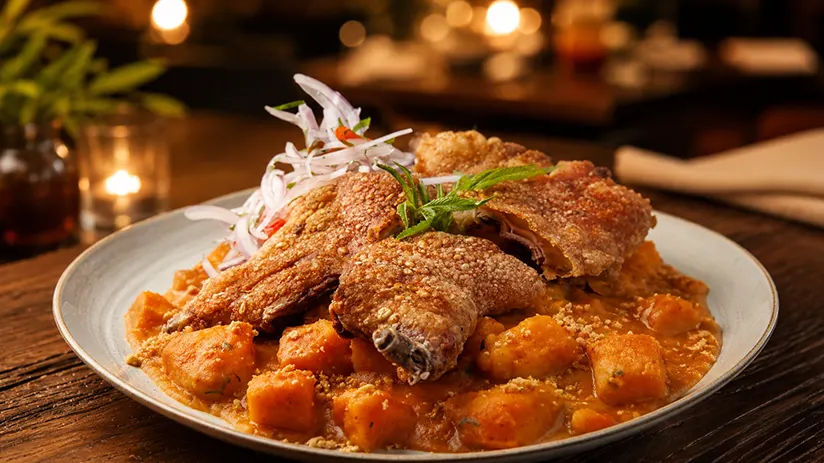
- Picante de Cuy: Guinea pig, traditionally fried or roasted. It is served with a sauce made from ají panca, peanuts, and Andean spices. Typically accompanied by native potatoes, corn, and fresh herbs. This traditional dish has been part of Cajamarca’s food heritage for centuries. It is still served at weddings, festivals, and family gatherings.
- Caldo verde: A traditional potato soup made with fresh spearmint, parsley, and cilantro. It includes crumbled Cajamarca cheese and a touch of artisanal butter. It is commonly enjoyed as a breakfast dish by locals during the colder months in the northern Peruvian highlands.
- Chicharrón Cajamarquino: Pork fried in its own fat until crispy on the outside and tender on the inside. Typically served with mote, cancha, yuca, and salsa criolla.
- Cajamarca Tamales: Freshly ground corn dough is filled with seasoned pork, olives, and chili peppers. They are wrapped in banana leaves and steamed. Tamales are often prepared in large quantities for family gatherings and celebrations, particularly during Christmas and Carnival.
- Chicha de Jora: A traditional fermented corn drink with roots dating back to the Inca period. In Cajamarca, it is a staple at Carnival celebrations and local patron-saint festivals. Rural communities and villages still make it.
- Cajamarca-style emoliente is a traditional and comforting variation of Peru’s classic medicinal herbal drink. Especially in the northern highlands, it is popular for keeping warm in cold weather and restoring energy. The drink is made with toasted barley and flaxseed tea. It also includes Andean and coastal herbs. It has fruit like pineapple peel, quince, and green apple.
Best Time to Visit Cajamarca

The best time to visit Cajamarca is generally from June to August, during the drier season. If you want to experience Cajamarca Carnival, you should visit in February. Expect cloudy weather and occasional rain.
How Many Days Do You Need in Cajamarca?
The ideal length of your stay depends on how much of Cajamarca and its surroundings you want to experience. One day is enough to see the main attractions in its historic center. Three days let you visit nearby archaeological and cultural sites. Five days give you more time to enjoy Cajamarca at a relaxed pace.
How to Get to Cajamarca

From Lima
Flights from Lima to Cajamarca take about 1 hour and 20 minutes. Flight schedules and times can vary by airline.
Traveling by bus from Lima takes more than 14 hours. The route follows the Pan-American Highway north, passing through Pasamayo, Huacho, Casma, Chimbote, and Trujillo before reaching Cajamarca.
From Other Destinations in Peru
Buses connect Cajamarca with major cities in northern Peru, including Lima, Trujillo, Chiclayo, and Chachapoyas. Travel time varies depending on the route, company, and road conditions.
From Trujillo to Cajamarca
Several bus companies operate routes from Trujillo to Cajamarca, including Transportes Línea and Turismo Dias. Departures run during the day and evening, and the trip takes about 7 hours. Travel time can vary depending on traffic, road conditions, and the specific service.
From Chiclayo to Cajamarca
These bus companies operate direct services from Chiclayo to Cajamarca, including Transportes Chiclayo, El Cumbe, and Turismo Dias. There are daytime and nighttime departures. The journey takes about 7 hours depending on the service.
Getting Around Cajamarca
Many of Cajamarca’s main attractions are in or near the city center. Taxis and mototaxis are available if you prefer not to walk. You can also rent a car to visit the surrounding areas independently.
How to Plan a Cajamarca Itinerary?

One Day in Cajamarca
| Time | Activity | Highlights |
| Morning | Explore the historic center | Start at the Plaza de Armas, then visit Cajamarca Cathedral and the Church of San Francisco. Continue to the Ransom Room and the Belén Monumental Complex. |
| Afternoon | Enjoy city views and explore further | Visit Santa Apolonia Viewpoint for panoramic views of Cajamarca, then spend the rest of the afternoon exploring the historic center at your own pace. |
| Best for | A short cultural visit | Ideal for travelers with only one day who want to focus on Cajamarca’s history, colonial architecture, and main landmarks. |
Two Days in Cajamarca
With two days in Cajamarca, you can visit the historic city center and explore several attractions around the city.
Day 1 – Granja Porcón and Countryside Attractions
| Time | Activity | Highlights |
| Morning | Huambocancha & Granja Porcón | Traditional stonework, local craftsmanship, the Porcón Agricultural Cooperative, and a small zoo |
| Midday | Local crafts & dairy products | Browse handmade crafts and sample traditional dairy products |
| Afternoon | Countryside attractions | Visit the Ancient Necropolis, Mirador de La Campiña, and Hacienda Tres Molinos |
| Late afternoon | Gardens & dairy farm | Explore the Hydrangea Garden and Fundo Los Alpes, with an opportunity to sample local dairy products |
| Evening | Return to Cajamarca | Spend the night in the city |
Day 2 – Cumbemayo and La Colpa Farm
| Time | Activity | Highlights |
| Morning | Explore Cumbemayo | Visit the Sanctuary of the Stone Forest and admire its unusual rock formations |
| Late morning | Archaeological sites | See carved stone features, ancient water channels, rock shelters, and ceremonial altars |
| Afternoon | Visit La Colpa Farm | Learn about local dairy farming and experience the “Call of the Cows” tradition |
| Late afternoon | Virgen del Carmen Stable | Visit the stable and purchase locally made dairy products |
| Evening | Return to Cajamarca | End your two-day itinerary in the city |
A Longer Cajamarca Itinerary
This five-day itinerary helps you to experience the city and nearby areas at a relaxed pace.
| Day | Main Area | Activities | Highlights |
| Day 1 | Historic Center | Explore Cajamarca’s main historical attractions | Plaza de Armas, colonial architecture, churches, and historic landmarks |
| Day 2 | Granja Porcón & Ventanillas de Otuzco | Explore the countryside and visit the archaeological site | Agricultural and rural experiences at Granja Porcón and ancient funerary niches at Ventanillas de Otuzco |
| Day 3 | Cumbemayo & Hacienda La Collpa | Visit Cumbemayo in the morning and Hacienda La Collpa in the afternoon | Pre-Inca archaeological sites, the Stone Forest, traditional dairy farming, and the “Call of the Cows” tradition |
| Day 4 | Namora & San Nicolás | Visit Namora, see the Alameda de los Incas, and continue to San Nicolás Lake | Scenic countryside, local culture, and a relaxed experience by the lake |
| Day 5 | Free Time | Enjoy a flexible final day before departure | Shopping, additional local attractions, or time to prepare for your departure |
Where to Stay in Cajamarca

Cajamarca offers many accommodation options from luxury hotels to mid-range hostels. The best area for your stay depends on your itinerary and preferences. If your trip is only a few days, near the Plaza de Armas is a great choice. If you stay longer, consider staying outside the city center.
Near the Plaza de Armas
Staying near the Plaza de Armas is convenient for first-time visitors and short stays. The area offers a wide range accomodations, dining options, and shops. Several of the city’s main attractions are within walking distance.
These include the Cuarto de Rescate, Belén Complex, and Santa Apolonia Viewpoint.
Outside the City Center
Staying outside the city center offers more space and a closer connection to the countryside. It also works well for families and couples. This option is ideal for travelers who want to relax in a quieter setting after exploring the city. Several countryside stays offer extra amenities and activities, like horseback riding and outdoor pools.
Practical Tips for Visiting Cajamarca

- Pack for changing weather: If you visit during Carnival in February, bring comfortable clothes you can wear in layers. Rain and cooler temperatures are possible. Bring a light jacket and comfortable shoes for spending time outdoors during the festivities.
- Plan outdoor activities for the drier months. If hiking and exploring the countryside are priorities, visit between June and August. The weather is usually drier then.
- Try Cajamarca’s dairy products. Cajamarca is known for dairy farming. Farms and local shops sell regional cheeses, ice cream, and other dairy treats.
- Choose accommodation that fits your itinerary. In Cajamarca, you have many options for your stay. This is true for a one-day visit or a longer trip. You can choose accommodations near Plaza de Armas or outside the city center.
- Allow enough time for nearby attractions. One day is enough for the main sights in the historic center, while three to five days allow time for excursions to Cumbemayo and Ventanillas de Otuzco. You can also visit Baños del Inca and Hacienda La Collpa.
- Try the local cuisine. Do not miss traditional dishes like caldo verde. It is a comforting choice on cooler days. Also try picante de cuy. It is one of the region’s best-known specialties.
Frequently Asked Questions About Cajamarca

Is Cajamarca Worth Visiting?
Yes. Cajamarca is worth visiting for its Inca and colonial history. It has a historic center and a strong local culture. You can try traditional dishes and regional specialties. Nearby sites include Cumbemayo and the Ventanillas de Otuzco.
How Many Days Should I Spend in Cajamarca?
Three to five days is ideal for exploring Cajamarca, visiting nearby attractions, and enjoying its local culture and cuisine.
What is the Best Time of Year to Visit Cajamarca?
June to August is generally a good time for outdoor activities because it falls within the drier season. February is a popular choice for those who want to experience Cajamarca Carnival.
How Do I Get to Cajamarca from Lima?
You can reach Cajamarca from Lima by air or by bus. Flights are the fastest option, while buses offer an alternative with more time.
Can you visit Cajamarca without a Guide?
Yes. You can walk to the historic center on your own. A guided tour can help you learn Cajamarca’s history. It can also take you to sights outside the city.
What are the Best Day Trips from Cajamarca?
Popular day trips include Cumbemayo, Ventanillas de Otuzco, Baños del Inca, Porcón, and La Collpa.
Is Cajamarca Safe for International Travelers?
Cajamarca can generally be a safe destination for travelers who take normal precautions. As in any city, keep valuables secure, use reputable transport, and be extra careful in crowded areas.
What Should I Pack for a Trip to Cajamarca?
Cajamarca has a mild climate, so it’s important to pack layers and comfortable walking shoes. Also, don’t forget to bring sunscreen, a hat, and a light jacket for cold evenings.
Can Cajamarca be Combined with Other Destinations in Peru?
Yes, you can combine it with other Peru destinations like Chiclayo, Trujillo, and Chachapoyas. It depends on your itinerary and travel time.
Conclusion
Cajamarca is a great place for travelers who enjoy Peru’s history, culture, local food, and Andean scenery. Visit the Plaza de Armas and the Cuarto de Rescate. Explore Cumbemayo, the Ventanillas de Otuzco, and Baños del Inca.
Its colonial architecture, traditional festivals, and rural communities offer a distinctive perspective on northern Peru, especially during Cajamarca Carnival in February.
Cajamarca also fits well into a northern Peru itinerary. It allows you to combine archaeological sites, cultural experiences, and scenic landscapes. You can pair it with Chiclayo, Trujillo, and Chachapoyas.
Cajamarca has so much to offer; it can be hard to know where to start. With years of experience in tourism, Machu Travel Peru is happy to help with your trip to Peru. We also offer tours in the area. Let us help you make your experience unforgettable! Contact us today to plan your dream adventure!