Chachapoyas is one of Peru’s most overlooked cultural and natural destinations. Located at 2,335 masl, the capital of the Amazonas region offers stunning landscapes away from the crowded southern routes. Adventurous tourists continue to explore remarkable sites, including the Gocta waterfall and the Kuelap fortress. Visitors can also observe the remote Karajia sarcophagi and the beautiful Revash mausoleums.
A complete guide to traveling to the city of the clouds
- Why Visit Chachapoyas?
- Where Is Chachapoyas Located?
- The History and Culture of the Chachapoya Civilization
- The Best Things to Do in Chachapoyas
- How to Get to Chachapoyas
- Best Time to Visit Chachapoyas
- Where to Stay in Chachapoyas
- How Many Days Do You Need in Chachapoyas?
- Suggested Chachapoyas Itinerary
- Travel Tips for Visiting Chachapoyas
- FAQs About Chachapoyas
Why Visit Chachapoyas?
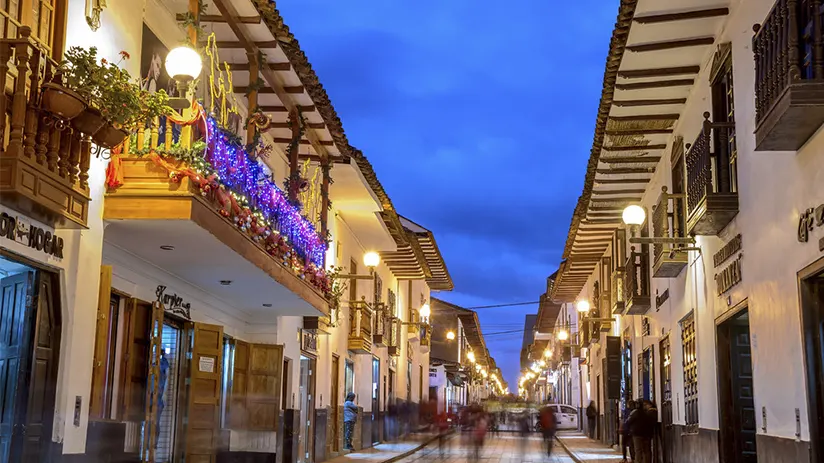
Many travelers focus on the southern regions and Machu Picchu, which helps keep this northern territory one of the most fascinating hidden destinations in Peru. As a result, selecting this chosen location allows visitors to explore the surrounding ecosystem away from large tourist groups. The area offers a glimpse into rural highland life and features important historical monuments.
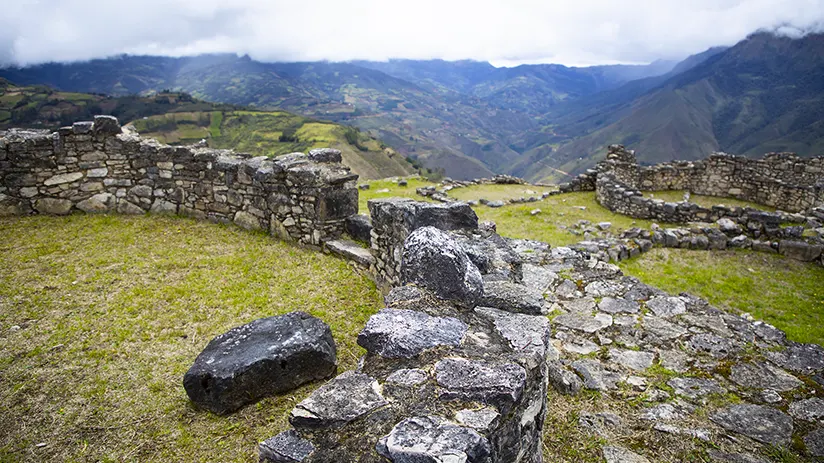
The Chachapoyas region attracts visitors for its pre-Inca heritage. Ancient settlements feature hundreds of circular stone dwellings perched on steep mountainsides. These fortresses demonstrate advanced engineering skills developed centuries before similar constructions appeared elsewhere in the Andes.
Likewise, nature enthusiasts visit this territory to observe endemic wildlife. The humid subtropical environment, for instance, creates perfect conditions for animal life. Extreme elevation changes also generate massive waterfalls that include some of Peru’s tallest waterfalls.
Where Is Chachapoyas Located?

Chachapoyas is the capital of the northeastern Peruvian region of Amazonas. The city sits on the eastern slopes of the Andes just before the terrain descends into vast jungle basins. The powerful waters of the Utcubamba River have carved remarkably deep canyons that define the rugged local topography and are an important feature of the landscape.
The subtropical highland climate creates a distinct cloud forest environment. Humidity levels average 74% throughout the year. These lush surroundings rank among the most vital protected areas in Peru for flora and fauna. The collision of warm Amazonian air with cold Andean winds generates frequent, dense mist.
The city center sits at 2,335 masl. However, travelers exploring the surrounding landmarks will experience significant elevation changes during their daily excursions. For example, certain stone fortresses are much higher, near 3,000 masl. Meanwhile, the nearby waterfall originates at around 2,500 masl.
The History and Culture of the Chachapoya Civilization
The Chachapoya society is an important subject for researchers due to its advanced social organization and unique architectural mastery in the Andes. Their legacy includes some of the most significant archaeological sites in Peru, which provide vital insight regarding human adaptation to high-altitude environments. This section outlines the key eras and events that defined this enigmatic civilization.
The Warriors of the Clouds
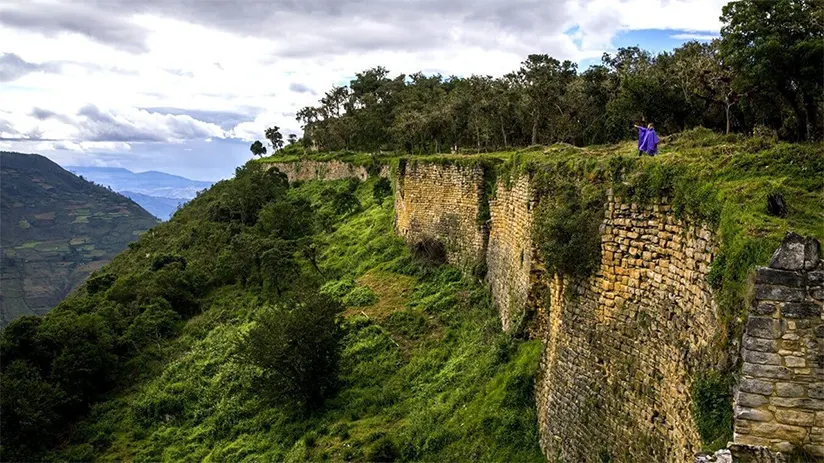
Historians became known as this population the “Warriors of the Clouds” because they inhabited dense, high-altitude mist. Their builders constructed imposing, fortified communities on remote mountain peaks, designing circular stone dwellings that still define the landscape. The strategic elevation of these places provided crucial defensive advantages against rival neighboring groups.
Inca Expansion
During the late 15th century, the Inca Empire expanded northward. As a result, native populations faced military campaigns around 1470. The Inca Tupac Yupanqui successfully integrated this vast mountain region into his expanding empire.
However, communities resisted foreign rule for several decades. Ultimately, the imperial government quelled this resistance by forcing large-scale resettlements, changing the local social structure, and ensuring long-term political stability throughout the northern Andes.
Spanish Foundation of Chachapoyas

European conquistadors arrived across this northern territory during early foreign campaigns around 1535. Commander Alvarado established the first Spanish outpost here in 1538, naming it San Juan de la Frontera. Years later, severe weather forced those original colonists to permanently relocate their village to its current geographical location.
The Best Things to Do in Chachapoyas
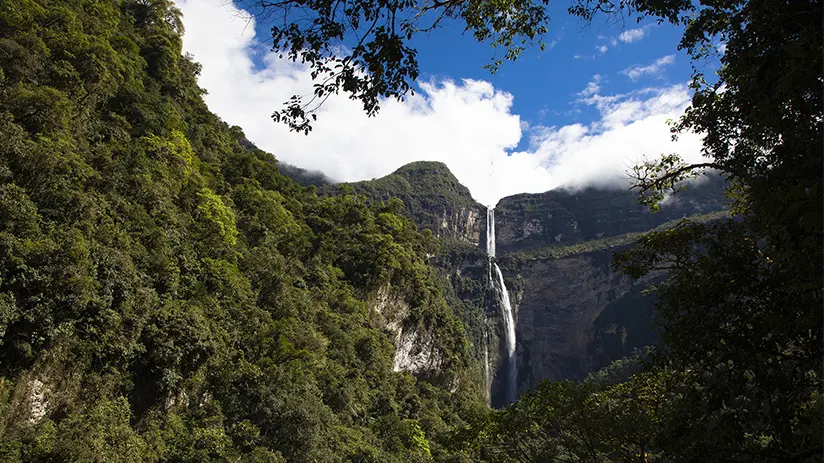
This Amazon region contains several important places to visit in Peru for self-guided travelers. Visitors to these areas will find important historical sites near large geographic formations. Surrounding destinations feature cultural elements within a highland forest environment.
Kuelap Fortress
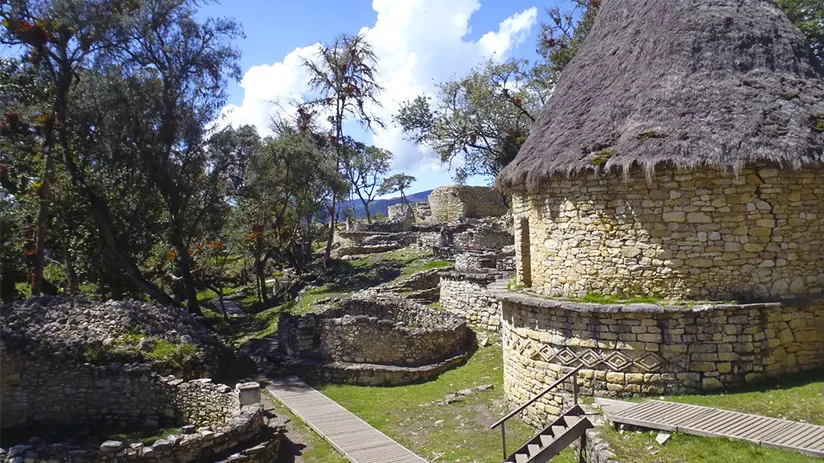
This cultural site sits nearly 3,000 masl, ranking as one of the largest stone archaeological complexes in Peru. Past builders constructed over 500 circular stone dwellings inside a walled perimeter. These defensive barriers reach vertical heights of twenty meters on steep mountain ridges. The entire complex covers 15 hectares.
Following a structural collapse in July 2022, administrators restricted interior entry safely. Restoration experts finalized repairing that damaged wall in April 2026. Consequently, tourists can explore these historic ruins completely accessible. Travelers organizing their itinerary must consider specific access guidelines first.
- Access: Transportation includes cable car rides from Tingo Nuevo, trekking trails, and optional horse rentals.
- Entrance fee: Foreign adult tickets cost $8, whereas child passes remain $4 per person.
- Operating hours: Site gates are open from 8:00 AM to 5:00 PM, except on Mondays when maintenance prevents entry.
Gocta Waterfall
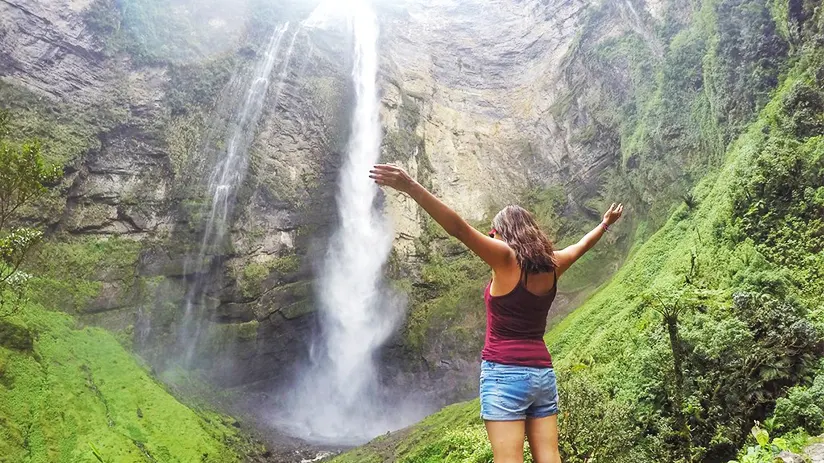
Gocta Waterfall has a total height of approximately 771 meters distributed across two drops. In 2002, German researcher Stefan Ziemendorff mapped the site. Before his documentation, only the nearby rural communities knew the location. Known for its size, it is one of the largest waterfalls in Peru.
Visitors must hike for two hours to reach the site. They start in either the Cocachimba or San Pablo villages. Depending on the route taken, the round-trip walking distance ranges from 12 to 21 Km. Independent tourists need essential transit and pricing data before arriving.
- Access: Transportation involves 1 hour from Chachapoyas to Cocachimba, plus trekking or horse rentals.
- Entrance fee: Foreign adult tickets cost between $4 and $8 per person.
- Operating hours: Site gates remain open daily from 7:00 AM until 5:00 PM.
Karajia Sarcophagi
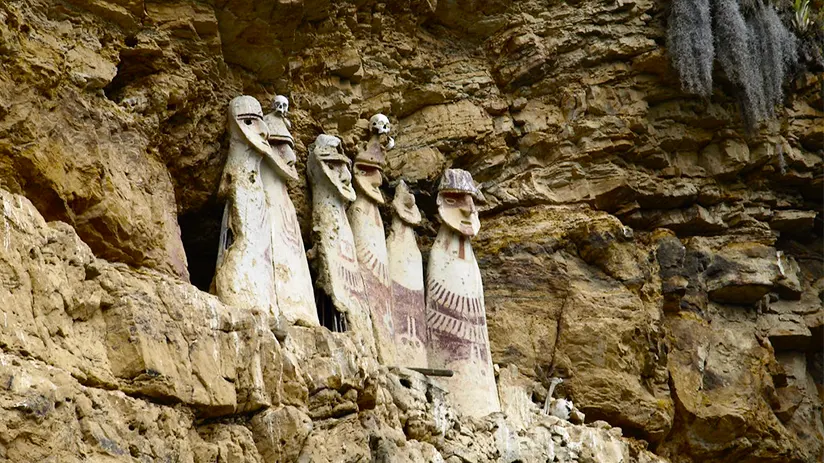
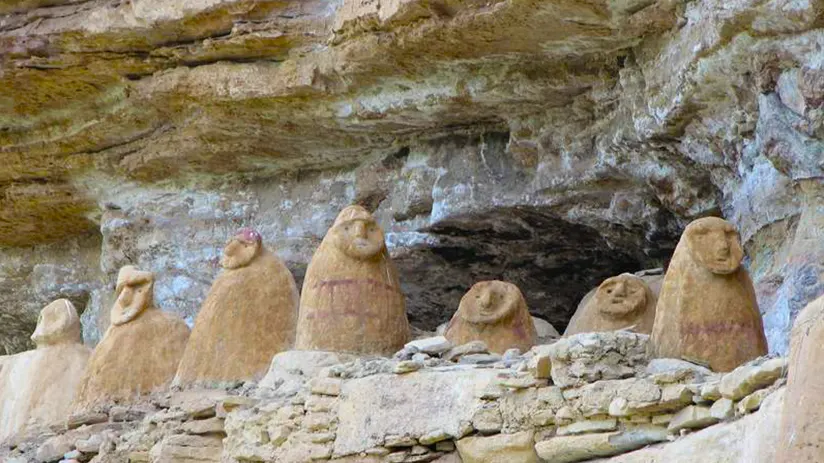
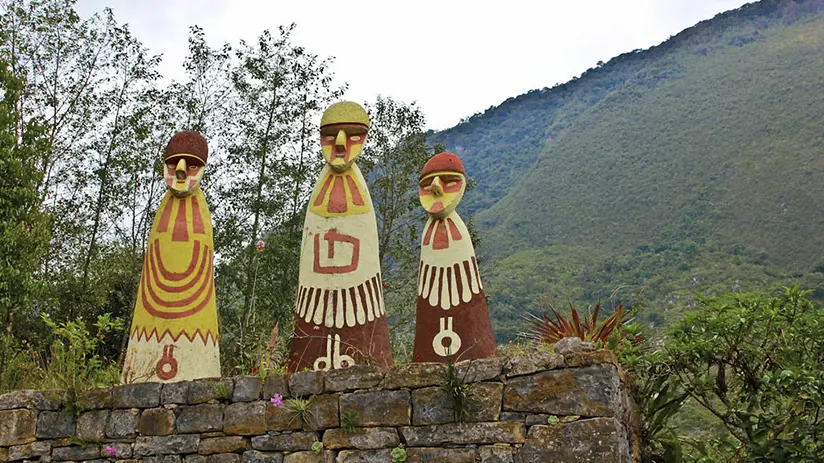
Eight sarcophagi sit on a cliff in plain sight at this location. The Chachapoya people crafted these 2.5-meter funerary capsules from straw, gravel, and mud. The residents call them purunmachus. Past societies placed deceased individuals inside these high, carved alcoves to protect their remains.
This burial site is located 48 Km northwest of the city of Chachapoyas. Ancient builders mixed straw, gravel, and mud to create protective human shapes. The elevated placement prevented looting while protecting the contents from centuries of shifting weather. Exploring this landmark involves understanding current transportation and entry parameters.
- Access: Transportation involves a 2-hour drive from Chachapoyas, followed by hiking or horse rentals.
- Entrance fee: Foreign adult tickets cost $3, while children pay $1.50 per person.
- Operating hours: Site gates remain open daily from 8:00 AM until 5:00 PM.
Revash Mausoleums
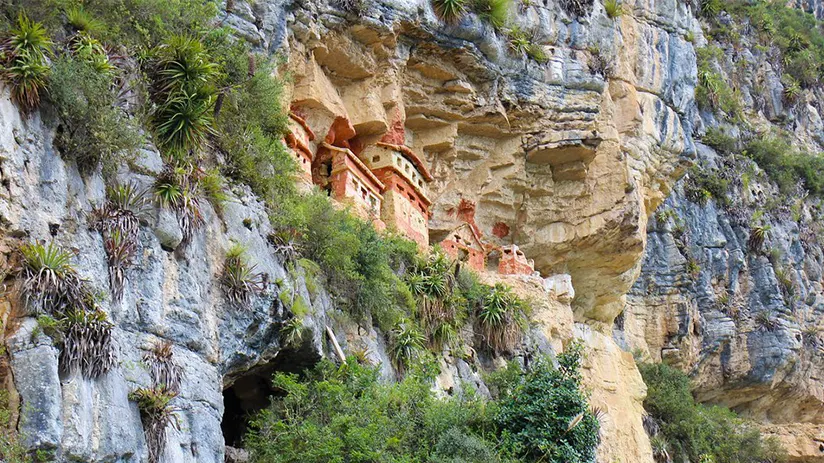
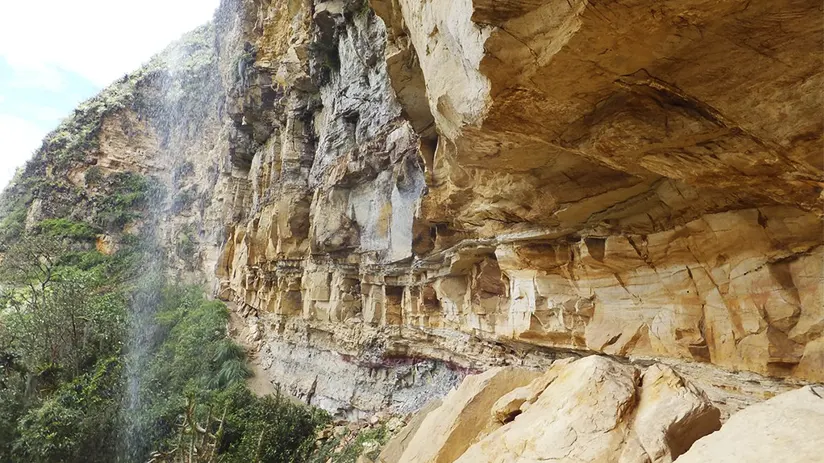
The Revash mausoleums are collective funerary houses built into limestone cliffs. These structures resemble small homes with gabled roofs. Builders constructed these tomb complexes, which span up to three levels, for communal burials.
Builders painted every facade in red and ochre mineral pigments, tones that remain visible today. The walls display geometric and organic motifs, including flame-like figures. Despite their high exposure within those natural cliff formations, such vibrant artwork remains visible today.
- Access. Transportation takes approximately 3 hours, combining vehicular travel with hiking or horse riding.
- Entrance fee. Adult tickets cost between $2 and $4 per person.
- Operating hours. Site gates remain open daily from 7:30 AM until 4:45 PM.
Leymebamba Museum
This modern facility preserves 219 mummies recovered in 1996. Specialized teams salvaged those remains from the remote Laguna de los Condores burial site. These mummified individuals belonged to the Chachapoya culture. Specimens also display clear evidence showing later contact with the expanding Inca Empire.
Advanced climate control systems protect artifacts displayed within the collection featuring ancient civilizations of Peru. Research specialists study these items to better understand the complex mortuary practices of the region’s Chachapoyas area. The institution provides essential context regarding history.
- Access: Transportation takes 2.5 to 3 hours from Chachapoyas via car, collective, or minivan, covering 93 Km.
- Entrance fee: General admission costs approximately $4 per visitor.
- Operating hours: Site gates remain open daily from 10:00 AM until 4:30 PM.
Sonche Canyon
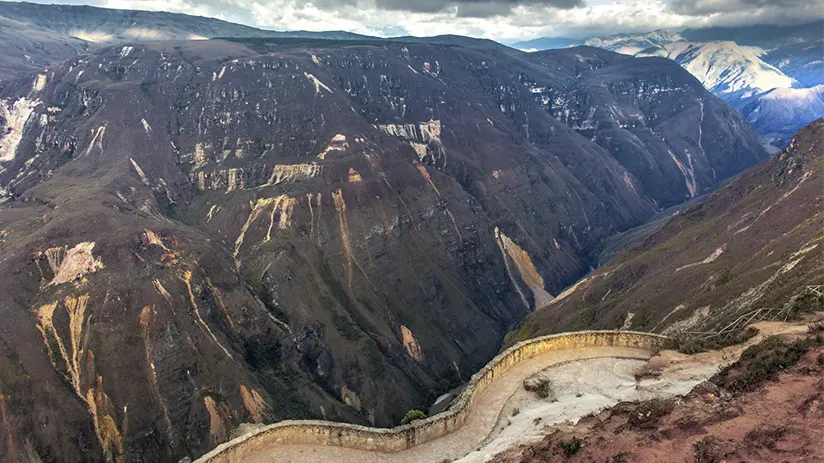
The Sonche Canyon is 900 meters deep. The main observation points are located in the village of Huancas. This small town is just 8 Km from the city of Chachapoyas. Tourists can view the expansive natural formations that characterize the mountain landscapes here. Essential operational guidelines ensure smooth daily navigation toward this destination.
- Access: Transportation involves twenty minutes by car from Chachapoyas, plus five minutes walking via Huancas Plaza.
- Entrance fee: General admission costs $2 per person.
- Operating hours: Site gates remain open daily from 8:00 AM until 6:00 PM.
Chachapoyas Historic Center
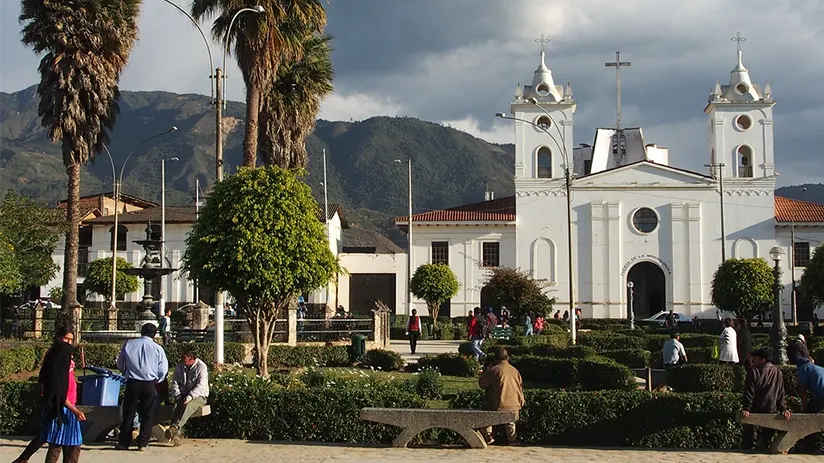
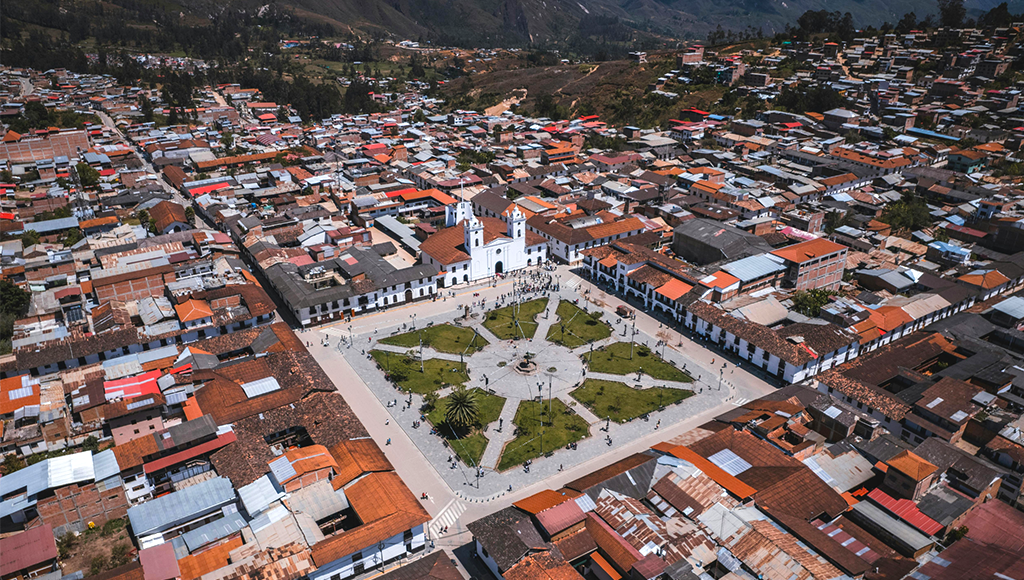
Classic colonial buildings define the urban core. Large houses with traditional clay-tile roofs feature expansive interior living areas. Cobblestone streets connect every corner of the city. These preserved layouts offer a glimpse into the regional development patterns established centuries ago.
The local buildings surrounding the main square exhibit finely carved wooden balconies. These artistic features are characteristic elements that define the facades of homes throughout the historical district. Today, architects prioritize saving authentic details. This effort preserves the original structural appearance of the downtown area for current residents.
How to Get to Chachapoyas

There are several ways to reach Chachapoyas. The correct choice depends on individual budget parameters. This section covers the main flight and ground transport options.
Flights from Lima
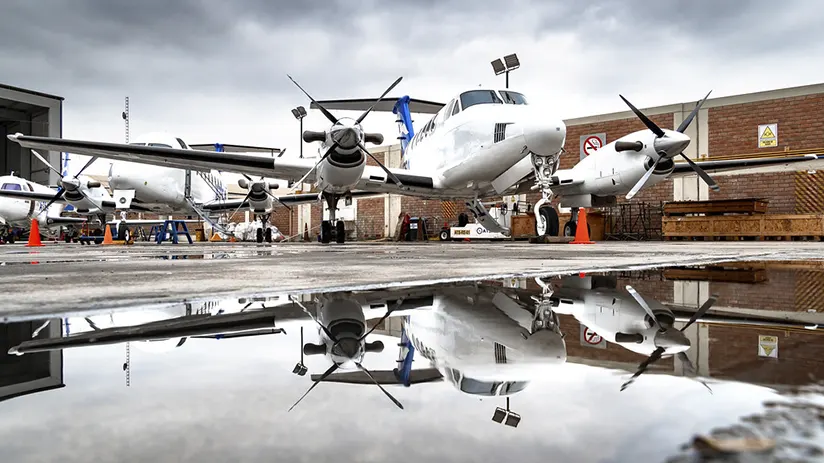
ATSA Airlines operates direct flights from Lima to the city airport. This rapid aerial transit segment takes 1 hour and 20 minutes. Commercial planes connect incoming passengers with northern Peruvian mountain destinations smoothly every week.
However, the company offers these departures only three or four times weekly. Travelers should book tickets well in advance, as seats fill quickly. Cloud cover can affect visibility year-round and occasionally delay or cancel flights.
Bus Routes from Lima, Chiclayo, and Cajamarca
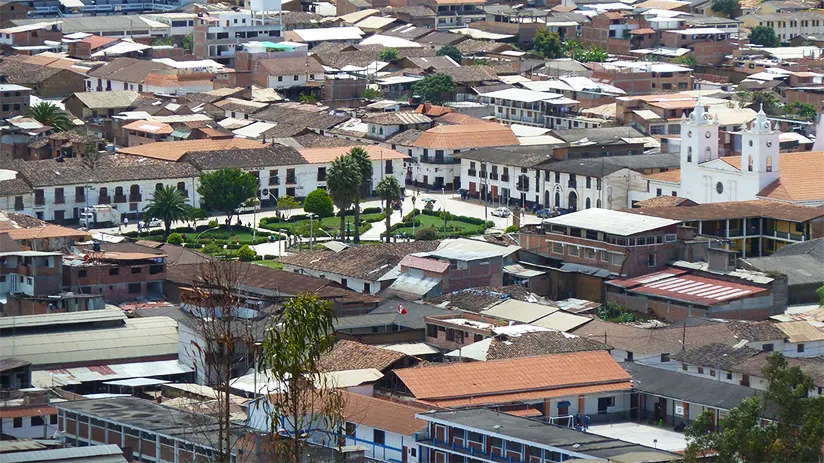
Standard coaches depart from Lima and travel directly to the department of Amazonas. Well-known companies manage this extensive overland journey. Passengers travel approximately 22 hours along coastal highways, with most services departing overnight.
Another recommended option for ground transit is a route departing from Chiclayo. Movil Bus efficiently handles this specific connection, which takes between eight and ten hours. Furthermore, international visitors enjoy reliable service, arriving at the bus terminal station every weekday afternoon.
Finally, unique transport option features characterize journeys departing from Cajamarca. Transportes Rojas operates vans that take 8 or 9 hours total. Due to single-lane mountain safety limitations, Virgen del Carmen provides one afternoon departure at 5:00 PM instead of overnight options.
Best Time to Visit Chachapoyas

Climatic variations change trail conditions in the Amazonian highlands throughout the year. The dry period, ideal for mountain trekking, spans from May until October. Warm air constantly meets cold Andean currents; this collision creates frequent, dense mist.
Thick mist often blankets Kuelap Fortress, located at 3,000 masl, limiting visibility. Fortunately, dawn and dusk provide optimal viewing conditions as the sunlight is softer. Travelers can clearly observe the landscapes during these times. Early mornings, however, bring cold winds across high-altitude areas.
Conversely, from December until April, torrential rainfall dominates the landscape, dramatically swelling rivers and waterfalls. This intense rainstorm feeds seasonal cascades like Gocta, creating magnificent spectacles. However, swollen streams make crossing local paths near Gocta Waterfall risky. Single-lane mountain highways also face serious mudslide threats.
Transition months like April and October bring unexpected weather patterns. Relative humidity averages 74%, and nighttime temperatures drop significantly. Despite the sudden downpours, birdwatchers can easily spot the rare Marvelous Spatuletail hummingbird around the feeders at the Kentitambo sanctuary or find the Andean Cock-of-the-Rock nesting nearby.
Where to Stay in Chachapoyas
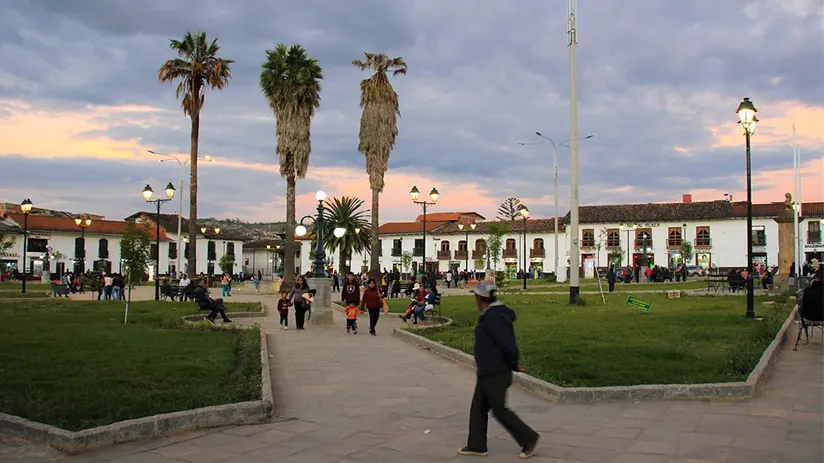
When planning an expedition across the Amazon Highlands, choosing the right location improves logistics. Selecting specific places can influence how easily travelers can reach the main sites and landmarks. Consequently, different neighborhoods offer distinct advantages regarding access to tour agencies and proximity to bus terminals.
| Location / Zone | Infrastructure & Services | Logistical Advantages | Technical Requirements |
|---|---|---|---|
| Historical Center (Main square) | Colonial houses featuring adobe walls, clay tile roofs, and carved wooden balconies. | Central positioning optimizes immediate access to urban services and official travel agencies operating daily departures. | Accommodations require hot water systems and bedroom carpeting to combat nighttime temperature drops to 2°C. |
| Bus Terminal Neighborhoods | Practical urban lodgings situated directly beside the immediate radius of influence of Terrestre and Municipal transport hubs. | Simplifies arrival and departure logistics. It’s a 20-minute walk or under 5 minutes by mototaxi from downtown. Located 1 km from the Luya Urco viewpoint. | Properties must provide designated clothes drying zones to handle the high 75% average humidity and frequent rain. |
| Cocachimba (Northern Rural) | Countryside guest houses and rural lodges are nestled near the edge of the valley. | Provides immediate access to the Gocta Waterfall Trail checkpoint. Eliminates the 1-hour daily overland transfer from Chachapoyas capital. | Base facilities require advanced water filtration infrastructure because public municipal pipelines deliver non-potable fluid. |
| Leymebamba (Southern Rural) | Quiet village accommodations located approximately 2 hours of ground transit south of the regional capital city. | Positions visitors close to the local educational museum. Functions as the official trailhead for the 3-day Condors Lagoon trek and reduces distances to Revash. | Structures must incorporate efficient ventilation alongside proper insulation to prevent dampness from saturating technical mountain gear. |
How Many Days Do You Need in Chachapoyas?

Solo visitors require a minimum stay of 3 to 5 days to navigate the region’s main landmarks. This standard duration enables individuals to space out demanding excursions. For anyone with longer schedules, a multi-day trip like the northern Peru coast needs 7 to 9 days.
The main sites are spread out in opposite directions from the city, which makes transport planning essential. For example, the Karajia sarcophagi are located 48 Km northwest, while the Revash mausoleums are 80 Km south. Driving on winding, single-lane mountain highways takes two hours to reach Leymebamba or one hour to reach the Gocta trailheads.
Furthermore, the intense physical exertion requires spacing out long days of hiking in order to avoid extreme fatigue due to the region’s high altitude. The significant 700-meter elevation gain between Chachapoyas and Kuelap increases the risk of mountain sickness during expeditions without proper preparation.
Suggested Chachapoyas Itinerary
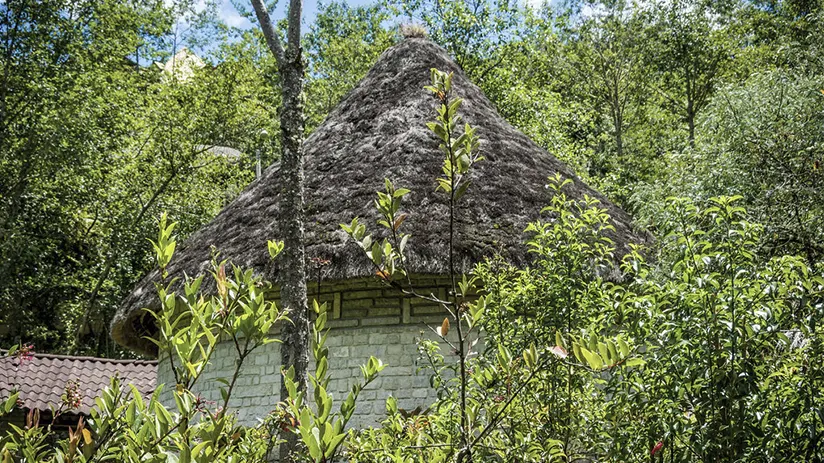
This structured, four-day Chachapoyas journey helps organize the trip through the northern Peruvian highlands. Detailed tables outline the optimal sequence of combining vehicular transport with safe mountain trekking pathways. Consequently, independent visitors can take in every major historical landmark without experiencing severe physical exhaustion on their upcoming vacations.
| Day | Landmark | Access Method & Transport Logistics | Required Technical Gear & Distance Parameters |
|---|---|---|---|
| Day 1 | Kuelap Fortress | Overland transit to Tingo Nuevo, followed by a 20-minute cable car ride. | Altitude reaches 3,000 masl. Requires SPF 50+ sunscreen due to extreme ultraviolet radiation. |
| Day 2 | Gocta Waterfall | Mountain trekking pathways starting from Cochabamba or San Pablo village terminals. | Linear or circular hike measuring 12 to 21 kilometers total. Demands ankle-support boots and water filtration tools. |
| Day 3 | Karajia Sarcophagi and Quiocta Caves | Vehicular road travel paired with a short 20 to 30-minute downhill walk. | Exploring dark caverns makes carrying a functional headlamp mandatory. Bring binoculars for viewing remote cliffside structures. |
| Day 4 | Revash Mausoleums and Leymebamba Museum | Ground carriage drive combined with a 1.5-kilometer walk over old stone paving. | Southern routes require 2 hours of driving. Fast-drying thermal fleece layers protect people during cold afternoon winds. |
Travel Tips for Visiting Chachapoyas
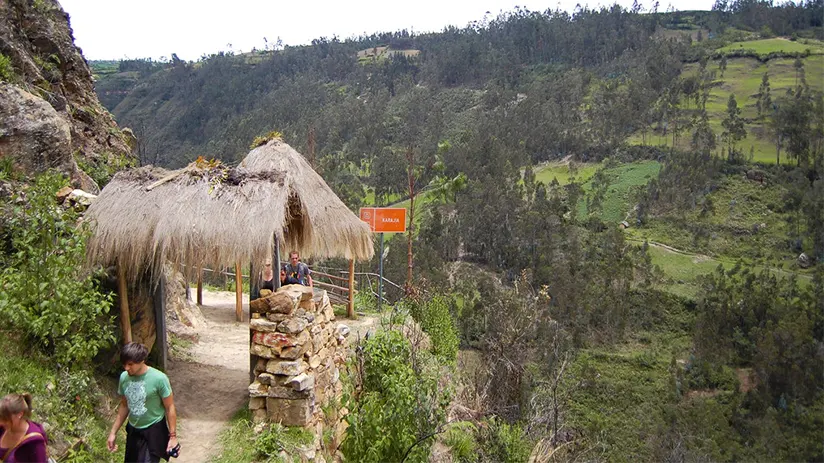
Preparing a realistic budget and a solid packing list makes a real difference on the ground. Proper planning ensures maximum physical readiness during long outdoor excursions. Consequently, these practical guidelines help independent visitors manage daily travel logistics smoothly.
- Layered clothing: Wearing multiple garments helps travelers adapt to changing mountain weather conditions smoothly.
- Sturdy footwear: Ankle-support boots provide essential safety and traction along uneven trails or unpaved streets.
- Water purification: Portable filtration tools are essential because tap water is not safe to drink across this site.
- Peruvian money: Countryside communities require Peruvian soles since small villages lack credit card processing infrastructure completely.
- Altitude preparation: Spending a three-day initial rest period minimizes mountain sickness risks before starting strenuous expeditions.
- Solar protection: Higher elevations increase UV exposure significantly; travelers should apply broad-spectrum SPF 50+ sunscreen daily.
FAQs About Chachapoyas
What is Chachapoyas known for?
It remains famous for its ancient pre-Inca cultural heritage within a unique cloud forest ecosystem. Indigenous societies built massive, circular structures on high ridges. Impressive hydrographic landmarks include vertical cascades like Gocta, which measures 771 meters.
Is Chachapoyas worth visiting?
The Kuelap fortress is the largest historical rock structure in the Americas. Its defensive walls reach 20 meters high and offer an alternative to traditional, crowded tourist destinations. Visitors can easily observe endemic wildlife, including the vibrant, marvelous spatuletail hummingbird.
How many days do you need in Chachapoyas?
Travelers need between three and five days to visit the region’s main tourist attractions, such as the Gocta waterfall. This standard duration allows individuals to space out demanding, high-altitude excursions. Instead, completing extensive, multi-day wilderness expeditions in Gran Vilaya requires seven to nine days.
How do you get to Chachapoyas, Peru?
Travelers can reach Chachapoyas by taking direct ATSA Airlines flights leaving Lima or choosing overnight coaches departing from coastal hubs. Aerial transit takes under 80 minutes and operates several times weekly. Or, long overland bus journeys provide scenic mountain views throughout extended regional journeys.
What are the best things to do in Chachapoyas?
The best activities include exploring the perimeter of the Kuelap fortress and hiking to the Gocta waterfall. Visitors can cover the remote Karajia cliffside sarcophagi and the Revash clifftop mausoleums. Finally, the Leymebamba Museum houses 219 historical mummies.
When is the best time to visit Chachapoyas?
The best time to visit is during the dry season, from May to October. Clearer skies and minimal rainfall make it ideal for exploring the mountains. Conversely, the winter months maximize waterfall volumes, creating muddy trail conditions, and persistent forest mist is a constant environmental factor.
Can you visit Kuelap from Chachapoyas?
It is easy to visit Kuelap, departing daily from Chachapoyas. The local authorities recently reopened every interior stone sector after completing successful restoration projects. Tour operators organize guided excursions using an efficient, twenty-minute cable car system that connects Tingo Nuevo directly to the fortress.
Is Chachapoyas safe for tourists?
Although Chachapoyas is safe for tourists, the rugged outdoor environment demands significant practical details and caution. Winding, single-lane mountain highways are vulnerable during rainy seasons. Additionally, public tap water is not potable, so hikers must carry water purification tools and warm layers.
“BEYOND THE CLOUD FOREST, A TIMELESS KINGDOM AWAITS EXPLORATION.”
Survey in Chachapoyas reveals ancient marvels hidden among pristine mountain ridges. Mystical Andes preserve colossal stone fortresses and roaring vertical waterfalls, offering travelers cultural experiences. This northern destination is the perfect destination for independent adventurers seeking an authentic cultural experience away from the traditional, crowded Peruvian tourist trails.
Peru has so much to offer; it can be hard to know where to start. With many years of experience in the tourism sector, Machu Travel Peru is happy to help with anything regarding your trip to Peru and any tours around it. Let us help you make your Peruvian experience unforgettable! Contact us today to plan your dream adventure!