The ancient fortress of Kuelap stands as a massive stone settlement in northern Peru, offering visitors a deep look into the advanced architecture of the Chachapoyas civilization. Furthermore, exploring this high mountain ridge provides valuable insight into early cloud forest societies.
This guide covers cultural backgrounds, transportation options, and essential practical recommendations for an optimal northern excursion
- What Is Kuelap?
- The History of Kuelap and the Chachapoyas Civilization
- Why Kuelap Is One of Peru’s Most Important Archaeological Sites
- Where Is Kuelap Located?
- How to Get to Kuelap from Chachapoyas
- What to See Inside Kuelap
- Architecture and Engineering of the Fortress
- Kuelap vs Machu Picchu: Key Differences
- Best Time to Visit Kuelap
- Essential Travel Tips for Visiting Kuelap
- Other Attractions Near Kuelap
- How to Include Kuelap in a Northern Peru Itinerary
- FAQs About Kuelap
What Is Kuelap?
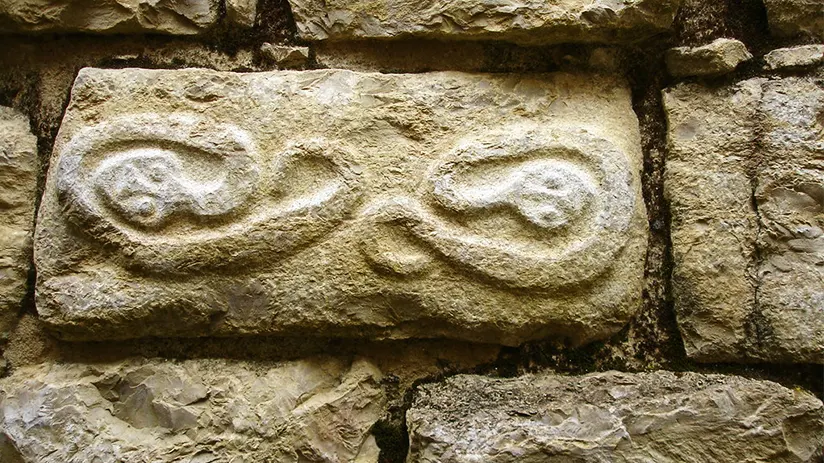
This unique citadel represents an important pre-Inca stronghold, often referred to as the Machu Picchu of the north. Located within the Amazon territory, the ancient center functioned as a major regional center before the Inca conquest. Today, the walled compound ranks among the top archaeological sites in Peru.
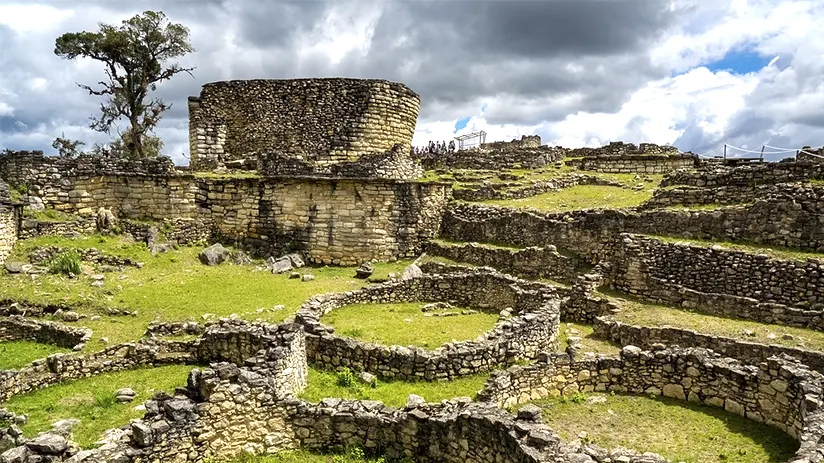
An outer wall made of limestone blocks encloses the entire urban area, where the interior contains hundreds of circular stone houses. Because these structures protected the ancient Chachapoyas people from regional conflicts, the architectural complex represents a major monument of pre-Inca society.
Historians consider the monument a primary center of political power. Families of high social status lived inside the secure walls for many years. Commoners resided outside the complex but entered during times of war, and scholars continue to discover new information about daily life within the city.
The History of Kuelap and the Chachapoyas Civilization
The Chachapoyas culture established this city to protect its territory. Early builders began the initial structures around the 6th century AD. However, the settlement reached its peak development between 900 and 1100. Residents earned fame as the Warriors of the Clouds because of their misty highland home.
The Chachapoyas warriors resisted the expansion of the Inca Empire for many decades until enemy soldiers finally subdued the region around 1470 after intense battles. This defeat permanently altered the traditional lifestyle of the local population because of forced integration into the imperial administrative system. Subsequently, the Spanish conquest caused the eventual abandonment of the massive stone complex.
The jungle vegetation covered the empty buildings for centuries. Residents knew about the location, but it was officially documented in 1843. Today, researchers study the ruins to learn about the ancient civilizations of Peru.
Why Kuelap Is One of Peru’s Most Important Archaeological Sites

This complex provides valuable information about regional development long before the Inca expansion. The massive scale of the settlement sets it apart from other ancient ruins in Peru. Imposing walls reaching heights of 20 meters show the advanced engineering skills of the Chachapoyas people. This structure reflects a highly organized society.
The city also stands as a symbol of regional independence. The locals preserved their distinct traditions. Therefore, the monument remains a vital cultural treasure for northern Peru.
Where Is Kuelap Located?
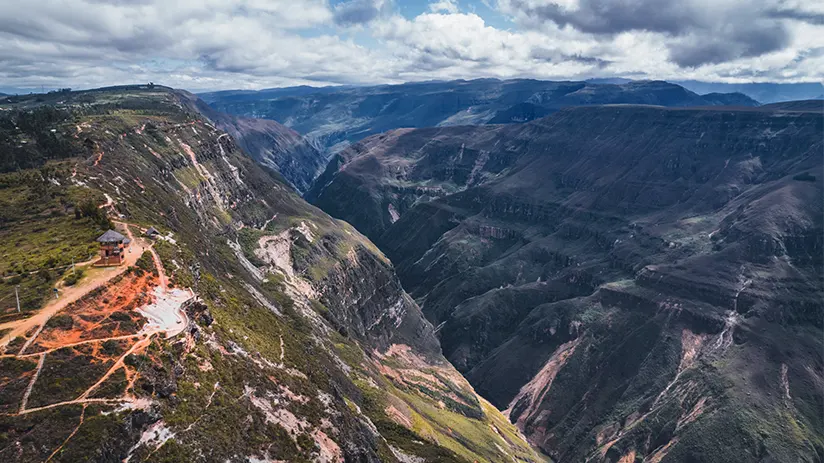
The ancient settlement lies within the Utcubamba River Valley in the Chachapoyas region in northern Peru. High ridges surround the area and serve as natural barriers. Visitors find the stone monument situated on the peak of Cerro Barreta, which rises 3000 masl.
Deep canyons define the rugged landscape around this ancient destination. Dense green vegetation covers the steep mountains within the moist cloud forest. This strategic positioning allowed early society to easily monitor regional trade routes. The isolated area now ranks among the most significant historic places in Peru.
How to Get to Kuelap from Chachapoyas

Travelers can choose multiple routes to reach the ancient site from the city of Chachapoyas. A scenic road connects the regional capital with the nearby village. Local ground vehicles traverse this stretch during a one-hour drive. At that location, select between a fast aerial lift and a challenging trek.
- Cable Car System. A shuttle bus travels from Nuevo Tingo to the departure platform. The scenic cable car ride takes exactly 20 minutes to reach the mountain ridge near the entrance.
- Hiking Path. Adventurous visitors can walk an alternative trail of nearly 10 Km. This steep trek requires about four hours of continuous climbing.
- Horse Rental. Local operators rent horses near the station for those who prefer assistance during the final walking section.
Kuelap Tickets and Visitor Information
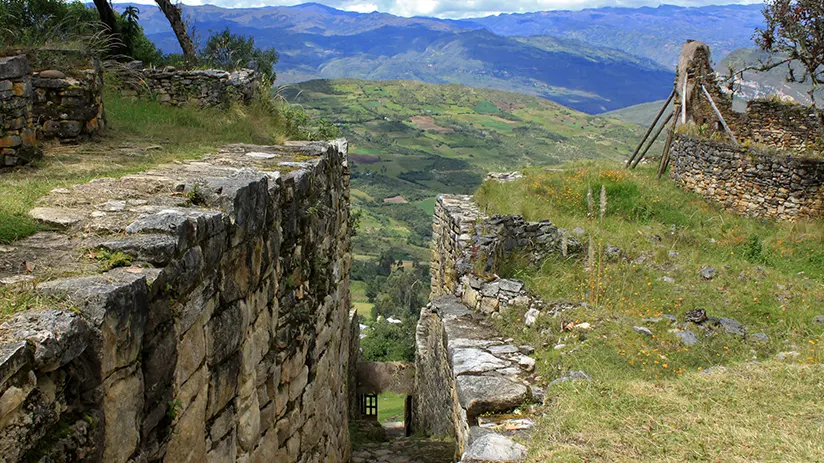
Careful preparation guarantees a smooth journey when visiting this ancient complex. Travelers must organize schedules around official opening hours and maintenance days. The following chart details current admission rates, identity rules, and authorized ticket platforms for those planning a northern trip.
| Feature | Kuelap Fortress | Visitor Guidelines |
|---|---|---|
| Opening Hours | Daily from 8:00 AM to 5:00 PM | Early arrival avoids long transit queues |
| Maintenance Days | Closed every Monday morning | Cable car operators run technical checks |
| Admission Rates | $8 USD (approx.) for foreign adults | Children under twelve pay reduced fees |
| Identity Rules | Original physical passport required | Digital copies do not satisfy checkpoints |
| Voucher Channels | Authorized digital booking platforms | Tour operators manage advanced purchases |
What to See Inside Kuelap

The interior of the walled city contains several areas with distinct purposes. Visitors walk along designated paths to view preserved zones from the early settlement. Exploring these spaces helps travelers understand the daily life of the ancient society. The complex stands out among the famous places to visit in Peru.
- Main Temple. This stone structure features an inverted cone shape and served important religious purposes.
- Circular Houses. Over four hundred traditional dwellings filled the interior, showcasing a distinct contrast to typical Andean rectangular buildings.
- Pueblo Alto. The elevated upper sector housed the community elite and featured the primary watchtower.
- Defensive Entrances. Narrow passageways forced into a single line to control the entry of outside groups.
Architecture and Engineering of the Fortress
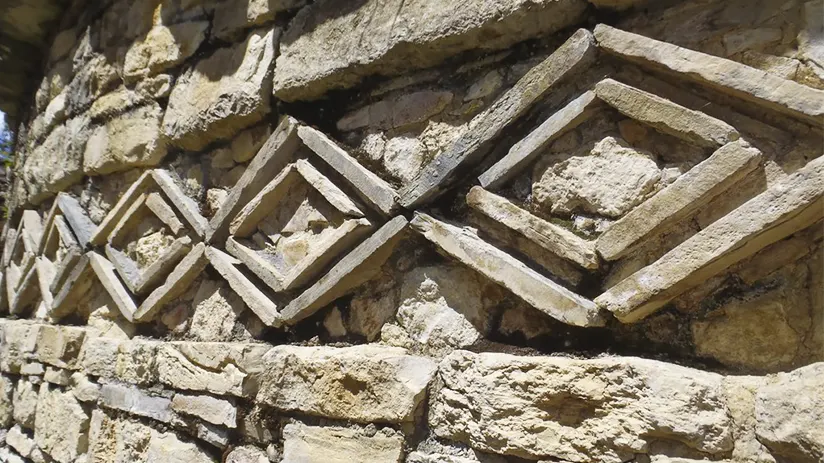
The engineering methods of the Chachapoyas culture demonstrate advanced engineering knowledge. Early artisans built artificial platforms along the mountain ridge to stabilize the landscape. This foundation supported a sprawling urban center capable of withstanding extreme weather conditions. The stonework reveals unique design choices that distinguish this pre-Inca society.
- Limestone blocks. Workers quarried and carved large pieces of stone to construct the massive perimeter walls.
- Mud mortar. Unlike Inca architects, these artisans used a thick clay mixture to firmly bind the stones together.
- Circular patterns. The curved walls of the dwellings efficiently distributed the structural weight and offered superior durability.
- Inverted engineering. The main sacred temple features a wider upper section than its base, lacking modern supports.
Kuelap vs Machu Picchu: Key Differences

Many people evaluate various highland settlements when planning a Peruvian vacation. Comparing these mountain complexes highlights unique timelines and regional ancestral backgrounds. The chart below provides reliable data regarding age, layout, and average visitor numbers. This information allows travelers to build a balanced itinerary.
| Feature | Kuelap Fortress | Machu Picchu |
|---|---|---|
| Culture or Civilization | Chachapoyas (Warriors of the Clouds) | Inca |
| Chronological Age | Built between 900 and 1100 AD (some ruins date back to the sixth century) | About 600 years old (fifteenth century) |
| Geographic Location | Amazonas Region in northern Peru near the Ecuadorian border | Cusco Region in southern Peru |
| Mountain Altitude | About 3000 masl | About 2430 masl |
| Structural Style | Circular stone dwellings with clay mortar and geometric designs | Rectangular buildings with finely shaped blocks and no mortar |
| Site Dimensions | 600 meters long by 120 meters wide | 530 meters long by 200 meters wide |
| Defensive Barriers | Thick outer walls reaching up to 20 meters high | Integrated agricultural terraces without massive structural walls |
| Visitor Access | Mostly via a modern cable car ride or a long mountain trek | Railway lines and transit buses or traditional hiking paths |
| Tourism Crowds | About 200,000 annual visitors provide a less crowded experience | About 1,500,000 people yearly make the site highly crowded |
| Ticket Prices | $8 USD (approx.) for international adults | About $44 USD |
Best Time to Visit Kuelap
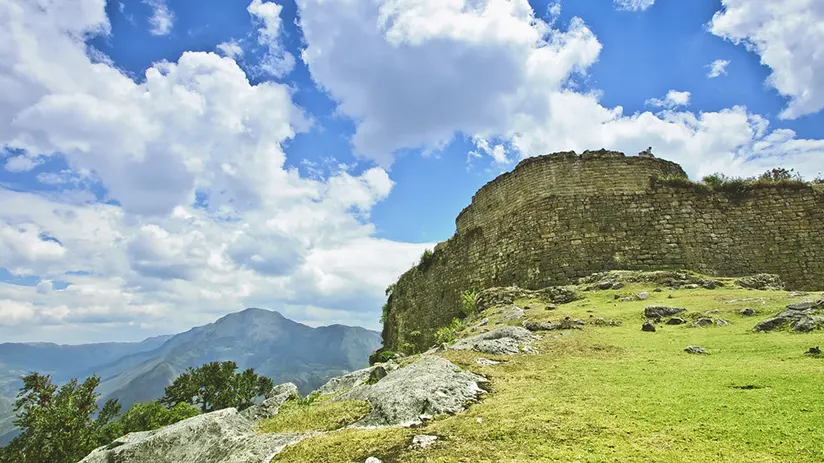
Travel planning requires considering the changing weather patterns of the Amazon region, where the months from May to September constitute the best period to visit. This period offers sunny days and clear skies to view the mountainous landscape, allowing hikers to walk with greater ease along the local trails.
Conversely, the heavy rainy season occurs from November until April, meaning ground transportation experiences frequent delays because of poor road conditions. Additionally, thick fog reduces the visibility of the ancient walls significantly, forcing travelers to face difficult weather conditions, especially in February and March.
Essential Travel Tips for Visiting Kuelap
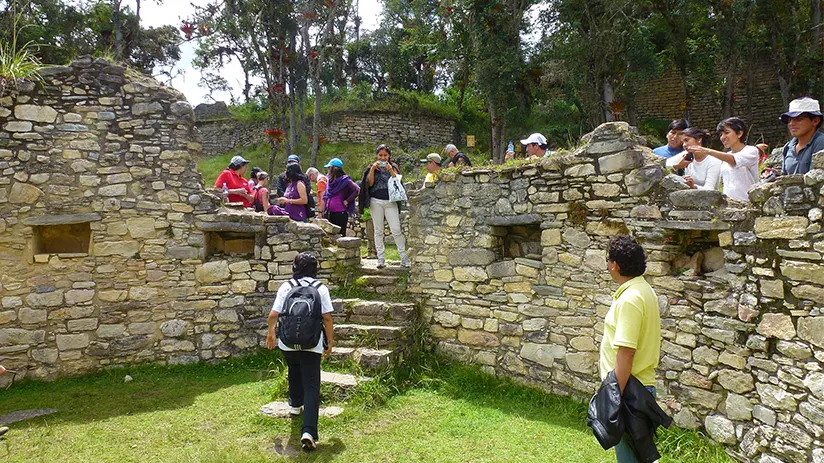
Following specific recommendations helps improve the visitor experience of the mountain citadel. Travelers can avoid common logistical delays by organizing essential gear and health preparations beforehand. The single list below offers practical advice for a trip to northern Peru.
- Identity Verification. People simply carry personal identification to purchase entry tickets with assistance from a local tour operator. This document then grants direct access to the ancient archaeological complex.
- Early Booking. Should reserve hotel rooms and guided tours months ahead during the dry season. Booking in advance guarantees availability for essential regional activities.
- Dry Season. The months from May to September offer excellent conditions for mountain hiking. Clear skies provide unobstructed views of the stone ruins.
- Cable Car Closures. The modern aerial lift system stops operations every Monday for regular technical maintenance. Those planning a trip must adjust schedules around this weekly closure.
- Cash Supplies. Local businesses in the surrounding villages do not accept card payments or international currencies. Travelers need cash in Peruvian soles for small purchases.
- Altitude Sickness. The cultural complex sits at 3000 masl. Individuals should spend one full night in Chachapoyas to adapt to the thin air.
- Water Intake. Walking around the high-altitude settlement demands constant physical effort. Hikers must carry enough bottled water to maintain proper hydration levels.
- Sun Protection. Highland UV rays remain extremely strong even during completely overcast days. Tourists require high-factor sunscreen along with wide hats and quality sunglasses.
- Layered Clothing. Temperatures inside the cloud forest fluctuate rapidly within a single afternoon. Independent explorers pack versatile garments to add or remove layers easily.
- Rain Gear. Unexpected downpours happen frequently in the northern mountains. Bringing a waterproof jacket or rain poncho keeps clothing dry during the outdoor tour.
- Sturdy Footwear. Heavy mountain rains make the stone paths highly slippery or muddy. Hikers wear specialized boots with deep traction to prevent accidents.
- Local Guides. Hiring a certified expert reveals the deep historical context of the fortress. Professional commentary transforms plain stone ruins into a meaningful cultural experience.
- Site Preservation. The ancient limestone walls remain highly fragile under ongoing structural restoration. Visitors must respect restrictive signs and stay away from forbidden excavation zones.
Other Attractions Near Kuelap
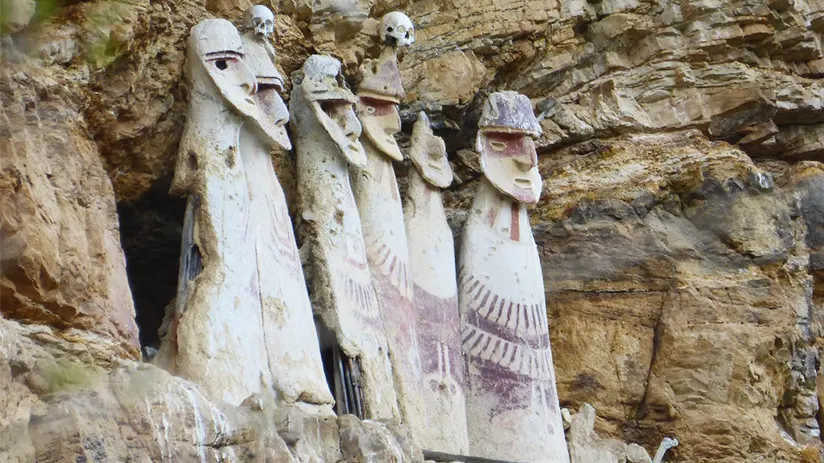
The surrounding valleys of the Amazon region offer several destinations for extended exploration. Tourists can easily combine a fortress day tour with visits to remarkable natural attractions and unique ancient burial sites. These locations complement a comprehensive itinerary across northern Peru perfectly.
- Gocta Waterfall. This massive waterfall ranks among the tallest drops worldwide with a height of 771 m. Visitors hike through a dense cloud forest to see local birds.
- Yumbilla Waterfall. This impressive highland cascade provides another excellent outdoor excursion within the northern mountains. Travelers explore lush trails to witness the multi-tiered water flow.
- Karajia Sarcophagi. Ancient craftsmen placed these unique clay funeral capsules high on steep limestone cliffs. The stylized figures safeguard the remains of important Chachapoyas leaders.
- Revash Mausoleums. These collective tombs resemble small painted houses carved directly into the mountain rock face. The funeral structures showcase the artistic architecture of past societies.
- Leymebamba Museum. This vital cultural center safeguards more than two hundred well-preserved regional mummies. Local researchers recovered the valuable collection from a nearby remote lake site.
How to Include Kuelap in a Northern Peru Itinerary
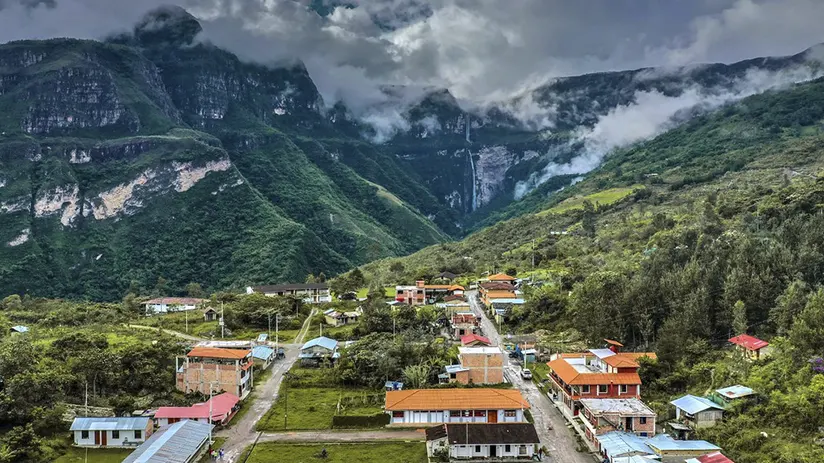
An extended vacation across northern regions often begins in coastal cities, where independent explorers usually start in Trujillo to examine the massive adobe citadels of the Chimú culture. From there, individuals travel to Chiclayo to discover imperial pre-Inca tombs, establishing a solid historic foundation.
Travelers then journey inland toward the highlands of Chachapoyas. Wise visitors allocate at least three days to explore the stone fortress along with the nearby waterfalls. This mountain segment highlights a complete transition from desert plains to lush cloud forests. Reviewing a Peru travel map simplifies trip planning.
The itinerary connects several ancient cultures. Adventurers experience the artistic heritage of Moche and Chimu settlements before observing the mountain fortress. After completing the northern loop, those planning a trip can take a regional flight south to Cusco. This addition rounds out a comprehensive national vacation.
FAQs About Kuelap

What is Kuelap and why is it important?
The ancient Chachapoyas culture constructed the stone citadel of Kuelap in the northern regions. This monument could potentially be one of the UNESCO sites in Peru because it showcases remarkable pre-Inca engineering. Massive limestone walls protect hundreds of circular houses inside this cloud forest complex.
How do you get to Kuelap from Chachapoyas?
Travelers find ground transportation from the city of Chachapoyas to the village of Nuevo Tingo. From that point, Many people board a modern cable car transit system for a twenty-minute ride. On the other hand, independent adventurers can hike a steep 10 Km mountain trail to the entry gate.
Is Kuelap worth visiting?
The archeological site certainly warrants a visit from history enthusiasts. This remote fortress offers a tranquil environment with fewer crowds than southern destinations. Exploring the ancient stone structures allows one to appreciate the diversity of early Peruvian civilizations.
How much time do you need at Kuelap?
Most people find that a complete tour inside the limestone walls requires about two hours. Should also allocate an extra hour for round-trip cable car travel. Planning a full day ensures a relaxed pace for the entire mountain excursion.
What is the difference between Kuelap and Machu Picchu?
The pre-Inca northern fortress features circular stone homes and is much older than the southern sanctuary. Conversely, Machu Picchu displays the classic rectangular architecture of imperial Inca designers. The northern ruins also receive far fewer annual visitors than the Cusco landmark.
When is the best time to visit Kuelap?
The dry season from May to September represents the ideal period for a journey. These months offer sunny days and clear views of the mountain landscape. Heavy rains during the winter season can cause transit delays on regional roads.
Do you need a guide to visit Kuelap?
Guided visits may be required depending on current site regulations, so travelers should verify access requirements before visiting. Authorized experts explain the deep historical background of the circular buildings and defensive walls. Booking these services in advance ensures a smooth entry at the checkpoint.
How high is Kuelap above sea level?
The ancient settlement rests on a high ridge at 3000 masl. This considerable elevation demands proper acclimatization before starting the walk. Many people should spend at least one night resting in Chachapoyas to avoid health issues.
“THE MOUNTAINS CALL THOSE WHO SEEK THE SECRETS OF THE PAST“
Using an objective Kuelap Travel Guide guarantees a seamless journey through historical backgrounds and ticketing logistics. This majestic pre-Inca fortress rewards heritage lovers with spectacular cloud forest vistas and profound archaeological insights. Ultimately, discovering these ancient stone ruins leaves a lasting impression on international travelers.
Peru has so much to offer; it can be hard to know where to start. With many years of experience in the tourism sector, Machu Travel Peru is happy to help with anything regarding your trip to Peru and any tours around it. Let us help you make your Peruvian experience unforgettable! Contact us today to plan your dream adventure!