A Cusco cooking class offers a hands-on way to discover Peruvian cuisine while learning how to prepare traditional dishes with local ingredients. Depending on the experience, you may visit San Pedro Market, cook alongside a local instructor, prepare dishes such as ceviche and lomo saltado, or learn to make a classic pisco sour.
Cooking classes in Cusco range from short studio workshops to market-to-table experiences and private classes. This guide explains what to expect, how long classes usually take, what dishes you can learn to prepare, and how to choose the experience that best fits your trip.
- Cusco Cooking Classes: What to Expect
- San Pedro Market: The First Step of a Cusco Cooking Class
- What You’ll Actually Cook
- Making a Pisco Sour During a Cusco Cooking Class
- Group, Private, or Specialty Classes
- Exploring Cusco Through Peruvian Street Food
- How to Choose the Right Cooking Class
- How Much Time to Allow
- Fitting a Cooking Class Into Your Cusco Itinerary
- Frequently Asked Questions
- Conclusion
Cusco Cooking Classes: What to Expect

Peru is known for its diverse culinary traditions, with Lima recognized as one of the country’s major culinary destinations. However, you don’t have to visit Lima to experience traditional Peruvian food. Cusco also offers a variety of culinary experiences where travelers can learn about local ingredients, traditional cooking techniques, and the cultural traditions behind Peruvian gastronomy.
A typical class combines cultural context with hands-on preparation, allowing travelers to learn about local ingredients and use them to prepare traditional dishes.
Many market-to-table experiences follow a two-part format: a visit to San Pedro Market, usually lasting around 45 minutes to an hour, followed by a workshop in a kitchen or cooking studio. Other classes take place entirely in a cooking studio and focus directly on preparing the dishes. The full experience commonly takes about three to four hours, although shorter studio-only, family, and specialty formats are also available. Rather than simply watching a demonstration, participants prepare traditional Peruvian dishes themselves under the guidance of a local chef.
San Pedro Market: The First Step of a Cusco Cooking Class
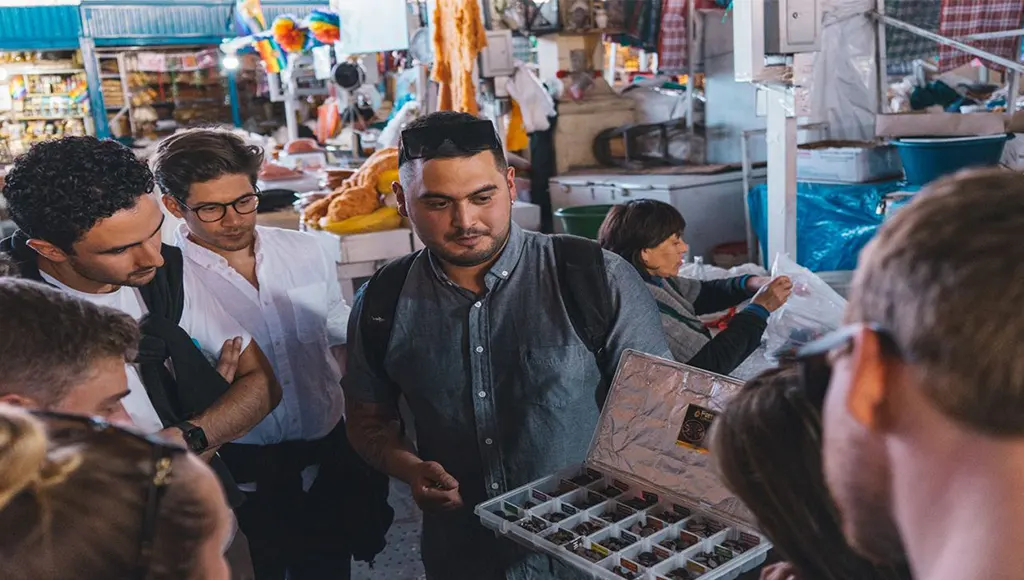
A cooking class that includes a visit to San Pedro Market is a great way to begin exploring Peru’s culinary traditions. Accompanied by a local chef, travelers walk through San Pedro Market to discover a wide variety of fruits, prepared foods, Andean grains, herbs, spices, and other local ingredients used in Peruvian cuisine. Along the way, the chef explains where different ingredients come from, how they are used in traditional dishes, and what to look for when selecting fresh produce.
This market visit provides a cultural introduction to the ingredients that travelers will later use during the cooking session. It also offers a closer look at everyday food traditions in Cusco, helping visitors understand how the ingredients they see at the market are later used in the dishes they prepare.
What You’ll Actually Cook

One of the highlights of a cooking class is getting to prepare some of Peru’s best-known dishes yourself. If you want to learn to make ceviche in Cusco, many classes include it as a starter, often alongside main courses such as lomo saltado or ají de gallina.
Ceviche is one of the most well-known Peruvian seafood dishes, so it can be a useful introduction to the fresh ingredients, seasonings, and preparation techniques used in Peruvian cuisine. Depending on the menu, you may also prepare other seafood dishes or learn about ingredients commonly associated with coastal cooking.
Other classes place more emphasis on Andean cuisine, incorporating native potatoes, quinoa, causa, and other regional ingredients into the menu. The dishes vary from one provider to another, giving travelers different ways to explore Peru’s culinary traditions.
Some experiences may also introduce regional specialties such as cuy, a traditional Andean dish closely associated with Cusco’s culinary heritage.
After the class, you can continue exploring the local food scene by visiting restaurants in Cusco and trying regional dishes that were not part of your cooking experience.
Making a Pisco Sour During a Cusco Cooking Class
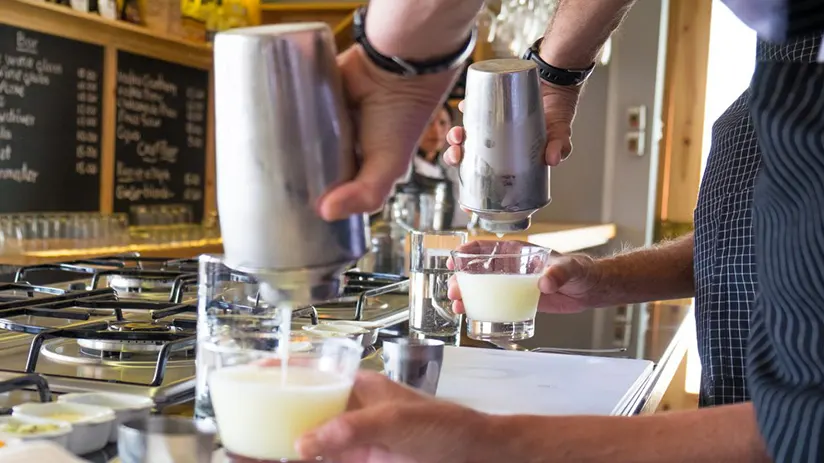
A pisco sour class in Cusco may be included as part of some cooking experiences, allowing travelers to learn how this classic Peruvian cocktail is prepared. A traditional Pisco Sour is made with pisco, fresh lime juice, simple syrup, egg white, and Angostura bitters. Participants may learn how to balance the ingredients and create the cocktail’s characteristic layer of foam.
Some classes also introduce variations made with ingredients such as passion fruit or chicha morada, allowing travelers to try different flavors while learning more about Peru’s cocktail traditions.
Learning about pisco also provides useful context for understanding the traditions behind the cocktail and its place in Peruvian cuisine.
Group, Private, or Specialty Classes
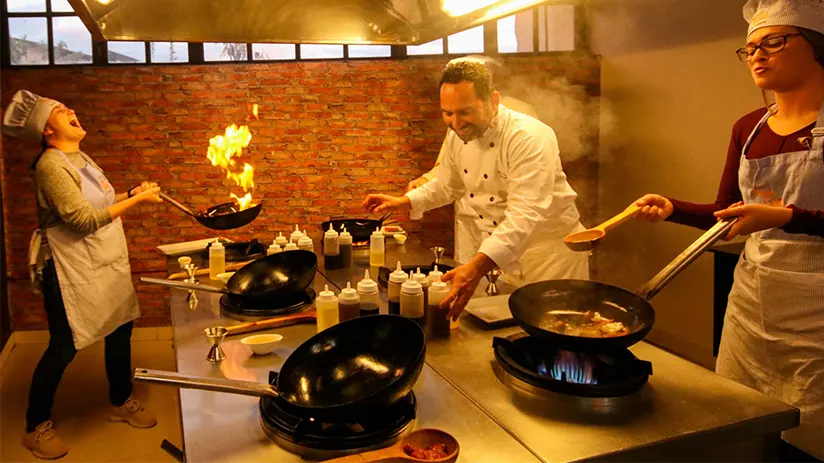
Cooking classes in Cusco come in several formats, making it possible to choose an experience based on your schedule, interests, and preferred group size. Options range from small-group sessions to private lessons and specialty classes focused on a particular ingredient, dish, or culinary tradition.
Small-Group Cooking Classes: These classes offer a shared hands-on experience, often combining cooking instruction with an introduction to Peruvian ingredients and culinary traditions.
Private Cooking Classes: Private sessions provide a more personalized experience and can be useful for couples, families, or travelers with specific dietary preferences.
Pachamanca Experiences: Some specialized experiences introduce travelers to Pachamanca, a traditional Andean cooking method that uses heated stones to cook meat, potatoes, and other ingredients.
Chocolate Workshops: Chocolate-focused experiences introduce travelers to Peruvian cacao and basic chocolate-making techniques.
Ceviche-focused classes: Some classes place ceviche at the center of the experience, allowing participants to learn how to prepare one of Peru’s best-known dishes.
Pisco and cocktail classes: Some culinary experiences also include a pisco sour workshop, combining cooking with an introduction to Peru’s national spirit.
Exploring Cusco Through Peruvian Street Food
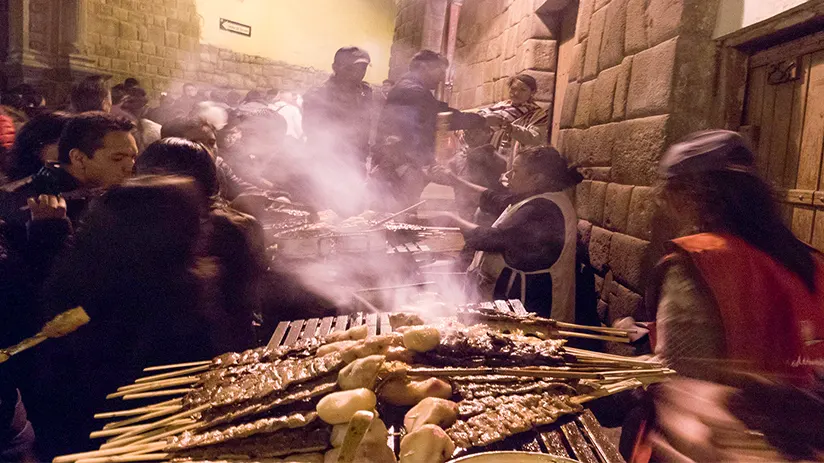
Peruvian street food offers another way to experience Cusco’s culinary traditions outside a conventional cooking class. Local markets and food stalls feature snacks and dishes such as churros, anticuchos, tamales, choclo with cheese, and rocoto peppers.
Mercado San Pedro is one of the places where visitors can explore local food stalls and everyday ingredients. The Saturday market at Barratillo offers another opportunity to experience Cusco’s market culture. Travelers who want to combine tastings with an introduction to the city’s street-food traditions can also join a guided food tour.
How to Choose the Right Cooking Class
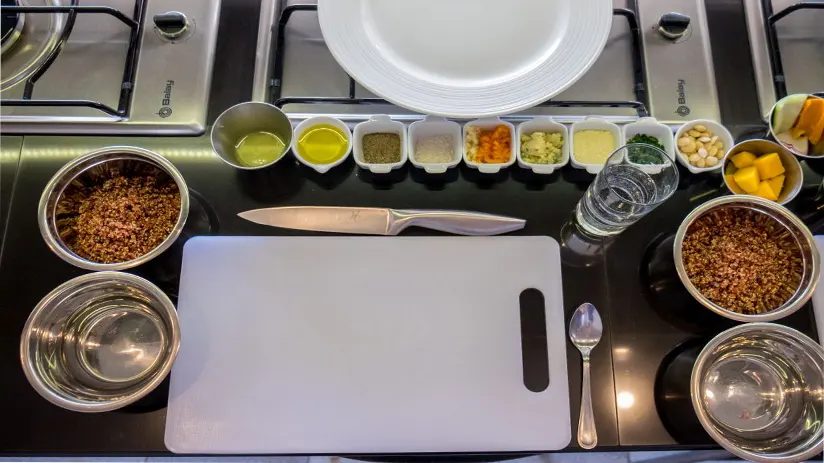
With different formats and culinary approaches available in Cusco, your choice will depend on the type of experience you want and how it fits into your trip. Rather than looking for a single type of class, consider the details that matter most to you before making a reservation.
- Consider the group setting: Decide whether you prefer a shared experience with other travelers or a more personalized private session.
- Consider your dietary needs: If you follow a vegetarian, vegan, or other specific diet, check the menu and available accommodations before booking. This can help ensure that the dishes and ingredients fit your preferences.
- Choose a culinary style: Some classes focus on traditional Peruvian recipes and established cooking methods, while others take a more contemporary approach. If you enjoy creative presentations, look for an experience that reflects that style.
- Look for a class with a market visit: Not every cooking class includes time at a local market. If you want the culinary experience to be part of a broader introduction to Cusco’s food culture, a class that includes a market visit may be worth considering.
- Match the class to your schedule: Class lengths can vary, so consider how much time you want to set aside during your trip. A longer session may suit travelers looking for a more extensive activity, while a shorter format can work better around a busy itinerary.
How Much Time to Allow

How Long Does a Cusco Cooking Class Take?
The amount of time you need depends on the type of class you choose. A full market-to-table experience usually takes around three to four hours, while shorter studio-based or specialty sessions may take between 1.5 and 2 hours.
Short Classes: 1.5–2 Hours
These sessions work well for travelers with limited time. They generally focus on preparing a small selection of dishes or drinks and may include a cocktail-making activity such as a pisco sour.
Standard Classes: Around 3 Hours
A three-hour class usually provides enough time to prepare several dishes and learn about the ingredients and techniques involved. Menus vary, but may include Peruvian favorites such as lomo saltado or papa a la huancaína.
Market-to-Table Experiences: Around 4 Hours
Longer experiences can combine a visit to San Pedro Market with the cooking session. The additional time allows travelers to explore local ingredients with a chef or guide before using some of them in the kitchen.
Family and Specialty Options
Family-friendly and specialty workshops may follow a shorter or more flexible format. Their duration depends on the activities included, so check the schedule when booking.
Classes designed for families often adapt the activities to different age groups. Children may take part in simple and enjoyable tasks, such as mixing ingredients, assembling dishes like causa or desserts, or decorating plates, typically with the guidance of the chef and under adult supervision.
Fitting a Cooking Class Into Your Cusco Itinerary
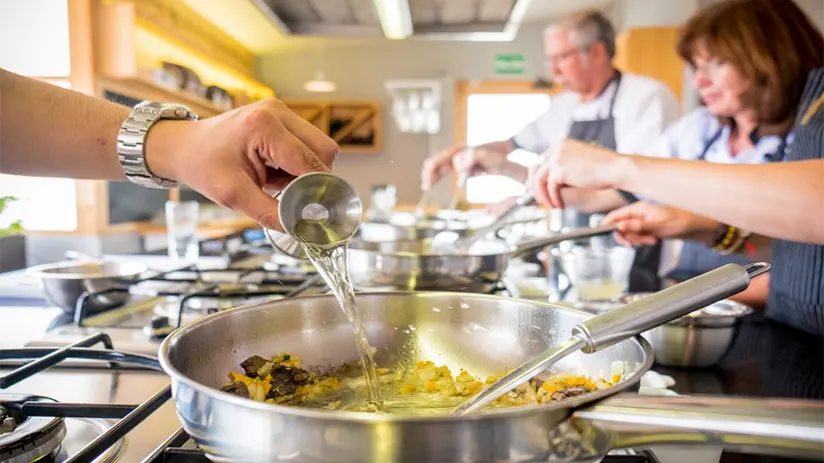
A cooking class in Cusco can fit easily into a day of sightseeing, especially if you choose a shorter studio-based format. Market-to-table experiences generally require a larger time commitment, so leave enough room between the class and other scheduled activities. Check the starting time and total duration when planning your itinerary, particularly if you have other tours or visits planned for the same day.
Frequently Asked Questions
Do You Need Cooking Experience to Take a Cusco Cooking Class?
No previous cooking experience is required to take a cooking class in Cusco. Most classes are suitable for different skill levels, including beginners and more experienced cooks. Some providers may also offer specialized classes for participants with more advanced culinary skills. If you have advanced cooking experience and want a more challenging class, check with the provider before booking to see whether the format matches your skill level.
Are Cusco Cooking Classes Good for Kids or Families?
Many cooking classes in Cusco are suitable for families and beginners, although the format can vary by provider. Family-friendly classes may offer a more relaxed pace and activities that are accessible to children. If you are traveling with kids, check the minimum age, class duration, and activities included before booking to make sure the experience suits your family.
Can You Take a Cooking Class If You Don’t Drink Alcohol?
Yes. Many cooking classes include alcoholic drinks such as pisco sour, but you can usually participate in the cooking activities without drinking alcohol. If a cocktail-making session is part of the class, check with the provider in advance to see whether a non-alcoholic alternative is available.
Do Cusco Cooking Classes Accommodate Dietary Restrictions?
Some cooking classes in Cusco can accommodate dietary restrictions or food preferences, but this varies by provider and menu. If you have a specific dietary requirement, such as a vegetarian or vegan diet or a food allergy, let the provider know before booking so they can confirm whether suitable options are available.
What’s the Difference Between a Market-Visit Class and a Studio-Only Class?
A class with a market visit typically starts at San Pedro Market, where a chef or guide introduces local ingredients before the cooking session. A studio-only class takes place entirely at the cooking venue and focuses more directly on preparing the dishes.
Do You Get to Keep the Recipes?
In many cases, yes. Some cooking classes provide participants with the recipes so they can recreate the dishes at home after the class. However, this varies by provider, so it is worth confirming whether recipes are included before booking.
Is a Cusco Cooking Class Worth It If I’m Also Doing a Food Tour?
Yes. The two experiences focus on different aspects of Peruvian cuisine. A food tour is mainly about tasting and discovering local food, while a cooking class lets you prepare dishes yourself and learn about the ingredients and techniques involved.
If you are doing both, consider choosing a cooking class with a different focus, such as Andean ingredients, a market visit, or a specific type of dish.
Conclusion
A Cusco cooking class offers more than the chance to prepare traditional Peruvian dishes. It gives travelers a hands-on way to discover local ingredients, cooking techniques, and the food traditions behind Peru’s diverse cuisine.
When choosing a class, consider the format, duration, menu, group size, and whether you want to include a visit to San Pedro Market. The right experience can complement your itinerary while giving you a deeper connection to the local food culture and making your time in Cusco a memorable part of a culinary adventure in Peru.
Ready to explore Peruvian cuisine in Cusco? With years of experience in tourism, Machu Travel Peru can help you find a cooking experience that fits your itinerary and interests. Get in touch with us to learn more about cooking classes in Cusco and plan your culinary experience.