If you’re planning a trip to Peru, get ready for more than just majestic ruins and breathtaking landscapes. Peru is a hidden gem for exotic drinks; these beverages share stories of ancient cultures, healing practices, and special ingredients. From the Andes to the Amazon, exotic Peruvian drinks bring bold flavors and fascinating histories, making them essential experiences during your vacations in Peru.
This guide by Machu Travel Peru explores five must-try exotic drinks, some traditional, others ceremonial, but all 100% Peruvian. Whether you’re into alcoholic drinks or prefer something herbal and restorative, there’s a drink of Peru with your name on it. And yes, we’ve included how to make them at home!
Join us to discover exotic Peruvian drinks
1. Siete Raices
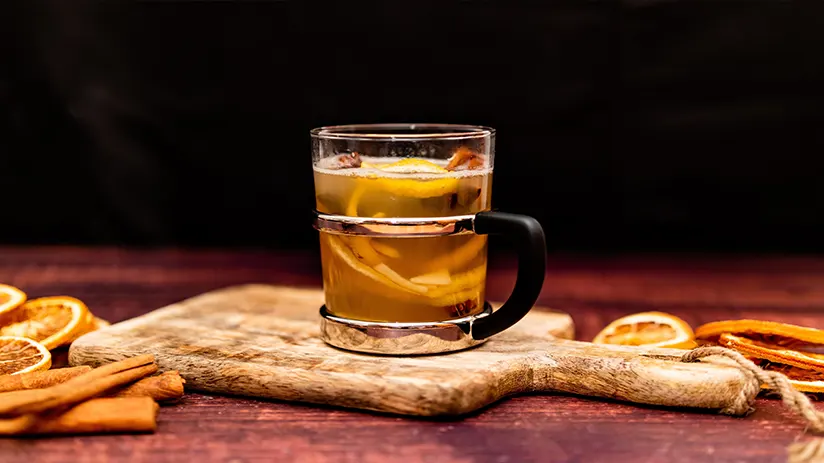
Let’s start strong! Literally. Siete Raices is a potent Amazonian elixir, crafted from the infusion of seven medicinal roots and barks. It’s a deep reddish-brown liquid with strong herbal flavors, believed to enhance vitality and virility. It’s often served in bars across Iquitos and Pucallpa and is sometimes mixed with alcohol for an extra kick.
Ingredients
- 1 liter of cane alcohol or rum
- 1 root each of chuchuhuasi, uña de Gato, clavo huasca
- 500 ml honey or molasses
- Optional: lime juice for flavor balance
Preparation
- Wash and slightly crush the roots.
- Place all roots in a glass jar or bottle with the cane alcohol.
- Add honey or molasses and shake gently.
- Let it macerate for 15-30 days in a cool, dark place.
- Strain and serve as a shot.
This Traditional Peruvian Drink is not just about taste; it’s deeply tied to the health benefits and spiritual beliefs of the Amazonian people. The result? An energizing, sometimes mystical drink, perfect for adventurous palates.
2. Uvachado
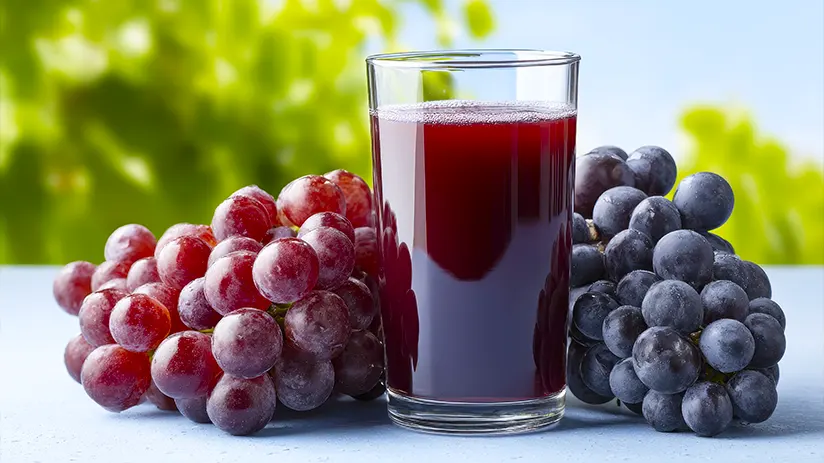
From the jungle to the wineglass, Uvachado is a sweet Amazonian liqueur made from black grapes (uva negra) and cane alcohol. It’s a popular choice at Peruvian celebrations in the jungle regions and has a smooth, fruity finish.
Ingredients
- 1 kg of black grapes (crushed)
- 750 ml of cane alcohol or Peruvian Pisco
- 250 ml of water
- 250 ml of simple syrup
- Optional: cinnamon or clove
Preparation
- Crush grapes and place them in a jar with the alcohol.
- Let them ferment for 5-7 days.
- Add simple syrup and let it macerate for another 7 days.
- Strain and bottle.
- Serve chilled or on ice.
This is a great drink to gift or bring home from your vacations in Peru. It pairs well with jungle dishes and tropical fruits.
3. Chuchuhuasi
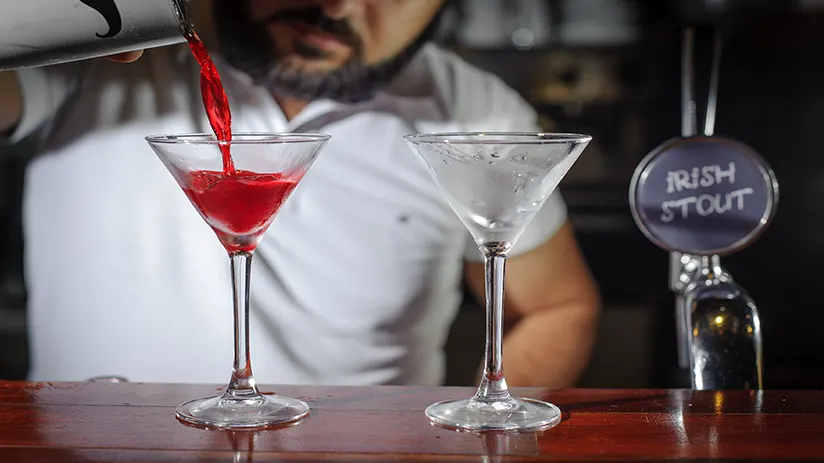
Also, one of the key ingredients of Siete Raíces, Chuchuhuasi, can stand on its own as a powerful Amazonian tonic. People steep the bark of the Chuchuhuasi tree in alcohol and consume it for its medicinal and aphrodisiac properties.
Ingredients:
- Chuchuhuasi bark
- 1 liter of cane alcohol
- 250 ml of simple syrup
- Optional: ginger or lime juice for flavor
Preparation:
- Rinse the bark and place it in alcohol.
- Let it sit for 15-20 days.
- Add sweetener to taste.
- Serve in small shots.
People often recommend Chuchuhuasi for joint pain, fatigue, and even digestive issues. Although it’s considered a soft drink by jungle standards, its alcoholic content is no joke!
4. Ayahuasca
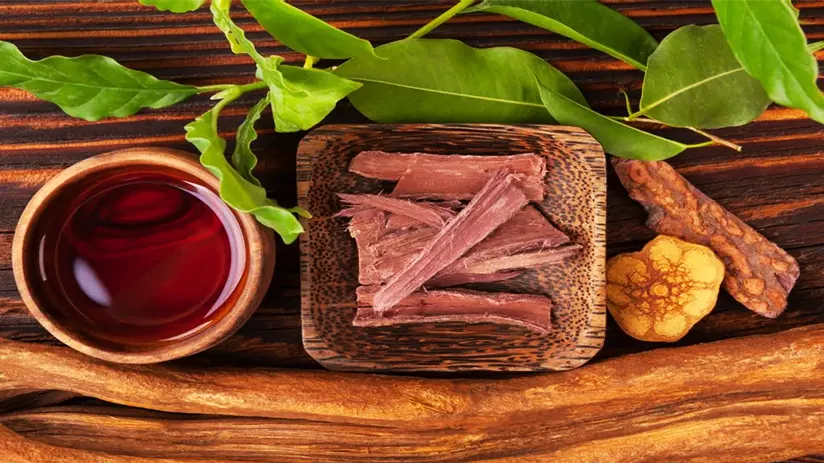
Ayahuasca is not just a drink; it’s a profound spiritual ceremony. This brew is made from the Banisteriopsis caapi vine and chacruna leaves, and traditionally used by Amazonian shamans to induce visions and healing experiences.
Important: Ayahuasca is not for recreational use. It must be consumed in a ceremonial setting with trained shamans due to its powerful psychoactive properties and deep spiritual impact.
Ingredients
- Ayahuasca vine
- Chacruna leaves
- Water
- Time and respect
Preparation is complex and sacred, often taking 12+ hours to brew. The experience is immersive, challenging, and potentially life-changing.
If you’re planning a trip to Peru, especially the Amazon, research ethical retreat centers that offer Ayahuasca ceremonies responsibly.
5. Camu Camu
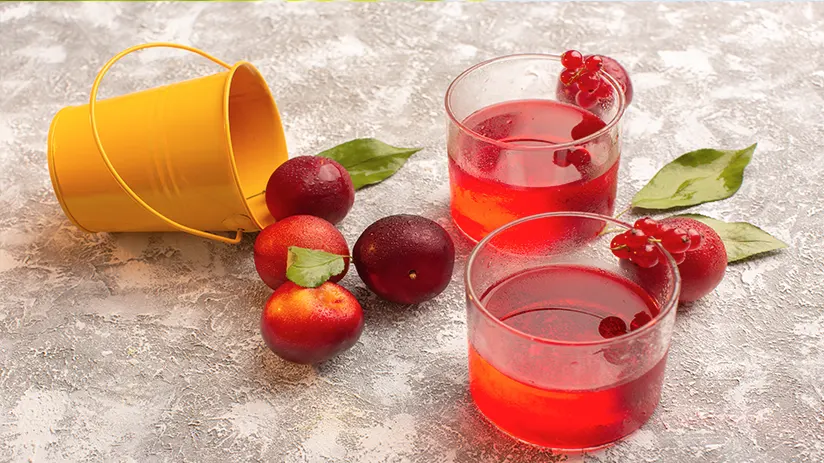
Let’s lighten things up with something refreshing and tangy: Camu Camu, a small Amazonian berry that’s packed with Vitamin C. This drink is a perfect soft drink option for hot Peruvian days, offering immune-boosting health benefits and a delicious sour kick.
Ingredients
- 1 cup Camu Camu pulp
- 3 cups cold water
- 1/4 cup simple syrup or honey
- Lime juice to taste
- Ice
Preparation
- Blend Camu Camu pulp with water and a sweetener.
- Add lime juice for brightness.
- Strain and serve over ice.
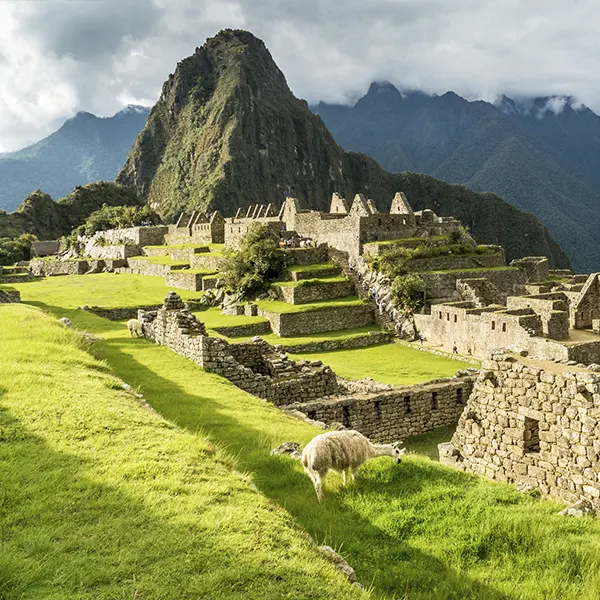
It’s an ideal drink to cool down after trekking, visiting Machu Picchu, or walking through Lima’s historical center.
6. Rompe Calzon

Rompe Calzón (literally Panty Breaker) is a bold, Amazonian drink with a suggestive name and an even stronger reputation. It’s an aphrodisiacal macerated drink from the Peruvian jungle, made with a blend of roots, barks, herbs, and often sweetened with honey or molasses. Locals claim it boosts stamina, libido, and energy, and it’s usually consumed in small shots.
You can find it in rustic markets and traditional bars. This is especially true in places like Iquitos, Pucallpa, Tarapoto, and Loreto. This traditional Peruvian drink shares similarities with Siete Raices, but it’s often stronger, spicier, and focused on aphrodisiac and tonic properties. Each seller may have a slightly different version, but the base ingredients tend to include:
Ingredients
- Chuchuhuasi
- Clavo huasca
- Uña de gato
- Iporuru
- Ajos sacha
- Caña alcohol (cane alcohol or aguardiente)
- Miel de abeja or melao
- Coca leaves (optional)
Preparation
- Place all herbs and roots into a large mason jar.
- Add the alcohol and seal tightly.
- Let macerate for at least 15 days in a dark, cool place.
- Strain and mix with honey, lime juice, and a splash of ginger ale if desired.
- Serve in small shots, chilled or at room temperature.
Tips and Suggestions
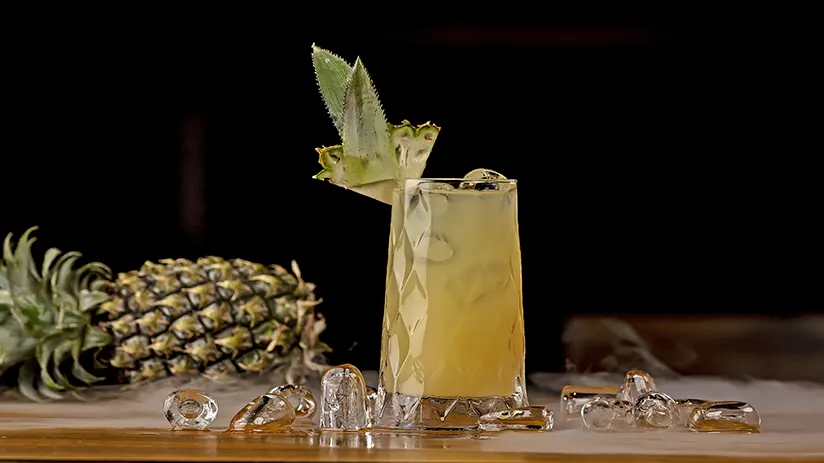
Peru has a wide range of drinks, from old Andean brews to new craft cocktails. Before you explore this tasty world, here are some tips. These tips will help make your experience safe, fun, and culturally rich.
1. Do your homework
Before ordering an unfamiliar drink, take a moment to ask about its ingredients. Many Peruvian drinks, like chicha de jora and coca tea, have rich cultural roots. They offer unique ways of preparation and flavors that might surprise you if you haven’t tried them before. Some people ferment them, some use herbs, and others create quite strong varieties.
2. Be Aware of allergies and sensitivities
Some ingredients can cause allergies for sensitive travelers. For example, egg white in a Pisco Sour may trigger reactions. Spices in purple corn drinks can also be a problem.
- Egg white can be a concern for those with egg allergies or for anyone avoiding raw animal products.
- Coca tea is not recommended for people with certain heart conditions or for pregnant travelers.
- Purple corn and ginger ale mixes can contain added sweeteners that might affect those with dietary restrictions.
Tip: Always check labels or ask your server, especially in small local bars or street stands.
3. Consider alcohol content and fermentation
Some drinks, like chicha de jora and Peruvian craft beers, have different alcohol levels. Their fermentation methods may not always meet the hygiene standards of your home country.
If you have a sensitive stomach, start with drinks from well-known bars, hotels, or trusted breweries. Then, you can try homemade versions.
4. Know your caffeine and herbal limits
Coca tea is popular in the Andes for helping with altitude sickness. It has alkaloids that can act as mild stimulants.
Tip: Avoid drinking it late in the day, and be aware that coca tea can cause a positive result in certain drug tests. Herbal blends, especially in local infusions, can also have strong effects. Always ask before mixing them with other medications.
5. Balance tradition and safety
Peruvian drinks like Pisco Sour, Pilsen Callao, or ginger ale with lime juice are usually safe in good places. However, traditional drinks like chicha de jora in rural areas may be riskier. This is especially true if someone does not treat the water used.
Suggestion: When in doubt, choose bottled, boiled, or commercially prepared options.
6. Respect cultural context
Many Peruvian drinks are more than just beverages; they’re part of rituals, festivals, and local identity. For example, chicha de jora has ceremonial significance in Andean communities.
Tip: When invited to share a traditional drink, ask about its meaning and preparation. Showing interest and respect will enrich your travel experience.
“REGARDLESS OF THE ORIGIN, ENJOY A HIGH-QUALITY BEVERAGE”
Peru’s drinks are more than refreshments; they’re liquid expressions of its biodiversity, cultural diversity, and ancient traditions. From jungle infusions like Siete Raices and Chuchuhuasi to national classics like Pisco Sour and Chicha Morada, each glass tells a story.
So, as you’re planning a trip to Peru, don’t just aim to see Machu Picchu; taste Peru, too. Whether you’re in the highlands sipping coca tea or toasting under Amazonian stars with Uvachado, the best way to connect with Peruvian culture might just be in your cup.
Machu Travel Peru can help you explore not only iconic destinations but also local flavors that tourists often miss. Cheers, or as we say here, ¡Salud!
Peru has so much to offer, it can be hard to know where to start. With many years of experience in the tourism sector, Machu Travel Peru is happy to help with anything regarding your trip to Machu Picchu and any tours around it. Make your Machu Picchu experience an unforgettable one! Contact Us today to plan your dream adventure!