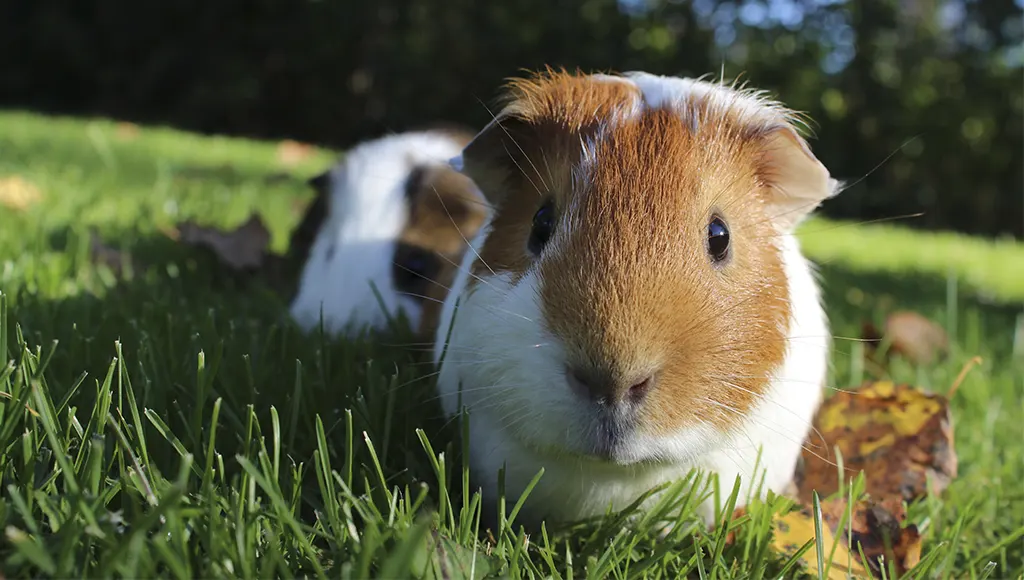
Cuy is the South American name for the guinea pig. People in Andean countries like Colombia, Ecuador, Peru, and Bolivia prize these animals as part of their diet. Unlike North Americans and Europeans, most South Americans, including people in Cusco, consider these rodents an important source of protein. Cuy is the traditional Andean dish made from guinea pig, a protein that has been consumed in Peru for over 5,000 years. In the Andes, cuy is not considered a pet but an important cultural and culinary symbol deeply rooted in Inca heritage. In this guide, you’ll discover everything you need to know about this iconic Andean dish of the Inca Empire.
Everything you need to know about the famous Andean Guinea Pig
- What Is Cuy?
- The History of Cuy in Peru
- The Meaning of Cuy in Andean Culture
- What Does Cuy Taste Like?
- How Cuy Is Traditionally Prepared
- Where to Try Cuy in Peru
- Is Cuy Ethical and Sustainable?
- Tips for Travelers Trying Cuy for the First Time
- FAQs About Cuy in Peru
What Is Cuy?
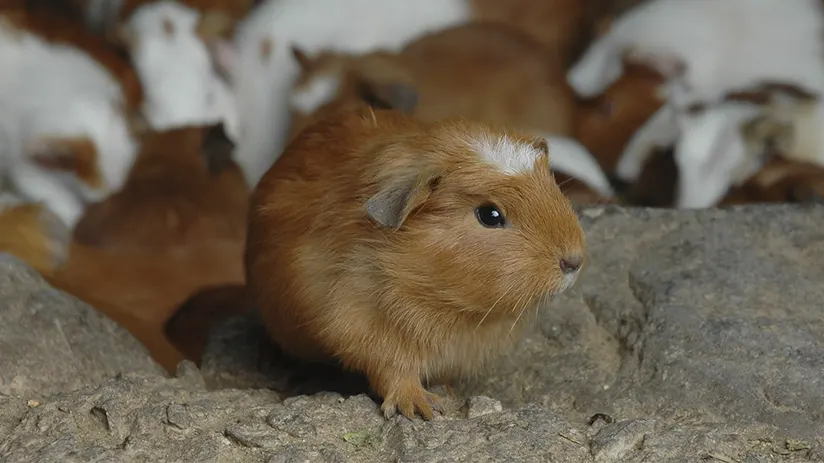
The guinea pig has many interesting general characteristics that might astonish you. These animals are herbivores, sociable, and easily recognizable by their characteristic sounds. Around the world, they have various names that allude to the same rodent, for example: cobayas, acures, and, as in this case, cuy.
To better understand its cultural importance, it is essential to explore the origin of the term, which dates back to the time of the Incas. The name cuy comes from the Quechua word “quwi”. The Incas used this name because of the sound the small creature makes when it hides: “Kew”, “Kew”, and “Kew”. Over time, the term became so popular that it is now part of everyday speech in the Andes.
As a visitor to South America, you’re likely to recognize this animal as a potential pet. While this is certainly the case in most countries, in certain cities, they serve as a high-protein source for their daily diet. This might seem unsettling at first glance, but it’s a reality reflected in the rich gastronomy of these regions. Similar to the belief in Pachamama in Andean culture, many ancestral traditions and customs remain intact, further reinforcing the concept of cultural preservation.
The History of Cuy in Peru
Its history dates back thousands of years, when indigenous Andean communities hunted these creatures. Although initially hunted, guinea pigs eventually became domesticated and were easier to raise than to rely solely on hunting or gathering. Over time, pre-Incan cultures continued to hunt these rodents, but they opted for other, more accessible food sources. These rodents are extremely fast in open spaces and are also a food source for predators.
Cuy During the Inca Empire
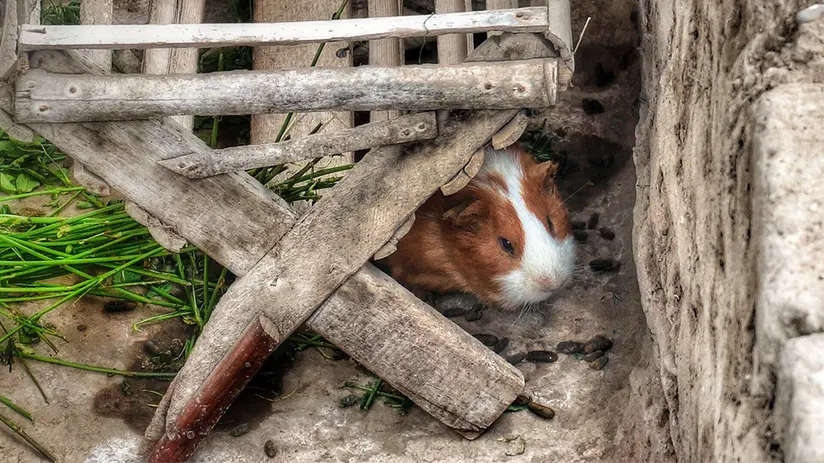
During the Inca period, many lifestyles converged, including the raising of guinea pigs for consumption. According to some accounts, they were also part of Inca food traditions, especially for the nobility. Important events, such as ceremonies, also reflected their importance. During these rites, Inca priests used them to predict the future or as offerings to their gods.
Cuy During the Colonial Era
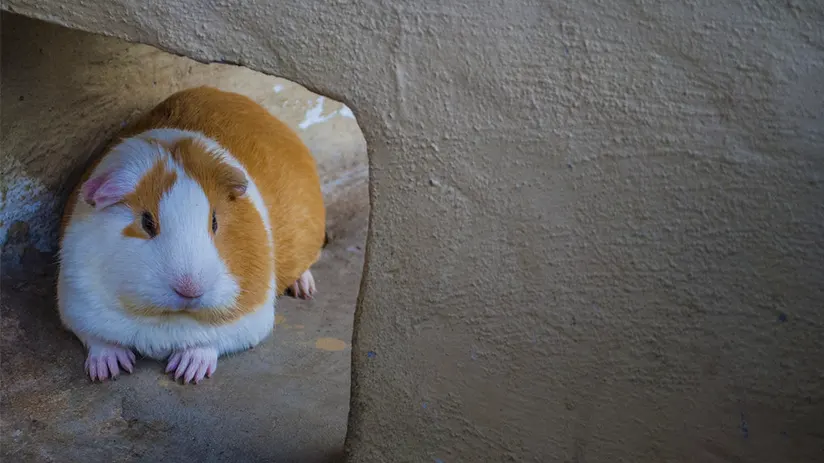
By the Colonial era, the situation hadn’t changed entirely, as they continued to be part of the local diet. However, due to the Spanish repression of Inca rituals, the use of guinea pigs in ceremonies was limited. Likewise, other protein sources such as chicken, pork, and beef became more popular. But their presence remained in the local collective memory; for example, their inclusion in one of the most famous paintings in Cusco, The Last Supper.
Cuy in Modern Peru
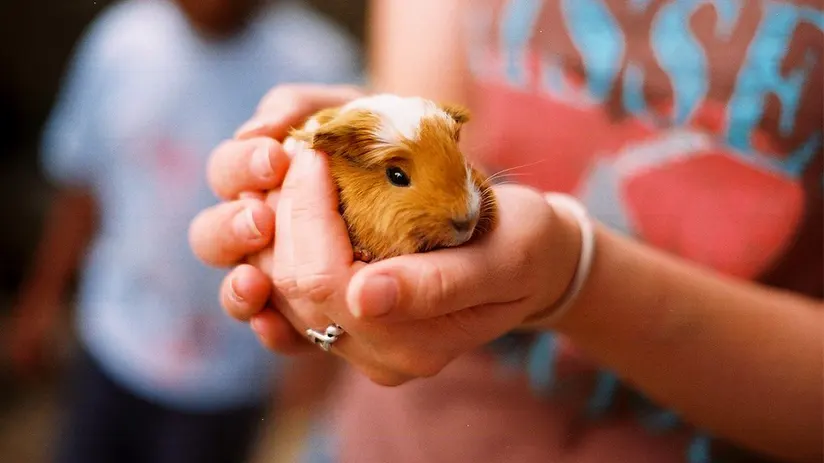
Currently, they hold significant importance in the Andean communities of Peru. From their culinary significance to their cultural prominence, the guinea pig is present in the collective memory. For example, Andeans give a couple of them as an appreciation symbol for special events such as weddings. Other more communal celebrations include festivals where they are the main attraction, such as the popular “Guinea Pig Raffle”.
The Meaning of Cuy in Andean Culture
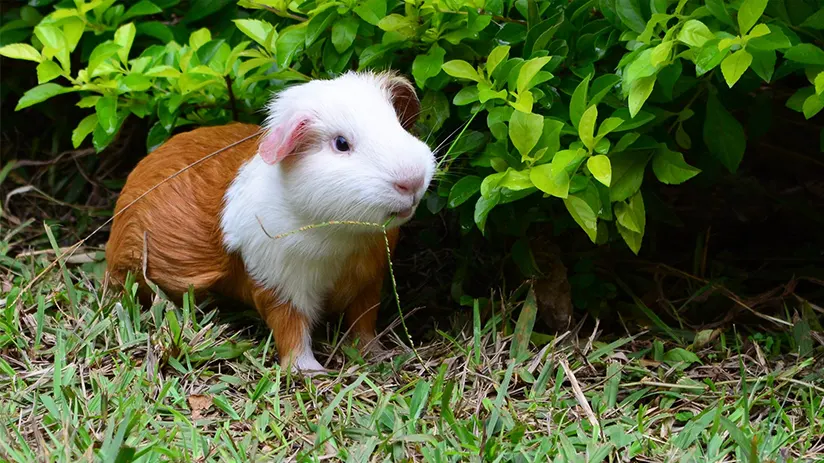
As we mentioned, this rodent has enormous culinary importance in South America, but its significance extends beyond culinary traditions. Andean customs suggest that this rodent represents key concepts in their culture, such as hospitality and prosperity. More than just a dish, cuy is a symbol of Andean heritage and identity. Below is a brief overview of the history of these Andean regions in relation to this endearing animal.
Being invited to share cuy during a local celebration is considered a sign of respect and hospitality. In Andean communities, serving this dish to guests shows generosity and appreciation. Travelers who experience this firsthand often describe it as one of the most authentic cultural exchanges of their trip.
What Does Cuy Taste Like?
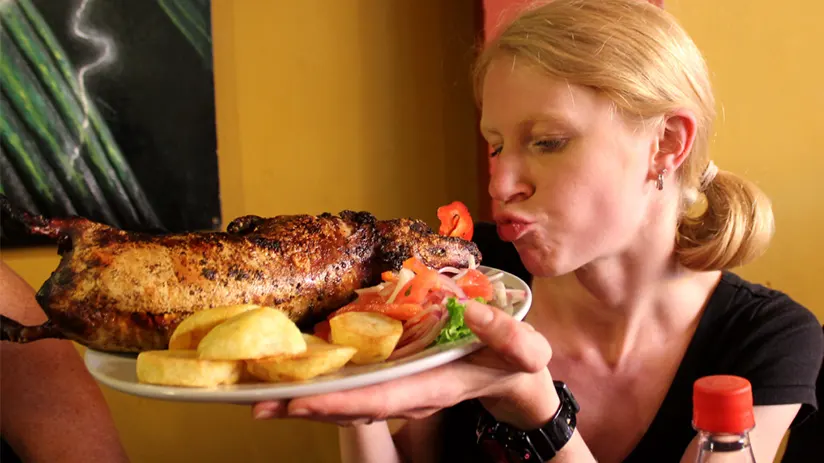
Its distinctive flavor is similar to chicken, but with a firmer, fattier texture. Many diners find its taste remarkably delicate and even slightly sweet compared to rabbit and dark chicken. These characteristics make this protein one of the best in terms of originality and even sophistication. The flavor can also vary depending on the cooking method and the side dishes served with the protein.
First-time visitors often approach their first bite with hesitation. Despite this, many are pleasantly surprised by its mild, savory flavor and crispy texture. The skin is typically the highlight, golden and crunchy, while the meat itself absorbs the seasoning beautifully. The experience feels both rustic and refined at the same time.
How Cuy Is Traditionally Prepared
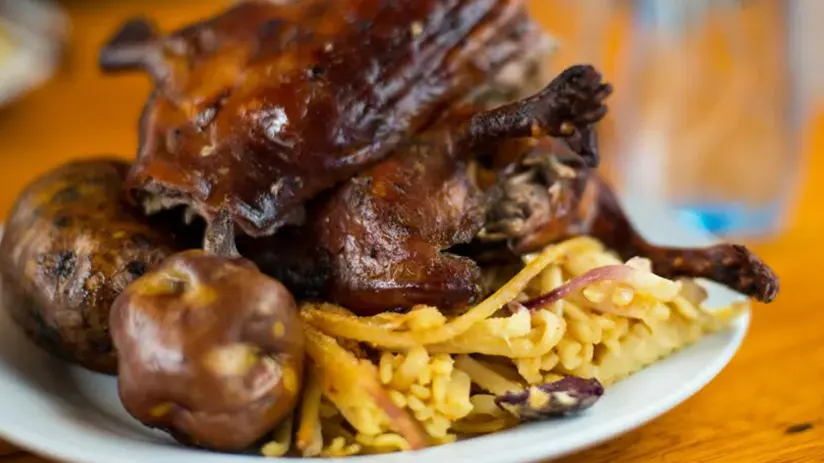
Peru is a top culinary destination, boasting an impressive variety of colorful and delicious dishes. Within this unique culinary landscape, traditional Peruvian dishes stand out for their flavor combinations, perfect for adventurous palates. This also applies to dishes featuring guinea pig, and cooks most commonly fry, roast, and grill it.
Locals typically cook it with strong spices like garlic, ginger, and cumin. Due to its size, people usually prepare it whole, but they can also cut it into pieces. Side dishes offer numerous options, from classics like potatoes and rice to more unusual choices like corn and tortillas. The possibilities are vast and vary widely by region, but we want to present some traditional Guinea Pig dishes:
- Cuy chactado (fried guinea pig): The guinea pig is cooked in plenty of oil under a stone that acts as a lid. This unique technique results in the animal being extra crispy, usually served with potatoes or corn. People usually serve it with sauces such as typical aji (hot pepper sauce) and huacatay (black mint) cream.
- Cuy al horno (roasted guinea pig): Another popular option is Cuy al horno because of its ease of preparation. Although the preparation may seem obvious, the key to the dish lies in the preparation before cooking. This means that chefs carefully season the meat with local spices and let it rest for several minutes.
- Picante de cuy (spicy guinea pig): This recipe uses a sauce based on ají panca (a type of chili pepper), roasted peanuts, and garlic. People usually serve it with white rice and boiled potatoes, and some versions include cancha serrana (toasted corn kernels). As with the previous options, the seasonings used play an important role in giving it its characteristic flavor.
- Chiriuchu (cold dish): One of the emblems of Cusco’s gastronomy is Chiriuchu, a typical mix of flavors dish. Besides being an Inca legacy, it is the star dish of a local festival called Corpus Christi. A cold mixture of ingredients from various cities in Peru. Among the main ingredients are guinea pig, chicken, cheese, seaweed, fish roe, corn tortilla, and others.
- Pepian de cuy (guinea pig stew): Another traditional Andean stew is pepian de cuy, another flagship dish of Cusco. Basically, the Cuy Peru traditional dish consists of fried guinea pig cooked in a sauce of red chili pepper, garlic, and onion. Its recipe varies according to each region, but always with guinea pig as the star of the dish.
Where to Try Cuy in Peru

Dishes made with guinea pig are usually easy to find in cities in the highlands of Peru, Ecuador, and Bolivia. Nevertheless, some small towns in Colombia and Chile may also have similar dishes. Keep in mind, though, that you’ll find these dishes in specific places like Cusco, Sacred Valley, and Arequipa. Below are some of the most common establishments to enjoy a delicious guinea pig dish.
Cuyerias
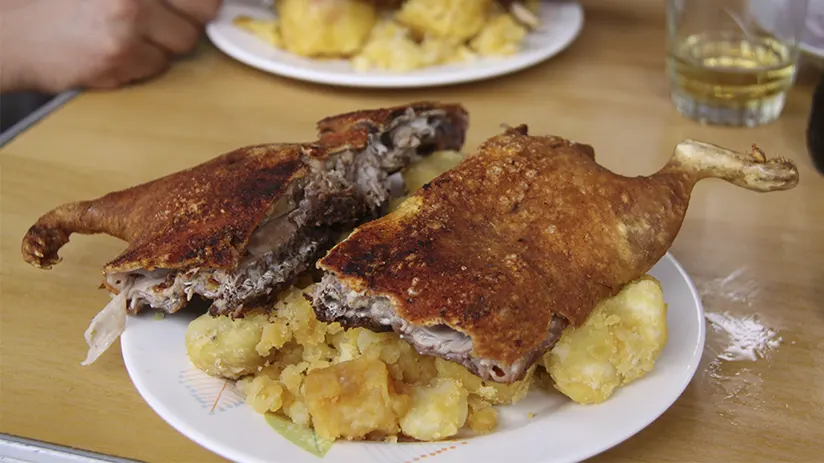
Cuyerias are the quintessential places to enjoy guinea pig Peruvian food. Many of these establishments offer a wide range of options to suit all tastes. Since they specialize in it, you won’t have to worry about quality and flavor because they guarantee both.
Picanterías
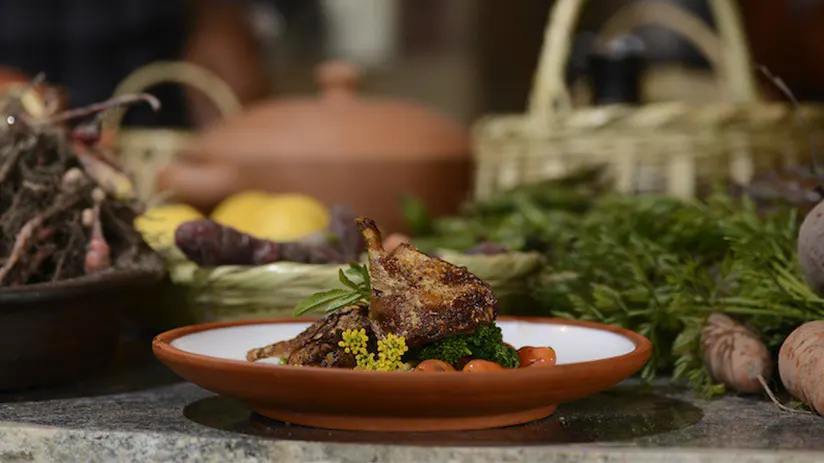
These small, traditional food establishments are usually the most frequented by locals. The good flavor, cozy atmosphere, and especially the affordable prices attract any diner. Nonetheless, nowadays it’s a bit more difficult to find a traditional one, but not impossible.
Traditional Markets
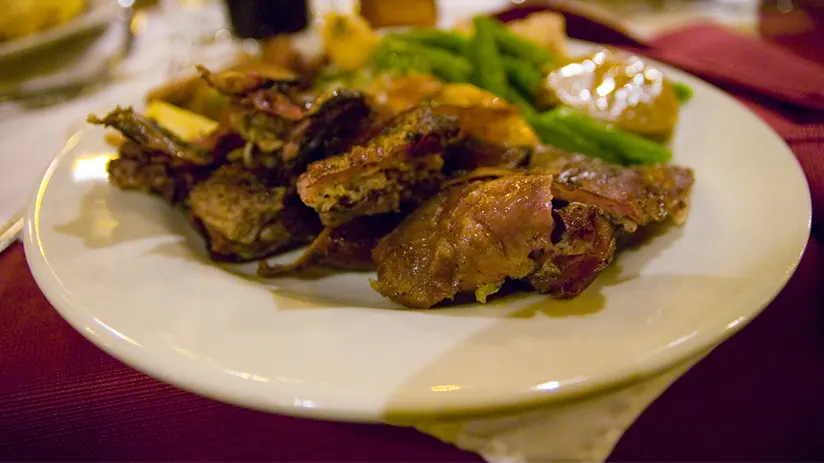
Other places that stand out for their affordable prices are traditional markets. As a visitor, you could find one market during your visit, although the variety of dishes may be limited. One of the most popular is the San Pedro Market, iconic for offering many products, including guinea pig dishes.
Fine dining restaurants

If you’d like to try more sophisticated dishes, you could consider fine dining restaurants. Many chefs fuse this protein with cutting-edge techniques to create unique combinations. Many restaurants offer more tourist-friendly ways to discover this delicious world.
Is Cuy Ethical and Sustainable?
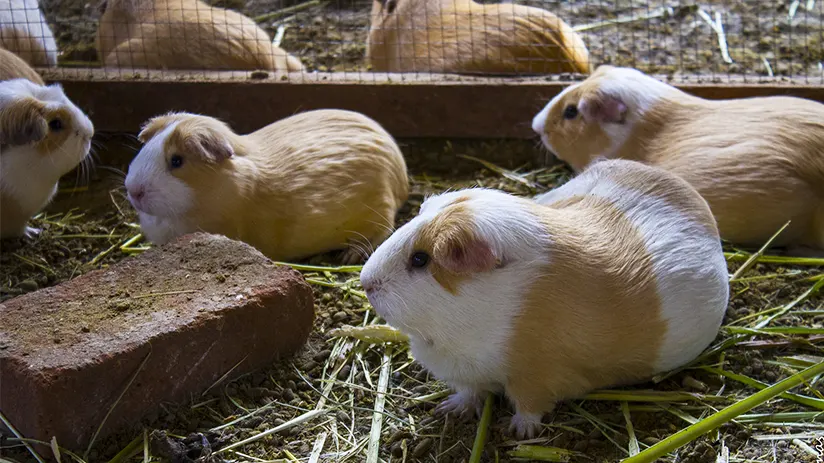
Guinea pig farming is highly sustainable because of its low environmental footprint compared to cattle or pigs. These animals require significantly more space, water, and food, and of course, emit larger quantities of methane. Raising these rodents is a low-cost, low-risk, and organic method since their manure is ideal for agriculture. Especially when it comes from traditional Andean producers, this food option is environmentally sustainable.
Many travelers concerned about sustainability are surprised to learn that cuy farming has a relatively low environmental impact compared to larger livestock. In rural Andean communities, it remains a small-scale, family-based practice that supports local economies and preserves ancestral agricultural systems.
Tips for Travelers Trying Cuy for the First Time
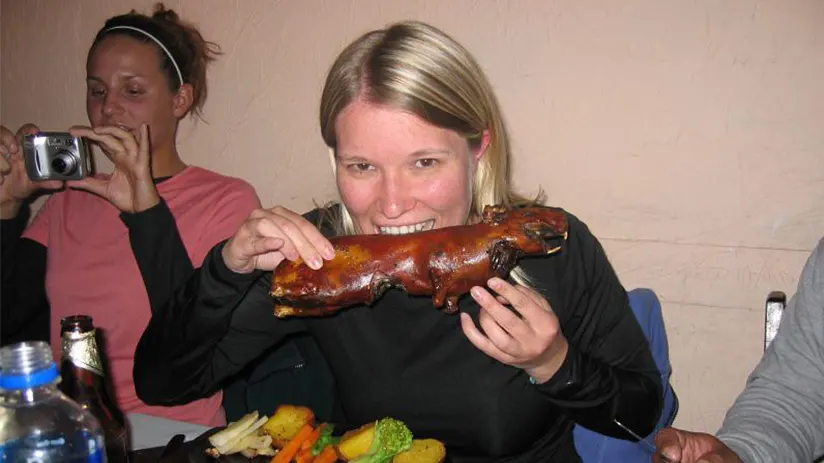
- Try guinea pig a few days after arriving in the Andean cities: As you may know, most towns in the South American highlands are at a considerable altitude. Therefore, you’ll need to take your time during your journey, especially when eating foods like guinea pig.
- Eat some of the most famous guinea pig dishes: When you first see cuy served whole on the plate, you’ll be sure the flavor won’t be too intense. Some ideal options you could try for the first time are chiriuchu, cuy chactado, and cuy al horno (baked guinea pig). Many visitors are surprised by the presentation, but the flavors are particular.
- Avoid eating street food: Even though Peruvian street food isn’t the worst in the world, you should always be careful. Aside from the low prices, the preparation and quality of the ingredients are fundamental before consuming a dish.
- Research the establishment’s reputation: Any diner can research the restaurant or place where they will eat guinea pig. Reading reviews of the establishment is almost essential before entering or making a reservation.
- Pair it with the perfect drink: Many locals recommend drinking hot infusions or special brews after eating guinea pig. Some great suggestions include ingredients like anise, chamomile, ginger, and other local herbs.
- Complement your tasting experience by celebrating traditions: Some Andean festivals, like Corpus Christi in Cusco, are ideal to enjoy after eating a delicious guinea pig dish. As a visitor, you’ll also find a variety of other charming, colorful, and authentic celebrations throughout the Andes.
FAQs About Cuy in Peru
What does cuy taste like?
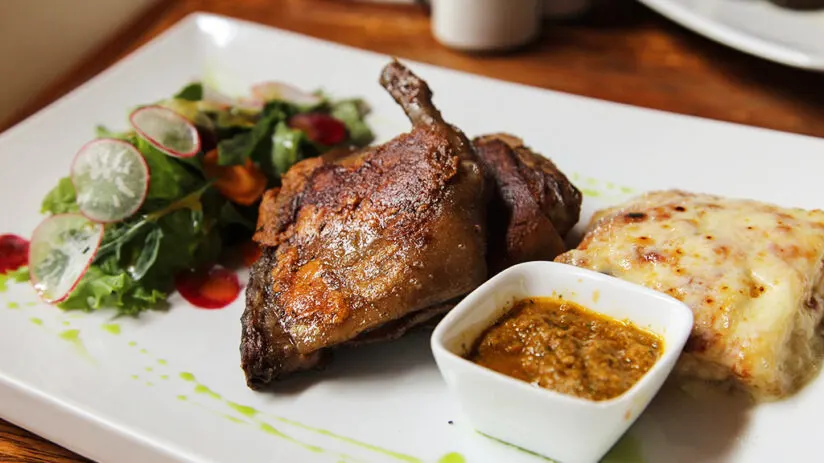
Cuy tastes similar to a mix between rabbit and chicken meat, with a slightly gamey flavor and crispy skin when roasted. The meat is tender but lean, and it often absorbs the spices and herbs used in traditional Peruvian seasoning.
Is cuy safe to eat in Peru?
Yes, cuy is safe to eat in Peru when it is prepared properly in restaurants or homes that follow normal food safety practices. It has been consumed for centuries and is considered a traditional and culturally important dish. If you’re visiting Cusco, trying cuy can feel like a cultural rite of passage.
Why do Peruvians eat cuy?
Peruvians eat cuy because it has been a traditional Andean food since the time of the Inca Empire and even earlier Andean cultures. It is valued for its high protein content and is often served during special celebrations and festivals.
Where can you try cuy in Cusco?
You can try cuy in many traditional restaurants in Cusco, especially in places that specialize in Andean cuisine. Popular local spots and traditional picanterías often serve roasted cuy as a specialty dish for visitors and locals.
Is the guinea pig eaten in Peru every day?
No, cuy is not eaten every day by most Peruvians. It is more commonly prepared for special occasions, family gatherings, festivals, or in certain Andean regions where it is part of the local food tradition.
How is cuy traditionally prepared?
Cuy is traditionally seasoned with garlic, cumin, and local spices, then roasted whole over an open flame or baked until the skin becomes crispy. One of the most popular preparations is “cuy al horno”, which is commonly served in the Andean highlands of Peru.
“SMALL FLAVORS AND NEW EXPERIENCES CAN BE UNFORGETTABLE MEMORIES!”
As we see, cuy is more than a traditional dish in Peru; it represents history, culture, and Andean identity. From its origins in ancient civilizations to its presence in modern restaurants, it’s a symbol of heritage. For travelers and food lovers alike, trying this protein offers a deeper understanding of South American culinary traditions. We hope this blog has helped you enjoy Andean culture more and discover information about this fantastic animal.
Peru has so much to offer; it can be hard to know where to start. With many years of experience in the tourism sector, Machu Travel Peru is happy to help with anything regarding your trip to Peru and any tours around it. Let us help you make your Peruvian travel experience unforgettable! Contact us today to plan your dream adventure!