Lomo saltado is one of Peru’s most iconic dishes, known for its bold flavors and blend of Peruvian and Chinese culinary traditions. Over time, it has grown from a Peruvian favorite into a dish enjoyed around the world. In this guide, you’ll discover its history, Chinese-Peruvian roots, traditional ingredients, cooking techniques, and where to try it in Peru.
Discover the history, flavors, and cultural roots of one of Peru’s most iconic dishes
- What Is Lomo Saltado?
- The History of Lomo Saltado and Its Chinese-Peruvian Roots
- How Chinese Cooking Influenced Peruvian Chifa
- How Lomo Saltado Got Its Name
- What Are the Traditional Lomo Saltado Ingredients?
- Why the Wok Matters in Lomo Saltado
- Why Lomo Saltado Is Served With Rice and French Fries
- How Lomo Saltado Became a Peruvian Culinary Icon
- Where to Eat Lomo Saltado in Peru
- Frequently Asked Questions
- Conclusion
What Is Lomo Saltado?
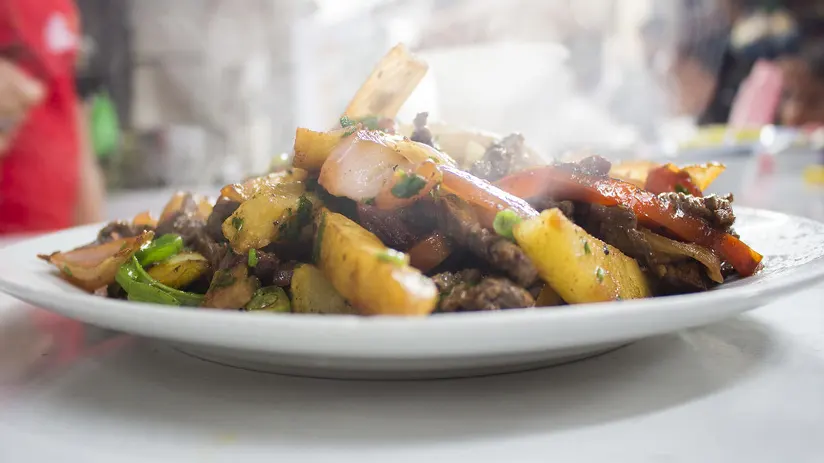
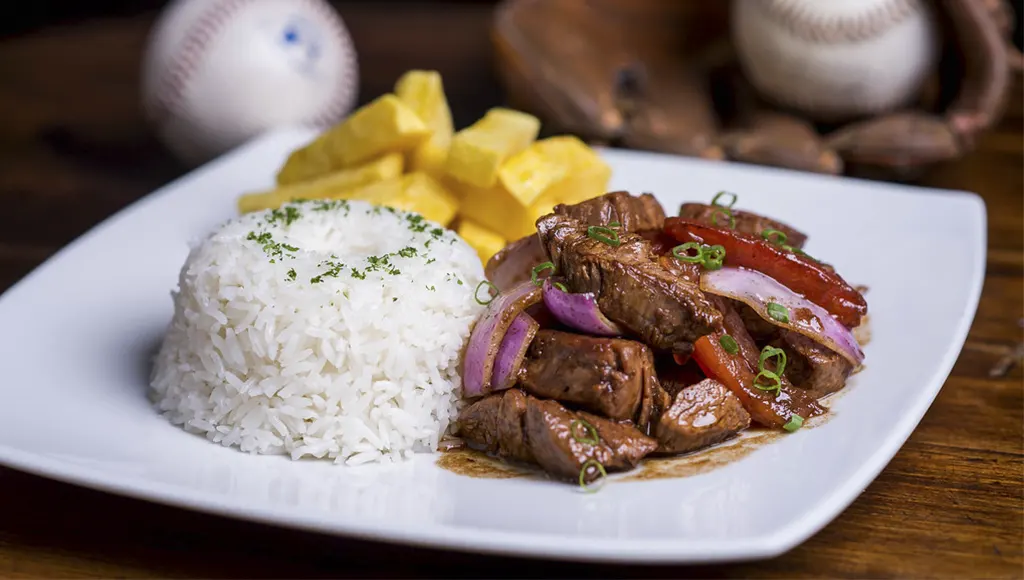
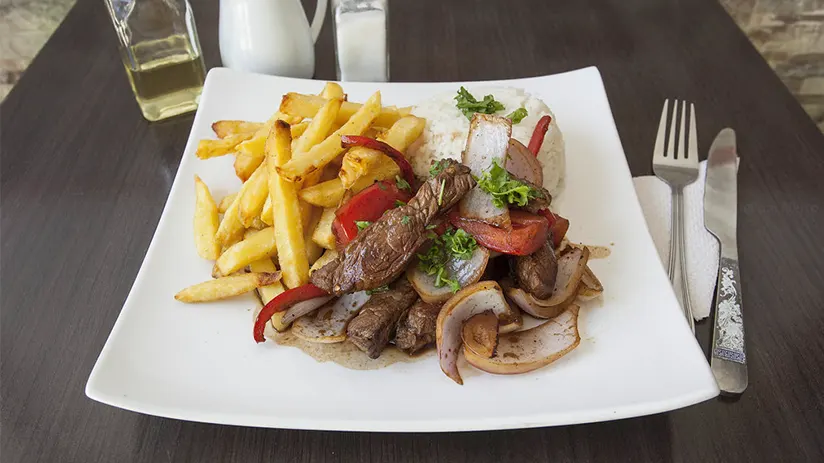
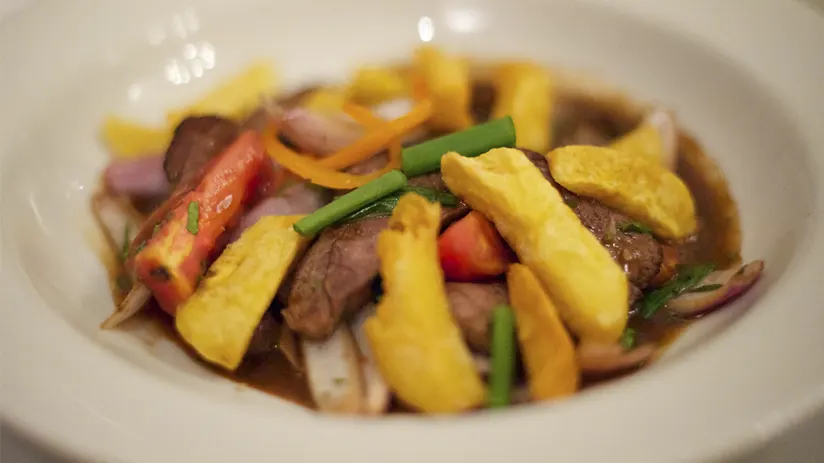
Lomo saltado is a traditional Peruvian stir-fry made with strips of beef, red onion, tomato, ají amarillo, and soy sauce, cooked over high heat in a wok. It is typically served with French fries and fluffy white rice, creating a delicious combination and a highlight of Peruvian gastronomy.
The History of Lomo Saltado and Its Chinese-Peruvian Roots

Lomo saltado is generally traced to the late 19th century, during a period of significant Chinese immigration to Peru. During this period, Chinese immigrants introduced culinary techniques such as wok cooking and high-heat stir-frying. Over time, the combination of local ingredients and Chinese cooking methods gave rise to the culinary style known as Chifa.
The interaction between Chinese culinary traditions and local Peruvian ingredients created new flavor combinations and helped shape dishes such as lomo saltado. Over time, these influences helped develop Peru’s distinctive Chifa cuisine. Although the dish was simple at first, over the years it incorporated new ingredients and evolved into what it is today: a standout example of Peruvian fusion food.
How Chinese Cooking Influenced Peruvian Chifa
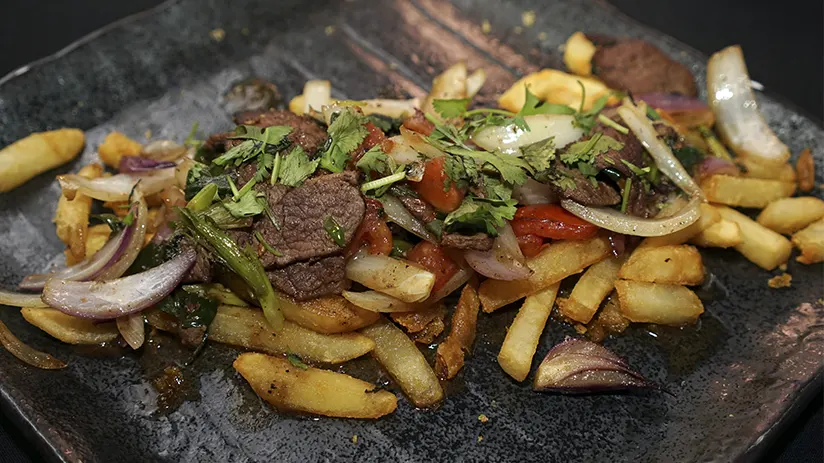
The adoption of Chinese techniques helped shape Peruvian culinary culture, as lomo saltado demonstrates. Among the most influential techniques were wok cooking and high-heat stir-frying, which allow ingredients to sear quickly while retaining their texture. These methods were also adapted to local ingredients, helping preserve the freshness of vegetables during cooking.
The distinctive combination of umami flavors is another highlight. Cooks may incorporate ingredients such as soy sauce, sesame oil, and sweet-and-sour sauces into their dishes. Another instance of cultural fusion was the integration of rice into the local culinary landscape. Although consumed since colonial times, it eventually became a staple side dish in Peruvian cuisine.
How Lomo Saltado Got Its Name
To discover the name of the dish, we must look back at the history and etymology of the word saltado. The exact origin of the word “saltado” is debated. One explanation links it to the Spanish verb saltar, meaning “to jump”, while another associates it with the French sauter. The term refers to the technique of tossing ingredients in a hot pan. In any case, the name gained popularity over time and became an iconic term within the local culinary culture.
What Are the Traditional Lomo Saltado Ingredients?

The key to creating a delicious lomo saltado is to find fresh, high-quality ingredients. These ingredients are essential for the Peruvian dish to achieve its distinctive flavor in every bite. While some regional variations or specific restaurants may include additional ingredients, the following are the basic components of a traditional preparation:
- Thick strips of beef tenderloin
- Red onion
- Tomato
- Ají amarillo (yellow chili pepper)
- Soy sauce
- Vinegar
- Vegetable oil
- Cilantro and oregano
- Additional spices, such as black pepper and cumin
How to Prepare Lomo Saltado
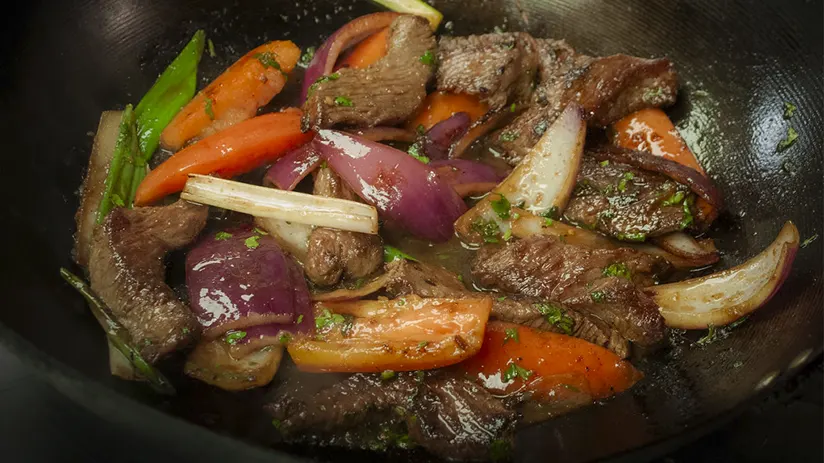
With the ingredients ready, here’s a simple way to prepare lomo saltado at home. There are many variations of lomo saltado, but the basic cooking method remains similar. This recipe focuses on a common preparation found in many restaurants in Peru. Below are the steps to create a practical and delicious saltado:
- Marinate the beef tenderloin with cumin, salt, vinegar, oil, black pepper, and soy sauce for 10 minutes.
- Heat oil in a wok over very high heat. Remove the beef from the marinade and sear it over high heat for 4–5 minutes, or until browned on the outside.
- Add the onion and ají amarillo (yellow chili pepper). Sauté for 1 minute, stirring constantly.
- Add the tomato and sauté the ingredients in the wok for 30 seconds. Finally, add oregano and cilantro before serving.
Why the Wok Matters in Lomo Saltado
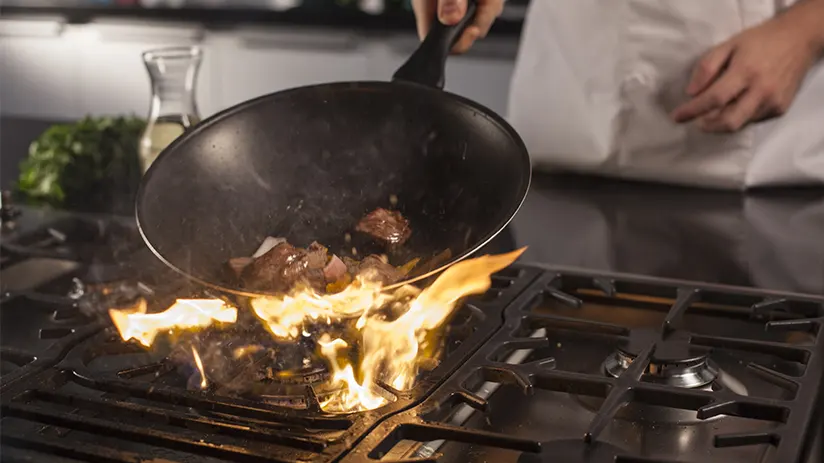
Lomo saltado relies on rapid, high-heat stir-frying to cook the ingredients quickly while preserving their texture and flavor in a matter of minutes. The technique combines intense heat, constant movement, and a small amount of oil.
Proper execution of this technique results in a distinctive texture and flavor profile. Regarding texture, the ingredients achieve a juicy interior and a crisp exterior, as the surface is seared. As for flavor, the dish is characterized by distinct smoky and toasted notes, along with a combination of umami and slightly sweet flavors.
Why Lomo Saltado Is Served With Rice and French Fries

Lomo saltado is traditionally served with French fries and white rice. Both serve as ideal accompaniments to balance the flavors and add texture and taste to the dish. This combination also represents the cultural diversity reflected in Peruvian cuisine, showcasing Asian influence through the rice alongside potatoes native to Peru.
How Lomo Saltado Became a Peruvian Culinary Icon

While lomo saltado has a long-established history in Peru, its popularity has increasingly extended beyond the country. Its international popularity has grown alongside the global rise of Peruvian cuisine. In addition, its familiar combination of beef, potatoes, and savory stir-fry flavors has also made it approachable to diners outside Peru. Its versatility has also played a role, inspiring global variations adaptable to local meats and even vegetarian options.
Where to Eat Lomo Saltado in Peru
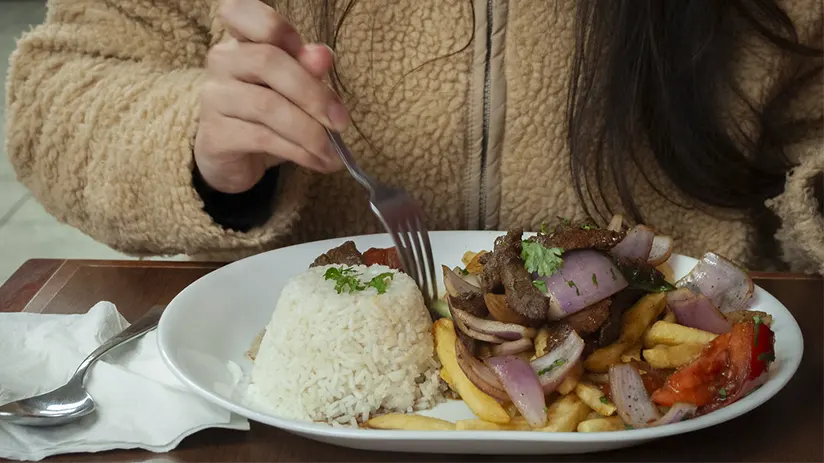
Visitors to Peru wishing to explore the country’s culinary landscape should certainly try this dish. Fortunately, there are many establishments where you can enjoy a delicious meal. Choosing the right spot will depend on your itinerary, budget, and personal preferences. Here are some ideal options:
- Chifas: These are Chinese-Peruvian restaurants where lomo saltado is prepared with a stronger Chinese influence. You can find interesting combinations featuring arroz chaufa (fried rice) or noodles. Barrio Chino in Lima offers a wide variety of excellent choices.
- Restaurants in popular tourist destinations: Some of Peru’s major tourist cities boast distinguished restaurants that serve this Peruvian classic. They often offer gourmet presentations, making them ideal for travelers looking to sample the dish in style. Destinations such as Lima, Cusco, the Sacred Valley, and Machu Picchu offer these types of options.
- Traditional markets: Unlike the previous option, local markets offer heartier, more substantial portions of the dish. Local markets can offer a more casual way to experience lomo saltado alongside other everyday Peruvian dishes. Cultural travel enthusiasts might also want to round out their experience by trying Peruvian street food, though doing so with caution is advised.
- Huariques: Small, informal eateries and tucked-away local restaurants or spots in Lima are famous for their home-style flavor, generous portions, and affordable prices. This is an excellent option for those looking to enjoy lomo saltado without breaking the bank.
Frequently Asked Questions
Is lomo saltado spicy?
Lomo saltado is usually mild, although ají amarillo adds a gentle level of heat. You can adjust the amount depending on your preference or use another Peruvian chili.
Does lomo saltado have Chinese or Peruvian origins?
Lomo saltado reflects both Chinese and Peruvian influences. It emerged within the Chinese-Peruvian culinary tradition in Peru, combining local ingredients with Chinese cooking techniques. Today, it is widely recognized as a classic Peruvian stir-fry.
Is lomo saltado Peru’s national dish?
Lomo saltado is one of Peru’s most iconic dishes, although Peru does not have one officially designated national dish. It is especially popular in Peruvian homes and restaurants in Cusco, Lima, and other cities across the country.
What’s the difference between lomo saltado and chaufa?
Lomo saltado is a stir-fry made with beef, onions, tomatoes, soy sauce, and French fries, usually served with white rice. Chaufa is Peruvian-style fried rice made with rice, vegetables, eggs, and meat. Both are important dishes in Chifa cuisine, but they use different main ingredients and cooking methods.
Why is lomo saltado served with rice and French fries?
The combination of rice and French fries reflects the fusion at the heart of lomo saltado. Rice is common in both Peruvian and Chinese cooking, while French fries add a distinctly Peruvian touch. Together, they make Peru’s classic stir-fry especially hearty and satisfying.
Can you make lomo saltado without a wok?
Yes, you can easily make lomo saltado in a large skillet or frying pan. The key is to cook over high heat and avoid overcrowding the pan so the beef and vegetables can sear properly.
What does lomo saltado mean?
Lomo saltado roughly means stir-fried beef. The name lomo saltado is generally understood to refer to stir-fried or “jumping” beef, although the exact etymology of “saltado” is debated. The name describes the quick tossing and stir-frying technique used to prepare the dish.
Conclusion
Lomo saltado is much more than a popular Peruvian dish. Its combination of beef, vegetables, soy sauce, rice, and French fries reflects the meeting of Peruvian ingredients with Chinese cooking techniques. From its 19th-century roots to its place in Chifa cuisine today, its history shows how different culinary traditions can come together to create something uniquely Peruvian.
Trying lomo saltado is also a delicious way to experience Peru beyond its archaeological sites and landscapes. Whether enjoyed at a Chifa, a local market, or a traditional restaurant, this Peruvian stir-fry offers travelers a taste of the country’s diverse culinary heritage. Including it in a culinary tour in Peru can add an authentic and memorable dimension to your journey.
Ready to discover Peru through its flavors, culture, and unforgettable destinations? With Machu Travel Peru, you can experience carefully planned journeys that combine iconic sights with authentic local experiences. Contact us to help you explore Peru and discover the traditions, flavors, and stories that make every trip special.