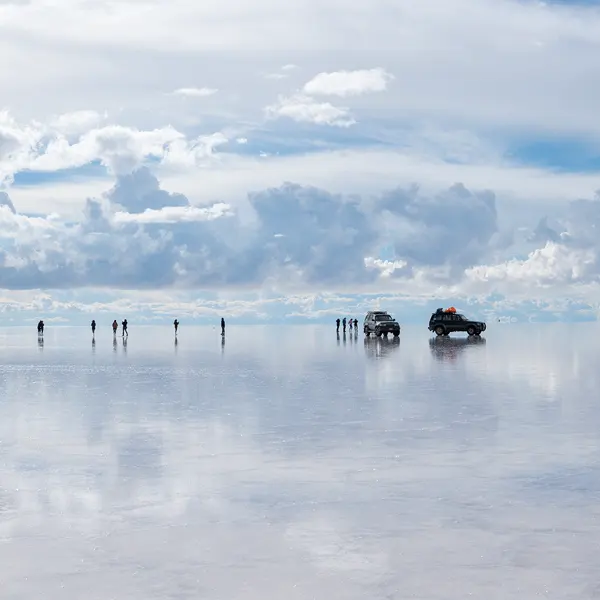
A customized Peru trip allows you to build your itinerary around your interests, available time, travel style, and budget rather than following a fixed route. If you’re looking for a flexible way to plan a trip to Peru, a travel advisor can help coordinate destinations, accommodations, transportation, guides, and experiences while accounting for travel times, elevation changes, and access requirements.
This guide explains how a customized Peru trip is planned, what you can personalize, what limitations to consider, what is typically included, and how it compares with other ways of traveling through Peru.
- From First Inquiry to Departure: How the Process Works
- What You Can Customize and Where There Are Limits
- What to Share with Your Planner
- Customized Trip vs. Package Tour vs. Planning It Yourself
- What’s Typically Included in a Custom Peru Tour
- What Drives the Cost of a Custom Peru Trip
- How to Compare Custom Peru Tour Quotes
- When to Start Planning a Trip to Peru
- Questions to Ask Before You Book
- Frequently Asked Questions
- Conclusion
From First Inquiry to Departure: How the Process Works

A customized Peru itinerary typically follows a series of stages, from the initial inquiry to support during the trip. The process may vary depending on the itinerary and services involved, but the general sequence remains similar: an initial conversation, a draft itinerary, revisions, booking, pre-trip preparations, and in-country support.
Meeting Your Travel Planner
The process begins with an initial inquiry and conversation with a travel advisor. This first discussion helps establish the basic scope of your trip, including your preferred dates, destinations, interests, travel style, and budget. You don’t need to have every detail decided at this stage. The goal is to give your travel advisor a clear starting point for designing your itinerary.
Draft Itinerary
Based on the initial discussion, the travel advisor develops a draft itinerary outlining the proposed route, destinations, accommodations, and experiences.
Revisions
You can review and adjust the draft before the trip is finalized. Your travel advisor can assess whether the proposed changes are practical, taking into account travel times, distances, elevation changes, transportation connections, and access requirements at specific destinations.
Booking
Once the itinerary is finalized, the booking process begins. The travel advisor checks availability and coordinates the selected hotels, transportation, guides, and other services included in the itinerary. If a preferred service is unavailable, suitable alternatives can be considered.
Final Details and Pre-Trip Information
Before departure, you receive your travel documents, booking details, and practical information for the journey, and your travel advisor confirms the final arrangements.
In-Country Support
Depending on the services included, in-country support may be available to help coordinate arrangements and address unexpected changes during your trip.
What You Can Customize and Where There Are Limits

A customized Peru itinerary can be adjusted around your preferred pace, destinations, accommodation style, and experiences. At the same time, some elements are shaped by availability, operating conditions, access requirements, and the characteristics of each destination.
What Can Be Customized
Planning a Peru travel itinerary starts with deciding which regions you want to visit, how much time you have, and what types of experiences interest you most. Your travel advisor can help organize the route, adjust the pace of the trip, and balance guided activities with independent time. The itinerary can also account for elevation changes and allow for a more gradual pace when visiting destinations at higher altitudes.
Other elements that can be tailored include the type and standard of accommodation and whether guides and services are private or shared. These choices can be combined to reflect your priorities and preferred way of exploring Peru.
Where There Are Limits
Not every part of a customized itinerary can be adjusted freely. Some experiences have fixed schedules, specific entry requirements, or limited availability. These factors need to be taken into account when planning the route and coordinating the different parts of the trip.
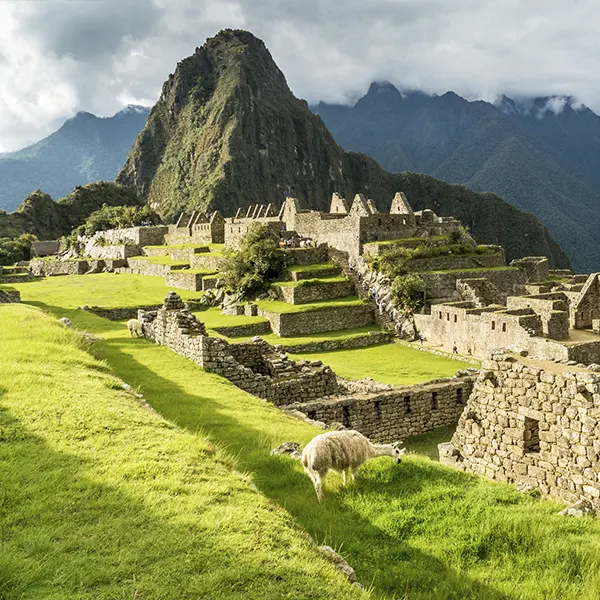
Machu Picchu is one example. Visitors must follow the circuit and entry time specified on their ticket, so the visit needs to be coordinated with transportation and the day’s other activities.
The Inca Trail is another example, as access is subject to permit requirements and limited availability. When the trek is part of a customized itinerary, the travel agency coordinates the necessary arrangements in advance. Availability and permit conditions can still affect the dates and overall structure of the trip, so these details need to be considered during the planning process.
What to Share With Your Planner

Sharing your priorities early gives your travel planner a clearer picture of the vacation you want to create. You don’t need to have every detail decided in advance. Sharing the key information below provides a useful starting point for planning your personalized Peru trip.
Travel Dates and Trip Length
Share your preferred travel dates and how much time you have available in Peru. If your dates are flexible, mentioning this can provide more options when planning the route.
Interests and Experiences
Let your planner know what interests you most about Peru. This may include history and culture, adventure, gastronomy, wildlife, or specific experiences you would like to include.
Fitness Level and Comfort at Altitude
Your comfort with physical activity and higher elevations is important when considering certain destinations and activities. Let your planner know your preferred activity level and whether you have previous experience traveling at altitude.
Budget Range
Providing an approximate budget helps your planner understand the accommodations and services that fit your budget and travel preferences. If you are unsure of a specific amount, you can describe the style of travel and accommodation you have in mind.
Group Size, Ages, and Mobility Needs
Share who will be traveling with you, including the number of travelers and whether children or older adults are part of the group. Any mobility considerations or accessibility needs should also be communicated in advance.
Preferred Pace
Let your planner know whether you prefer a relaxed itinerary with more time in each destination or a more active itinerary with a wider variety of destinations and experiences. Your preferred pace can help determine how much can reasonably be included in the trip.
Customized Trip vs. Package Tour vs. Planning It Yourself
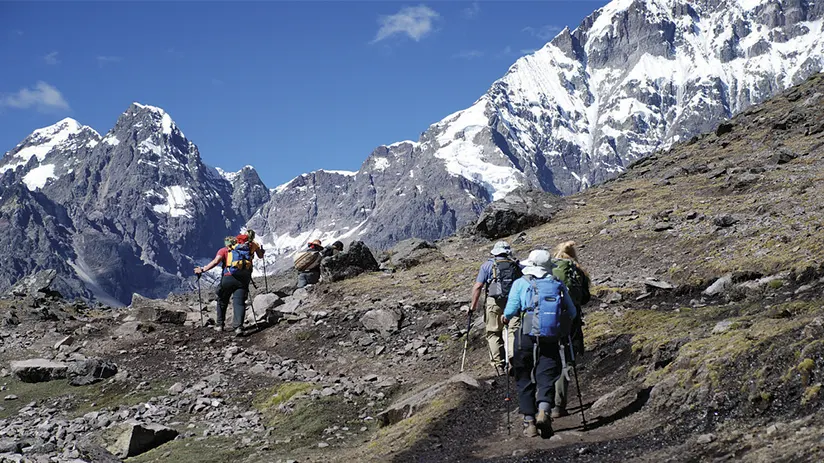
When planning a trip to Peru, you can choose a customized itinerary, one of the organized Peru vacation packages, or an independently planned trip. Each option offers a different balance of flexibility, convenience, and responsibility. Comparing how transportation, accommodations, guided activities, and reservations are handled can help you decide which approach best fits your travel style and priorities.
| Travel Option | How it works | Flexibility | Planning Responsibility | Best Suited for |
| Customized Trip | An itinerary is designed around your interests, schedule, budget, and travel style. | High, within availability and access requirements. | Shared with a travel advisor, who coordinates the agreed services. | Travelers who want a personalized route without managing every detail themselves. |
| Package Tour | A pre-planned itinerary combines selected destinations, services, and activities. | Usually more limited, although some packages allow adjustments. | The tour operator manages the services included in the package. | Travelers who prefer a structured itinerary and a more straightforward booking process. |
| Plan It Yourself | You choose the destinations, accommodations, transportation, and activities independently. | High control over planning, subject to availability and logistical constraints. | The traveler manages bookings, connections, and arrangements. | Independent travelers who enjoy researching options and coordinating their own trip. |
Your choice also depends on whether you prefer group or individual tours. Group tours generally follow a shared schedule, while individual arrangements can offer more flexibility in how you explore each destination. A customized itinerary may combine both, allowing you to choose private services for certain experiences and shared excursions for others.
There is no single answer to the best way to travel around Peru. The right approach depends on your budget, available time, preferred level of independence, and the complexity of your route. Travelers who want help coordinating transportation and activities across several regions may prefer a customized itinerary, while those who enjoy managing their own reservations may prefer independent travel.
What’s Typically Included in a Custom Peru Tour
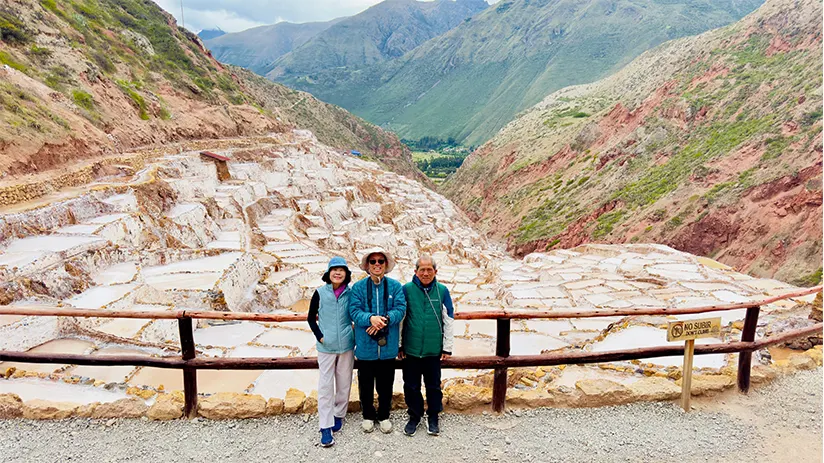
A custom Peru tour can bring together accommodations, transportation, guides, entrance fees, and selected experiences into one coordinated itinerary. What is included varies by travel agency, itinerary, and level of service, so there is no single standard package. When working with a local travel agency to plan your Peru trip, it is useful to confirm which services are included and which are arranged separately.
Lodging
Accommodation is typically included throughout the itinerary, with properties selected based on the route, travel style, and service level. Options may range from boutique and historic hotels to luxury properties in destinations such as Lima, Cusco, the Sacred Valley, and near Machu Picchu.
Travelers comparing regional itineraries can also explore classic and luxury Cusco packages to understand how accommodation, guided visits, and other services may be combined in a trip focused on the former Inca capital and its surroundings.
Transportation Between Destinations
A customized itinerary may include private or shared airport transfers, intercity transportation, and transfers to selected activities. The service type depends on the itinerary and your preferred level of privacy and flexibility.
Guides
Guiding arrangements depend on your itinerary and may include private guides, shared excursions, or a combination of both. When choosing a private tour in Peru, consider how much flexibility you want, whether you prefer one-on-one guidance, and which destinations would benefit most from a personalized experience. Private services can offer more control over the pace of visits, while shared excursions may be a practical alternative for selected activities.
Entrance Fees and Selected Experiences
Entrance fees for attractions included in the itinerary are often covered, including tickets for selected archaeological sites and other scheduled activities. Experiences may also be incorporated based on the traveler’s interests, although what is included varies by itinerary and operator.
Domestic Flights
Domestic flights may be arranged when they are practical for connecting different regions. Whether they are included depends on the itinerary and operator, and the terms of the package.
What Is Usually Not Included
International flights are typically booked separately, although arrangements vary by operator. Other exclusions may include personal expenses, tips, travel insurance, meals, or optional activities, depending on the proposal.
What Drives the Cost of a Custom Peru Trip
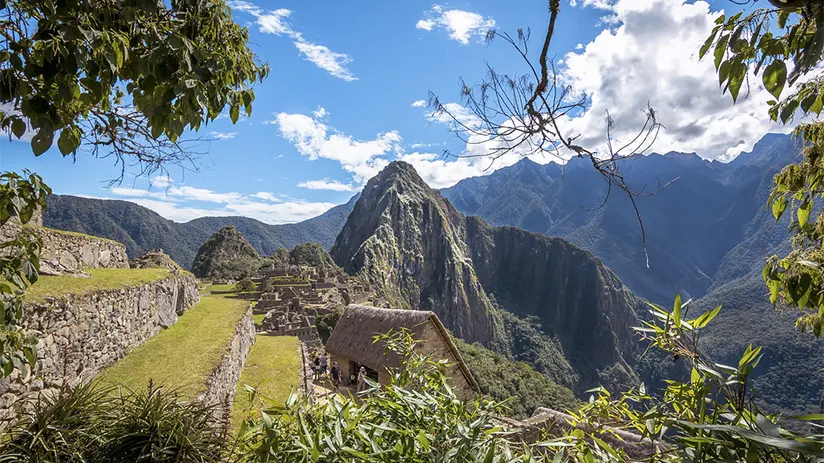
The cost of a customized trip varies according to the length of the vacation, travel season, accommodation style, transportation, guiding, and experiences you choose. Because each itinerary is built from these elements, prices are quoted per proposal rather than listed as a fixed rate.
Season
The time of year can influence the cost of accommodation and certain travel services, particularly during periods of higher demand. If your dates are flexible, your travel planner may be able to consider different options when designing the route.
Accommodation Level
The type of accommodation you choose can significantly influence both the cost and overall experience of your trip. Understanding the benefits of a luxury tour in Peru may help you decide whether premium hotels, private transportation, personalized guiding, or selected exclusive experiences are worth including in your itinerary. The value depends on your priorities and on which services are actually included in the proposal.
Private vs. Shared Services
The choice between private and shared guiding and transportation can significantly affect the cost of the trip. Private services offer more control over the pace of your day, including spending more time at the places that interest you. A private guide may suggest adjustments when practical, subject to the itinerary, access requirements, and any scheduled services.
Shared services, on the other hand, can be a practical option for travelers who are comfortable following a set schedule and traveling with other participants. The best option depends on how much flexibility and privacy you value.
Number of Regions and Domestic Flights
The number of regions included in your itinerary also affects the overall cost. A trip focused on Lima, Cusco, the Sacred Valley, and Machu Picchu requires less interregional travel than one that also includes destinations such as Arequipa, Lake Titicaca, or the Amazon.
Adding regions can mean additional transportation, domestic flights, and travel time. A well-planned route can help avoid unnecessary backtracking while making the most of the time available in Peru.
Permit-Based Treks
Trekking routes that require permits or have limited capacity can also influence the cost and planning requirements of a trip. These experiences may involve specific access arrangements and need to be coordinated around the rest of the itinerary.
Group Size
The number of people traveling together can affect how private transportation, guides, and other services are organized. A private itinerary for two people may have a different cost structure from a Peru trip for a larger family or group, even when the route is similar.
Trip Length
Trip length is another important factor in the overall cost. A longer stay generally means more nights, transportation between destinations, and additional services. At the same time, a longer itinerary can allow for a more relaxed pace, with more time to explore each destination rather than moving from one place to the next.
How to Compare Custom Peru Tour Quotes

When comparing custom Peru tour quotes, look at the overall itinerary rather than the total price alone. To make a fair comparison, check whether each proposal covers a similar number of days and destinations, offers a comparable level of accommodation, and includes similar guiding and transportation services.
Other factors to consider include domestic flights, activities that require reservations or permits, group size, and travel dates. A lower quote may reflect a simpler itinerary, shared services, or a different accommodation category rather than better overall value.
Before comparing prices, confirm whether each quote is priced per person or for the entire group, which services are included, and which expenses must be paid separately. Reviewing these details alongside the itinerary and level of service will help you understand the differences between proposals and make a more informed decision.
When to Start Planning a Trip to Peru

The planning timeline depends on your destinations, travel dates, and the experiences you want to include, particularly those with limited availability.
How Far in Advance Should You Plan a Peru Trip?
For a customized trip to Peru, planning several months in advance gives you more flexibility when arranging accommodations, transportation, and activities. If your itinerary includes the Inca Trail, plan well ahead: permits are limited, are typically released in the final months of the year before the trek, and popular departure dates, especially from May to August, can sell out many months in advance. Many operators recommend booking four to eight months ahead for those months.
For other destinations and experiences, the ideal planning timeline depends on your travel dates, itinerary, and booking requirements. Starting early generally gives you more options and makes it easier to coordinate the different parts of your trip.
Consider the Complexity of Your Route
An itinerary covering a few destinations may require less coordination than a journey combining several regions. If you plan to visit Lima, Cusco, and the Sacred Valley, for example, your route may involve fewer connections than a trip that also includes Arequipa, Lake Titicaca, or the Amazon. Consider the time needed to connect each destination when deciding when to begin planning.
The number of destinations you include affects how your route should be organized. A 10-day Peru itinerary, for example, requires prioritizing experiences and allowing enough time for transportation between destinations. Adding several regions may be possible, but the route should account for travel times and avoid trying to fit too many activities into each day.
Consider the Season
Travel during periods of higher demand can require more planning, particularly if you have specific preferences for hotels, trains, or activities. If you are traveling during a busier period, starting several months ahead can give you a wider range of options.
During shoulder or lower-demand periods, you may have more flexibility, especially if you are open to different hotels, train departures, or activity times. Even then, experiences with limited capacity should be planned according to availability rather than assumed to be available at short notice.
Identify Experiences That Require Advance Arrangements
Some experiences in Peru have limited availability or specific access requirements that can affect your itinerary. The Inca Trail, Machu Picchu entry, and train schedules are important factors to consider when planning your route. If your trip includes any of these experiences, confirming availability early helps the travel agency coordinate accommodations, transportation, and other activities around your plans.
Factor in Your Accommodation Preferences
Your preferred hotel can also affect your timeline, particularly if you have a specific property, room category, or location in mind. Smaller boutique hotels, historic properties, and remote lodges may have fewer rooms to choose from. If accommodation is a priority, check your options before settling on the rest of the itinerary.
Ultimately, your planning timeline should reflect the least flexible elements of your trip. Once you identify those priorities, you can work backward to determine when to make arrangements and how much flexibility to leave for the remaining details.
Questions to Ask Before You Book
Before confirming a Peru vacation, it is worth looking beyond the itinerary itself and understanding the terms and support behind the arrangements. A few practical questions can help you avoid surprises and give you a clearer idea of what to expect if plans change.
What Are the Change and Cancellation Policies?
Ask what happens if you need to change your travel dates, make changes to your trip, or cancel altogether. Policies can vary depending on the service, season, and how far in advance a change is requested. It is also useful to know which reservations are refundable, which are subject to penalties, and whether changes are possible once arrangements have been confirmed.
What Are the Payment Terms?
Make sure you understand when payments are due, whether a deposit is required to confirm the booking, and when any remaining balance must be paid. The terms should also explain what happens if a payment deadline is missed or if the itinerary needs to be changed after payment has been made.
Who Will Support You While You Are in Peru?
If you are working with a travel company, find out what kind of in-country support is available during the trip. Ask whether there is a local contact you can reach if a transfer is delayed, a reservation changes, or an unexpected issue arises.
Having someone familiar with the destination available while you are traveling can be particularly useful when your itinerary involves several regions or multiple connections.
How Are Guides Arranged?
Ask whether guides are assigned in advance and whether services are private or shared. It can also be helpful to understand whether the same guide accompanies you throughout the journey or whether different local guides are used in each destination.
This is especially relevant if having a particular language, area of expertise, or style of guiding is important to you.
What Happens If a Booking Falls Through?
Even well-organized itineraries can be affected by changes in availability, cancellations, weather, or operational issues. Before booking, ask what happens if a hotel, train, flight, tour, or other confirmed service becomes unavailable.
A reputable operator should be able to explain how alternatives are handled and who coordinates the change. Understanding this process in advance can give you greater confidence that there is a plan if something goes wrong.
Frequently Asked Questions
Is a customized Peru trip more expensive than a package tour?
Not necessarily. The cost of a customized Peru trip depends on how you design the itinerary, including the type of accommodation, level of service, activities, and overall travel style. A package tour may offer a lower overall cost by combining services within a fixed itinerary, while a personalized itinerary gives you more control over where you stay, how you travel, and which experiences you prioritize. The best option depends on your budget, priorities, and the level of flexibility you want.
Does a customized Peru trip have to be fully private?
No. A Peru trip planner can combine private and shared services according to your preferences, budget, and the type of experience you want in each destination. You might choose a private guide for Machu Picchu, for example, while joining a shared excursion elsewhere. This approach allows you to decide where personalized service matters most without making every part of the trip exclusive.
Can you customize a Peru trip if you only have one week?
Yes. A personalized Peru itinerary can be designed around a shorter stay by prioritizing your main interests and working within available travel time and access requirements. With only one week, the planning process may focus on fewer regions and experiences rather than trying to include everything.
What happens if Machu Picchu tickets are sold out for your dates?
If tickets are unavailable for your preferred date, you may need to adjust your travel dates, entry time, or route. Your travel advisor can also help identify alternative dates or experiences and reorganize the rest of the itinerary around what is available.
Can a customized trip include the Inca Trail or another trek?
Yes. A customized trip to Peru can include the Inca Trail, Salkantay Trek, or another route that matches your interests and fitness level. The right choice will depend on the type of trekking experience you prefer, the time available, and any access requirements. Treks with limited capacity or permits should be arranged in advance so they can be coordinated with the rest of your travel.
Can a customized Peru trip work for kids or older travelers?
Yes. A custom Peru tour can be built around families with children or older travelers by adjusting the pace, activities, and transportation to suit the group. Depending on their interests and comfort level, options may include cultural visits, hands-on workshops, nature activities, and shorter walks. Sharing any mobility considerations or other needs in advance can also help create a more comfortable experience for everyone.
Can you change the itinerary after it’s drafted?
Yes. Changes can usually be made after the first itinerary proposal, depending on availability and the services involved. If a preferred hotel is not available for your travel dates, your travel advisor can suggest other properties with a similar location or style. Keep in mind that changing the accommodation category or other services may affect the overall budget, so any adjustments should be reviewed before confirming the trip.
What should I look for in a Peru trip planner?
Conclusion
A customized Peru trip allows you to build an itinerary around your interests, schedule, and preferred travel style while accounting for transportation, availability, and access requirements. Whether you want to focus on Machu Picchu and Cusco or combine several regions, the key is to create a route that fits your priorities and available time.
With experience organizing trips throughout Peru, Machu Travel Peru can help you coordinate destinations, accommodations, transportation, and experiences into a practical itinerary. Contact us to discuss your plans and explore options tailored to your interests, schedule, and budget.