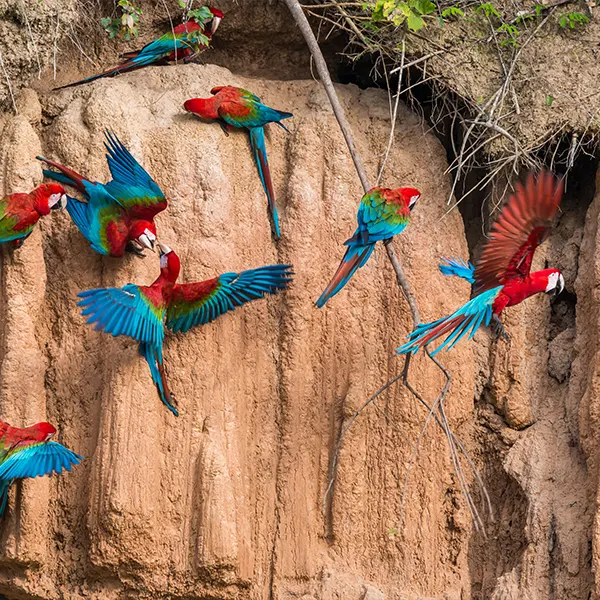
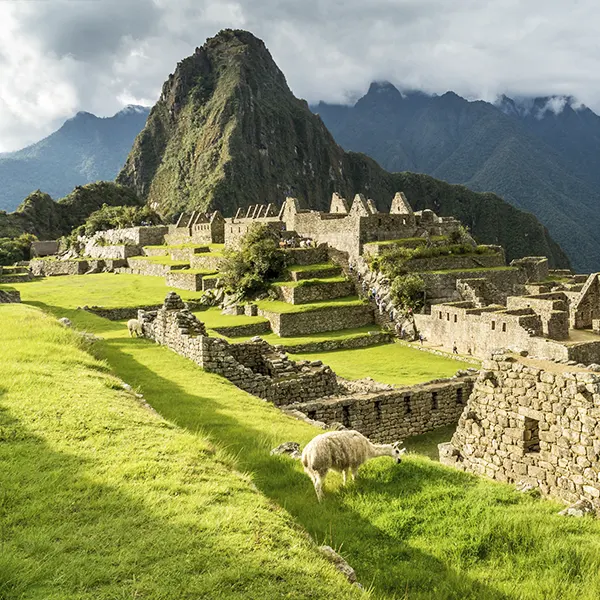
Machu Picchu is home to more than 70 mammals, over 420 bird species, dozens of reptiles and amphibians, and hundreds of butterfly species. Visitors may spot llamas, vizcachas, hummingbirds, tanagers, and, on rare occasions, spectacled bears in the surrounding cloud forests. This guide will introduce you to the Machu Picchu animals and provide key information about them.
Explore the incredible Machu Picchu fauna
- Why Machu Picchu Is a Biodiversity Hotspot
- Mammals You Can See at Machu Picchu
- Birds You Can See at Machu Picchu
- Reptiles and Amphibians at Machu Picchu
- Butterflies of Machu Picchu
- Flora and Fauna of Machu Picchu Historic Sanctuary
- Best Places and Times to Spot Wildlife at Machu Picchu
- How Conservation Protects Machu Picchu’s Wildlife
- Tips for Responsible Wildlife Watching at Machu Picchu
- FAQs About Machu Picchu Animals
Why Machu Picchu Is a Biodiversity Hotspot
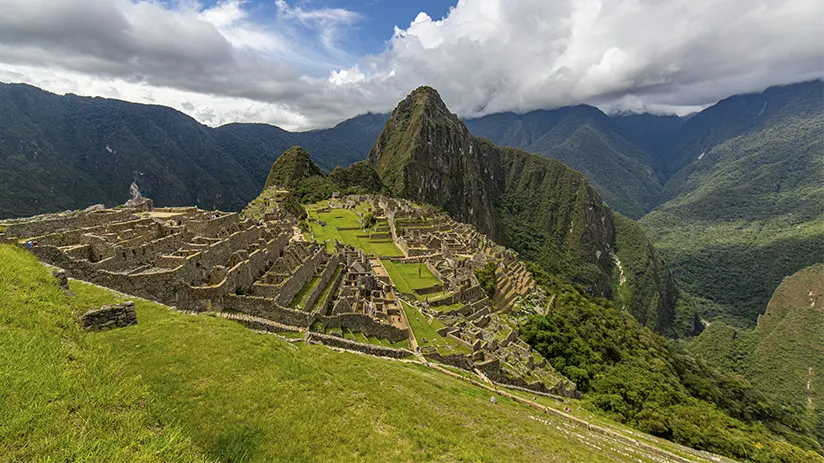
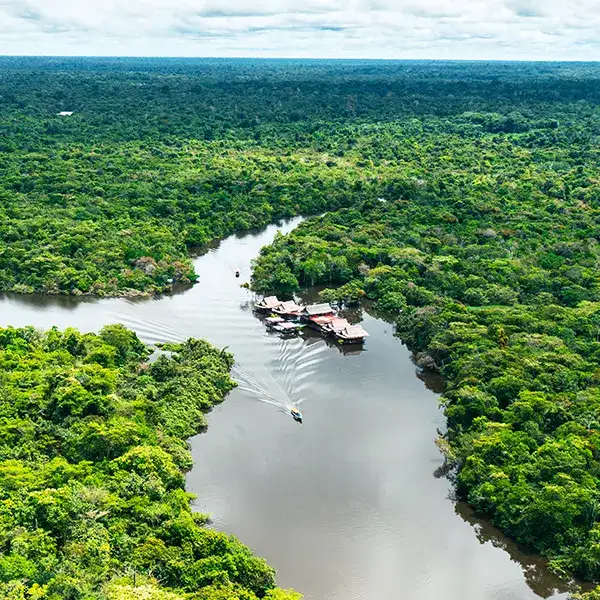
Machu Picchu is home to a significant diversity of wildlife because of its unique geographic, climatic, and ecological conditions. Among these, the most important is the transition zone between the high Andes and the Amazon basin. This zone encompasses 13 ecological zones, ranging from 1,900 to 6,271 meters above sea level, where these ecosystems support a high diversity of species. Below is a brief overview of the region’s endemic fauna, illustrating the above:
| Animal Group | Approximate Species |
| Mammals | 70 |
| Birds | 423 |
| Reptiles | 22 |
| Amphibians | 14 |
| Fish | 13 |
| Butterflies | 377 |
Mammals You Can See at Machu Picchu
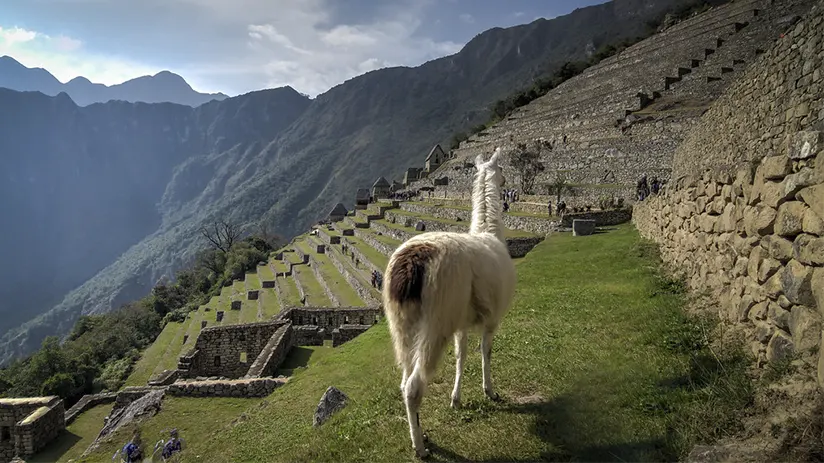
While llamas and alpacas are the most popular mammals in Machu Picchu because they are found throughout the ruins, many other mammals live in the area. There are 70 species, including rodents, bats, felines, and many other mammal groups that inhabit the area and its surroundings. Each group includes different species with unique adaptations. Below are some of the most representative species of the area.
Spectacled Bear
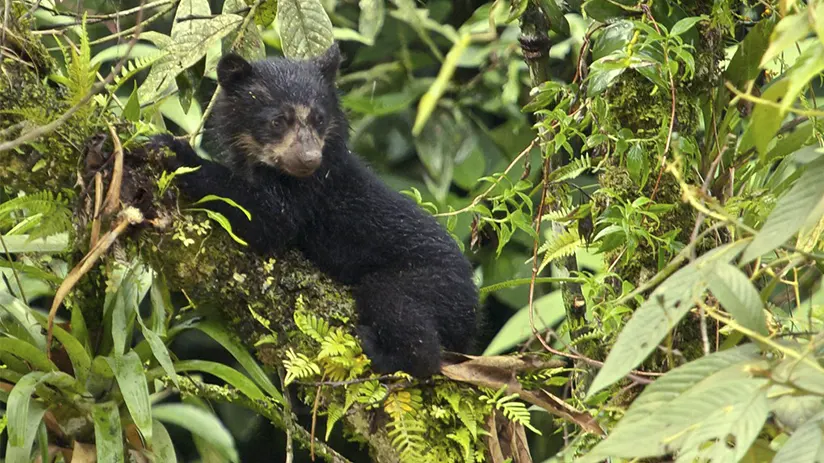
- Common Name: Spectacled Bear
- Scientific Name: Tremarctos ornatus
- Family and Group: Ursidae (Bear)
- Conservation Status: Vulnerable (IUCN)
- Habitat: Cloud forests and high Andean forests between 1,800 and 4,700 meters above sea level.
The only bear endemic to South America inhabits the area surrounding the sanctuary and other cloud forests. Although it is very rare to spot one in its natural habitat, some recent sightings show individuals walking near the ruins or the Inca Trail. The spectacled bear plays an important ecological role as a seed disperser; it allows for forest regeneration. The distinctive fur on its face gives the appearance of wearing glasses, hence its name.
Andean Vizcacha
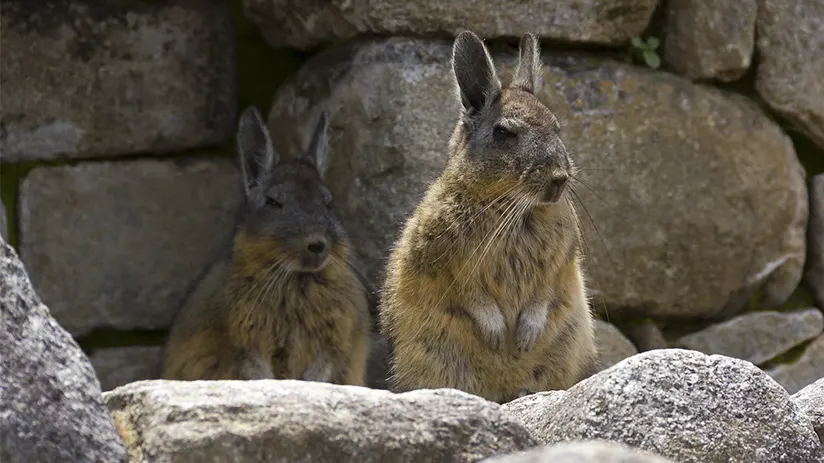
- Common Name: Andean Vizcacha
- Scientific Name: Lagidium peruanum
- Family and Group: Chinchillidae (Rodent)
- Conservation Status: Least Concern (IUCN)
- Habitat: Rocky cliffs, steep slopes, and mountain outcrops throughout the Andes.
The vizcacha has an appearance that resembles a cross between a rabbit and a squirrel. They are commonly spotted among the rocky slopes of Machu Picchu, and many visitors photograph them. These rodents are usually most active in the early morning, and visitors need patience and a careful eye because their appearance is very brief. Likewise, they often live in groups, but it is important not to disturb them and to observe them from a distance.
Andean Deer
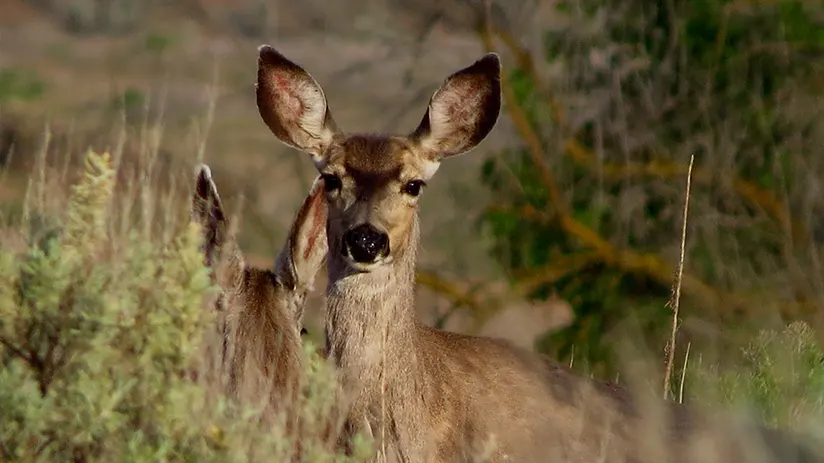
- Common Name: Taruca (Andean Deer)
- Scientific Name: Hippocamelus antisensis
- Family and Group: Cervidae (Deer)
- Conservation Status: Vulnerable (IUCN)
- Habitat: High-altitude grasslands, shrublands, and rocky mountain slopes between 2,000 and 5,000 meters.
The taruca, or Andean deer, is another representative species of the area. Although this deer is native to the Andes, encounters are rare due to its shy nature. Likewise, habitat loss and poaching have contributed to its vulnerable conservation status. Its distinctive brown fur allows it to camouflage itself in the rocky environment, so you should carefully observe your surroundings to spot it.
Andean Puma
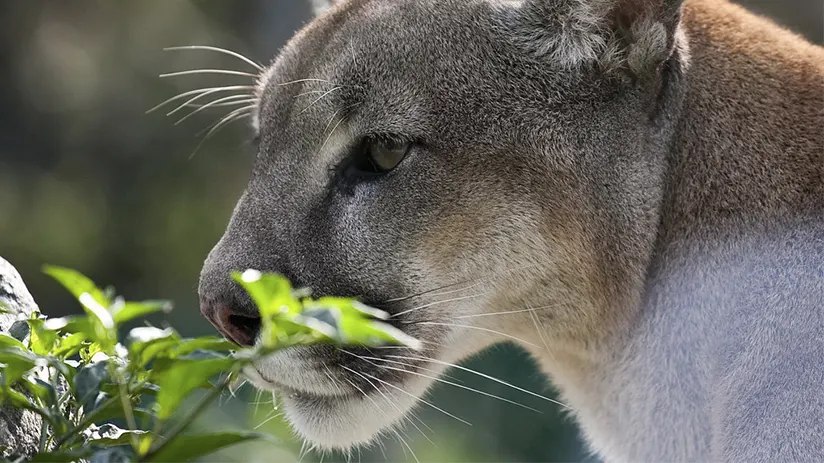
- Common Name: Puma (Mountain Lion)
- Scientific Name: Puma concolor
- Family and Group: Felidae (Big Cat)
- Conservation Status: Least Concern (IUCN)
- Habitat: Forests, cloud forests, mountains, and grasslands throughout the Andes.
The puma is the region’s apex predator and one of the most famous animals of the Andes, also present throughout the sanctuary. Its speed, silence, agility, and caution make it difficult to see in its natural habitat. Even if you were lucky enough to see it, the experience would be so brief that you wouldn’t even be able to take a photograph. Like all predators, it plays an important role in the food web, hunting certain other small mammals.
Other Native Mammals
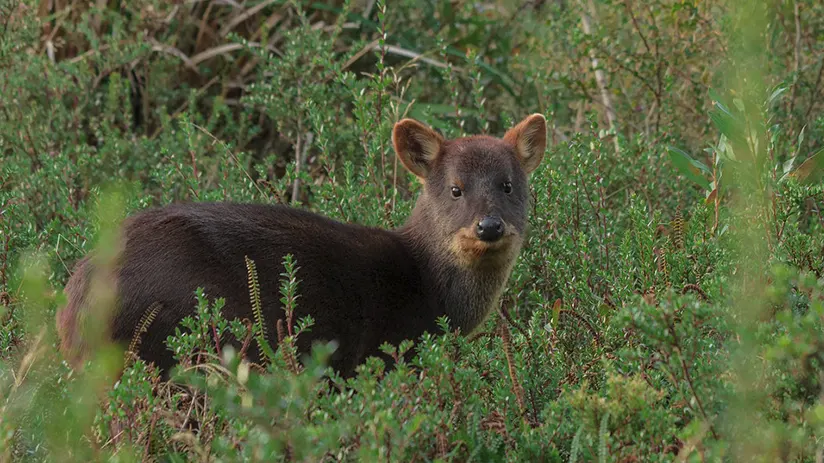
Many other mammals inhabit the sanctuary. Here are a few additional native species worth knowing about. For one reason or another, each animal is vital to the ecosystem and important to other fauna. Below are other records to consider to expand the diverse panorama:
- Sachacabra night deer (Pudu mephistophiles)
- Inca free-tailed bat (Mormopterus phrudus)
- Machu Picchu tree chinchilla rat (Cuscomys oblativus)
- Mountain paca (Cuniculus taczanowskii)
- Pampas cat (Leopardus colocola)
- Tayra (Eira barbara)
Birds You Can See at Machu Picchu

Birdwatchers in Peru will find excellent opportunities to observe native species. From the largest flying birds to tiny hummingbirds, bird lovers will find 400 species of birds inhabiting the area. Birds of various sizes and colors live here, but some are truly popular. Here’s a glimpse of the main ones to see.
Andean Cock-of-the-Rock

- Common Name: Andean Cock-of-the-Rock
- Scientific Name: Rupicola peruvianus
- Family and Group: Cotingidae (Passerine Bird)
- Conservation Status: Least Concern (IUCN)
- Habitat: Humid cloud forests and ravines between 500 and 2,400 meters.
This is the national bird of Peru, and with good reason; it’s one of Peru’s best-known birds. The bright colors of its feathers stand out amidst the lush surroundings, with a striking orange-red hue. It can be observed deep within the cloud forests, where dense vegetation prevails, during its elaborate courtship displays. Sightings are uncommon, but hikers occasionally encounter these birds along forest trails.
Giant Hummingbird
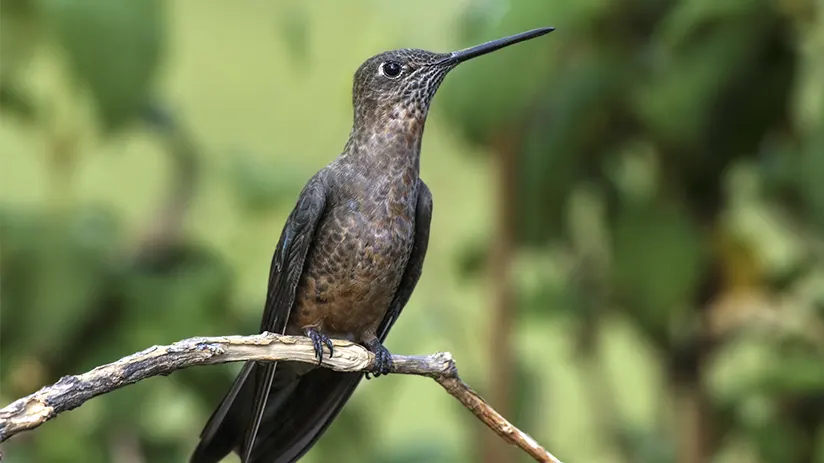
- Common Name: Giant Hummingbird
- Scientific Name: Patagona gigas
- Family and Group: Trochilidae (Hummingbird)
- Conservation Status: Least Concern (IUCN)
- Habitat: High-altitude valleys, scrublands, gardens, and open mountain habitats.
The world’s largest hummingbird, which, despite its impressive size, remains remarkably agile in flight. They can usually be observed feeding on nectar in open, sunny areas. Orchid gardens between 2,800 and 3,300 meters are preferred habitats for these large birds. Their wingbeats are much slower than those of other hummingbirds, making them easier to photograph.
Tanagers
- Common Name: Tanager
- Scientific Name: Family Thraupidae (multiple species)
- Family and Group: Thraupidae (Songbird)
- Conservation Status: Most species are classified as Least Concern (IUCN)
- Habitat: Cloud forests, forest edges, gardens, and humid mountain forests.
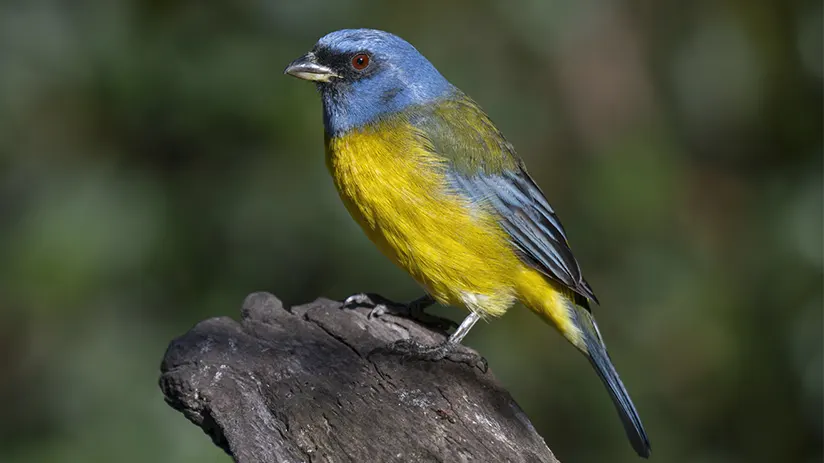
Tanagers are among the most colorful birds in Machu Picchu’s cloud forests. Flashes of blue, yellow, green, and orange stand out against the lush surrounding vegetation. Some notable species include the blue-and-yellow tanager (Thraupis bonariensis), the blue-and-black tanager (Tangara vassorii), and the imposing hooded mountain tanager (Buthraupis montana).
Other Cloud Forest Birds
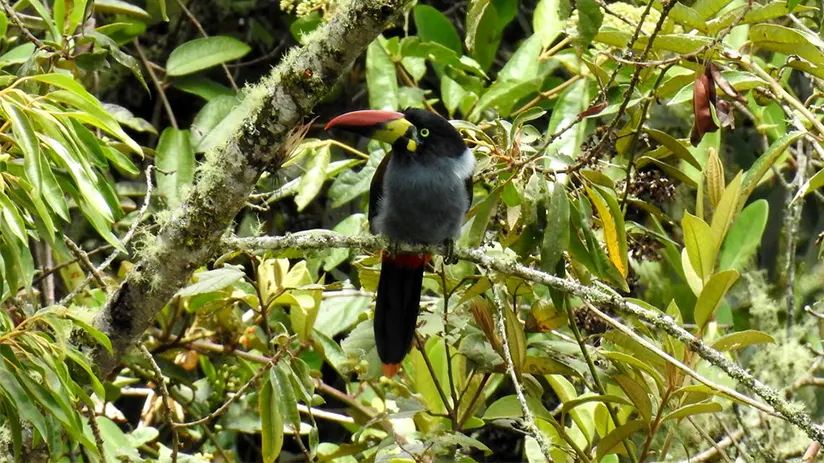
As the most abundant group of vertebrates in the area, there is a great variety of birds. Currently, 16 species are threatened, including the Andean condor (Vultur gryphus), the royal cinclodes (Cinclodes aricomae), and the ashy-breasted tanager (Anairetes alpinus). Fortunately, local authorities continue to take measures to protect them. Here are some other birds of the cloud forest:
- Gray-breasted Andean toucan (Andigena hypoglauca)
- Equatorial motmot (Momotus aequatorialis)
- Crested quetzal (Pharomachrus antisianus)
- Golden-headed quetzal (P. auriceps)
- White-browed swallow-tailed flycatcher (Leptasthenura xenothorax)
- Peregrine falcon (F. peregrinus)
- Jabiru (Jabiru mycteria)
Reptiles and Amphibians at Machu Picchu
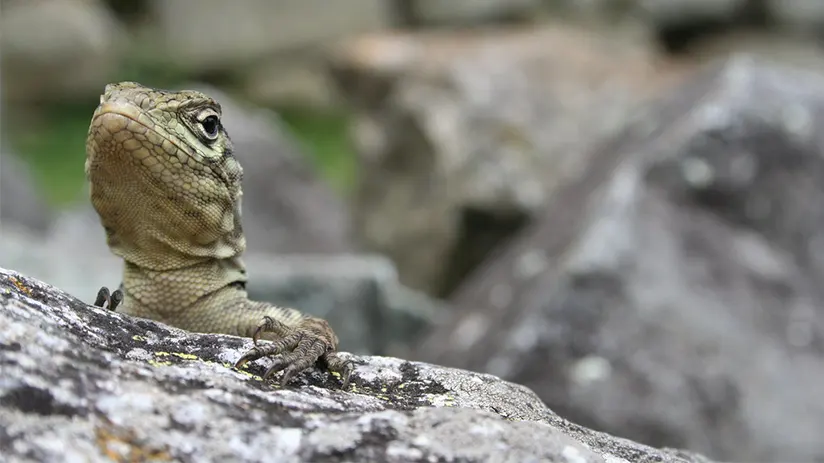
Peru’s biodiversity is also evident in the abundant herpetofauna present across the Historic Sanctuary. These groups are much more discreet than mammals or birds, as they usually hide in their environment. Furthermore, most specimens are more active at night or after rain, making observations occasional. Here’s a quick overview of the reptiles and amphibians found in the sanctuary.
Reptiles
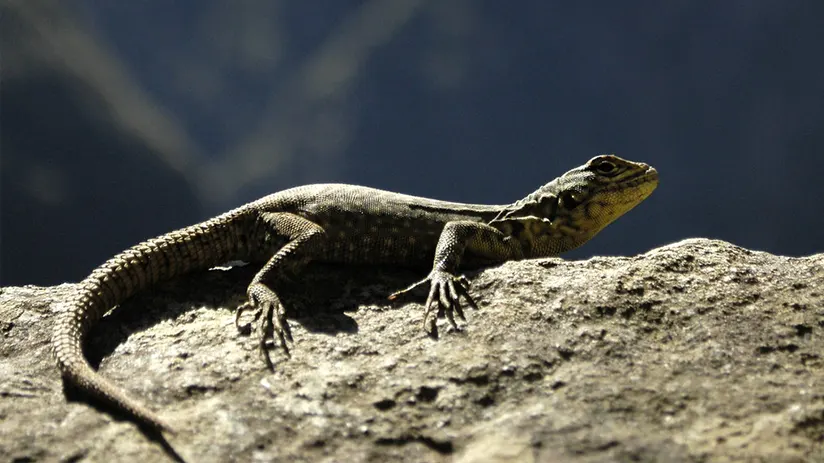
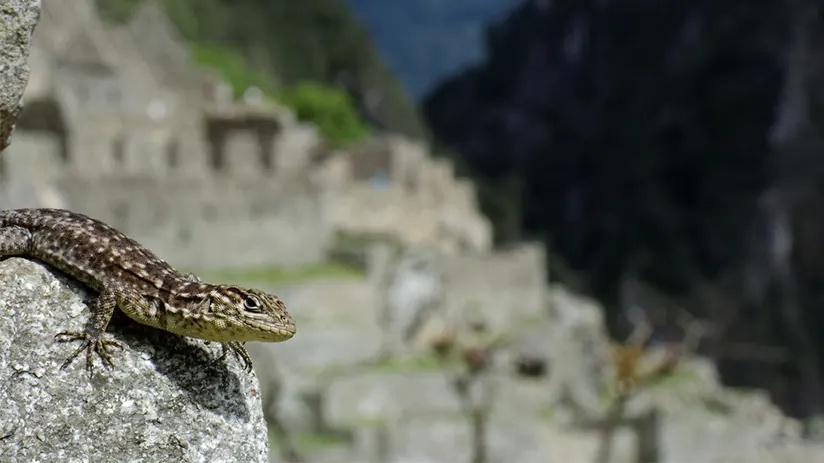
The reptiles of Machu Picchu are important to the ecosystem because they naturally control populations of rodents and insects. A total of 22 reptile species were recorded in the area, including 17 snakes and 6 lizards. The latter are the most frequently observed, especially if you visit the sanctuary. Here are some popular animals found in the area:
- Andean fer-de-lance (Bothrops andianus)
- Slender snake (Tachymenis affinis)
- The lizards Stenocercus crassicaudatus and Stenocercus ochoai
Amphibians
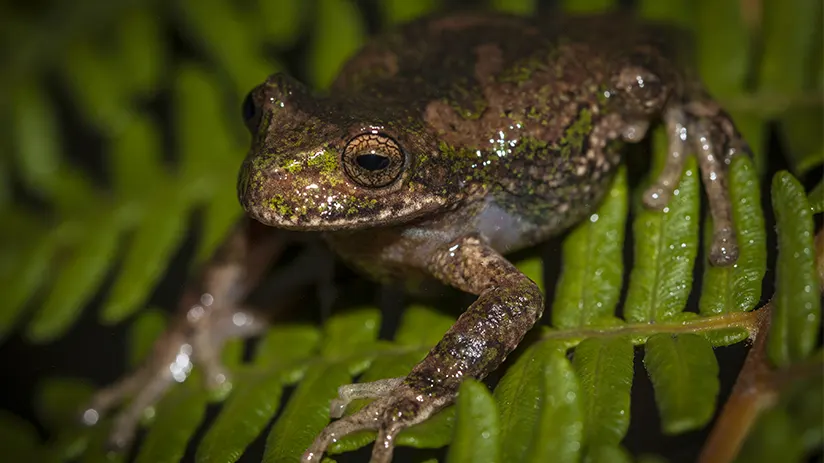
Amphibians are excellent bioindicators because they are especially sensitive to climate change. Their presence is a sign of a healthy environment and is associated with humidity, proximity to streams, and rainy conditions. Here are some important fauna to consider in this group:
- Chilca marsupial frog (Gastrotheca ochoai)
- Acancocha water frog (Telmatobius jelskii)
- Marbled water frog (Telmatobius marmoratus)
Butterflies of Machu Picchu
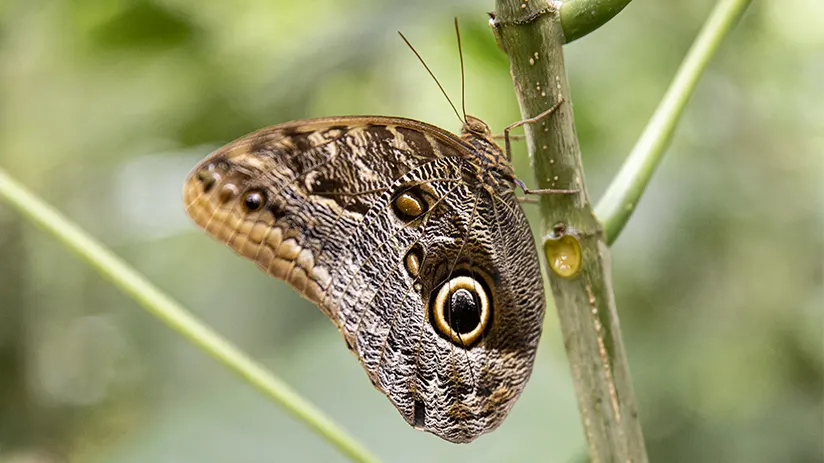
Butterflies hold a special place on this list, one of the best examples of Machu Picchu biodiversity. During a visit to this natural and cultural heritage site, you will see a variety of butterflies with bright colors and patterns. These not only participate in pollination but also form part of a healthy ecosystem. Among the most notable are the iridescent pearly butterfly and the owl butterfly, popular near flowers, fruit trees, and riverbanks.
Flora and Fauna of Machu Picchu Historic Sanctuary
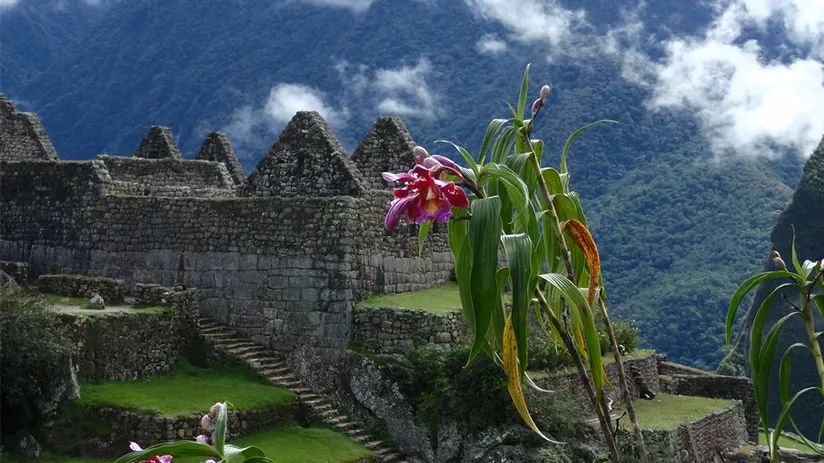
Within the vast expanse of the historic sanctuary, diverse flora coexist in harmony with the local fauna. The wide array of plants fosters the development of numerous previously observed animals. It is estimated that the area is home to approximately 3,300 species of vascular and non-vascular plants; among these, orchids, giant ferns, and a variety of medicinal plants stand out. Exploring this plant diversity is one of the best things to do in Machu Picchu, as this attraction blends seamlessly with the natural environment.
Best Places and Times to Spot Wildlife at Machu Picchu
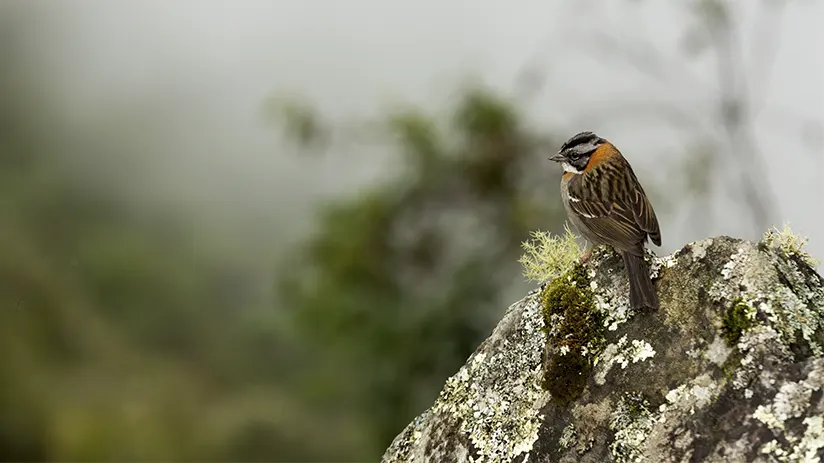
Knowing when and where to look greatly increases your chances of seeing wildlife in Machu Picchu. While sightings depend on the specific wildlife and their lifestyles, it’s advisable to consider the times and locations according to the animal group. It’s recommended to hire a specialized tour to see native animals of Peru; experts know the best spots for wildlife viewing. Below are some general details to consider in your planning.
| Mammals | Birds | Reptiles | Amphibians | Butterflies | |
| Overall Ease of Observation | Moderate / Difficult | Easy / Moderate | Moderate / Difficult | Difficult | Very Easy |
| Best Time to Spot | Early morning (6:00–9:00 AM) and late afternoon (4:00–6:00 PM) | Early morning (5:30–9:00 AM) | Late morning to afternoon on sunny days | Evening, night, or after rainfall | Mid-morning to early afternoon (9:00 AM–2:00 PM) on sunny days |
| Typical Waiting Time | 30–90 minutes | 10–30 minutes | 20–60 minutes | 30–60 minutes | 5–15 minutes |
| Best Places | Forest trails, Mandor area, cloud forest edges | Tree canopy, viewpoints, forest trails, gardens | Rocky paths, warm stones, forest edges | Streams, wet vegetation, shaded forest | Flower-rich areas, sunny clearings, near rivers |
| Most Common Species Seen | Vizcacha | Hummingbirds, Tanagers | Small lizards | Rain frogs, Tree frogs | Blue morpho, Owl butterflies, Longwing butterflies |
| Least Common Species Seen | Puma, Andean Deer, Spectacled Bear | Andean Condor, Torrent Duck, Andean Cock-of-the-rock | Snakes | Salamanders | Rare high-elevation species |
| Key Considerations | Stay quiet and keep your distance | Bring binoculars for better views | Watch where you step and avoid disturbing them | Best during the rainy season and humid conditions | More active on warm, sunny days |
How Conservation Protects Machu Picchu’s Wildlife
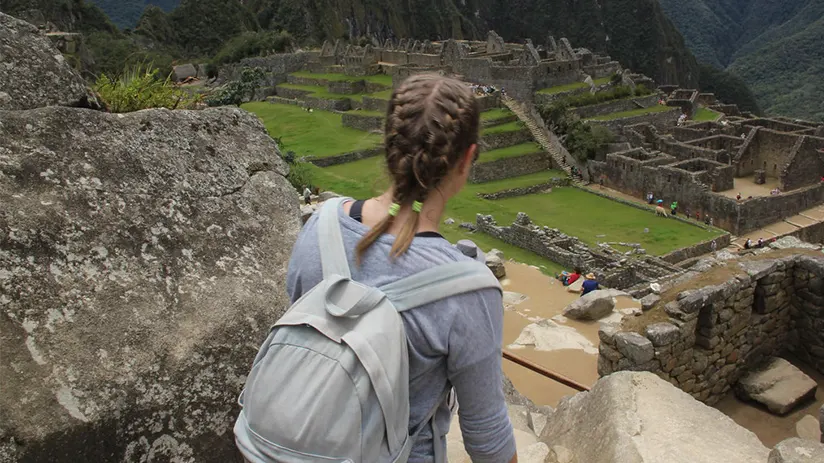
The sanctuary’s management takes conservation seriously, protecting the animals and ensuring their survival for future generations. Conservation efforts focus on protecting habitats and ensuring the long-term survival of native species. For example, one of their main initiatives is funding maintenance and protection efforts through tourism, which directly contributes to the preservation of the sanctuary, its surroundings, and the wildlife that inhabits it.
Education also plays a vital role, fostering an understanding of each animal’s importance and promoting respect. Visits, for instance, include a nature component, emphasizing the animals’ importance to the ecosystem. Therefore, the sanctuary’s conservation efforts are one of the best examples of ecotourism in Peru, respecting the environment and protecting it for the future.
Tips for Responsible Wildlife Watching at Machu Picchu

Some recommendations will help you enhance your wildlife viewing experience. Whether it’s to increase your chances of spotting wildlife, respect the environment, or simply enjoy it more, there’s a lot to consider. Undoubtedly, the best option is to hire a reputable, specialized tour operator that provides an experienced wildlife guide. In any case, here are some additional tips:
Before Your Visit:
- Hire local, expert guides
- Plan an optimal itinerary
- Consider Aguas Calientes as your starting point
- Consider hiking the Inca Trail
- Prepare necessary items (clothing, personal documents, protective gear)
- Bring tools to improve visibility (binoculars)
During Your Visit:
- Do not pick flowers or plants
- Stay on marked trails
- Do not feed wild animals
- Respect access limits
- Use a reusable water bottle
- Bring as little plastic as possible
- Take all your trash with you
FAQs About Machu Picchu Animals
What animals live in Machu Picchu?
There are many animals in Machu Picchu, including spectacled bears, vizcachas, hummingbirds, tanagers, frogs, lizards, and hundreds of butterfly species. The surrounding cloud forest creates an ideal habitat for a wide variety of native wildlife.
Can you see spectacled bears at Machu Picchu?
Yes, but sightings are rare. Spectacled bears occasionally move through the forests surrounding the archaeological site, especially in quiet areas with little human activity. Most visitors never see one, although researchers have confirmed their presence in the region.
What birds can you see at Machu Picchu?
The sanctuary is home to more than 400 Machu Picchu bird species, including the Andean cock-of-the-rock, sword-billed hummingbird, golden-headed quetzal, and many colorful tanagers. Birdwatching is best in the early morning when activity is highest.
Is there wildlife around Machu Picchu?
Yes, the forests, rivers, and mountain slopes support abundant wildlife around Machu Picchu, making the area one of Peru’s best destinations for nature lovers. Even short walks along nearby trails can reveal birds, butterflies, reptiles, and small mammals.
What is the most famous animal in Machu Picchu?
The spectacled bear is the best-known animal because it is South America’s only native bear and a symbol of Andean conservation. However, llamas are the animals most visitors notice first since they freely graze near the archaeological site.
Are llamas native to Machu Picchu?
No, llamas are native to the Andes but were domesticated thousands of years ago by Indigenous communities. The llamas seen today help preserve the historic atmosphere, but they are not considered wild animals.
When is the best time to see wildlife at Machu Picchu?
The best time is early in the morning, especially during the dry season from May to September. Many species are more active before the trails become busy, although some amphibians and insects are easier to find during the rainy months. Trails leading toward the Sun Gate are also popular for birdwatching and nature walks.
Is Machu Picchu a biodiversity hotspot?
Yes, the region is internationally recognized for its exceptional Machu Picchu biodiversity, where the Andes meet the Amazon basin. This transition zone supports ecosystems adapted to high altitudes, protects numerous endemic plants, features remarkable orchids and wildlife in Machu Picchu, and provides habitat for some of the most colorful birds in the world.
Are there monkeys in Machu Picchu?
No, monkeys do not inhabit the Machu Picchu Historic Sanctuary because of its elevation. However, several monkey species live in the lower Amazon rainforest east of the Andes.
“DIVERSITY IS THE RESULT OF THE EXCELLENT CONDITIONS FOUND IN RICH ECOSYSTEMS”
Exploring the Machu Picchu animals adds a fascinating dimension to any visit, revealing that the sanctuary is much more than an ancient Inca citadel. Its cloud forests, mountains, and rivers provide shelter for an extraordinary variety of mammals, birds, reptiles, amphibians, and butterflies that thrive in this protected landscape. Whether you are an experienced wildlife enthusiast or simply enjoy observing nature, respecting the environment and staying on designated trails helps preserve this protected ecosystem for future generations while making every encounter with its unique wildlife even more meaningful.
Machu Picchu has so much to offer; it can be hard to know where to start. With many years of experience in the tourism sector, Machu Travel Peru is happy to help with anything regarding your trip to Machu Picchu and any tours around it. Let us help you make your Machu Picchu travel experience unforgettable! Contact us today to plan your dream adventure!