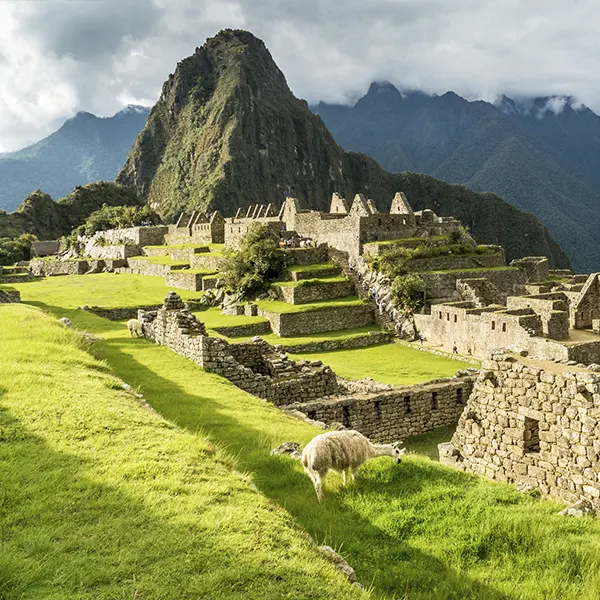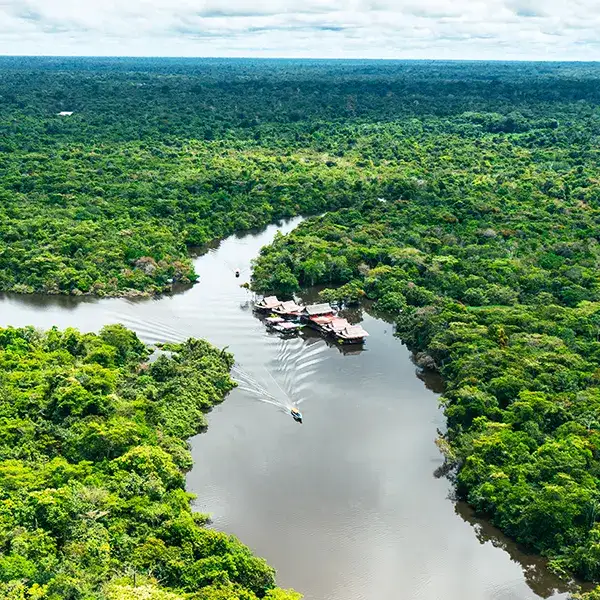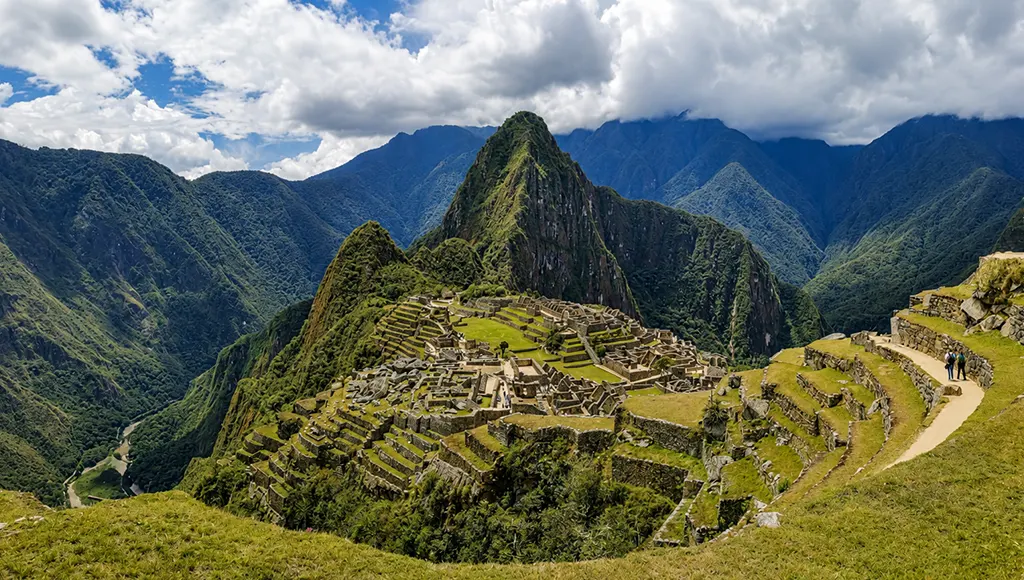
Machu Picchu conservation is Peru’s effort to protect the Inca citadel and its surrounding sanctuary at the same time, guarding the stonework against wear while keeping the forest around it intact. That effort became more formal in 2026, when authorities approved a management plan that runs through 2031. The plan responds to damage that has built up over decades and cannot be undone once the stone walls are damaged.
Machu Picchu Conservation Explained: Threats, Policies, and Visitor Rules
- Why Machu Picchu Conservation Matters
- The Main Threats to Machu Picchu Conservation
- How Machu Picchu Is Protected Today
- Sustainable Tourism at Machu Picchu
- Machu Picchu Visitor Regulations and Management
- How Travelers Can Help Protect Machu Picchu
- The Future of Machu Picchu Conservation
- FAQs About Machu Picchu Conservation
Why Machu Picchu Conservation Matters
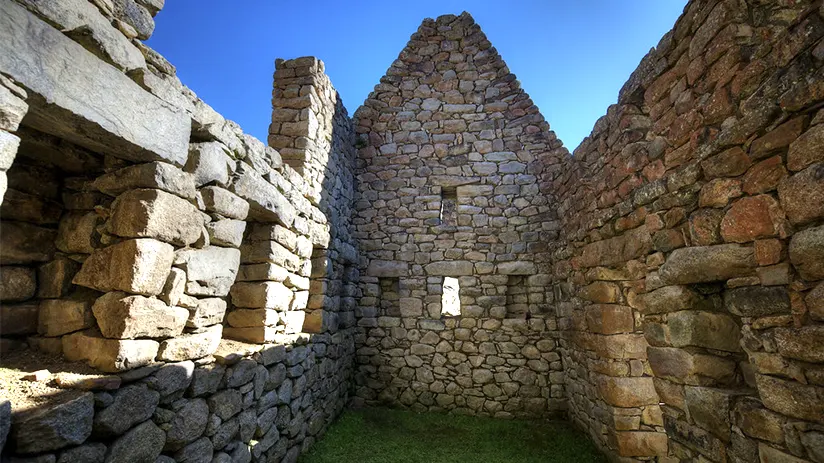
The Inca citadel is one of the most complete surviving examples of Inca architecture and engineering, so its Machu Picchu heritage cannot be fully restored once damaged. When erosion, uncontrolled construction, or unmanaged tourism wear down its stone walls, the harm reaches further than the ruins, disrupting a mountain ecosystem that supports plants and animals found nowhere else in the region.
Machu Picchu conservation protects one of the few sites recognized under UNESCO’s mixed World Heritage category, meaning it recognizes both cultural and natural values. Granted in 1983, that status extends beyond the citadel to a Historic Sanctuary of 32,592 hectares of cloud forest, terraces, and Inca stonework. This dual recognition sets a higher preservation standard than most ancient sites carry on their own.
Because of this combined cultural and environmental weight, every decision about ticket limits, trail access, or new infrastructure near the sanctuary carries consequences beyond a single visit. Travelers arriving at the citadel enter a place where each regulation serves a specific purpose. These efforts, taken together, are what keep the Inca legacy standing for generations to come.
| Protection | Responsible Institution |
| UNESCO designation | UNESCO |
| Cultural heritage | Ministry of Culture |
| Natural sanctuary | SERNANP |
| Visitor management | Ministry of Culture |
The Main Threats to Machu Picchu Conservation
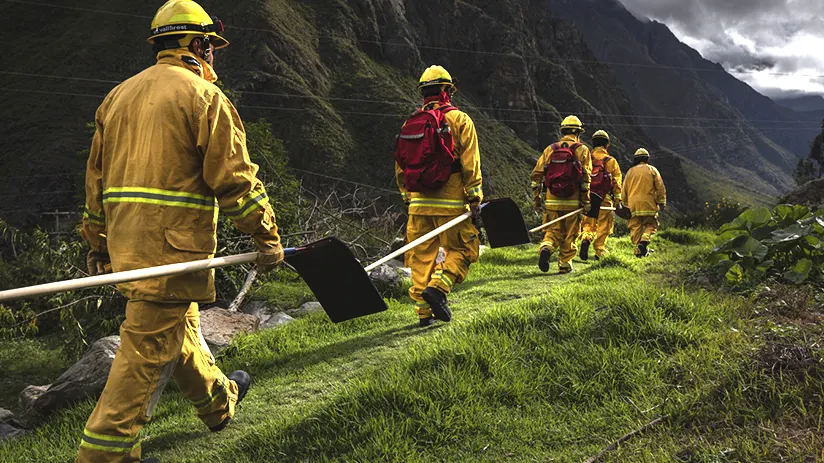
While Machu Picchu’s importance as a World Heritage Site is not in question, the site faces real and well-documented signs of deterioration. Three factors drive most of the damage, namely climate-driven erosion, tourism volume, and ecosystem disruption. Each one requires a different response, which is why conservation plans treat them separately rather than as one general problem.
Natural Erosion and Climate Challenges at Machu Picchu

Rain remains the biggest natural threat to the site’s stability, especially between January and March, when heavy rains raise the risk of landslides on the steep slopes around the citadel. Beyond that seasonal risk, the region sits in an active fault zone where earth movements are frequent. Fires pose another constant threat, especially to the surrounding forest. In 1997, for example, a fire started by local farmers burned more than 800 hectares of vegetation nearby.
Climate change appears to be making these conditions worse. On one hand, unstable rainfall patterns bring heavier downpours, which overload the drainage systems built into the sanctuary centuries ago. Dry spells, on the other hand, raise the risk of forest fires across the surrounding native vegetation.
Tourism Pressure and Visitor Impact on Machu Picchu

The Historic Sanctuary received more than one million visitors in 2025, most of them international travelers, according to Peru’s Ministry of Foreign Trade and Tourism. This level of foot traffic wears down stone pathways and strains a site with limited physical capacity. Overcrowding also concentrates people at the same viewpoints and narrow passages, which speeds up damage in the busiest sectors rather than distributing it across the whole citadel.
That strain is what the new routing tries to relieve. In response, Peru redesigned its Machu Picchu circuits in 2024, splitting the three main routes into ten sub-routes to spread arrivals across a wider area. The goal is not to reduce the total number of visitors, but to control where and when they walk through the monument.
Threats to Machu Picchu’s Biodiversity

The Historic Sanctuary covers far more ground than the citadel itself. It shelters more than 400 birds, nearly 420 orchids, and fauna such as the spectacled bear, listed as vulnerable. Protecting this Peru biodiversity involves a separate set of problems from the ones affecting the ruins, including the introduction of exotic plant species and water pollution near the Urubamba River.
Those same fires, along with unchecked farming near the sanctuary’s edges, threaten habitats that took centuries to establish. Once native vegetation is lost or replaced, restoring the original ecosystem balance takes far longer than repairing a damaged wall.
| Threat | Main cause | Impact on the site |
|---|---|---|
| Erosion | Heavy rainfall, constant foot traffic | Wear on pathways and terraces |
| Landslides | Rainy season (January to March), steep slopes | Structural risk in upper sectors |
| Grass fires | Local agricultural burning, prolonged drought | Loss of nearby forest and habitat |
| Overtourism | High demand during peak season | Concentrated wear in high-traffic zones |
| Solid waste | Daily visitor volume | Pollution of the natural surroundings |
These three forces overlap rather than occur in isolation. A single landslide damages terraces and habitat at the same time, and heavy foot traffic leaves worn surfaces more exposed to rain. That overlap explains why conservation at Machu Picchu now requires coordinated action across heritage, nature, and tourism management.
How Machu Picchu Is Protected Today

Protection at Machu Picchu runs on several levels at once. International oversight sets the standard, national agencies enforce it, and ongoing research checks whether it works. Together, these layers shape the rules a visitor meets on arrival, from the assigned route to the entry hour.
Machu Picchu’s UNESCO World Heritage Site Status

The World Heritage List has included the Historic Sanctuary since 1983 under a mixed designation, one that recognizes both cultural and natural values. By accepting that status, Peru took on a formal duty to protect the property under international standards, which means conserving the forest and the stonework together rather than one at the expense of the other.
Machu Picchu is not on the World Heritage List in Danger. Even so, the World Heritage Committee has cited tourism pressure as its most frequently raised concern, and it reviewed the ruins’ visitor management in July 2025 before recognizing recent improvements. Peru’s Ministry of Culture has stated that the area’s protection remains intact. That protection carries weight because, among Peru’s UNESCO World Heritage Sites, the mixed status is rare and demands more than a cultural inscription alone.
Peruvian Machu Picchu Conservation Policies
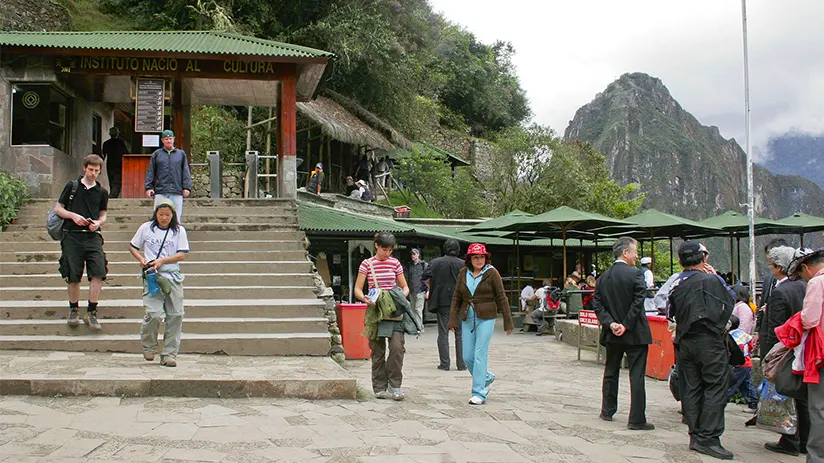
Peru approved a new Master Plan for the Historic Sanctuary in March 2026, covering the years through 2031. SERNANP, the state agency for protected natural areas, issued the resolution together with the Ministry of Culture. The document replaces an older version from the 2015 to 2019 period and now serves as the site’s main management document.
Two changes set this plan apart. It names specific species it aims to protect, including the spectacled bear and the torrent duck, and it brings tourism into the same framework as heritage and nature. Daily decisions belong to the Machu Picchu Management Unit, a committee led by the Governor of Cusco and joined by the ministers of Culture, Environment, and Foreign Trade and Tourism.
Archaeological Research and Site Monitoring
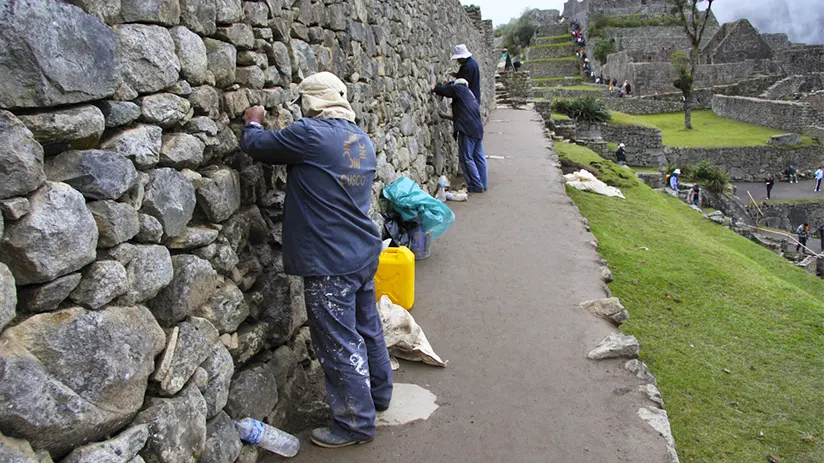
Monitoring teams track how the stone structures shift, how well the drainage still works, and how much wear the busiest paths receive. Their readings feed a technical report from the Decentralized Directorate of Culture of Cusco, which is what the annual capacity figure is based on.
Alongside that monitoring, repair work depends on understanding how the original builders handled water and stability on a steep ridge. The Inca engineering behind the terraces and stone channels still drains much of the rain that falls on the site. As a result, conservation teams tend to maintain those original systems instead of replacing them with modern ones.
Sustainable Tourism at Machu Picchu
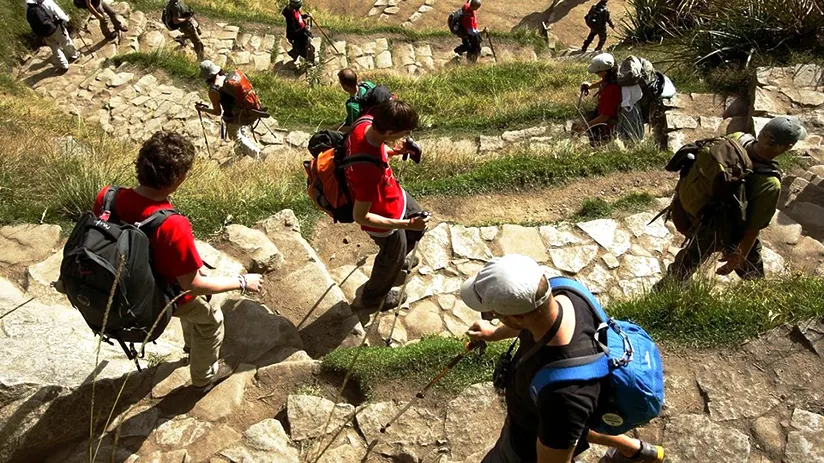
Sustainable tourism at Machu Picchu puts the focus on how visitors move through the sanctuary. The idea is simple: guide the flow of people so the busiest sectors of the citadel do not carry the full weight of every day’s crowd. Recent management has sharpened that focus, giving more attention than before to route design and the condition of the trails.
Part of this work happens away from the main citadel. Authorities have improved signage and the care of green areas to ease the strain on soil and native plants. They also point visitors toward lesser-known sites inside the sanctuary, which draws some of the demand away from the main viewpoint where most crowds gather.
Funding for this effort now comes partly from the visitors themselves. In May 2026, SERNANP, the agency that manages Peru’s protected natural areas, began charging an entrance fee for the sanctuary, a measure first approved in 2023. According to SERNANP, the money goes toward restoring worn areas and protecting native species. Visitors pay it together with their ticket, so it adds no extra step.
Peru is not alone in charging for access to a fragile place. Venice asks day visitors for an entry fee, and Japan caps the number of climbers on Mount Fuji’s main trail. Each case rests on a similar principle: unlimited access slowly ruins the very place people came to see. The daily caps, fixed circuits, and advance booking at Machu Picchu follow that same reasoning, and travelers who value responsible tourism in Peru will recognize the logic behind each rule.
Machu Picchu Visitor Regulations and Management
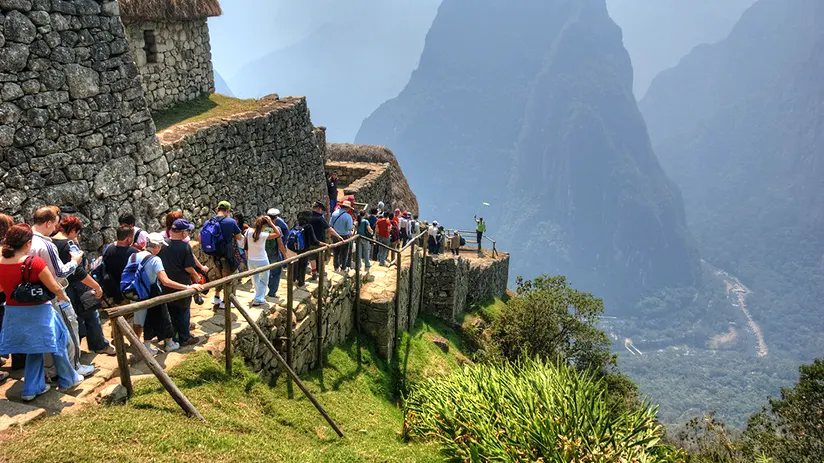
Specifically, the rules that govern a visit to Machu Picchu exist to keep the ruins within limits that technical studies define. Two of them shape the day itself more than the rest, namely how many people enter and where each person is allowed to walk once inside.
Daily Capacity and Ticket System at Machu Picchu
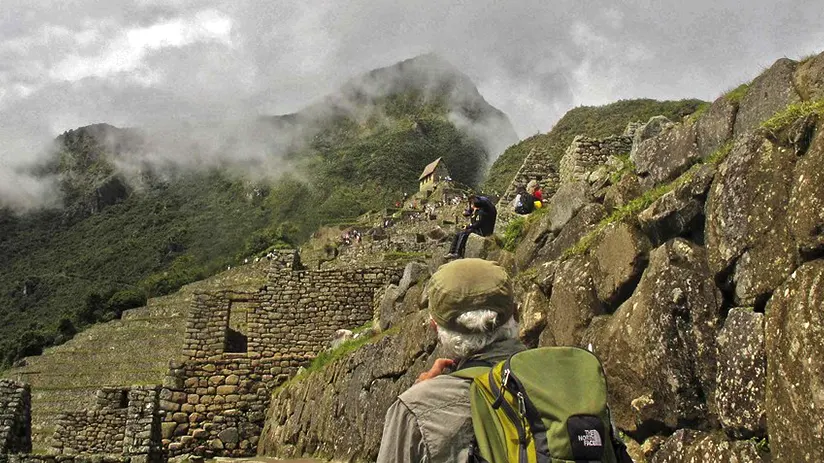
The Ministry of Culture sets the maximum daily capacity through an annual resolution, based on a technical study of what the citadel can physically handle. That figure is lower in the low season and higher during peak months. Tickets come through two channels: most visitors buy online, but part of each day’s allotment is reserved for in-person sale at the Cultural Center in Machu Picchu Pueblo.
Sales run through a single official platform, tuboleto.cultura.pe, which the ministry operates, so every entry passes through one system. Demand tends to exhaust the calendar quickly, and Machu Picchu tickets for the opening days of January 2026 sold out within minutes of the platform going live. Each one carries the visitor’s name and identity document, so it cannot be transferred to another person.
Entry Circuits and Time Limits

Since June 2024, the citadel has been divided into three circuits, each one split into several sub-routes. Circuit 1 covers the upper panoramic area, Circuit 2 the central sector with its main temples, and Circuit 3 the lower royal sector. Visitors choose their route when buying the ticket and cannot change it once inside, which keeps foot traffic away from the sectors each route avoids.
Once a visitor arrives, the entry time printed on the ticket takes over. Latecomers have a tolerance period that varies by season. After that time closes, entry is denied except in documented cases of force majeure. Re-entry is not allowed either, so stepping outside the gates ends the visit for that day.
| Regulation | Limit | Purpose |
|---|---|---|
| Daily capacity, low season | 4,500 visitors | Stays within the site’s calculated carrying capacity |
| Daily capacity, peak season | 5,600 visitors | Allows for high demand without exceeding technical limits |
| Peak months | April to August | Concentrates the higher cap on the busiest days |
| In-person tickets | 1,000 per day | Reserves access for visitors without online booking |
| Circuits and sub-routes | 3 circuits, 10 routes | Prevents crowding in the most fragile sectors |
| Entry tolerance | 30 minutes low season, 45 minutes high season | Keeps arrivals spread across the day |
| Huayna Picchu | 350 visitors per day, approximately | Protects a steep, narrow trail |
| Machu Picchu Mountain | 750 visitors per day, approximately | Limits wear on a secondary route |
| Re-entry | Not permitted | Keeps each ticket to a single visit |
How Travelers Can Help Protect Machu Picchu

Machu Picchu, like other historic sites under demand, depends on visitor cooperation to limit the damage that daily traffic causes. The choices below reduce that impact, and none of them requires extra spending or added time to stay.
Before a Trip to Machu Picchu
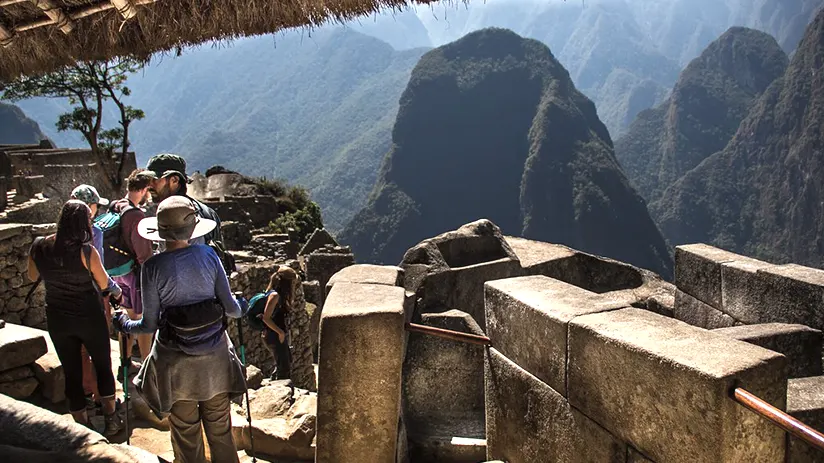
A few decisions made before leaving home keep a visit inside the regulated system and reduce its impact on the citadel:
- Book early through the official platform: Third-party resellers sometimes sell tickets that authorities do not recognize, and the entry checkpoint checks the name on the pass against the traveler’s document. Buying early matters more than buying fast.
- Consider the low season: Visitors who travel between November and April find fewer people on the circuits, though rain is more likely.
- Pack light and pack right: Reviewing what visiting Machu Picchu responsibly involves helps, since the citadel allows only one small bag and no disposable bottles.
Responsible Behavior at the Site
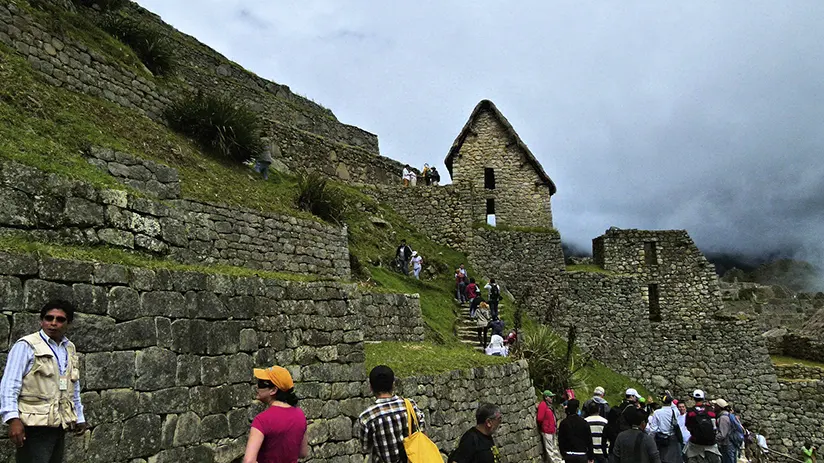
Once inside the sanctuary, avoiding the common mistakes at Machu Picchu comes down to following a short set of rules:
- Stay on the assigned circuit: Leaving the marked route damages the surfaces the circuit system exists to protect, and staff may remove anyone who does.
- Use the right walking sticks: Poles are permitted only with rubber tips, since metal points chip the stone.
- Carry your waste out: The citadel has no waste facilities, so visitors take out everything they bring in.
- Never touch or climb the walls: Contact wears down stonework that has stood for more than 500 years, and past vandalism has led to arrests and deportations.
The Future of Machu Picchu Conservation
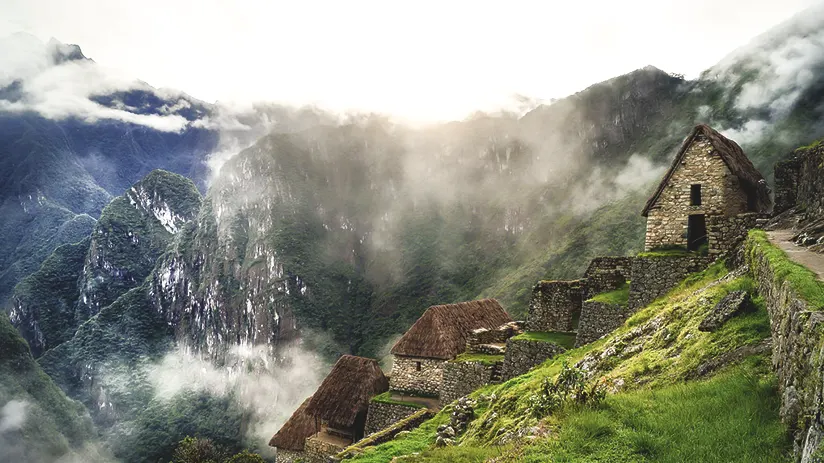
The 2026 Master Plan runs through 2031 and sets a longer target beyond that date. Peru aims to establish the Historic Sanctuary as an international reference for the management of mixed heritage by 2046.
Two developments will test that ambition. Chinchero International Airport is scheduled to open near Cusco in 2027, which would change how travelers reach the region and how many arrive. Authorities are also preparing an updated carrying capacity study because future visitor demand may change.
Governance remains the greatest challenge. The Machu Picchu Management Unit coordinates decisions across culture, environment, and tourism, yet disputes over transport concessions and ticket sales have disrupted access to the site in recent years. Whether the sanctuary meets its 2046 target depends less on any single regulation than on whether these institutions continue to act together.
FAQs About Machu Picchu Conservation

Why is Machu Picchu conservation important?
Machu Picchu conservation is important because the site holds a mixed UNESCO listing that covers cultural and natural value at the same time. The Historic Sanctuary protects Inca stonework and a cloud forest ecosystem within the same boundaries, so damage to one affects the other.
How is Machu Picchu protected today?
Peru’s Ministry of Culture protects Machu Picchu by regulating entry and setting the annual carrying capacity, while SERNANP manages the protected natural area. A Master Plan approved in 2026 governs the sanctuary through 2031 and coordinates decisions across culture, environment, and tourism.
What threats does Machu Picchu face?
Machu Picchu faces heavy rainfall, landslides, grass fires, and pressure from daily visitor numbers. Solid waste and the introduction of non-native plants also affect the sanctuary’s ecosystem, according to conservation assessments of the area.
How does UNESCO help preserve Machu Picchu?
UNESCO helps preserve Machu Picchu by reviewing its state of conservation and issuing observations when problems appear. The World Heritage Committee flagged tourism pressure as its main concern in July 2025, though the actual enforcement remains with Peruvian authorities.
What is sustainable tourism at Machu Picchu?
Sustainable tourism at Machu Picchu keeps the site open while controlling how many people enter and where they walk. Fixed circuits, daily caps, and advance booking spread arrivals across the calendar, which reduces wear on the most fragile sectors.
How do visitor limits protect Machu Picchu?
Visitor limits protect Machu Picchu by keeping the number of people below what technical studies identify as the site’s carrying capacity. Concentrated foot traffic wears down stone faster than a spread-out flow does, so the caps work alongside the circuit system rather than on their own.
Can tourists help conserve Machu Picchu?
Tourists can help conserve Machu Picchu by staying on the assigned circuit, removing their own waste, and booking in advance through the official platform. Each of these actions reduces damage that repairs cannot completely reverse.
What conservation projects are taking place at Machu Picchu?
Conservation projects at Machu Picchu cover forest protection, restoration of degraded areas, and monitoring of species such as the spectacled bear. SERNANP channels part of the entrance fee introduced in May 2026 toward this work.
“WE DO NOT INHERIT THE EARTH FROM OUR ANCESTORS, WE BORROW IT FROM OUR CHILDREN”
Machu Picchu conservation depends on the government, rules, and visitors alike. Peruvian authorities set the limits, and UNESCO reviews the results, while the 2026 Master Plan guides conservation efforts through 2031. Even so, erosion, fires, and visitor demand have not disappeared, so the outcome also depends on how travelers treat the paths they walk.
Machu Picchu has so much to offer; it can be hard to know where to start. With many years of experience in the tourism sector, Machu Travel Peru is happy to help with anything regarding your trip to Machu Picchu and any tours around it. Let us help you make your Machu Picchu travel experience unforgettable! Contact us today to plan your dream adventure!