Sacred Valley weather varies between a dry season (April–October) and a rainy season (November–March). The best months to visit are usually May through September because of clearer skies, lower rainfall, and better trekking conditions.
A practical guide to Sacred Valley weather, seasons, and travel planning
- Understanding the Climate in the Sacred Valley
- Sacred Valley Weather by Season Overview
- Sacred Valley Dry Season vs Rainy Season
- Best Time to Visit the Sacred Valley
- Monthly Temperature and Rainfall Breakdown
- What to Pack for the Sacred Valley by Season
- Best Activities and Tours by Season
- How Weather Affects Travel to Machu Picchu and Cusco
- Travel Tips for Visiting the Sacred Valley Year-Round
- FAQs About Sacred Valley Weather
Understanding the Climate in the Sacred Valley
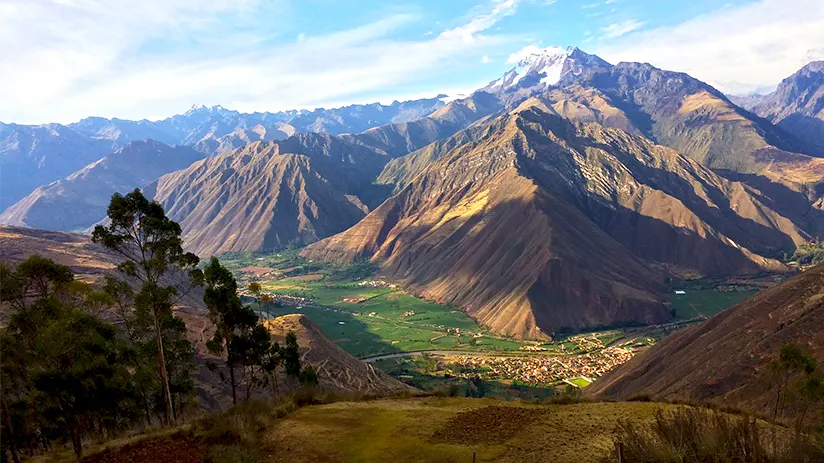
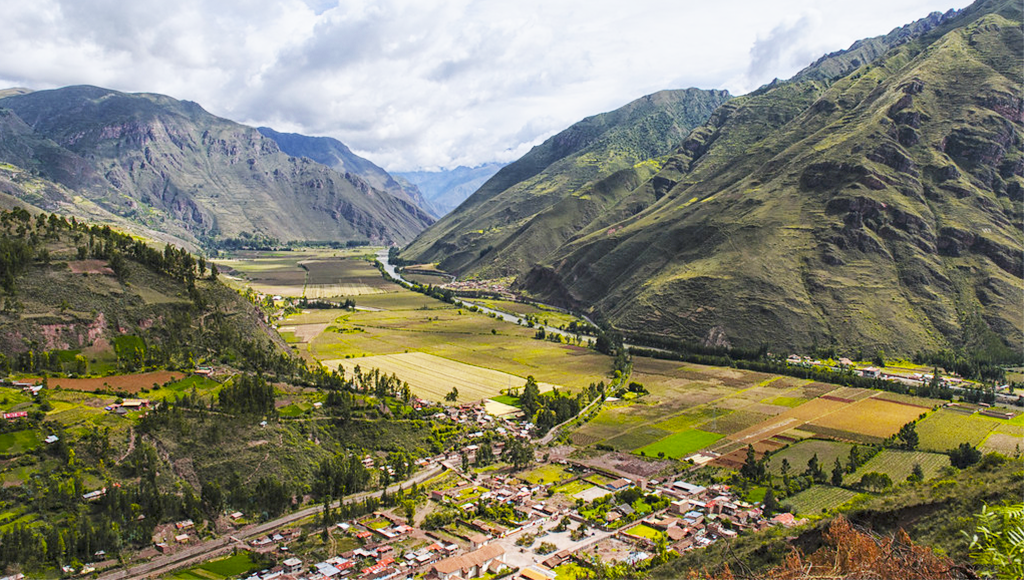
The Sacred Valley has a high-altitude Andean climate shaped by elevation and geography, divided into a dry season and a rainy season. Temperatures stay mild during the day but drop noticeably at night year-round, a pattern driven by elevation and Andean terrain. Both seasons affect trail conditions, views, and how travelers plan their time across the broader Peru weather system.
Sacred Valley Weather by Season Overview
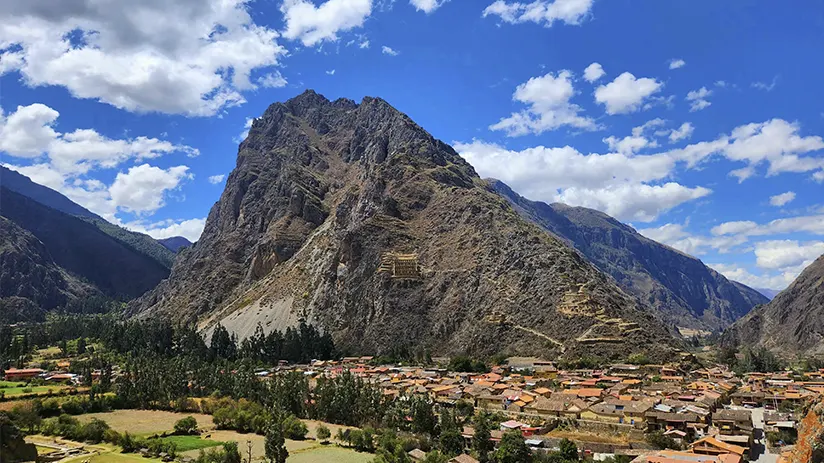
The drier months run from April to October and bring more stable weather conditions, clearer skies, and little rain. Daytime temperatures hold between 66°F and 72°F (19°C–22°C). However, nights and early mornings are significantly colder, with temperatures dropping to 36°F–41°F (2°C–5°C) in the coldest months. This is why layered clothing is essential year-round.
The wetter months last from November to March. January and February are the wettest months, and they bring more unpredictable conditions across the Sacred Valley. Daytime temperatures still range from 64°F to 70°F (18°C–21°C). Even so, cloud cover and frequent afternoon showers can limit outdoor activities and reduce visibility on trails.
Sacred Valley Dry Season vs Rainy Season
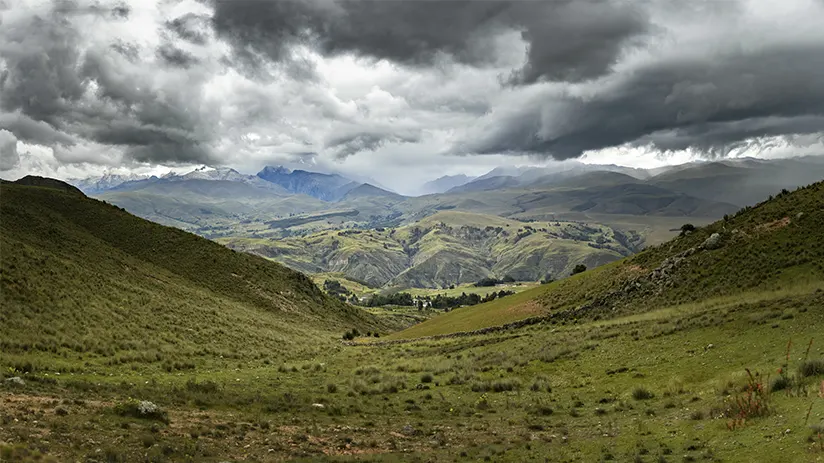
The clearest difference between the two seasons is how they affect travel experiences. The driest months favor open views, trekking, and outdoor routes. The wet season brings greener scenery, lighter crowds, and a more relaxed pace. That contrast matters most for travelers whose itineraries do not focus on demanding trails.
| Aspect | Dry Season | Rainy Season |
|---|---|---|
| Approximate months | April to October | November to March |
| Sky and visibility | Clearer skies and better views of the Andean landscape | More cloud cover and more variable visibility |
| Daytime temperature | Generally between 66°F and 72°F | Generally between 64°F and 70°F |
| Nighttime temperature | Colder nights, often between 36°F and 41°F | Less cold nights, usually between 45°F and 50°F |
| Main advantages | Better visibility, firmer trail conditions, and more comfortable routes for outdoor activities | Greener landscapes, less crowded, and more flexibility in some services |
| Main disadvantages | More visitors, higher demand, earlier booking required, and higher prices for several services | Heavier rainfall, wet trails, lower visibility, and poor conditions for demanding trekking |
| Ideal for | Panoramic hikes, photography, extended excursions, and outdoor-focused trips | Quieter travel, green landscape photography, more relaxed visits, and flexible budgets |
Best Time to Visit the Sacred Valley
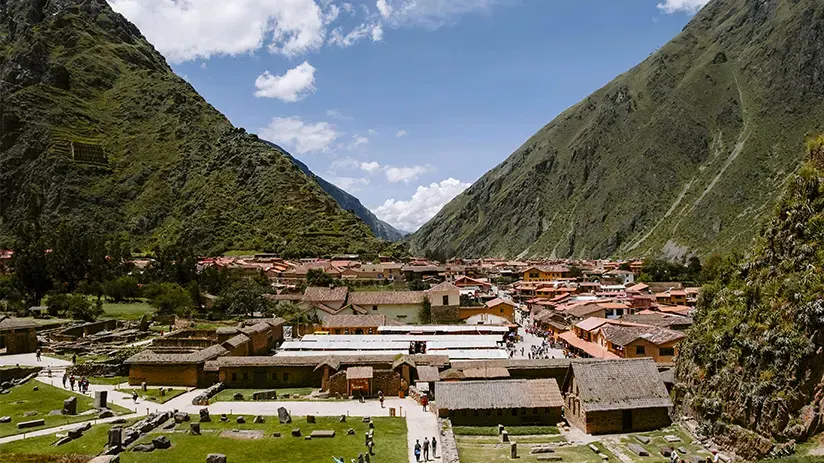
The best time to visit Peru is widely considered to be the dry season. From May through September, the Sacred Valley offers the most reliable weather of the year. Clear skies and firm paths make it easier to explore towns, cultural sites, and scenic viewpoints.
April and October are transition months, with occasional rainfall but generally stable for visiting archaeological sites. These months attract fewer crowds, creating a more relaxed travel experience for sightseeing and photography.
Key sites remain accessible throughout the dry and shoulder months. These include Pisac ruins, Ollantaytambo, and the terraces of Maras and Moray. Paths are usually firm, and clear sightlines are good. Fewer crowds and stable conditions make April and October ideal for photography and site visits
Monthly Temperature and Rainfall Breakdown

The table below summarizes the monthly seasonal conditions, including daytime temperatures, nights, and rainfall. It offers a quick view of which months are drier or wetter. The table below breaks down monthly temperatures, rainfall, and how those weather patterns affect hiking, transfers, and the panoramas.
| Month | Temperatures during the day | Temperatures at night | Precipitation (mm) | Typical conditions |
|---|---|---|---|---|
| January | 70°F / 21°C | 46°F / 8°C | 130 mm | Frequent rain, greener landscapes, cloudy afternoons, and lower visibility at times. |
| February | 70°F / 21°C | 46°F / 8°C | 140 mm | Peak rainy season, regular showers, muddy paths, and the wettest conditions of the year. |
| March | 71°F / 22°C | 45°F / 7°C | 110 mm | Rain remains common, although some afternoons begin to clear more often. |
| April | 72°F / 22°C | 43°F / 6°C | 45 mm | Transition month with improving skies, fresher mornings, and more balanced travel settings. |
| May | 72°F / 22°C | 39°F / 4°C | 15 mm | Start of the dry season, clearer views, low rainfall, and colder nights. |
| June | 70°F / 21°C | 37°F / 3°C | 10 mm | Dry, sunny, and ideal for outdoor travel, with strong sun during the day and cold nights. |
| July | 70°F / 21°C | 36°F / 2°C | 10 mm | Peak dry season, excellent visibility, high travel demand, and the coldest nights. |
| August | 72°F / 22°C | 37°F / 3°C | 15 mm | Dry weather continues, with clear skies, windy afternoons, and strong panoramic views. |
| September | 71°F / 22°C | 41°F / 5°C | 25 mm | Early transition period, warmer nights, clearer mornings, and moderate visitor levels. |
| October | 72°F / 22°C | 44°F / 7°C | 45 mm | Mixed weather conditions, occasional rain, greener scenery, and generally pleasant daytime weather. |
| November | 72°F / 22°C | 46°F / 8°C | 70 mm | Rain begins to build, afternoons grow cloudier, and the valley starts to look more lush. |
| December | 70°F / 21°C | 46°F / 8°C | 110 mm | Rainy season returns more clearly, with bright mornings, wetter afternoons, and greener fields. |
What to Pack for the Sacred Valley by Season
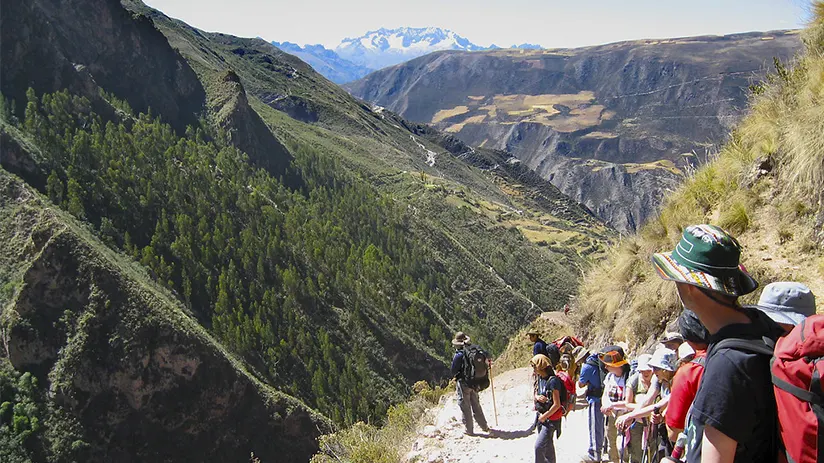
Packing for the Sacred Valley means planning for cold mornings, mild afternoons, and possible rain, often within the same day. The right gear helps manage sun, wind, mud, and temperature changes.
- Dry season: Light layers, a warm jacket for mornings and evenings, sunscreen, sunglasses, a hat, and lip balm. Trekking shoes with a reliable grip are also essential.
- Rainy season: A waterproof jacket, a rain cape, and water-resistant trekking shoes. Quick-dry clothing, a backpack cover, extra socks, and protection for cameras or electronic devices are also recommended.
Best Activities and Tours by Season

Each season shapes how travelers experience things to do in the Sacred Valley. Some work best with clear skies and dry paths, while others suit the greener, quieter wet season. Rather than looking for one ideal season, it helps to understand what each period offers. Some sites suit dry conditions, while others reward visits when the valley is quieter.
Activities in Dry Season
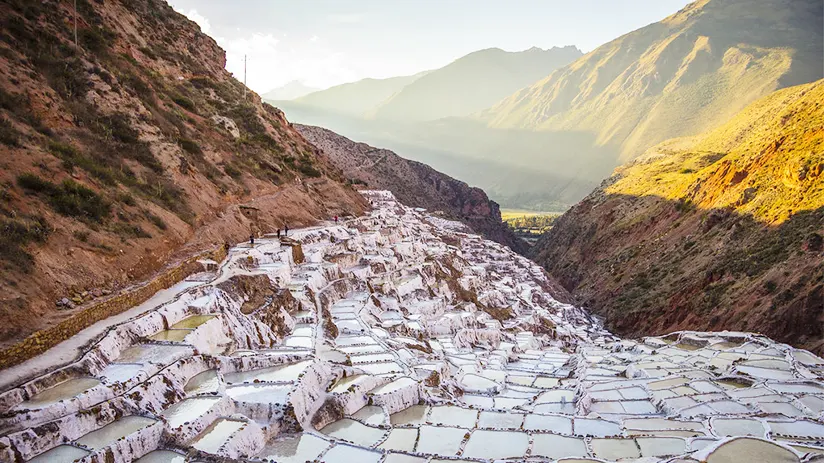
During the dry months, activities that depend on good visibility and firm trails work best. Hiking routes become more manageable, panoramic views open up across the Andean landscape, and popular treks like the Inca Trail reward travelers with environments that the rainy season simply can’t match.
- Pisac ruins: Explore agricultural terraces and panoramic viewpoints above the valley.
- Ollantaytambo Fortress: Climb the stone terraces and enjoy clearer views during the dry season.
- Maras and Moray: Visit the colonial salt ponds of Maras and the circular Inca agricultural terraces of Moray.
- Huchuy Qosqo trekking: A high-elevation hike with drier trails and wide open scenery.
- Inti Punku trekking: A short route with favorable hiking settings and good ridge views.
- Inca Trail: Clearer skies and firmer trails create safer and more rewarding trekking weather.
- Paragliding in Chinchero: Tandem flights over the valley with instructors, no prior experience needed.
- Rappelling in Pachar: An adventure activity that works well on firm, dry terrain.
- ATVs in Huaypo Lagoon: An outdoor route with solid tracks that become harder to navigate in wet conditions.
Activities in the Rainy Season
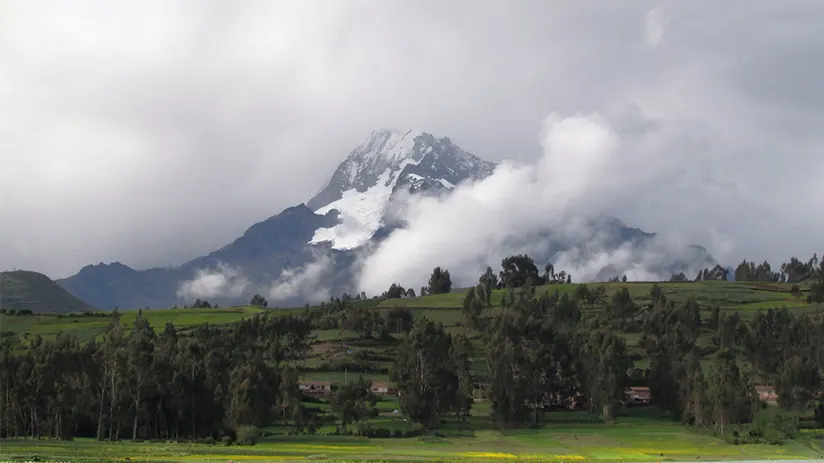
During the wetter months, shorter outings, cultural visits, and slower routes become more appealing. Travel activities shift toward cultural experiences and local markets. Walks through Sacred Valley villages also hold up well, even on wet days.
- Sacred Valley villages: Relaxed visits to Pisac, Urubamba, Chinchero, and Maras.
- Pisac handicraft market: Walk through the craft market and shop for local textiles.
- Weaving in Chinchero: Cultural experience focused on weaving, dyes, and Andean tradition.
- Ollantaytambo: Explore the town’s Inca street grid and the fortress with far fewer visitors.
- Piuray Lagoon: A high-altitude lake near Chinchero worth visiting on clear mornings. Birdwatching is more active during the rainy months, and the surrounding wetlands are at their most vibrant.
- Alqa Museum of Andean Folk Art: An indoor cultural stop with an artistic focus.
- Local food experiences in Urubamba: Unhurried lunches and food-focused outings that showcase the flavors of the valley.
How Weather Affects Travel to Machu Picchu and Cusco
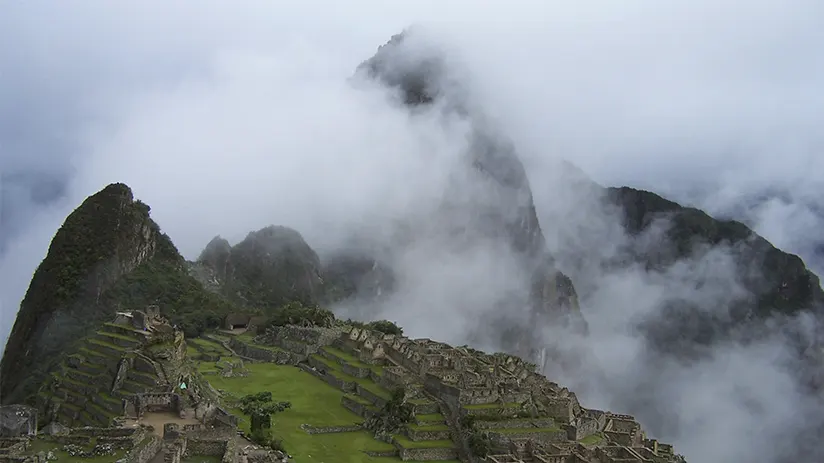
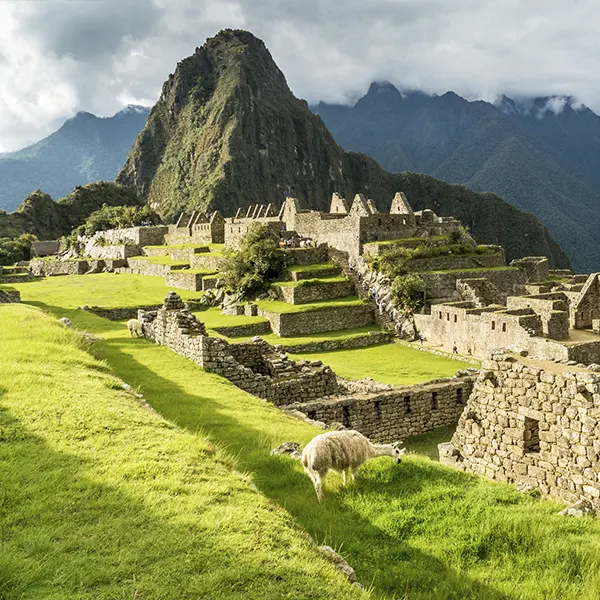
Weather shapes how Machu Picchu looks and feels throughout the year. The dry months bring open skies, firm paths, and clear views, while the rainy season creates greener landscapes, mistier, and more atmospheric. Understanding the best time to visit Machu Picchu helps travelers plan around both the conditions on site and the connections between Cusco and the Sacred Valley.
Cusco sits at 11,150 feet (3,400 m), roughly 1,750 feet (530 m) higher than the Sacred Valley. Since Cusco serves as the main gateway for flights, trains, and overland connections, most tourists spend at least one night there. Packing for both elevations makes movement between the two areas smoother.
Travel Tips for Visiting the Sacred Valley Year-Round

Planning a trip to the Sacred Valley involves more than just picking a season. Travel goals, personal preferences, and tolerance for changing weather all shape the visitor experience.
- Define the main goal first: Trekking and open views require a different rhythm than markets, villages, or cultural visits.
- Start excursion days early: Morning hours bring better light and milder temperatures. They also offer a less crowded experience in places like Pisac, Chinchero, or Maras and Moray.
- Choose weekdays when possible: Several routes feel smoother from Monday through Friday, since weekends tend to attract larger crowds of both locals and tourists.
- Book ahead during the dry season: From May to September, tours and transportation face higher demand. This is especially true when the travel plan includes Machu Picchu or connections from Cusco.
- Layer up every day: Even when afternoons feel warm, mornings and nights stay cold throughout most of the year.
- Allow time to acclimatize: The Sacred Valley sits between 9,000 and 10,000 feet (2,700–3,000 m) above sea level. Travelers should wait at least 24 hours before any strenuous activity. Staying well hydrated and avoiding alcohol on arrival day also helps with adaptation.
- Check the weather before heading out: One day in the Sacred Valley can shift between sun, wind, clouds, and light rain depending on the area.
- Plan routes geographically: Grouping towns, sites, and viewpoints by zone avoids extra transfers and keeps each day efficient with the Pisac ruins.
- Always carry basic protection: Sunscreen, water, a light layer, and something waterproof, even on days that seem stable.
FAQs About Sacred Valley Weather

What is the best month to visit the Sacred Valley?
May, June, July, and August are generally the most favorable months. They fall within the dry season and bring clearer skies and more stable conditions. May and September often stand out as particularly stable. They offer good open views with somewhat less pressure than peak travel months.
Does it rain a lot in the Sacred Valley?
Rainfall becomes noticeable from November through March. January and February are the most intense months, with frequent showers and reduced visibility. Even so, the valley rarely sees constant rain for an entire day. Many mornings still allow for visits, transfers, and lighter excursions.
What is the weather like in Sacred Valley Peru in June?
June brings one of the clearest and driest periods of the year. Days are typically sunny and pleasant for walking or sightseeing, while nights and early mornings get noticeably colder. Layered clothing stays important even during this most stable part of the sunniest season.
When is the rainy season in the Sacred Valley?
The wetter months run from November through March. January and February are the wettest months across most of the region. The landscape turns greener and more vibrant during that period, though roads, trails, and panoramas can become less predictable.
What should you pack for the Sacred Valley?
Layered clothing works well year-round because temperatures shift between morning, afternoon, and evening. Dry-season travel calls for sun protection, trekking shoes, and a warm outer layer. Rainy-season travel adds waterproof clothing, better grip for wet paths, and protection for bags and electronics.
Is the Sacred Valley colder than Cusco?
The Sacred Valley is generally milder than Cusco during the day. Urubamba sits roughly 1,750 feet (530 m) lower, which means warmer afternoons and less wind. Nights are cold in both locations. However, Cusco’s higher elevation makes them noticeably harsher, especially during the dry season when temperatures can drop below freezing.
“EVERY SEASON REVEALS A DIFFERENT FACE OF THE ANDES, WORTH EXPERIENCING IN PERSON”
Sacred Valley weather plays a larger role in the trip than many visitors expect. It affects visibility, packing, timing, and the way the landscape looks from one month to the next. The best season is not simply the one with the clearest skies. It is the one that matches the traveler’s goals, whether those involve trekking, photography, or cultural visits.
Cusco has so much to offer; it can be hard to know where to start. Machu Travel Peru has many years of experience in the tourism sector. The team is happy to help with anything regarding your trip to Cusco and any tours around it. Let us help you make your Cusco travel experience unforgettable! Contact us today to plan your dream adventure!