Few hikes in the world take you from a glacial mountain pass to a steamy cloud forest in the same week, and the Salkantay Trek is one of them. This iconic Andean route is one of the most popular alternatives to the Inca Trail, typically lasting 5 days and covering 70 to 75 km. From high-altitude landscapes to lush cloud forests, it offers one of the most diverse hiking experiences in the region before ending at Machu Picchu itself. This guide covers the Salkantay Trek itinerary, difficulty, best time to hike, packing list, costs, and what to expect along the way.
Salkantay Trek to Machu Picchu: What You’ll Find in This Guide
- What Is the Salkantay Trek?
- Why Choose the Salkantay Trek to Machu Picchu?
- Salkantay Trek Itinerary: Day-by-Day Guide
- Salkantay Trek Difficulty: How Hard Is It?
- Best Time to Hike the Salkantay Trek
- Salkantay Trek Packing List: What to Bring
- Salkantay Trek vs. Inca Trail: Which Is Better?
- Salkantay Trek Cost, Permits & Tour Options
- FAQs About the Salkantay Trek
- Conclusion
What Is the Salkantay Trek?
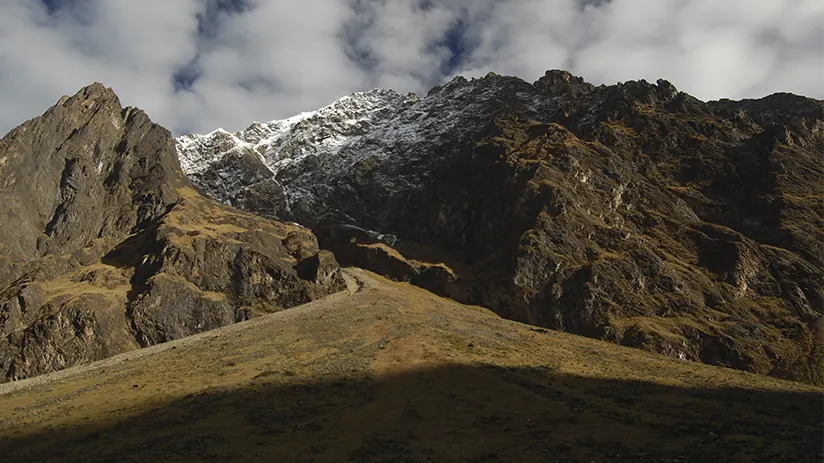
- Duration: 5 days
- Distance: Approximately 75 km
- Difficulty: Moderate to challenging
- Starting point: Challacancha (3,500 m)
- Highest point: Salkantay Pass (4,630 m)
- Lowest point: Hidroelectrica (1,800 m)
The Salkantay Trek is one of the most popular alternative trails to the Inca Trail and one of the best examples of adventure travel in Peru. This trail is both exciting and challenging, offering stunning natural scenery along the way. Snow-capped landscapes, valleys, rivers, crystal-clear lagoons, cloud forests, and much more await adventurers who choose to undertake it. All the effort is rewarded with a visit to the iconic Inca citadel of Machu Picchu.
The journey consists of several days where physical exertion is a key factor because of the challenging terrain and weather. The demanding terrain rewards travelers with breathtaking views of Humantay Lake and Salkantay Mountain. The entire route covers 75 km and is located in the Cusco region. Its popularity is such that it has been recognized by National Geographic magazine as one of the best hikes in the world.
Why Choose the Salkantay Trek to Machu Picchu?
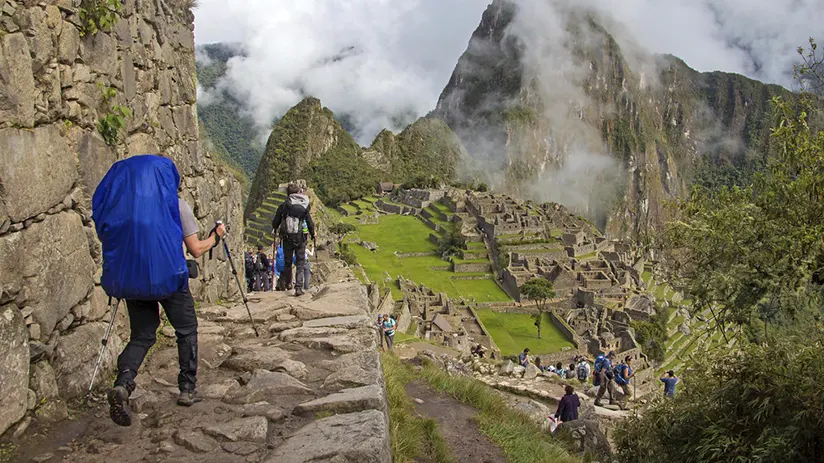
Many travelers choose the Salkantay Trek for its dramatic mountain scenery, fewer crowds, and the opportunity to experience diverse ecosystems before reaching Machu Picchu. Unlike the Inca Trail, it does not require a government permit, making it a more flexible option for many visitors. All these benefits make it one of the best hiking trek experiences in Peru.
Salkantay Trek Itinerary: Day-by-Day Guide

Although the route is generally similar, Salkantay Trek itineraries can vary slightly in duration, timing, and activities. However, for practical purposes, it’s best to consider a classic itinerary. This will detail the activities for each day and provide some general information. Below is a detailed overview of this route to Machu Picchu:
Day 1: Cusco to Soraypampa
The first day takes you to Soraypampa, a high-altitude area northwest of Cusco in the Anta Province. It usually begins early, and visitors often take a vehicle to Mollepata, the closest town to Soraypampa. The drive takes approximately 2.5 to 3 hours and is relatively easy compared with the hiking sections that follow.
Once in the town, the route continues to Challacancha to begin the 7 km hike to Soraypampa. Although it depends on the visitor’s physical condition, the hike takes approximately one hour. The terrain is relatively flat, but the biggest challenge is the elevation gain; therefore, it’s essential to take this first section slowly to avoid altitude sickness in Peru.
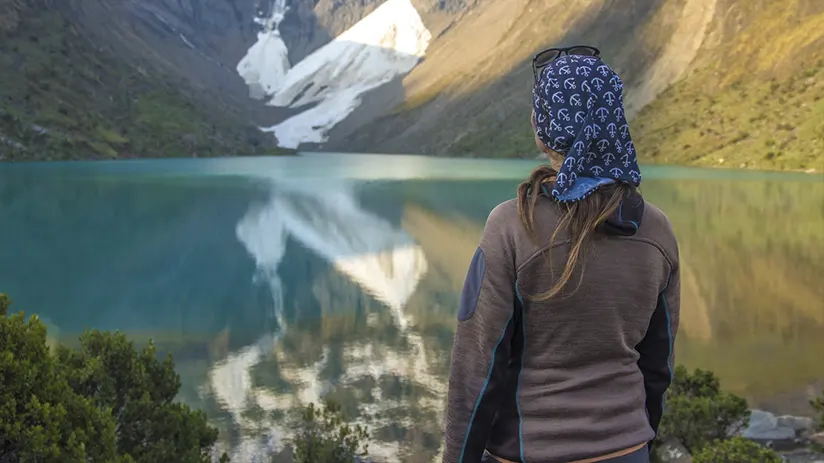
In the afternoon, you’ll hike to Humantay Lake, located at approximately 4,200 meters (13,780 feet) above sea level. The round-trip hike takes approximately three hours and covers about 3 km (1.9 miles). Many photography enthusiasts take advantage of this attraction to capture stunning images of the turquoise waters with the Humantay Glacier in the background. The day ends with a return to the village to spend the night and recharge.
Day 2: Crossing Salkantay Pass
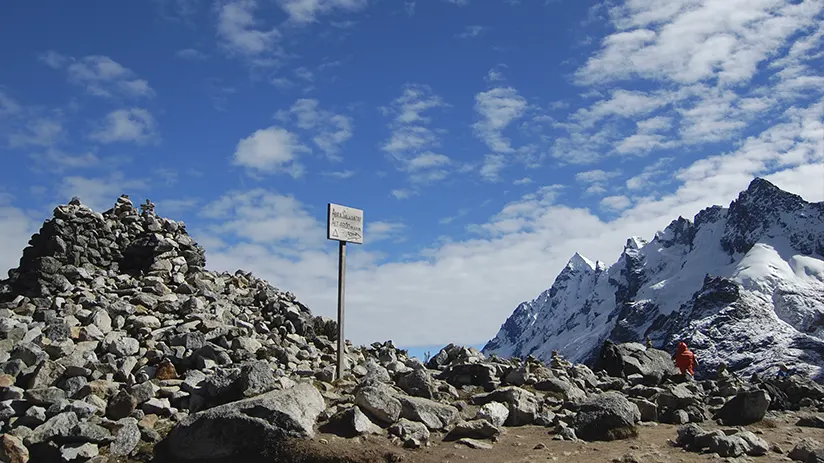
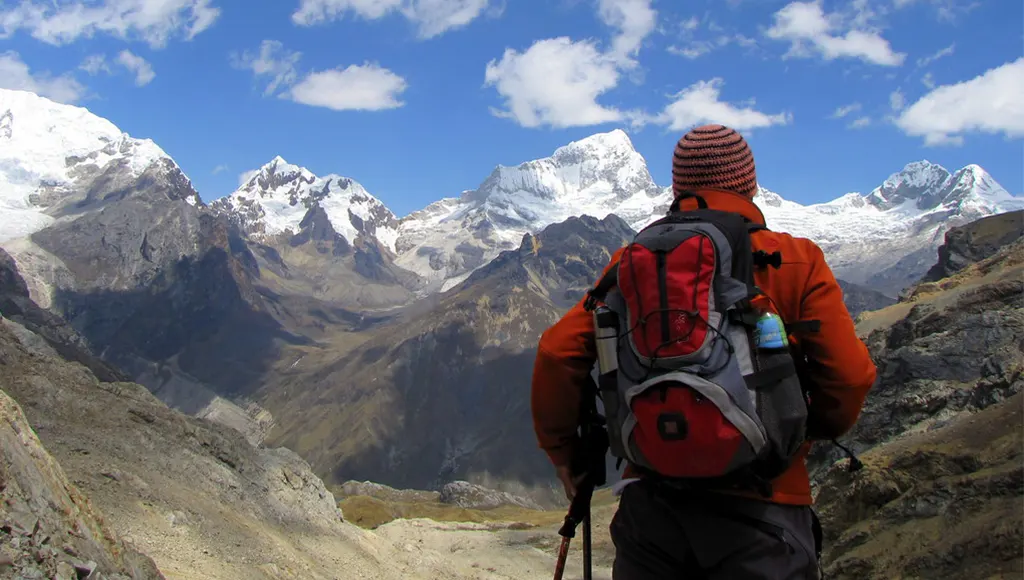
For many visitors, this is the most challenging day, as it involves ascending many meters in elevation from the starting point. The hike continues toward the Apacheta Pass, also known as Salkantay Pass (4,630 meters above sea level), the highest point of the route. The climb is steep and winding, requiring a slow pace and lasting approximately three hours. Once at the summit, the effort is rewarded with views of the snow-covered Salkantay Mountain and surrounding valleys.
The descent continues for two hours down to Huayracmachay, where you can have lunch and recharge. After lunch, the final leg of the day begins, heading into the cloud forest, where the Andean landscape gradually transitions into a warmer, more humid environment. This section lasts approximately three hours, and you’ll witness the transition from the Andes to the Amazonian landscape, observing colorful scenery, wildlife, and native plants, like many orchids. The final destination for the day is Collpapampa (2,950 meters above sea level), where you will spend the night.
Day 3: Into the Cloud Forest
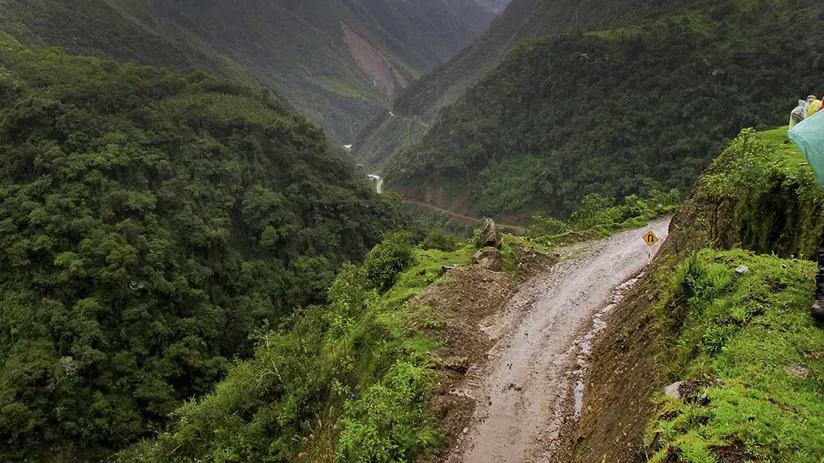
Today’s destination is Lucmabamba (2,000 meters above sea level), a small settlement in the Santa Teresa Valley known for its coffee plantations. To get there, you’ll hike towards the Santa Teresa Valley. This is one of the most peaceful sections of the trek, giving you time to appreciate the region’s remarkable biodiversity. Coffee plantations, fruit trees, hummingbirds, butterflies, orchids, rivers, and waterfalls are just some of its highlights.
Once you arrive, you can enjoy the many nearby attractions such as coffee classes, tastings, fairs, and more. However, what will undoubtedly capture your attention are the Cocalmayo hot springs, a natural attraction a short drive away. This place boasts natural, clean waters, ideal for relaxation. The day will end at the hot springs, allowing you to recharge your energy for the next leg of your journey.
Day 4: Llactapata to Aguas Calientes
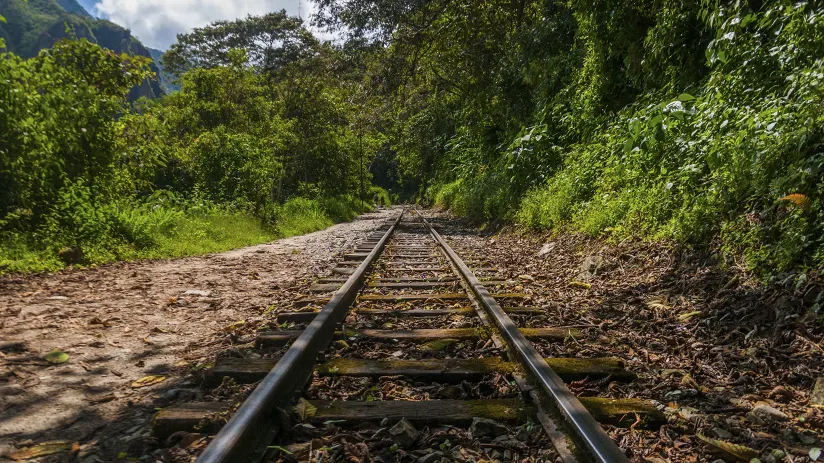
Officially, this is the last day of the trail and allows you to traverse a section of the famous original Inca Trail. The route ascends through the Santa Teresa Valley to reach Llactapata (2700 meters above sea level), an ancient Inca ruin site. This ascent offers an opportunity to learn more about the area’s Inca history while enjoying views of the surrounding valley.
The hike continues with a descent to Hidroelectrica (1800 meters above sea level) for lunch. The lush vegetation becomes increasingly noticeable as the trail descends into a warmer, more humid environment. After lunch, you can choose to take a train to Aguas Calientes (2040 meters above sea level) or hike along the train tracks. The first option is faster, while hiking allows you to appreciate the surroundings even more, potentially offering the chance to spot the iconic Andean cock-of-the-rock, one of the region’s most distinctive birds.
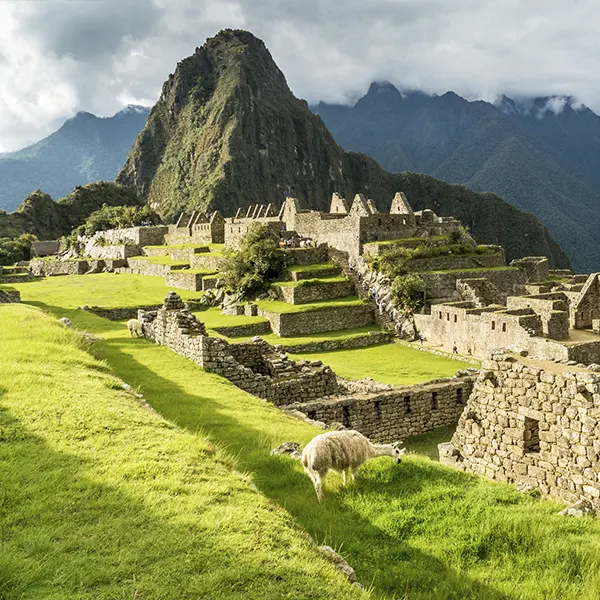
The day ends with an arrival in Aguas Calientes, the town closest to Machu Picchu. This town boasts excellent tourist infrastructure, ensuring a comfortable stay. An interesting fact is that this area has no cars, making it an extremely peaceful place despite the high number of tourists. It’s recommended to spend the night here and prepare for your Machu Picchu day trip.
Day 5: Machu Picchu Visit
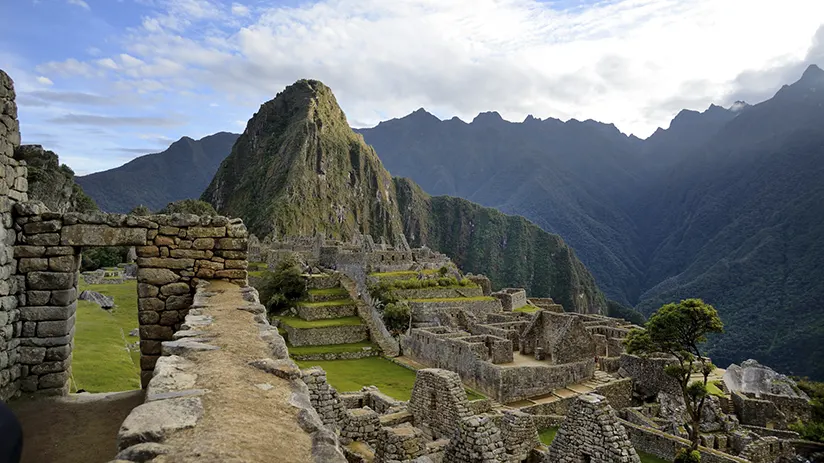
Your visit to the Inca citadel begins early in the morning, although you’ll first need to make one last trip from Aguas Calientes to the entrance of Machu Picchu. Visitors have two options for getting there: by bus or on foot. The bus option requires advance booking, while the hike takes approximately one hour. It’s best to factor in the ascent time for either option based on the entry time shown on your Machu Picchu ticket.
The length of your stay at the citadel will depend on the specific route and circuit you’ve chosen, which is indicated on your ticket. At this point, hiring a licensed tour guide is highly recommended to enrich your experience with helpful information. Once the day is over, you’ll return to Aguas Calientes and then on to Cusco. There are several transportation options, but the most popular are buses and trains for a more comfortable return.
Salkantay Trek Difficulty: How Hard Is It?
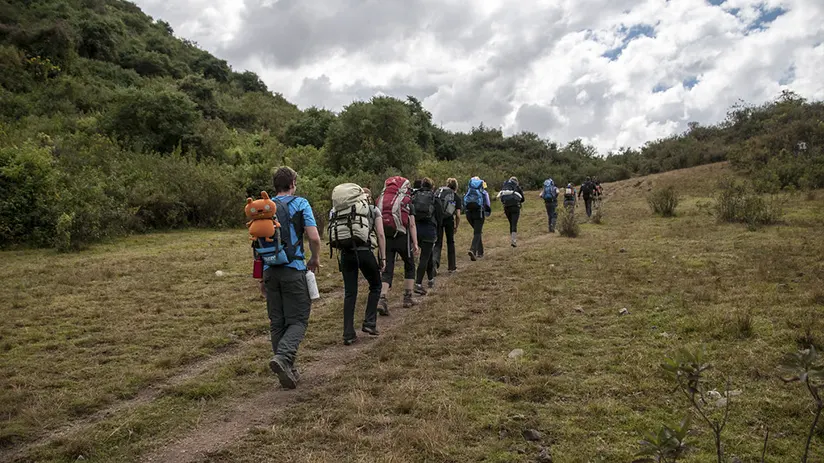
The Salkantay Trek is generally considered moderate to challenging, depending on your fitness level, acclimatization, and the itinerary you choose. The five-day trek includes significant elevation gains that can be challenging for those not properly acclimatized. Weather and geographical conditions also play a significant role, especially during the first few days in the Andes. Day 2, from Soraypampa to the Salkantay Pass, is the most difficult part of the trek because of the harsh weather and steep incline.
Best Time to Hike the Salkantay Trek
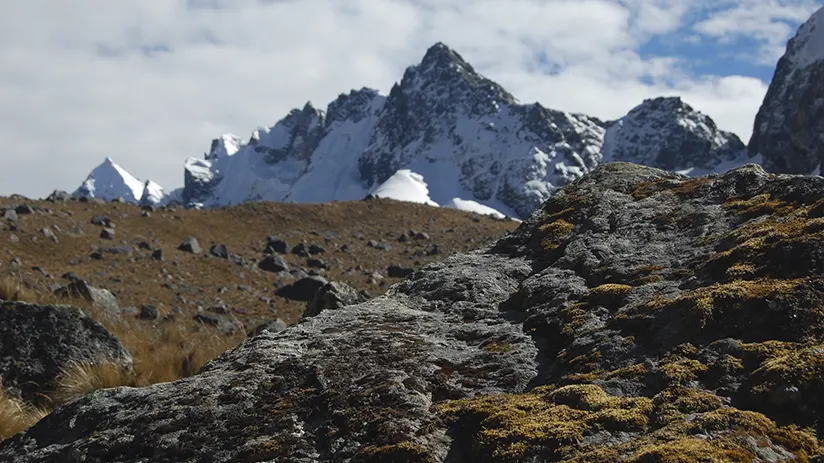
The dry season generally runs from May to September, offering the most stable conditions. During these months, the weather is more stable, the skies are clearer, and there is less chance of rain. Rainfall can make hiking and sightseeing more difficult. These months also coincide with the best time for trekking in Peru, attracting thousands of tourists.
On the other hand, the rainy season (November to March) comprises the least popular months for trekking. The higher probability of rain, cloudy skies, and landslides adds to the challenge. As a result, there are fewer tourists, and the trails tend to be more difficult to traverse. Of these months, January and February have the heaviest daily downpours, so they are not recommended.
Salkantay Trek Packing List: What to Bring
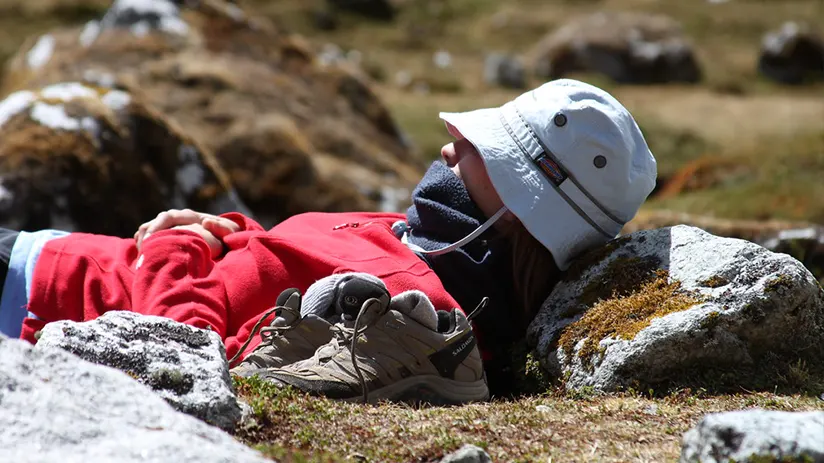
Because the trek involves cold temperatures, steep terrain, and changing weather conditions, packing the right gear is essential. This means what to pack for the Salkantay Trek includes bringing the necessary items to ensure a rewarding experience. Here are the key items to bring:
- Small backpack
- Sleeping bag
- Trekking poles
- Layered clothing (thermal and rain gear)
- Waterproof jacket
- Original passport
- Sunscreen
- Hiking boots
- Waterproof bags
- Reusable water bottle
- Snacks
- Cash (Peruvian soles)
- First aid kit
- Insect repellent
- Phone, camera, and portable charger
- Sun hat
- Sunglasses
- Personal medication
- Headlamp
- Warm layers
- Rain poncho
- Toiletries
Salkantay Trek vs. Inca Trail: Which Is Better?
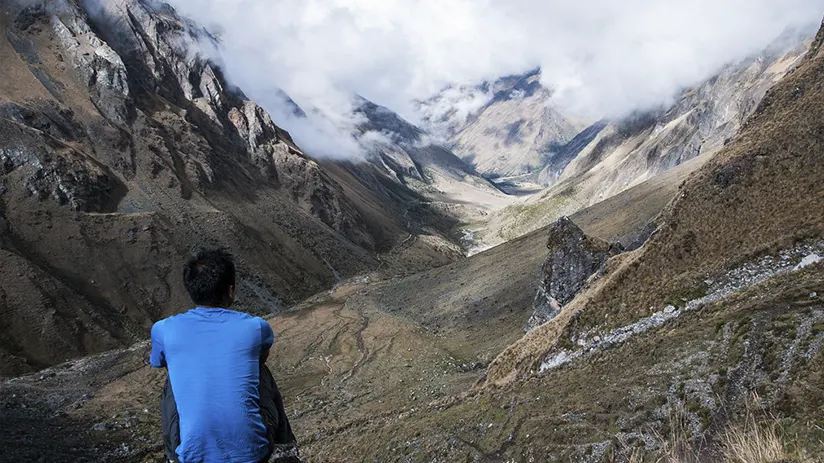
The Salkantay hike is a favorite alternative route to Machu Picchu, and there are considerable differences between them. Visitors who have the option of choosing one or the other should weigh the advantages and disadvantages. The final decision will depend on the tourist’s interests, budget, time, effort, and other factors. Below is a brief comparison between the two hiking routes:
| Salkantay Trek | Inca Trail | |
| Highlights | Salkantay Pass, Humantay Lake, diverse landscapes | Inca ruins, cloud forest, Sun Gate, Machu Picchu |
| Maximum Altitude | 4,630 m (15,190 ft) at Salkantay Pass | 4,215 m (13,828 ft) at Dead Woman’s Pass |
| Route | Mountain trek through glaciers, valleys, and cloud forest | Historic Inca path leading directly to Machu Picchu |
| Difficulty | Moderate to challenging | Moderate to challenging |
| Duration | 5 days | 4 days (classic route) |
| Permits | No government permit required (tour booking recommended) | Government permit required; book months in advance |
| Distance | About 75 km (46 miles) | About 42 km (26 miles) |
| Crowds | Less crowded, more remote | More popular and often fully booked during peak season |
| Best For | Adventure seekers, nature lovers, fewer crowds | History enthusiasts, first-time visitors, iconic experience |
Salkantay Trek Cost, Permits & Tour Options

The Salkantay route does not require official government permits, unlike the classic Inca Trail. However, the best way to experience this trek is through a tour, which will provide the necessary logistical support. Travelers can choose from several tour options depending on their budget, preferred level of comfort, and group size. Below are some general options to consider:
| Budget Tour | Standard Tour | Premium Tour | |
| Price Range | US$250–400 | US$450–700 | US$750–1,200+ |
| Amenities | Basic camping equipment, shared tents, simple meals | Quality camping gear, comfortable tents, varied meals | Luxury camps or lodges, gourmet meals, premium equipment |
| Group Size | Larger groups (10–16 people) | Medium groups (6–12 people) | Small groups (2–8 people) |
| Guide Service | Professional bilingual guide | Experienced bilingual guide with personalized attention | Expert guide with a highly personalized experience |
| Ideal For | Backpackers and budget-conscious travelers | Most travelers looking for comfort and value | Travelers seeking maximum comfort and exclusive services |
| Additional Inclusions | Basic transportation and entrance tickets | Trekking poles, sleeping pad, duffel bag, transportation | Private transportation options, porter support, upgraded accommodations, extra comfort services |
FAQs About the Salkantay Trek
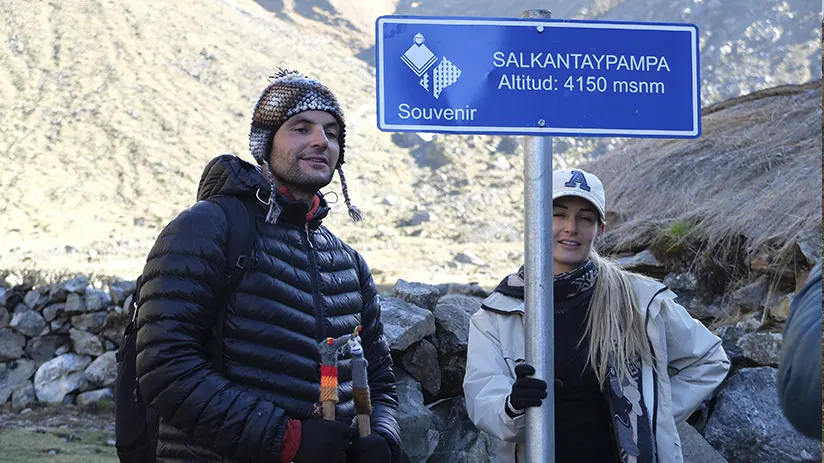
How difficult is the Salkantay Trek?
The Salkantay Trek is a moderate-to-challenging hike that requires good physical preparation and acclimatization. It includes long hiking days, steep climbs, and high-altitude passes. Good fitness helps, but you do not need to be an expert. Many first-time hikers complete this Salkantay hike with proper preparation and enough time to acclimatize.
How many days does the Salkantay Trek take?
Most tours last 5 days. Some itineraries extend to 6 or 7 days for a slower pace or extra activities. The journey usually finishes in Aguas Calientes and Machu Picchu, giving you time to explore the ancient citadel after the trek.
Is the Salkantay Trek better than the Inca Trail?
Neither trek is objectively better; the best choice depends on your travel style, fitness level, budget, and interests. The Inca Trail is rich in history and follows an ancient route. The Salkantay hiking route offers dramatic mountain scenery, fewer crowds, and more flexible departure dates. Many hikers choose it for its diverse landscapes and adventurous experience.
What is the highest point of the Salkantay Trek?
The highest point is the Salkantay Pass at about 4,630 meters (15,190 feet) above sea level. This mountain pass offers breathtaking views of the surrounding peaks. Some visitors also add Machu Picchu Mountain to their itinerary for even more panoramic views after the trek.
When is the best time to hike the Salkantay Trek?
The best time to hike the Salkantay Trek is generally from May through September, when conditions are usually drier and skies are clearer. April and October can also offer good conditions with fewer crowds.
How much does the Salkantay Trek cost?
Prices typically range from approximately $250 to $1,200+, depending on the tour type, services, accommodation, and group size. The final cost depends on the tour operator, accommodation, and included services. Premium tours often include upgraded meals, more comfortable accommodations, and additional services such as hot showers.
Can beginners do the Salkantay Trek?
Yes, beginners can complete the trek if they prepare before the trip. Regular exercise, proper acclimatization, and a guided tour make the experience much easier. Walking at a steady pace also helps you enjoy the trail and reduce the effects of altitude.
What should I pack for the Salkantay Trek?
Pack sturdy hiking boots, layered clothing, a waterproof jacket, sunscreen, a hat, and a reusable water bottle. Bring personal medications, snacks, and a small daypack for essentials. Since mountain weather changes quickly, be prepared for both warm afternoons and cold nights.
What are the food and meals like on the Salkantay Trek?
A guided tour generally includes breakfast, lunch, and dinner, prepared by a staff cook. Premium tours offer more elaborate menus with organic and local ingredients. However, meals and details vary by operator, so it’s advisable to check beforehand.
Are there bathrooms and showers during the Salkantay Trek?
Camps usually have basic bathrooms, but some tours (premium) include lodges with hot showers and other amenities. Additional details are provided in the table above, which differentiates the tour options.
Is there mobile signal along the Salkantay Trek?
Cell phone service is limited and intermittent along most of the route, especially at the high pass. Near valley towns like Collpapampa and Lucmabamba, the signal may improve. Coverage is normal in Aguas Calientes.
Conclusion
The Salkantay Trek is much more than an alternative route to Machu Picchu. It is a journey through some of Peru’s most diverse landscapes, where snow-capped mountains, turquoise lakes, cloud forests, and ancient history come together in a single adventure. While the trail demands preparation and determination, every step rewards hikers with unforgettable scenery and a deeper connection to the Andes.
Whether you’re drawn by the challenge, the breathtaking scenery, or the opportunity to reach Machu Picchu on foot, understanding the Salkantay Trek itinerary, difficulty, best hiking season, and essential preparations will help you make the most of your experience. Planning ahead, acclimatizing properly, and choosing the right tour can transform this demanding hike into one of the most rewarding adventures of your travels.
For travelers seeking an authentic trekking experience in Peru, the Salkantay Trek offers the perfect balance of adventure, nature, and cultural discovery. It remains one of the country’s most memorable multi-day hikes, providing an incredible alternative to the Inca Trail while leading to one of the world’s most iconic archaeological sites. Whether it’s your first trek or your next great challenge, this journey offers an unforgettable way to experience Peru’s natural beauty and rich history.
Peru has so much to offer; it can be hard to know where to start. With many years of experience in the tourism sector, Machu Travel Peru is happy to help with anything regarding your trip to Peru and any tours around it. Let us help you make your Peruvian travel experience unforgettable! Contact us today to plan your dream adventure!