Choquequirao is often described as Machu Picchu’s “sister” site, while Machu Picchu remains the more popular choice among travelers and is recognized as one of the New Seven Wonders of the World. Choquequirao offers a quieter alternative for travelers seeking a more remote and challenging adventure. However, the choice between the two depends on many other factors. The right choice depends on your time, fitness level, travel style, and the type of experience you want.
Discover these two Inca sites and learn more about them
- Choquequirao vs. Machu Picchu at a Glance
- Choquequirao and Machu Picchu: Two Different Inca Experiences
- What Is Choquequirao? Machu Picchu’s Sister Site
- How to Get to Choquequirao and Machu Picchu
- Choquequirao Trek Difficulty
- History and Archaeology: Choquequirao vs. Machu Picchu
- Scenery and Landscapes: Choquequirao vs. Machu Picchu
- Crowds and Solitude
- Cost Comparison
- Is There a Cable Car to Choquequirao?
- Best Time to Visit Choquequirao and Machu Picchu
- Is Choquequirao Worth It?
- Visiting Both: Choquequirao to Machu Picchu
- Choquequirao vs. Machu Picchu: Which Is Right for You?
- How to Prepare for the Choquequirao Trek
- Frequently Asked Questions
- Conclusion
Choquequirao vs. Machu Picchu at a Glance
| Choquequirao | Machu Picchu | |
| Access method | Trekking only | Train + bus or trekking |
| Trek distance/duration | ~42–60 km / 2 days of hiking each way, as part of a 4-day round trip | ~43 km / 4 days (Inca Trail) |
| Difficulty | Challenging to very challenging | Easy to moderate, depending on route |
| Archaeological / preservation state | Partially excavated, well preserved | Fully excavated, highly preserved |
| Scenery type | Remote mountains, canyon & cloud forest | Mountains, valleys & iconic Inca landscape |
| Daily visitor volume | Very low: dozens | High: up to 5,600 (peak season); 4,500 (low season) |
| Entrance requirements | Entrance ticket + designated trails | Timed ticket + designated circuit |
Choquequirao and Machu Picchu: Two Different Inca Experiences

Before comparing them in detail, it helps to understand what makes each experience different. On the one hand, the Choquequirao trek is demanding and notably remote, making it ideal for adventurous travelers. Machu Picchu, meanwhile, is more accessible and has extensive tourism infrastructure, making it suitable for a wider range of travelers. While distinct from one another, both sites are deeply connected to Inca history and nature, offering an exciting experience in the Peruvian Andes.
What Is Choquequirao? Machu Picchu’s Sister Site
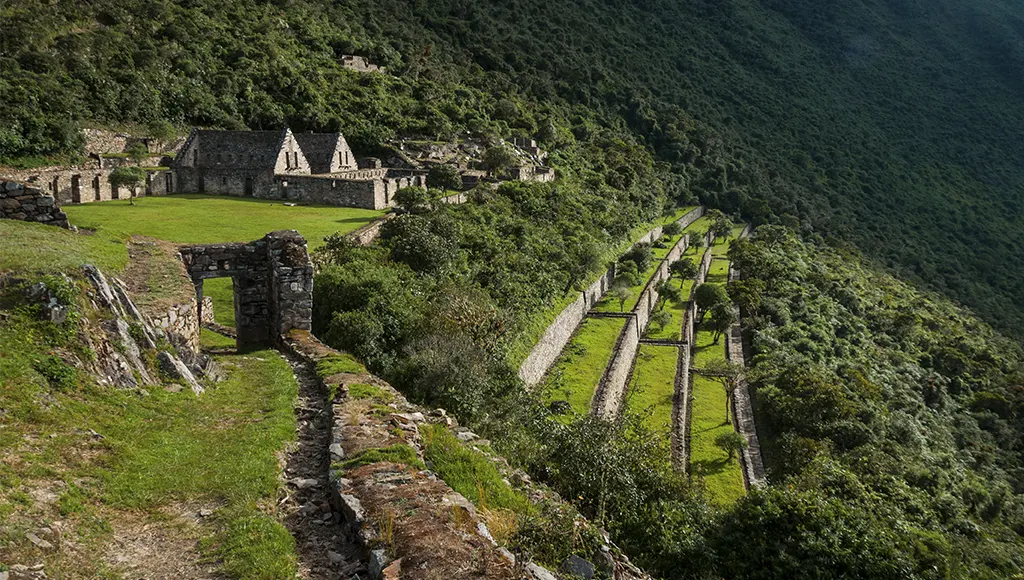
Choquequirao is located high in the Vilcabamba mountain range, between the Cusco and Apurímac regions of southern Peru. It is an ancient Inca citadel often referred to as the “sister” of Machu Picchu due to the various characteristics they share. Their striking architectural and structural similarities are among the most notable features.
This vast complex is believed to have served important political, administrative, and religious functions, as it provided a direct link to the Amazon region. It is also believed to have served as one of the final strongholds of resistance against the Spanish conquest. Today, it is a major attraction featuring ceremonial plazas, agricultural terraces, irrigation canals, and other Inca remains.
How to Get to Choquequirao and Machu Picchu

Although both sites are relatively close to the city of Cusco, access differs due to the distinct nature of each attraction. Machu Picchu offers a wider range of travel options, whereas reaching Choquequirao involves a challenging multi-day trek. Both sites cater to different types of travelers, which is worth considering before deciding which one to visit.
Getting to Choquequirao
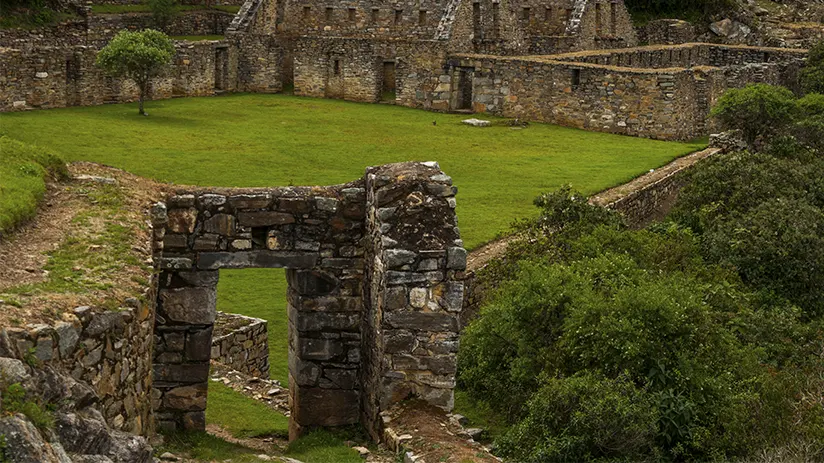
Visitors currently reach the archaeological site on foot, as there is no direct road, train, or operating cable car to Choquequirao. The first leg of the journey is usually by vehicle from Cusco to the village of Capuliyoq, the starting point of the hike. From there, the trek begins, crossing the Apurímac River canyon and tackling steep ascents and descents. The approximately 2 days of hiking traverse the Apurímac River canyon, involve steep mountain climbs, and include other significant stops along the way.
Getting to Machu Picchu

Although there is no direct road connecting Machu Picchu to Cusco, there are more ways to reach the site. The most popular route is the classic one: drive to the Ollantaytambo train station, take a train to Aguas Calientes, then take a bus to the citadel entrance. This route is relatively straightforward and benefits from extensive tourism infrastructure designed to handle many tourists simultaneously. Additional options include the Inca Trail and alternative treks to Machu Picchu, which are ideal for adventure seekers.
Choquequirao vs. Machu Picchu: Access Comparison
| Access Feature | Choquequirao | Machu Picchu |
| Main Access | Requires a multi-day hike from Capuliyoc or Cachora | Usually reached by train from Ollantaytambo or Cusco, followed by a short bus ride |
| Hiking Time | Approximately 2 days of hiking each way, as part of a 4-day round trip | Hiking can take 1–4 days depending on the route |
| Transportation | No direct train or road access to the archaeological site | Train and bus services make access easier |
| Difficulty Level | Challenging due to steep trails and elevation changes | Generally easier, especially when using the train and bus |
| Physical Preparation | Requires good fitness and preparation for long hikes | Less demanding if using standard train and bus transportation |
Choquequirao Trek Difficulty
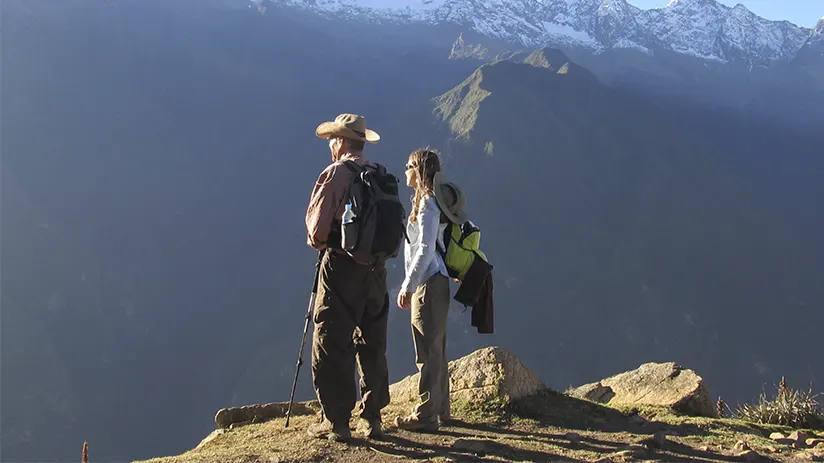
The Choquequirao trek is generally considered challenging to very challenging. Steep ascents and descents, major elevation changes, long hiking days, and periods of intense heat make it significantly more demanding than a standard visit to Machu Picchu. Additionally, the cumulative physical exertion over the course of the trek further increases the challenge.
History and Archaeology: Choquequirao vs. Machu Picchu

Both attractions offer unique travel experiences shaped by their archaeological and historical characteristics. Their deep connection to Inca culture is undeniable, as they stand as evidence of that ancestral people’s ingenuity. However, they possess interesting differences worth considering for a more detailed comparison. Below are some of their most notable features:
Choquequirao Archaeological and Historical Experience

Choquequirao also holds significant historical importance; according to some accounts, it served as the last Inca refuge. The site’s remote location and dense vegetation helped keep much of the complex hidden for centuries.
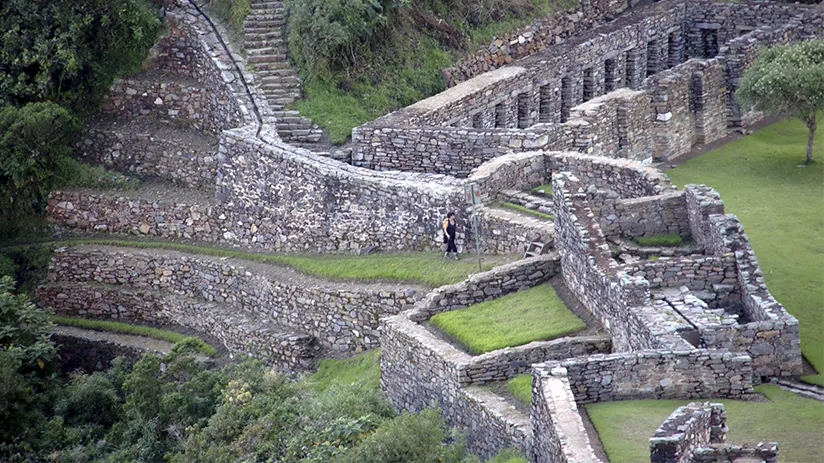
Regarding its archaeology, much of the site remains covered by vegetation due to various logistical and conservation factors. Nevertheless, the visible structures include plazas, temples, agricultural terraces, priests’ dwellings, and much more. Visitors can witness all of this while contributing to its conservation by engaging in responsible trekking that minimizes environmental impact.
Machu Picchu Archaeological and Historical Experience
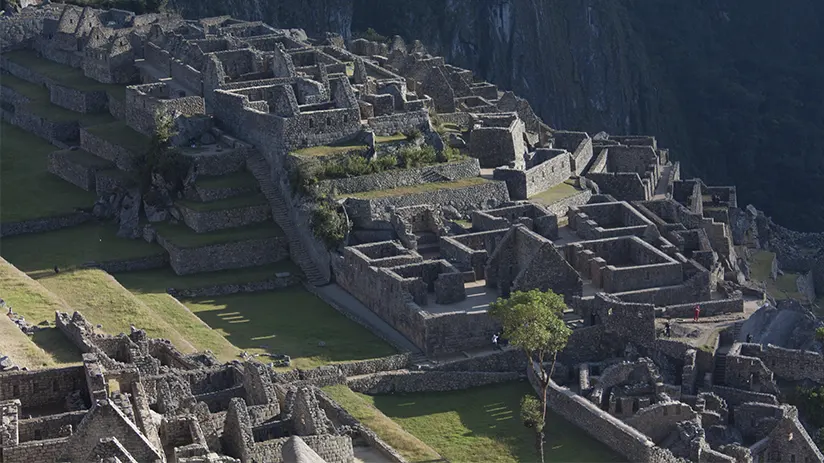
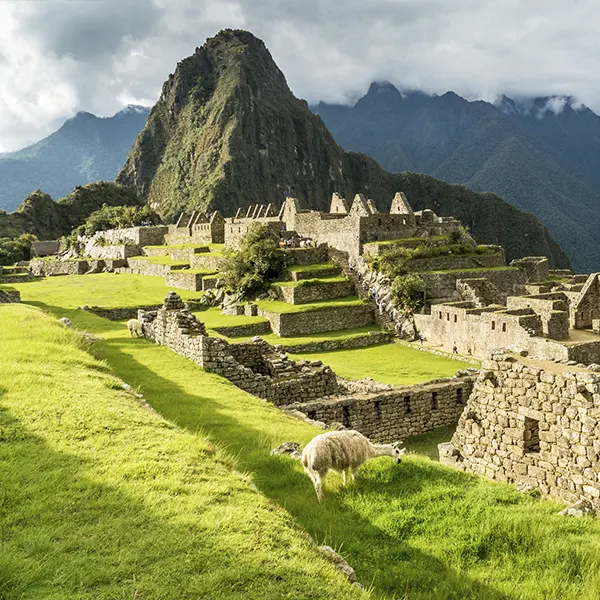
To better understand the sanctuary, it is helpful to consider its political, religious, and administrative functions, a fact reflected in many of its structures. A visit to this site allows one to see key buildings such as the Temple of the Sun, the Intihuatana, and the Temple of the Three Windows, remarkable Inca stone constructions. It also showcases the Incas’ advanced architectural knowledge through its expansive agricultural terraces.
Evidence of its connection to Andean history is preserved and maintained through constant monitoring. Ongoing maintenance ensures that visitors can continue to view the site and appreciate its architectural splendor and historical legacy. Visitors also play a role in preserving the site by adhering to regulations and sustainable practices.
Choquequirao vs. Machu Picchu Archaeological Experience
| Archaeological Aspect | Choquequirao | Machu Picchu |
| State of Preservation | Well-preserved ruins spread across a large and remote area | Well-preserved site with impressive stone structures and terraces |
| Restoration | Some areas have been excavated and restored, while others remain covered by vegetation | Many important structures have been excavated, preserved, and carefully maintained |
| What Visitors Experience | A remote archaeological site explored mainly on foot, with fewer visitors | A famous archaeological site with organized visiting routes and viewing areas |
| Site Size | Large complex with different sectors across the mountainside | Compact citadel with temples, terraces, and ceremonial areas |
| Architectural Highlights | Terraces, plazas, ceremonial areas, and stone structures integrated into the mountain | Temple of the Sun, Intihuatana, terraces, and other Inca structures |
| Historical Atmosphere | Remote setting creates a strong sense of discovery and exploration | Famous setting combines Inca history with a highly iconic cultural experience |
Scenery and Landscapes: Choquequirao vs. Machu Picchu
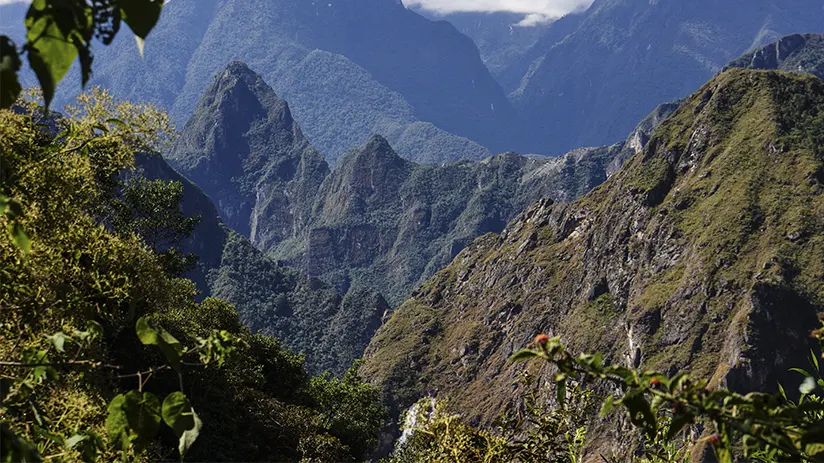
Beyond their historical connection, each site boasts remarkable natural scenery. From cloud forests to captivating mountain landscapes, both offer distinctive landscapes and ecosystems. While they are geographically close, distinct landscape features set them apart. Below are the landscape characteristics of each destination:
Landscapes and Natural Environments of Choquequirao
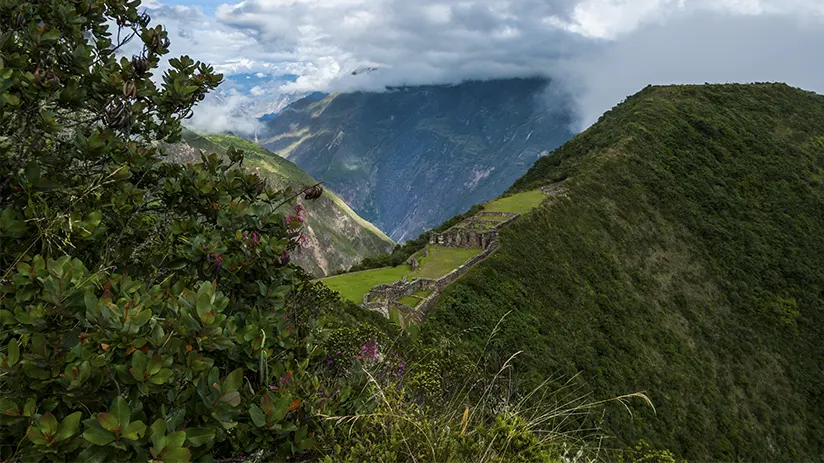
A visit to Choquequirao reveals a natural setting that combines deep canyons, the towering peaks of the Vilcabamba mountain range, and more. The area encompasses a wide variety of ecosystems, ranging from the high-altitude cloud forest to high-Andean zones; a standout feature is the Apurímac Canyon, notable for its very steep slopes and status as one of the deepest chasms in the Andes. The surrounding Andean terrain is equally striking, with snow-capped peaks and vegetation-covered slopes.
Landscapes and Natural Environments of Machu Picchu
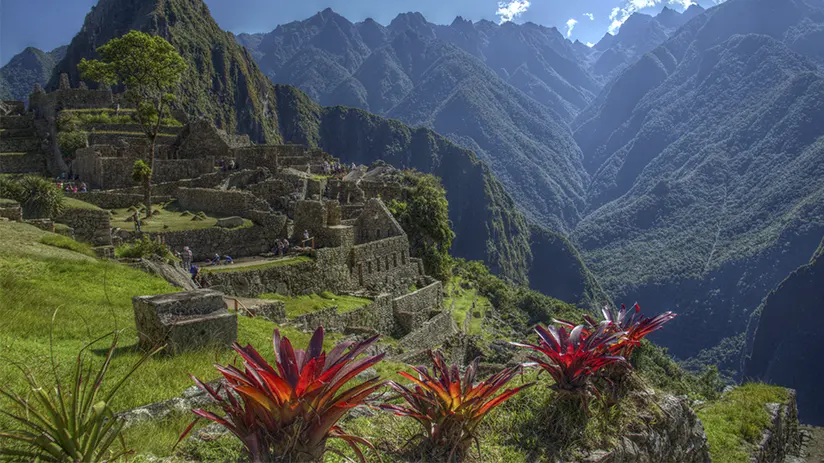
Machu Picchu, meanwhile, offers a compelling blend of imposing Andean peaks and lush cloud forest. Its setting reflects the transition from the high Andes to the warmer, more humid cloud forest. Key landscape features include Machu Picchu Mountain and Huayna Picchu Mountain, whose summits offer unique perspectives of the area. The natural environment is remarkable for its immense biodiversity, home to more than 400 documented orchid species and species such as the Andean cock-of-the-rock and the spectacled bear.
Choquequirao vs. Machu Picchu Landscapes
| Landscape Aspect | Choquequirao | Machu Picchu |
| Surrounding Natural Environment | Deep valleys, cloud forest, and high Andean mountains | Cloud forest, steep mountains, and the Urubamba River valley |
| Local Terrain | Steep mountain slopes, deep ravines, and rugged trails | Mountain ridges, steep slopes, and forested surroundings |
| Characteristic Landscape | Remote Andean scenery with dramatic mountain views | Iconic views of the citadel surrounded by Huayna Picchu and green mountains |
| Main Highlights | Apurimac Canyon, mountain valleys, terraces, and distant peaks | Huayna Picchu, Machu Picchu Mountain, Urubamba River, and surrounding peaks |
| Vegetation | A mix of highland vegetation and lush cloud forest | Lush vegetation typical of the cloud forest |
| Sense of Place | Wild, remote, and less developed | Scenic, iconic, and more visited |
Crowds and Solitude

The difference in visitor numbers is one of the clearest distinctions between the two destinations. Machu Picchu receives thousands of visitors, while Choquequirao remains significantly quieter. These differences in visitor numbers stem from popularity and accessibility, with Machu Picchu being the premier choice for travelers with limited time. Nevertheless, Choquequirao offers a distinct atmosphere, one that is far calmer and more peaceful.
Cost Comparison
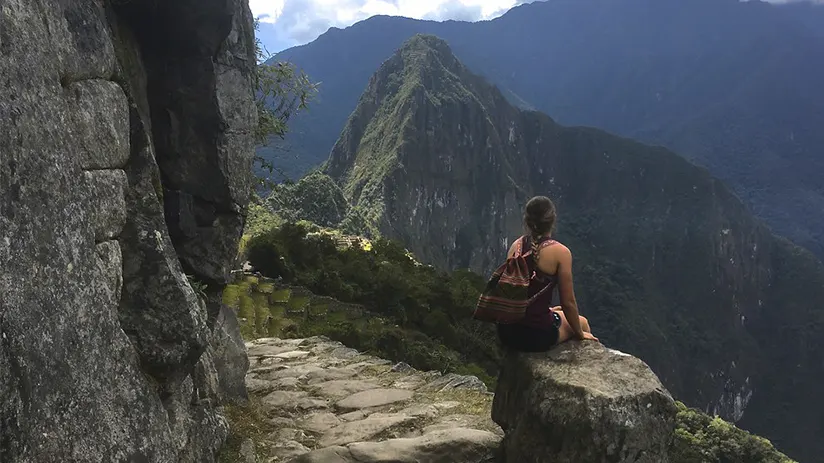
Cost is another important factor when choosing between Choquequirao and Machu Picchu. However, the final cost depends on the visitor’s travel style and desired services. Below are some of the main expenses to consider for each destination:
| Machu Picchu expenses | Choquequirao expenses |
| – Entrance ticket. – Train tickets. – Bus transportation. – Hotel accommodation. – Professional guide. – Meals and transfers. | – Transportation to and from the trailhead. – Professional trekking guide. – Camping equipment. – Meals for several days. – Support staff and emergency planning. |
Is There a Cable Car to Choquequirao?
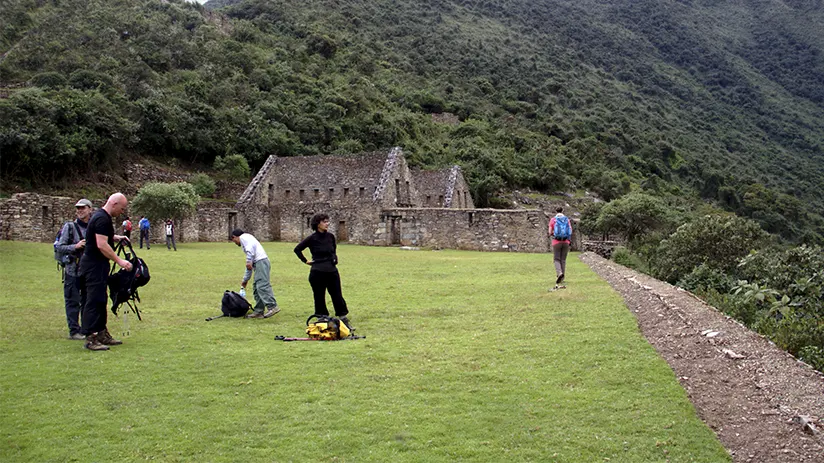
While traditional routes to these sites exist, such as the Inca Trail to Machu Picchu, other options are being evaluated over time. Among these new methods, the proposed cable car to Choquequirao stands out, as it would facilitate access to the site. However, at the time of writing, the cable car project is still under development and is not yet operating. Consequently, visitors still need to reach the archaeological site by trekking.
Best Time to Visit Choquequirao and Machu Picchu

In general, the best time to visit Machu Picchu and Choquequirao is during the dry season (May to September). Conditions during these months are usually more favorable for expeditions, thanks to stable weather, clear skies, and a lower chance of rain. Both attractions benefit from these conditions, making the treks easier to navigate.
These months also coincide with the peak tourism season, particularly for Machu Picchu. While this Inca city naturally attracts large numbers of visitors, the crowds are even larger during this period. Consequently, it may not suit travelers who prefer a quieter experience; they might instead choose the shoulder months (April or October), when crowds are thinner, but weather conditions remain good.
The wettest months are generally from December to March, and heavy rain can make the Choquequirao trek more challenging. However, the site can be visited year-round, depending on weather and trail conditions. Additionally, heavy cloud cover can obscure views of the Inca ruins at both sites.
Is Choquequirao Worth It?

Choquequirao can be an excellent choice for travelers who enjoy demanding treks, remote landscapes, quieter archaeological sites, and a strong connection to Inca culture. Unlike Machu Picchu, it does not have set entry times or the same level of visitor infrastructure, creating a more flexible and remote experience.
Visiting Both: Choquequirao to Machu Picchu

Those with more time and a larger budget might choose to visit both attractions for a more comprehensive experience. Such a journey can take around 8 to 9 days, though this will depend on the specific details of the trip. Careful preparation, including planning for altitude sickness and acclimatization in Peru, is highly recommended for this trip. Below are some details regarding such an experience:
| Itinerary Detail | Choquequirao to Machu Picchu |
| Starting Point | Cusco, followed by a transfer to the trailhead for Choquequirao |
| Destinations | Choquequirao, surrounding Andean landscapes, Aguas Calientes, and Machu Picchu |
| Recommended Time | Around 8–9 days for a balanced combined experience |
| Main Experiences | Multi-day trekking, archaeological exploration, mountain scenery, and visiting Machu Picchu |
| Ideal For | Active travelers who want to experience both remote ruins and Peru’s most famous Inca site |
| Travel Style | Adventure-focused, immersive, and physically demanding, with a more comfortable finish at Machu Picchu |
Choquequirao vs. Machu Picchu: Which Is Right for You?

There is no single destination that offers the best overall experience, as the choice between them depends on the type of traveler. Machu Picchu may be the better choice for first-time visitors, travelers with limited time, and those who prioritize convenience. Choquequirao is better suited to travelers seeking solitude, challenging trekking, and a more remote experience. Below are some of the key factors to consider:
| Interest | Best Choice | Why / Reason |
| Physical Demand | Machu Picchu | Easier to visit, especially when using the train and bus |
| Accessibility | Machu Picchu | Offers more transportation options and easier access |
| Archaeological Interest | Both | Both offer remarkable examples of Inca architecture and history |
| Landscape | Both | Choquequirao offers remote mountain scenery, while Machu Picchu offers iconic views |
| Solitude | Choquequirao | Far fewer visitors create a quieter and more remote experience |
| Time | Machu Picchu | Can be visited in a shorter itinerary |
| Budget | Depends | Choquequirao may have lower site-access costs, but its longer trek can increase total travel expenses. |
| Hiking Experience | Choquequirao | Better for travelers looking for a challenging, multi-day mountain trek |
| Comfort | Machu Picchu | Train, bus, and hotel options make the overall experience more comfortable |
How to Prepare for the Choquequirao Trek
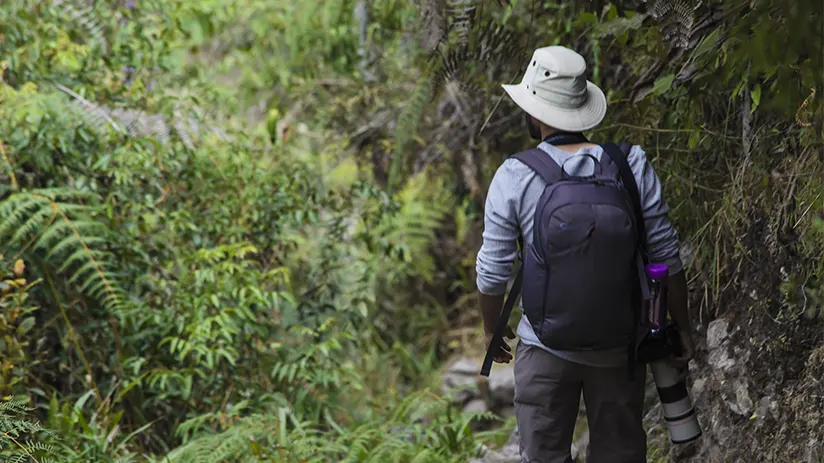
- Get physically fit: Prepare your body for a demanding adventure by doing cardiovascular and leg exercises. Aim for regular cardio and leg-strengthening workouts several weeks before the trek.
- Acclimatize in advance: Spend a few days acclimatizing in Cusco or another high-altitude destination before the trek. This can help your body adjust to the elevation. You might choose to stay in locations at a lower elevation, such as the Sacred Valley or Aguas Calientes. Drinking plenty of water, resting, avoiding strenuous physical activity, and eating light meals will help.
- Prepare essential gear: Bringing the right items, such as trekking footwear and clothing, is essential for a comfortable hike. Protective items like sunscreen, a hat, insect repellent, and trekking poles are recommended. You can also bring extras like snacks or medication, though you should be careful to pack only what you actually need.
- Carry enough water: Staying hydrated is crucial for the entire duration of the trek. It is best to carry reusable bottles that can be constantly refilled with potable water at various points along the trail.
- Plan your camping logistics: “Unlike a standard visit to Machu Picchu, reaching Choquequirao typically involves spending several nights on the trail. If you hire a travel agency, this may already be taken care of; if not, you will need to arrange it yourself. Bringing a tent, a sleeping pad, and a sleeping bag will ensure you can rest comfortably.
Frequently Asked Questions

Is Choquequirao harder than the Inca Trail or Salkantay?
Generally, yes; the Choquequirao trek is often considered more demanding because of its steep ascents and descents, long hiking days, and significant elevation changes. However, difficulty varies depending on the specific Inca Trail or Salkantay route.
Do you need a permit for Choquequirao?
No special trekking permit is currently required to hike the standard route to Choquequirao. However, visitors must pay an entrance fee to the archaeological site. Rules and fees can change, so it is best to check the latest information before your trip.
Is there a cable car to Choquequirao yet?
No, a cable car to Choquequirao is not currently operating. The archaeological site is still reached mainly by trekking, although a proposed cable car project has been discussed for improving access in the future.
Can beginners do the Choquequirao trek?
Yes, but it is not usually recommended as a first major trek. Beginners can complete the route if they are physically prepared, but the steep terrain and long hiking days require good endurance. Training before the trek is highly recommended.
How many days do you need for Choquequirao?
Most travelers need around 4 days for the classic Choquequirao trek, although longer itineraries are available for those who want more time to explore the site or continue toward Machu Picchu.
Can you visit Choquequirao without a guide?
Yes, it is possible to visit Choquequirao independently. However, the remote trails and limited services make traveling with an experienced trekking guide a safer and more convenient option, especially for first-time trekkers.
Does the Choquequirao trek connect to Machu Picchu?
Yes, an extended multi-day trekking route connects Choquequirao with the Machu Picchu area. Travelers interested in visiting Choquequirao and Machu Picchu can choose a combined itinerary, although the route requires considerably more time and physical effort than visiting either site separately.
How high is Choquequirao compared with other destinations in Peru?
According to PROMPERU, Choquequirao is located at about 3,033 meters (9,950 feet) above sea level. However, the trek involves significant elevation changes, so the physical challenge comes not only from altitude but also from steep climbs and descents.
How much time should I spend at Choquequirao?
Plan at least a full day to explore the archaeological site if your itinerary allows. Its different sectors are spread across the mountainside, so having enough time lets you explore without rushing.
What are the main ways to get to Machu Picchu after Choquequirao?
The route depends on your chosen itinerary. Trekkers can continue through the mountains on an extended multi-day route, while other travelers return to the main transportation network and use one of the standard ways to get to Machu Picchu, such as train services from the Sacred Valley.
Conclusion
Choosing between Choquequirao and Machu Picchu ultimately depends on the type of adventure you want. Machu Picchu is more accessible, easier to fit into a shorter itinerary, and offers extensive tourism infrastructure. Choquequirao, in contrast, requires greater physical effort but rewards travelers with remote landscapes, fewer visitors, and a deeper sense of exploration. Considering factors such as Machu Picchu trip costs, travel time, and trekking difficulty can help you determine which destination better suits your plans.
If you have limited time or prefer a more comfortable journey, Machu Picchu may be the better choice. If you enjoy challenging multi-day treks, solitude, and discovering less-visited Inca sites, the Choquequirao ruins can be an unforgettable alternative. For travelers with enough time and physical preparation, combining both destinations offers an even more immersive way to experience the Andes and explore Peru’s rich Inca heritage.
Whichever destination you choose, planning according to your fitness level, available time, and travel style will help you make the most of your trip. Both Machu Picchu and Choquequirao offer memorable ways to discover Peru’s history, culture, and extraordinary mountain landscapes, making either one a rewarding addition to your itinerary.
Ready to discover Peru beyond the usual routes? Machu Travel Peru can help you plan a personalized journey to Machu Picchu, Choquequirao, or both, with expert guidance, carefully planned itineraries, and local support throughout your trip. Contact Machu Travel Peru and start planning your unforgettable Inca adventure today.