The pisco routes in Peru connect travelers with the country’s recognized pisco-producing areas, including Lima, Ica, Arequipa, Moquegua, and the valleys of Locumba, Sama, and Caplina in Tacna. These excursions combine vineyard visits, distillery tours, tastings, and local culture, giving travelers a closer look at how Peru’s grape spirit is produced. This guide covers the main pisco routes in Peru, what you can expect on a tour, the best time to visit, and how to include the experience in your itinerary.
Explore some of the most relevant Pisco routes across Peru
- What Is the Pisco Route in Peru?
- Where Are Peru’s Pisco Routes Located?
- The Pisco Route in Ica
- Pisco Routes in Lima
- Pisco Routes in Arequipa, Moquegua and Tacna
- How Is Pisco Made?
- Pisco Grapes and the Main Types of Pisco
- What to Expect on a Pisco Tour in Peru
- Best Time to Visit the Pisco Routes in Peru
- How to Include a Pisco Route in Your Peru Itinerary
- Pisco Tours vs. Wine Tours in Peru
- Frequently Asked Questions About Pisco Routes in Peru
- Conclusion
What Are the Pisco Routes in Peru?

The pisco routes in Peru connect travelers with the country’s main pisco-producing regions, where they can visit vineyards and bodegas, enjoy tastings, and learn about the traditions behind Peru’s iconic grape spirit. These regions are home to the vineyards where the authorized Peruvian pisco grapes are grown and transformed into Peru’s distinctive grape spirit. Each route offers a different experience, from vineyard visits and distillery tours to pisco tastings. Stops at exclusive bars, colonial shops, and local artisan workshops also complement the visit.
Where Are Peru’s Pisco Routes Located?
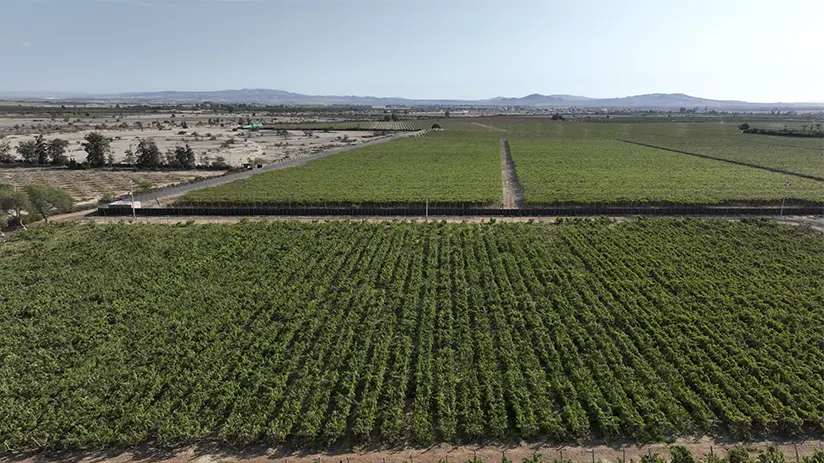
Peru’s pisco-producing areas are located in Lima, Ica, Arequipa, Moquegua, and the Tacna valleys of Locumba, Sama, and Caplina. These regions have long-standing traditions of grape growing and pisco production, with each offering a different landscape and cultural experience. From the streets of Lima to the vineyards of Ica, these routes offer a range of experiences for travelers interested in pisco, gastronomy, and local culture. Here’s a brief overview of each:
- Ica: Various traditional wineries offer a glimpse into the production process, from grape harvesting to pisco distillation.
- Lima: Many bars offer pisco-based cocktails such as the pisco sour, chilcano, and other Peruvian drinks.
- Arequipa: The area surrounding the city is home to wineries offering multiple varieties of pisco.
- Moquegua: Numerous valleys filled with fruit orchards and large pisco producers.
- Tacna: Vineyard visits, interpretive tours, and cocktail workshops focused on pisco.
| Region | Location | Type of Experience | Distinctive Features | Ideal For |
| Lima | Central coast, south of Lima | Vineyard visits, bodega tours, tastings, and gastronomy | Easy to combine with a trip from Lima; the Cañete Valley and Lunahuaná are key areas | Travelers with limited time, first-time visitors, and travelers based in Lima |
| Ica | Southern coast, about 300 km south of Lima | Vineyard and bodega visits, Pisco tastings, gastronomy, and nearby attractions | One of Peru’s best-known Pisco-producing areas; easy to combine with Huacachina | First-time visitors, food and drink lovers, and travelers looking for a full-day or overnight experience |
| Arequipa | Southern Peru | Visits to historic bodegas, vineyard tours, and Pisco and wine tastings | Three Pisco-producing areas: South, Central, and North routes; some producers have histories spanning more than 400 years | Travelers interested in history, traditional production, and exploring beyond the main tourist circuit |
| Moquegua | Southern Peru, near the Chilean border | Bodega visits, tastings, and food pairings | Known for traditional Pisco production and experiences that combine Pisco with regional sweets and gastronomy | Food lovers, cultural travelers, and visitors exploring southern Peru |
| Tacna | Far southern Peru, near the Chilean border | Vineyard visits, interpretive tours, tastings, and cocktail workshops | Pisco experiences connected with the valleys of Locumba, Sama, and Caplina, as well as local traditions | Travelers exploring southern Peru, visitors from Chile, and travelers interested in cultural and cocktail experiences |
The Pisco Route in Ica
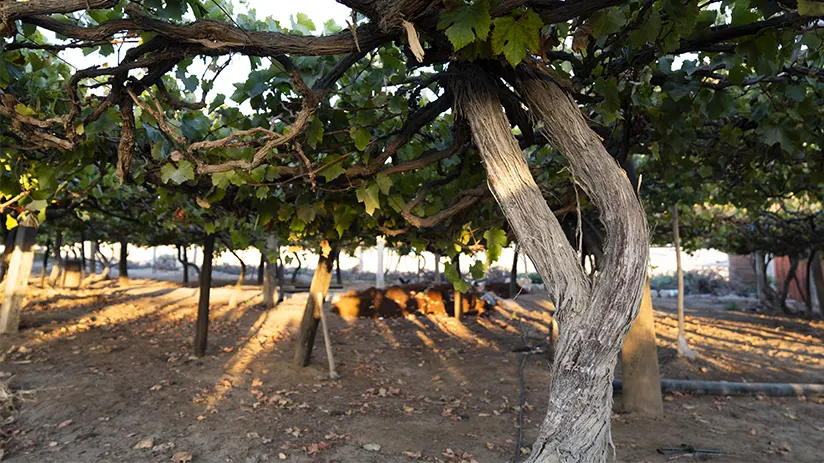
The Ica region is most famous for its extensive pisco production, vast vineyards, and expansive desert landscape that invites you to discover the essence of pisco. A tour here usually includes vineyard or bodega visits, an introduction to the production process, and pisco tastings. Vineyards and distilleries abound, ranging from traditional farms to modern, high-tech industrial producers. Ica is also home to some of Peru’s oldest pisco-producing estates.
A typical tour in the Ica Valley lasts about 3–5 hours through the sun-drenched Ica Valley. Along the route, you can visit both large-scale producers and rustic, family-run, artisanal wineries. Travelers visiting during the harvest season may also encounter traditional vendimia activities, including grape stomping at some producers. It’s advisable to bring extra money to purchase bottles directly from the wineries.
Pisco Routes in Lima
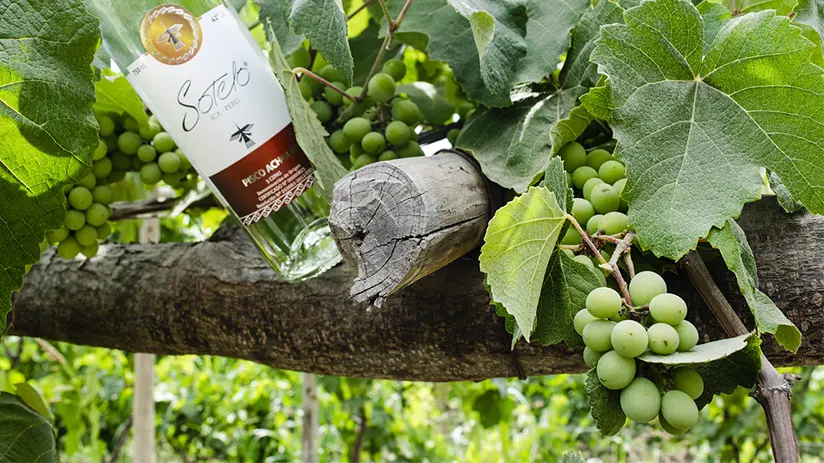
The pisco routes in Lima explore historic downtown bars, traditional taverns, elegant bars in hotels, and more. This area offers multiple ways to immerse yourself in pisco culture, many of them easily accessible. From visiting the Pisco Museum to pairing delicious Peruvian gastronomy with a classic pisco sour, there are many ways to begin your journey.
Those looking for a day trip can visit Lunahuaná, a destination nestled along the fertile Cañete River south of Lima. This is the unofficial pisco valley, offering specialized tours to learn about pisco production and local vineyards. It also allows you to complement your tour with outdoor adventure activities.
Pisco Routes in Arequipa, Moquegua and Tacna
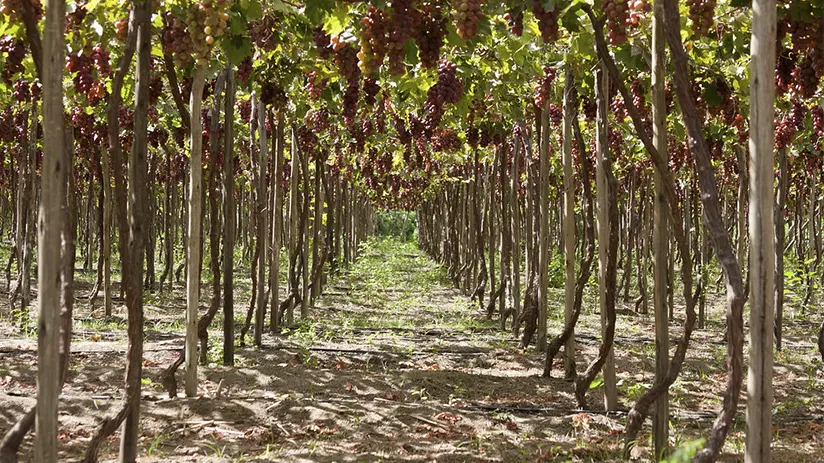
Arequipa, Moquegua, and Tacna offer different pisco experiences, from historic vineyards and traditional bodegas to tastings, cultural activities, and cocktail workshops. The raw materials used to make pisco are also noteworthy, particularly the local grapes such as Uvina and Negra Criolla. These routes also offer opportunities to visit nearby tourist attractions, learn about history, and discover other important features of southern Peru.
Arequipa’s Pisco Tradition
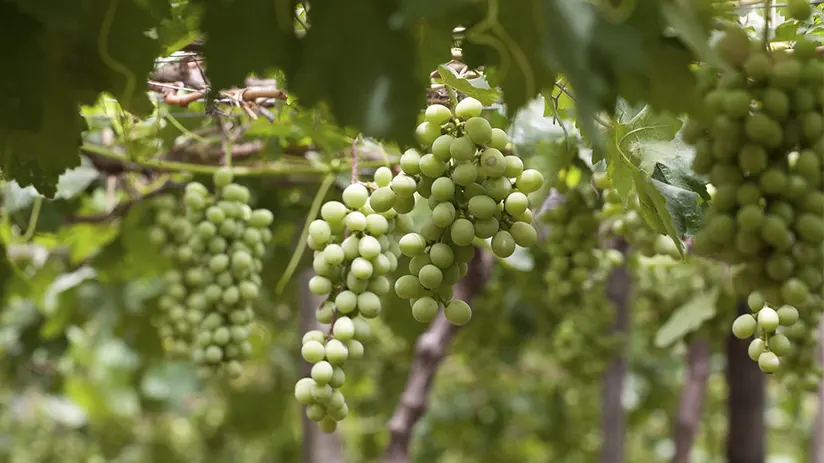
The pisco route in Arequipa is divided into three areas: the South Route, covering the valleys of La Joya, Vítor, and Santa Rita de Siguas; the Central Route, centered on the Majes Valley; and the North Route, covering the valleys of Camaná, Ático, and Caravelí. These areas are home to historic bodegas and vineyards that produce both pisco and wine. Some of these wineries and vineyards have histories dating back more than 400 years.
Moquegua’s Pisco Heritage
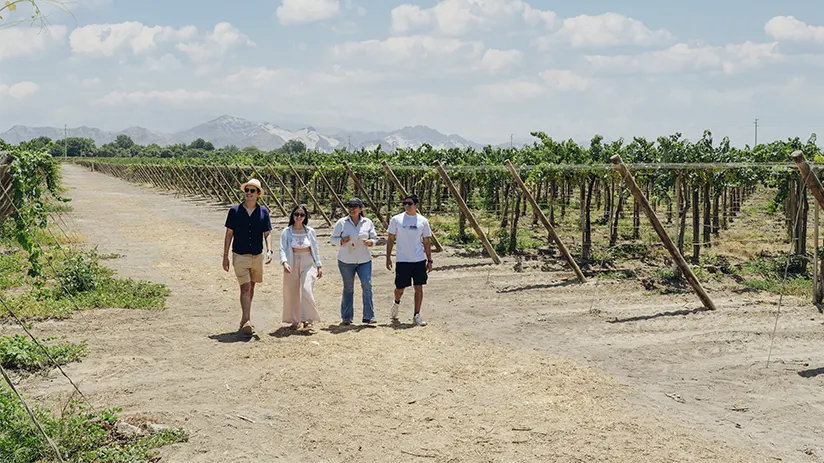
On the other hand, Moquegua also stands out for its vast valley countryside, which boasts ideal climatic and geographical conditions for pisco production. The region combines favorable agricultural conditions with long-standing traditions of grape growing and pisco production. During a tour of this area, visitors can explore the National Wine Interpretation Center, which offers sensory experiences and a tasting room.
Pisco in Tacna
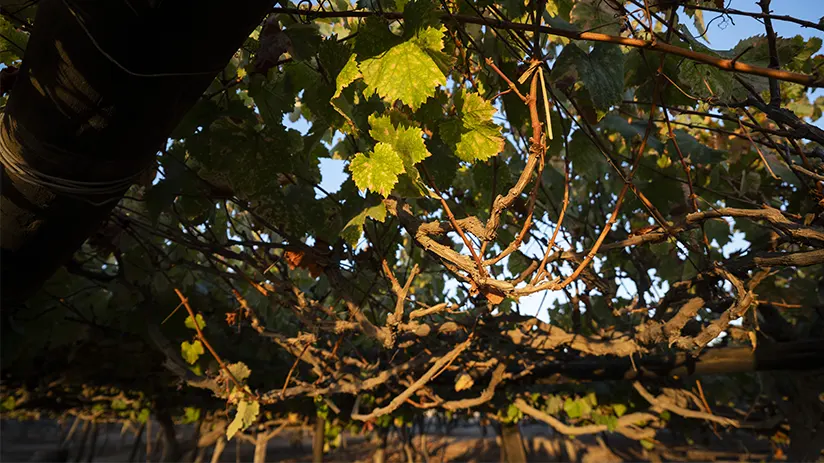
Finally, the route in Tacna offers a hybrid experience combining agricultural and cultural elements. The vineyards located in the fertile valleys near Tacna produce both aromatic and non-aromatic piscos, enriched by the area’s rich history. Visitors can also learn about pisco and participate in hands-on cocktail workshops.
How Is Pisco Made?

Peruvian Pisco is made by distilling freshly fermented grape must from authorized pisco grapes using traditional production methods. Under Peru’s Pisco regulations, the spirit is not redistilled, and water, sugar, or other additives cannot be added to the finished product. Along the route in question, producers replicate this process to obtain this Peruvian grape spirit. Below are the main steps in its production:
- Harvest and Selection: The first step is selecting the grapes, the raw material of pisco, specifically those suited to its production. This process takes place between February and April, though it depends on the region and specific climatic conditions. The selection is done manually and is essential to maintain a high-quality product.
- Pressing: After the harvest, producers press the grapes to extract their juice, called must. This process is carried out carefully to avoid excessively damaging the seeds or skins. Traditionally, people used wooden presses, although nowadays many use mechanical presses.
- Fermentation: During fermentation, natural grape sugars are converted into alcohol. The duration and conditions can vary depending on the producer and the grapes used.
- Distillation: Pisco is traditionally distilled only once, rather than undergoing double distillation. During distillation, producers separate the heads and tails from the desired portion of the distillate.
- Resting and Bottling: After distillation, pisco is allowed to rest in suitable containers before bottling. Unlike aged spirits, it is not matured in wooden barrels. It is then bottled with great care to avoid any contamination and guarantee an authentic Peruvian pisco.
Pisco Grapes and the Main Types of Pisco

Peruvian pisco is made from eight authorized grape varieties: four aromatic varieties and four non-aromatic varieties. The first category includes Italia, Moscatel, Torontel, and Albilla, which produce floral and fruity spirits. The non-aromatic varieties include Quebranta, Negra Criolla, Mollar, and Uvina, which offer more traditional flavors.
Types of Peruvian Pisco

Along the way, visitors will find three main types of this traditional Peruvian drink to taste. Below are details of each classification to help you easily identify them:
- Pisco Puro: Made exclusively from a single authorized pisco grape variety. Ideal for those who want to experience its purity and distinctive, traditional flavor.
- Pisco Acholado: A blend of several grapes that offers a balanced and complex flavor profile, often used in cocktails.
- Pisco Mosto Verde: Made by distilling fresh grape must whose fermentation has been interrupted. Its flavor is smoother and more aromatic.
What to Expect on a Pisco Tour in Peru

A pisco tour in Peru combines vineyard visits, guided tastings, and an introduction to the traditional production of this iconic Peruvian spirit. Depending on the region and producer, the experience can range from a short bodega visit to a more complete tour that includes food pairings, cocktail workshops, and cultural activities.
- Vineyard and Bodega Visits: Many visits begin with a visit to a vineyard or bodega, where travelers can learn about the grape varieties used to produce pisco. In Ica, for example, visitors can explore vineyards and traditional production facilities while learning how grapes are transformed into Peru’s signature grape spirit.
- Guided Pisco Tastings: Tastings are one of the main highlights of a pisco tour. Depending on the producer, you may sample different styles, including pisco puro, pisco acholado, and pisco mosto verde. Some experiences also include classic cocktails such as the pisco sour or pairings with local food and regional specialties or even Peruvian wine.
- Learning About Pisco Production: A guided visit offers an opportunity to see different stages of the production process, from grape selection and fermentation to distillation. Some bodegas preserve traditional equipment and methods, while others combine traditional practices with modern facilities.
- Cultural and Gastronomic Experiences: The pisco routes are not limited to tastings. Mincetur promotes experiences that combine pisco with local history, gastronomy, vineyards, and regional traditions. In Moquegua, for example, visitors can discover pairings with traditional regional sweets, while Tacna offers experiences that can include interpretive tours and cocktail workshops.
Before booking, check what is included in the experience. Transportation, tasting fees, food pairings, and cocktail workshops may vary from one producer or tour to another.
Best Time to Visit the Pisco Routes in Peru
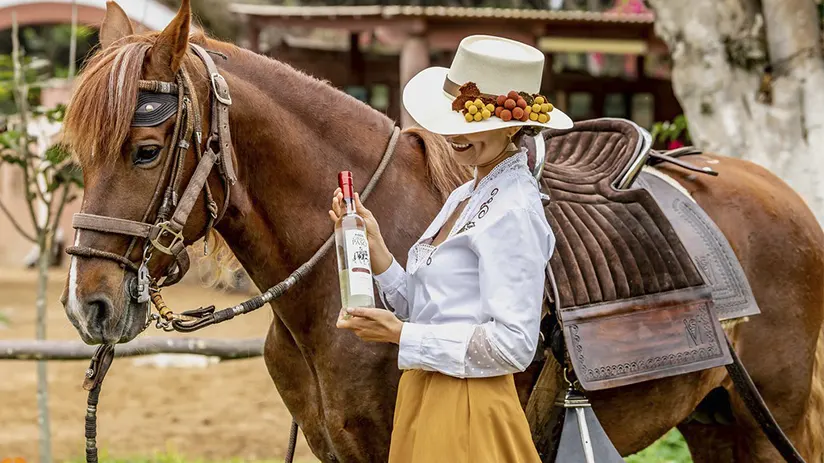
The best time to visit the pisco routes in Peru depends on the experience you want. The routes can be enjoyed throughout the year, while February and March are particularly interesting for travelers who want to experience the grape harvest and vendimia celebrations. For travelers who prioritize dry weather and outdoor activities, May through October can be a convenient period for travelers who prefer generally drier conditions, although weather varies by region. Other special events include the Harvest Festival in March and National Pisco Sour Day in February.
How to Include a Pisco Route in Your Peru Itinerary
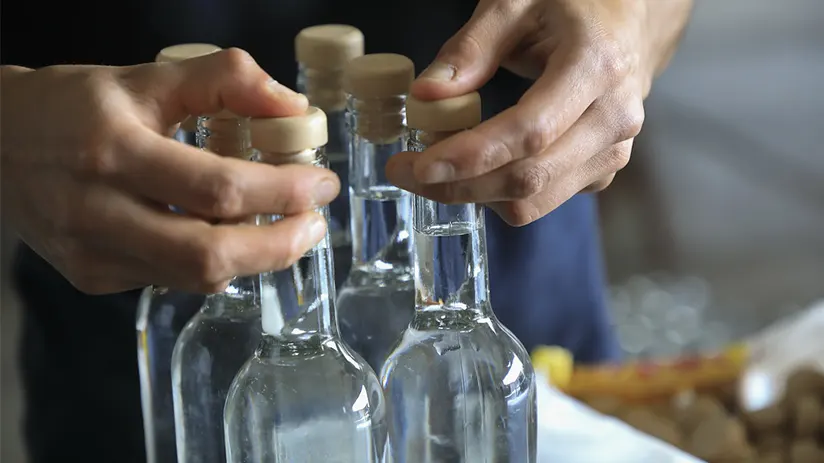
Adding a 1–2-day pisco experience in Ica to your itinerary is relatively easy, especially if you are already traveling through Lima or southern Peru. Ica is one of the most convenient pisco-producing regions to add to an itinerary from Lima. A short trip allows you to combine vineyard and bodega visits with pisco tastings and nearby attractions such as Huacachina.
| Itinerary Element | Recommended Option |
| Starting Point | Lima |
| Destination | Ica |
| Recommended Time | 1–2 days, depending on the experiences included |
| Main Experiences | Vineyard visits, bodega tours, pisco tastings |
| Nearby Attractions | Huacachina and other Ica attractions |
| Ideal For | First-time visitors, food and drink lovers, and travelers interested in Peruvian culture |
| Travel Style | Day trip or overnight stay |
For travelers with more time, Ica can also be incorporated into a longer journey through southern Peru. Ica is part of Peru’s broader pisco tourism network promoted through national tourism initiatives, which includes vineyard visits, guided tastings, and other experiences connected with local culture and gastronomy.
Pisco Tours vs. Wine Tours in Peru
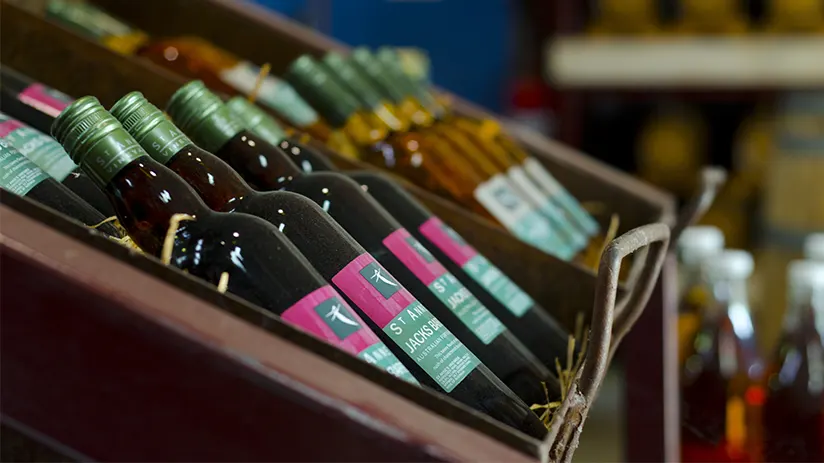
Pisco and wine tourism often overlap in Peru’s grape-growing regions, particularly in Ica, but the experiences focus on different production processes and final products. However, each has a distinct focus, primarily differentiated by the final product. As a visitor, you could choose to take both, or for a more specialized experience, opt for just one. Below is a brief comparison of the two routes:
| Pisco Tour | Wine Tour | |
| Main Drink & Types | Peruvian pisco, including varieties such as Puro, Acholado, and Mosto Verde | Peruvian wine, including red, white, rosé, and sparkling wines |
| Main Focus | Learning about pisco production, grape varieties, distillation, and Peruvian drinking culture | Exploring vineyards, winemaking, grape varieties, and wine-tasting traditions |
| Highlights | Pisco tastings, traditional distilleries, vineyard visits, and pisco-based cocktails | Wine tastings, vineyard walks, cellar visits, and food pairings |
| Main Places to Visit | Ica and the surrounding Pisco-producing valleys | Ica and other Peruvian wine-producing areas |
| Typical Locations | Vineyards, pisco bodegas, distilleries, and countryside estates | Vineyards, wineries, cellars, and wine estates |
| Tasting Experience | Usually includes neat pisco tastings and cocktails such as the pisco sour | Usually focuses on tasting different wines and comparing aromas and flavors |
| Cultural Experience | Strong connection to Peruvian traditions, celebrations, and national identity | More focused on Peru’s winemaking heritage and agricultural traditions |
| Best For | Travelers interested in local culture, spirits, cocktails, and a distinctive Peruvian experience | Travelers who enjoy wine, gastronomy, relaxed tastings, and vineyard scenery |
Frequently Asked Questions About Pisco Routes in Peru

Where can you visit the Pisco Routes in Peru?
The pisco routes are promoted in five Peruvian regions: Lima, Ica, Arequipa, Moquegua, and Tacna. Ica is one of the most popular options for travelers from Lima, while each region offers its own producers, landscapes, and cultural experiences.
Which Pisco Route in Peru Is Best for First-Time Visitors?
For first-time visitors traveling from Lima, Ica is one of the most convenient options for travelers starting in Lima because it combines vineyards, traditional bodegas, tastings, and nearby attractions such as Huacachina. Travelers interested in gastronomy can also combine the experience with Peruvian fusion cuisine.
Can you visit a Pisco distillery in Ica?
Yes, several producers in the Ica area welcome visitors for guided tours and tastings. Depending on the bodega, a visit may include the vineyards, production areas, distillation process, and a tasting of different piscos.
How do you get from Lima to the Ica Pisco Route?
The easiest option is to travel south from Lima to Ica by bus, private transfer, or organized tour. The journey generally takes around 4-5 hours by road, depending on traffic and stops. Once in Ica, you can visit several producers in a single day with a private driver or local tour.
How long does a Pisco Route tour take?
A bodega visit can take a few hours, while a full-day pisco tour experience usually takes one full day. Travelers with more time can spend one or two nights in Ica and combine the tastings with Huacachina or other nearby attractions.
What can you taste on a Pisco Route in Peru?
Visitors can taste different styles of pisco, including Puro, Acholado, and Mosto Verde. Many tours also include classic cocktails such as the pisco sour. The exact selection depends on the producer and the tasting experience.
Can you combine the Pisco Route with a trip to Huacachina?
Absolutely, Huacachina is only a short drive from central Ica, making it easy to combine both experiences. A popular itinerary is to visit a vineyard during the day and then explore the oasis, enjoy the desert scenery, or take a dune excursion.
What is the difference between Pisco and wine tours in Peru?
Pisco tours focus on a distilled grape spirit, while wine tours concentrate on fermented grape-based wines. Pisco experiences often emphasize distillation, Peruvian traditions, and cocktail culture, whereas wine tours usually focus more on vineyards, winemaking, tasting notes, and food pairings. Both are excellent options for travelers interested in Peruvian gastronomy and local tasting experiences.
How much does a Pisco route tour cost?
Prices vary significantly depending on the producer, transportation, tasting format, and whether meals are included. Check what is included before booking, especially transportation, tasting fees, and meals.
Conclusion
Exploring the pisco routes in Peru is a way to discover much more than Peru’s signature grape spirit. From the vineyards and traditional bodegas of Ica to the valleys of Lima, Arequipa, Moquegua, and Tacna, each region offers a different perspective on pisco, its production, and the traditions that have shaped this important part of Peruvian culture.
A pisco tour can also add a memorable gastronomic and cultural experience to your Peru itinerary. Whether you choose a tasting in a traditional bodega, explore vineyards, learn about the distillation process, or combine your visit with local food and nearby attractions, the experience allows you to connect with the landscapes and communities behind one of Peru’s most distinctive cultural products.
With so many regions and experiences to choose from, the best pisco route for you will depend on your itinerary, interests, and the type of experience you want to enjoy. If you are ready to discover Peruvian pisco beyond the glass, the next step is to find an experience that fits your journey and lets you explore its flavors, traditions, and landscapes firsthand. Likewise, you can visit some restaurants across Peru to taste the best of Peruvian gastronomy and complement your trip.
Peru has so much to offer; it can be hard to know where to start. With many years of experience in the tourism sector, Machu Travel Peru is happy to help with anything regarding your trip to Peru and any tours around it. Let us help you make your Peruvian travel experience unforgettable! Contact us today to plan your dream adventure!